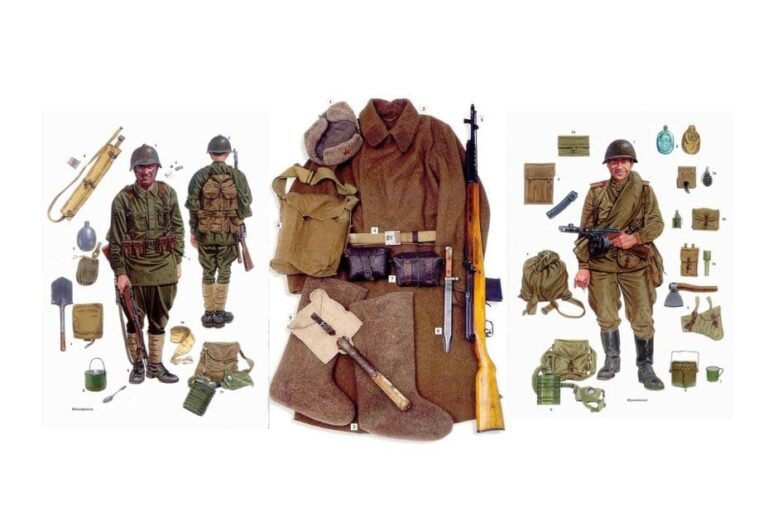
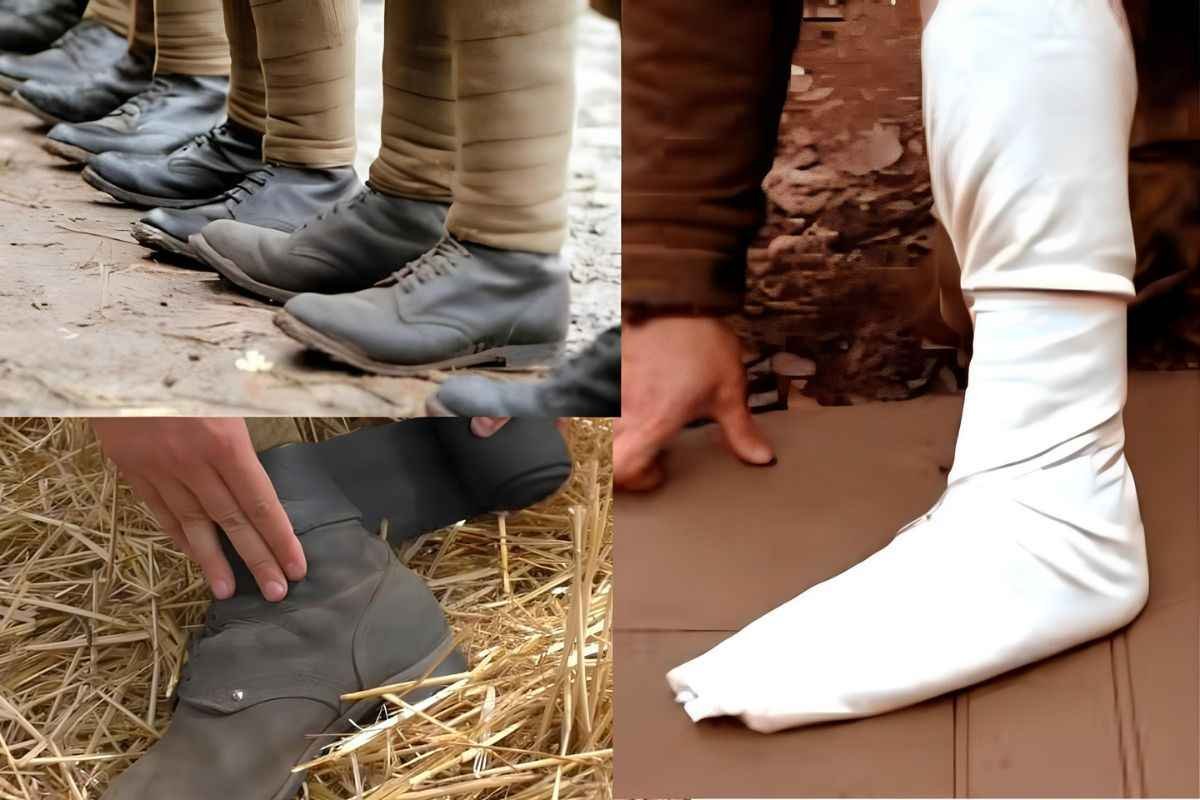
Puttees vs Portyanki – Why Soldiers Wrapped Their Legs in World War 1
The endless argument – puttees or portyanki? Almost the same as “boots or shoes.” During World War 1, different armies had different opinions about this equipment, but most soldiers simply wore whatever they could get. We looked deeper into this question.
Read more interesting articles
Why Soviet Soldiers Used Portyanki Instead of Socks
Telnyashka: History of the Russian Navy and VDV Striped Shirt
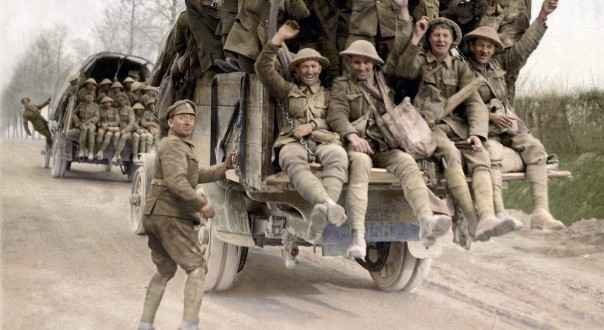
In 1914 every army had its own unique uniform that made it easy to recognize. One quick look was enough to spot a French soldier in red and blue, a German in feldgrau with a pickelhaube helmet, or a British soldier in khaki. But the longer the war lasted, the more these differences disappeared. The mixing was especially noticeable below the knees.
Puttees (best friends with boots)
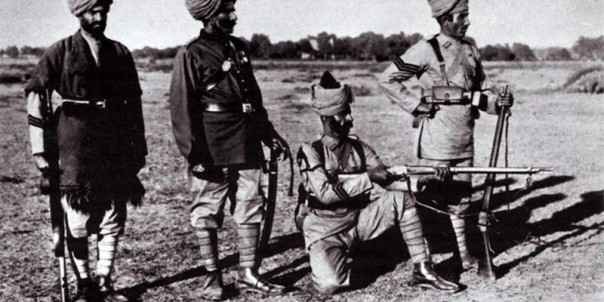
Puttees came to Europe thanks to the British, who copied them from Indians. The word “puttees” itself came from Hindi and meant a ribbon or narrow strip of cloth. This long strip of fabric was wrapped around the leg from the ankle to the knee. It slightly supported the ankle joint, protected the leg from small injuries, and gave some protection from cold and moisture.
To be fair, similar leg wraps already existed in Roman times, but later disappeared. The British Indian Army brought them back into fashion. In 1897, puttees about nine feet long officially became part of the soldier’s uniform. Mostly they were worn by support troops and police forces.
As part of the new khaki uniform, puttees were used during the Second Boer War. But not everyone liked khaki. In 1914, a volunteer battalion from Newfoundland, later known as the Royal Newfoundland Regiment, wanted to show its individuality and wore bright blue puttees.
They quickly had to abandon this unusual look, but the regiment kept the nickname “The Blue Puttees.”
Note: Another version says that Newfoundland simply had little khaki-colored fabric available. Since local authorities had to equip the soldiers themselves, they decided to save money and made the puttees from normal blue civilian fabric used for work clothes.
As we know, bad ideas spread quickly. The French, who at the end of 1914 had to stop using their famous bright red trousers – not because of camouflage, but because the dye was purchased from Germany – also started wearing blue puttees.
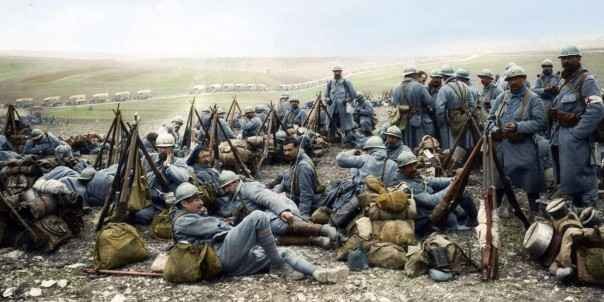
Meanwhile in Britain, puttees became almost a fashion obsession. Postcards with puttees were sold everywhere. Then came classic British marketing tricks. One company called Fox Brothers even started selling puttees marked “L” and “R” – meaning “left” and “right.”
Portyanki (prefer boots)
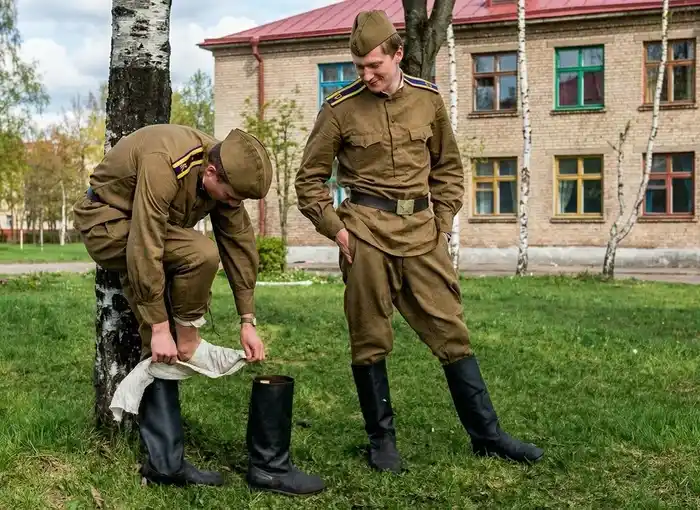
“Your own portyanka is better than somebody else’s boot.” Surprisingly, this is actually a German saying. Even though the French called portyanki “Russian socks,” it is wrong to think only the Russian Army used them.
Portyanki are usually seen as a symbol of Russian backwardness, but according to one version they actually came from the West, from Holland. Germans, who already knew socks very well in the early 20th century, still included portyanki in military regulations instead of socks – they were cheaper and simpler.
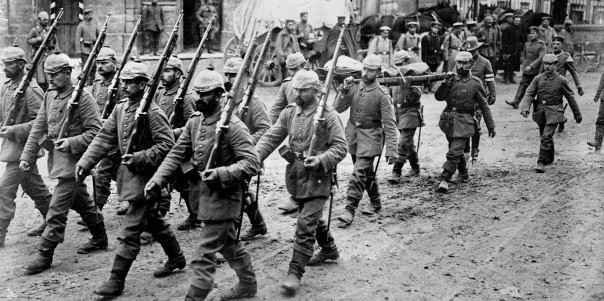
At that time infantry was the main branch of the army, and soldiers traveled on foot. If ordinary soldiers, like in the Russian and German armies, wore boots, those boots had to be made from rough and durable leather that could survive long use. Wearing socks with such boots was impossible – socks tore apart and feet were rubbed bloody.
Armies where soldiers and often even infantry officers wore shoes instead of boots tried to balance durability and comfort. Shoes were lighter and fit the foot better. Shoes also needed less leather, so they were cheaper. The saved money could then be spent on socks.
The argument between supporters of boots and supporters of shoes has existed for centuries.
Both at the same time
However, the famous “German boot” did not last long. As soon as leather shortages started, the Germans also switched to shoes with puttees. By the way, early medieval Germanic peoples, probably copying the Romans, wore puttees for a long time. Not only men but women too. The late 19th century gave them a new life.
For example, Chinese gendarmerie units formed in Jiaozhou – a German colony on the Shandong Peninsula – received two sets of puttees, summer and winter versions.
It is hard to say who taught whom to wrap legs – Germans teaching Chinese, or the opposite.
Even today puttees are still part of the national clothing of some ethnic groups living in China.
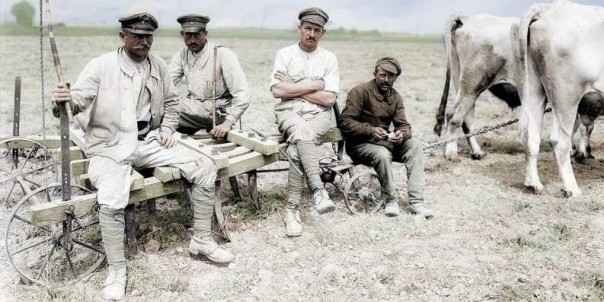
The Russian Imperial Army also deserves special mention. Because of the footwear crisis in 1914, soldiers wore everything possible, including shoes with British-style puttees. But people often forget that in Russia, traditional foot wraps called “onuchi” had been worn with bast shoes since ancient times. The only real difference between onuchi and puttees was that onuchi covered not only the leg from ankle to knee, but also the whole foot. They were also fixed with crossed straps.
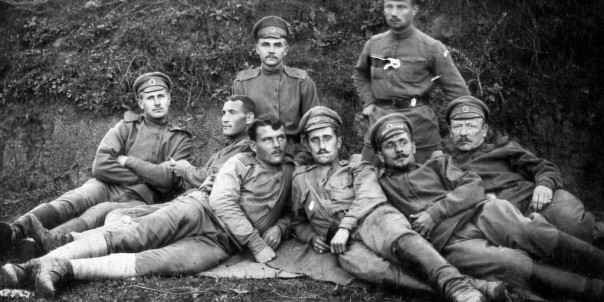
The Serbian Royal Army, just like the Russian Imperial Army, also knew very well what shortages meant. Serbian soldiers wore anything they could put on their feet. Besides standard boots and shoes, they also wore “opanke” – traditional Balkan footwear similar to woven leather moccasins – together with local versions of puttees.
Friendship wins
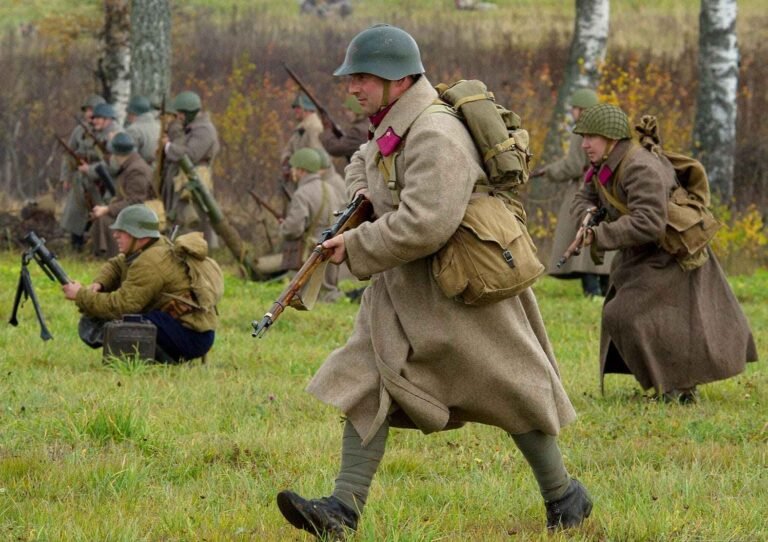
In reality, most soldiers on all sides wore puttees as part of their uniforms: British, French, Italians, Germans, Austro-Hungarians, and even Americans after they abandoned their canvas gaiters in 1917 because they were not practical.
So during World War 1, puttees became part of military equipment in almost every army. For some countries, the new British invention was actually a forgotten old tradition. For others, it was simply another name for something they already knew.
Portyanki were much less common, but they turned out to survive much longer – in some places they are still used today, even if not in regular armies anymore.
So what would you choose?
Read more interesting articles
Why Soviet Soldiers Used Portyanki Instead of Socks
Telnyashka: History of the Russian Navy and VDV Striped Shirt
Looking for original Soviet boots and accessories? Please visit here: Soviet Boots Store