9th Company Afghanistan Through the Eyes of a Soviet VDV Veteran
Earlier, we published the part 1 of our article about the legendary 9th Company in Afghanistan – the same Soviet airborne unit that later inspired the famous war film “9th Company.”
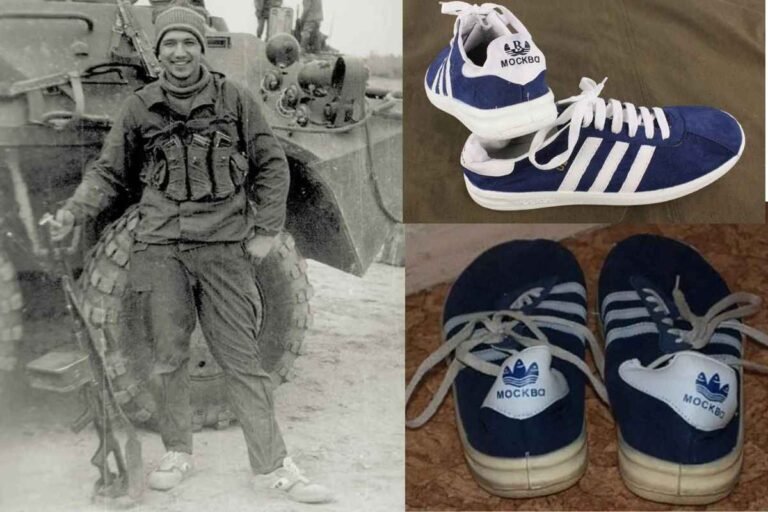
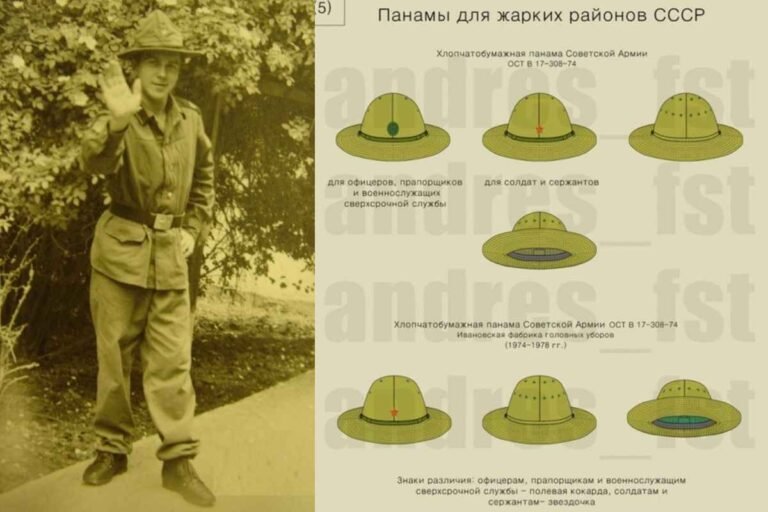
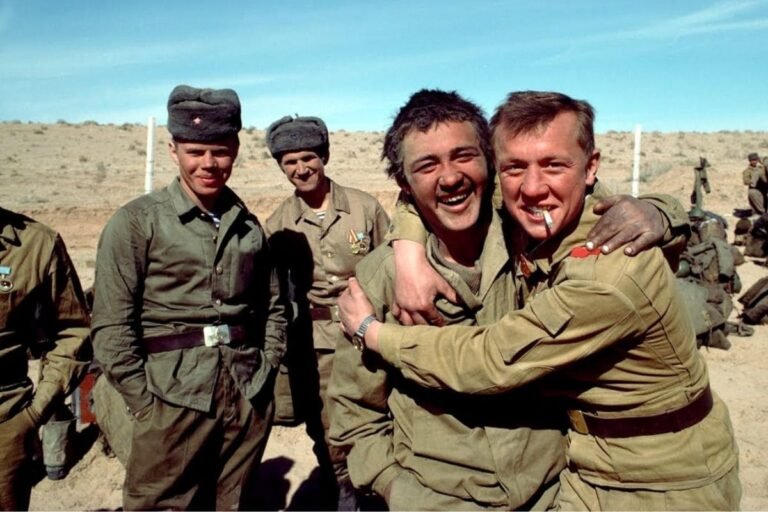
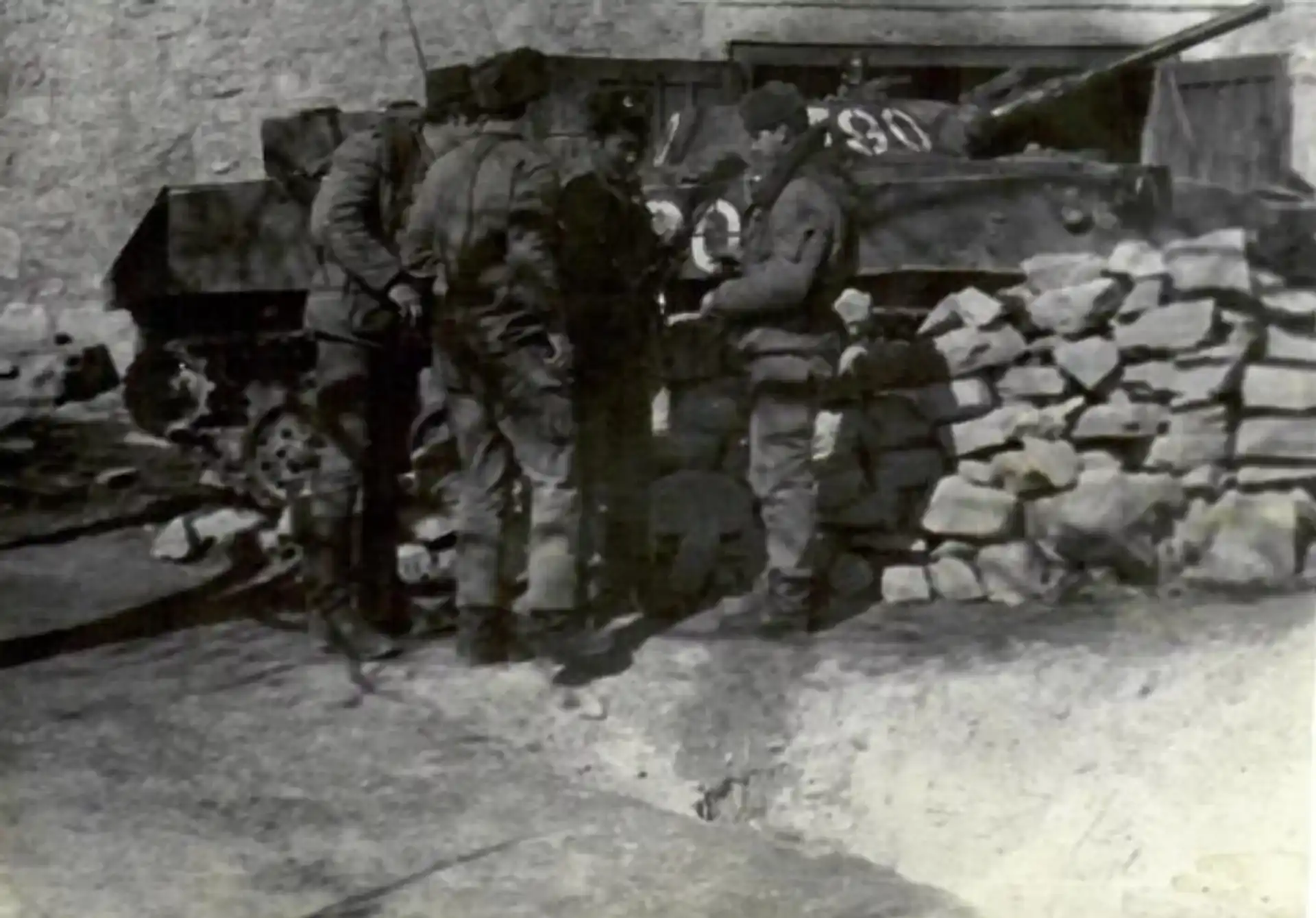
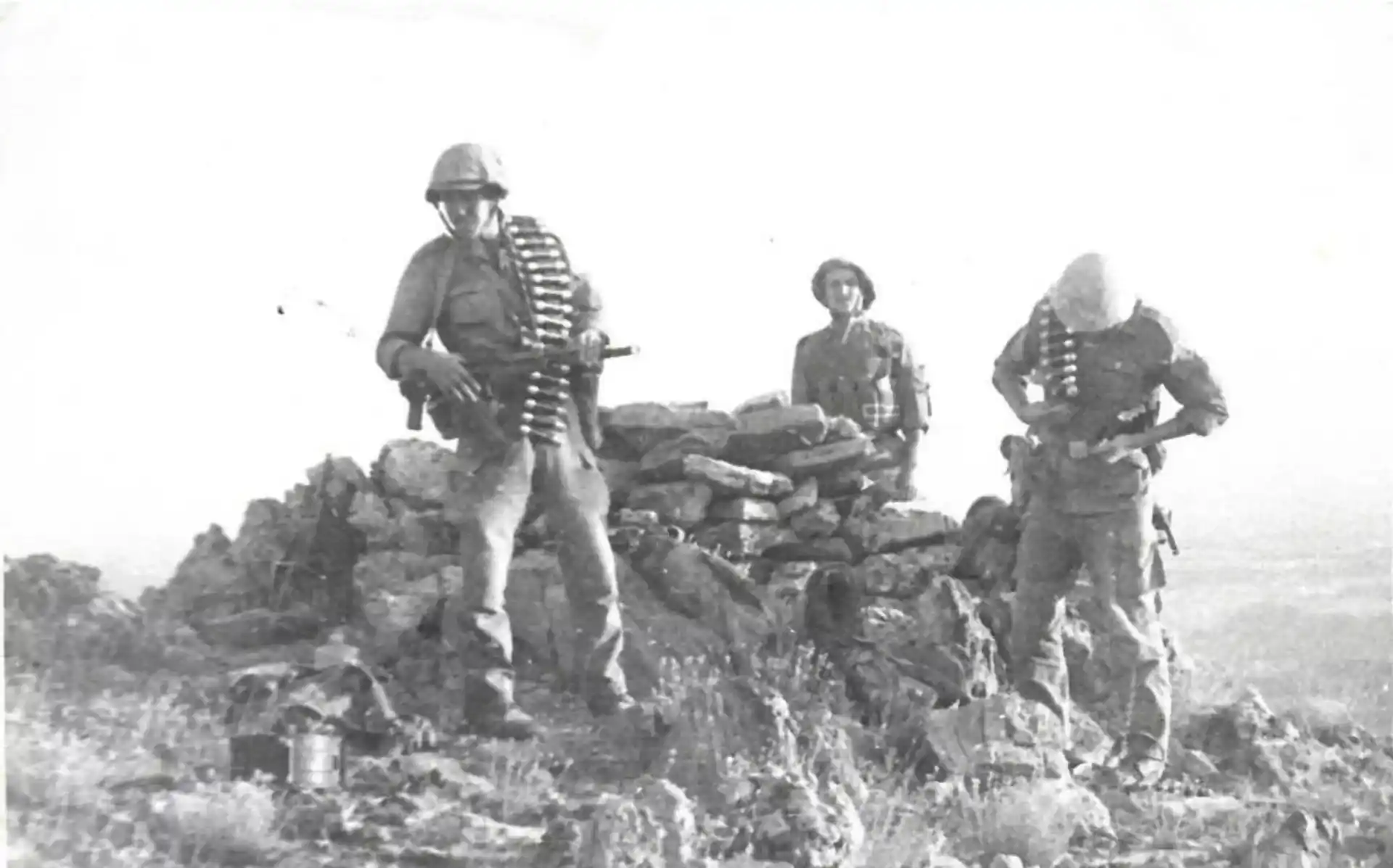
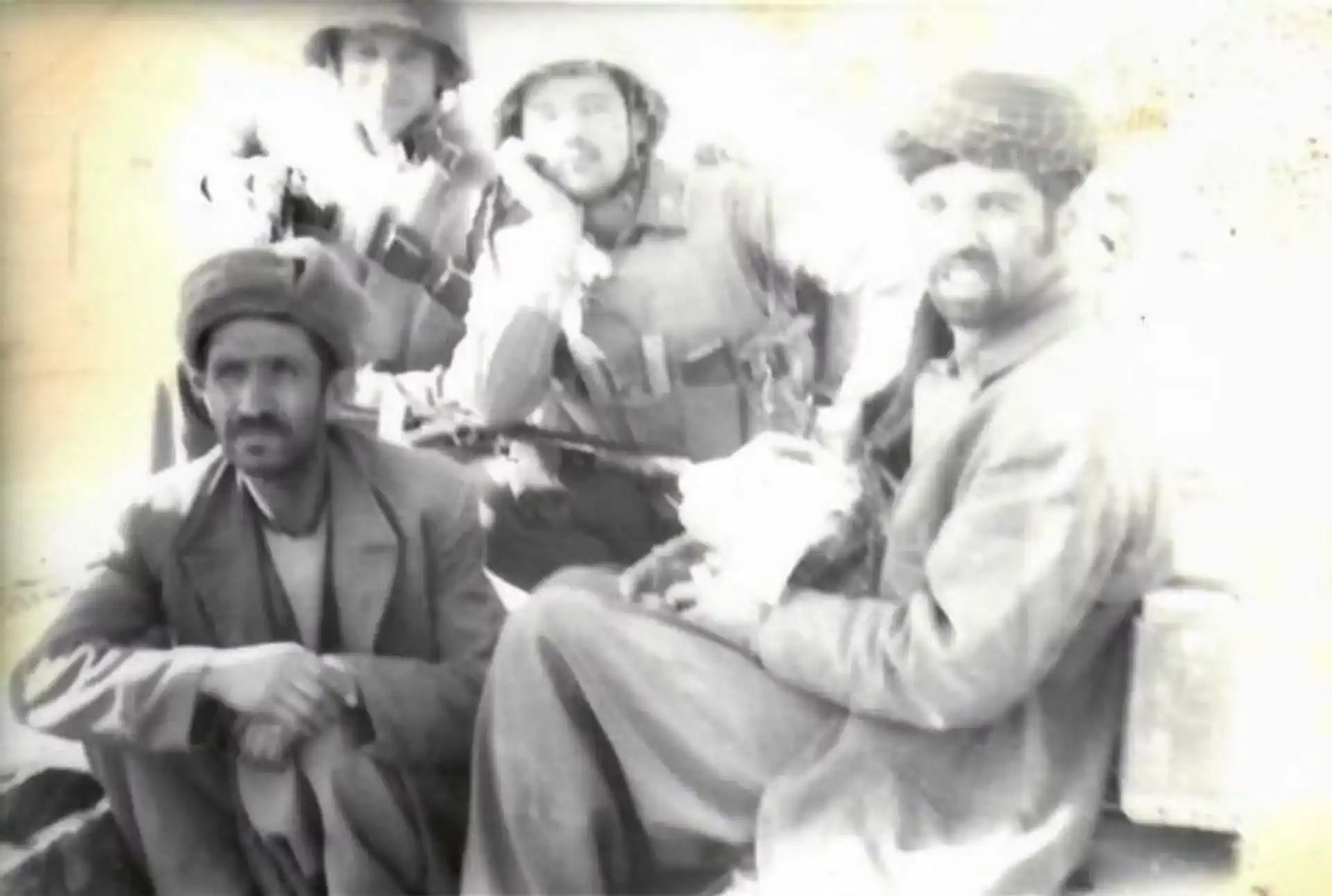
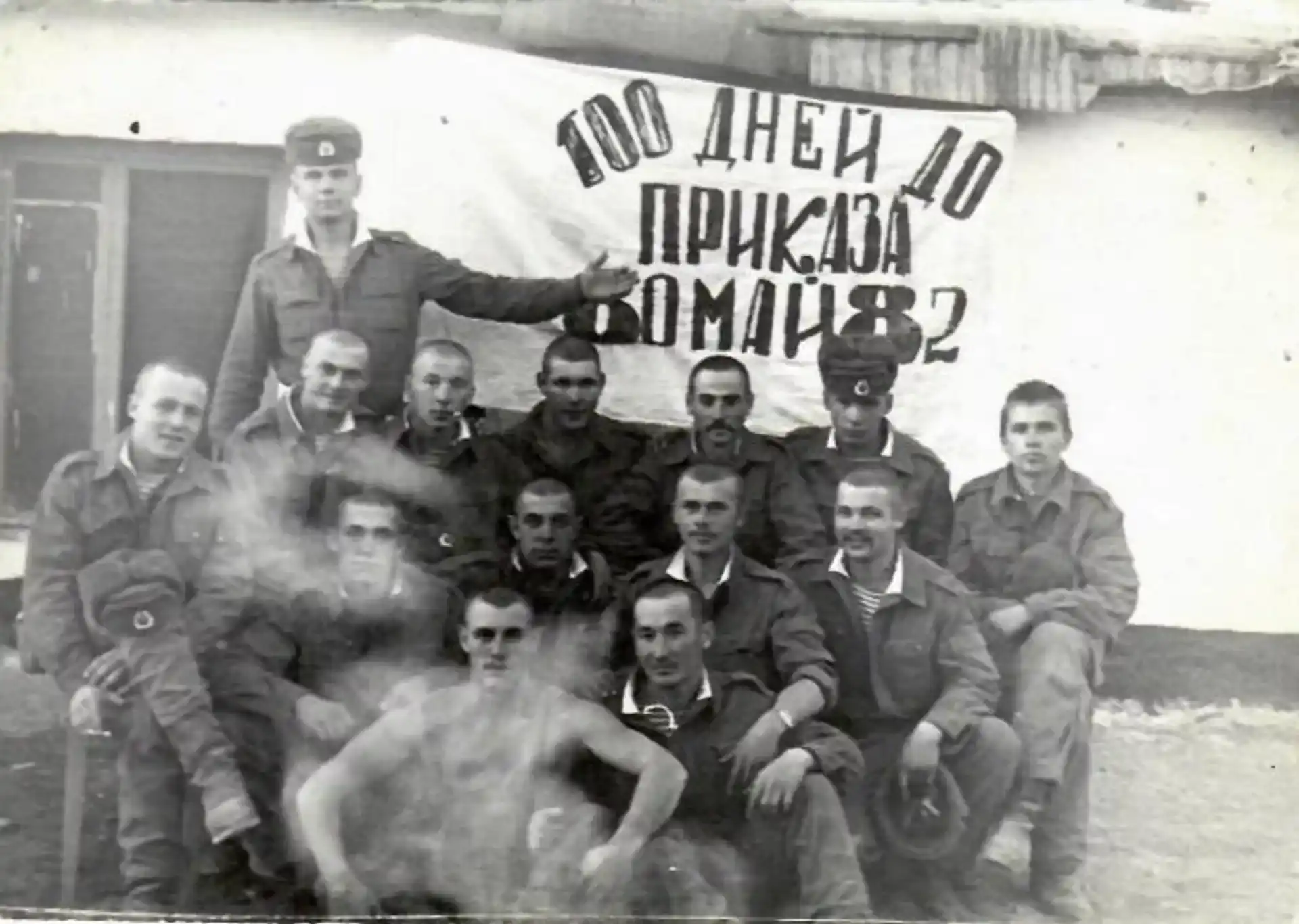
In this second part, we look deeper into the real story through the memories of a Soviet VDV veteran who served there during the Afghan War. These rare archive photographs show everyday life of Soviet paratroopers, military convoys, combat missions, mountain marches, and moments rarely seen outside personal collections.
Unlike movies, these photos capture how the war really looked for ordinary young soldiers in Afghanistan during the 1980s. Many of the images come directly from the personal archive of veteran Zheksenbay Abdulov and preserve real memories of the Soviet Army and VDV troops during the conflict.
More interesting articles:
VDV 9th Company Afghanistan – The Real Battle of Hill 3234
Why Mujahideen Feared Soviet GRU Spetsnaz in the Afghan War
Soviet Spetsnaz Uniform in Afghanistan (1979–1989)
What Soviet Soldiers Really Ate in the Afghan War
A man from Kazakhstan who served for one and a half years in the legendary 9th Company shared his memories of the war.
More than 40 years have passed since Zheksenbay Abdulov returned from Afghanistan. There, he served in the legendary 9th Company and carried out his international duty. But even today, he remembers every combat mission. He remembers every brother-in-arms – those who died and those who are still alive.
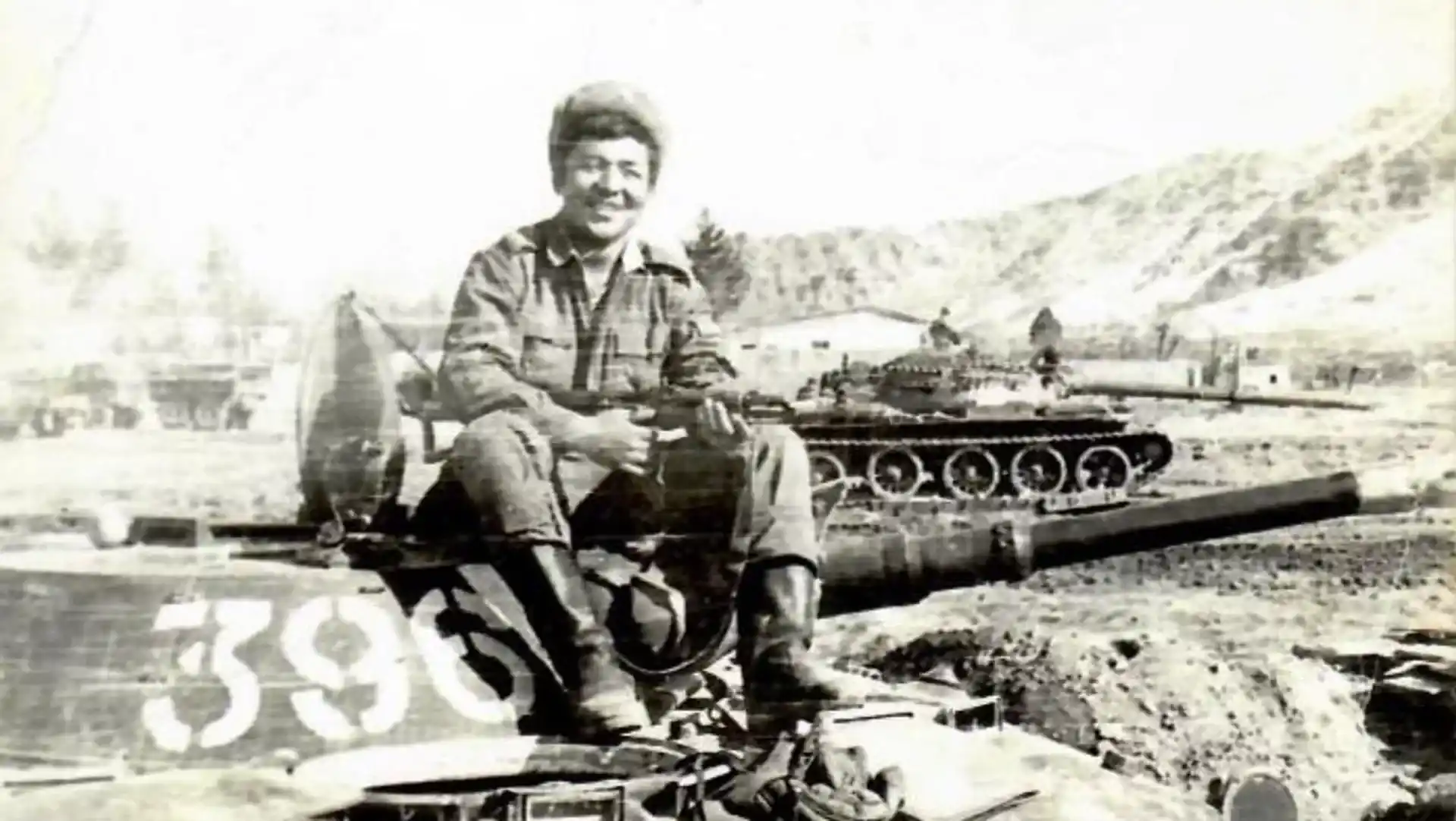
Zheksenbay Abdulov spent one and a half years in Afghanistan. In 1980, he was only 19 years old. Today, he is already over 60. He says that his time in Afghanistan was one of the most important chapters of his life.
He served in the truly legendary 9th Company. This VDV unit was often sent to the hardest parts of the war. Abdulov says it is almost surprising that he returned without even being wounded, because death came very close many times.
Afghanistan: Those Who Were There Will Never Forget
“What did Afghanistan mean in your life? What do you remember when people talk about it?”
“First of all, it was the time when we were young. We were 18 or 19 years old. Afghanistan was the land itself, the history of that country, and something very exotic for us.
Afghanistan was also the people I served with. It was where I learned what friendship really means. Real male friendship cannot be bought, but it can be sold and betrayed.
Afghanistan was the events that happened there. More than 40 years have passed, but the people I met, spoke with, and served with there are still very dear to me. I remember them all the time – especially the boys who died.
“Afghanistan is important to me because during the one and a half years I spent there, I tested myself. I learned whether I could stand it or not. And I did stand it.
It was hard. Daily life was hard, and combat operations were hard. Nothing was simple there. Life tested us.
After Afghanistan, I understood life and the world in a different way.”
The Road to Afghanistan: He Became a Paratrooper Before He Had Even Taken a Train
“How did you get to Afghanistan and to the 9th Company?”
“I served there from 1980 to 1982. I was drafted from Astrakhan after finishing a road construction technical school.
They were choosing people for three branches: the Navy, the Border Troops, and the VDV airborne forces.
I was not very tall – 174 cm and 67 kg. What kind of paratrooper could I be? But there was romance in it. Everyone wanted to join the paratroopers.
I thought I did not really want to join the Border Troops either – running somewhere in the north or in the desert. And my two older brothers had served in the Navy.
A major was sitting there and asked me, ‘Where do you want to serve?’
I said, ‘In the Navy.’
He was surprised, because most people tried to avoid the Navy. I explained that my two brothers had served there.
Then he asked, ‘Do you want to join the VDV?’
I said, ‘Will they take me?’
He asked, ‘Will you jump with a parachute?’
At that time, I had not even traveled by train, not to mention flying. But I said, ‘I will jump.’
So he wrote big letters on my file: ‘VDV.’
I went outside, and some guys were standing there – tall and strong. They asked me, ‘Where did they send you?’
I said, ‘To the VDV!’
They were surprised.”
Report: I Ask to Be Sent to Serve in Afghanistan
“Then came DOSAAF, parachute jumps, and after I finished technical school, I was drafted in May 1980.
We were divided into groups and sent to Lithuania. There was a training airborne division there. On May 10, we left by military train for Lithuania.
When we arrived at the training unit, I was sent exactly where I was supposed to go – to a training company for drivers of the BMD-1 airborne combat vehicle. We trained there for six months.”
“One day, an officer came to us. He was a captain from Kabul, from the Vitebsk VDV division. He went from company to company and told us about Afghanistan – how service was there and what was happening.
There were four of us from the same region. He came to our company and spoke to us. It was very interesting for us.
Later, the four of us met in the smoking area and decided to write reports asking to be sent to Afghanistan.”
“Do you remember the road to Afghanistan?”
“A military transport plane Il-76 arrived – the same type that was recently shot down. It was a good plane.
At night, around 12 o’clock, we arrived in Fergana. We were immediately taken to the base of the 345th Regiment — the separate airborne regiment in Fergana.
We arrived there, and just like in the movie 9th Company, they lined us up on the parade ground. An officer said, ‘These are the barracks of the 3rd Battalion. The 7th, 8th, and 9th Companies used to be here. The barracks are empty. Take them, and tomorrow we will sort everything out.’
The next day they lined us up again. They needed specialists: a welder, a cinema mechanic, a plumber, and others.
Out of 280 men, about 100 stayed in the Fergana garrison. The rest of us – 180 men – were prepared to be sent further.
We stayed in Fergana for only three weeks. We also had kitchen duty there.”
“Troublemakers” and the “Penalty” Company
“I will tell one story now. Later you will understand why it matters.
During those three weeks, some guys got into trouble. Some left the unit without permission, some drank alcohol, some were put in the guardhouse. Someone even swam in a fountain.
There were about 12 or 13 of them. Their names were written down.
On the morning of November 18, 1980, they woke us up and fed us. We walked to the airfield. We were sitting near the runway at about 9:30.
Then a civilian Tu-154 plane landed. They announced: ‘The Tu-154 plane, Tashkent–Fergana, has landed.’
We watched all the passengers get out. About 20 minutes later, the announcer said: ‘Boarding is announced for the Tu-154 flight Fergana–Point B.’
A major was escorting us. He gave the order: ‘Stand up! Run!’
We were thinking, what is this ‘Point B’? It turned out to be Bagram – Bagram Air Base in Afghanistan.
We ran into the plane. There were stewardesses walking inside. It was a civilian aircraft.
When we arrived, the plane circled above Bagram Air Base. We looked down and saw aircraft, military vehicles, and equipment.
The plane landed, but there were no stairs. They brought a GAZ-66 truck, and we jumped onto its roof to get down.
There was the main runway, and about 100 meters away there was a reserve runway. More than 100 soldiers were standing there, ready to go home after service.
The commander of the 1st Battalion, a big man nicknamed ‘Moose,’ lined us up. The wind from the propellers was strong, and they were shouting something to us.
Then guards surrounded us, the officers were lined up, and the head of the political department came to the platform. For us, it was all unexpected.
He began a speech, and I still remember it:
‘There, beyond the mountains, the regiment is carrying out combat missions. They are waiting for us there. But among you, there are people who will fail us in battle!’
We stood there thinking: how does he know who will fail anyone?
Then one officer started reading a list. It turned out these were the guys who had gotten into trouble in Fergana. But it was political work. I think it was done for psychological effect.
Those guys stepped forward. They lined them up.
Then the head of the political department said: ‘These men shame us! Send them to the 9th penalty company!’
We were shocked. We thought: we came to Afghanistan, and there is even a penalty company here?
Then the commanders began choosing men.”
Not a Penalty Soldier, But Sent to the 9th Company
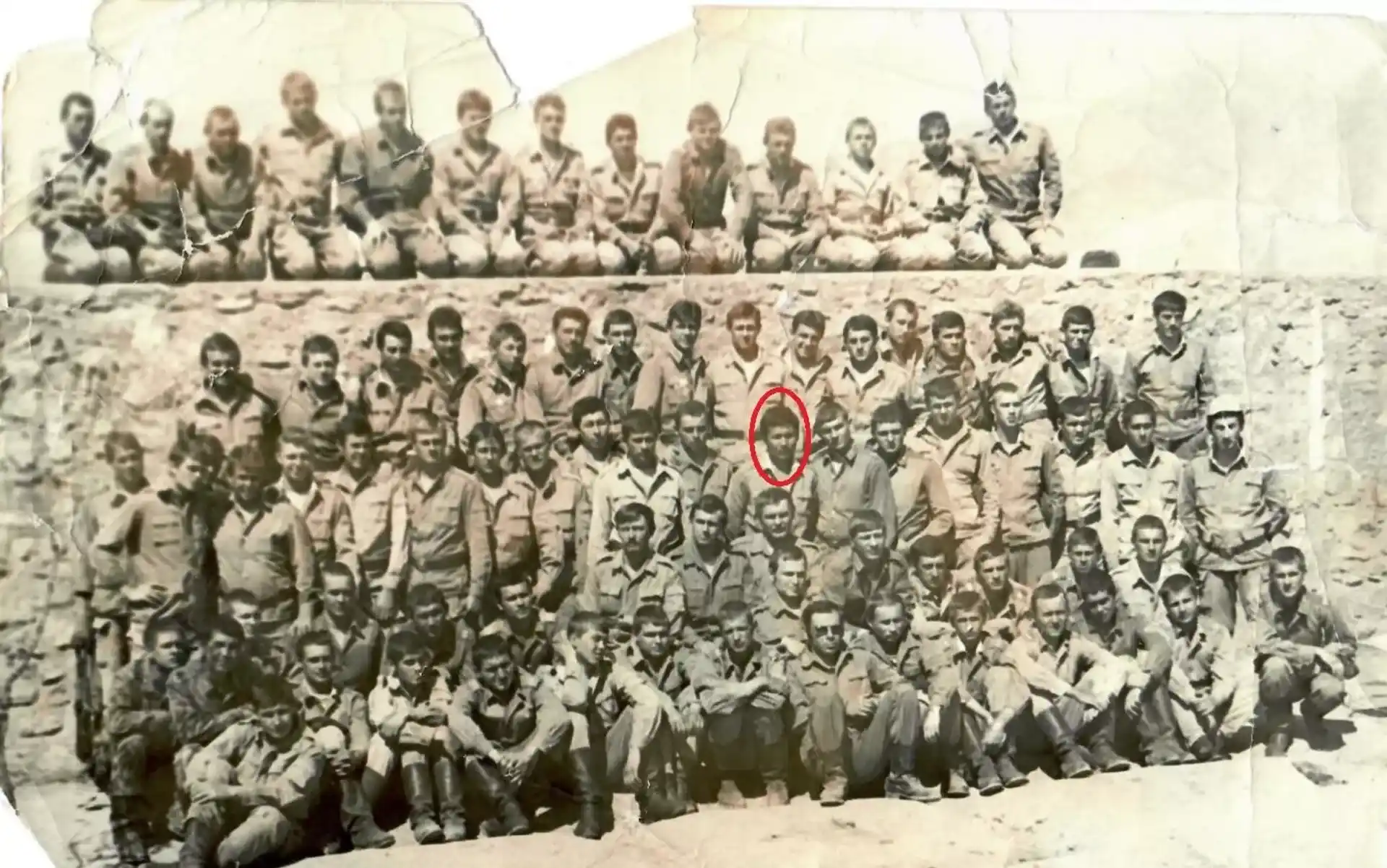
A captain came up to me. He was short, with a mustache. Later he became my company commander — Ivan Stepanovich Monakhov. He was wearing field uniform, and he was all dirty.
He looked at me and asked, “Where are you from?”
I answered, “From Astrakhan.”
He asked, “What is your nationality? Kazakh?”
I said, “Yes.”
Then he asked, “What did you do before the army?”
I answered, “I studied. I finished a road construction technical school.”
He immediately moved me to the side. Then he chose my countryman Zakhar Abugaliyev. Then another guy. These were mechanics.
After that, he chose three sergeants and three gunner-operators. A vehicle crew included a commander, a driver-mechanic, and a gunner-operator. These were specialists. The rest became riflemen.
A BMD crew had seven men. After we were selected, he pointed to a tent.
We were standing together, and then another man came out. He turned out to be the company sergeant major. He shouted at us and said, “Why are you standing there? Come here!”
We went into the tent. There were bunk beds inside. There was also a weapon rack with company weapons: grenade launchers, assault rifles, body armor, everything. In the corner there was a small separated area for the sergeant major.
We all squeezed inside. He took all the things we had: parade uniforms, spare telnyashka shirts, almost everything. Only what I was wearing remained. He also took our documents and badges, including our “Guards” badges.
Was the 9th Company Really a Penalty Company?
No. The 9th Company was not really a penalty company. It was a strong, disciplined, and very tough company.
The company had taken part in the 1979 operation during the storming of Amin’s Palace. At that time, Valery Alexandrovich Vostrotin was connected with the unit. Later he became a Hero of the Soviet Union and a Colonel General.
The 9th Company was so disciplined that it was constantly sent to the hardest places. It was sent where other units were not usually sent.
We often worked together with army Spetsnaz from the 108th Division. In June 1981, we went with them on “search and sweep” operations through villages. There were many operations like that.
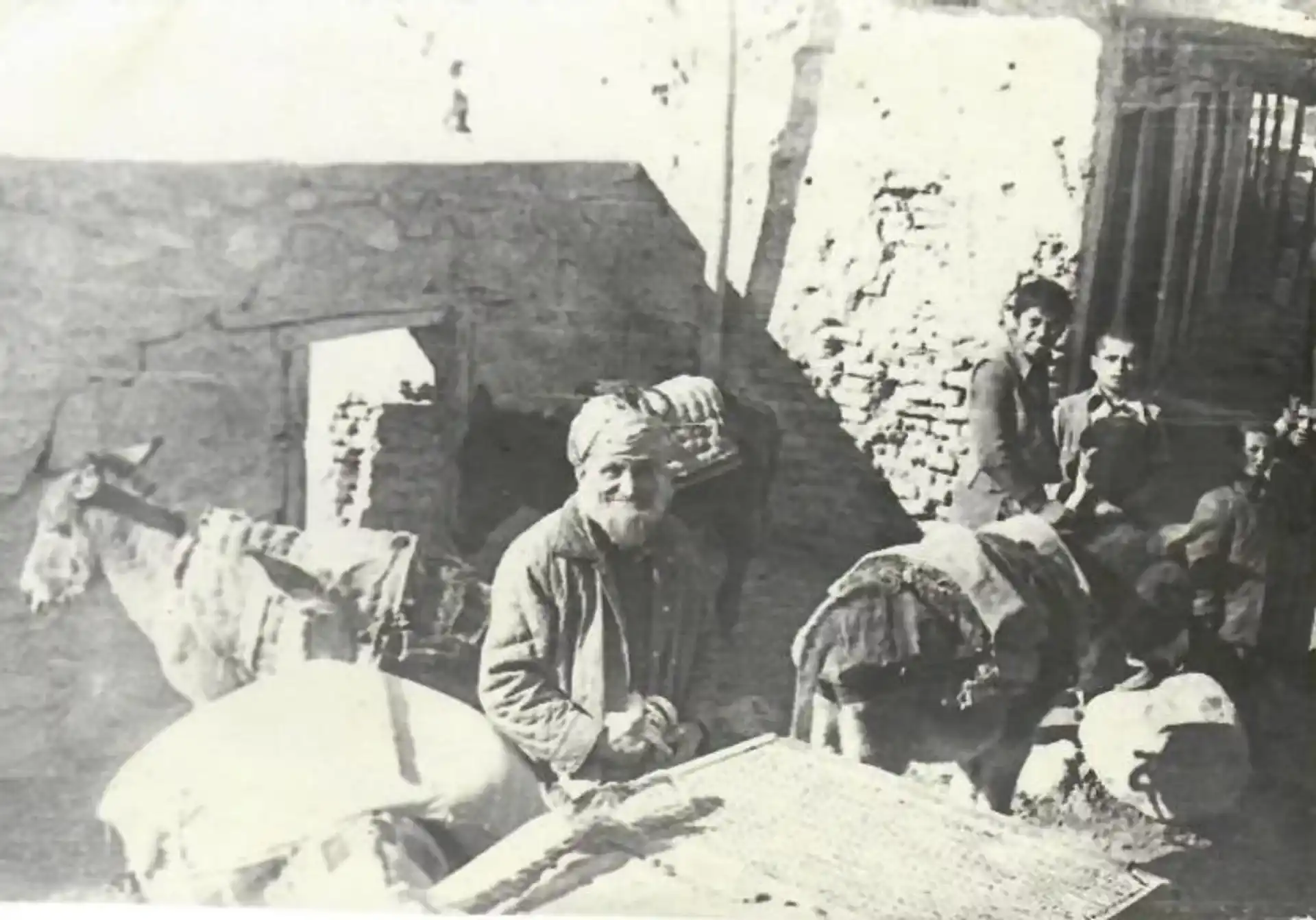
Some soldiers even envied us. They stayed at the base, while we kept moving. During my one and a half years in Afghanistan, I traveled through half of the country.
Close to Death
“Were there many combat missions?”
“I took part in every raid where our company was sent.
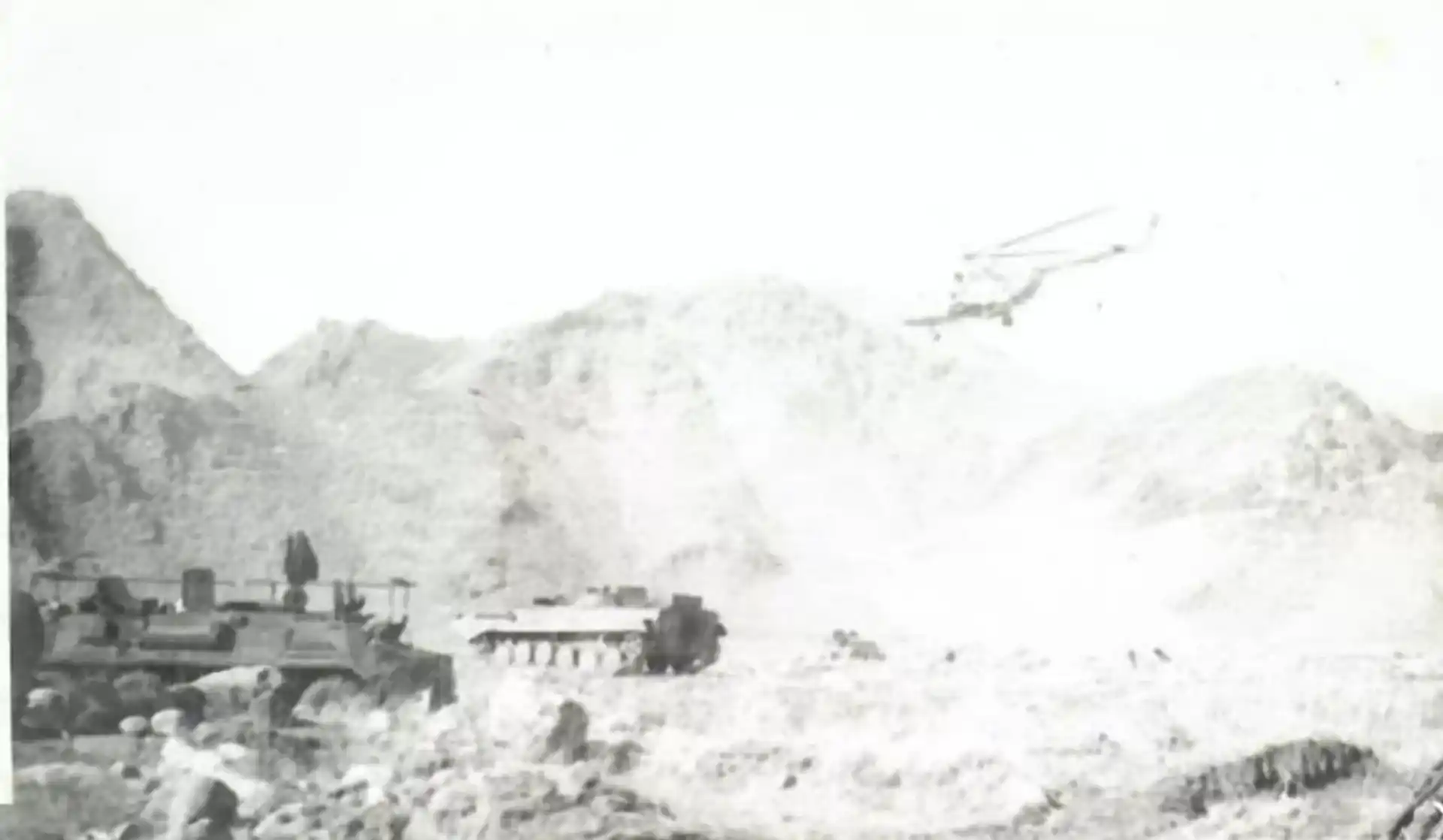
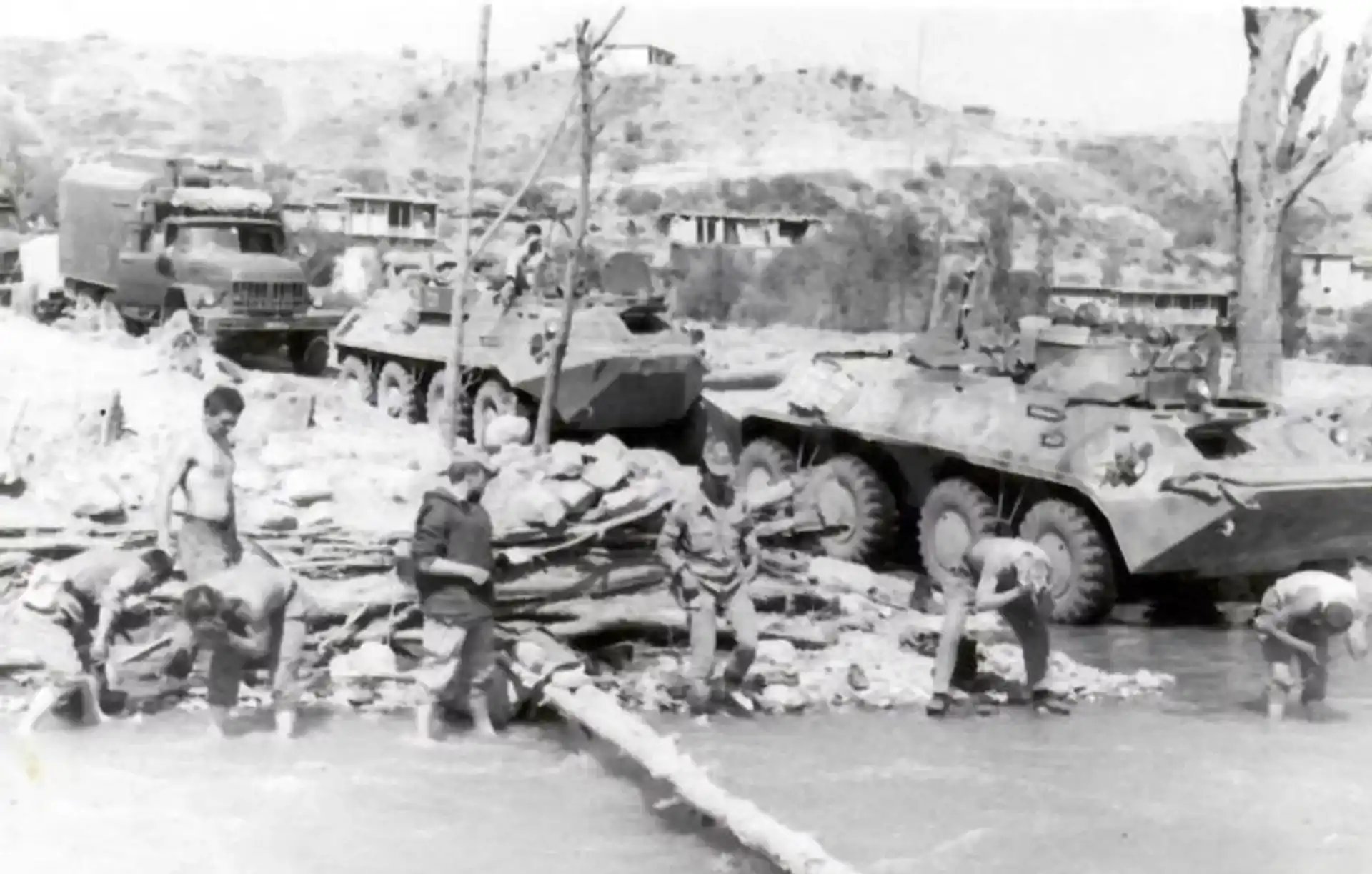
In May and June 1981, we went to Panjshir. There was a place called the Bamiyan Gorge, in Bamiyan Province. We marched about 200 kilometers through that gorge.
The column was about 8 kilometers long. We were at the rear of the column. We left on June 10 and returned on July 22. More than a month. We went there, stayed for a day or two, and then came back.
It was a very difficult gorge. There was constant shooting from both sides. There was a river and a road.
There were fuel trucks carrying fuel and lubricants. At one point, they were hit and set on fire. They were burning, their tires were destroyed, and oil and gasoline were running out.
Then a tank began pushing them into the ravine. There was a steep slope, and the tank pushed the burning trucks down like huge torches.”
“Wasn’t that frightening for a young man who had recently been a civilian?”
“A person gets used to extreme situations. He cannot live under stress all the time. He gets used to it, and it begins to feel normal.
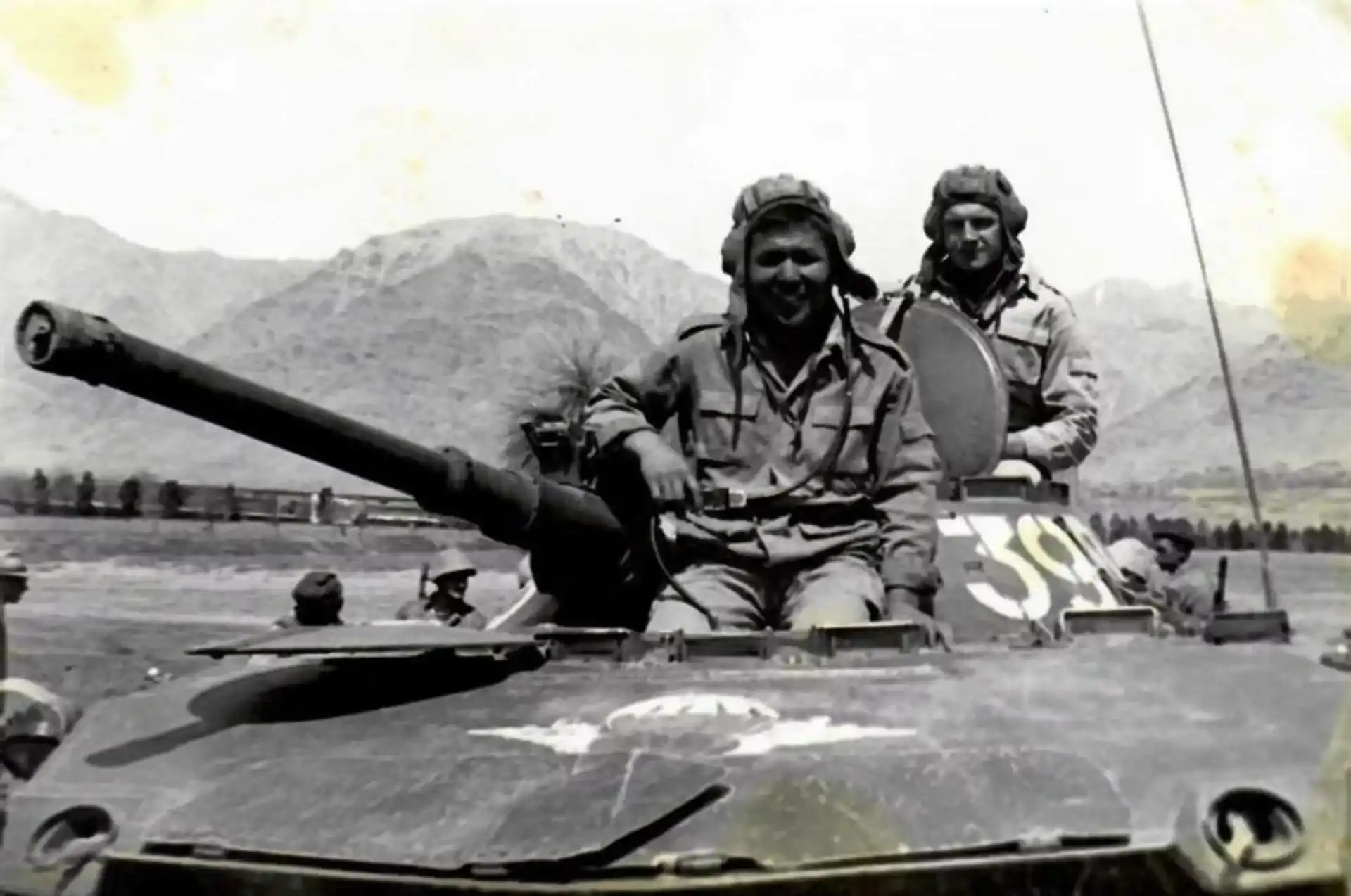
Different things happened. I was also shot at with a grenade launcher. The grenade did not reach us. It fell about one or one and a half meters short of the place where I was sitting, in the front of the vehicle.
Kolya Alekseev was in the turret. The grenade exploded, and fragments cut across the whole side of the vehicle.”
“So you only felt the blast wave?”
“Yes, the blast wave.
Later we were standing and waiting. They told us, ‘Watch for the green flare and move to that place.’ There were dead soldiers there, and we had to evacuate them.
I pressed the pedal, but it was hard to see. I stood up through the hatch in marching position and looked around to find the place. I pressed the pedal again and was just about to sit down when I heard a sharp sound: ‘Boom!’
The front part of the vehicle had wave shields, and around the driver there was a ring with three vision devices. When I sat down, I saw a bullet stuck in the thick glass of the central viewing device on the left side.
There was no real fear. But when I realized they had fired at me, I sat in the vehicle and thought: ‘There is the hole. A little higher, and half of my head would be gone.’
It was more like analysis, not fear. There was responsibility. You did not want to let your boys down. You had to drive out, do your job, and do what was required of you.”
Counting the Losses
“How many of your friends returned from Afghanistan?”
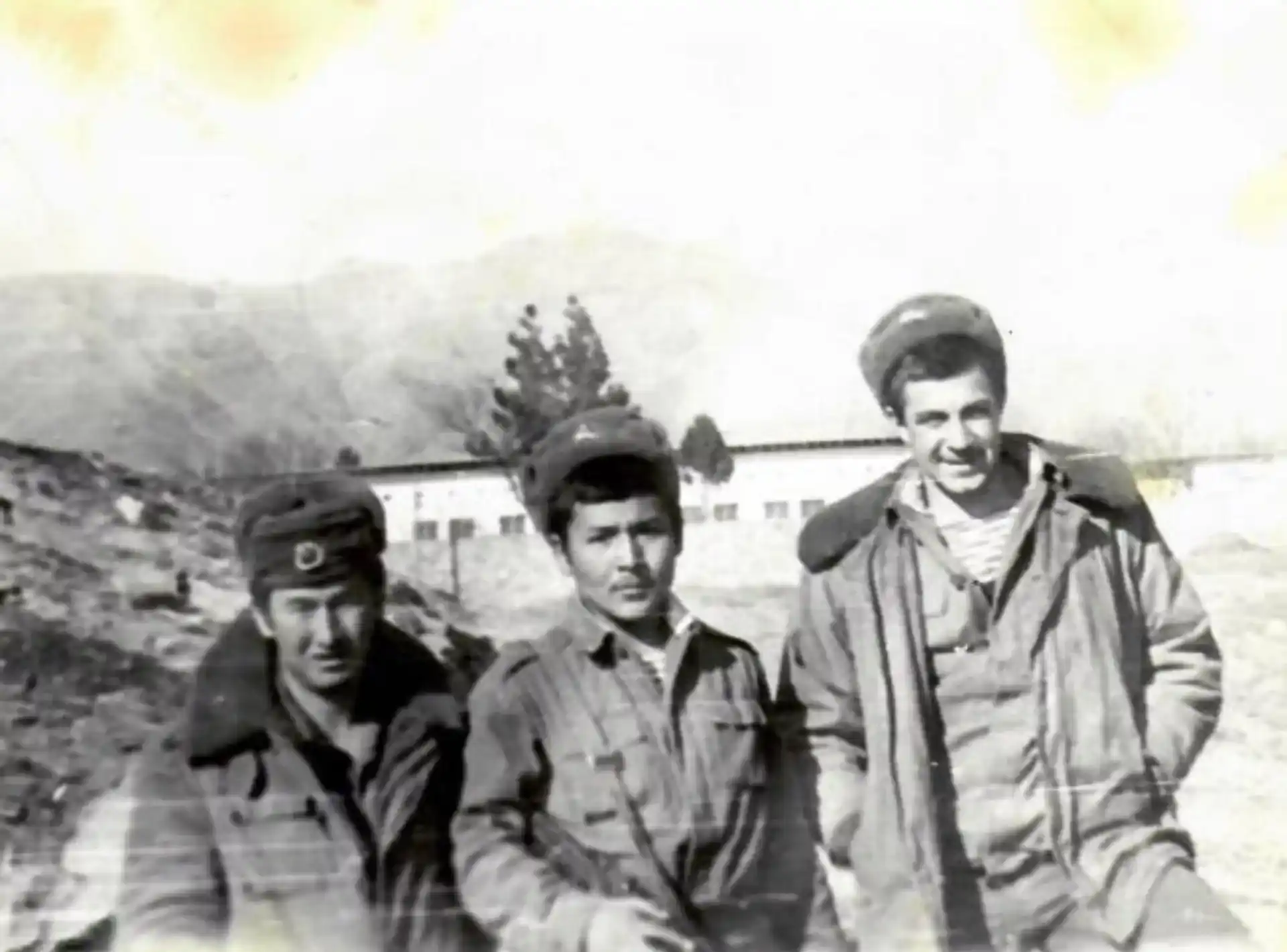
“There were 10 of us selected together. One of them was already there before us. His name was Sasha Kotelin. He was originally from the Smolensk region, but before the army he studied in Ust-Kamenogorsk at a mining technical school. He was drafted from there and arrived in Afghanistan just a day or two before us.
Usually the 9th Company had between 68 and 76 soldiers.
Kotelin became one of the first from our group to die. He was killed near Turbat.
Our first combat mission happened only two weeks after we arrived in Afghanistan. We took a mountain position. Villages were below us, and another mountain stood opposite us. Mujahideen fighters were on those heights.
Sasha was ordered to bring red signal smoke grenades to a sergeant. These smoke grenades were used so Soviet planes and helicopters would not accidentally strike their own troops.
He delivered the smoke grenades.
The Mujahideen had a strange habit. In the mountains they shouted and howled like jackals. Echoes carried those sounds through the mountains. They did it on purpose, hoping someone would raise his head. They had snipers waiting.
The sergeant warned Kotelin: ‘Do not raise your head. There is a sniper working there.’
He was hiding behind rocks. Then the Mujahideen started howling again. He became curious and looked out. The moment he raised his head, a bullet entered through his side under the arm and passed through his lung.
They carried him down. A helicopter landed, and they loaded him inside on a stretcher. But he never reached the hospital.”
Looking for a Real Telnyashka?
Add extra Telnyashkas and accessories – shipping stays the same.
Flat Worldwide Shipping – $14.98
Shipping is charged only once per order.
“This Was War”
“Were there many cases like that?”
“Not many, but there were some. This was war.
In 1981, we crossed a river in our BMD vehicles. Battalion commander Vostrotin was with us.
The 9th Company crossed through Panjshir. It was a mountain river, maybe 150 meters wide. We crossed it, spread out, and positioned the vehicles.
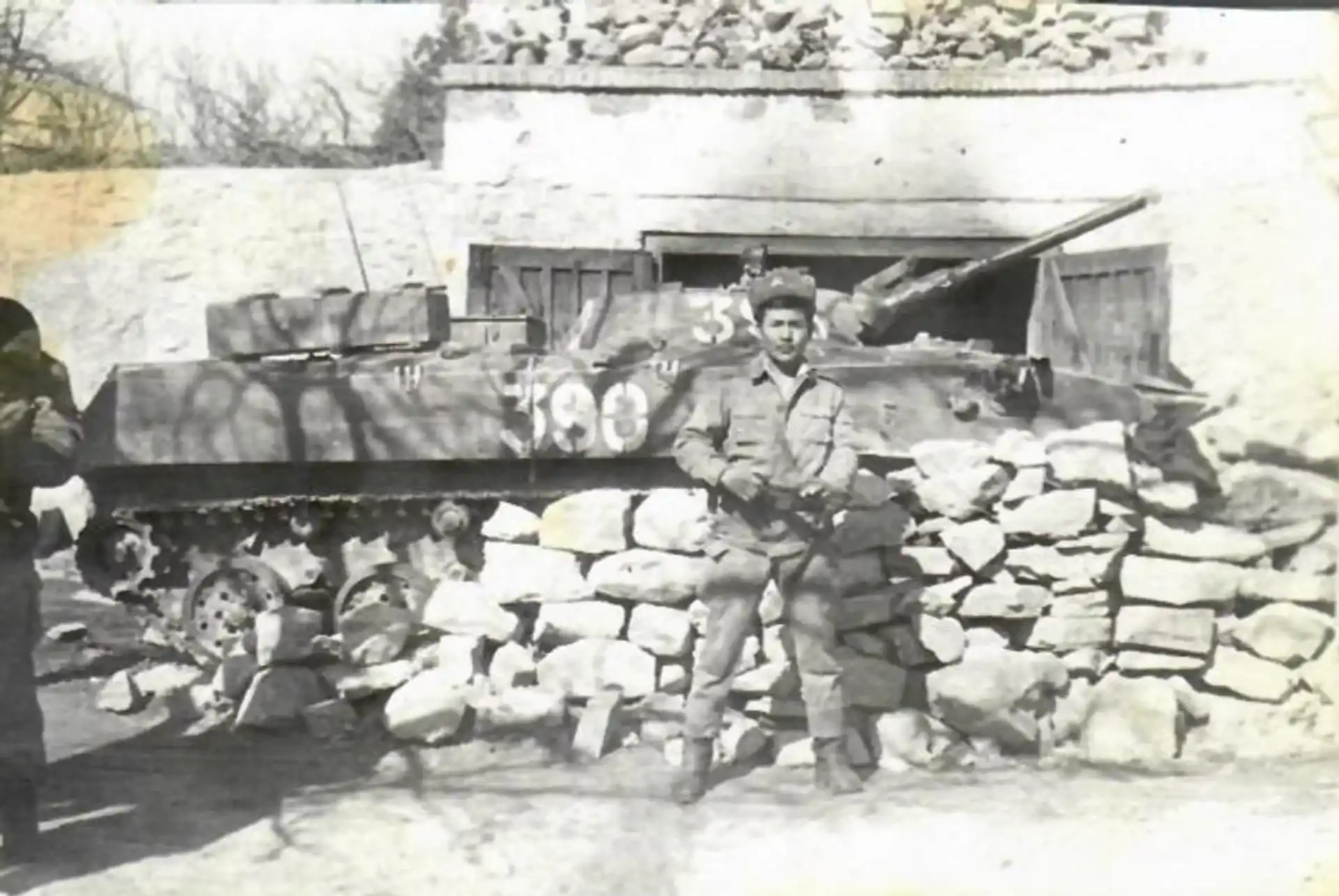
Then came the order to cover the vehicles with rocks. The stones were flat like tiles. You collected them and placed them around the vehicle because they could weaken grenade launcher explosions.
Kostya Kuralsky and Yura Cherkasov were collecting stones together. Their vehicle stood closer to the mountain slope.
Then the Mujahideen started firing mortars from across the river.
Yura was a calm and quiet man. He bent down to pick up a rock, and a mortar shell exploded about 10 meters away.
When a mortar explodes, fragments spread low across the ground. One fragment tore through his boot and hit his leg. Another hit him directly in the solar plexus.
We ran to him, and blood was coming from his mouth. His lung had been destroyed.
What could we do? We called for a helicopter. We carried him down to the river on a rain cape stretcher. The helicopter landed and took him away.
But while we waited, he died.”
“From our group, those were the two men we lost.
When we first arrived in Afghanistan, I heard the regiment had already lost around 75 men. When we left, the number was already over 200 dead in only one and a half years.
The heaviest losses in our battalion happened in the 8th Company. Seventeen soldiers were killed. More than half a platoon.
Then there was the 4th Company of the 2nd Battalion. One platoon lost 27 men. It was terrible. Some kind of ambush. But we were not there. They operated separately.”
The Story of a Real Hero
“There was also one man in your life who performed a truly heroic act. Tell us about him.”
“Yes. I would really like to show his photograph. His name was Yuri Levkin.”
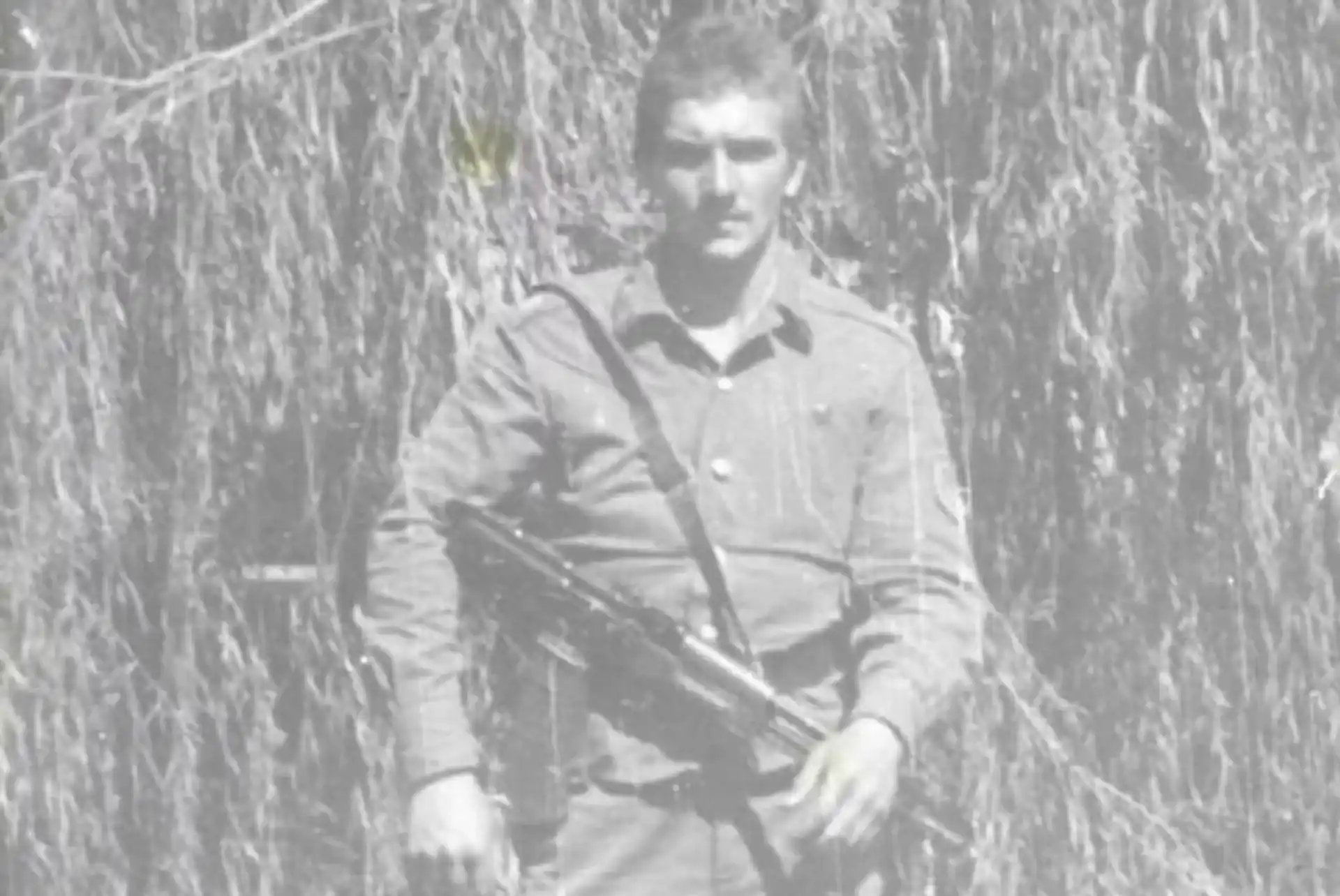
“He was a sergeant and deputy platoon commander. He came from Bryansk.
Usually countrymen tried to serve together. He also had friends from his home region serving nearby in other units.
He was physically very strong and naturally a leader.
This happened in autumn 1981. There was a large military operation near the Panjshir Valley. Soviet troops were clearing the area of Mujahideen fighters.
Levkin was there with the 8th Company. They were operating near an irrigation canal. Other companies worked in different directions.
I do not know if it was an ambush or not, but they suddenly came into contact with Mujahideen fighters.
The 8th Company had been reinforced with an AGS-17 automatic grenade launcher crew.
During the battle, seven or eight soldiers were killed, including Yuri Levkin.
He carried wounded soldiers across the canal, and the canal was quite deep.”
“How many men did he save?”
“Five or six. He was not alone – other soldiers helped him.
Both he and the AGS crew commander were killed. Two sergeants.”
“Were the others wounded?”
“Yes. The others survived because of Yuri Levkin and the AGS crew commander. Those two stayed behind near the canal.”
“Did he receive an award?”
“Yes. He was awarded the Order of the Red Banner after his death.
That was a very important Soviet military award from wartime years. Usually officers received it. The Order of the Red Banner was considered a serious officer-level decoration.”
Memory Must Live Forever
“After returning from Afghanistan, you probably continued watching what was happening there. In your opinion, why was Afghanistan so important in geopolitics? You were not fighting peasants with pitchforks there.”
“No, the tasks were completely different.
I think we must go back to the 1940s and the Great Patriotic War. In my opinion, this confrontation began many decades ago, even at the beginning of the last century.
There was the blockade of Leningrad during World War II, then the Cuban Missile Crisis in 1962. Later there were conflicts in Africa where the Soviet Union was involved. Afghanistan was part of the same global struggle.
Afghanistan is located in the center of Asia. Pakistan is to the south, China to the east, India to the west, and Iran to the northwest. At that time, almost all these countries had difficult relations with the United States.
Back then, there was information that the Americans wanted to place nuclear weapons in Afghanistan. The Soviet Union tried to prevent this.
There was an agreement with the Afghan government. Soviet troops entered Afghanistan partly so that this would not happen. The Soviet leadership did not want the Americans to gain a strong position near the southern borders of the Soviet Union and the Central Asian republics.
According to him, the United States and Western countries supported the Afghan opposition with weapons and helped the Mujahideen fighters.”
“The War Was Ours”
“Today, many people on social media say things like: ‘World War II was not our war’ or ‘Afghanistan was not our war.’ What do you think about this?”
“The Great Patriotic War was absolutely our war.
At that time, around 280 million people lived in the Soviet Union. There was an invasion. The West pushed Germany against the Soviet Union in order to destroy and break it apart.
Their goal was to conquer and destroy.
If events had gone differently, all the people living in Soviet territory would have suffered terribly.
The population of the Asian republics was not even considered fully human by the Nazis. We were seen as some kind of lower race. The same attitude existed toward Slavic people, Jews, and Roma people.
We were lucky the war never fully reached us in Central Asia. But it could have.”
“So Afghanistan was the same situation?”
“Yes. If we had failed there, the conflict would have crossed the border rivers and spread into Tajikistan, Uzbekistan, Turkmenistan, Kyrgyzstan, and Kazakhstan.
For more than 40 years, we managed to contain this danger together.”
“History Must Be Remembered”
“That is why I believe events held today for May 9 and February 15 are important. We should not stay silent or stay home.
We must participate, speak, and tell people about these things. We must talk about history.
We need to remember the history of our ancestors, our neighboring countries, and our heroes. Young people must learn these stories.
If generations stay connected through memory and history, then we will survive and remain strong even in difficult times.”
More interesting articles:
VDV 9th Company Afghanistan – The Real Battle of Hill 3234
Why Mujahideen Feared Soviet GRU Spetsnaz in the Afghan War
Soviet Spetsnaz Uniform in Afghanistan (1979–1989)
What Soviet Soldiers Really Ate in the Afghan War
Looking for original Soviet boots and accessories? Please visit here: Soviet Boots Store