Operation Storm-333 and the Beginning of the Soviet-Afghan War
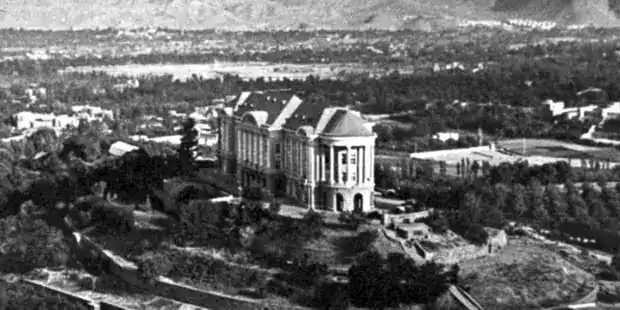
On December 27, 1979, Soviet special forces carried out one of the most famous operations of the Soviet-Afghan War. The target was Tajbeg Palace near Kabul, the residence of Afghan President Hafizullah Amin. During the operation, known as Storm-333, Amin was killed and his government was removed from power.
More interesting articles:
How to Choose a Real GOST Telnyashka
VDV 9th Company Afghanistan – The Real Battle of Hill 3234
Why Mujahideen Feared Soviet GRU Spetsnaz in the Afghan War
Soviet Spetsnaz Uniform in Afghanistan (1979–1989)
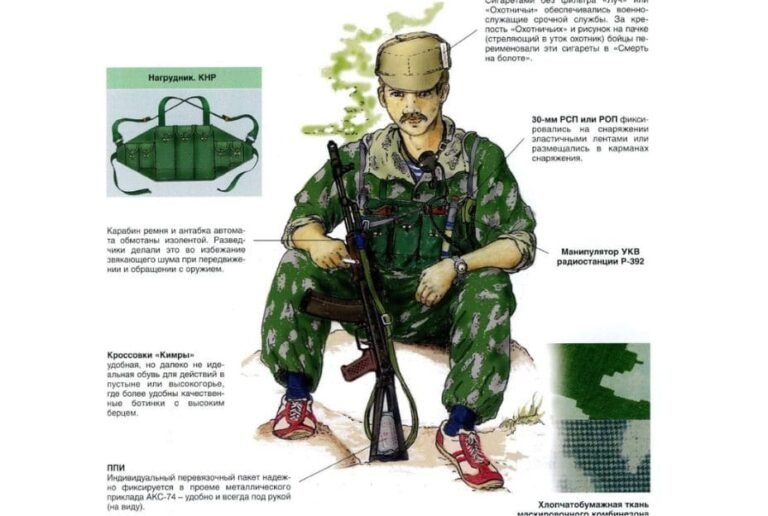
The assault lasted only about one hour, but it changed the course of Afghan history. Many historians consider this operation the true beginning of the Soviet Afghan War. For military collectors and reenactors, Storm-333 is also closely connected with the history of the Soviet Afghan uniform, Soviet VDV troops, and the equipment used during the early years of the conflict.
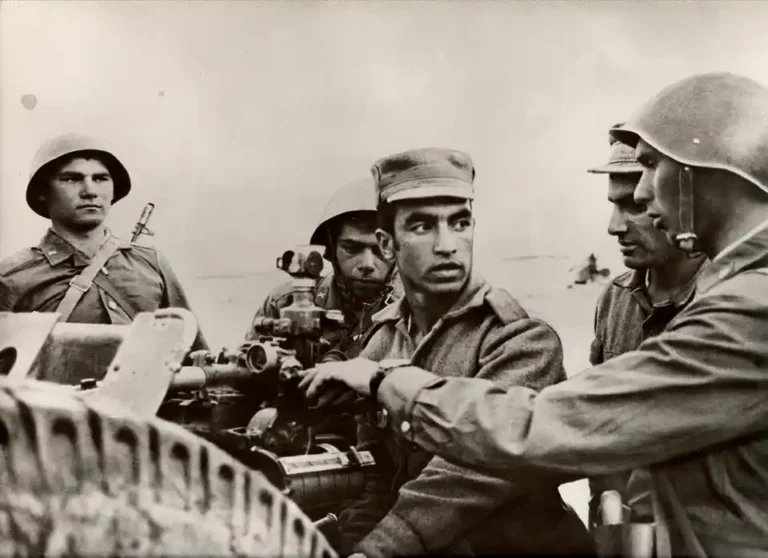
Around 650 Soviet personnel took part in the operation. The largest force was the famous Muslim Battalion, which included about 520 soldiers and officers. Supporting them were 87 VDV airborne troops and two KGB special forces groups, Grom and Zenit, which were responsible for storming the palace itself.
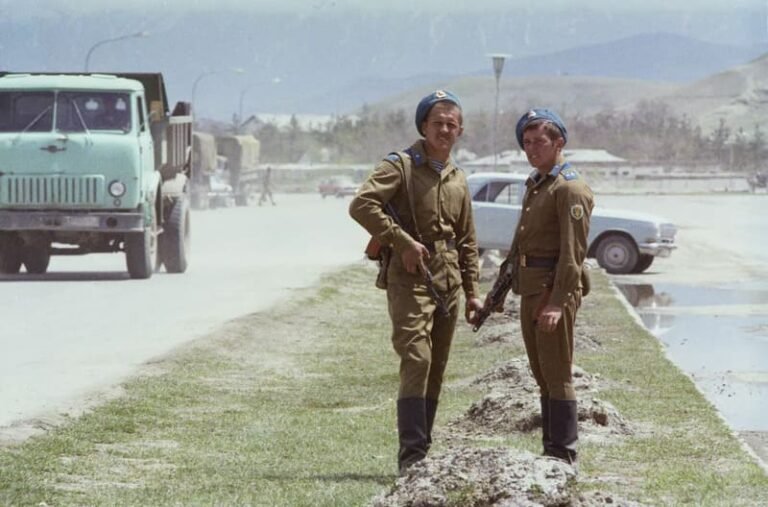
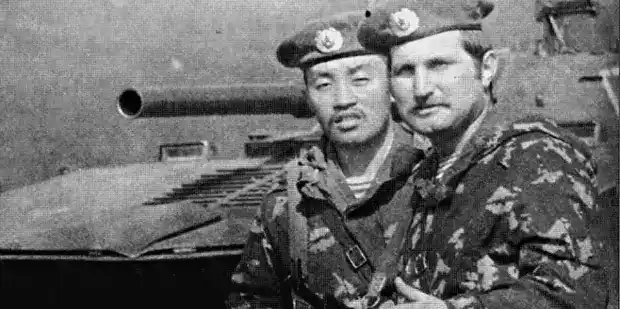
To avoid suspicion, the Soviet soldiers wore Afghan uniforms and carried Afghan military documents. These Afghan uniform items helped them blend in with local forces around Kabul. Today, original Soviet Afghan War uniforms and Afghan uniform pieces used during this period are highly sought after by collectors.
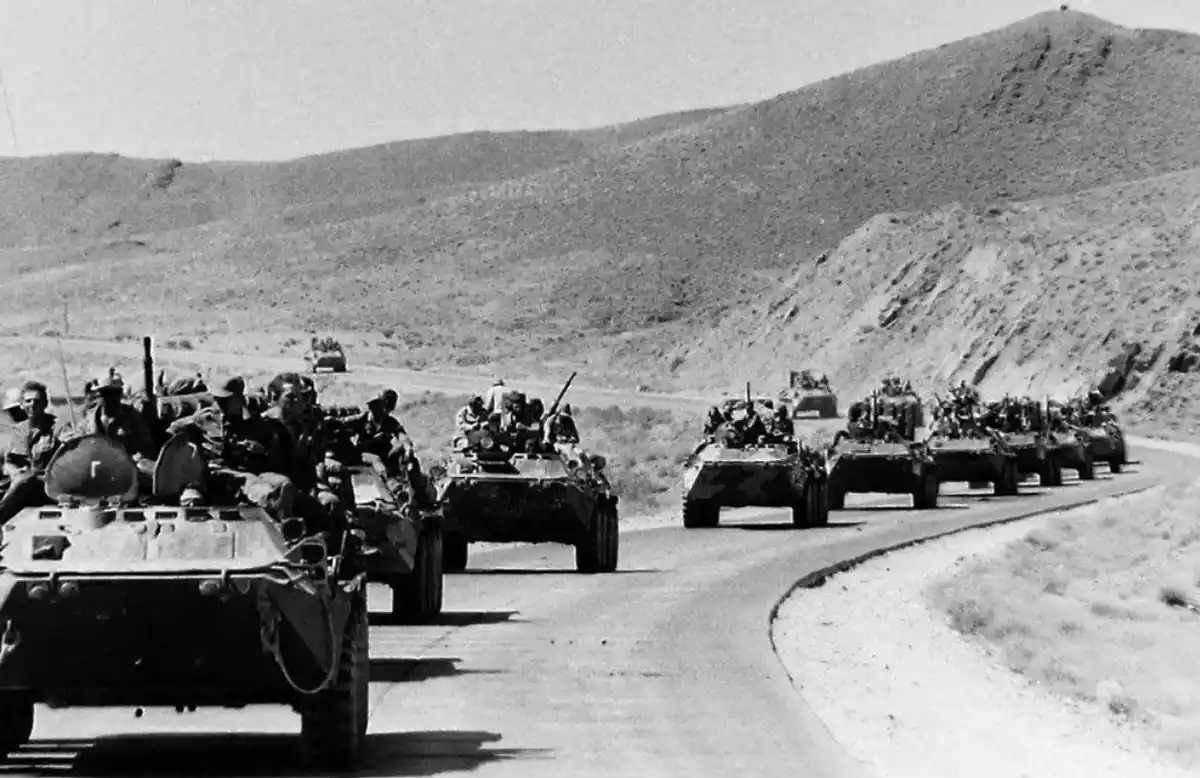
The Muslim Battalion was made up mostly of soldiers from Soviet Central Asia, including Tajiks, Uzbeks, and Turkmens. Many of them could speak Persian or local languages used in Afghanistan, making them ideal for this mission. The unit was commanded by Major Kh. Halbaev.
Looking for a Real Telnyashka?
Add extra Telnyashkas and accessories – shipping stays the same.
Flat Worldwide Shipping – $14.98
Shipping is charged only once per order.
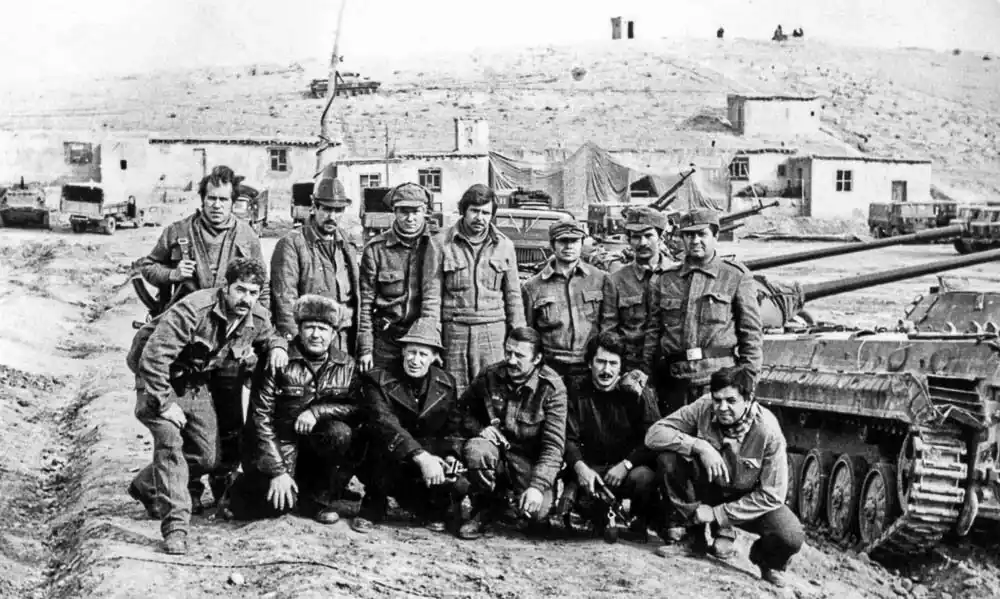
The battalion was heavily armed. Its first company operated BMP-1 infantry fighting vehicles, while the second and third companies used BTR-60PB armored personnel carriers. The fourth company included AGS-17 automatic grenade launchers, Rys infantry flamethrowers, and combat engineers. The battalion also received support from ZSU-23-4 Shilka anti-aircraft vehicles.
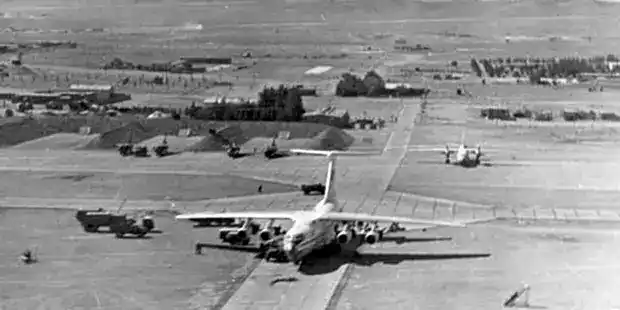
The unit arrived at Bagram Air Base in August 1979. Officially, it was there to protect President Amin. In reality, Soviet leadership was already preparing for a change of government in Afghanistan. The Muslim Battalion, together with KGB special forces and VDV troops, would become a key part of that plan.
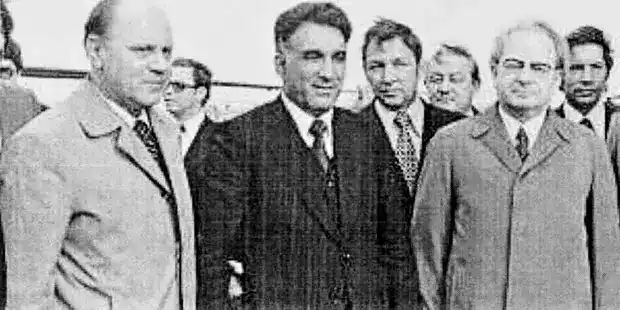
To strengthen the assault force, a VDV airborne company and two KGB special units were moved into Afghanistan. Zenit included members of KGB Special Group A, which later became famous as Alpha Group. Grom consisted of specially selected KGB officers.
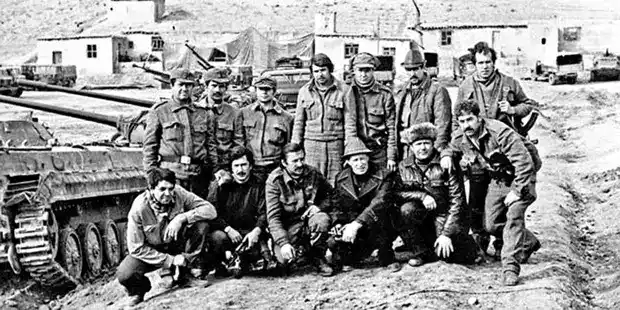
The operation also introduced some of the newest Soviet weapons available at the time. Storm-333 became the first combat use of the RPG-18 Mukha anti-tank launcher. The weapon later became famous during the Soviet Afghan War and in later conflicts.
Capturing the palace was a difficult task. Amin’s residence was protected by an infantry brigade with three battalions, a tank battalion, and an anti-aircraft regiment. The regiment operated twelve 100 mm guns and a large number of DShK heavy machine guns. Since the palace stood on elevated ground, these weapons could have stopped the assault before it reached the building. Inside the palace was Amin’s personal guard company, many of whom were members of his own family.
Despite being heavily outnumbered, Soviet planners believed speed and surprise would make the difference.
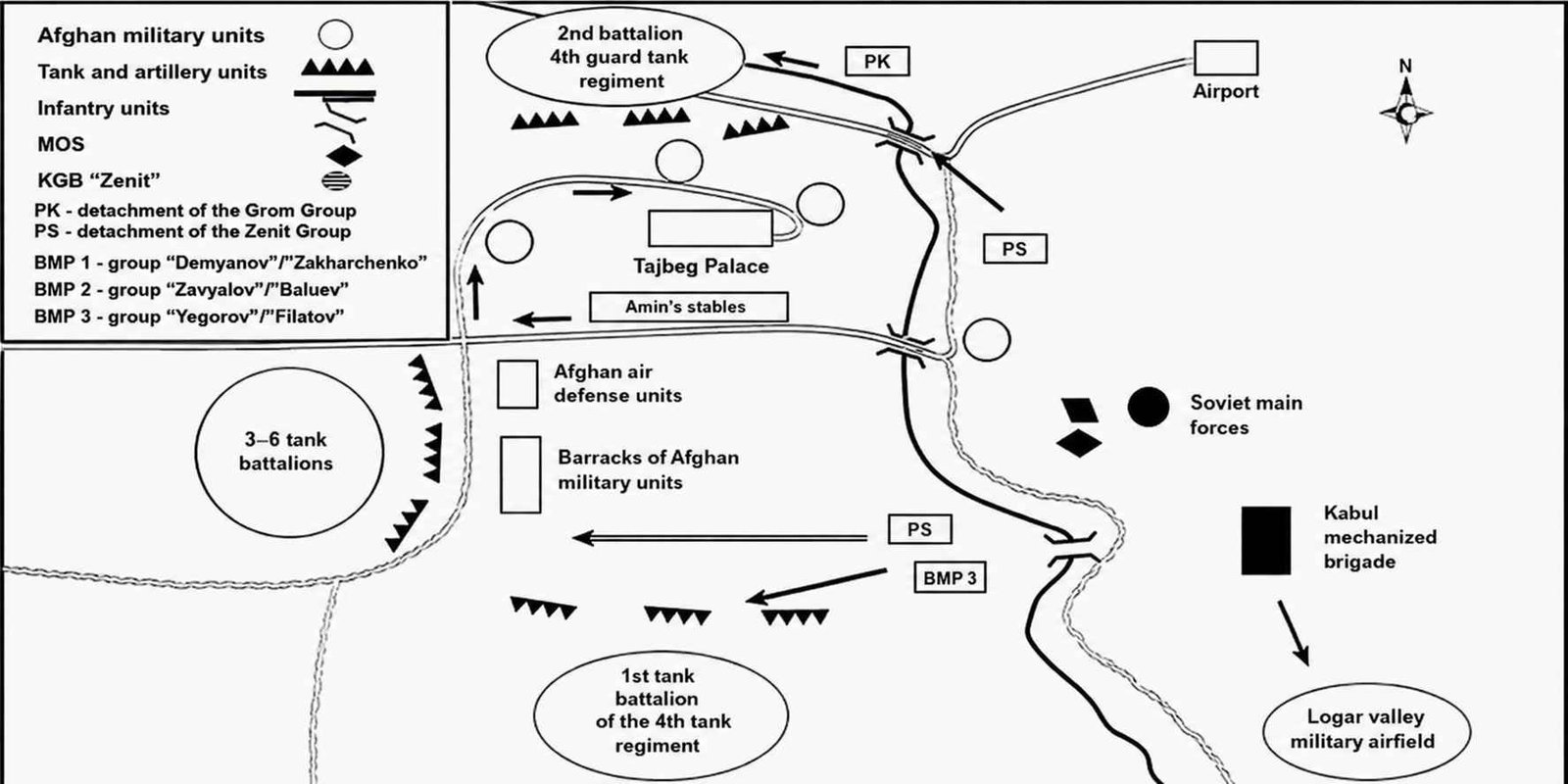
The plan called for several actions at the same time. One group would attack the palace, while other units blocked Afghan military forces in nearby barracks. Special teams were assigned to destroy air defense positions and capture tanks near the palace.
The operation began when a Soviet group approached the tank positions in a GAZ-66 truck. An alarm had already been raised among Afghan troops, but the Soviet commander acted quickly. The truck drove directly onto the parade ground where Afghan officers were gathering. Soviet soldiers captured the battalion leadership before the Afghan troops understood what was happening. Without officers to organize them, the defenders struggled to respond effectively.
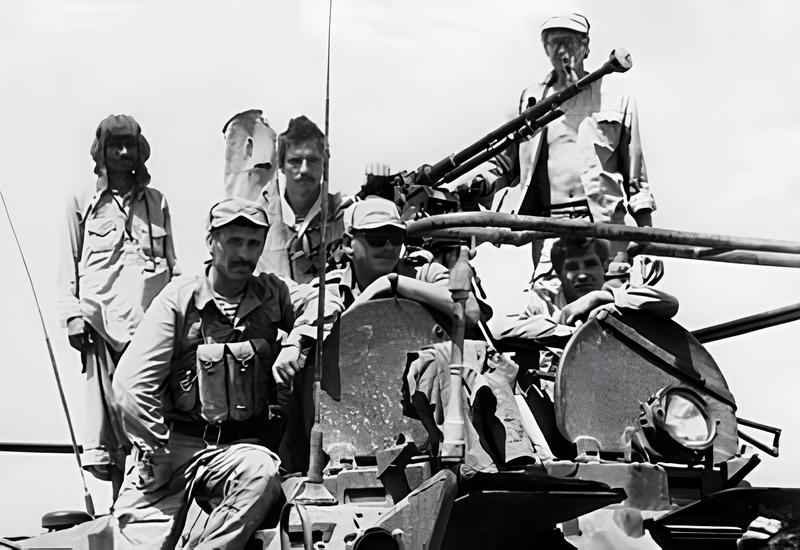
As the first shots were fired, the full assault began. Shilka anti-aircraft vehicles opened fire on the palace and nearby positions. Other Soviet troops blocked roads and military compounds while the KGB assault teams and VDV airborne troops advanced toward the palace in BMP vehicles.
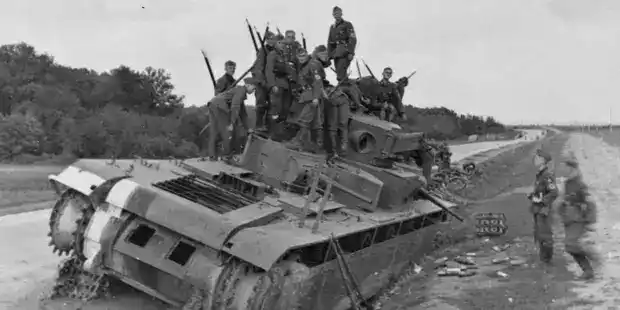
The Afghan defenders quickly recovered and opened heavy fire on the advancing vehicles. One BMP was disabled, forcing Soviet soldiers to continue the attack on foot. Using ladders prepared in advance, they climbed the hillside toward the palace.
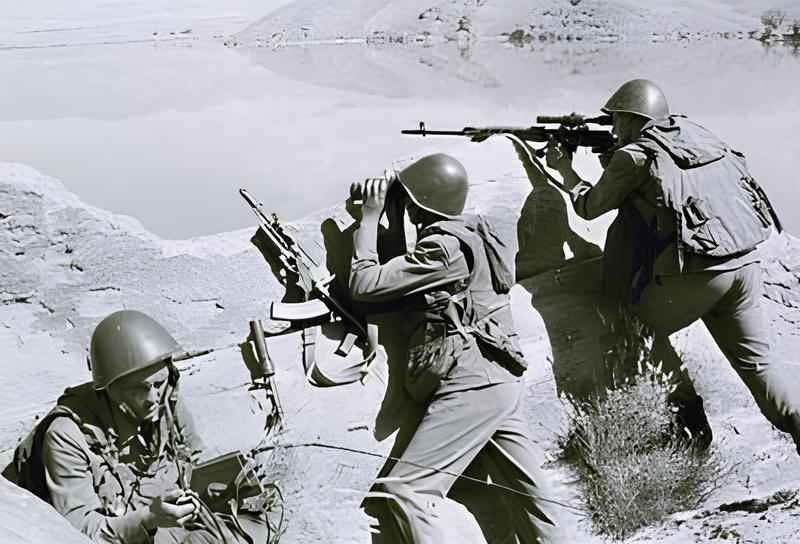
About twenty minutes after the operation started, the assault groups reached the building. Fierce fighting followed as Soviet special forces cleared the palace room by room. Every corridor and every floor had to be secured before the mission could be completed.
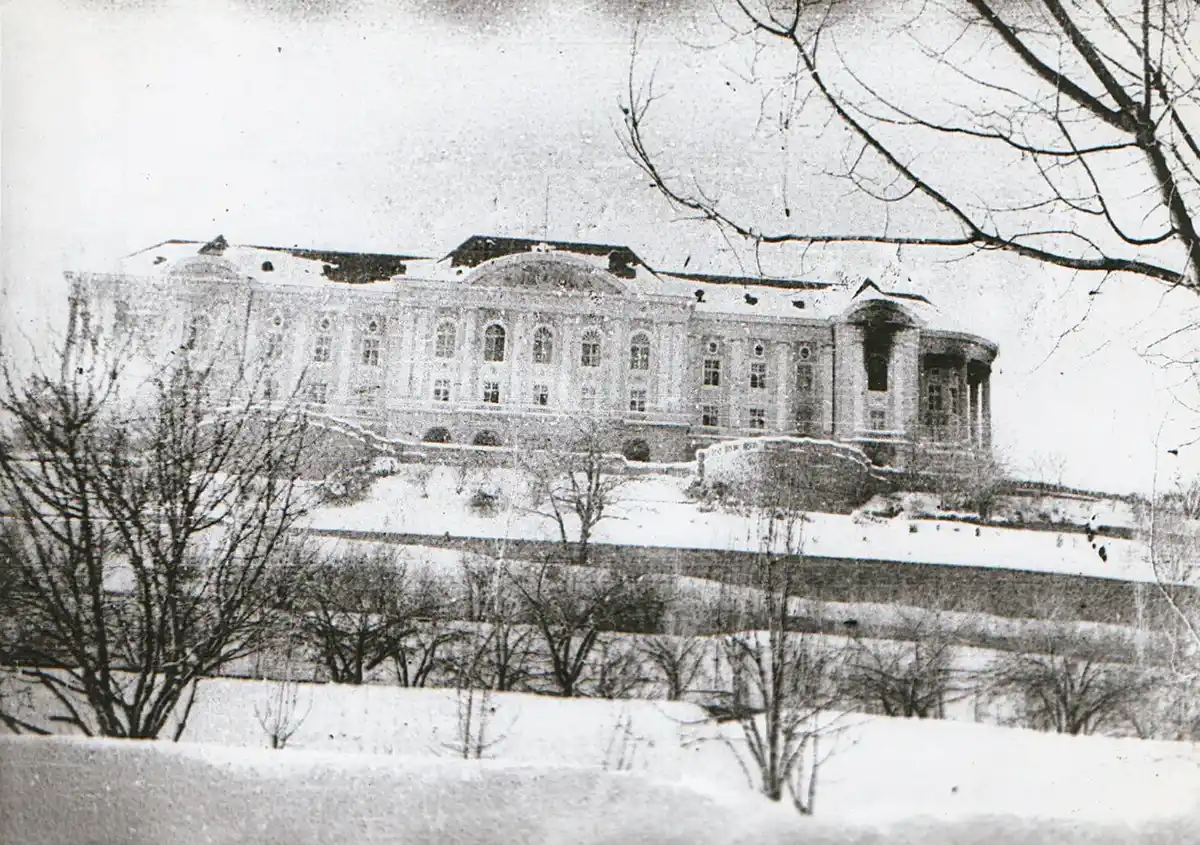
Communication problems created additional difficulties. The Shilka vehicles were supposed to stop firing once Soviet troops entered the palace grounds, but overloaded radio channels delayed the order. Eventually, a messenger had to be sent directly to the firing positions.
Approximately one hour after the beginning of the assault, Hafizullah Amin was dead and Tajbeg Palace was under Soviet control.
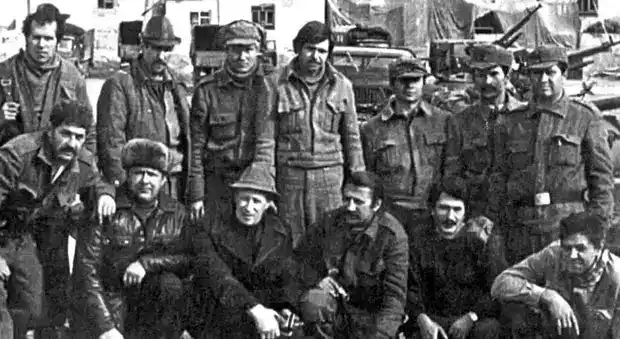
Afghan losses were estimated at around 200 killed, including Amin and his son. About 1,700 Afghan soldiers surrendered. Soviet losses totaled 19 men, including members of the KGB assault teams, VDV airborne troops, and the Muslim Battalion. Nearly every member of the assault groups was wounded during the battle.
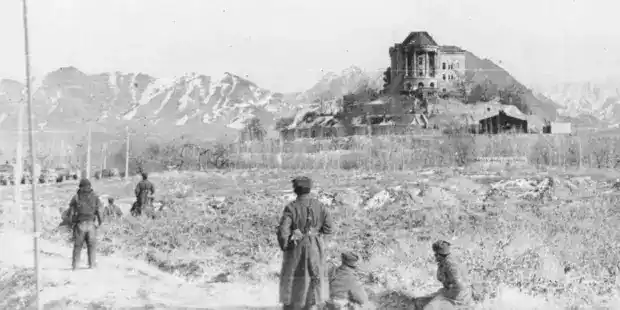
The fighting lasted only 43 minutes. From a military perspective, it was an extraordinary victory and a truly unique operation.
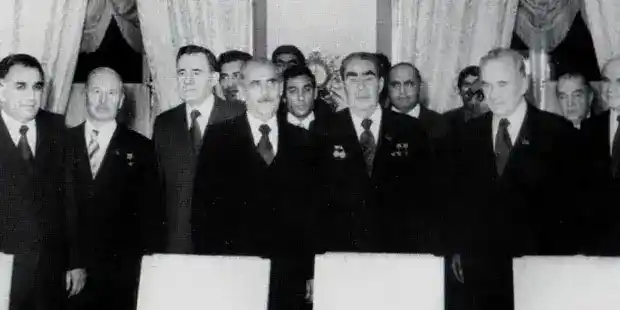
Today, Storm-333 remains one of the most famous special operations in Soviet military history. It marked the beginning of the Soviet Afghan
War and became one of the earliest combat actions involving Soviet VDV forces in Afghanistan. Although the events took place years before the famous battle portrayed in the movie 9th Company, both stories became important parts of VDV history and the legacy of the Soviet Airborne Forces during the Afghan War.
For collectors, reenactors, and military history enthusiasts, the operation is also remembered for its connection to original Afghan uniform items, Soviet VDV uniforms, BMP-1 vehicles, BTR-60PB armored carriers, and the unique equipment used during the opening days of the Soviet intervention in Afghanistan.
More interesting articles:
How to Choose a Real GOST Telnyashka
VDV 9th Company Afghanistan – The Real Battle of Hill 3234
Why Mujahideen Feared Soviet GRU Spetsnaz in the Afghan War
What Soviet Soldiers Really Ate in the Afghan War
Looking for original Soviet boots and accessories? Please visit here: Soviet Boots Store