Military Puttees in World War I and the Red Army
It would be incorrect to say that military puttees were invented only in Russia. Many cultures used similar leg wraps throughout history. However, in Russia they have very deep roots, dating back to the time of Ancient Rus.
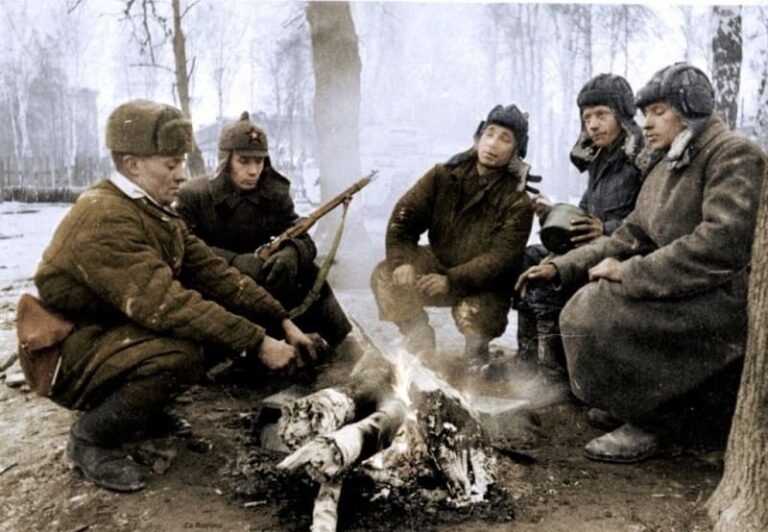
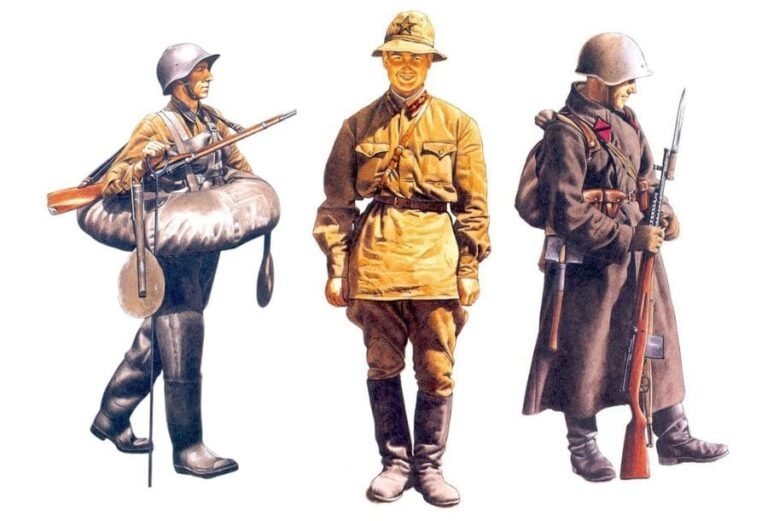
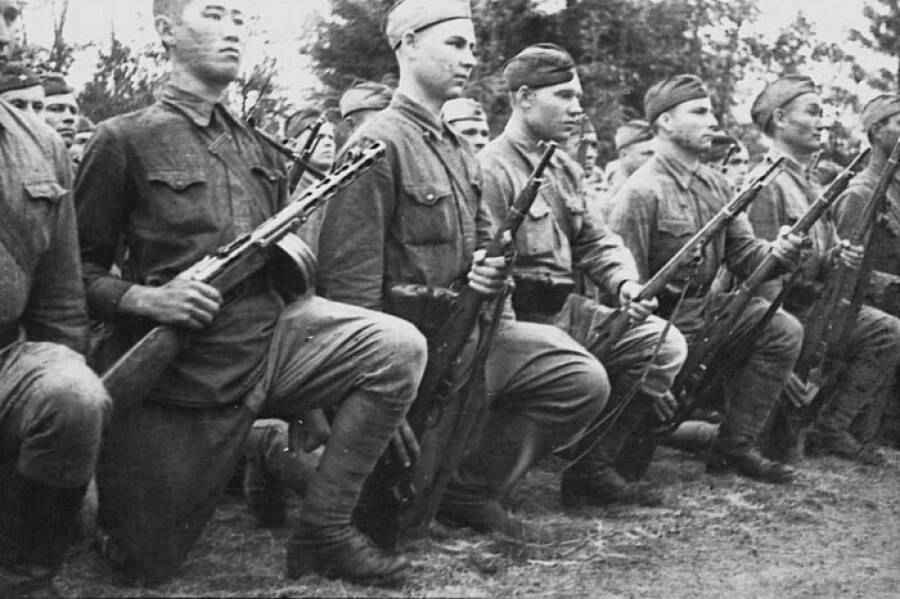
Footwear consisting of low combat boots and puttees was widely used by the Red Army during the Great Patriotic War.
Read more interesting articles
Why Soviet Soldiers Used Portyanki Instead of Socks
Puttees vs Portyanki in World War 1 – Which Military Footwear Was Better?
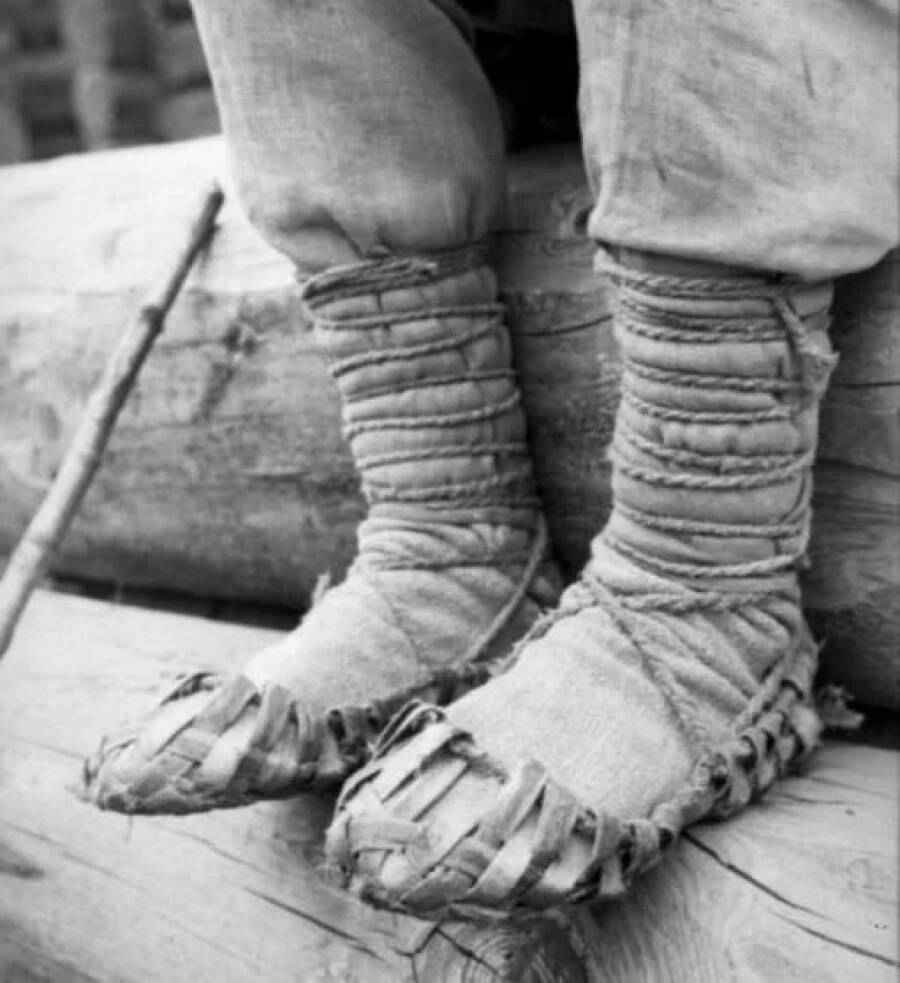
These early leg wraps were known as onuchi. They were long strips of cloth wrapped around the feet and lower legs before putting on footwear, usually bast shoes. Russian linguist Sergey Ozhegov described onuchi as wide cloth bands used by ordinary people as protection for their feet and legs.
In many cases, the cloth covered not only the lower leg but also the foot itself. In this way, onuchi served a similar purpose to both foot wraps and socks.
During the summer, many peasants wore only onuchi without additional footwear. The soles were often treated with tar, making them tougher and more durable. These simple wraps protected the feet from injuries, dirt, and insect bites.
Like many items of clothing in old Russia, footwear reflected a person’s social status. Simple people wore onuchi and bast shoes, while leather boots with high shafts were expensive and usually reserved for wealthier members of society.
A person’s place in society could often be judged simply by looking at what they wore on their feet.
Do You Hear the Sound of Marching Boots?
Footwear is just as important to a soldier as equipment and food. Imagine an army that is hungry and barefoot – it is unlikely to be an army of winners. But if it is well fed and properly shod, it already has the foundation for great achievements.
The first people to equip an army with footwear resembling modern boots were the Romans. Their soldiers wore caligae (Latin: caligae – “boots”), sturdy footwear with thick leather soles.
These boots helped Roman legions march long distances and conquer much of the known world. Over time, the design evolved into different types of boots better suited for horseback riding and long military campaigns.
By the end of the 18th century, boots had become standard military footwear in most armies around the world.
In Russia, soft leather jackboots and ankle boots gradually replaced infantry shoes with buckles. In Europe, however, the popular choice became the so-called Hessian boots. These boots featured a low heel, rounded toe, and a shaft reaching almost to the knee, making them comfortable for everyday military use.
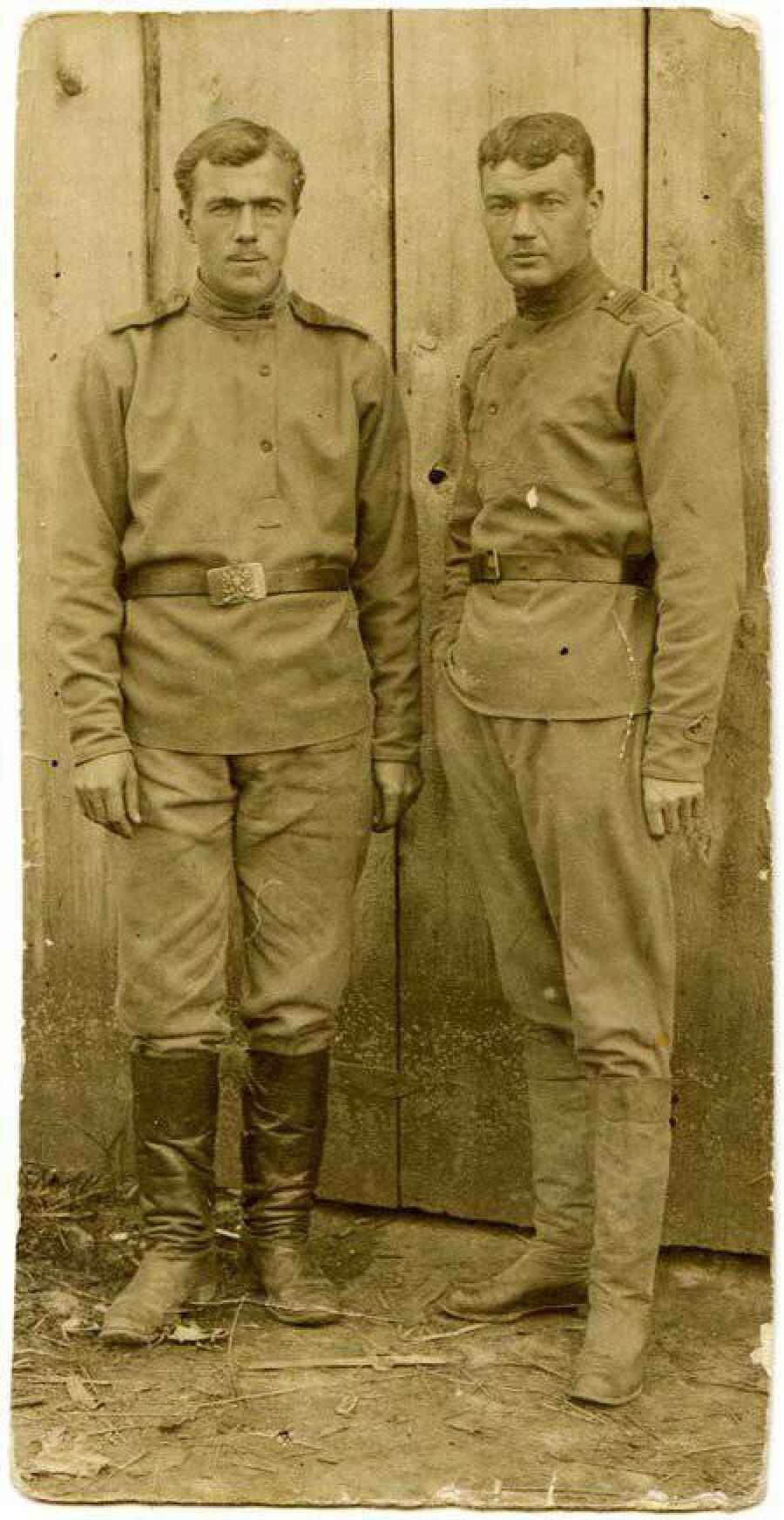
As boot production improved, boots gradually became cheaper and more widely available. Traditional leg wraps began to disappear, although in remote rural areas they remained common among peasants for many years.
At the beginning of the 20th century, military leg wraps made a comeback. Growing armies and frequent wars increased the demand for military footwear, making leather boots more expensive. As a result, many armies switched to ankle boots, which required less leather and were cheaper to produce.
Who Used Puttees First?
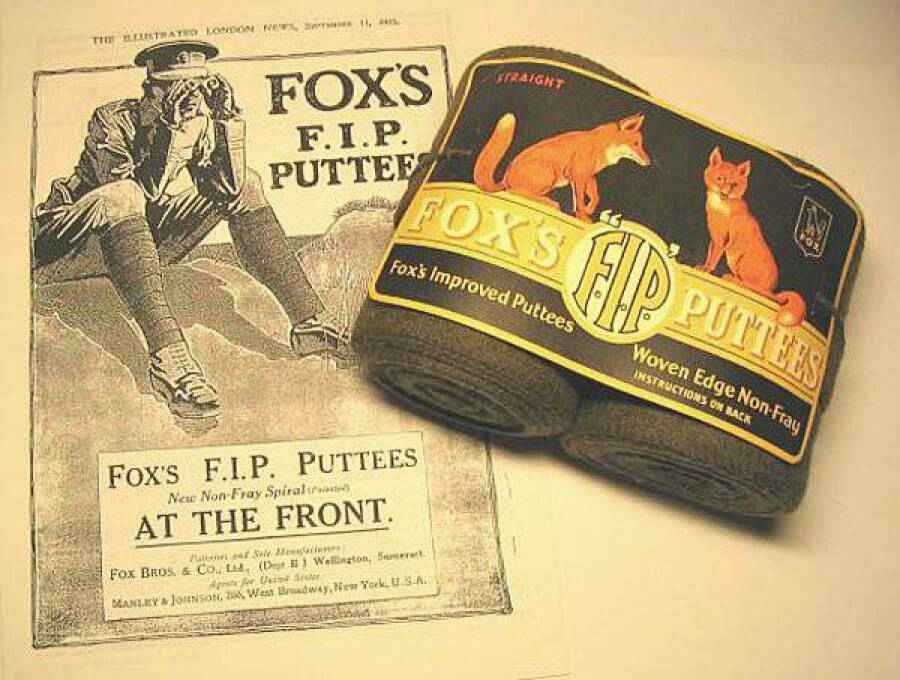
The type of puttees we know today – long, narrow strips of cloth wrapped around the lower leg for support and protection – first became popular among soldiers of the British East India Company in the second half of the 18th century.
British troops learned this method from the Gurkhas, the famous warriors of the Himalayas, who had been using similar leg wraps for generations. The practice proved so practical that it was quickly adopted by British soldiers serving in India.
The Gurkhas earned a reputation as fearless and highly skilled fighters. However, despite their military reputation, Gurkha units fighting alongside British forces were defeated by Russian troops during the defense of Sevastopol in 1855 during the Crimean War.
But let us return to military footwear.
The British believed puttees would be a practical and inexpensive replacement for boots. From there, puttees spread to many armies around the world, including the Russian and later Soviet armies. In the Japanese Army, puttees remained standard military equipment until 1945.
However, apart from their low cost and easy availability, puttees had few real advantages.
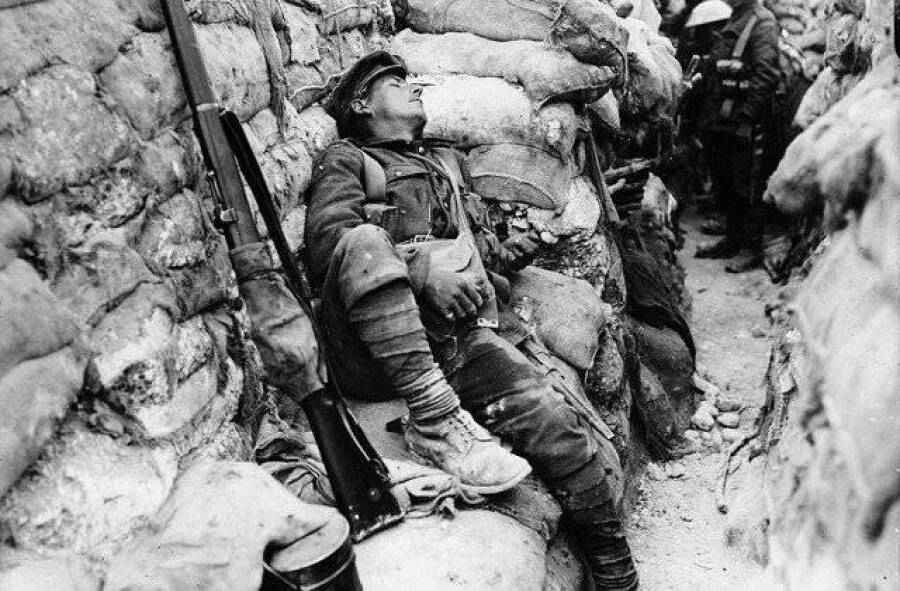
The front line was far from a hygienic place. Dirty puttees often caused skin problems. Because they were wrapped tightly around the legs, they could restrict blood circulation. Many soldiers suffered from swollen legs, discomfort, and even varicose veins after long periods of wear.
Puttees also offered limited protection against injuries and almost no protection from cold water.
On the other hand, military historian Oleg Smyslov noted in his book Trench Truth of War that ankle boots with puttees could be more comfortable during long infantry marches. They were much lighter than tall leather boots covered in mud, which could sometimes become extremely heavy.
Everything depends on comparison.
I never had the opportunity to wear boots with puttees during my military service. Soldiers were issued traditional jackboots, while ankle boots could only be worn during leave and only with socks, not puttees.
There was also another important difference: you cannot put on boots and puttees in 45 seconds. In modern warfare, a few saved minutes can make a huge difference.
A War Without Boots
It is difficult to imagine a Russian soldier without boots.
Some historical commentators like to speak about the “Russian boot” marching across Europe. It is true that Russian soldiers marched through cities such as Paris, Berlin, Warsaw, and many others.
What is often forgotten, however, is that these marches did not happen by invitation or in search of conquest. In Russian historical memory, they came as a response to invasions and wars started by others.
First came the attack, and only afterward came the consequences for the aggressor.
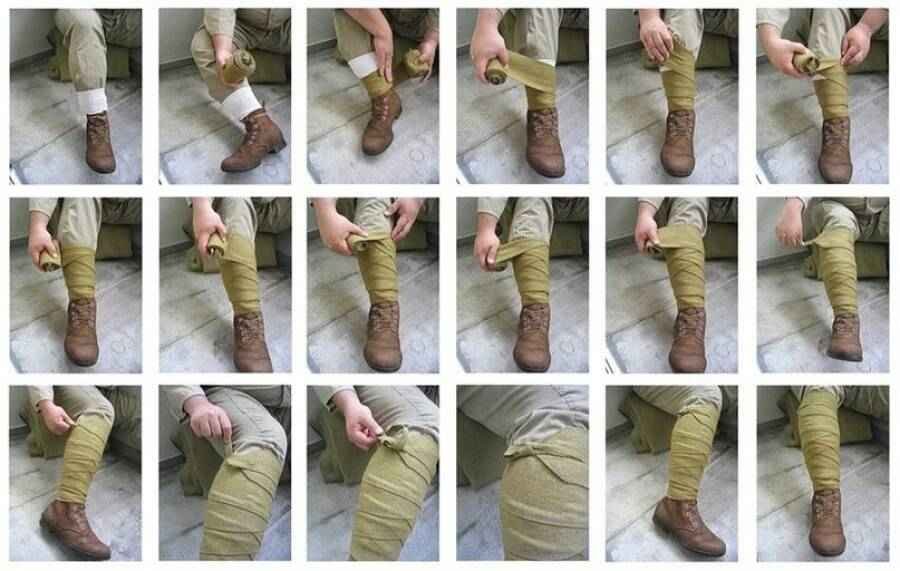
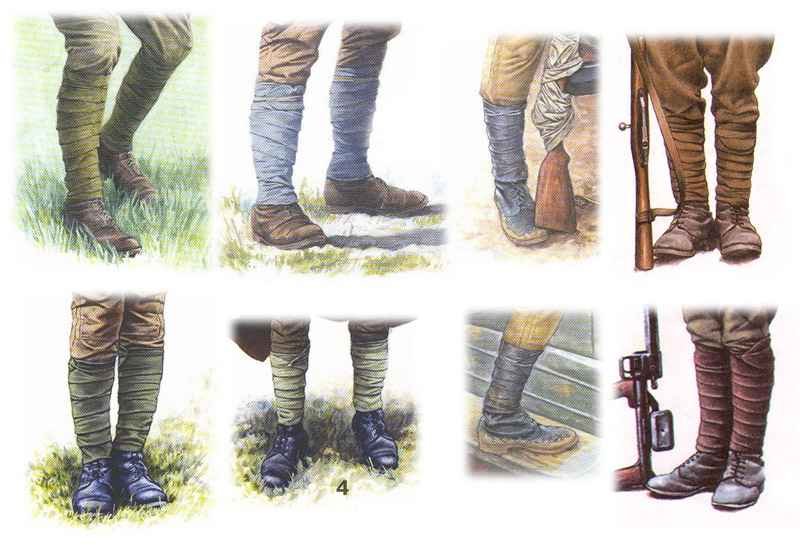
Before wrapping, the puttee is rolled together with its fastening tape. It does not matter which direction you wrap it, but it should always be done tightly.
The first turn is wrapped around the boot. The second turn overlaps about three-quarters of the first. After that, the trousers are adjusted and the remaining turns are wrapped up the leg, each covering about half of the previous layer.
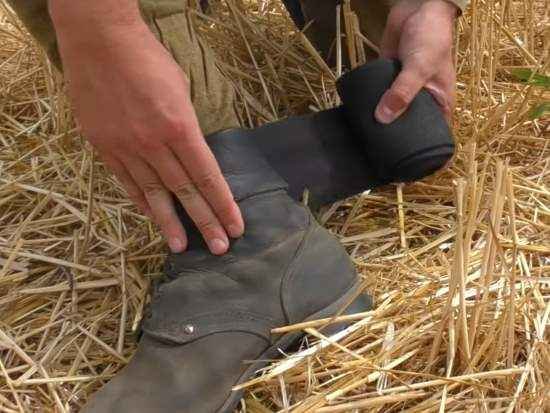
At the end, the tape is wrapped around the leg, tightened, and tied securely. When wrapped correctly, puttees can stay in place for two or even three days without needing to be adjusted.
Puttees protected a soldier’s legs from cold, scratches, cuts, insect bites, and other hazards above the boot line.
The reason for their appearance was simple: there was not enough leather available to produce full military boots for every soldier.
World War I changed military priorities. Most armies had already switched to ankle boots with puttees. Russia managed to keep traditional boots for about a year longer, but eventually the supply system began to fail.
Lieutenant General Nikolai Golovin later wrote that in the autumn of 1915, during operations in Galicia, “the Russian infantry lost its boots.” Several long marches through deep mud caused a serious crisis. Large numbers of soldiers were left without proper footwear, and the situation continued for nearly two months.
After the war, Golovin recalled that he had never seen such a severe shortage of military footwear. Soldiers wrapped their feet in sacks, and wagons loaded with traditional bast shoes were sent to the front as emergency replacements.
The situation became so difficult that enemy troops openly mocked the Russian Army for its footwear shortages.
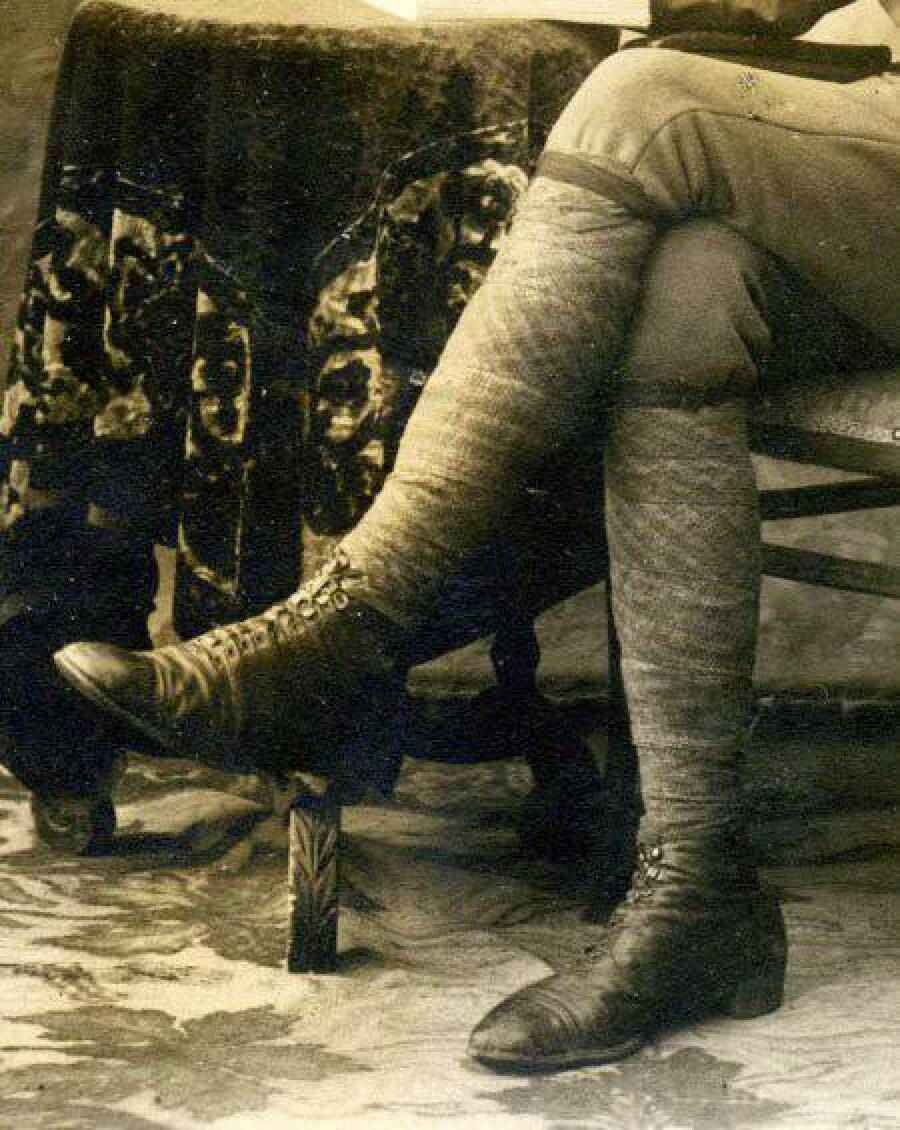
In an attempt to overcome the footwear crisis, the Russian Army first began producing boots with shorter shafts. Later, the military introduced even more economical solutions.
Orders were issued to supply soldiers with ankle boots and puttees, as well as so-called “canvas boots” – boots with shafts made from heavy canvas instead of leather.
These measures reduced the amount of leather required and helped the army cope with the growing shortage of military footwear during World War I.
Looking for high quality Telnyashka? You can find it here: Telnyashka.net
Interestingly, Russian soldiers had already faced a similar situation before.
During the Russo-Turkish War of 1877–1878 in Bulgaria, local leather sandals known as opanki were commonly used. Russian soldiers adopted them for everyday needs.
When a Russian infantry division was transferred to Galicia during World War I and faced severe footwear shortages, soldiers began making similar leather sandals for military use. Other units created their own versions based on traditional Caucasian footwear.
By 1915, these improvised leather shoes could be found across much of the front.
Realizing that the crisis could not be solved domestically, the Russian government turned to its allies for help. Along with rifles and military supplies, Russia requested three million pairs of boots and thousands of poods of sole leather.
The army even experimented with rubber boots as an emergency solution. However, they were eventually rejected because of hygiene and comfort problems during prolonged use.
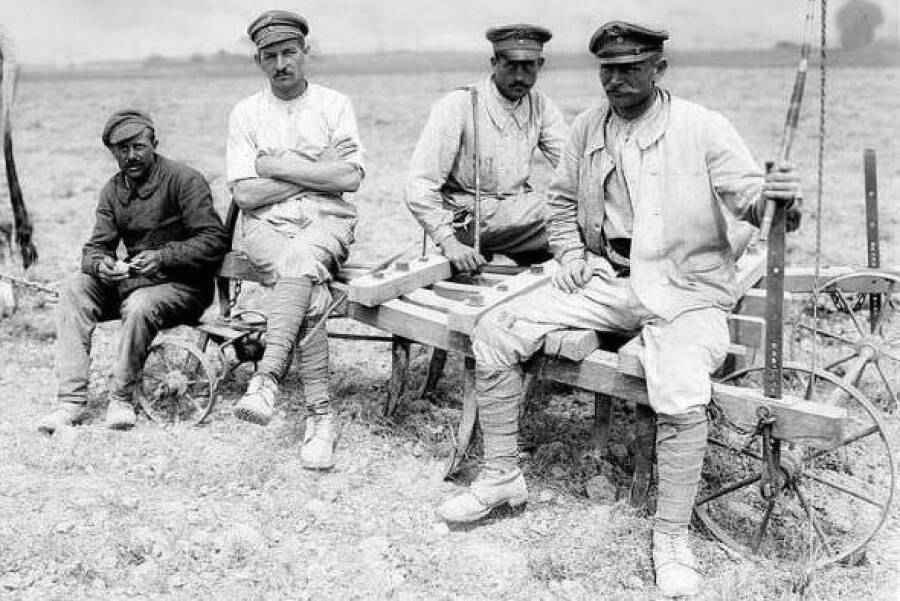
The Russian Empire was not the only country facing a footwear shortage. In fact, nearly every major army involved in World War I struggled to supply enough boots for millions of soldiers.
Russia tried to purchase footwear wherever it could, but the largest orders were placed in Britain and the United States.
By 1916, most of the armies fighting in the war had adopted what proved to be the most practical military footwear of the period: leather ankle boots combined with cloth puttees.
This solution required less leather, was cheaper to produce, and allowed armies to equip large numbers of troops much more quickly than traditional tall boots.
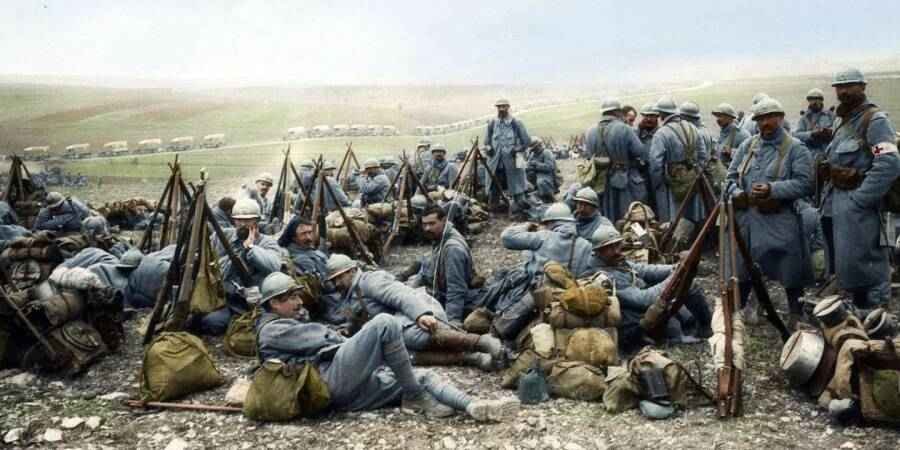
The Russian Revolution of 1917 did not immediately solve the army’s footwear problems. The Red Army continued using whatever equipment and boots remained from the Imperial Russian Army.
In 1928, the Red Army officially decided to phase out ankle boots with puttees. However, in 1938 they were reintroduced as a “temporary” solution until units could be fully supplied with standard military boots.
As often happens, this temporary measure remained in use for many years.
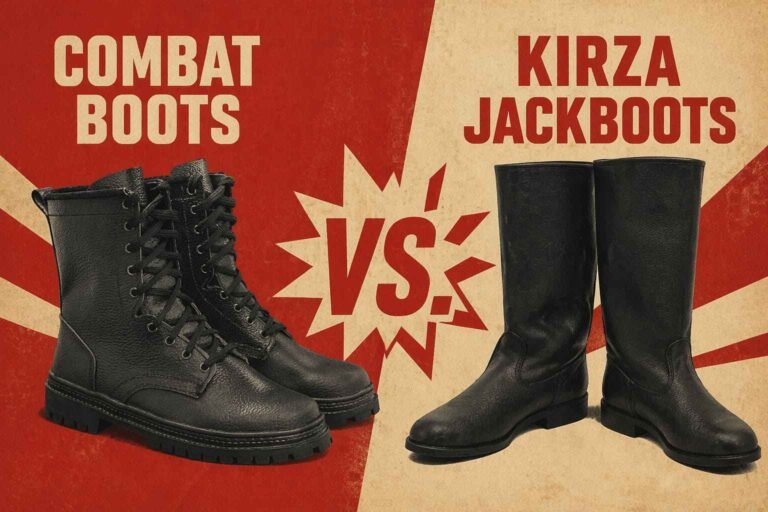
The situation finally changed when Soviet industry mastered the production of boots made from artificial leather, known as kirza. These boots were much cheaper and easier to produce in large numbers, allowing the Soviet Army to overcome its long-standing footwear shortage.
By 1943, kirza boots had become widely available, and military boots were no longer a scarce item.
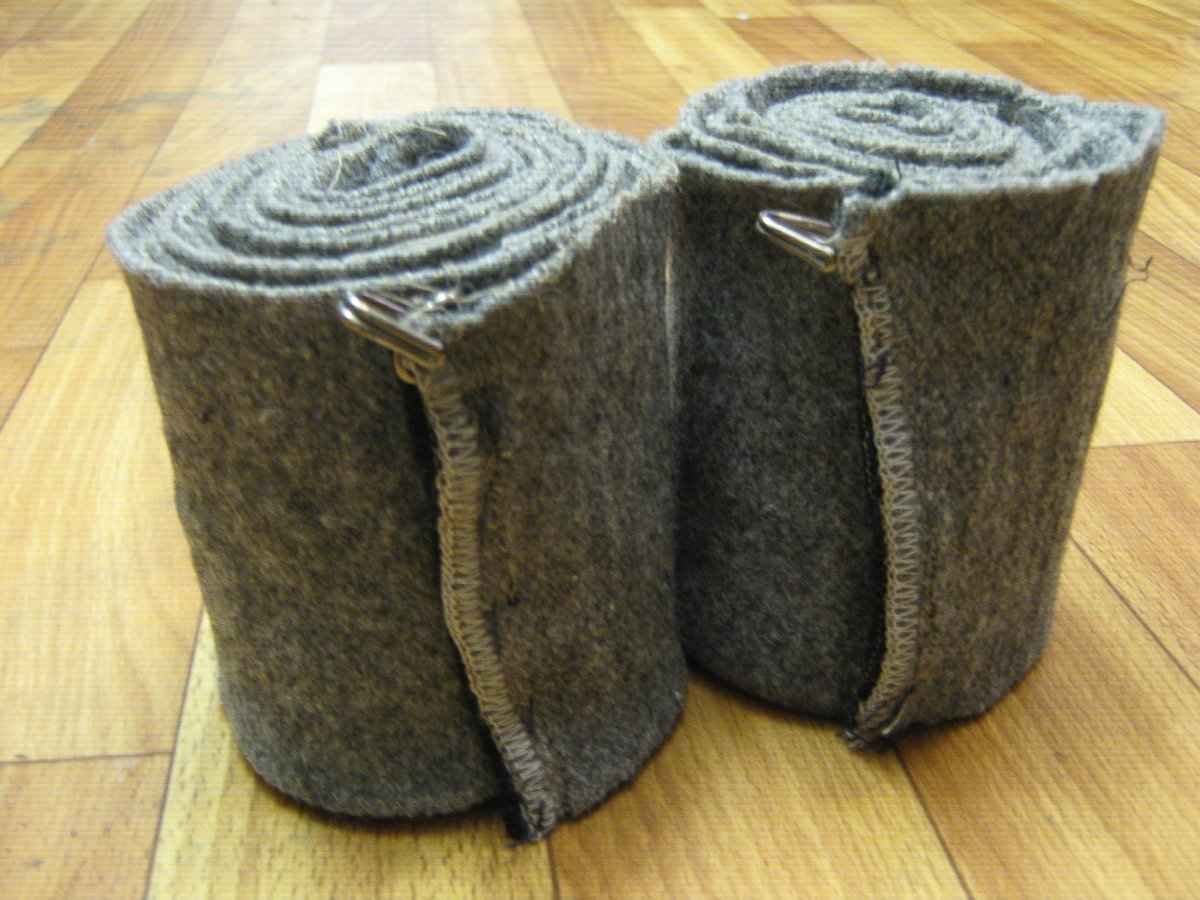
Today, military reenactors around the world continue to use puttees with low combat boots when recreating early World War II Red Army uniforms. This combination is especially popular among collectors, living history groups, and historical reenactment clubs because it accurately reflects the appearance of Soviet soldiers before kirza boots became widely available. Reproduction puttees remain an essential part of many authentic Red Army impressions from the late 1930s and early years of the war.
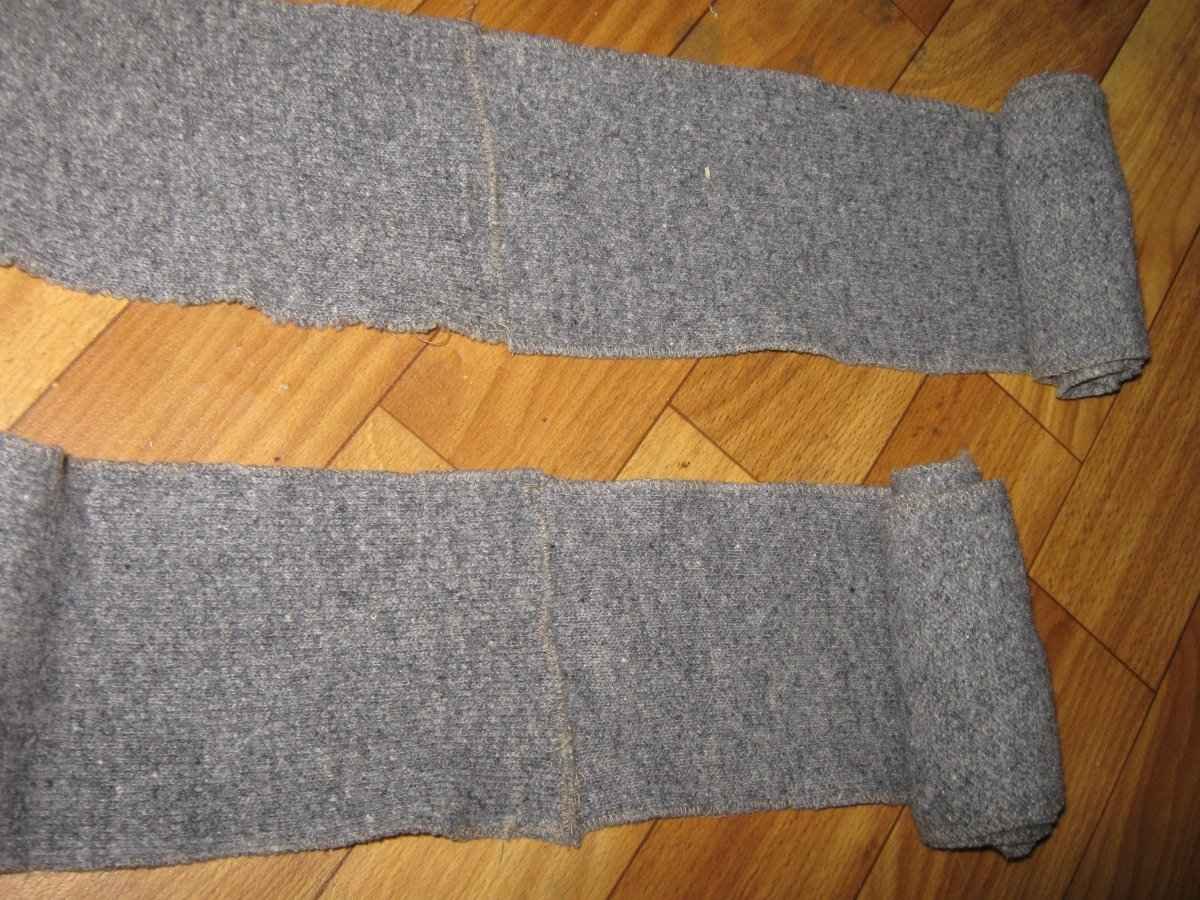
These reproduction Red Army puttees are based on wartime Soviet production models used during World War II.
Each puttee is made from two sewn sections of fabric (1.8 m and 0.7 m), giving a total length of 2.5 meters (8.2 ft). The material is dense gray wool knit fabric, closely matching the appearance of original wartime examples.
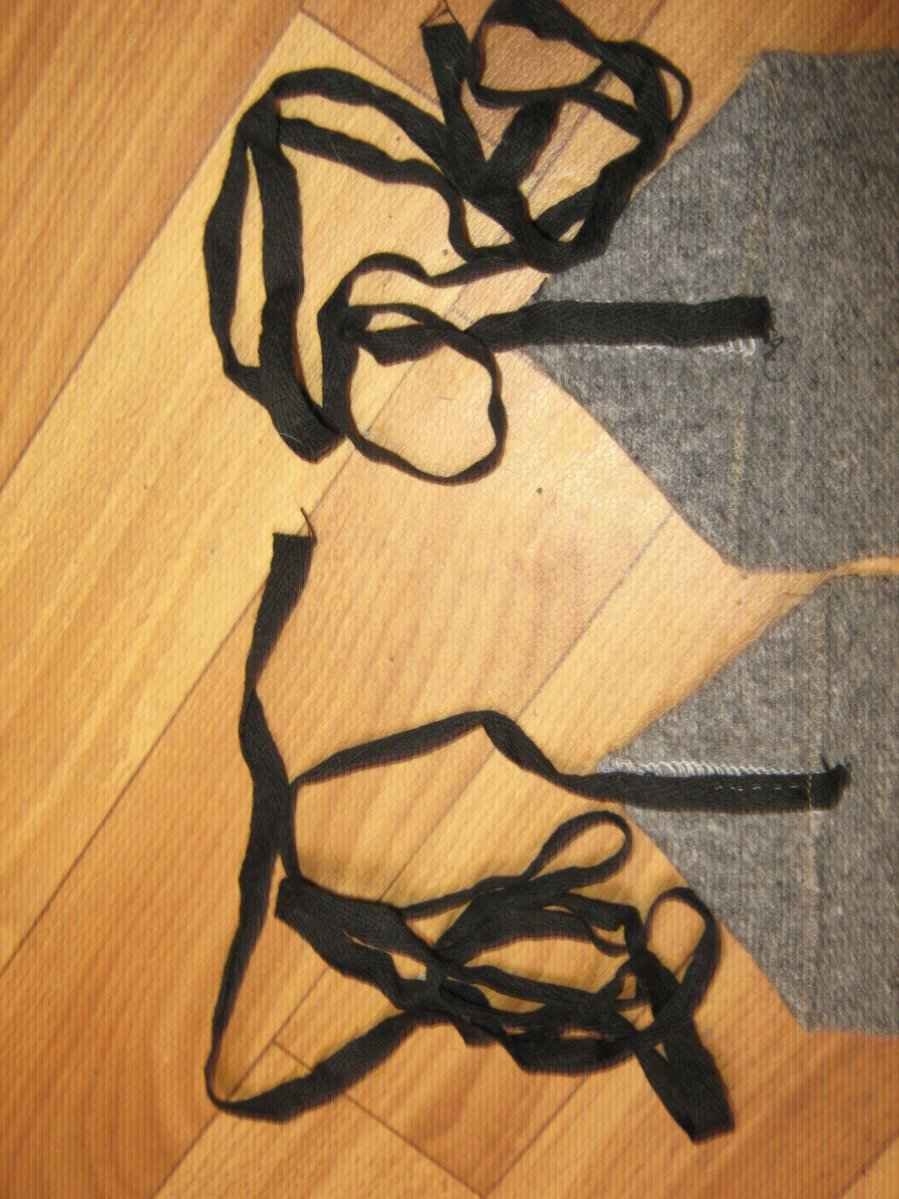
The edges are machine-stitched for durability. The fastening tape is made from cotton herringbone webbing and measures 1 meter (3.3 ft) in length.
Each puttee is equipped with a steel hook for additional attachment to the boot, helping to keep the wrap securely in place during wear.
These replica puttees are ideal for World War II Soviet reenactment, living history events, museum displays, collectors, and anyone seeking an authentic early-war Red Army impression.
Read more interesting articles
Why Soviet Soldiers Used Portyanki Instead of Socks
Puttees vs Portyanki in World War 1 – Which Military Footwear Was Better?
Looking for original Soviet boots and accessories? Please visit here: Soviet Boots Store