How Red Army Soldiers Built Dugouts and Frontline Shelters
Soviet soldiers dugouts WW2 were often built in extreme conditions, using only basic tools and nearby materials. Soldiers had to quickly dig, reinforce and adapt shelters to survive rain, snow and constant danger.
In this article, you will see real photos and simple explanations of how Red Army troops built dugouts, trenches and temporary shelters on the front line.
More interesting articles:
What Soviet Soldiers Really Ate During WW2
How Soviet Soldiers Slept During WW2 (Rare Archival Photos)
How Red Army Soldiers Survived in -40°C Winter Conditions During WWII
Rain, snow, cold, and mud were constant parts of war. Life in the field, especially in winter, was physically and mentally exhausting.
That’s why shelter was so important. It helped soldiers recover between battles and marches, kept their morale up, and often made the difference in survival.
From Barracks to Dugouts
Soldiers first learned how to build shelters during training camps. These skills became very important on the front.
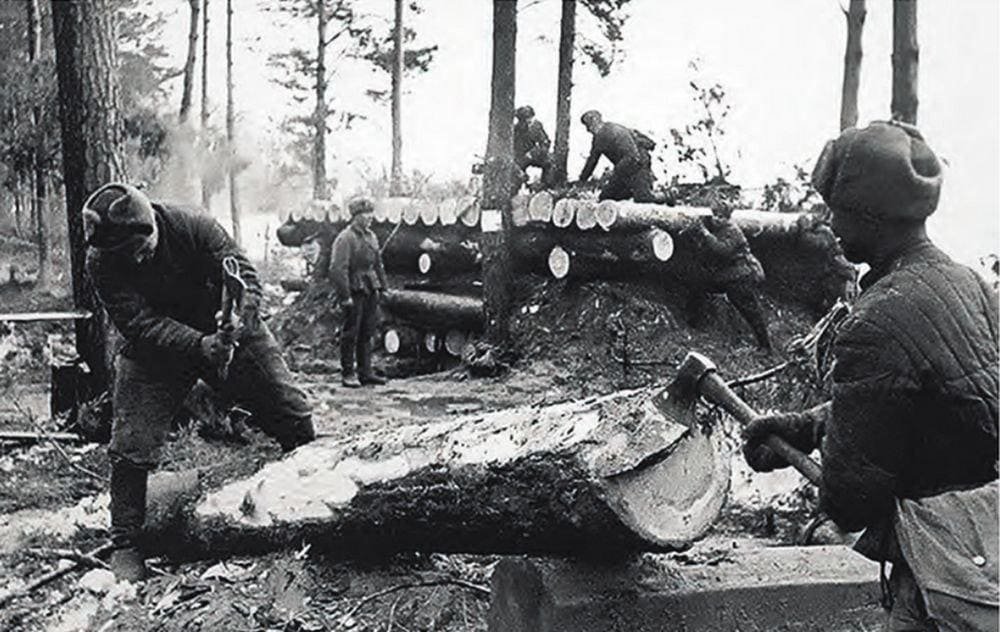
Those who knew basic carpentry, often from rural areas, had a better chance to survive. In his memoirs, Nikolai Nikulin wrote that in the first months of the war, he survived partly because he was sent to cut wood instead of fighting on the front line. The wood was used to build dugouts and shelters.
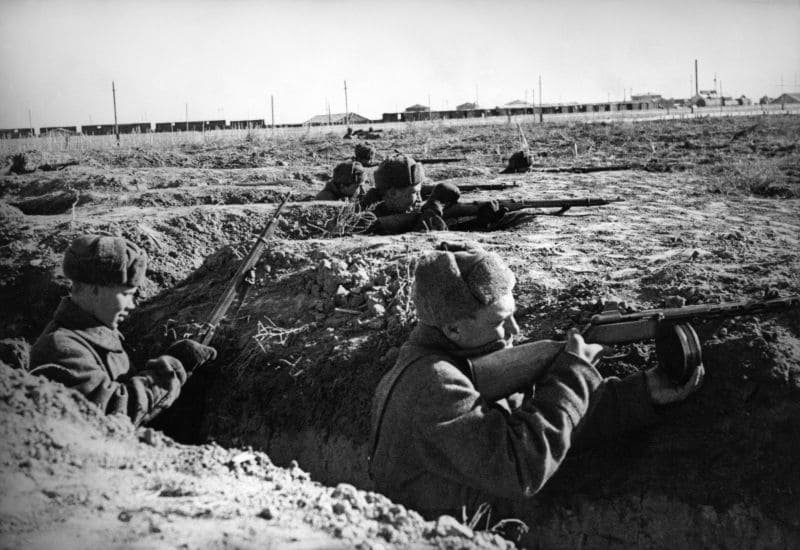
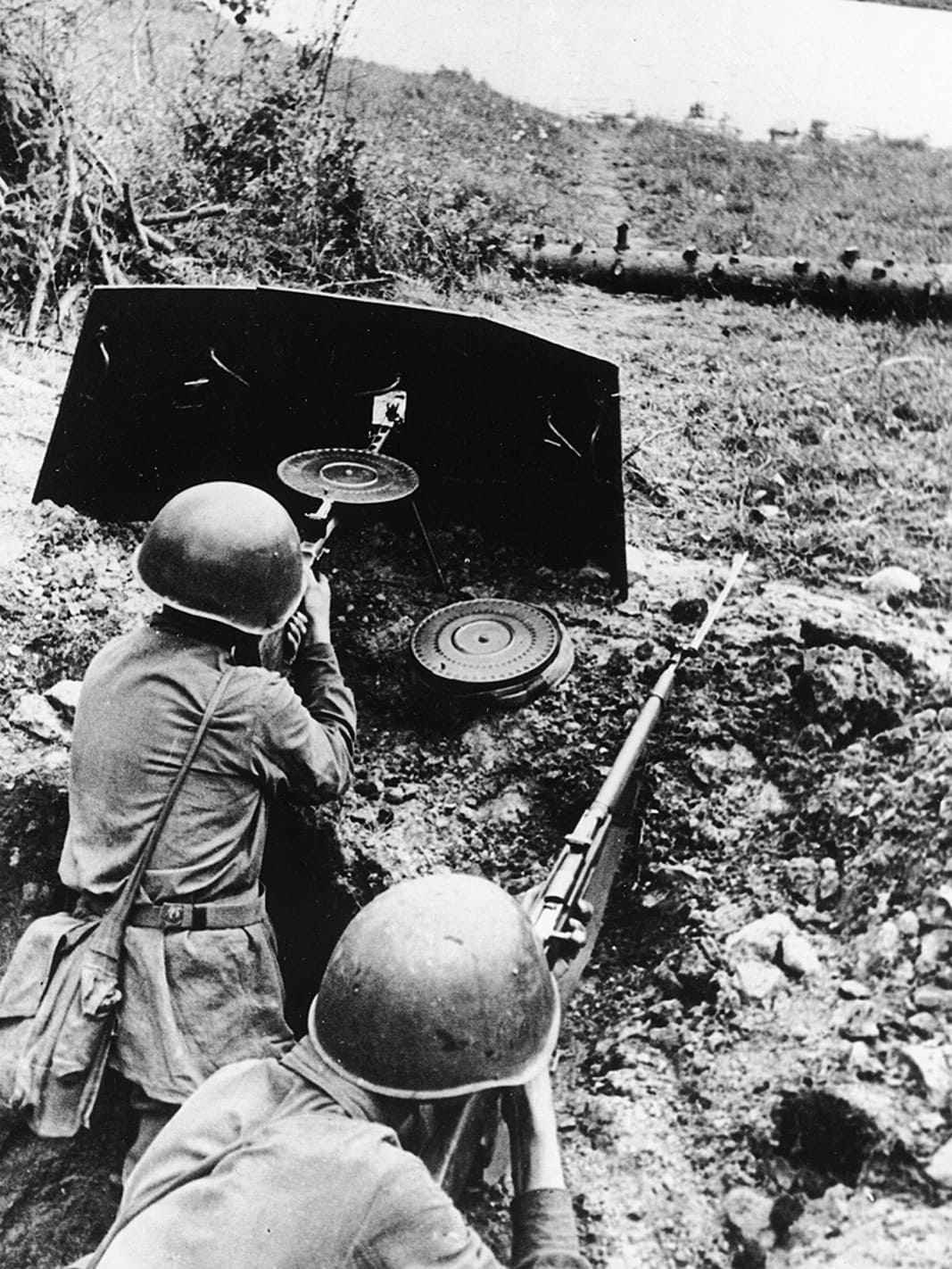
On the front line, soldiers often slept in simple holes in the ground – trenches or small pits. These were very basic shelters, built quickly.
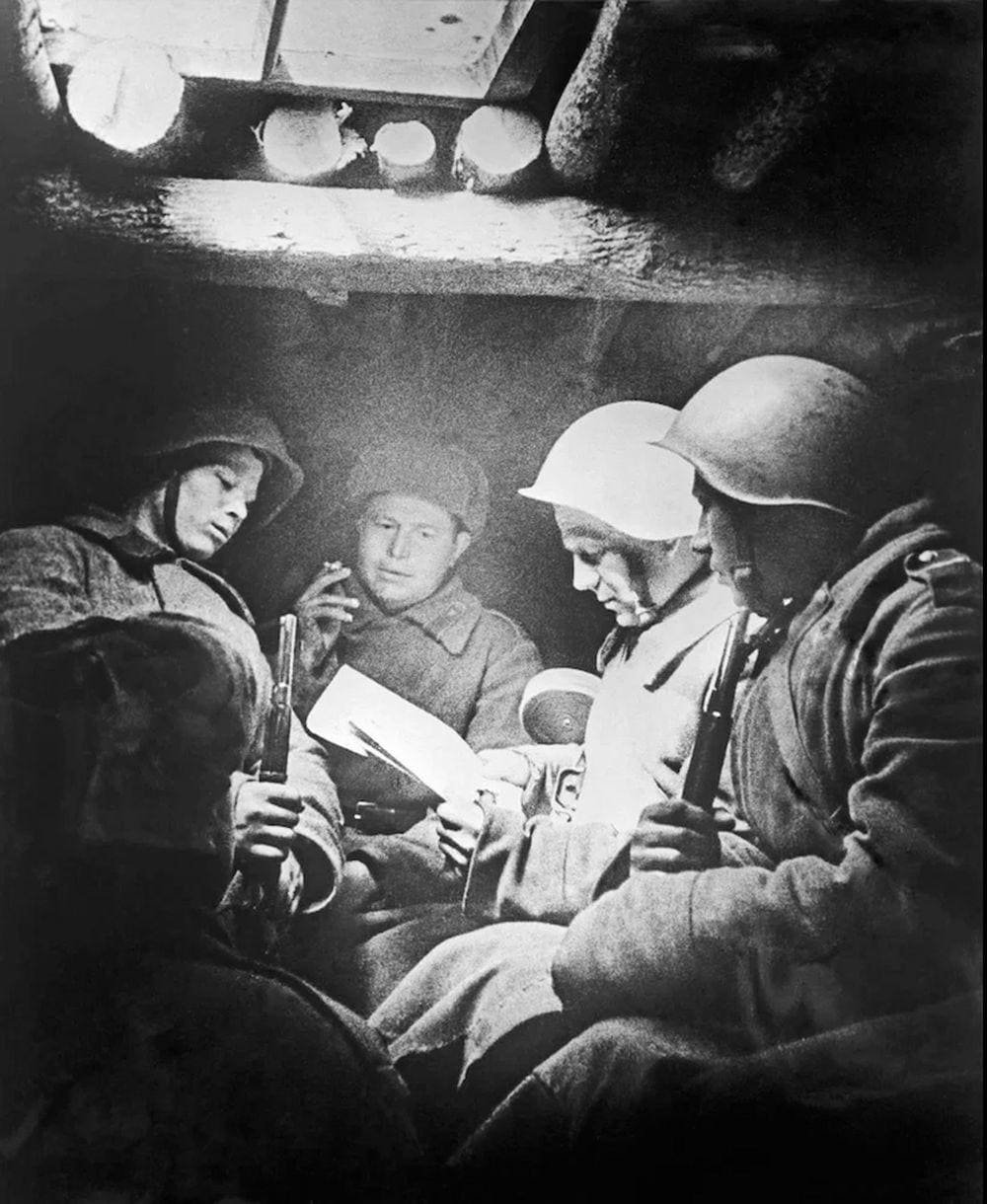
They were not comfortable, but they gave some protection from rain and shrapnel. As one soldier said, “At least not every drop of rain falls on us, and we are a bit safer from fragments.”
Writing in his diary in 1944, soldier described one of these shelters. It was just a small square hole in the ground, about two bayonets deep, covered with a canvas tent. Three soldiers could fit inside, though it was very cramped and uncomfortable.
Most soldiers, he said, preferred simple trenches. They felt a bit safer and more reliable, even if conditions were still very harsh.
Trenches Full of Water
On the front, thousands of soldiers lived in very harsh conditions. One officer wrote that outside it was cold, with wind and wet snow, but inside a room it felt warm and safe.
But on the front line, it was completely different.
At night, everything was dark. The trenches were full of water. Soldiers worked all the time, digging out mud and watching the enemy. From a distance, it looked empty. But if you looked closer, you could see life everywhere. Thousands of men were living underground.
The trenches were long and winding. Here and there, small dugouts were built. Inside, a candle burned, and sometimes a small stove gave a little heat. Soldiers rested, talked, read, or wrote letters.
They were not only fighting the enemy. They were also fighting nature – cold, mud, and bad weather.
Living in Forests and Swamps
Soldiers often had to turn forests into places to live. Sometimes just for one night, sometimes for longer. They had no choice of season. Winter was the worst time.
One officer wrote that even spring felt easier compared to winter. Real winter on the front was “a nightmare.”
In swampy areas, it was even worse. When soldiers tried to dig a dugout, it quickly filled with water. It turned into a hole full of mud. They had to remove water with buckets or even empty cans.
Sometimes there was no stove at all.
After months and years like this, soldiers got used to it. One man wrote that he stopped thinking about normal life – cities, theaters, peaceful days. It felt like another world.
For him, only the front existed: dugouts, forests, water, and endless orders.
Helmets as Washbasins
Dugouts were very different. Some were simple, others tried to be more comfortable. As the war went on, soldiers got better at building and improving them.
A basic dugout was simple: a narrow passage in the middle, sleeping places on both sides, and a small metal stove for heat. If there was no stove, soldiers sometimes made a small fire inside.
In the forests, some dugouts even looked almost “comfortable.” Soldiers made small tables and benches from wooden boxes. A helmet could be used as a washbasin. Paths and trenches connected one dugout to another.
One soldier once explained a dugout to his young daughter in very simple words. He said it was just a big hole in the ground, covered with logs so the enemy could not see it. There were no windows, only small gaps for light. Inside, they used a metal barrel as a stove and covered the ground with branches to sleep on.
Dark, Wet, and Cold
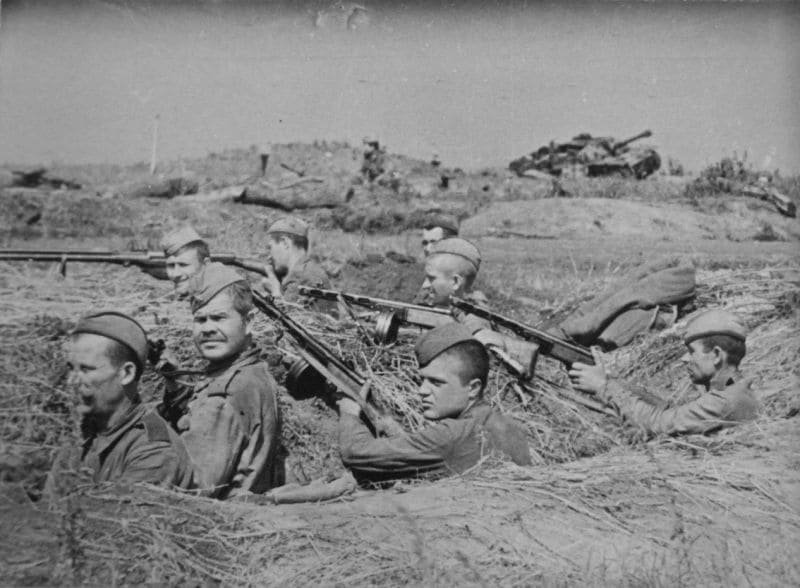
But in reality, most dugouts were damp and dark. Soldiers tried to dry them and sometimes even added electricity, but conditions were still hard.
Some dugouts were so low that soldiers had to crawl inside. Others were better, where you could stand up.
Conditions also depended on rank. Commanders often had warmer and cleaner dugouts. Sometimes they even had music playing and photos on the walls.
But for most soldiers, it was very different.
There could be water on the floor, cold air, insects, and even rats. Some soldiers said they could not sleep at all because of bugs falling from the ceiling.
Even so, these dugouts were their only shelter – and their only place to rest between battles.
A Place to Rest and Stay Alive
In 1942, a war correspondent described what a “good” dugout looked like on the front line. He found one that stood out. It was built by a sergeant and shared by three soldiers.
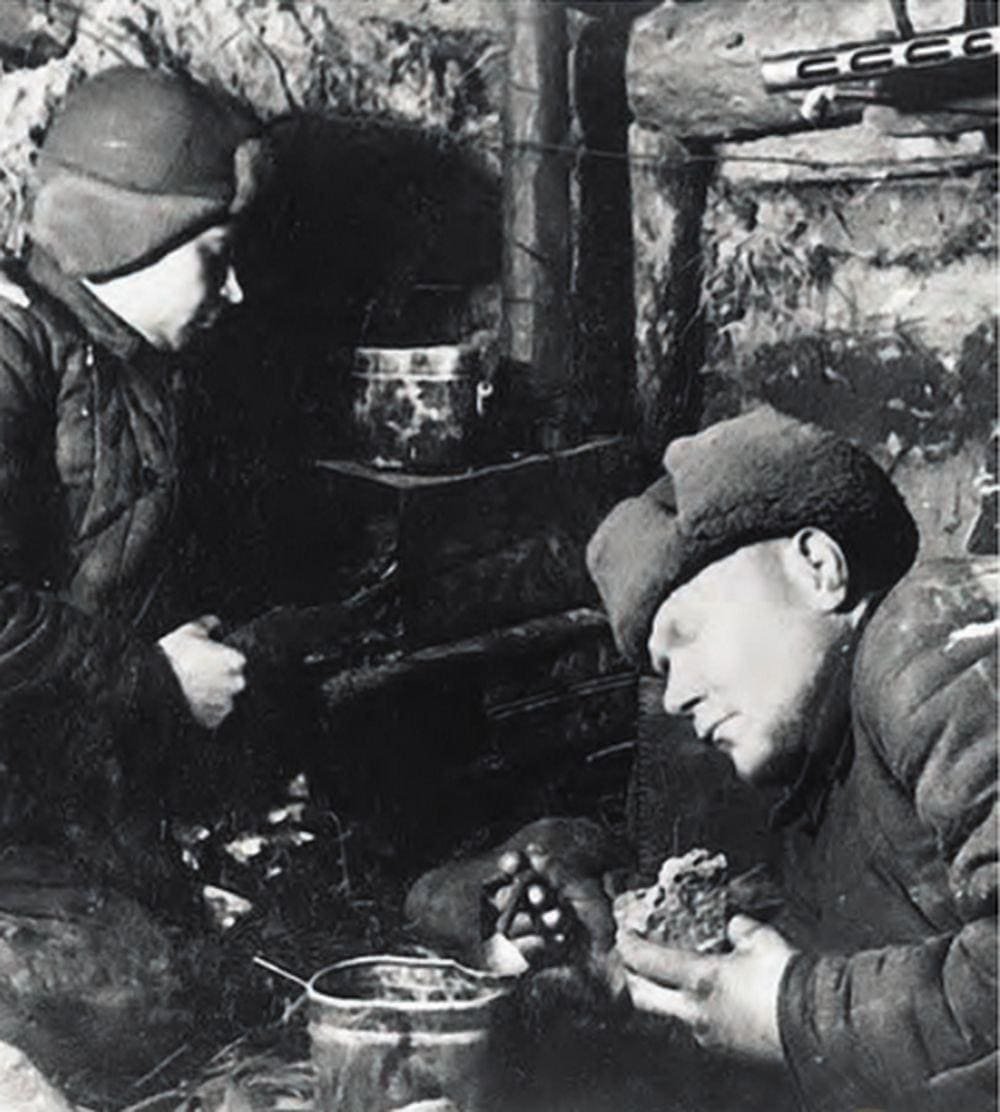
Inside, everything was simple but well organized. The walls were covered with wooden boards. There was a tight door with a small window for light. In one corner stood a small homemade stove, with dry firewood stacked nearby.
Sleeping places were covered with fresh branches, and a clean canvas was laid on top. Shelves were fixed to the walls, holding metal mess kits.
For soldiers, a good dugout meant two things:
-a place to rest properly
-protection from enemy fire
And in winter – warmth.
A tight door was very important. If it did not close well, the dugout stayed freezing cold no matter how much you heated it.
Shelters That Didn’t Help Much
Not all shelters were like this.
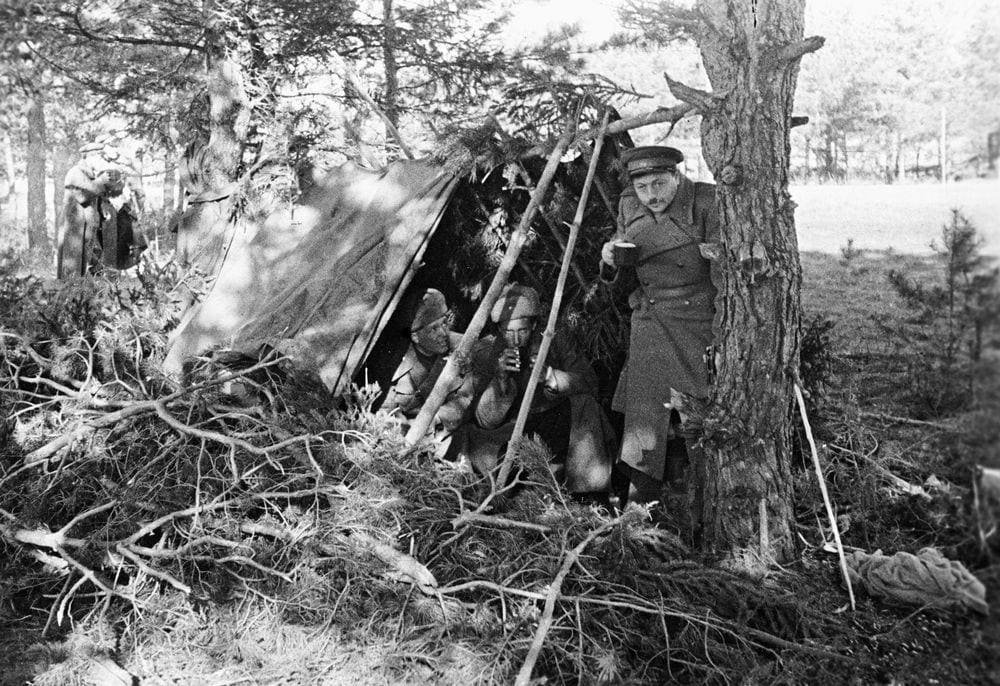
Simple huts made from branches were often used in summer. They were uncomfortable and gave poor protection from rain. Soldiers wrote that during heavy rain, they got completely wet.
Sometimes two people slept together on one coat, using another as a blanket. Often, soldiers just slept wherever they could.
In some cases, they lay down around a tree in a circle, trying to rest for a few hours before duty.
Tents were also used, especially in swampy areas where it was impossible to dig a dugout. But they offered little protection from cold and bad weather.
Living in Civilian Houses
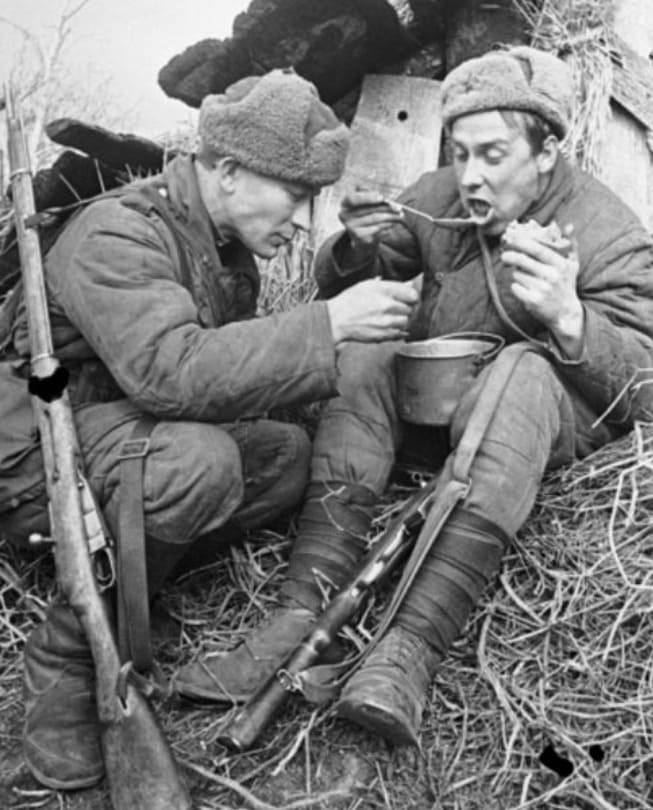
Sometimes soldiers stayed in village houses. This often happened during marches or when units stopped to rest.
If a house was empty, soldiers simply moved in. If people still lived there, the situation was different. Some locals helped and shared food. Others were not happy, but had no choice.
One soldier remembered moving from village to village every night. Each house was different, but the feeling was the same. Some people were kind and gave food and warmth. Others were cold and unfriendly.
Often, soldiers depended only on what villagers were willing to share.
Early in the morning, before sunrise, they had to leave again. Even in the cold, they stayed inside as long as possible, trying to enjoy a few more minutes of warmth before going back out into the freezing.
Too Many People, Too Little Space
In small villages, there was not enough space for everyone.
One soldier described a night in a small house where so many men were inside that they could only stand, pressed against each other. People slowly fell asleep and slid down to the floor.
When he woke up, he found himself lying on others, while others lay on top of him. Soldiers had to step over each other just to move.
A few days later, after a battle, only a small number of men from that unit survived.
Using Enemy Shelters
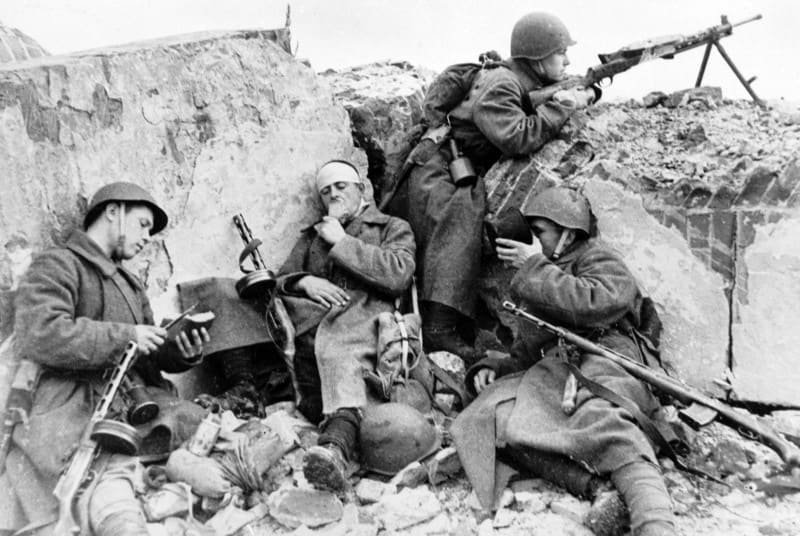
Sometimes soldiers used shelters left by the enemy.
These could be surprisingly well built. Some had wooden walls, floors, and even furniture inside. There were beds, tables, and metal stoves for heating.
Some bunkers had several rooms and felt almost like real houses.
But they were not always safe. One soldier wrote that while living in a captured bunker, they found a wire in the ceiling and were never sure if the place was mined or not.
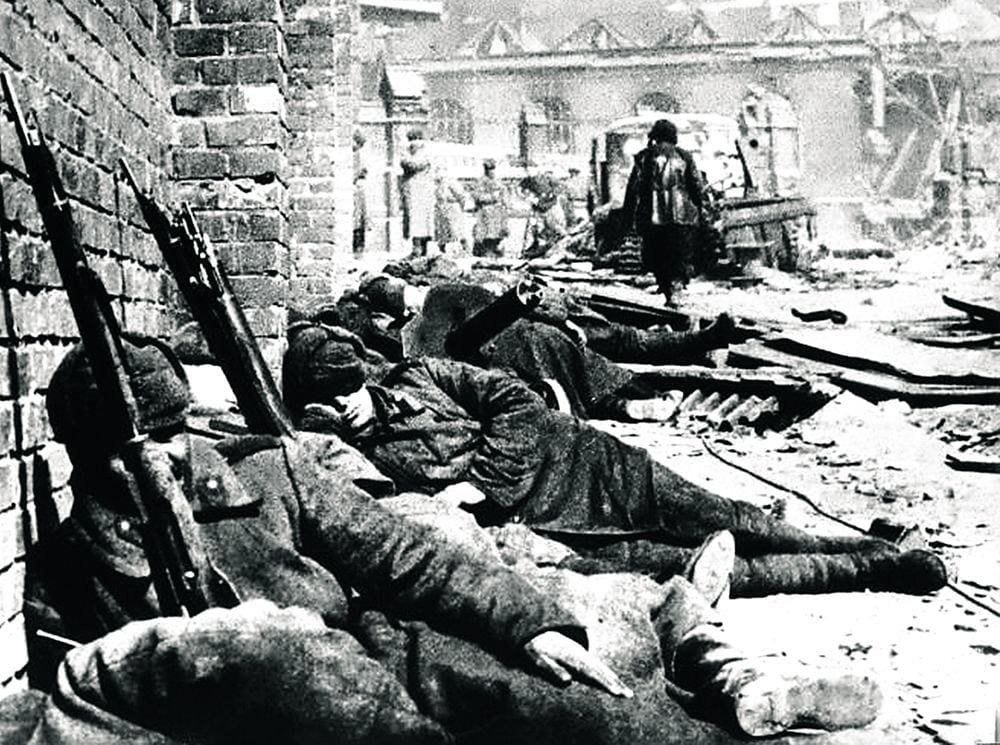
“All This Comfort Gets Tiring”
During the war, soldiers’ living conditions could change very quickly. One day they were in forests or trenches, the next – in towns or even inside real houses.
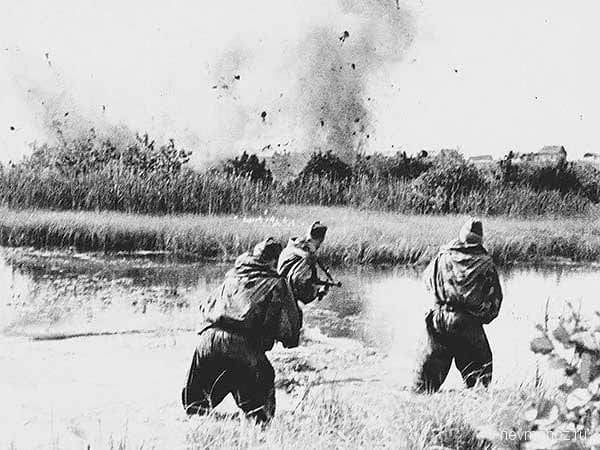
In 1944–1945, when Soviet troops moved into Europe, this became even more common.
One officer wrote that sometimes they stayed in rich apartments, with mirrors, furniture, and even pianos. But at other times, they lived for weeks in simple holes in the ground. And all of this felt normal.
Another soldier said their life was like that of wanderers – always moving, never staying in one place. But closer to the end of the war, they more often slept in proper houses, in real beds, in warm rooms.
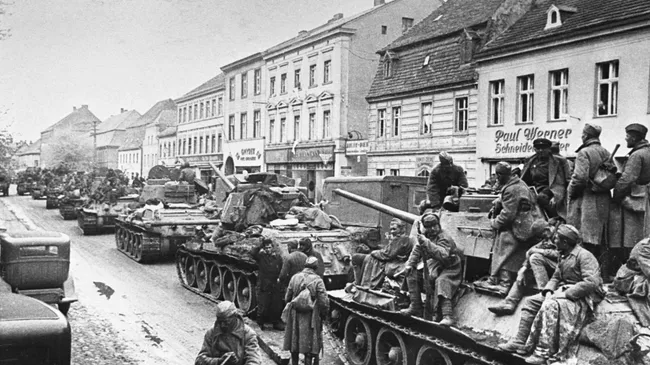
Not What They Really Wanted
You might think this was a dream after everything they had been through.
But many soldiers felt differently.
Even living in comfortable homes, they missed one thing – home.
One soldier wrote that life in Germany felt almost “like a fairy tale,” with good living conditions. But at the same time, he said:
“All of this is not important anymore. I just want to go home.”
After years of war, even comfort could not replace that.
More interesting articles:
What Soviet Soldiers Really Ate During WW2
How Soviet Soldiers Slept During WW2 (Rare Archival Photos)
How Red Army Soldiers Survived in -40°C Winter Conditions During WWII
Looking original Soviet boots and accessories? Please visit here: Soviet Boots Store