Red Army Winter Survival WW2: Life in Extreme Cold
War always brought hard conditions for soldiers, but winter was especially difficult. The Great Patriotic War was a time when extreme cold and snowstorms made already harsh frontline life feel like real hell. Soviet soldiers on the front line had to fight not only the enemy, but also the freezing cold. In winter, temperatures could drop to -45°C. This constant fight with nature became part of their everyday life.
More interesting articles:
What Soviet Soldiers Really Ate During WW2
How Soviet Soldiers Slept During WW2 (Rare Archival Photos)
Soviet Red Army Uniform and Equipment in World War II (1939-1945)
Life on the winter front
Daily life for Soviet soldiers in winter was very hard and dangerous. During the cold months, even small things mattered: there was not enough fuel, food, or warm clothing, and there were no proper shelters. Life on the front could feel almost unbearable.
But soldiers found ways to adapt. They focused on creating the most basic living conditions, just enough to keep their strength and continue fighting.
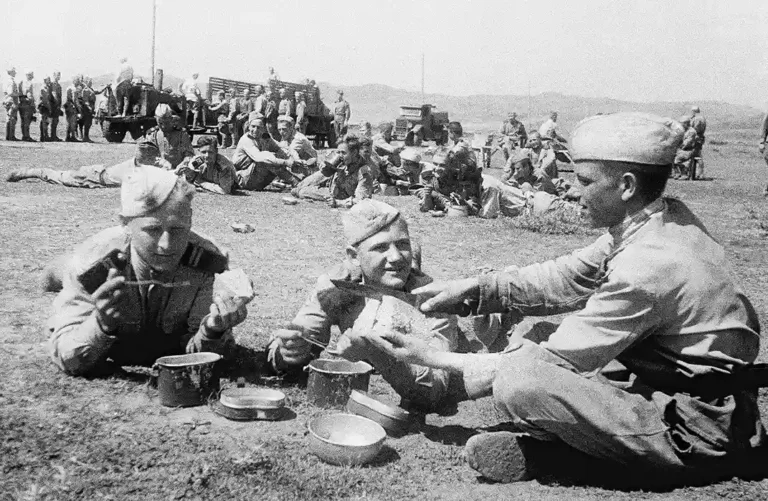
Field kitchens, mobile bath units, and medical tents were key parts of soldiers’ daily life. Field kitchens did more than just provide food. They gave soldiers a chance to rest for a short time and warm up by the fire. In constant shelling and attacks, hot food and warm tea were often the only way to keep both physical and mental strength.
There were also mobile bath units. They were not available often, but they allowed soldiers to warm up and clean themselves. Washing in such conditions was not only about hygiene, but also gave strong psychological relief.
Winter in Russia has always been harsh, and war made it even worse. One of the clearest examples of how winter affected the war was the Battle of Moscow in 1941. German troops were not prepared for such low temperatures, and their uniforms were not suitable for winter conditions. Many German soldiers suffered from the cold and even froze, while Soviet soldiers, with more experience in such conditions, continued to defend their country successfully.
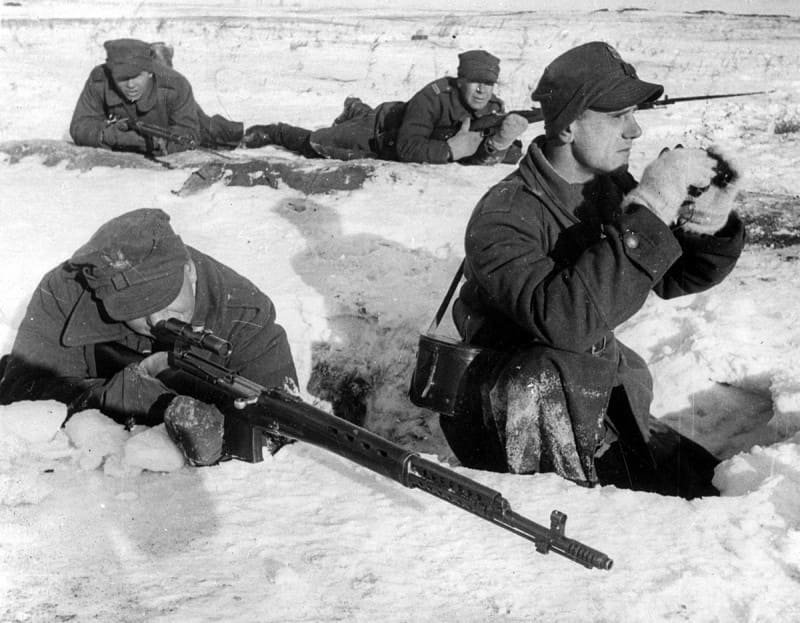
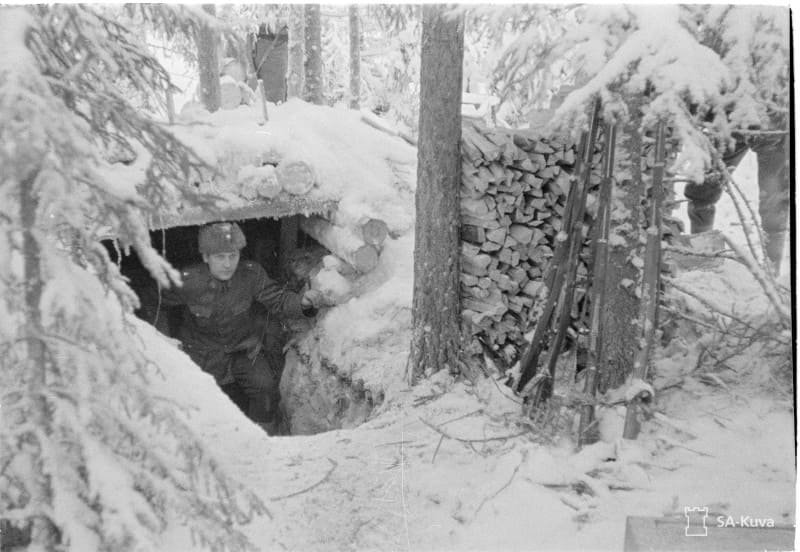
On the front line, Red Army soldiers built dugouts and earth shelters, which became their main protection from bad weather. These shelters helped keep heat inside and protected them from wind and snow. Reinforced with logs and covered with burlap, dugouts allowed soldiers to create relatively comfortable conditions for rest. In some cases, soldiers even used snow itself as insulation, as a thick layer of snow could keep warmth despite the freezing temperatures.
In addition, many soldiers made temporary shelters using whatever they could find – broken trees, boards, stones. These structures helped protect them from wind and snow, although they could not always protect them from shelling.
Fire in wartime conditions became a luxury. Lighting a fire was extremely dangerous, as even a small flame or smoke could reveal the soldiers’ position to the enemy. Still, even in such difficult conditions, soldiers found ways to keep warm. One of the most common solutions was making small improvised stoves, often called “burzhuyka.” These were built from metal buckets or other available materials. Soldiers used them for heating and even for cooking food in trenches and dugouts. Firewood for these stoves was collected nearby, despite the danger and difficulties.
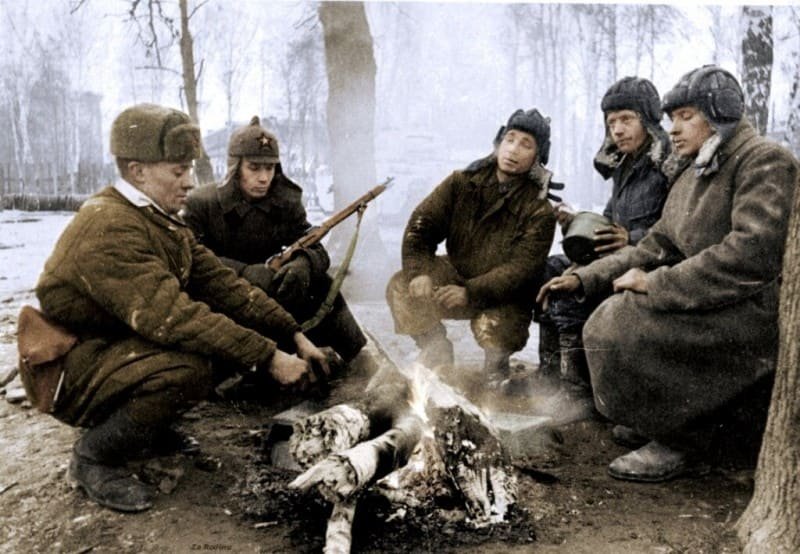
Even a stove could not always keep soldiers warm in extreme cold. In such situations, they used their own bodies to preserve heat. When sleeping, they stayed close to each other to keep warmth and prevent frostbite. This was an old survival method used by many people living in very cold climates.
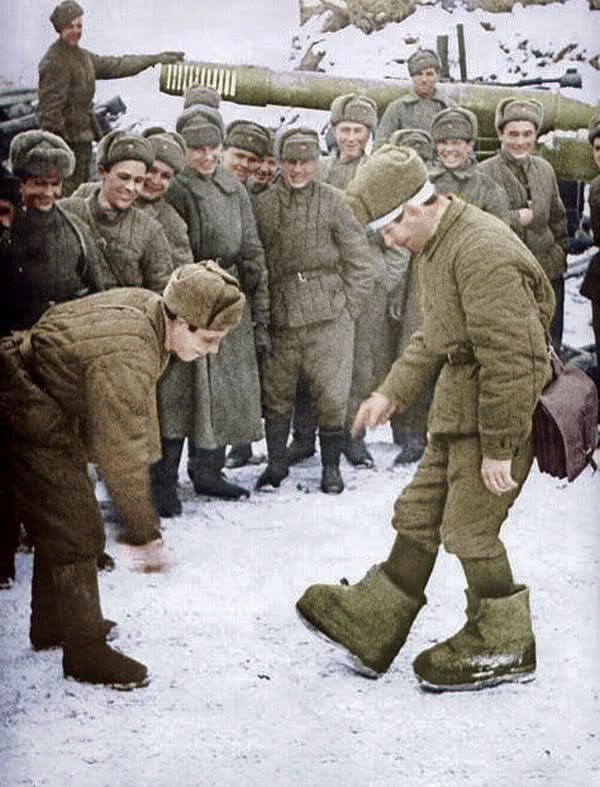
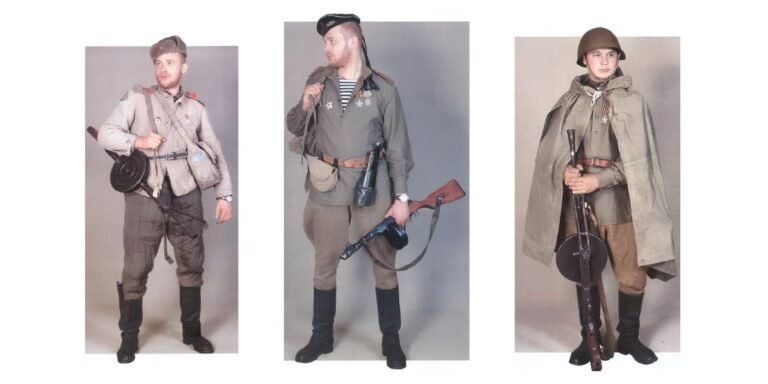
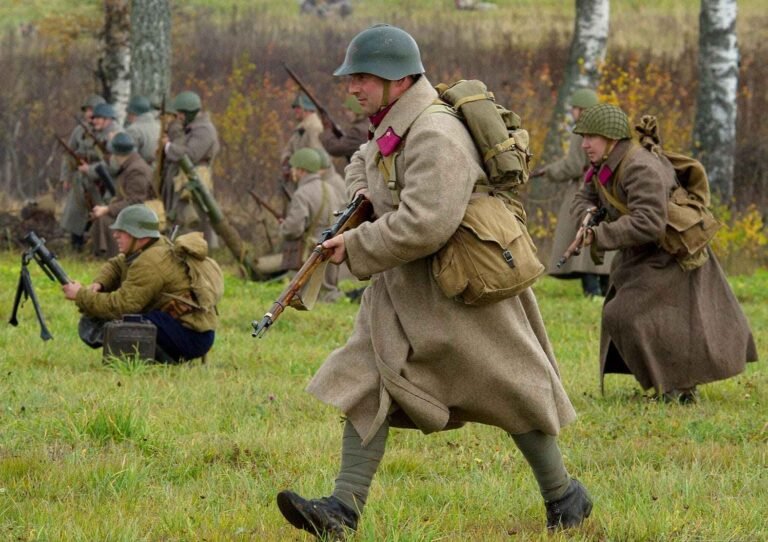
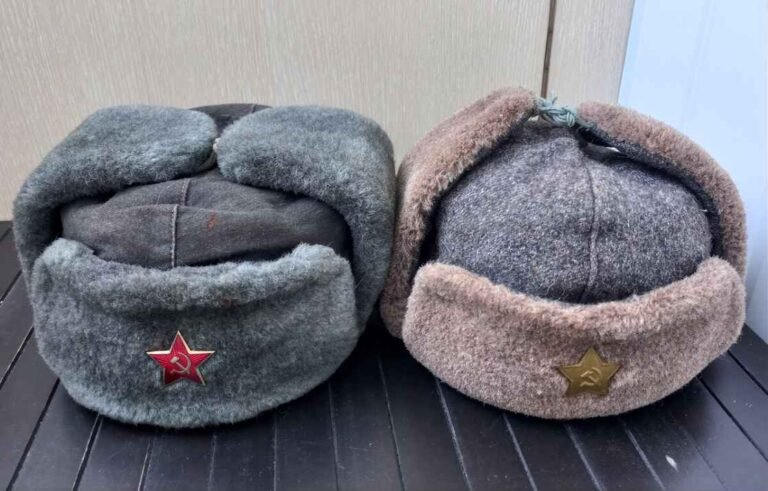
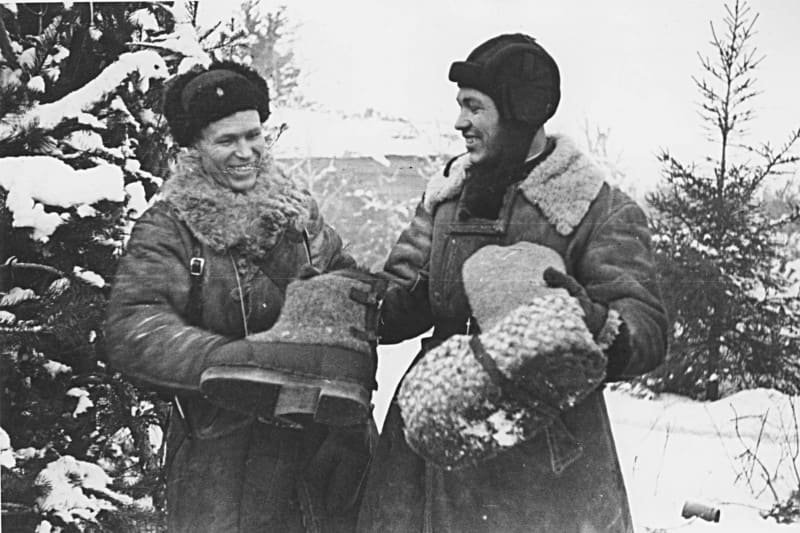
In addition to this, more traditional methods were also used. Soldiers wore several layers of clothing to keep body heat. Under their jackets, they wore multiple shirts, and on their feet they used portyanki – special cloth wraps that replaced socks and protected their feet from the cold. This knowledge, passed down from earlier generations, helped soldiers survive in the harsh conditions of war.