Combat Boots vs Kirza Jackboots: Real Experience of Soldiers
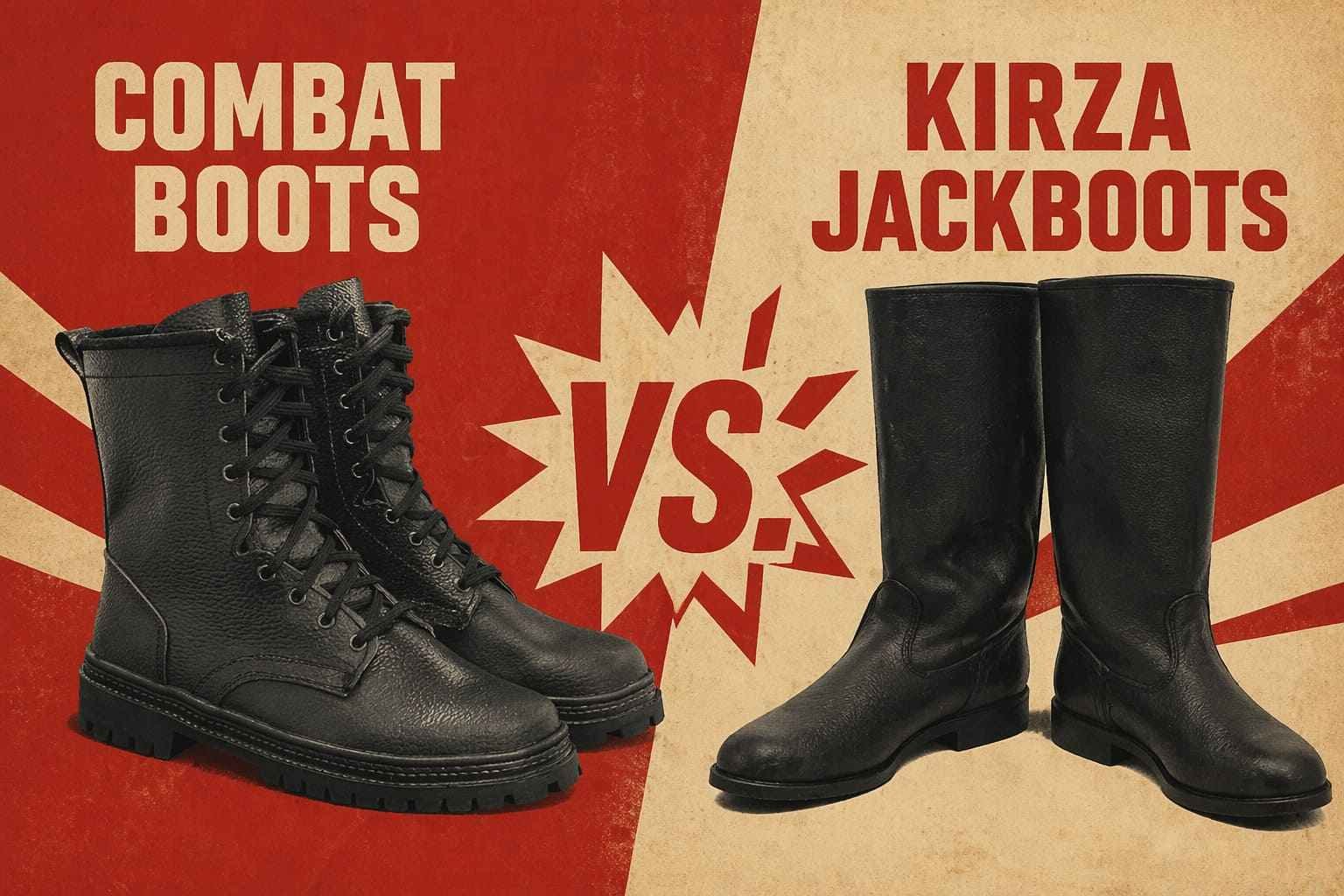
Combat Boots vs Kirza Jackboots is not just a debate about comfort. It is about real war experience, climate, and mass production. In this article, we look at what soldiers actually used and why they made their choice.
More interesting articles:
How to choose the Soviet boots for WWII reenacting
History of Kersey Kirza boots?
The history of military footwear
Today, this debate is almost gone (or maybe not?), but when combat boots first appeared in the Russian army, it was a big argument.
Even today, when most Russian soldiers wear combat boots, the debate is not fully over. People were divided into two groups. You could call them “foot wrap guys” and “sock guys.”
One side supported jackboots with foot wraps. The other side supported combat boots with socks.
Check guide:
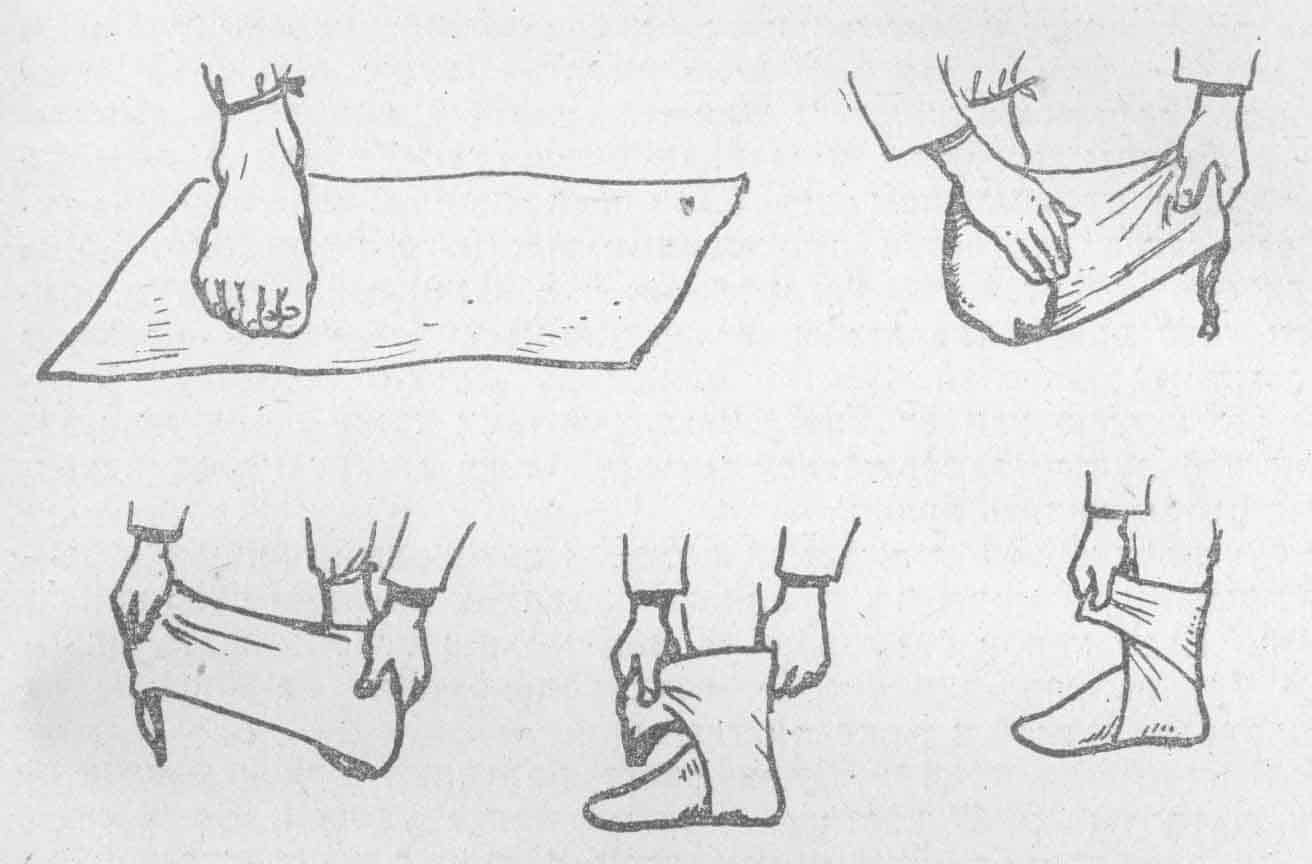
How to use ‘Portyanki’ foot wraps of Soviet boots sapogi: Practicality and Convenience
Arguments between them were often heated and emotional. People didn’t try to find a middle ground – it was always one side or the other.
Let’s try to look at this question calmly.
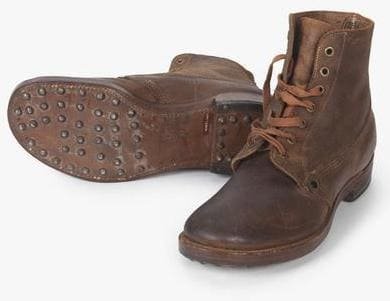
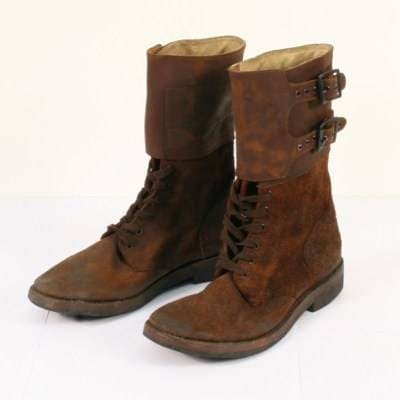
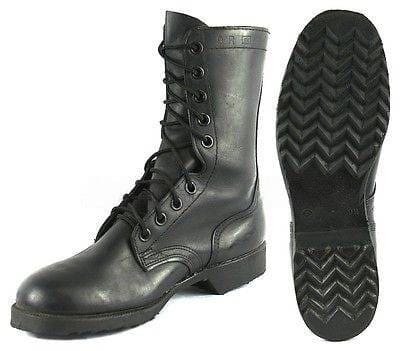
For example, in the US Army, lace-up boots have always been standard. American soldiers were already wearing them as early as the War of 1812. Later, many models appeared, but they were all lace-up boots – from Civil War boots to World War I trench boots and World War II combat boots.
Personal Experience
Here is a short personal experience from Dmitry Verkhoturov.
He wore different types of military boots: kirza jackboots, chrome boots, and combat boots. He used both foot wraps portyanki and wool socks.
Surprisingly, he liked chrome boots the most. They were light, comfortable, and kept feet dry in any weather. You could even step into water up to mid-calf without getting wet. The only problem was the smooth sole – it could be slippery. But this problem could be easily fixed by adding a special rubber pads to the leather sole. It is called ‘Profilaktika’ – ‘Prevention’
Check guide: How to Add Rubber Soles to Soviet Boots (Yuft & Officer Boots Guide)
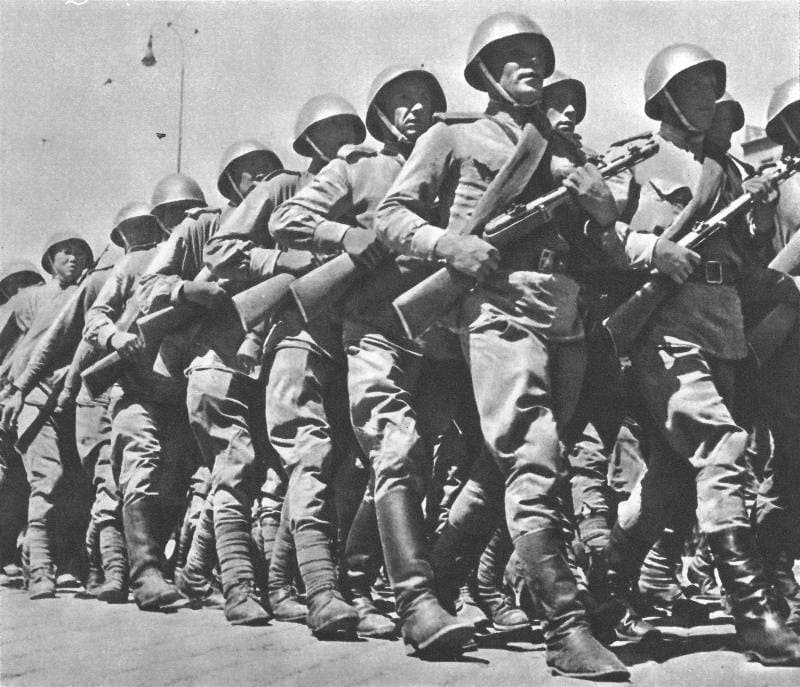
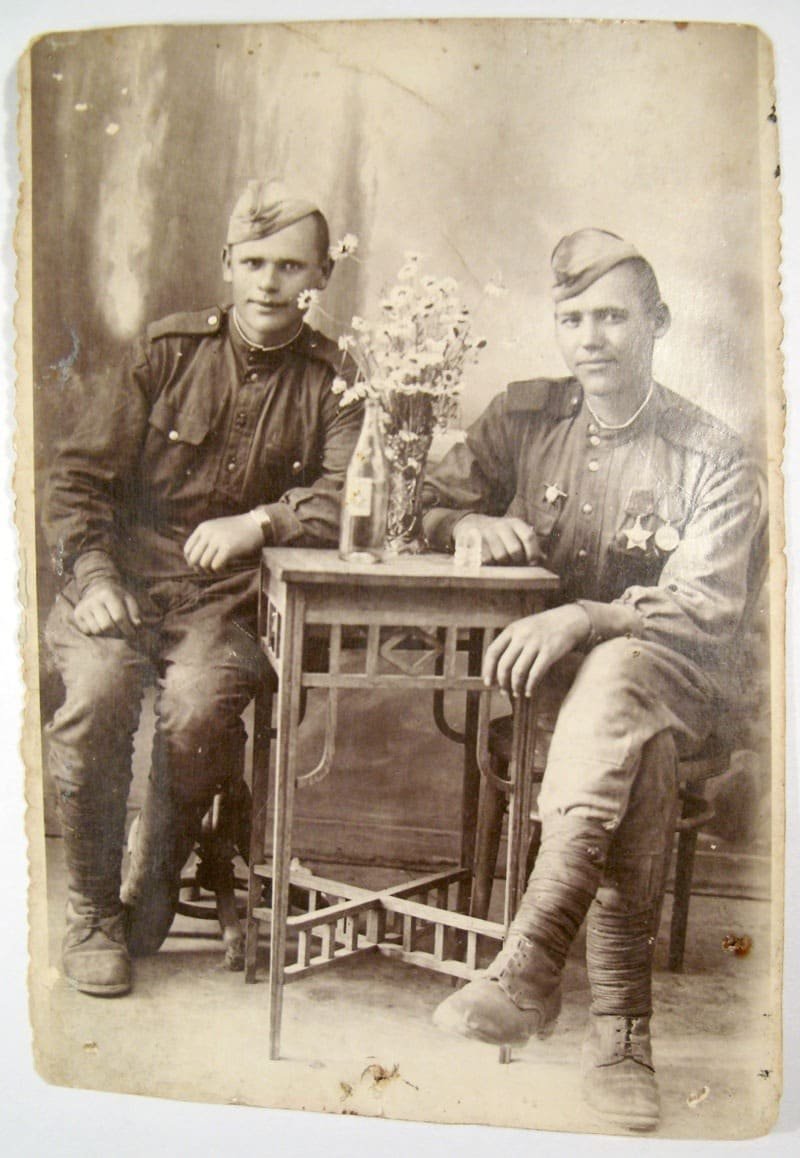
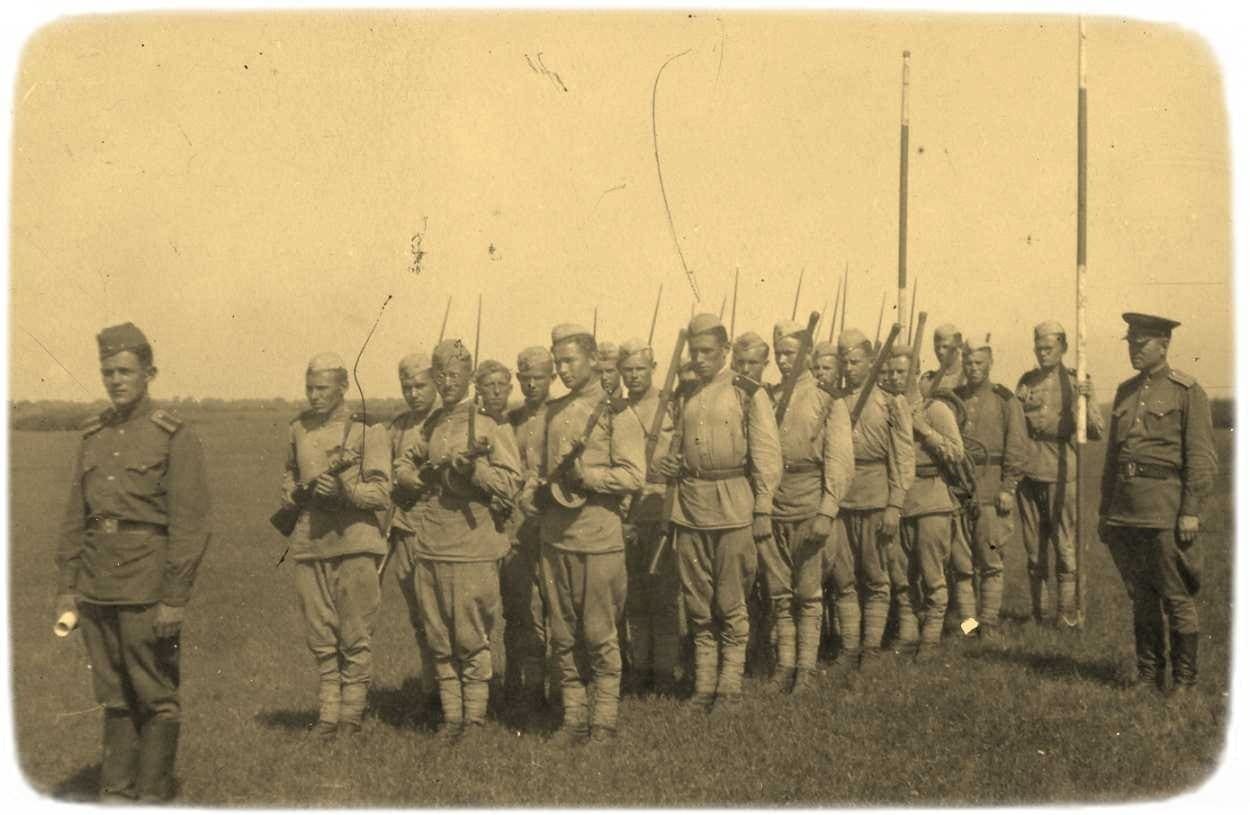
Kirza boots were heavier, but stronger. They protected the foot better and worked well in rough terrain. They were also waterproof, just like chrome boots. For comfort, thick foot wraps worked best with them.
Combat boots were okay, but nothing special. He did not see any big advantages. They were less waterproof than boots and could get wet quickly. Laces were also a weak point – they wear out fast.
In general, kirza jackboots gave better protection and durability. Combat boots were easier to wear, but not clearly better.
In the end, the choice between jackboots and combat boots is not simple. Even the Soviet Army had experience with both, but finally chose kirza jackboots.