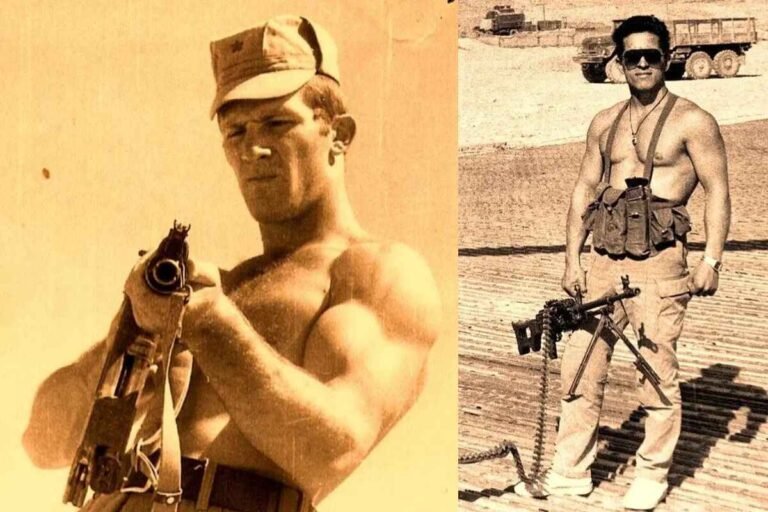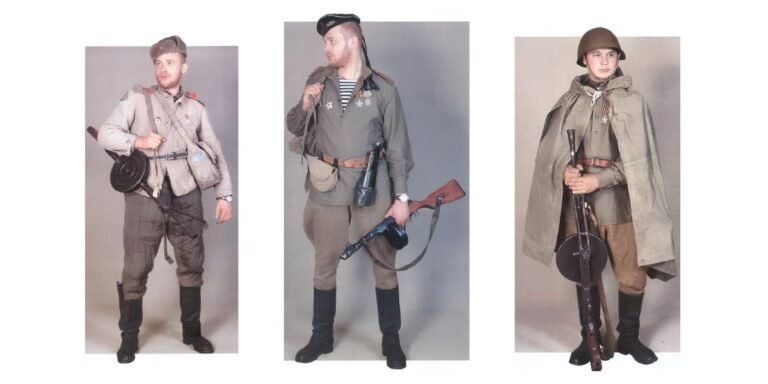
Today I will tell you about the Soviet military panama hat that was used by soldiers and sergeants of the Armed Forces of the USSR in hot climate regions.
Since the 1980s, this military hat became widely known on the internet as the “Afghanka panama,” but this is not completely correct. After some research into the history of this panama, the following became clear.
The panama hat was officially adopted by the Red Army in 1938 as part of the military uniform according to Order No. 61 of the USSR People’s Commissariat of Defense dated March 10, 1938.
For soldiers and military units stationed in the Central Asian, North Caucasus, and Transcaucasian military districts, as well as units located in Crimea, a cotton panama hat was introduced as a summer headgear that could be worn together with a steel helmet.
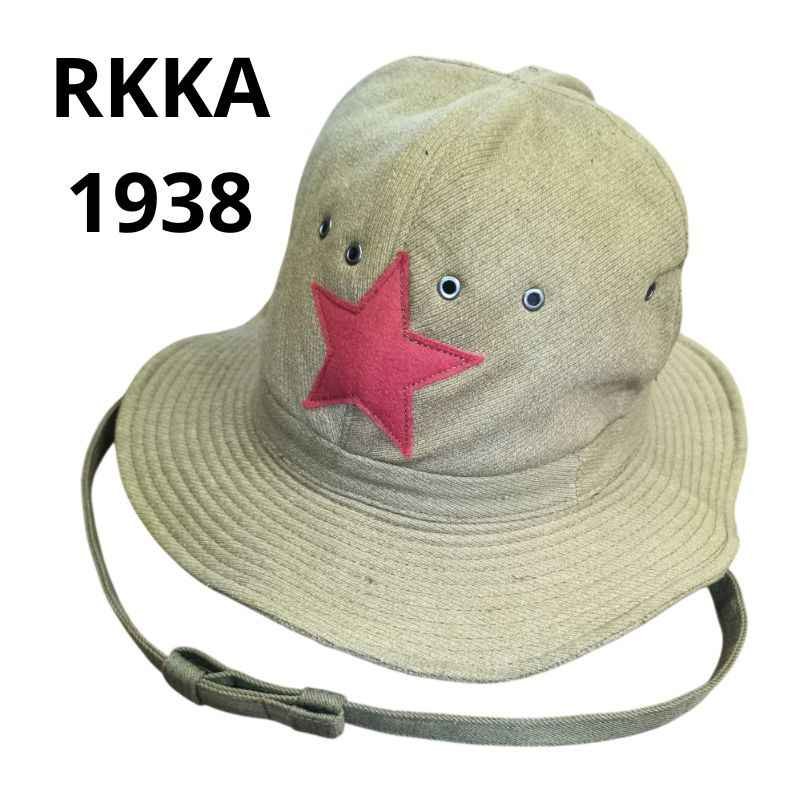
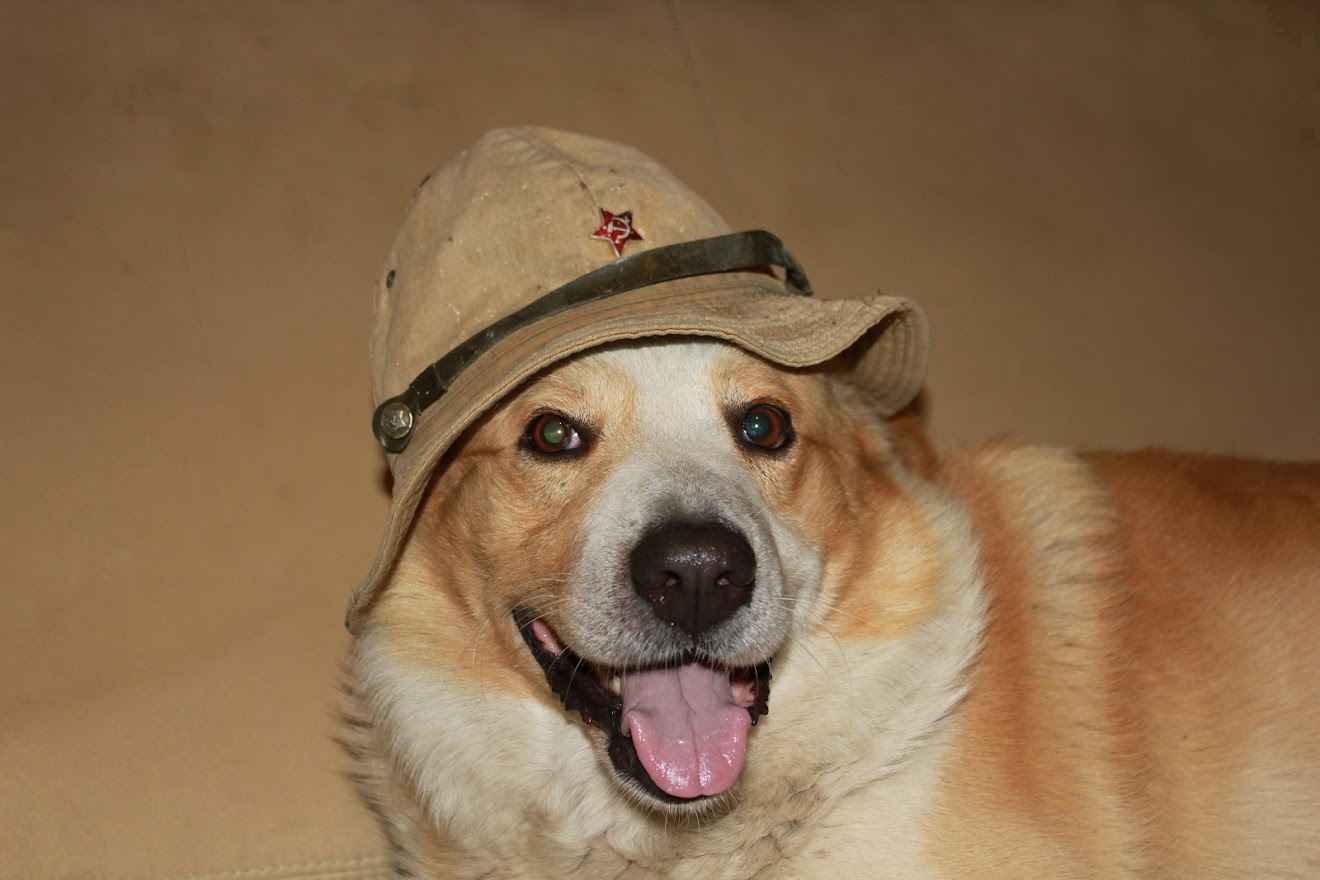
Soviet RKKA M1938 Panama Hat
Looking for an authentic Soviet summer hat? This high-quality RKKA M1938 Panama Hat is made to the original 1938 Soviet GOST standard. It features the classic khaki canvas, large red star, ventilation eyelets and adjustable chin strap, making it perfect for WWII reenactment, collectors and military history enthusiasts.
For armored vehicle troops, the panama was made in steel-gray color fabric.
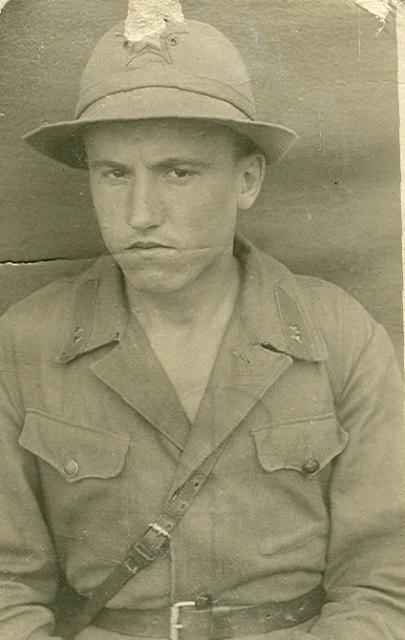
However, there is evidence that this panama appeared in NKVD units several years before Order No. 61, around 1935. For example, there is a photograph dated 1936 showing this type of panama hat already in use.
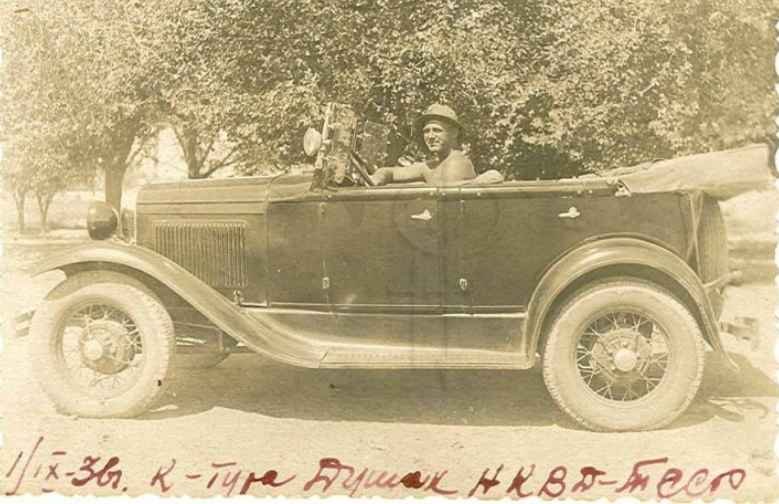
So, the first version of this panama hat was the 1935 NKVD model. In official documents, it was called a “subtropical helmet.”
Later, in 1938, a version of the panama for the Red Army appeared. This version differed from the NKVD subtropical helmet only by the position of the ventilation eyelets and by the absence of a rear loop on the back of the panama.
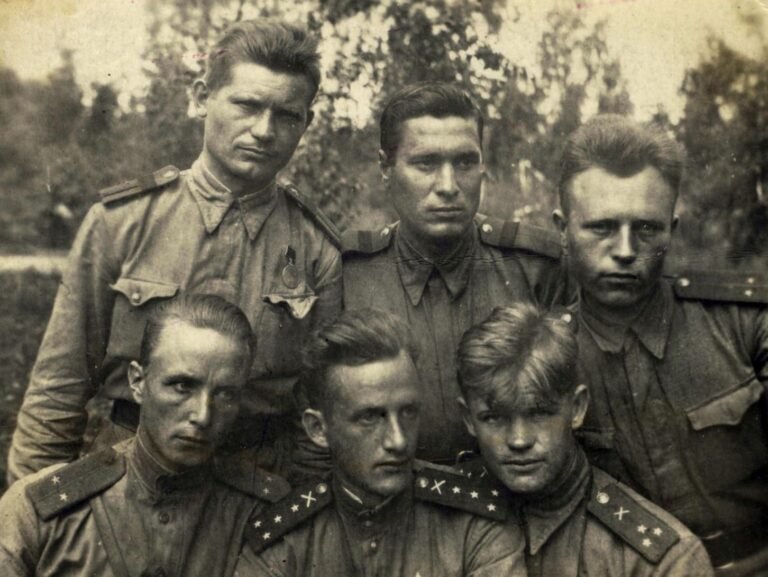
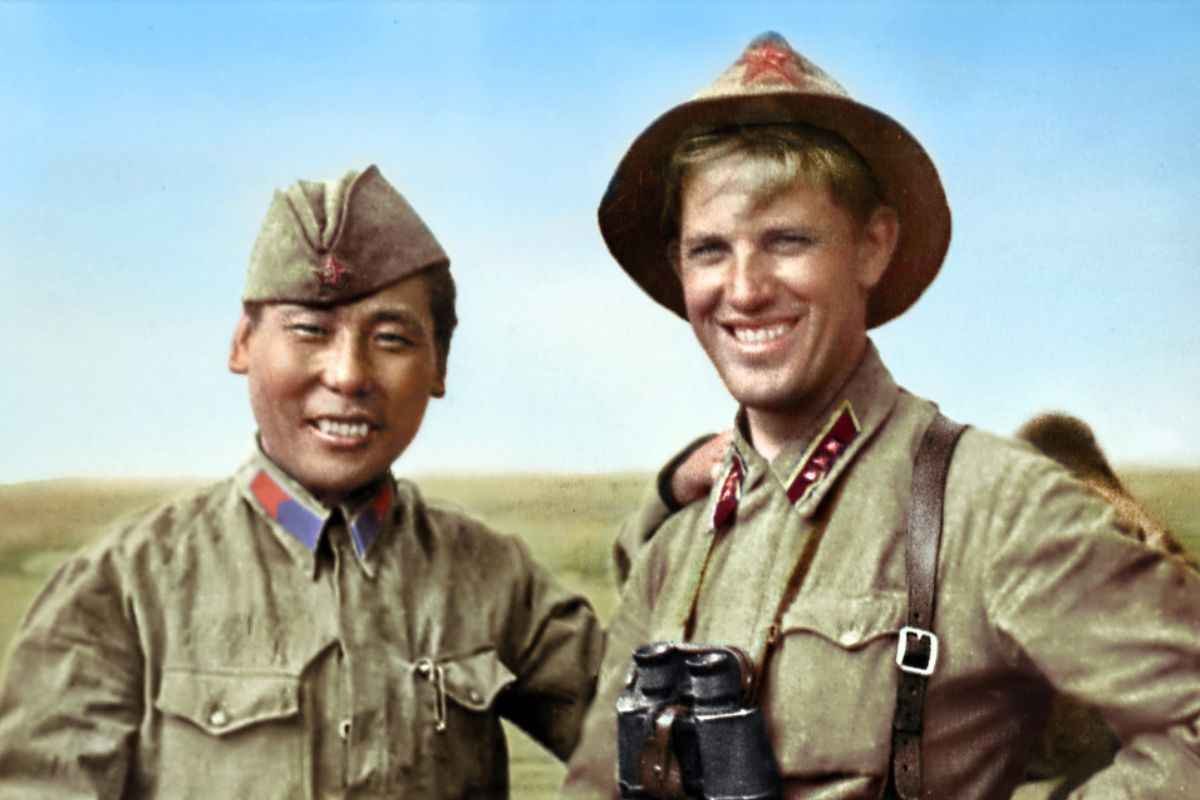
Since then, the panama hat remained part of the military uniform for Red Army and later Soviet Army units operating in hot climate regions, which is confirmed by many historical photographs.
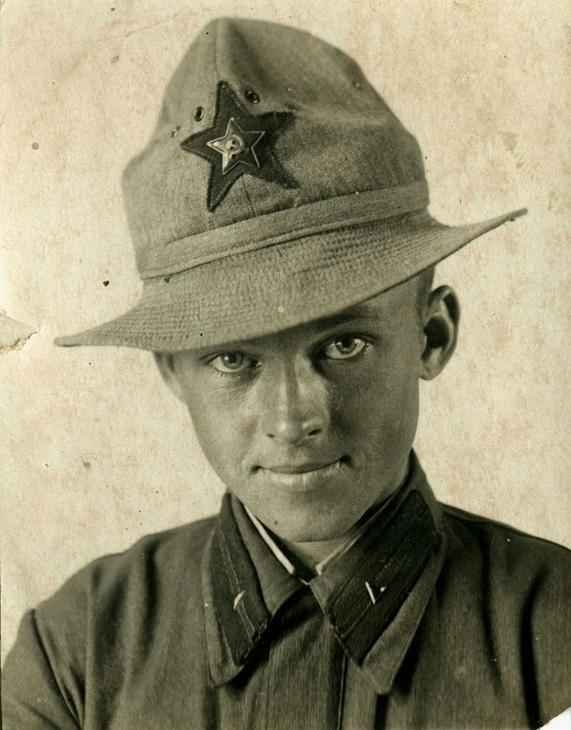
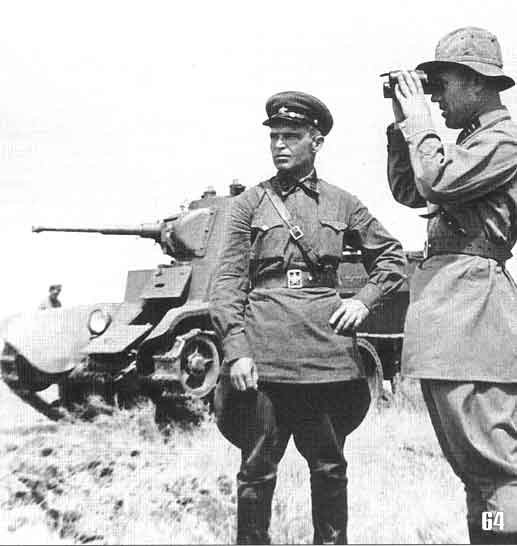
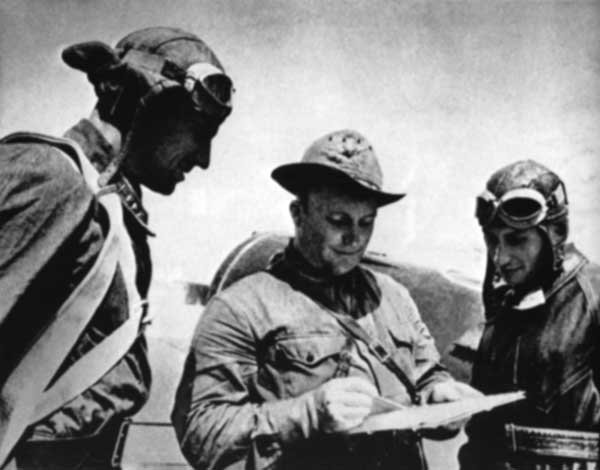
A unique way of wearing the Soviet panama hat in a wartime photograph which, judging by the shoulder boards, was taken after 1943.
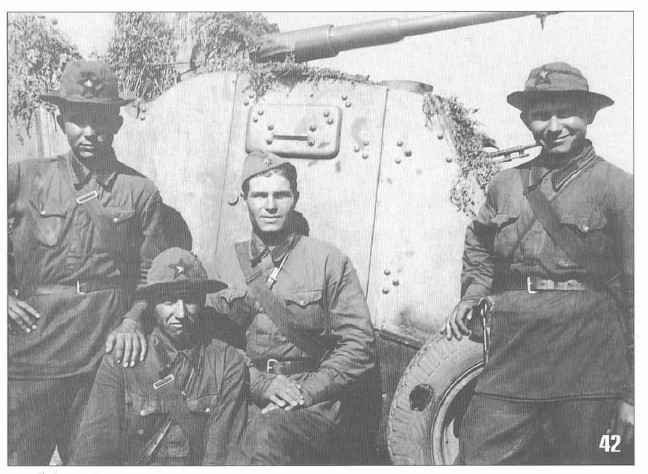
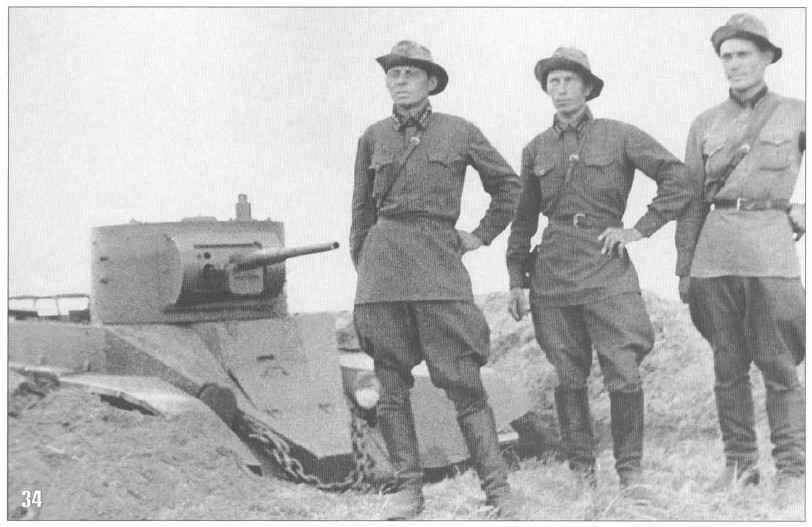
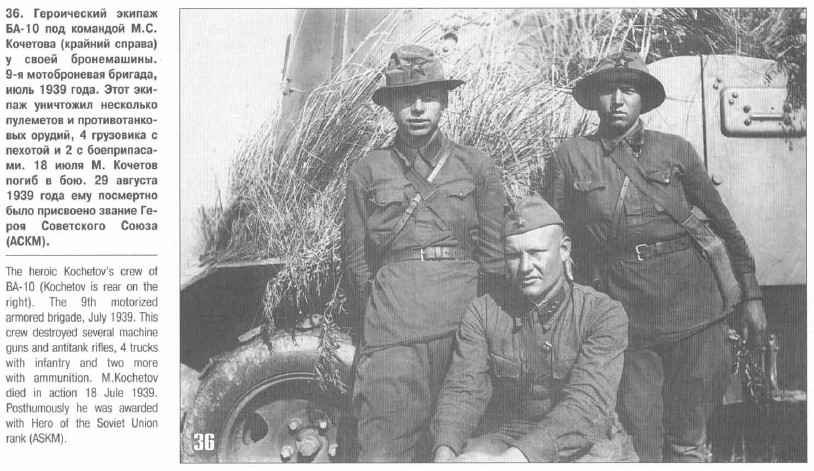
The heroic Kochetov’s crew of BA-10 (Kochetov is rear on the right). The 9th motorized armored brigade, July 1939. This crew destroyed several machine guns and antitank rifles, 4 trucks with infantry and two more with ammunition. M. Kochetov died in action 18 July 1939. Posthumously he was awarded with Hero of the Soviet Union rank (ASKM).
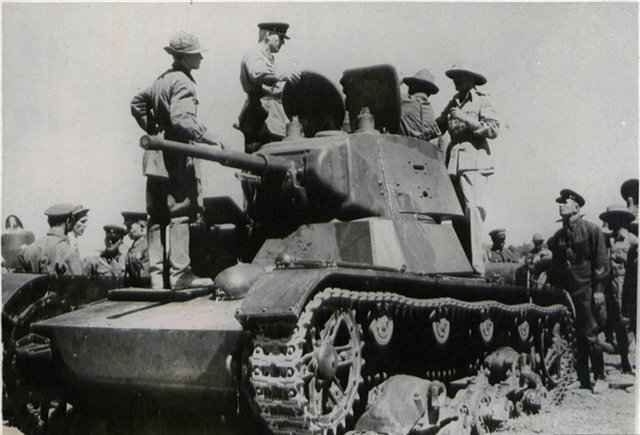
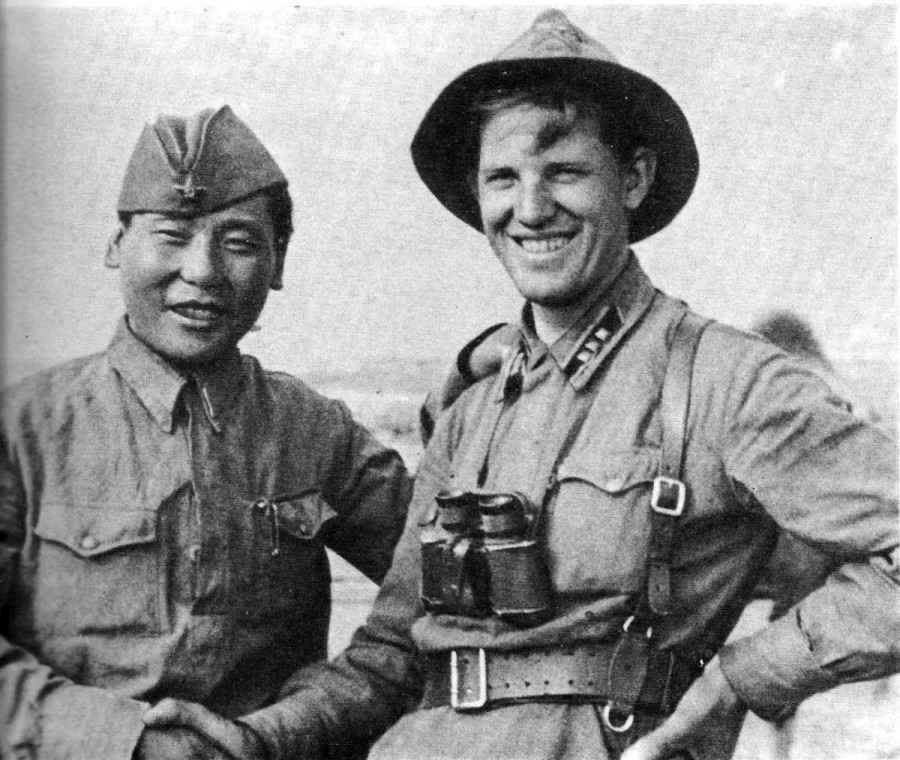
Red Army units in Iran during Operation “Countenance” also wore panama hats.
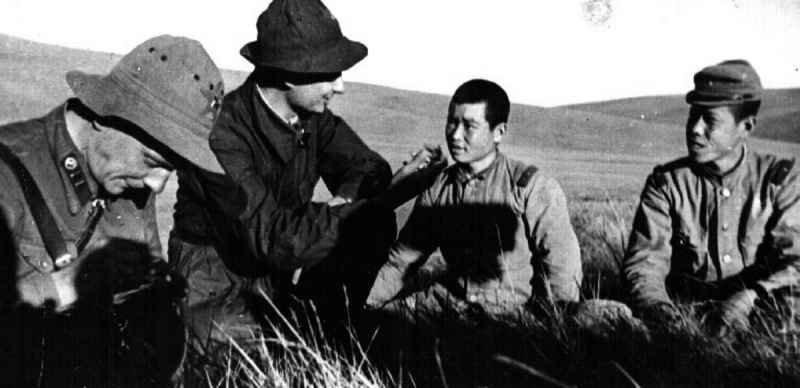
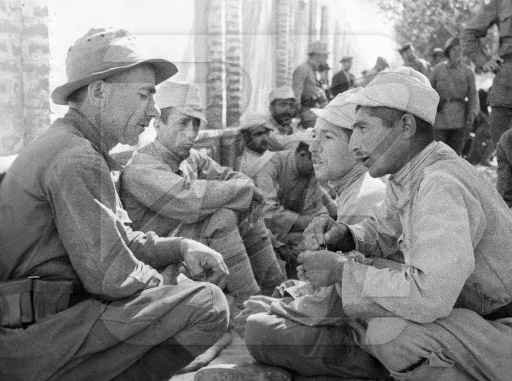
A Red Army soldier talks with a soldier of the Iranian Army who surrendered his weapons during the Great Patriotic War.
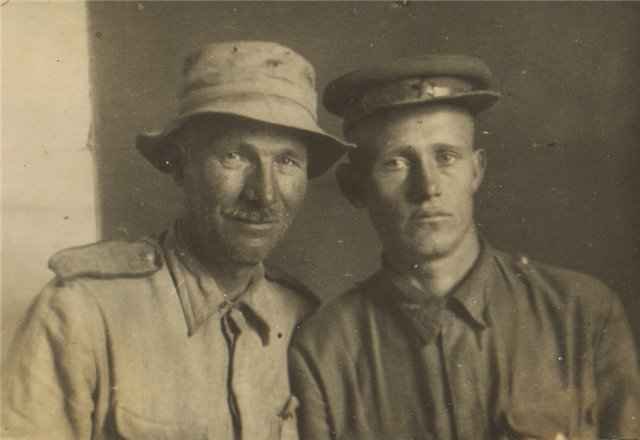
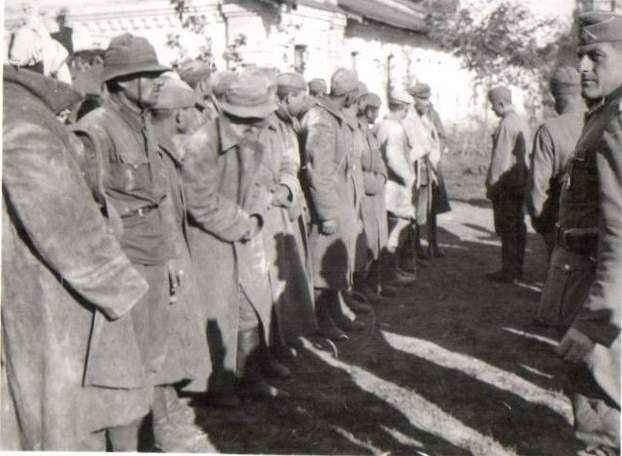
Panama hats were also used during the Great Patriotic War, this is a German photograph showing Soviet prisoners of war wearing panama hats. 1942, Crimean Front.
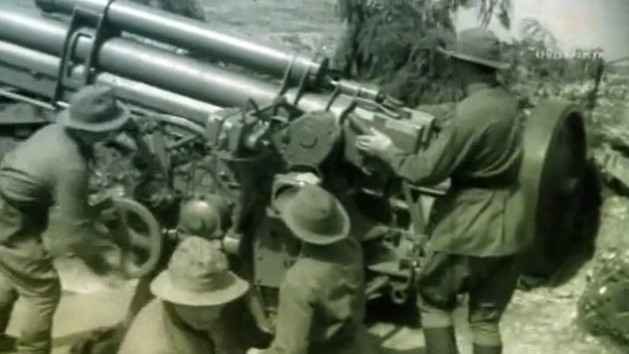
Soviet mountain rifleman V.M. Kolomensky. He is armed with a PPSh-41 submachine gun with a box magazine. Main Caucasus Ridge.
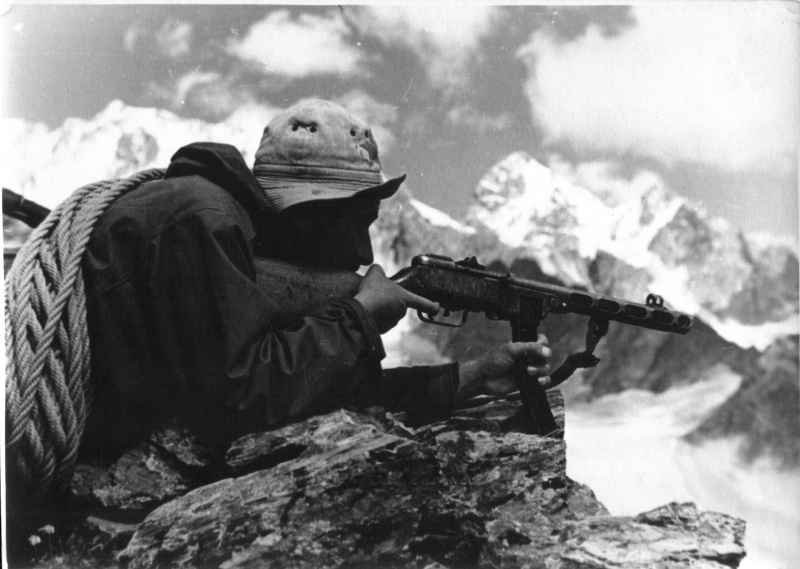
Of course, Soviet panamanka hats were also widely used in Afghanistan, which is exactly why the name “Afghanka panamanka” became popular among collectors and military enthusiasts.
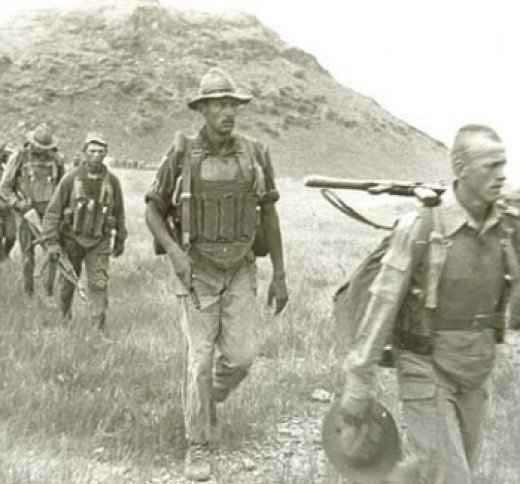
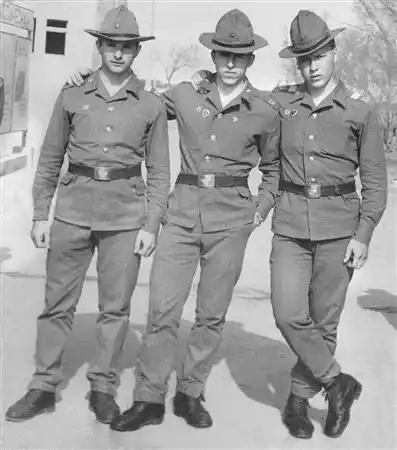
This was a short introduction to the history of the famous Soviet panamanka hat used by the Red Army, mountain troops, and soldiers in Afghanistan. In the next part 2, we will make a much bigger and more detailed review with rare archive photos, different panamanka variants, Afghanistan War examples, and collector details. Stay tuned – the full Soviet panamanka story is coming soon.
More interesting articles:
Soviet Panama Hat History – 1930s, Afghanistan & Modern Russia (Part 2)
Why Mujahideen Feared Soviet GRU Spetsnaz in the Afghan War
Soviet Spetsnaz Uniform in Afghanistan (1979–1989)
What Soviet Soldiers Really Ate in the Afghan War
Soviet Afghanka Uniform. History, Features, and Use in Afghanistan
Looking for original Soviet boots and accessories? Please visit here: Soviet Boots Store