How to Put On and Use the GP-5 Gas Mask Step by Step
Imagine it’s the Cold War again.
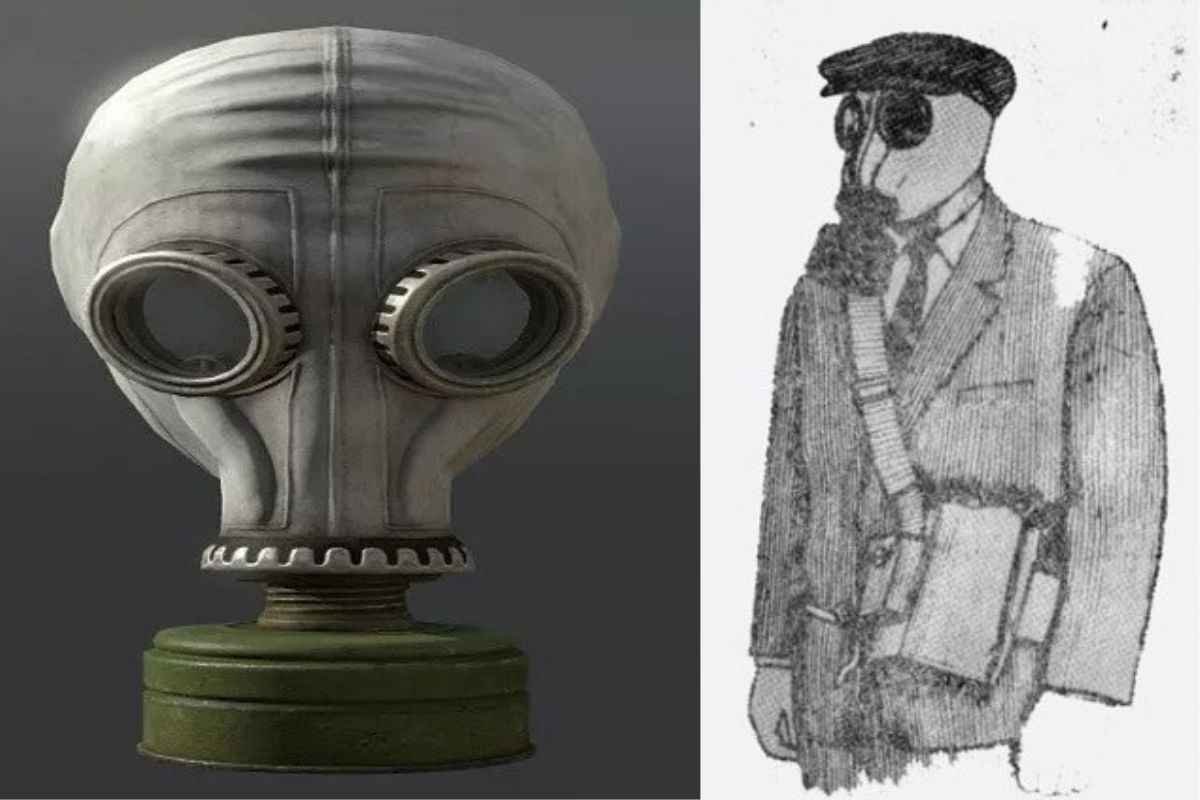
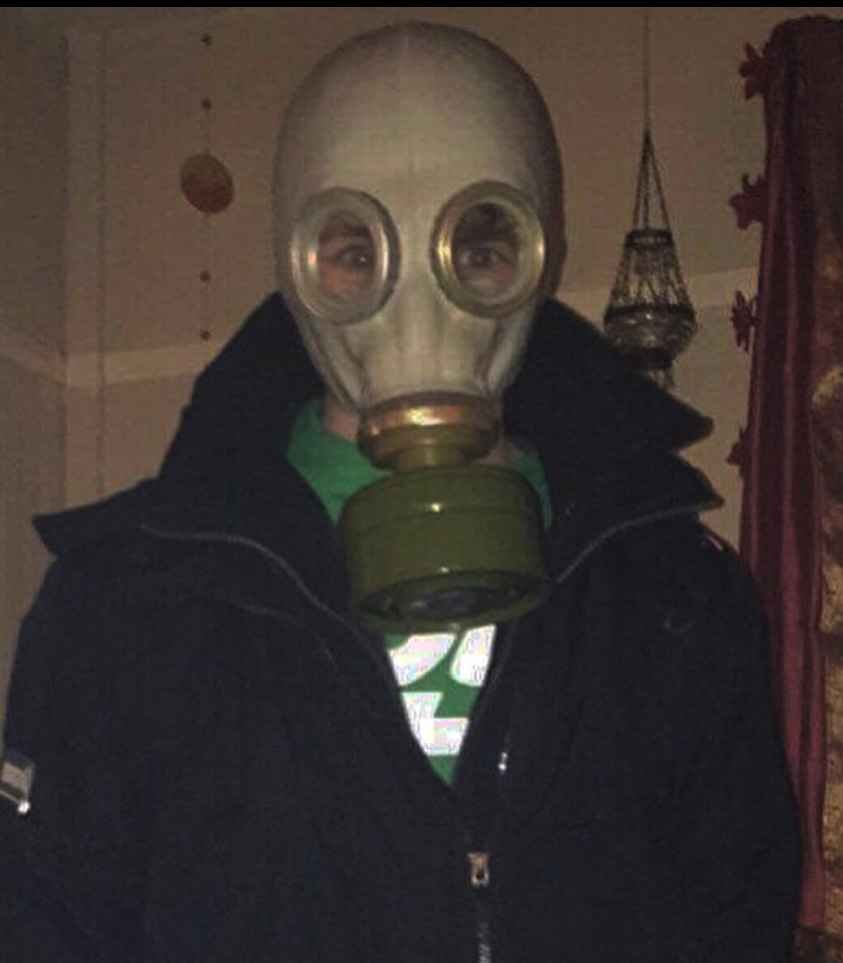
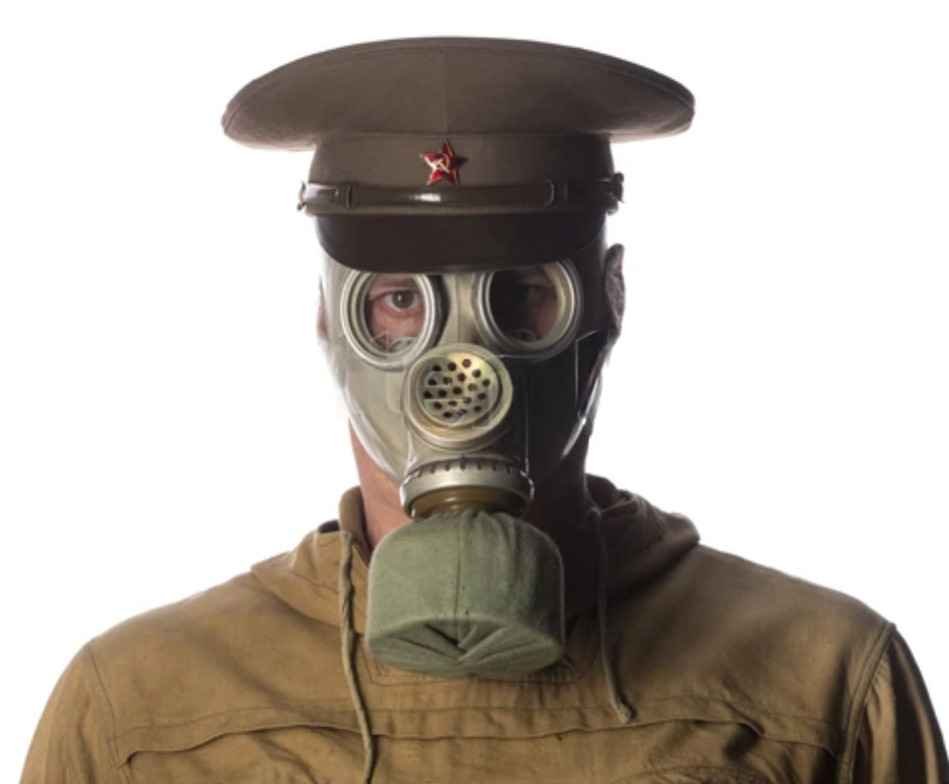
Soviet GP-5 gas masks used during Cold War bunker and civil defense training. Good news – it’s much simpler than it looks.
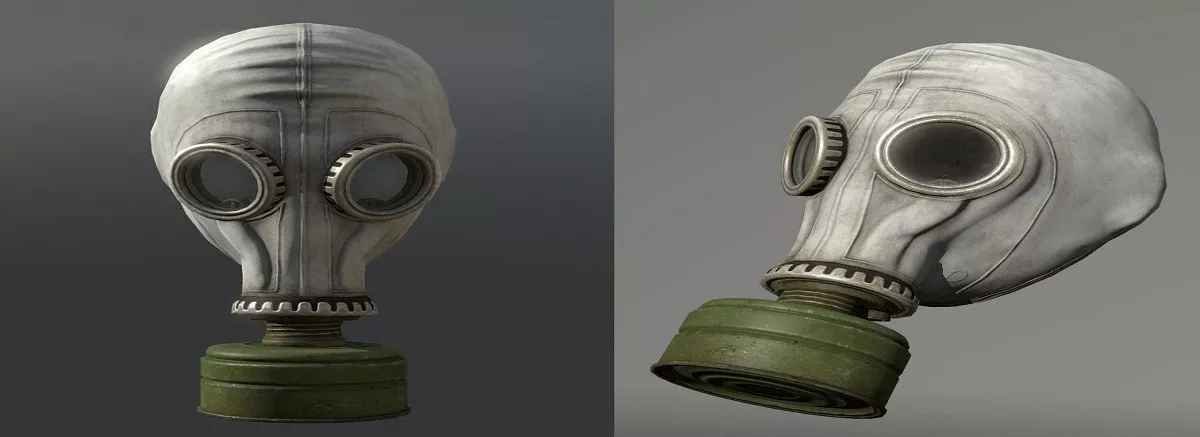
Gray Soviet GP-5 gas mask shown from front and side view. More interesting articles:
History of Soviet Gas Masks: Development, Models and Use
Telnyashka: History of the Russian Navy and VDV Striped Shirt
Top Soviet WW2 Equipment Used by Soldiers: RKKA Uniform Guide
What is the GP-5 Gas Mask
The GP-5 is a Soviet filter gas mask made from 1962 to 1989.
Unlike older models, it doesn’t use a hose – the filter screws directly into the mask, which makes it simpler and faster to use.
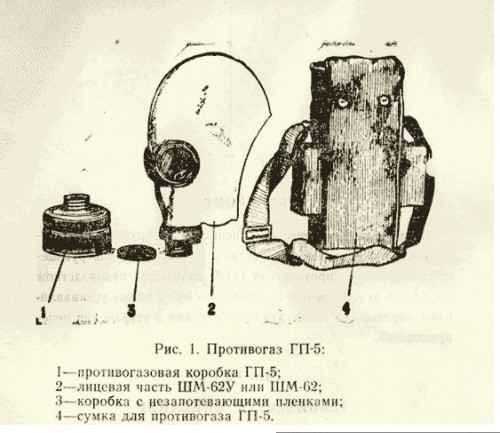
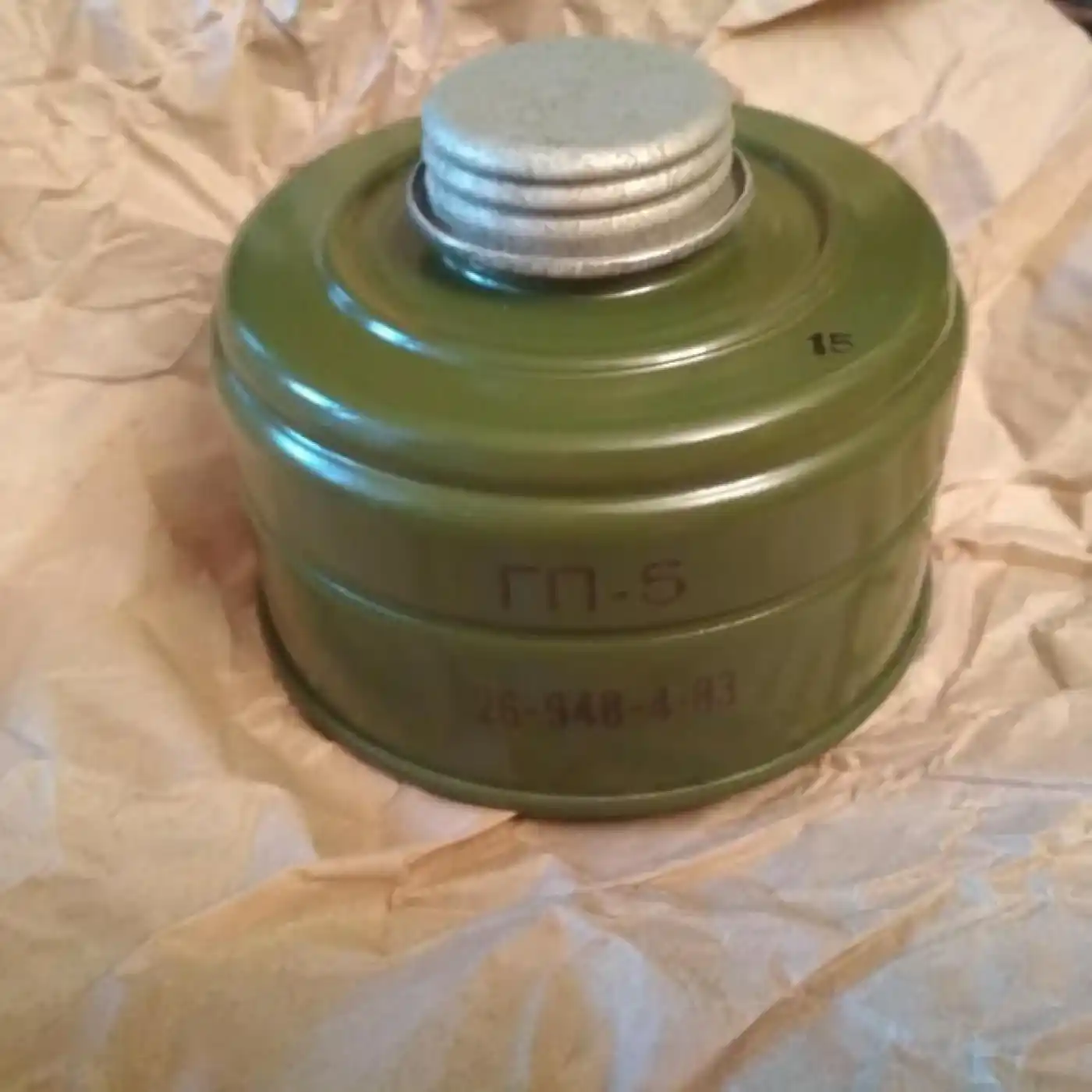
Original GP-5 gas mask set diagram 1 – GP-5 filter canister
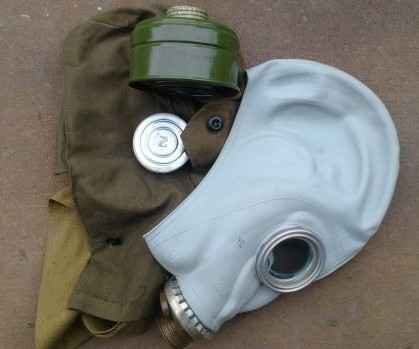
GP-5 gas mask full set with filter and bag How the GP-5 Filter Works
The GP-5 filter has two main parts inside:
Particle filter – cleans the air from dust, radioactive particles, and harmful aerosolsActivated carbon – absorbs toxic gases and chemical vapors
So basically: one part stops particles, the other deals with gases.
GP-5 gas mask filter canister Check the Filter Before Use
Make sure the filter is in good condition:
no dents, rust, or holes
threads are not damaged
nothing is loose inside (you shouldn’t hear particles moving)
If something feels off – don’t use it.
GP-5 Sizes and Markings
The GP-5 comes in 5 sizes: 0, 1, 2, 3, 4 0u–4u )
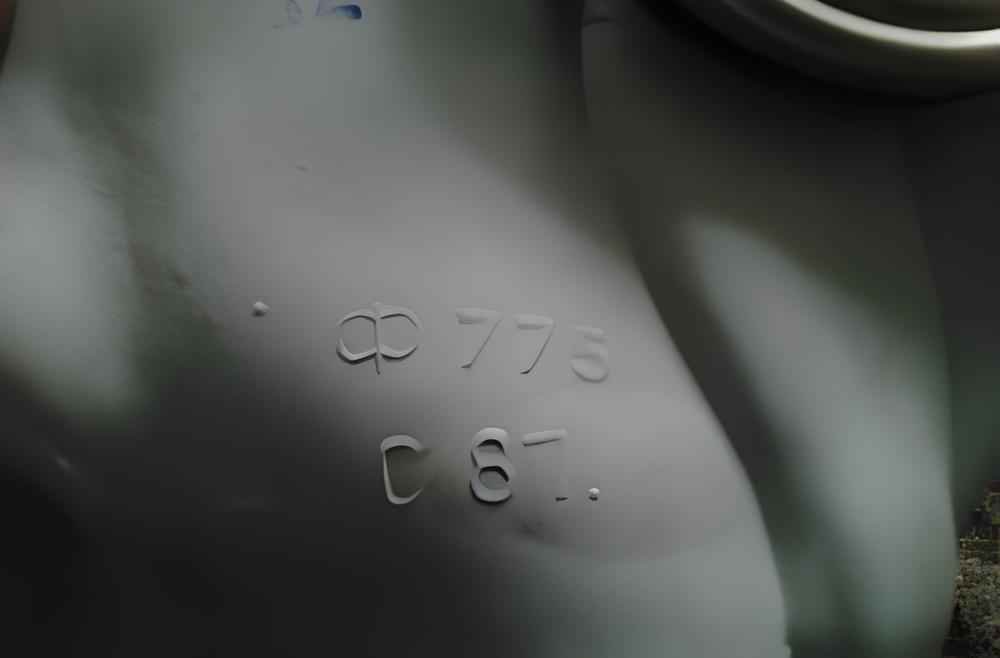
You can find the size and info stamped on the mask (usually near the chin):
size number
year of production (last two digits)
production quarter (dots)
factory mark
mold number
GP-5 gas mask marking with size and production stamp
How to Read the Markings
Markings on the mask tell you basic info.
For example:“F 775” – mold number“C 87” – factory “C”, made in 1987 (first quarter)
How to Choose the Right Size
To find your size, measure your head in a full loop:
Round to the nearest 0.5 cm.
up to 63 cm → size 0
63.5–65.5 cm → size 1
66–68 cm → size 2
68.5–70.5 cm → size 3
71 cm and more → size 4
Make sure the mask fits tight — this is critical.
Check the Mask Before Use
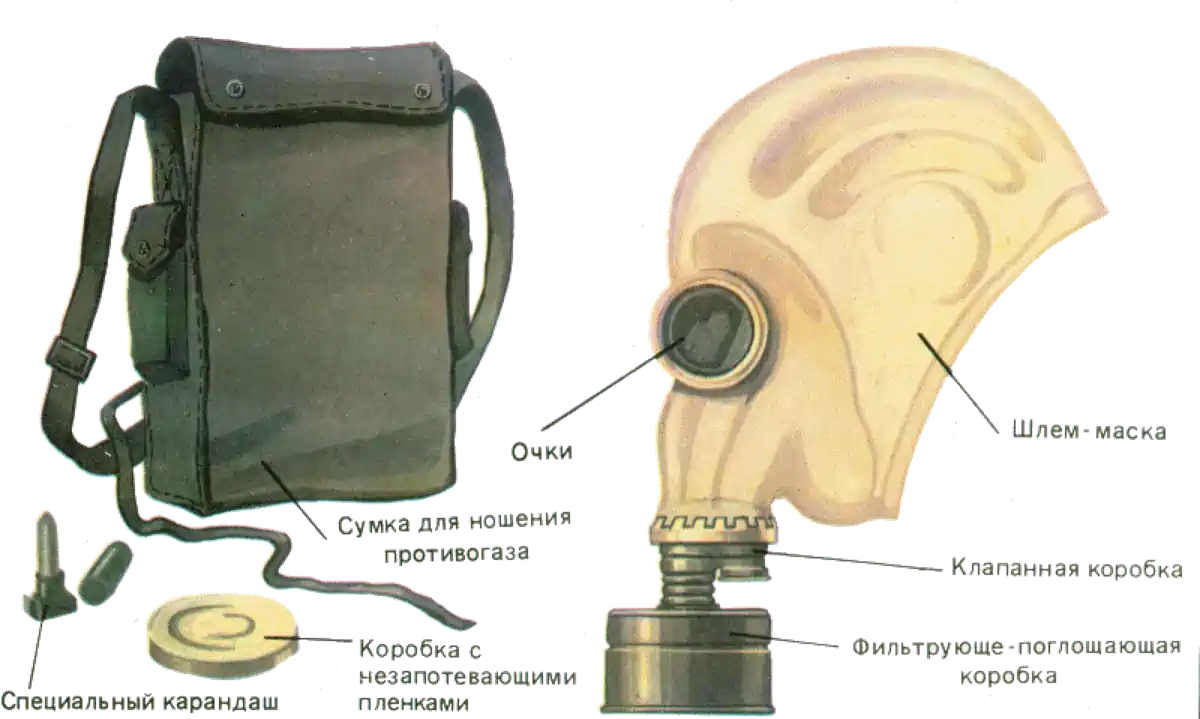
GP-5 gas mask components and parts diagram
Gas mask carrying bag Anti-fog films Eyepieces (lenses) Helmet-mask Valve box Gas mask filter (canister)
Look over the facepiece carefully:
no cracks or holes in the rubber
no rust on metal parts
valves are present and working
retaining rings are in place
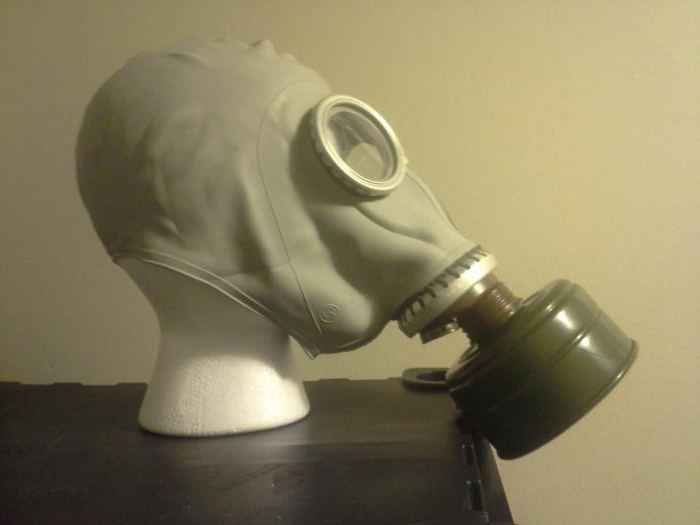
GP-5 gas mask side view with filter attached
One of the most iconic Cold War gas masks used across the USSR
Soviet Gas Mask GP-5 (Grey and Black) All sizes.
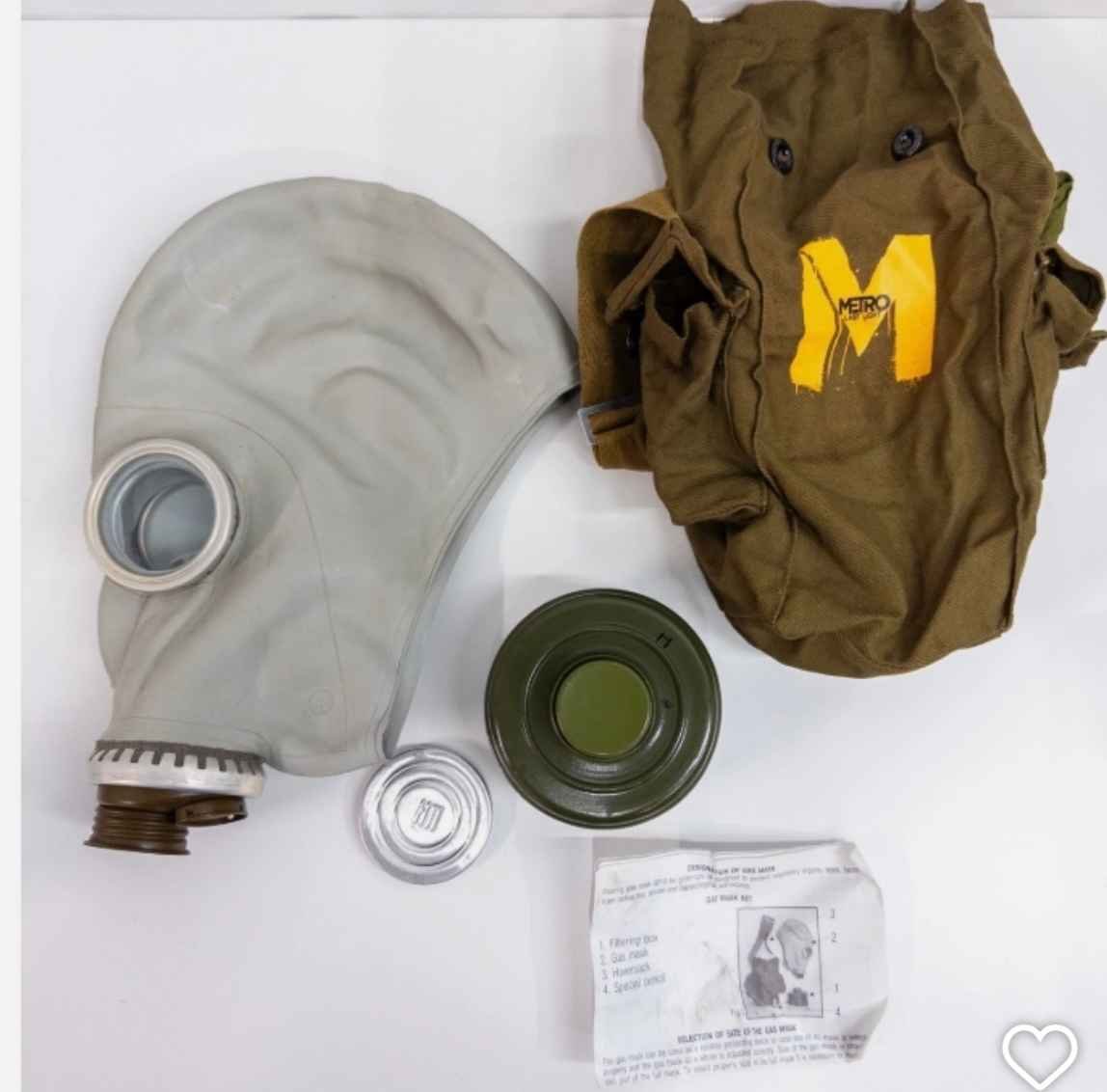
Classic Soviet GP-5 gas mask with original filter and bag. A true Cold War piece, popular among collectors, reenactors, and fans of Soviet gear.
Before and After Use
Before using a new mask:
wipe it inside and outside with a clean damp cloth
blow through the valves
After use:
wipe it dry inside
let it air dry
Wearing Soviet GP-5 gas mask Anti-Fog Films (Important)
These small films keep the lenses from fogging.
How to use:
Remove the retaining ring
Clean the lens
Insert the film (anti-fog side facing the glass)
Put the ring back
Tip: you can check the correct side by breathing on it – the side that doesn’t fog goes toward the glass.
Storage Tips
Each box has 6 films
Keep the box closed
Seal it to protect from moisture
Extra Tip
Anti-fog films also help in cold weather – they prevent the lenses from freezing down to about -10°C .
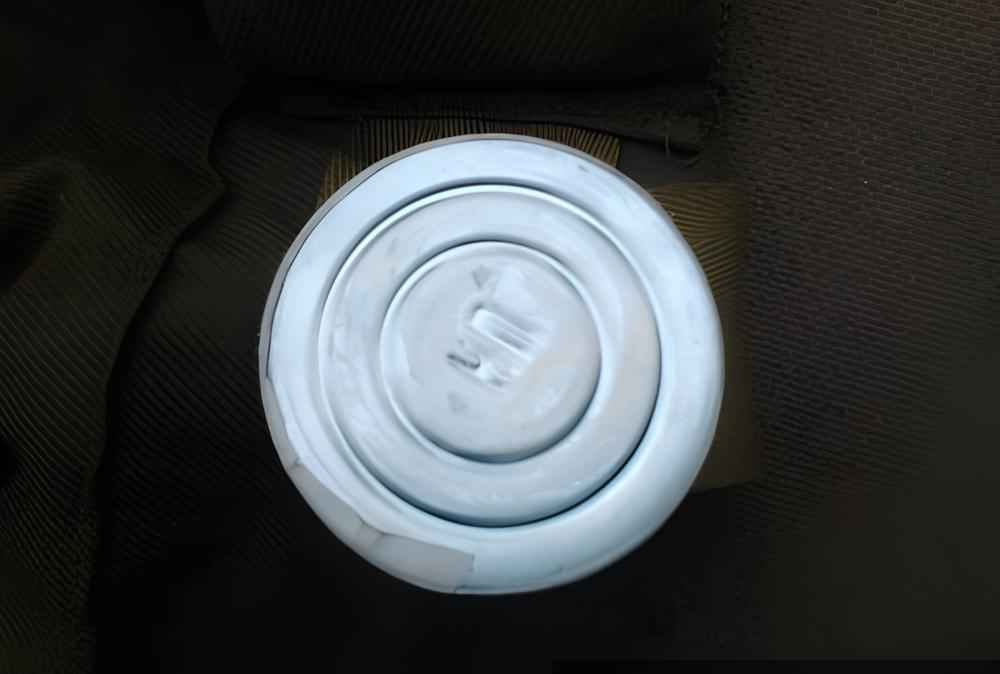
GP-5 filter canister cap (sealed for storage) Anti-Fog Tips
If the anti-fog film becomes cloudy – replace it . It no longer works.
You can also use a special anti-fog pencil:
clean the lenses
draw 5–6 light lines (like a grid)
spread it with your finger until the glass is clear
Carry Bag
GP-5 gas mask with original carrying bag
The bag is used to store and carry the mask.
It has:
shoulder strap
one flat pocket
two larger pockets (for extra gear)
What to Do If the Mask Is Damaged
If the mask is slightly torn – press the damaged spot with your hand.
If it’s badly damaged or the lenses break:
hold your breath
close your eyes
remove the mask
unscrew the filter
breathe through the filter directly (through the opening)
Storage Rules (Important)
don’t store it in damp places
don’t keep it in a wet bag
don’t dry it near fire or heaters
Cold Weather Use
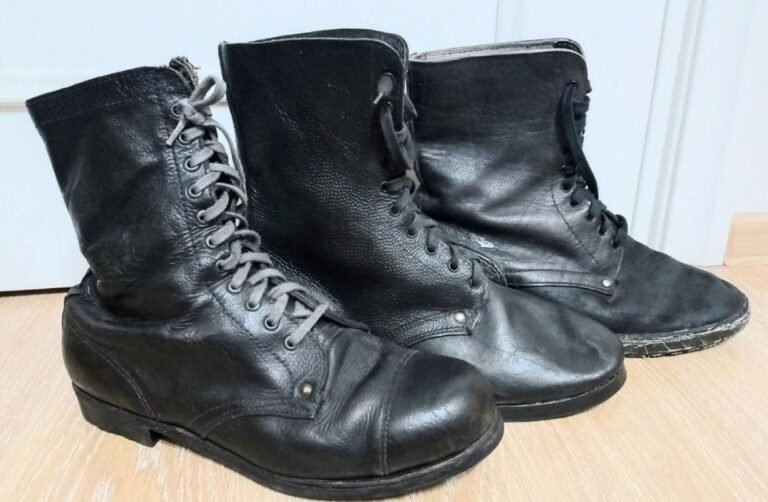
Soviet soldiers chose gas mask with classic kirza boots like these
Soviet Kirza Boots
Classic Soviet military kirza boots inspired by the simple footwear worn by Red Army soldiers.
In winter, special lens covers (insulating cuffs) are used.
They create a double layer with air between the lenses, which helps prevent freezing.
use them below -10°C
combine with anti-fog films for best effect
If it’s very cold and safe air, you can warm the mask under your jacket.
Ice Problems
If valves or threads freeze – remove the ice carefully before use.
Choosing the Right GP-5 Size
Before using the mask, you need the correct size . This is very important.
Measure your head in a full loop:
Round the result to the nearest 0.5 cm .
How to measure head size for GP-5 gas mask Size Chart
up to 63 cm → size 0
63.5–65.5 cm → size 1
66–68 cm → size 2
68.5–70.5 cm → size 3
71 cm and more → size 4
Tip:
Head Fit and Preparation
The mask must fit tight on your face .
Before First Use
If the mask is new:
wipe it inside and outside with a clean damp cloth
blow through the exhale valves
If the Mask Was Used Before
If someone else used it:
wipe it with alcohol or disinfectant
make sure it’s clean before putting it on
Tip:
Check the GP-5 Before Use
Take the mask out and check everything:
no holes or cracks in the rubber
lenses are not broken
valves are clean and working
filter has no dents or rust
bag and parts are complete
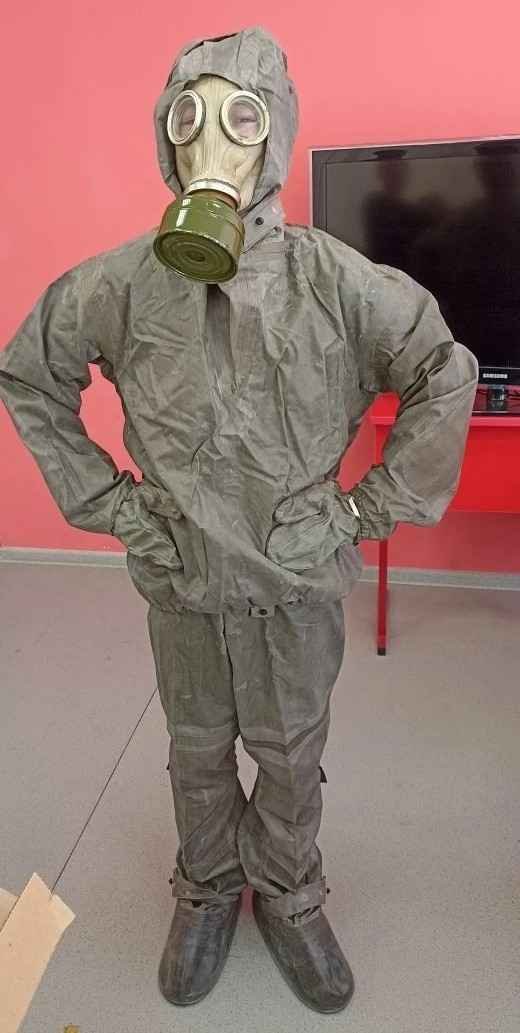
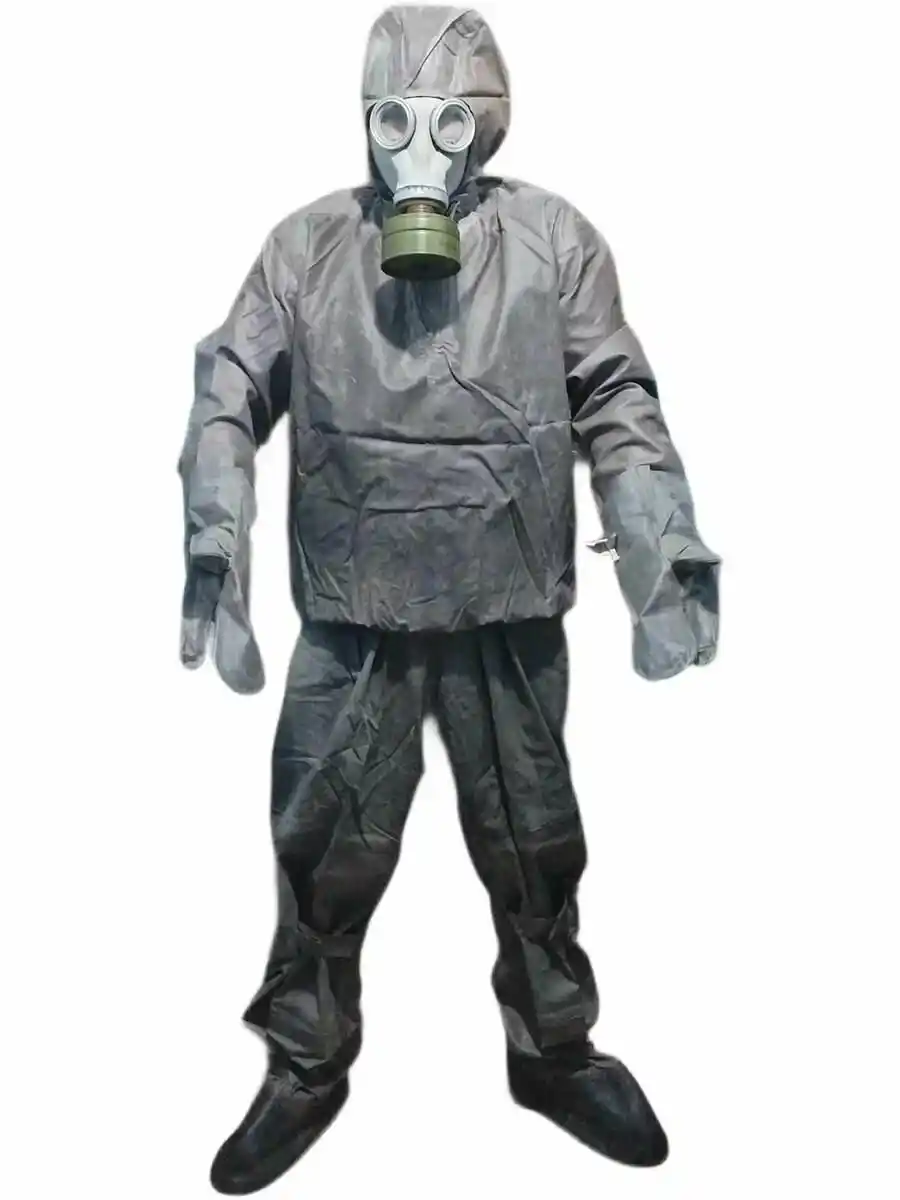
Soviet GP-5 gas mask and protective suit used for chemical defense training. Quick Leak Test
Put the mask on.
if you can’t breathe → mask is OK
if air comes in → mask is faulty
If Something Is Wrong
check the rubber seal inside
reassemble and test again
if it still leaks → replace the mask or filter
How to Assemble
remove caps from the filter
insert anti-fog films
screw the filter tightly into the mask
How to Pack It
fold the mask carefully
put filter down, mask on top
close the bag properly
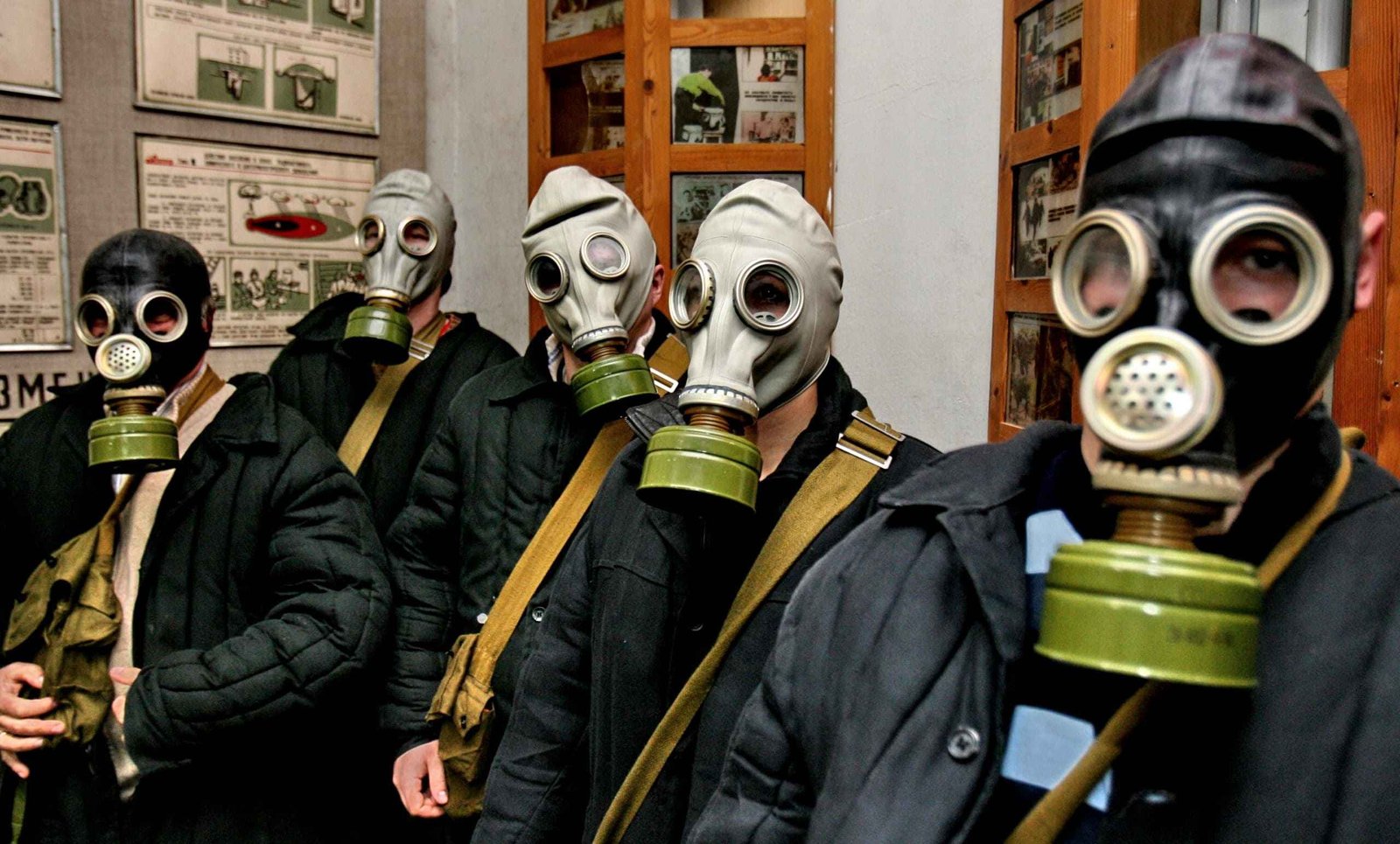
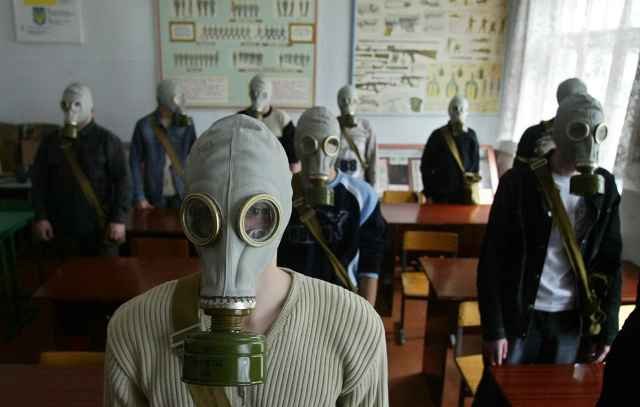
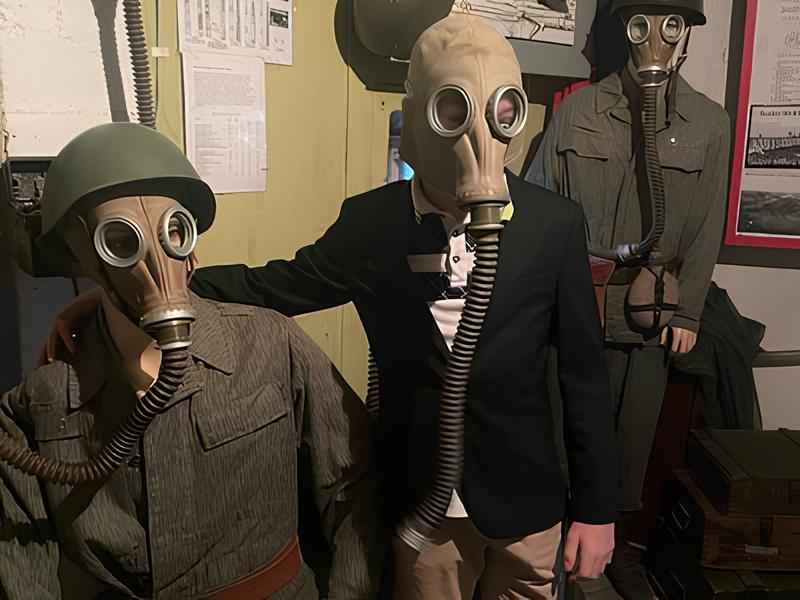
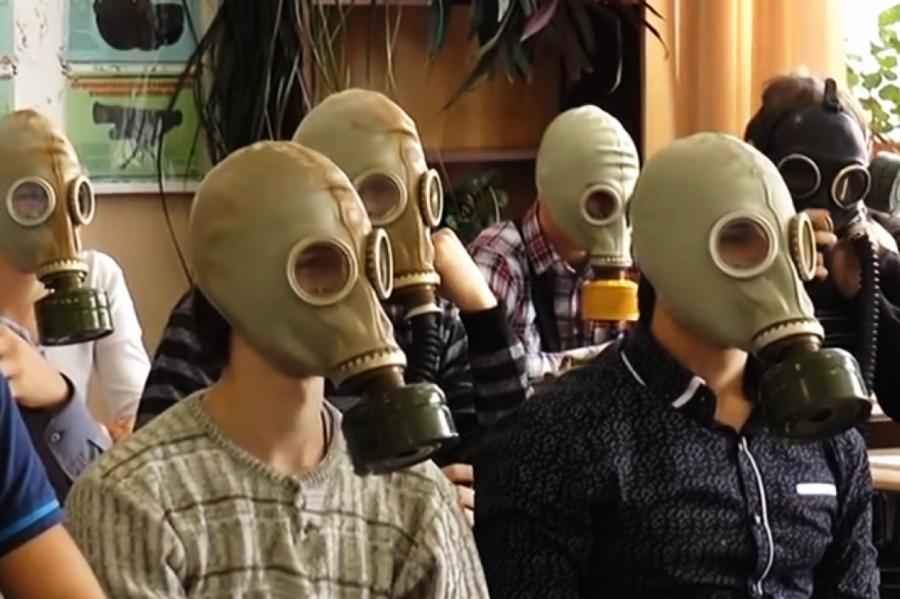
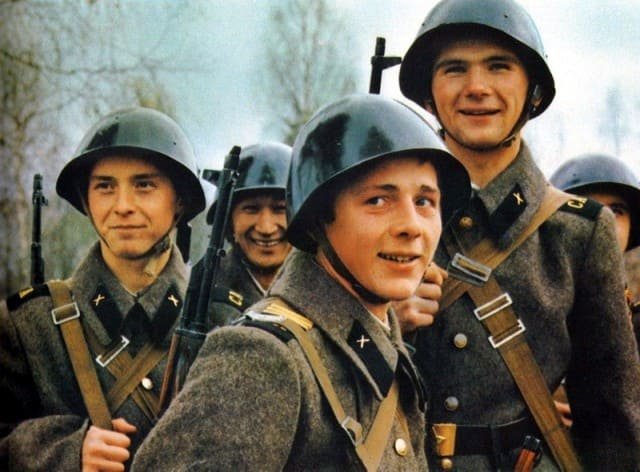
Soviet students in GP-5 gas masks during Cold War civil defense lessons. Fogging Problem
Lenses may fog because of breathing.
above 0°C → fogging
below 0°C → may freeze
Use:
anti-fog films
anti-fog pencil
lens covers (below -10°C)
Anti-Fog Films
insert with the correct side toward the glass
fix with retaining ring
can be reused (dry after use)
Final Check
A proper test should be done in a controlled environment.
Installing anti-fog film in GP-5 gas mask Anti-Fog Films (How to Use and Store)
Keep the film box closed and dry .
Don’t take films out unless you need them.
No Film? Use Anti-Fog Pencil
If you don’t have films:
clean the lenses
draw 5–6 light lines (grid style)
breathe on the glass
spread with your finger until clear
If it still fogs – repeat.
Extra Anti-Fog Protection
The mask also has airflow inside to reduce fogging.
In winter, use lens covers (insulating cuffs) :
put them over the lenses
they create a double layer
helps prevent freezing
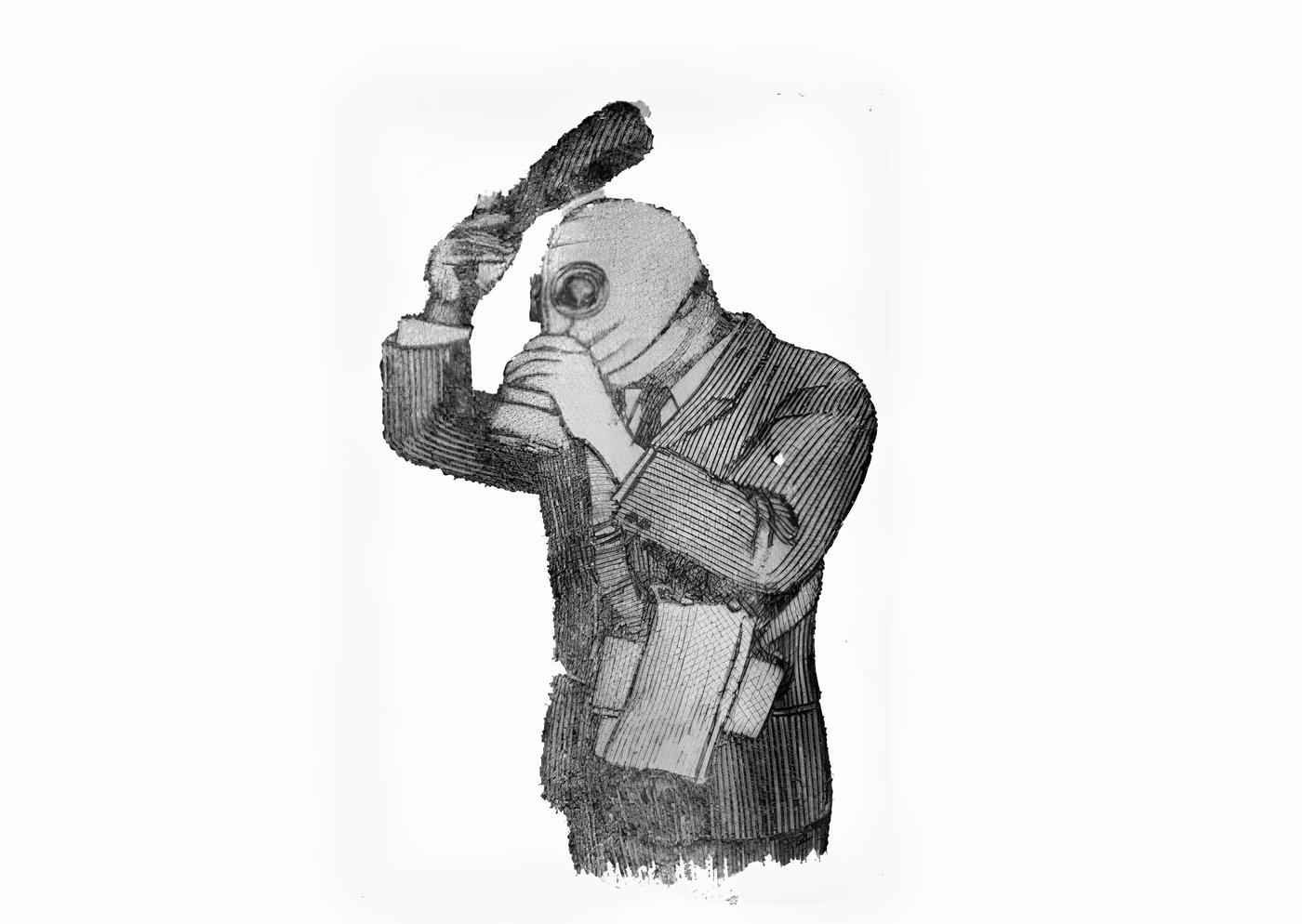
Cold War Soviet gas masks with hose systems and protective uniforms. Using the GP-5 Gas Mask
Protection depends not just on the mask – but on how you use it.put it on fast and correctly .
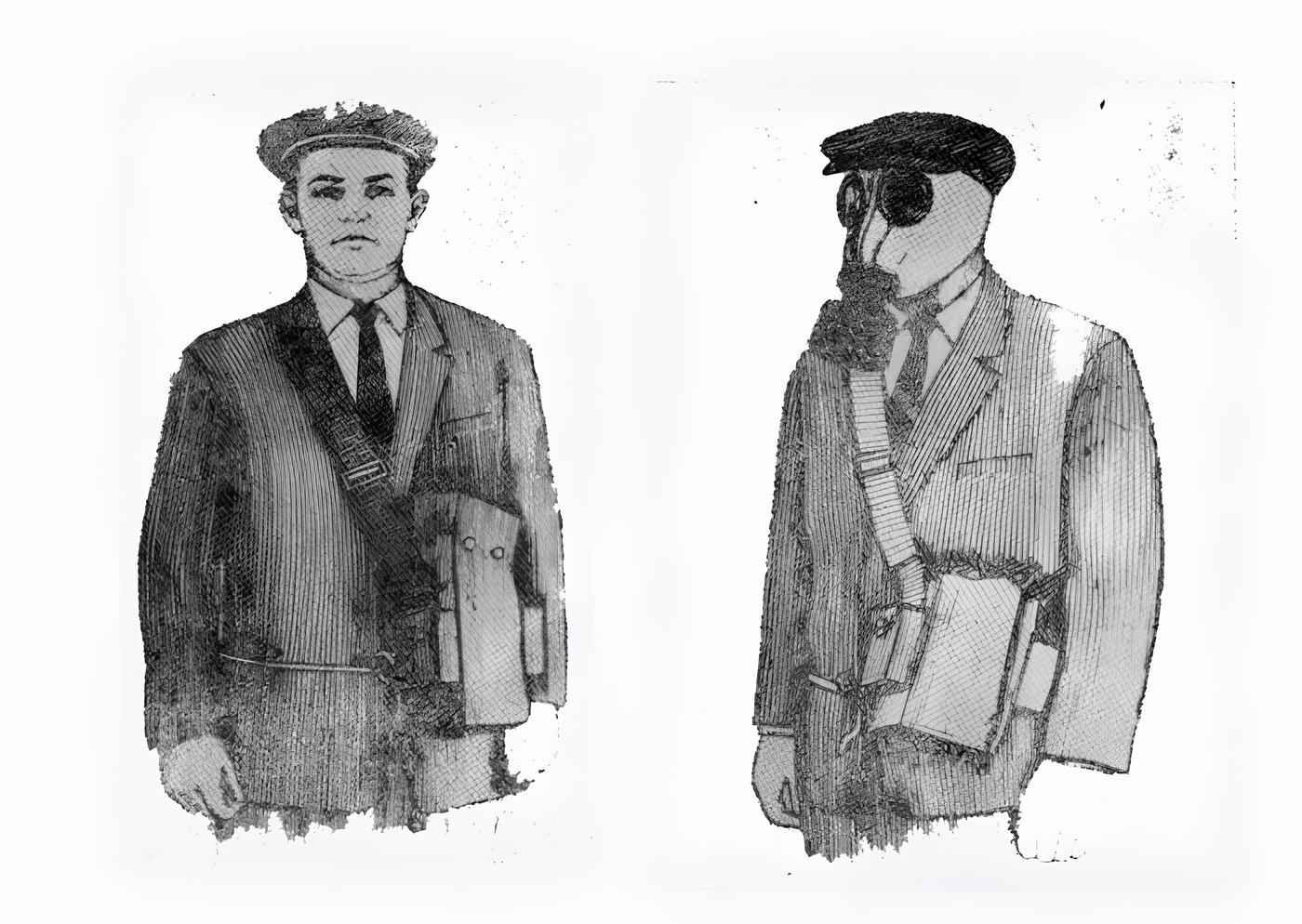
3 Positions of the Mask
The GP-5 can be in three positions:
Marching (stored in bag) Ready (quick access) Combat (on your face)
How to Carry It (Marching Position)
wear the bag over your right shoulder
keep it on your left side
adjust straps so it sits at belt level
keep the flap facing away from you
Before packing:
check lenses and valves
clean if needed
replace anti-fog films if unclear
Then:
fold the mask
put it in the bag
close it properly
Move the bag slightly back so it doesn’t block your movement.
Preparation before using GP-5 gas mask Ready Position (Before Danger)
If there’s a real threat, move the mask to ready position.
pull the bag forward
open it
make sure you can grab the mask fast
Also, prepare your head:
loosen or remove your hat
make it easy to take off quickly
GP-5 gas mask in marching and ready positions Left: ready to useRight: fully on (combat mode)
Combat Position (Put It On Fast)
If there’s danger – act immediately.
hold your breath
close your eyes
remove your hat
Then:
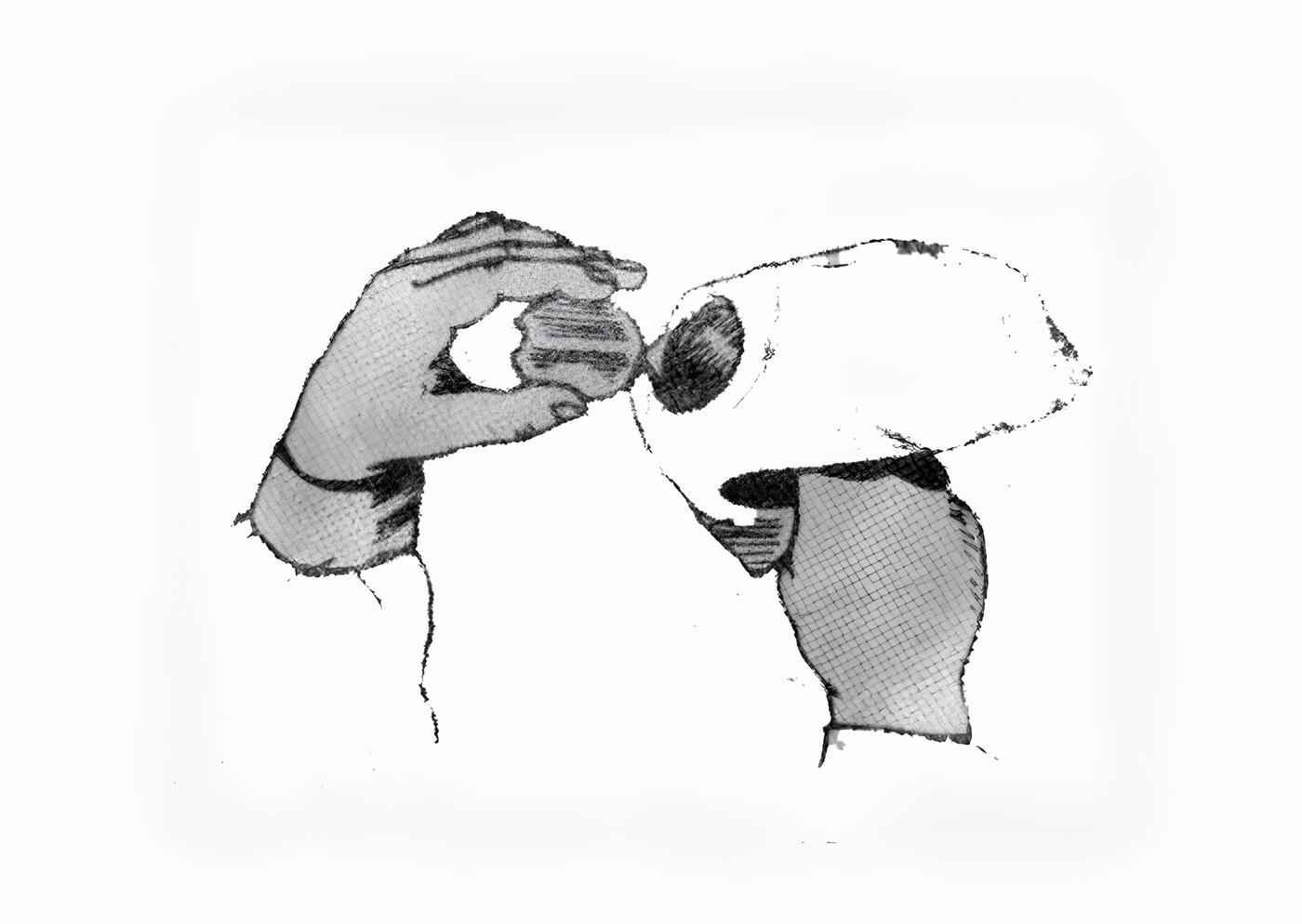
grab the mask with both hands
place it under your chin
pull it up fast over your head
Make sure:
no folds
lenses line up with your eyes
Then:
exhale fully
open your eyes
start breathing
Put your hat back and secure the bag.
While Wearing the Mask
breathe slow and deep
don’t panic
If breathing gets hard:
slow down
take deep breaths
exhale strongly
How to Remove the Mask
lift your hat
grab the front (valve area)
pull the mask off
After that:
wipe it inside
let it dry
fold and pack it back
Removing GP-5 gas mask Winter Use (Cold Weather Tips)
Cold = problems.
Rubber gets stiff, lenses freeze, valves can stick.
What to do:
use anti-fog films + winter eye covers
warm the mask under your jacket if needed
breathe out sharply sometimes to keep valves working
remove ice gently (tap or warm with hands)
Crossing Water
If water is clean (no danger):
seal the filter
close all openings with caps/plugs
After crossing:
wipe everything dry
open the filter again
GP-5 gas mask with full protective suit Care & Maintenance
Treat it like important gear:
don’t drop it
keep it dry
don’t store in wet bag
don’t dry near fire or heaters
Cleaning:
wash with warm water + soap
dry well (especially valves)
If Contaminated
wipe chemical drops immediately
for radiation → clean outside with wet cloth
disinfect if needed
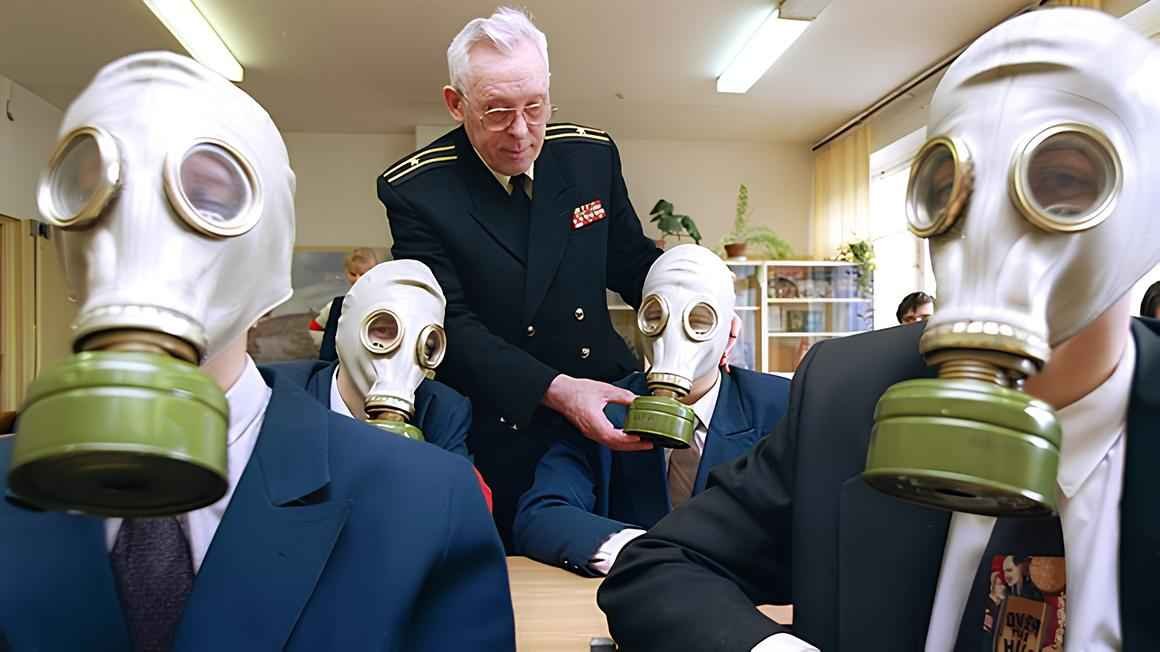
Cold War civil defense lesson with Soviet GP-5 gas masks.
One of the most iconic Cold War gas masks used across the USSR
Soviet Gas Mask GP-5 (Grey and Black) All sizes.
Classic Soviet GP-5 gas mask with original filter and bag. A true Cold War piece, popular among collectors, reenactors, and fans of Soviet gear.
If Mask is Damaged
Small tear:
Big damage:
hold breath
remove mask
unscrew filter
breathe through filter directly (mouth only)
If Filter is Damaged
cover hole with hand or improvise (cloth, dirt, etc.)
if possible → replace quickly
To replace in danger:
hold breath
swap fast
exhale sharply
continue breathing
Soviet students training with GP-5 gas masks during the Cold War era. Storage Rules
keep in dry place
no chemicals nearby
store assembled in bag
not on floor
not near heat
Important
keep mask ready at all times
don’t put random stuff in the bag
check it regularly
Simple idea:
More interesting articles:
History of Soviet Gas Masks: Development, Models and Use
Telnyashka: History of the Russian Navy and VDV Striped Shirt
Top Soviet WW2 Equipment Used by Soldiers: RKKA Uniform Guide
Looking original Soviet boots and accessories? Please visit here: Soviet Boots Store