Why Armies Needed Horse Gas Masks During Chemical Warfare
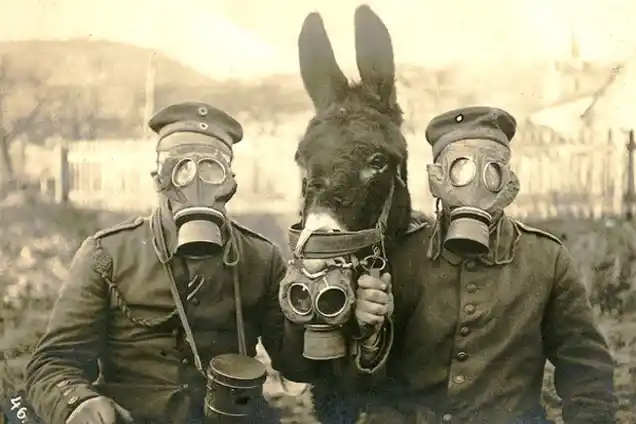
Horse gas masks became necessary when chemical warfare appeared on the battlefield during World War 1. Armies used horses for transport, artillery, and supply missions, so they also needed protection from poison gas. Today, rare photos of horse gas masks remain one of the strangest parts of military history.
More interesting articles:
History of Soviet Gas Masks: Development, Models and Use
Telnyashka: History of the Russian Navy and VDV Striped Shirt
Top Soviet WW2 Equipment Used by Soldiers: RKKA Uniform Guide
Everyone knows that gas masks were used to protect people from poison gas and chemical weapons. But not many people know that special horse gas masks also existed. These strange military items stayed in Soviet army warehouses until 2013 and were destroyed only recently.
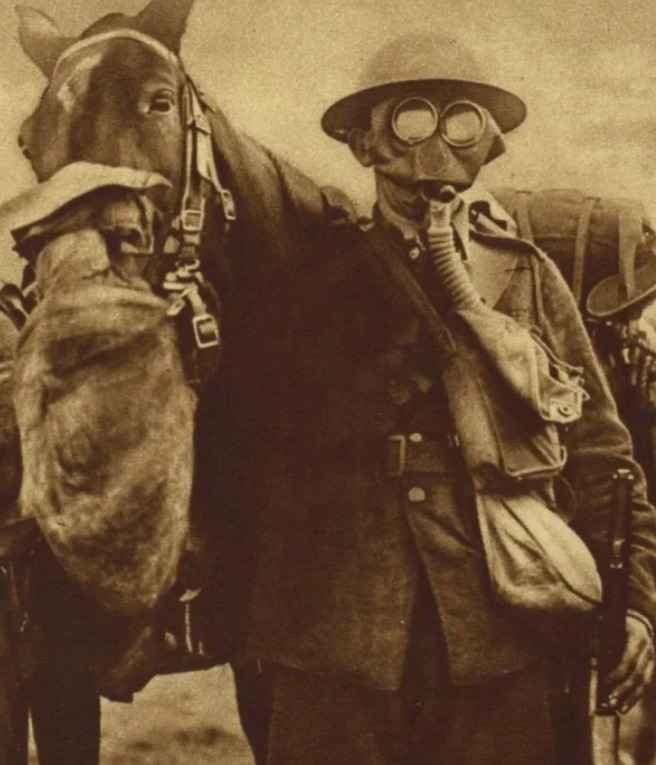
When chemical weapons started to be widely used during World War I, armies quickly understood that not only soldiers needed protection, but also horses used by the military.
In Russia, the pioneers of horse gas masks were veterinarian Gontarev and veterinary scientist Mikhail Lavrinovich. Creating a gas mask for a horse was much harder than simply making a larger human gas mask. Engineers had to consider animal anatomy, oxygen consumption, and the sensitivity of horse respiratory systems.
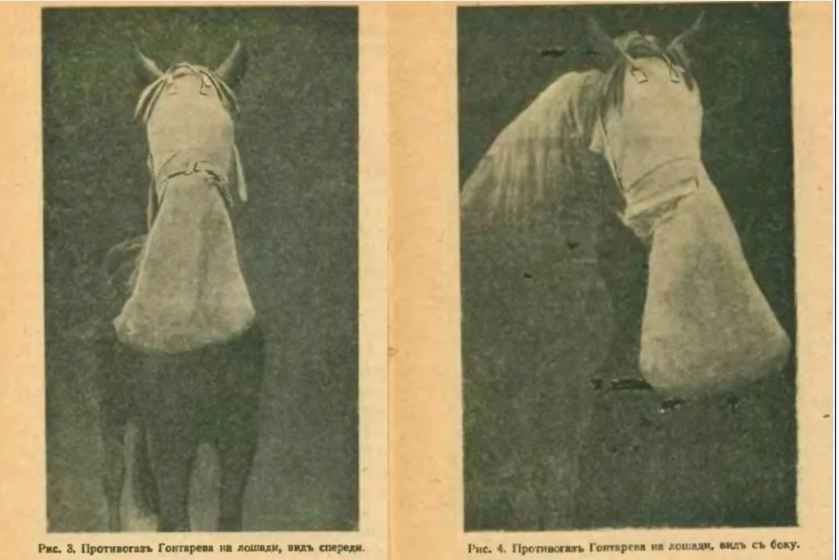
Fig. 3. Gontarev horse gas mask, front view.
Fig. 4. Gontarev horse gas mask, side view.
The Gontarev horse gas mask looked like a large fabric bag fixed around the horse’s head with rubber cords. The upper part near the eyes was made from semi-transparent material so the horse could still see. Small openings allowed riders to control the horse, while the breathing section used six layers of special chemical-treated fabric similar to early human gas masks.
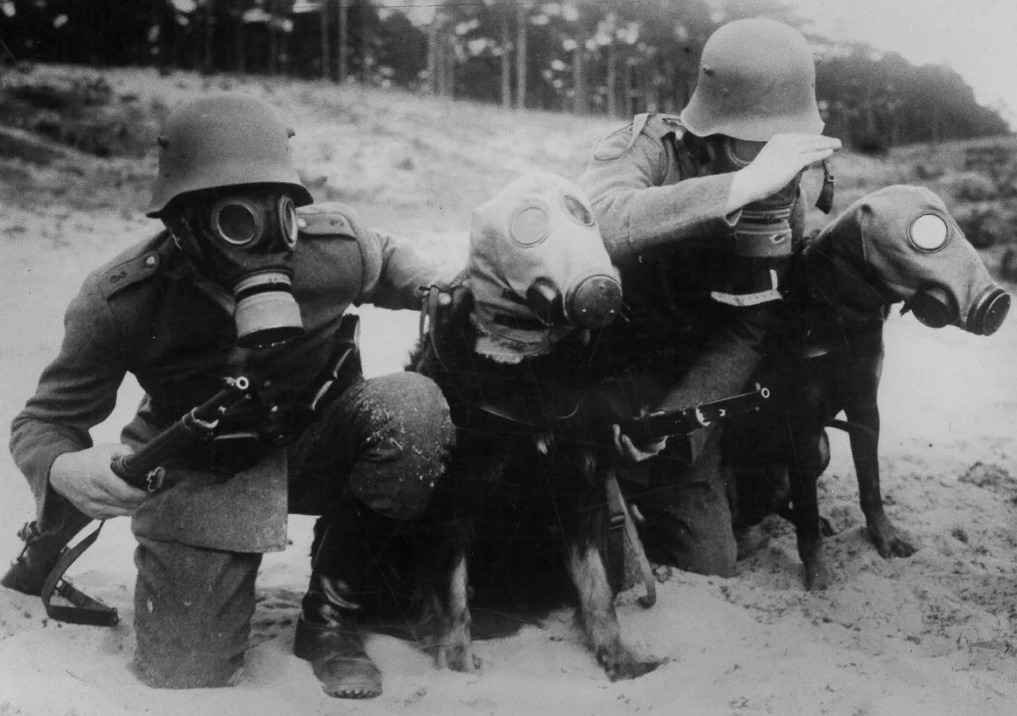
During World War I, several types of horse gas masks existed. Some were very simple bags filled with hay and soaked with water, giving only around 10 minutes of protection. More advanced versions were later developed for cavalry units.
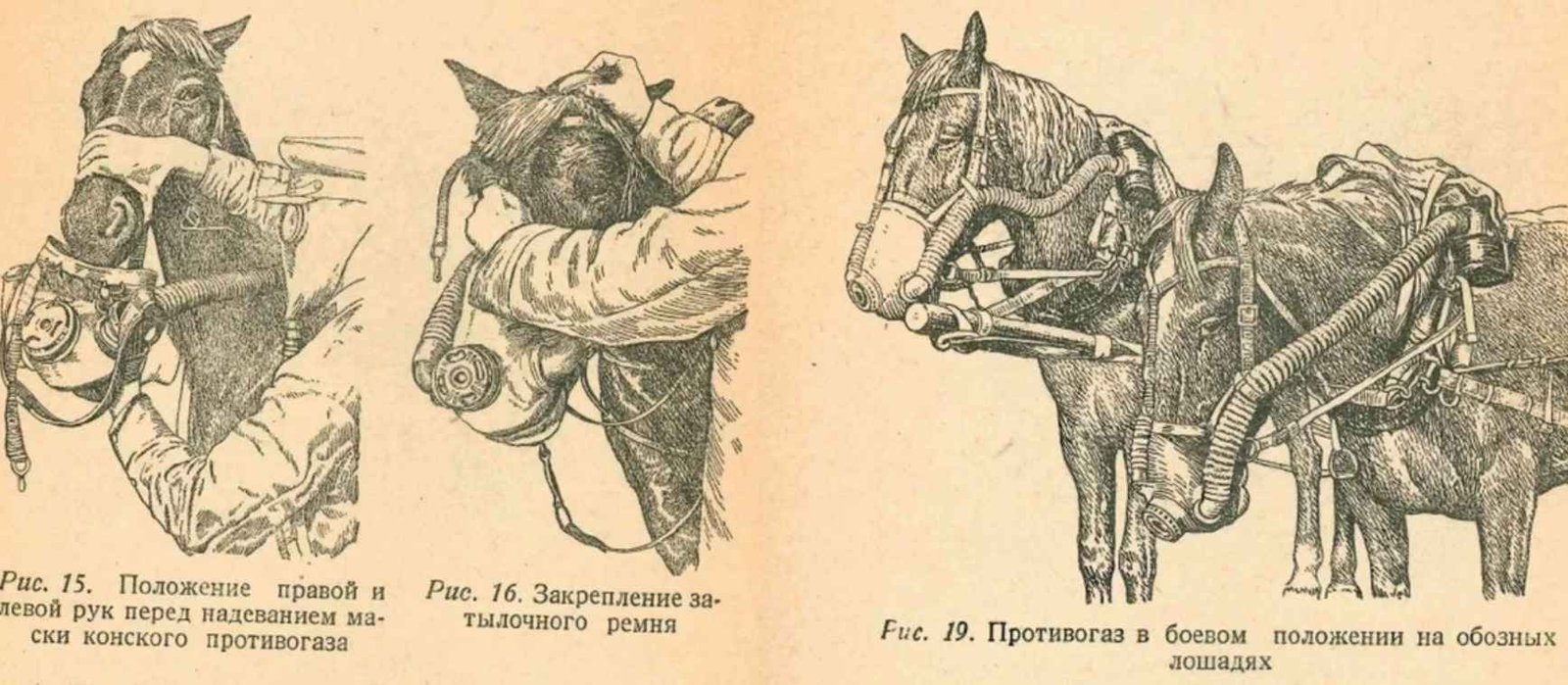
Fig. 15. Position of the right and left hands before putting on the horse gas mask.
Fig. 16. Fastening the rear head strap.
Fig. 19. Gas mask in combat position on draft horses.
The development of horse gas masks in Russia and later in the USSR continued alongside human gas masks until 1943. Soviet military warehouses still stored horse gas masks based on the 1943 design until recent years.
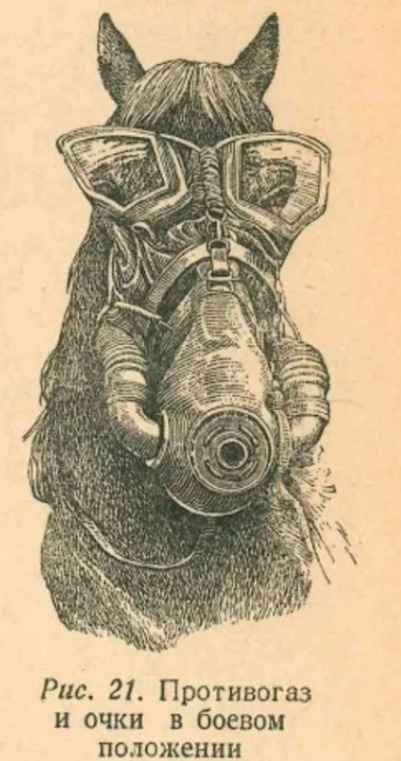
Fig. 21. Gas mask and goggles in combat position.
During World War II, the KSPF-1 horse gas mask was used to protect military horses. It used a rubber mask covered with fabric on the outside. Two filter canisters with anti-smoke and charcoal filters were connected to the mask by corrugated hoses placed on the horse’s body. The KSPF-1 set also included special protective goggles for the horse.
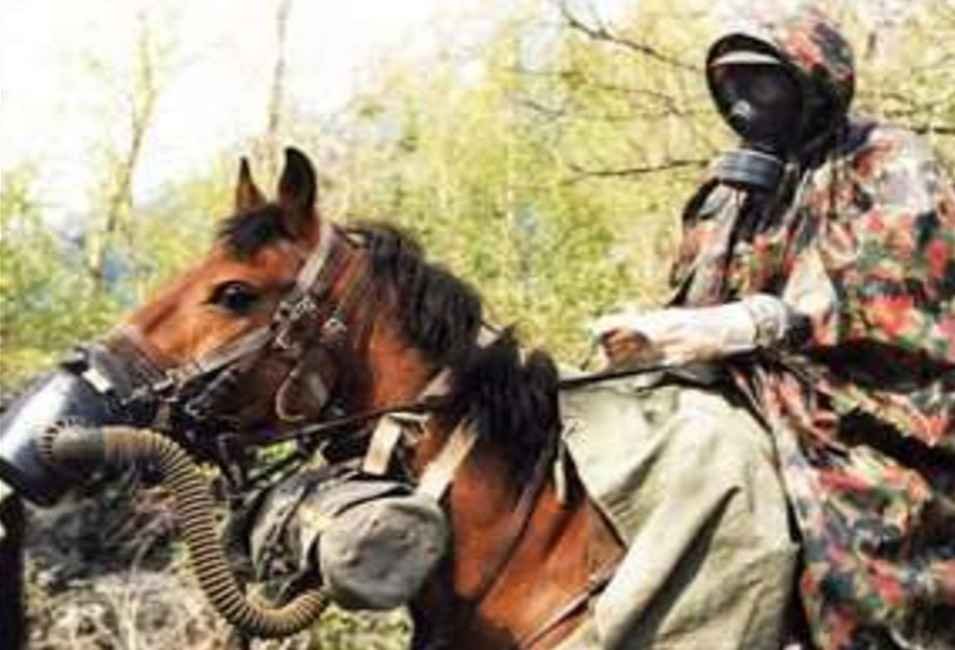
KSPF-1 (Horse Special Filtering Gas Mask) was a massive muzzle with a charcoal filter. This device was secured with special leather straps and tightening belts. The main purpose of the KSPF-1 was to protect horses from chemical attacks for up to four hours.
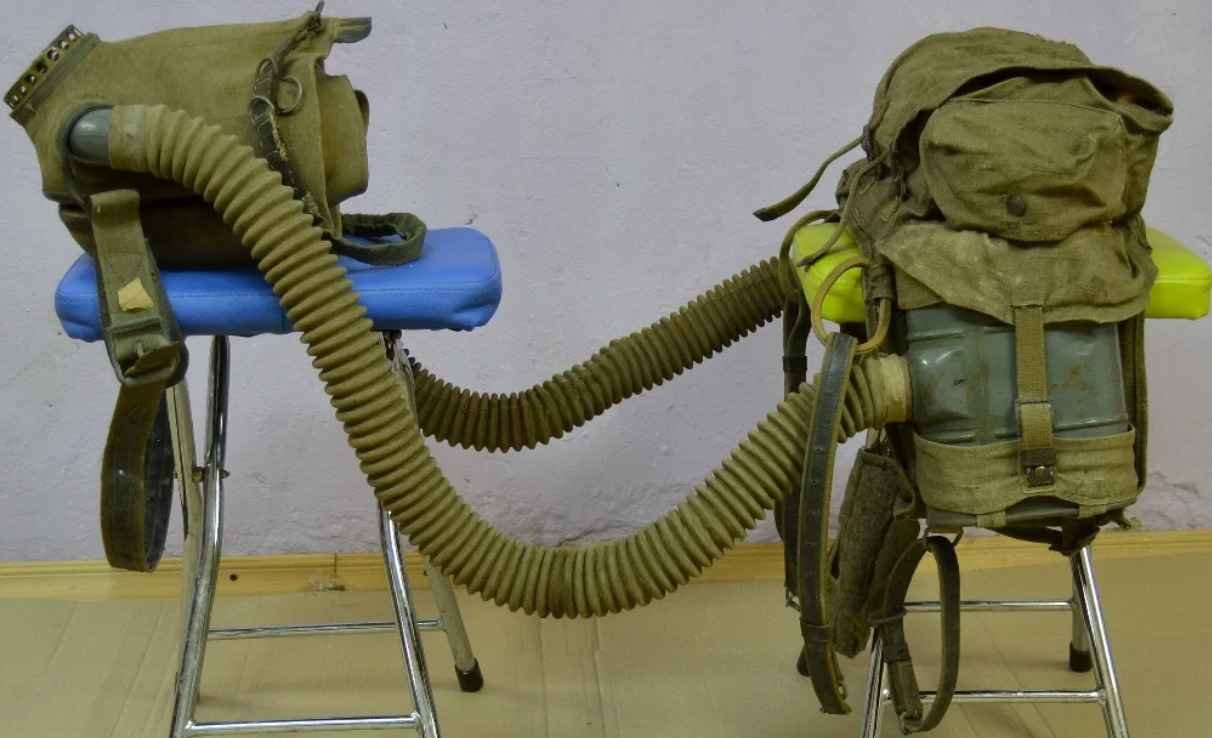
Horses received special training to stay calm while wearing gas masks for long periods of time. In the Red Army, the training program lasted about 8 days for horses already used to military work. In 1943, a lighter version of the horse gas mask called KSPM was also developed.
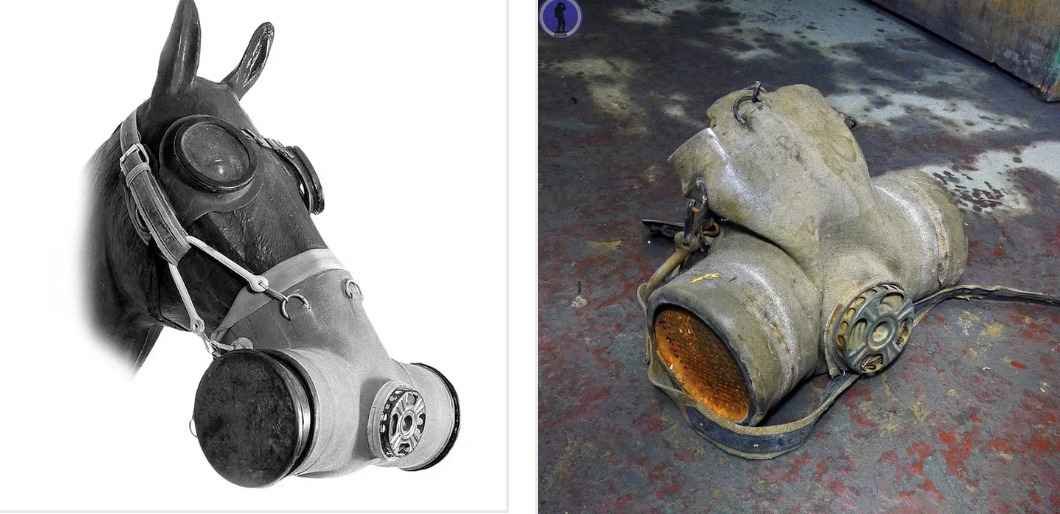
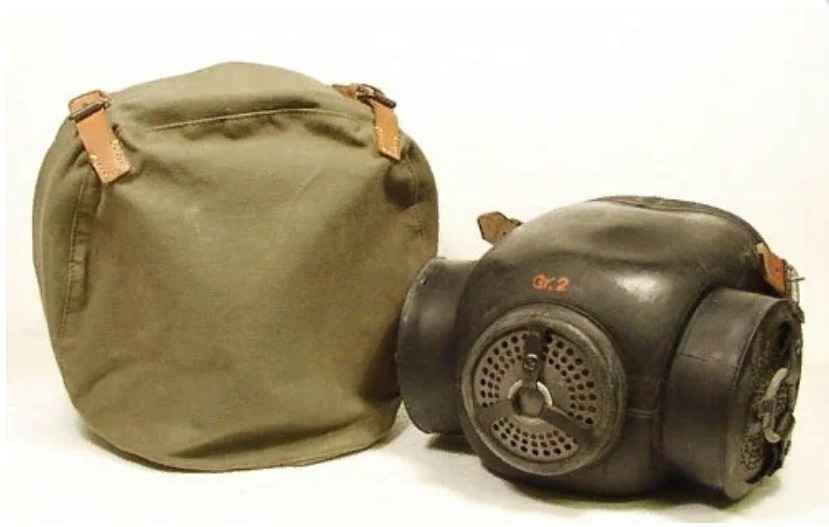
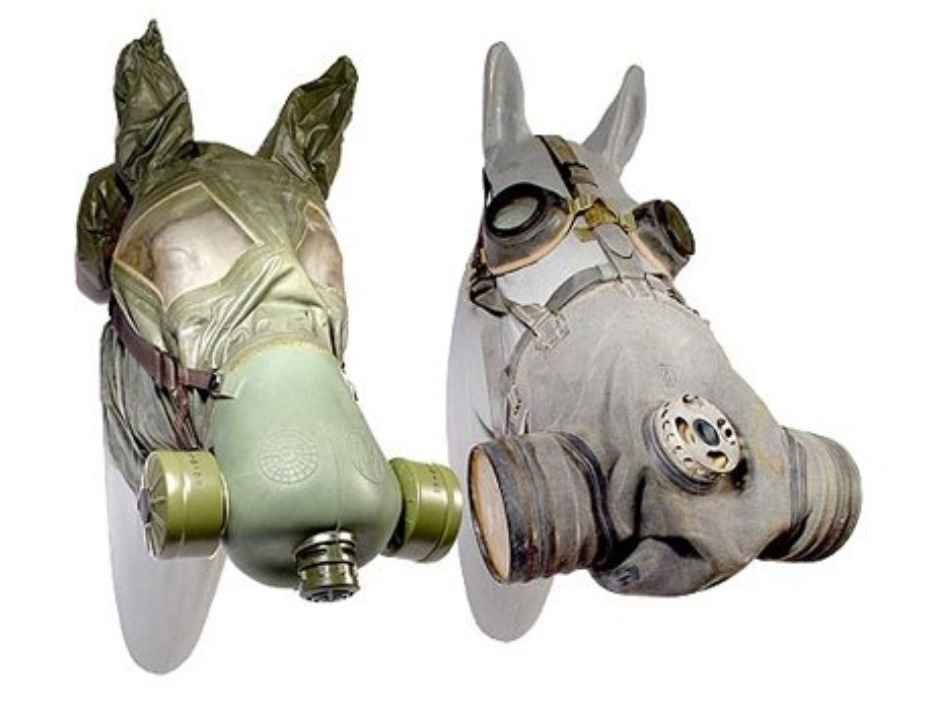
The KSPM horse gas mask consisted of two cylindrical filter canisters, a mask, and a carrying bag. The full set weighed around 3 kilograms. The filters used a universal absorbent material but had no anti-smoke filter. The rubber mask was covered with fabric and produced in four sizes. Special straps and metal fasteners helped secure the mask to the horse.
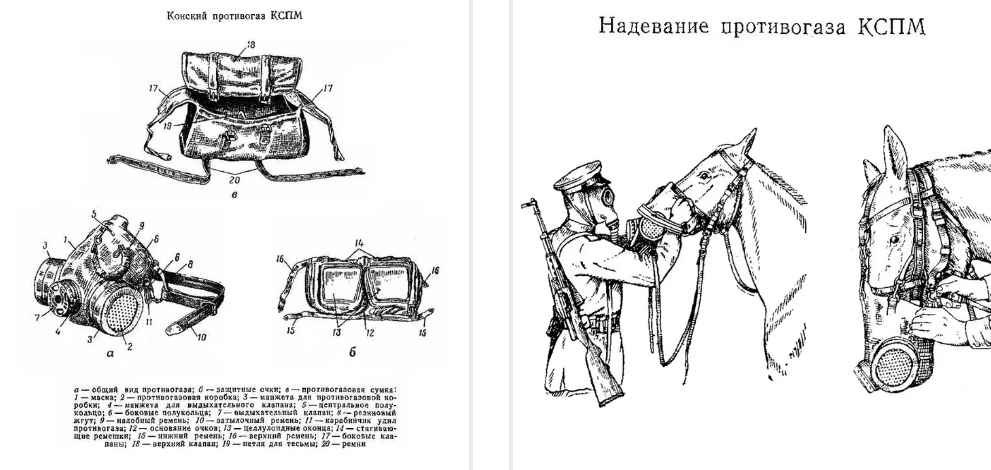
Horse Gas Mask KSPM
Putting on the KSPM gas mask
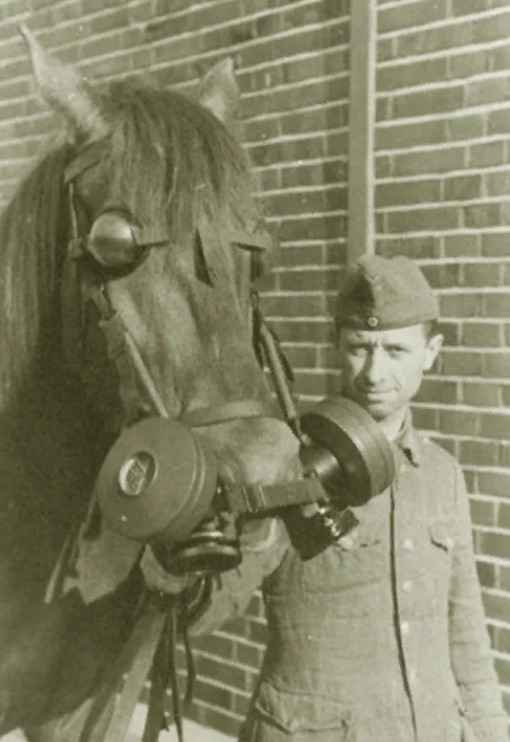
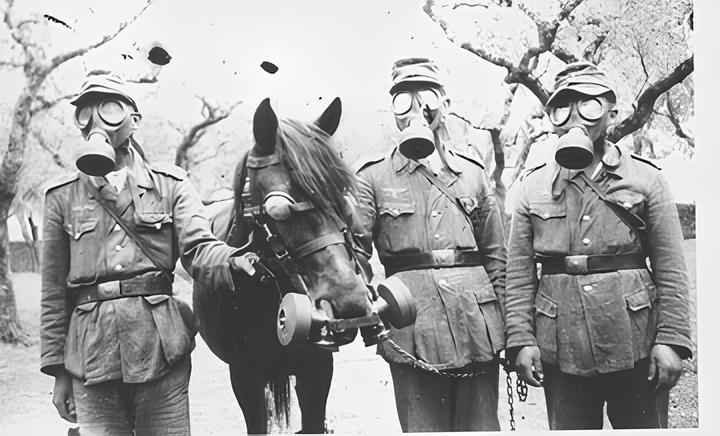
World War II, the German Army still used horses for transport and military supply work. Because of the danger of chemical warfare, special gas masks were also made for horses. These unusual masks protected military animals from poison gas on the battlefield.
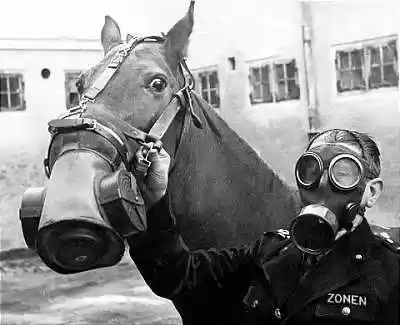
After World War II, the USSR continued developing horse gas masks. In the 1950s, an improved version was created that fully protected the horse’s head with a hood-like rubberized mask.
More interesting articles:
History of Soviet Gas Masks: Development, Models and Use
Telnyashka: History of the Russian Navy and VDV Striped Shirt
Top Soviet WW2 Equipment Used by Soldiers: RKKA Uniform Guide
Looking original Soviet boots and accessories? Please visit here: Soviet Boots Store