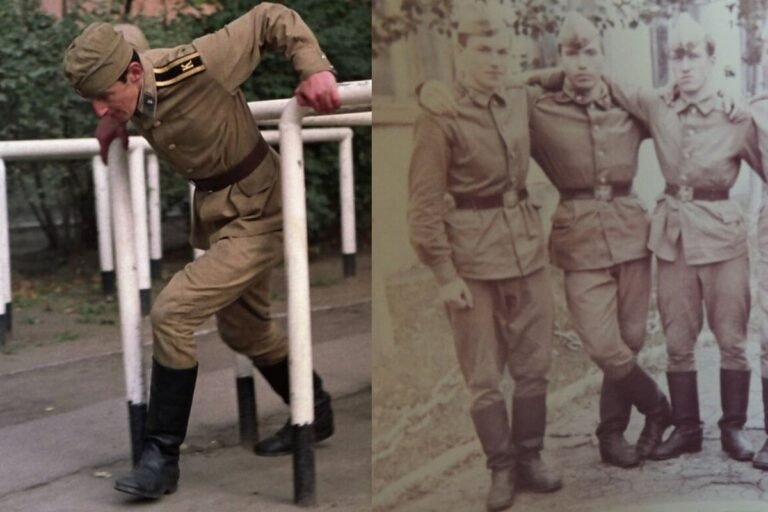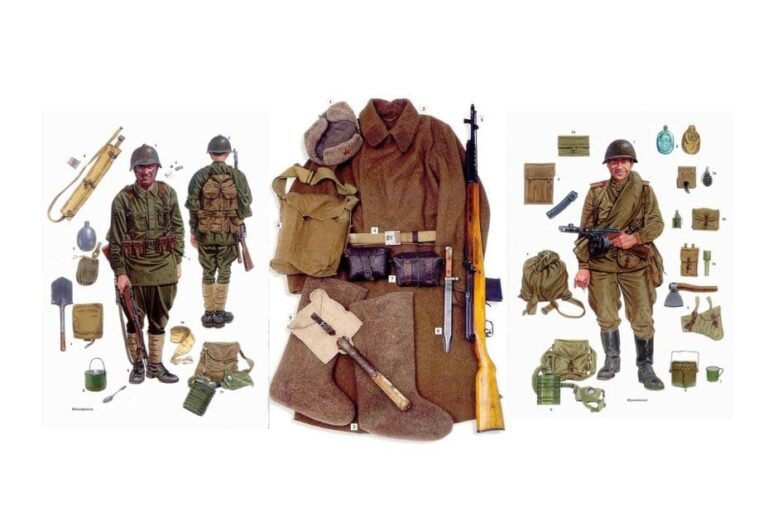
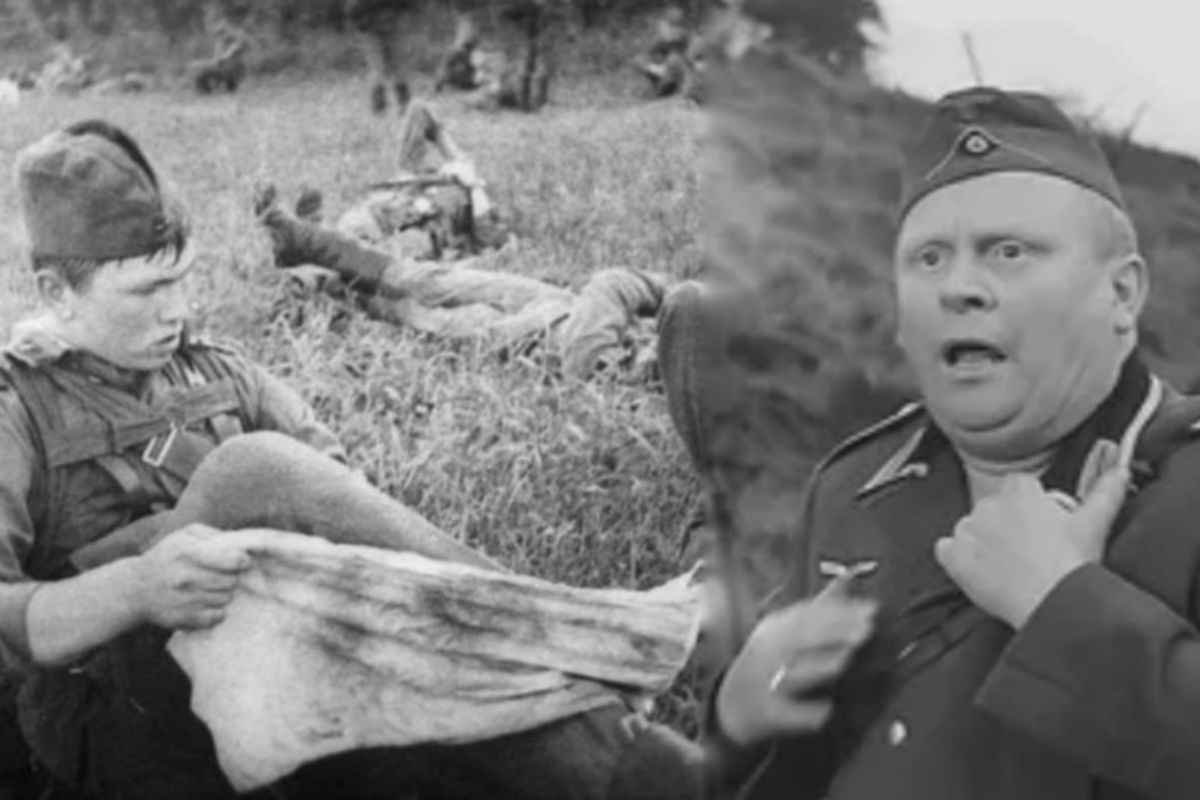
In the footage from the summer of 1941, it is hard not to notice one very interesting detail. Back then, the “supermen” of the Wehrmacht laughed like crazy at it. The disaster of German logistics came from one simple but fatal mistake: for some reason, they completely forgot about physics…
Read more interesting articles
Why Soviet Soldiers Used Portyanki Instead of Socks
Telnyashka: History of the Russian Navy and VDV Striped Shirt
When the famous Russian winter arrived, and in some places temperatures dropped to -40°C, a terrible truth became obvious. The German boot, made very precisely and “exactly to size” (they loved precision after all), turned into a deadly trap. Put on a thick wool sock – the foot became squeezed, blood circulation got worse, and the foot stopped warming itself naturally.
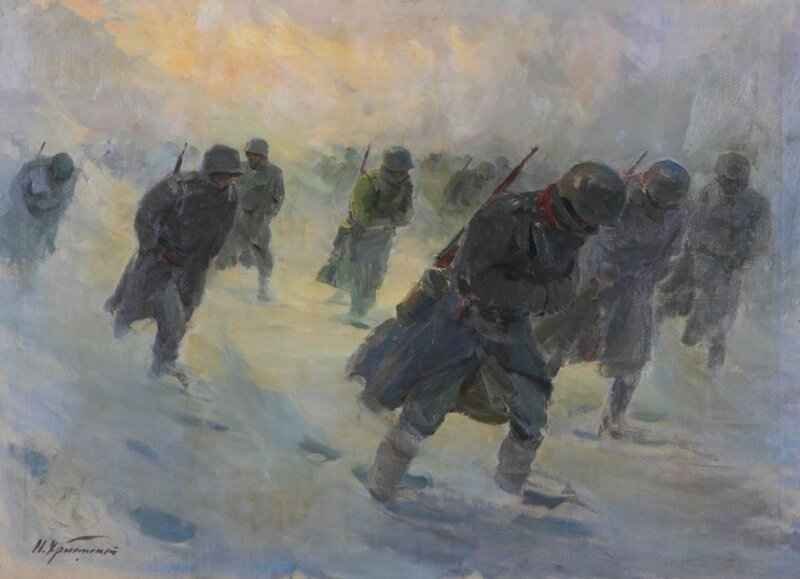
But even that would not have been such a big problem if the sock did not get wet from sweat. Once the sock became wet – it was over. Even in normal Soviet winter temperatures, the wet sock quickly turned into an icy compress instead of protection for the foot.
It is no surprise that during the first winter of 1941, the “invincible” Wehrmacht lost more soldiers from frostbite than from Soviet artillery fire. Imagine that statistic.
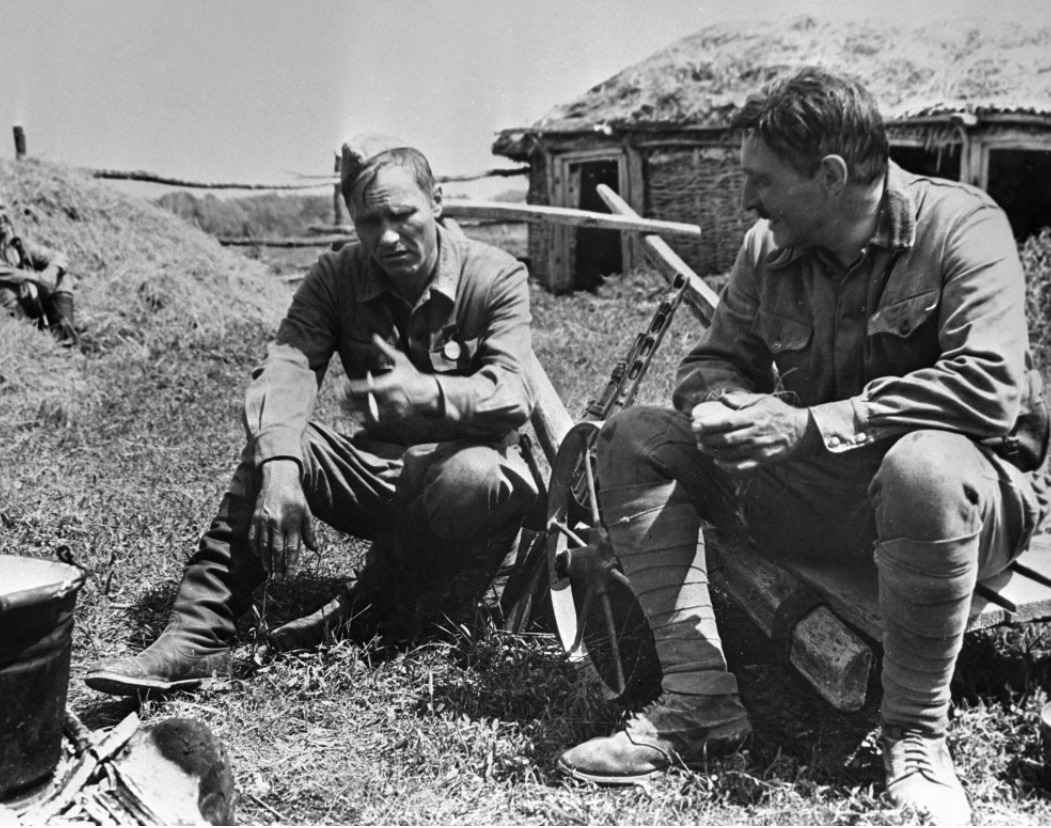
The Soviet portyanki worked completely differently. They were not just underwear or foot cloths – honestly, they were a genius engineering system (I personally tested them during military service).
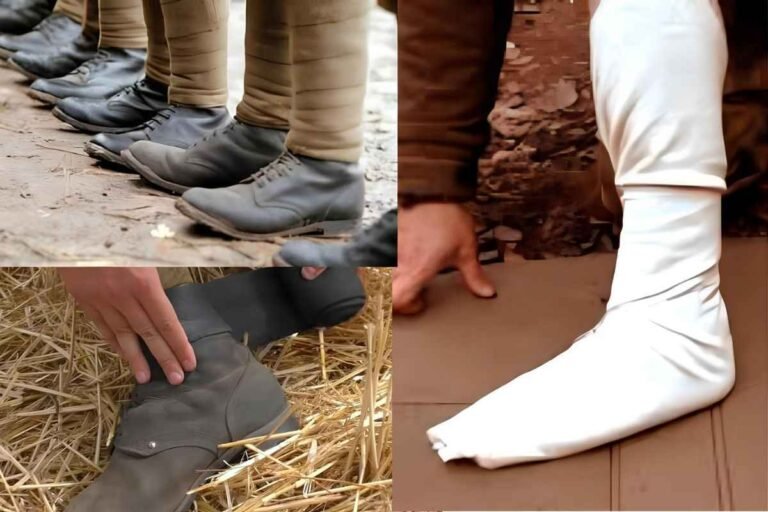
By wrapping the cloth in a special way, either like an “envelope” or a “spiral,” the soldier created an air chamber inside the roomy kirza boot. It worked almost like a thermos effect.
But the real miracle happened when the soldier got wet.
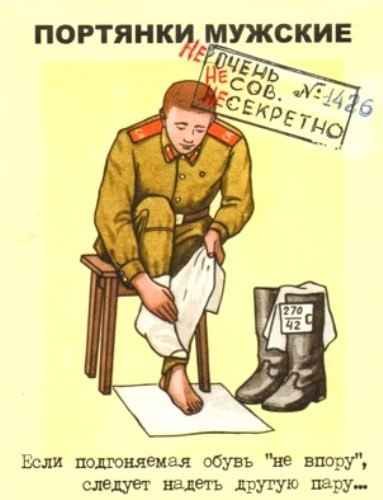
Hans with wet socks was doomed. Drying socks near a fire could take hours, and spare socks were often unavailable.
Ivan simply used a trick: he rewound the portyanki using the other side. The wet part moved to the calf, where it quickly dried from body heat, while the dry side went onto the foot. The entire process took about 30 seconds. Sometimes that half-minute was literally the difference between life and death.
Back then, German officers equipped with the latest European military fashion openly laughed when they saw captured Red Army soldiers wrapping dirty pieces of cloth around their feet – simple fabric strips measuring 35 by 90 centimeters.
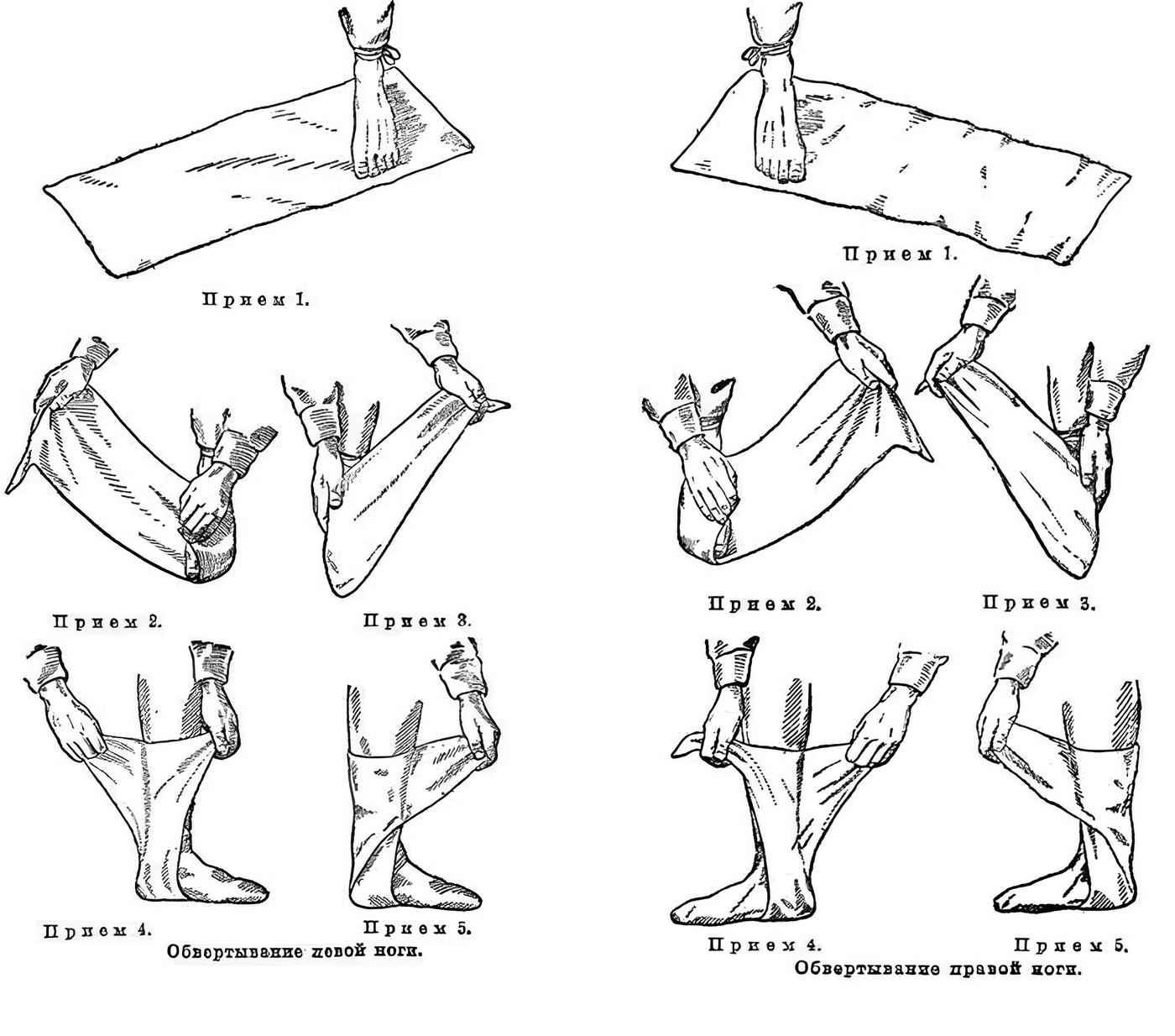
And these are not just my words. Look through archives, diaries, and wartime stories from both sides, and you will see that this attitude was real.
“Barbarians!” they laughed while adjusting their anatomical boots and soft cotton socks.
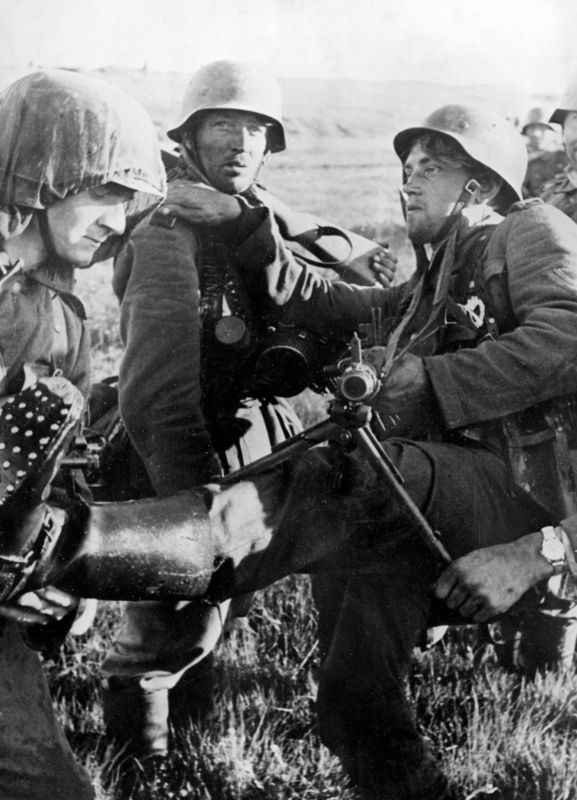
At that time, the Germans were fully convinced they would finish the campaign before the first snow, not even mentioning winter cold.
But they still did not know that only five months later, near Moscow, temperatures would fall to almost -30°C.
As you probably understand, this is directly connected to today’s topic.
So why did the famous German equipment completely lose to the simple Russian portyanki? And why did the Germans suddenly change their attitude toward them? That is exactly what we are going to talk about now. Get comfortable – let’s begin.
By 1942, the German war machine had also hit a logistics dead end.
Can you guess what it was?
The problem was simple. To supply an entire division with socks, warehouses needed every size from 38 to 46.
What if they delivered a box full of size 41 socks, but your feet were size 46? Sorry, brother, time to freeze a little… or painfully squeeze your toes into tiny socks.
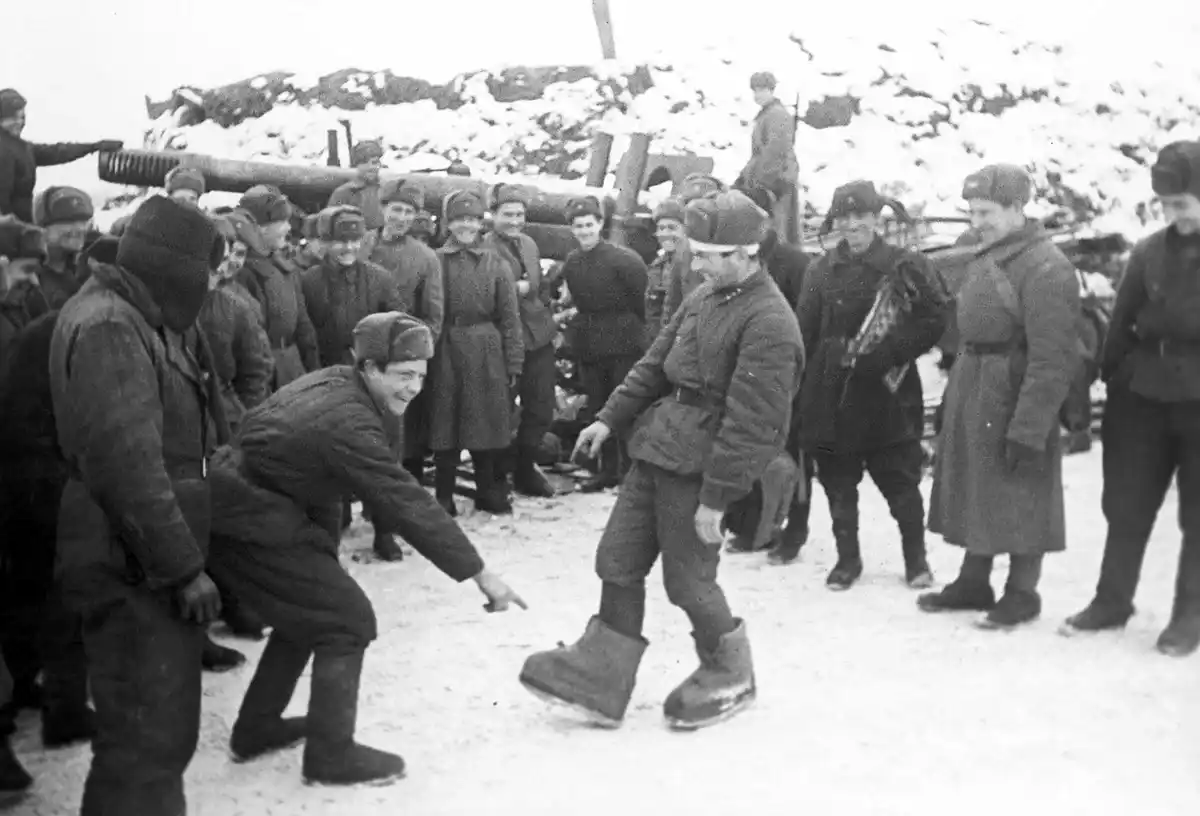
Portyanki, on the other hand, were universal soldiers themselves. No matter what size your foot was, the same piece of cloth worked perfectly. You only changed the tightness of the wrapping. Simple as that.
In surrounded Stalingrad, when supply lines collapsed, this became extremely important.
Trying to survive the cold, German soldiers started cutting tablecloths and curtains into strips, attempting to create something similar to Soviet portyanki. Of course, such improvised cloths were nowhere near as warm or comfortable as proper wool portyanki.
By the way, want to hear a story about spies? Strange place for such a story, right? But only at first glance. Few people know that portyanki often exposed German saboteurs.
The Soviet portyanki was a rectangle measuring 35×90 cm. The official German equivalent (yes, they actually had one, although rarely used) was square – 40×40 cm.
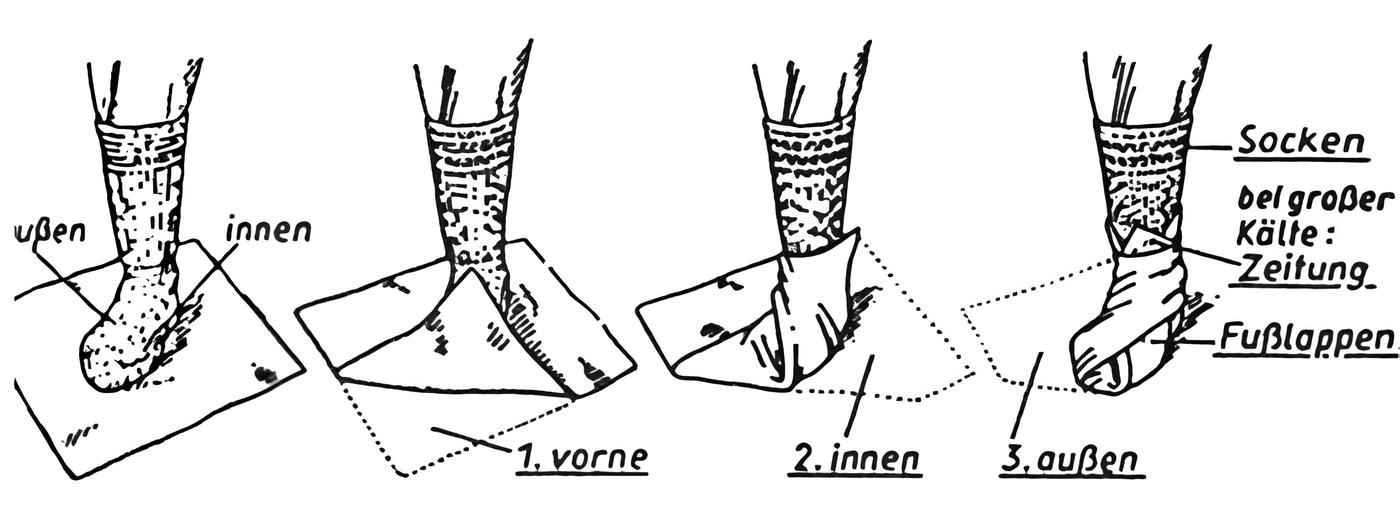
Funny how they mocked the “barbaric cloth” while having almost the same thing in their own military regulations.
An experienced Soviet sergeant could instantly spot the difference. A square cloth could not be wrapped properly to cover the calf the Soviet way. If the typical edge was missing from the boot or the wrapping looked strange – welcome to questioning by counterintelligence.
Believe it or not, more than one spy was caught because of this simple detail.
By 1943, the Russian winter had finally destroyed the arrogance of German officers. Now, when they saw captured Red Army soldiers, the first thing they looked at was their feet.
At the same time, German soldiers sarcastically called Soviet portyanki “Erbsensüpplein” – “pea soup.” You probably do not need an explanation why the smell after many days of marching reminded them of spoiled soup… But even while holding their noses, they still wrapped those “barbaric rags” around their feet. Because everyone wanted to survive – even Germans.
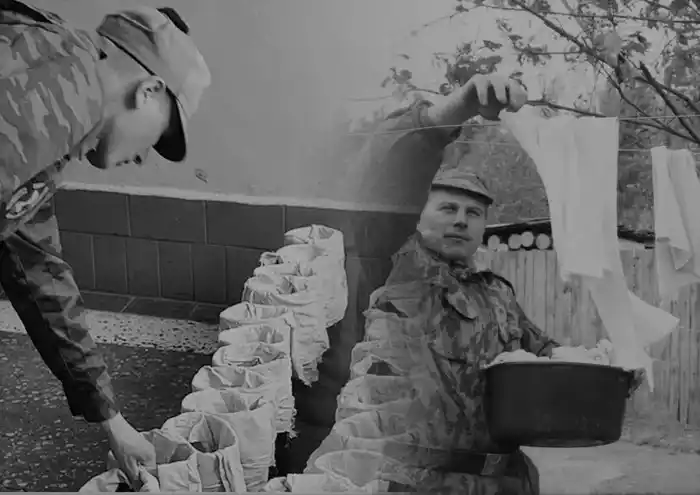
In the end, the so-called “master race” was forced to admit that all their technology and beautiful design meant nothing if it failed in real conditions. Russian practicality and simple soldier ingenuity proved more effective than German perfectionism.
Surprisingly, the Soviet portyanki survived Hitler by almost 70 years.
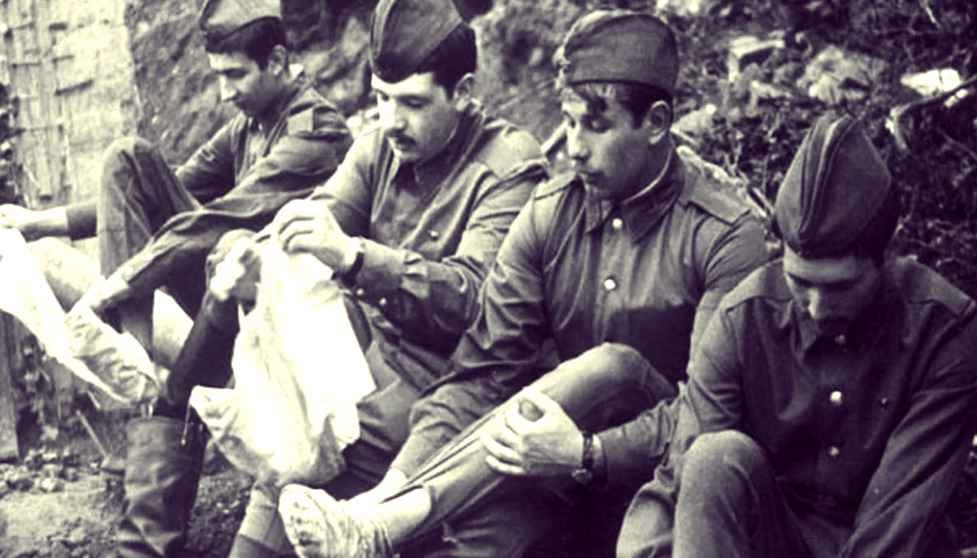
Even after the war, portyanki remained official military equipment. East Germany used them until 1968, Finland (and they definitely understood cold weather) until 1990, and Russia officially abandoned them only in 2013.
Why for so long?
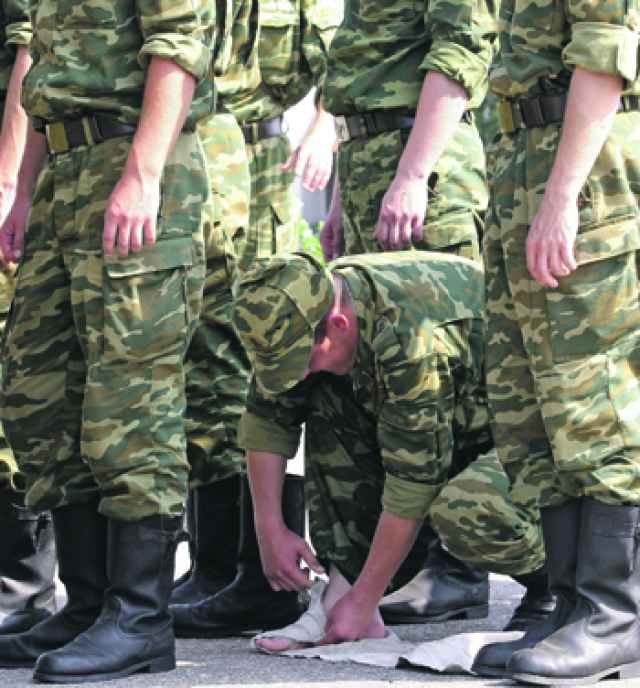
Because even in the 21st century, it is difficult to invent something cheaper and more effective for a massive army.
And history once again gave a simple but brutal lesson: in extreme conditions, victory does not belong to the best dressed soldier. It belongs to the one who knows how to survive. Sometimes all you need for victory is a piece of “barbaric” cloth and a little bit of real soldier ingenuity.
Read more interesting articles
Why Soviet Soldiers Used Portyanki Instead of Socks
Telnyashka: History of the Russian Navy and VDV Striped Shirt
Looking for original Soviet boots and accessories? Please visit here: Soviet Boots Store