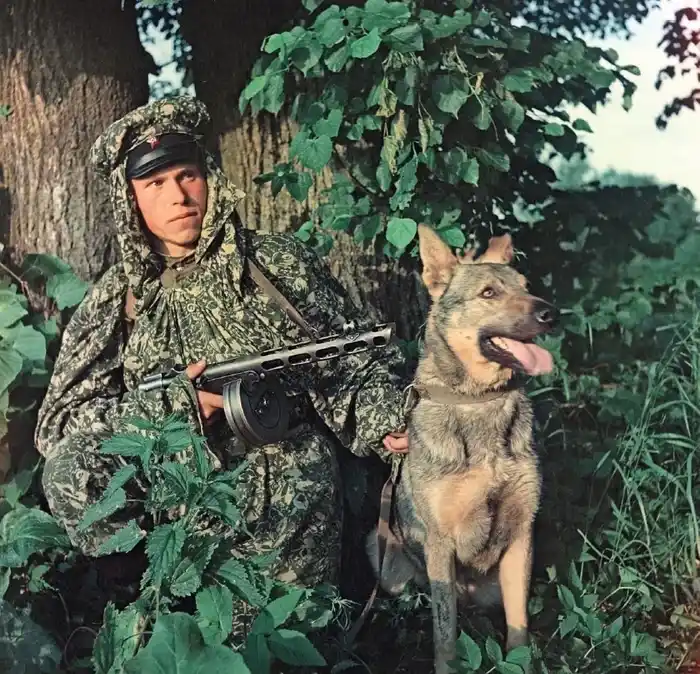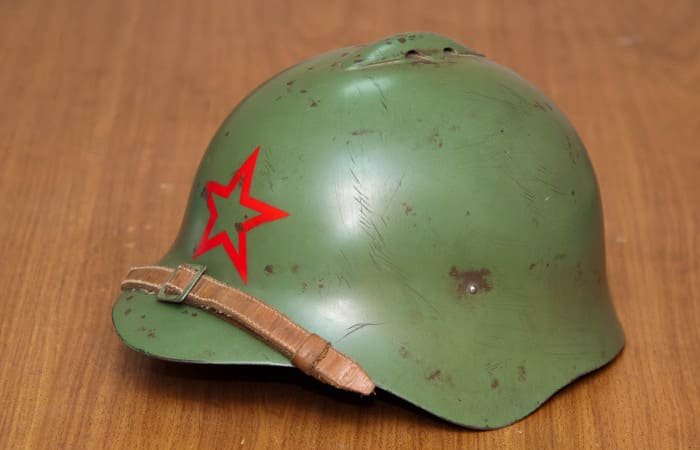
WWII Reenacting for Beginners: What You Really Need to Know
WWII reenacting for beginners is more than just buying a uniform and wearing it.
Many people start with gear, but quickly realize that real reenacting is about movement, behavior, and understanding history.
In this guide, you will learn what really matters, common mistakes, and how to look like a real soldier, not just someone in costume.
More interesting articles:
Equipment Set of a Red Army Soldier in 1941 and 1945
How to Put Together a WWII Soviet Soldier and Officer Uniform for Reenactment
What Soviet Soldiers Really Ate During WW2
How Soviet Soldiers Slept During WW2 (Rare Archival Photos)
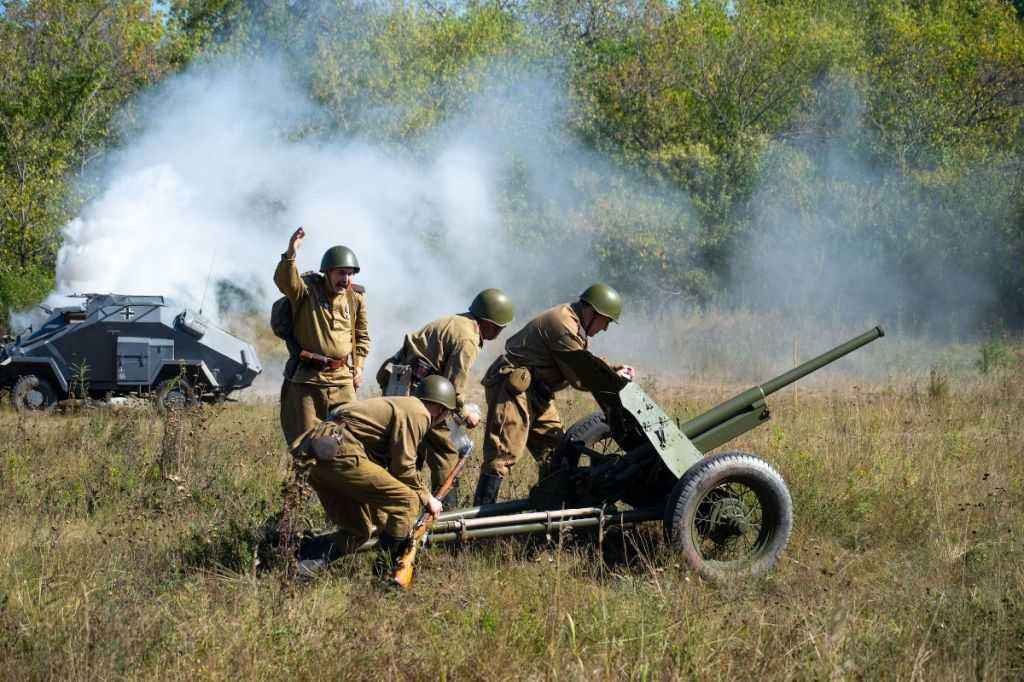
What WWII Reenacting Really Takes (More Than Just a Uniform)
WWII reenacting is not just about wearing a uniform.
If you want to look like a real soldier, you must learn how to live in that uniform.
It takes physical training, basic discipline, and the right mindset.
Without this, even the best and most expensive uniform will not make you look authentic.
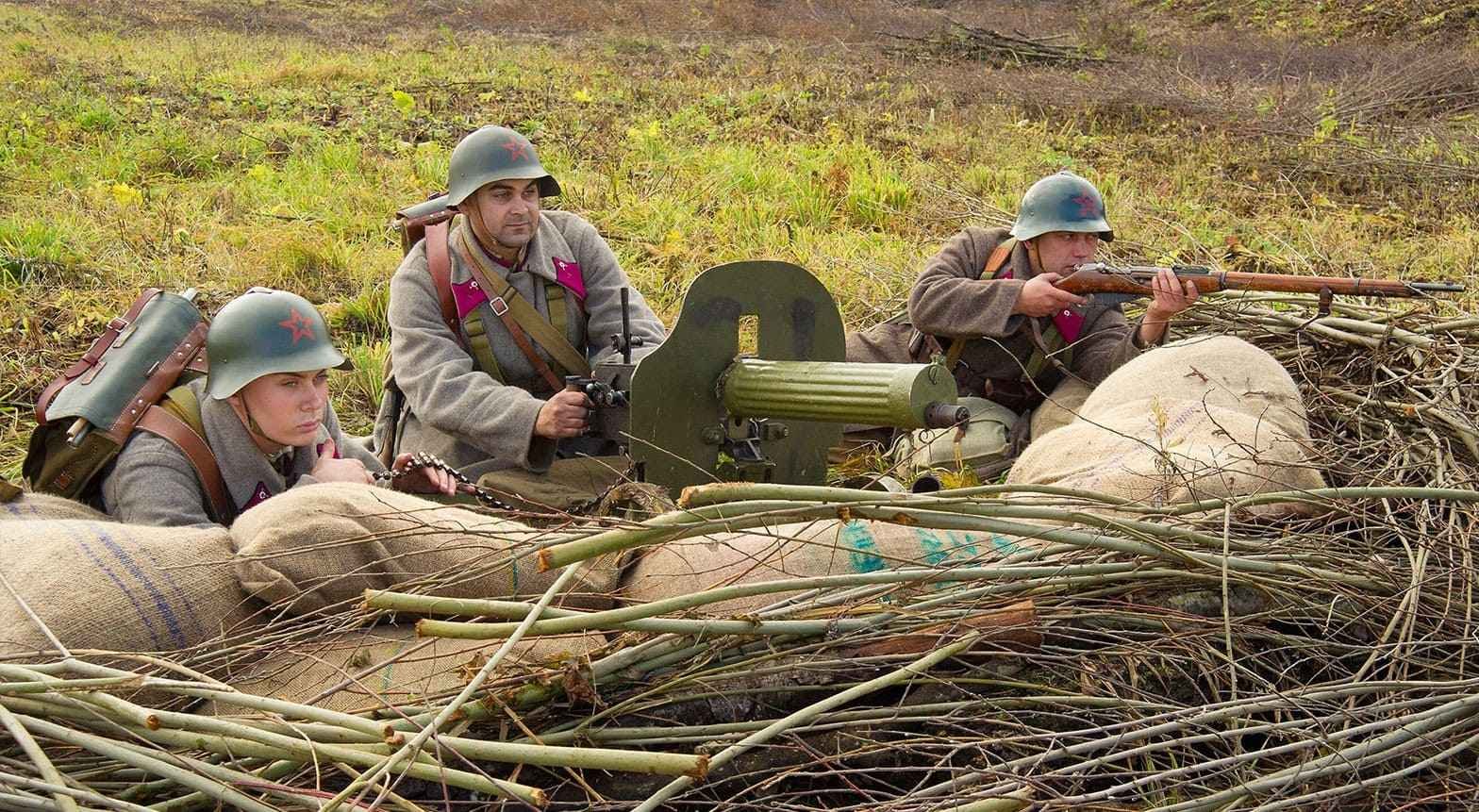
Uniform Is Only One Part
Many beginners think reenacting is about buying a good uniform.
But in reality, it is a full system.
You need to:
-understand history
-move correctly
-know basic tactics
-handle weapons safely
-act like a soldier
All these things together create a real impression.
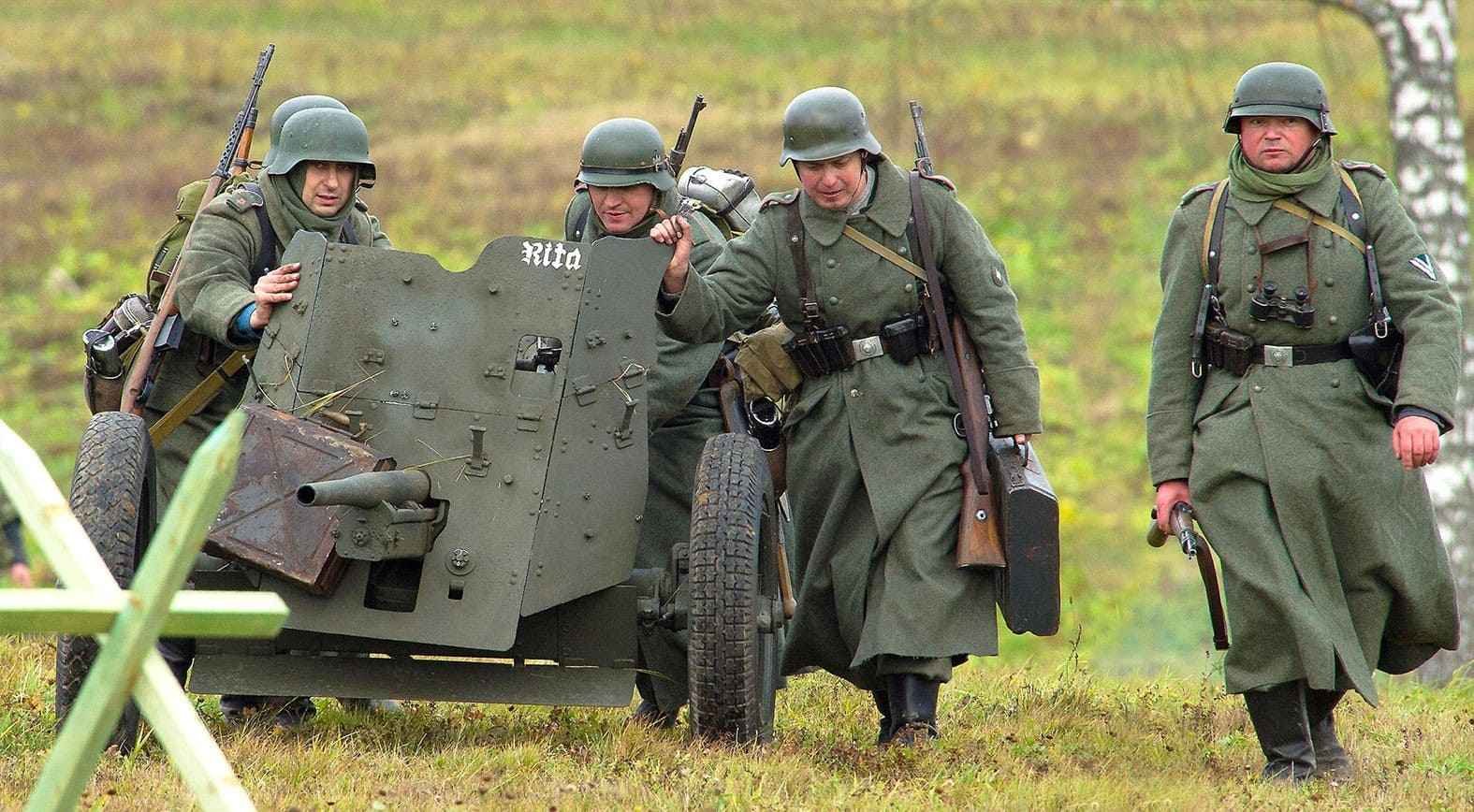
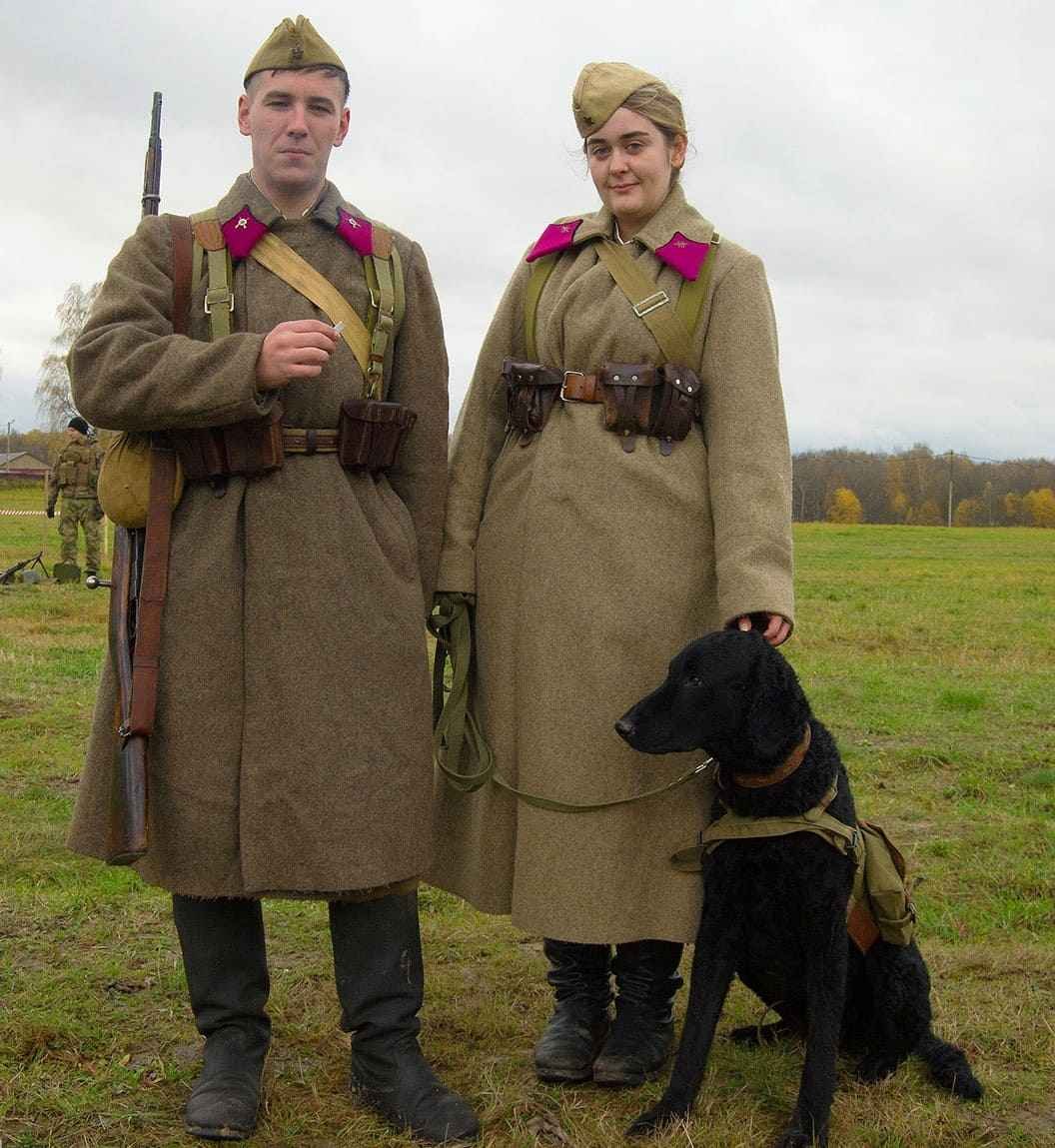
Experienced reenactors look very different from beginners.
Their uniform looks worn, adjusted, and natural.
They move calmly and confidently, like people who are used to it.
Beginners often look stiff and uncomfortable.
This is because they are not used to their gear yet.
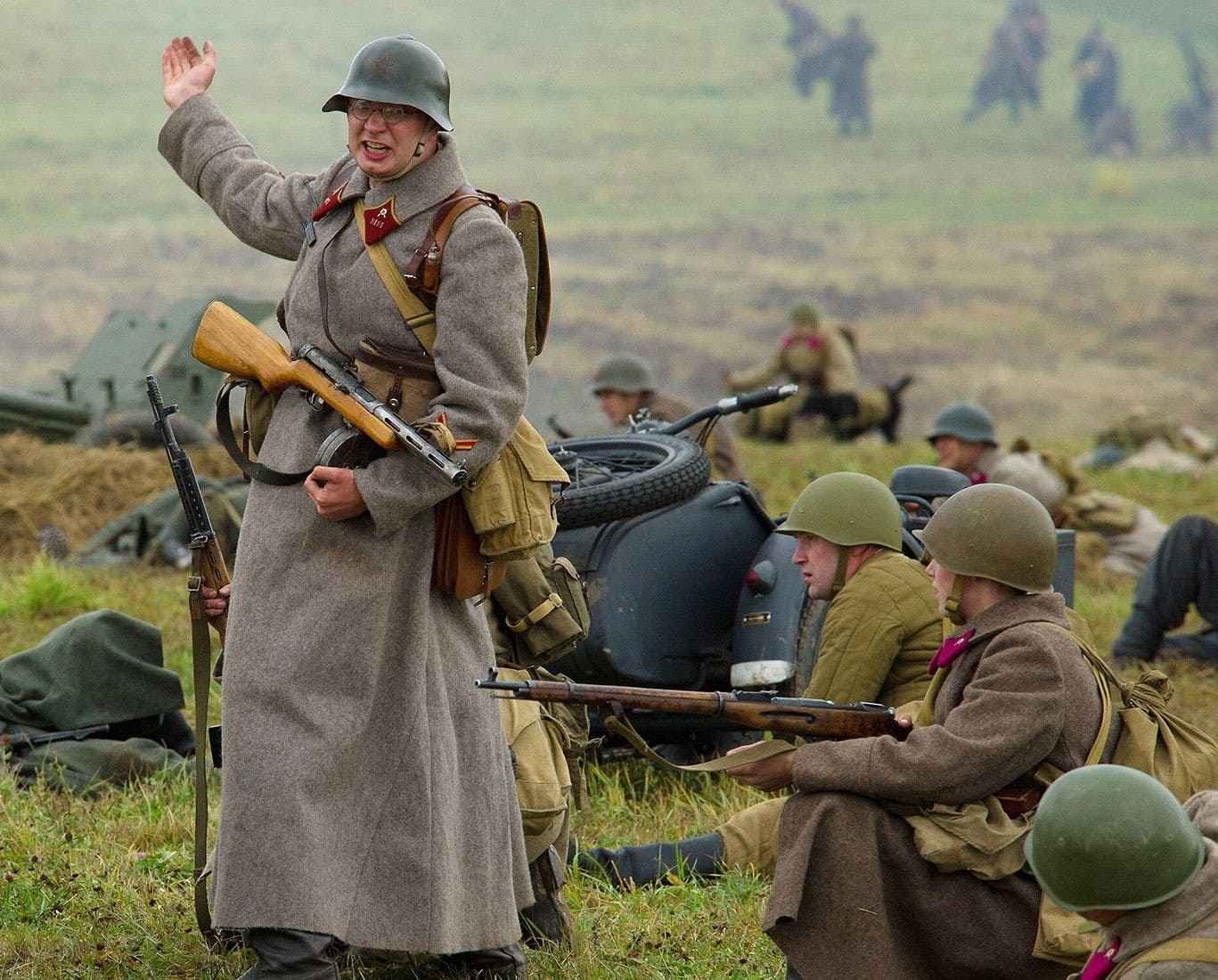
The Biggest Beginner Mistake
One common mistake is being too careful with gear.
People spend a lot of money on uniforms and then try to protect them.
They avoid dirt, avoid lying on the ground, and move carefully during battle scenes.
But real soldiers did not behave like that.
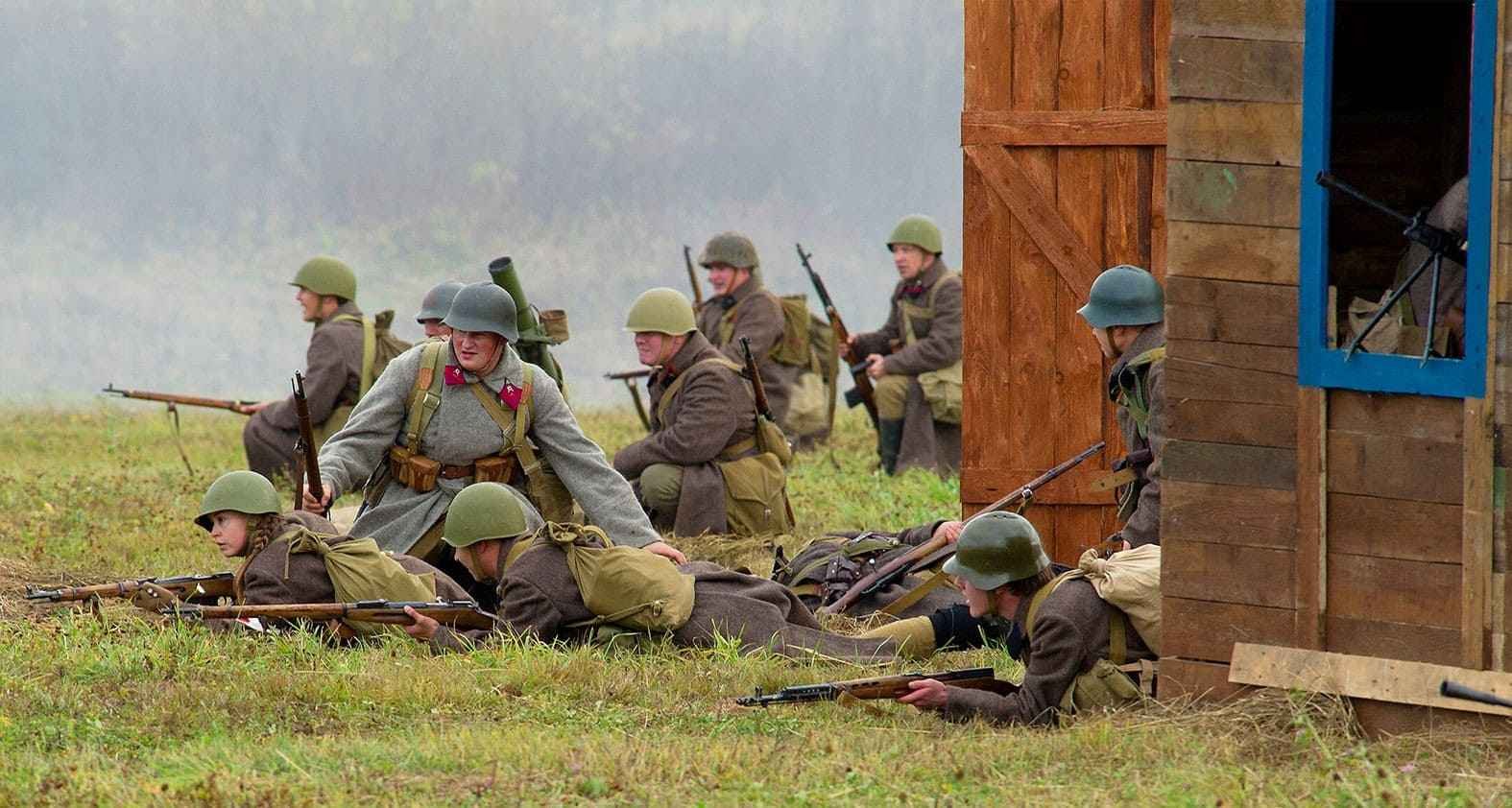
A uniform is not just clothing – it is part of the role.
If you are afraid to use it, you break the realism.
That is why experienced reenactors sometimes call beginners
“just dressed up people” – because they don’t act the part.
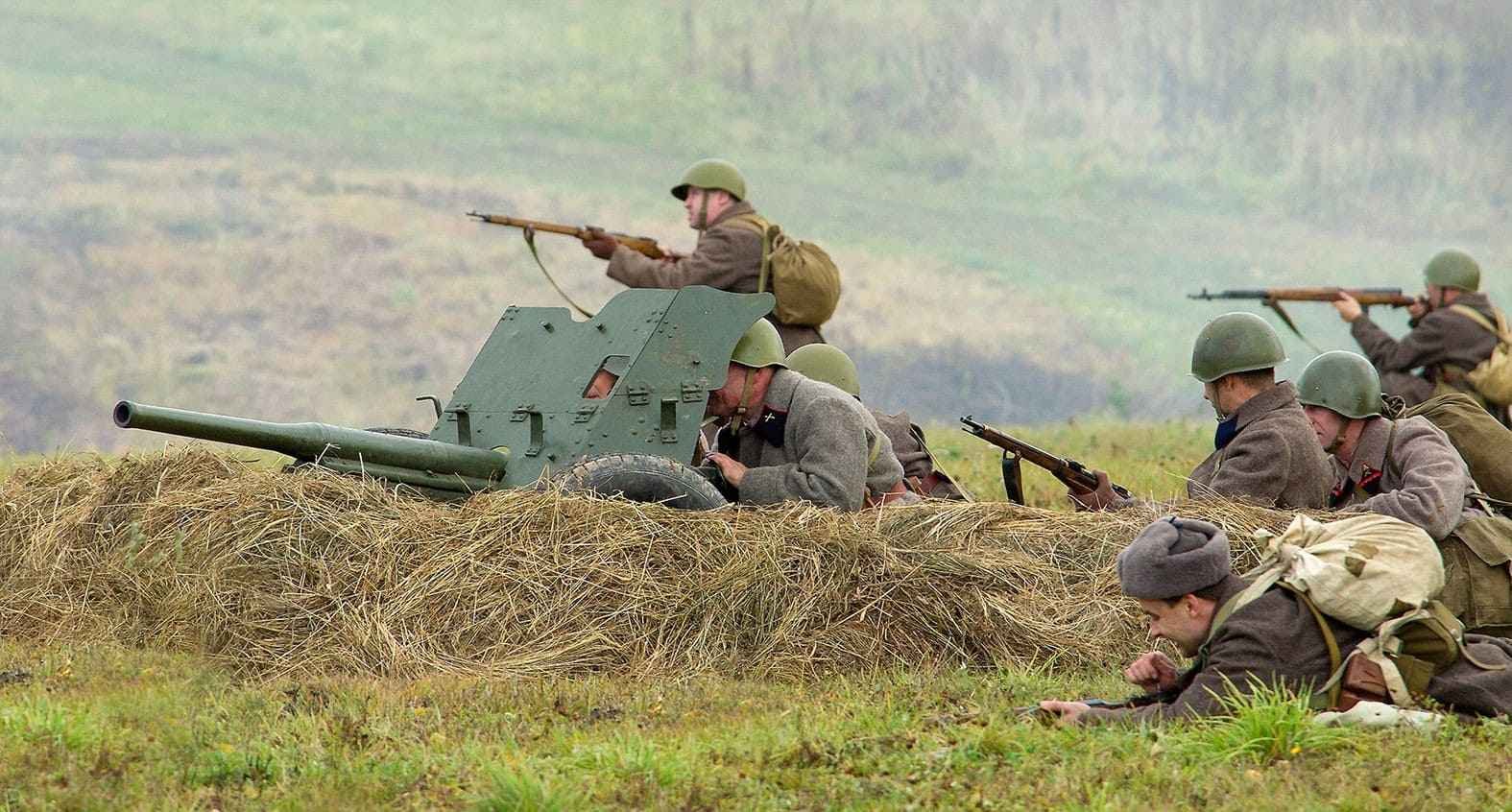
Training and Discipline
Reenacting is also about discipline.
Armies are built on rules, drill, and structure.
So reenactors must learn:
-formation movement
-commands
-basic military behavior
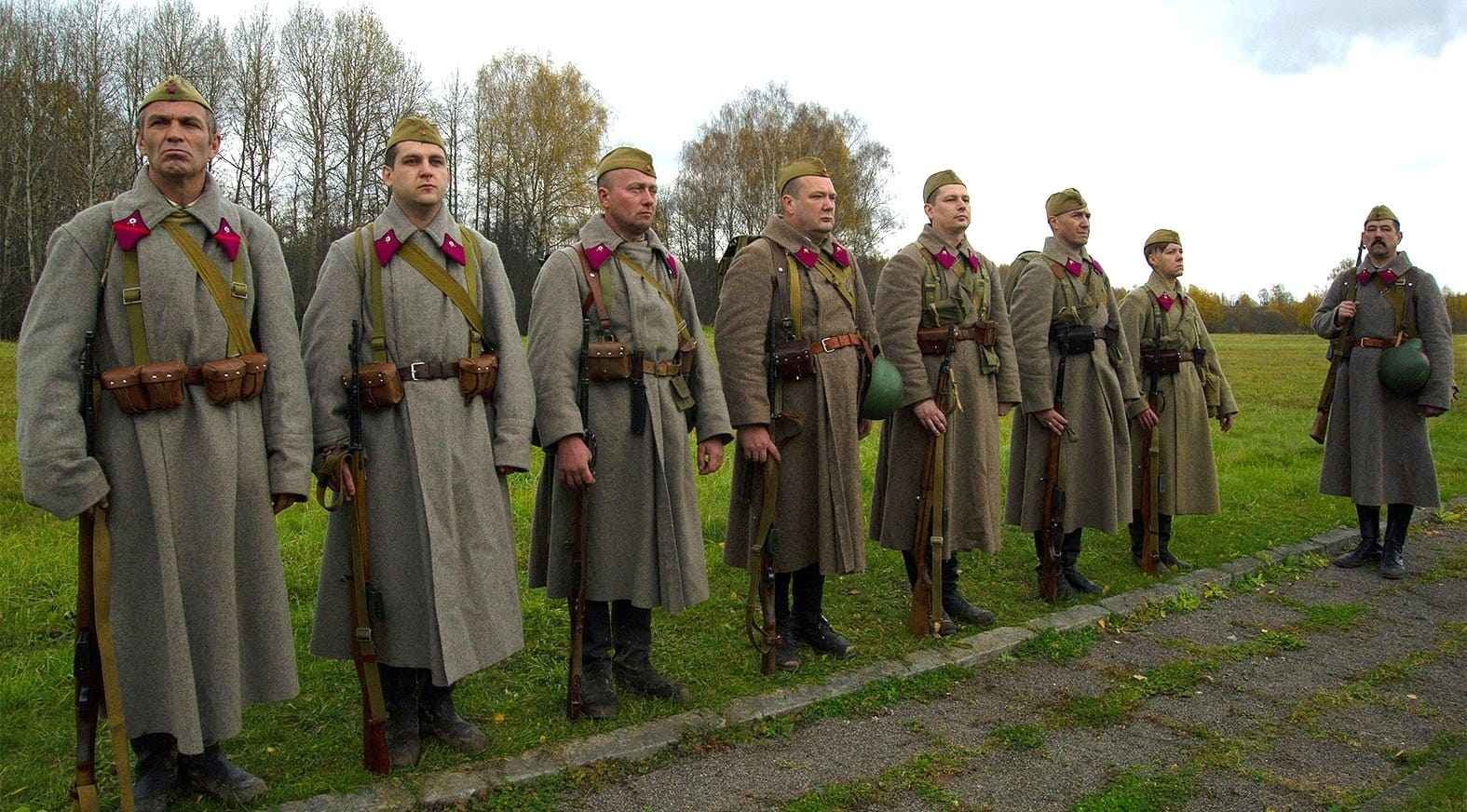
The problem is – many modern people don’t have this background.
Some never served in the army, and many don’t have time to train regularly.
Still, good clubs try to train their members.
Even simple things matter – like knowing left and right, or how to start marching correctly.
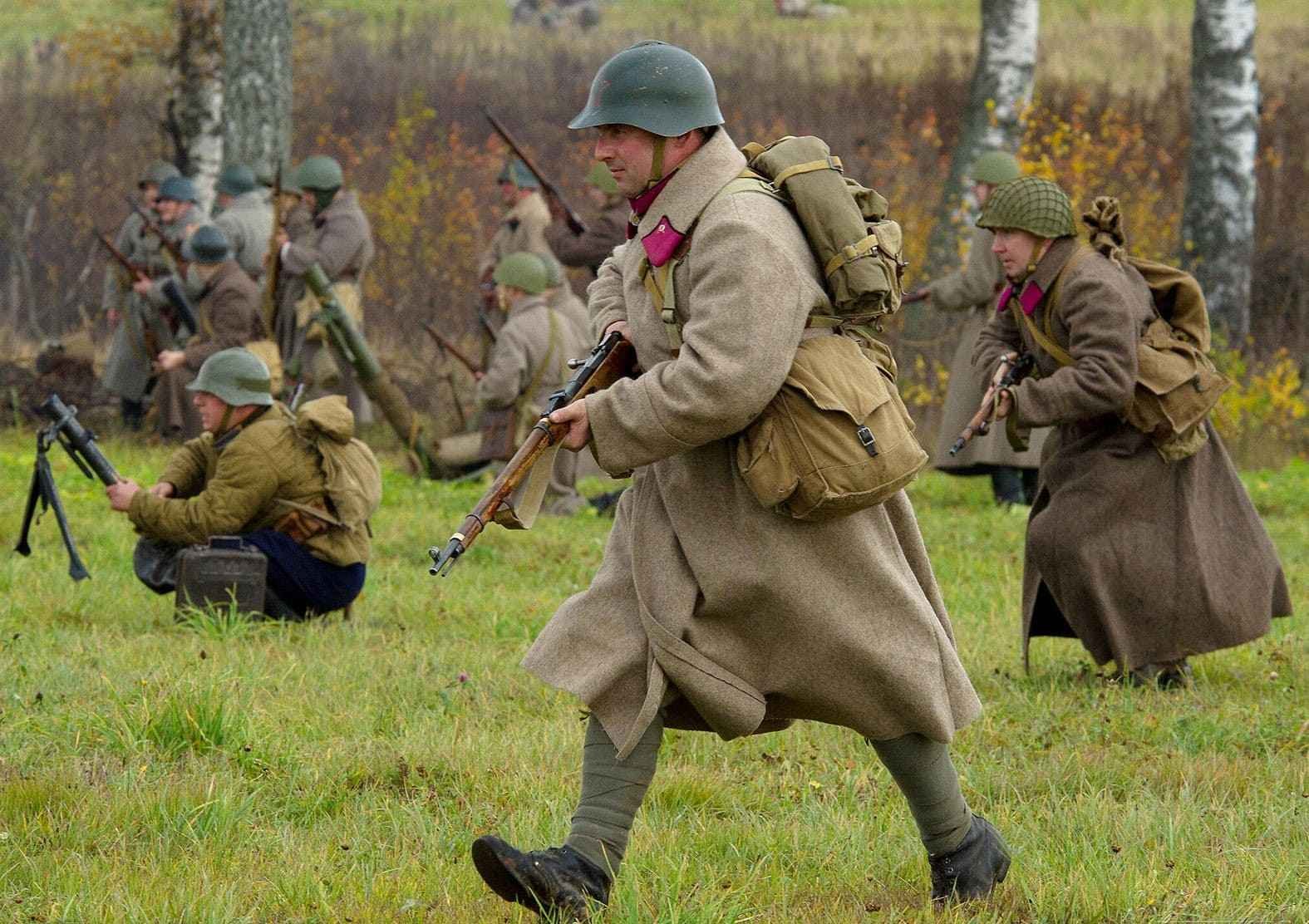
Field Training: The Real Experience
Today, many reenactors move beyond public shows.
They organize private field events – no spectators, just participants.
In these events, they:
-wear uniforms for days
-practice movement and tactics
-live in nature
-simulate real conditions
For example:
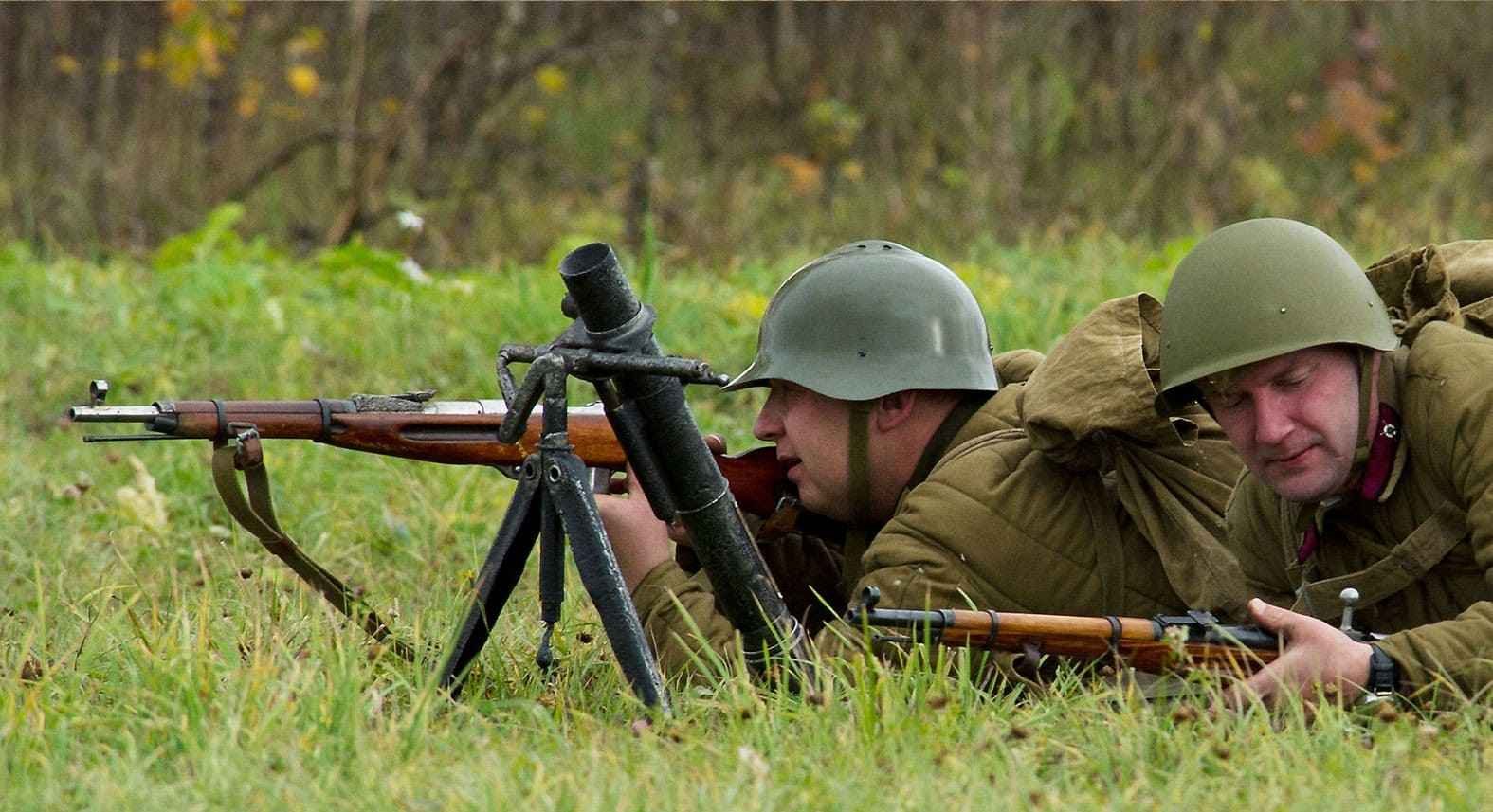
-moving in a line formation
-spreading into a combat chain
-running short distances under “fire”
This format is very popular, especially among younger people.
It feels more real and more active.
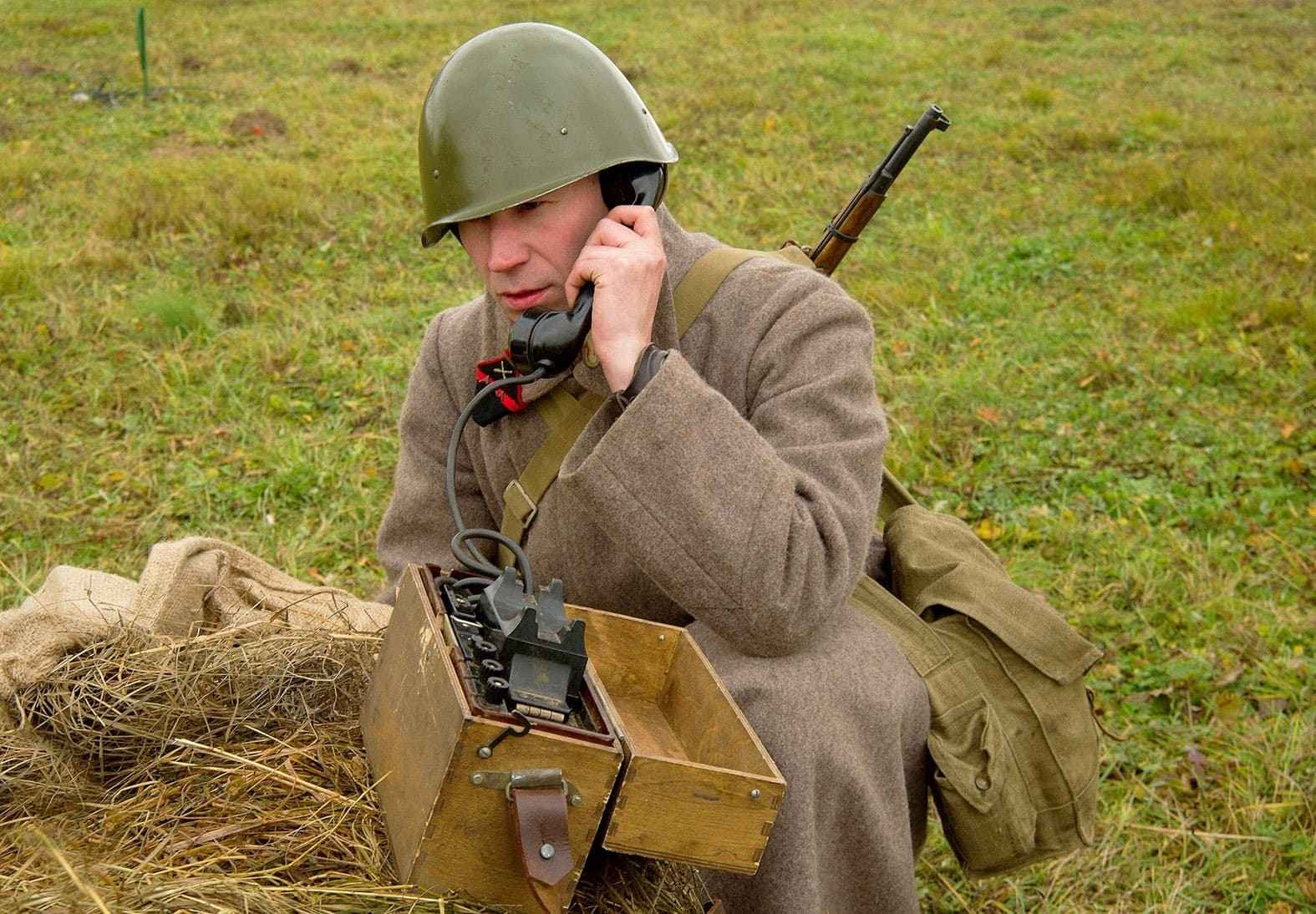
Learning History Through Practice
Reenactors don’t just wear uniforms – they study history deeply.
They learn how military rules worked in different periods.
Even small differences in regulations can change how soldiers behave.
But many people don’t understand why this is important.
Because of this, training and education are still a problem in many clubs.
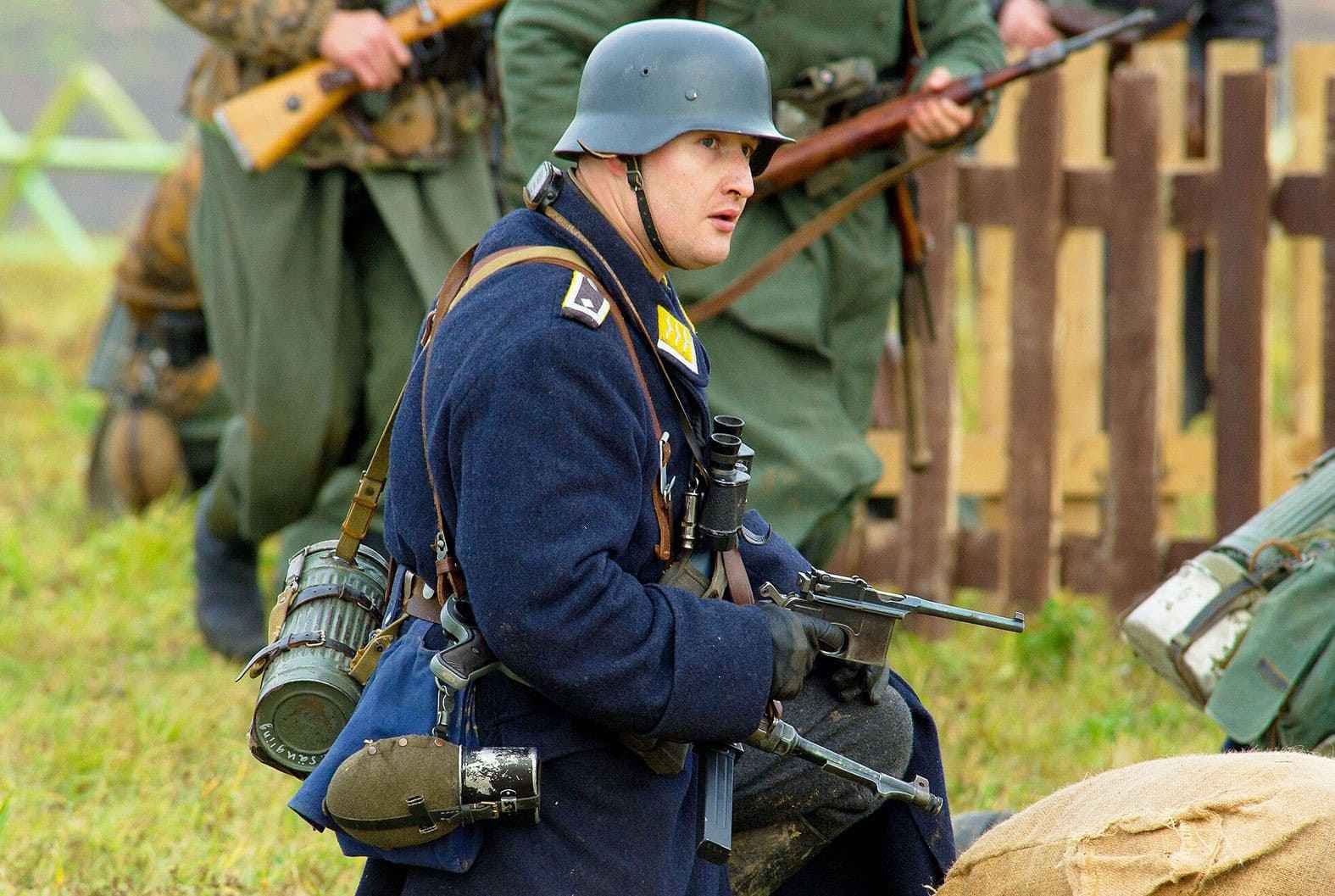
Why Reenact the Enemy?
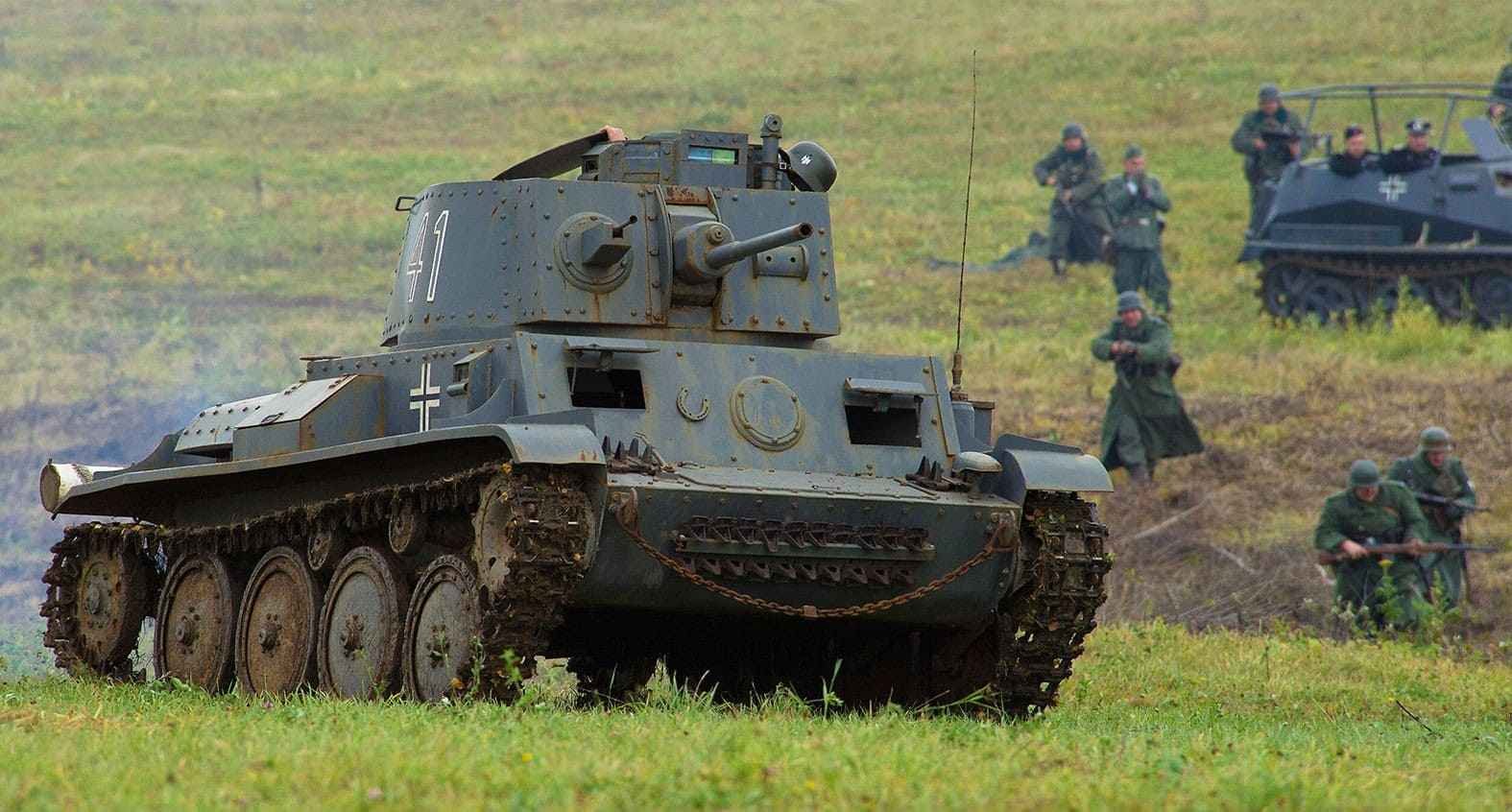
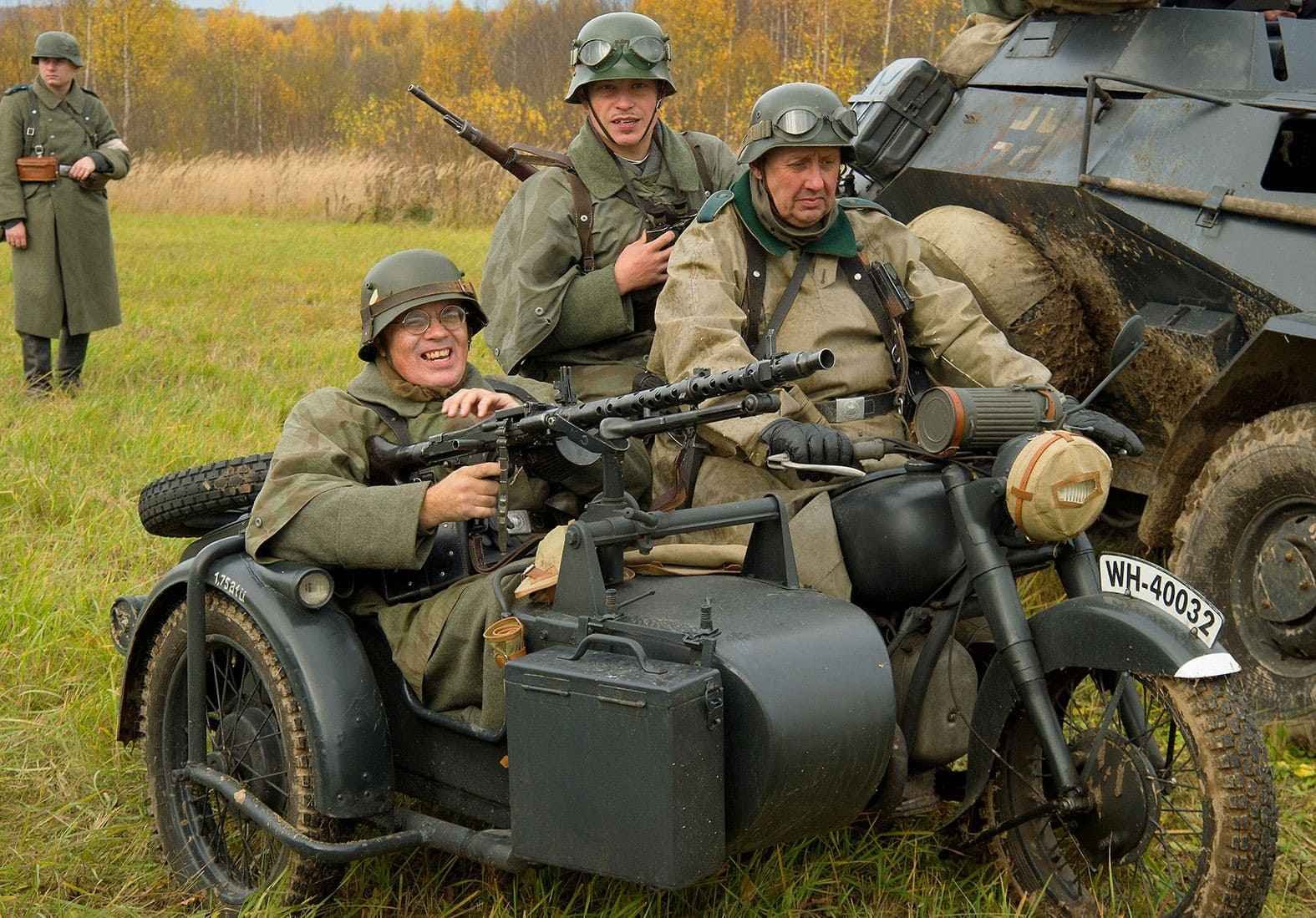
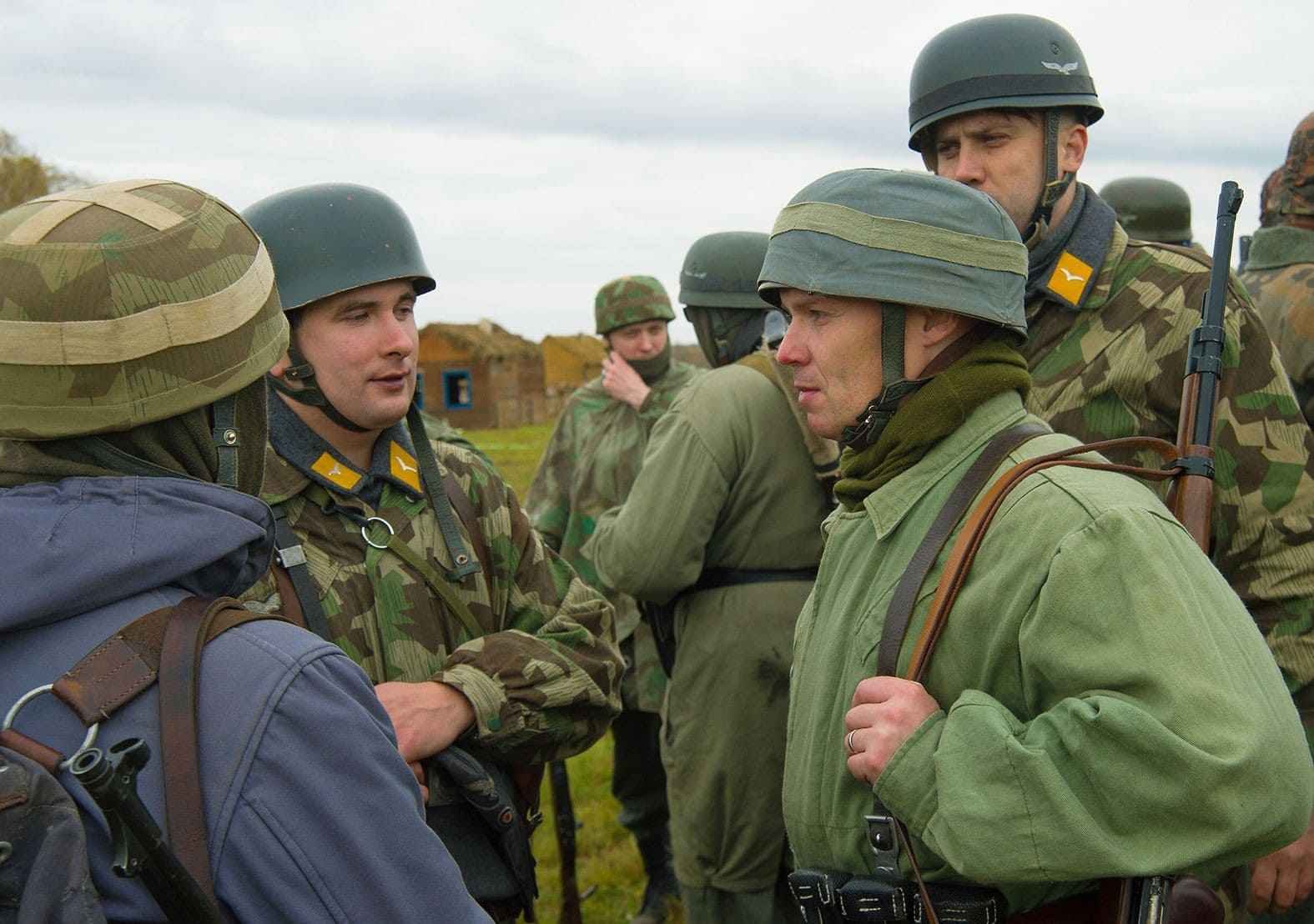
One of the most controversial topics is German WWII reenactment.
Many people feel uncomfortable when they see it.
Some react negatively, others don’t understand it at all.
But there is a simple reason:
Without the enemy, there is no battle.
If you only show one side, it becomes a parade, not a reconstruction.
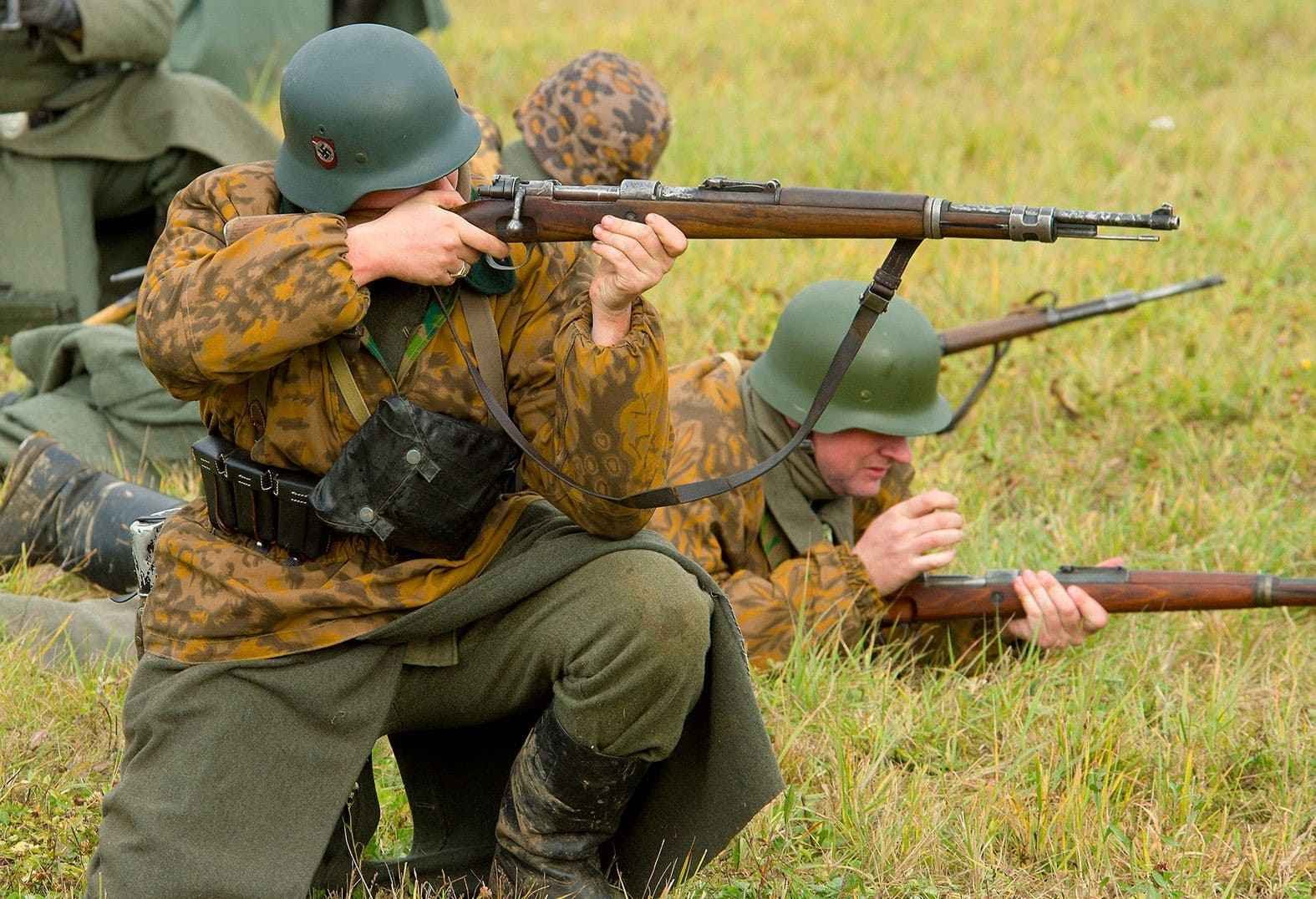
Reenactors study German uniforms not to support ideology,
but to understand history, design, and military systems.
Real Experience vs Theory
Many reenactors say the same thing:
You can study gear in books,
but you only understand it when you use it.
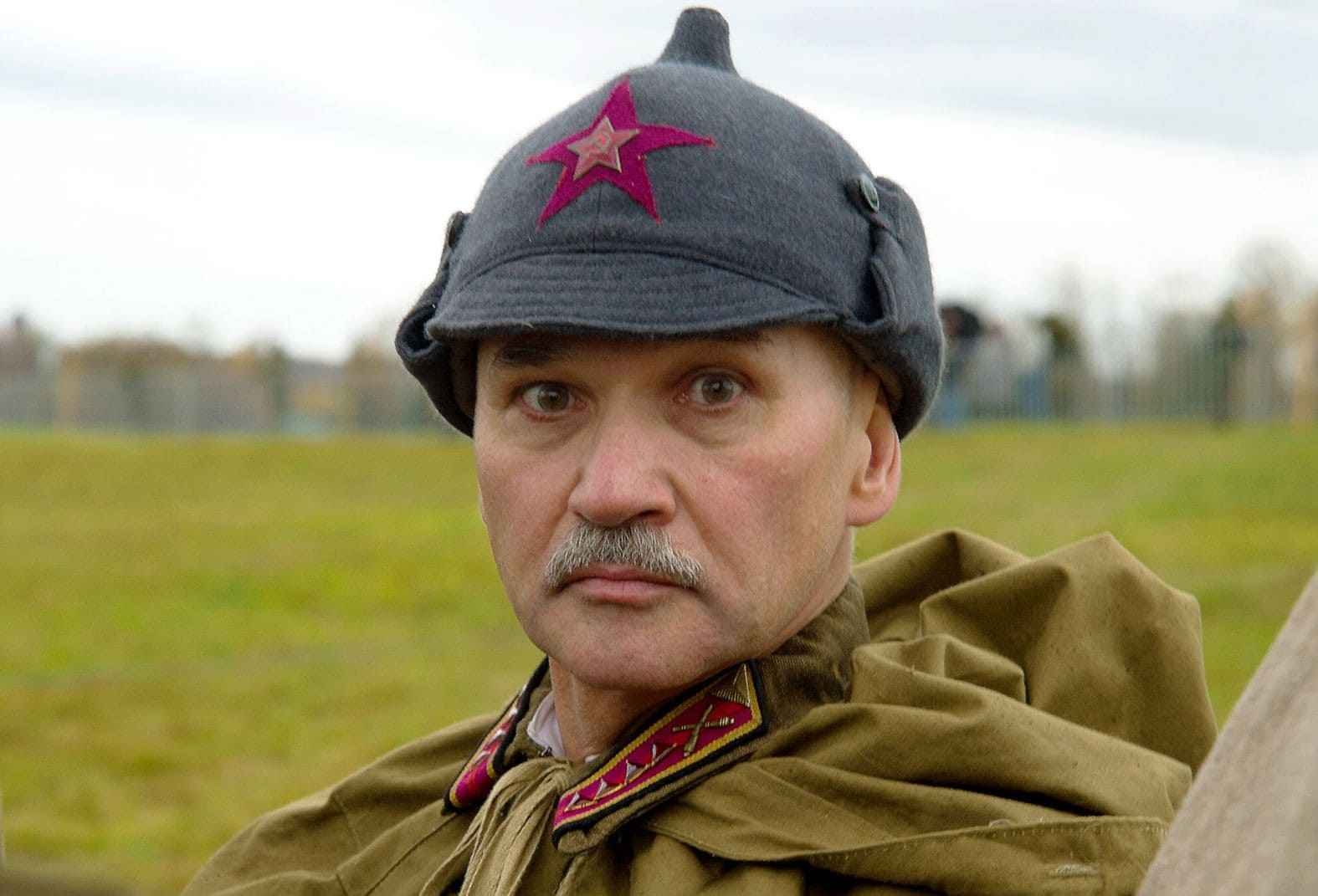
Wearing equipment in real conditions changes your understanding completely.
This is why reenactors spend days in uniform –
to feel the life of a soldier, not just see it.
The Feeling of Battle
During reenactments, people often feel strong adrenaline.
It feels real – even if everyone knows it is a simulation.
Some reenactors say they don’t feel pain during the event.
Only after it ends, they notice injuries or exhaustion.
More Than a Hobby
For many, reenacting becomes a lifestyle.
People spend years improving:
-their uniforms
-their knowledge
-their skills
Some try different historical periods.
Others focus on one and study it deeply.
Reenacting also helps people:
-understand history
-find a community
-develop discipline
Final Thought
WWII reenacting is not about costumes.
It is about:
-understanding history
-experiencing the past
-and respecting the people who lived through it
The uniform is just the beginning.
More interesting articles:
Equipment Set of a Red Army Soldier in 1941 and 1945
How to Put Together a WWII Soviet Soldier and Officer Uniform for Reenactment
What Soviet Soldiers Really Ate During WW2
How Soviet Soldiers Slept During WW2 (Rare Archival Photos)
Looking original Soviet boots and accessories? Please visit here: Soviet Boots Store