Soviet Panama Hat History: From the First Subtropical Helmet to Modern Military Panama Hats
This is Part 2 of our Soviet Panama Hat History. In Part 1, we explored the development of this distinctive military headgear from the early NKVD subtropical helmets to the Soviet Army Panama hats that became closely associated with the war in Afghanistan.
More interesting articles:
Soviet Military Berets: Complete History of Berets in the USSR
Soviet Panamanka Hat History – From NKVD to Afghanistan War (Part 1)
Why Mujahideen Feared Soviet GRU Spetsnaz in the Afghan War
Soviet Spetsnaz Uniform in Afghanistan (1979–1989)
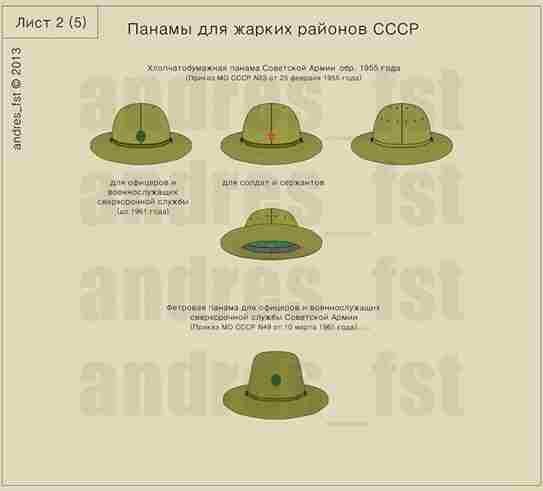
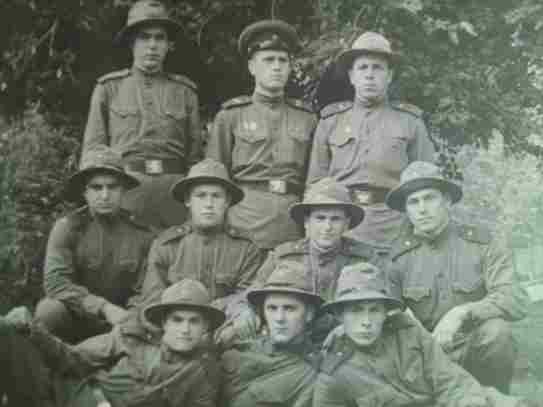
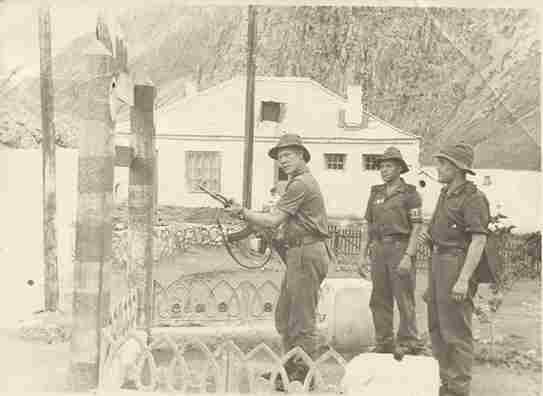
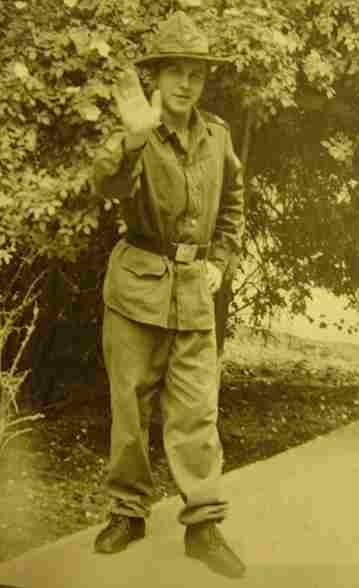
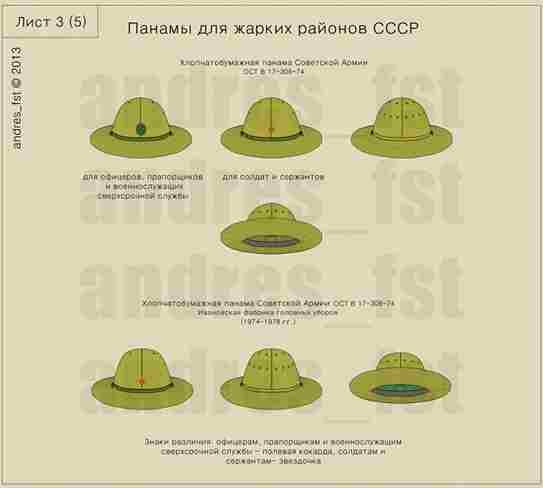
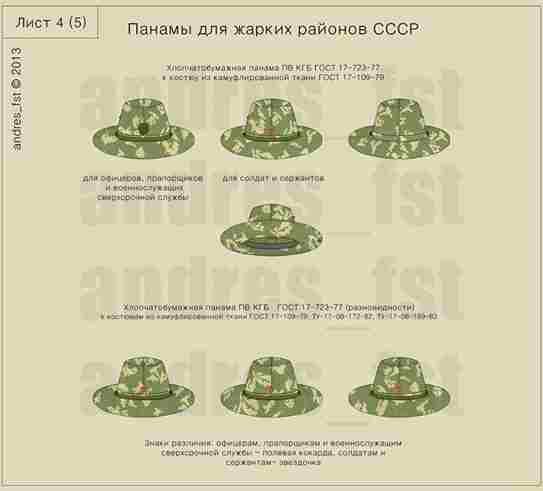
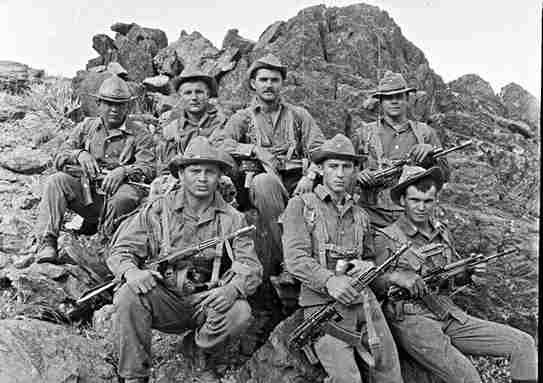
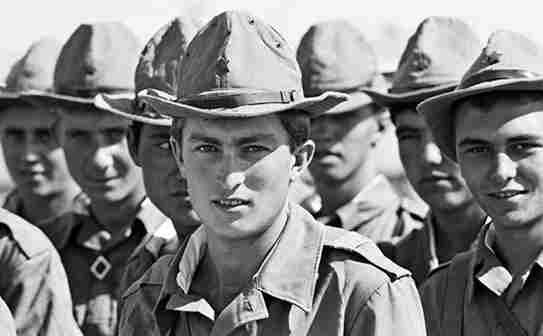
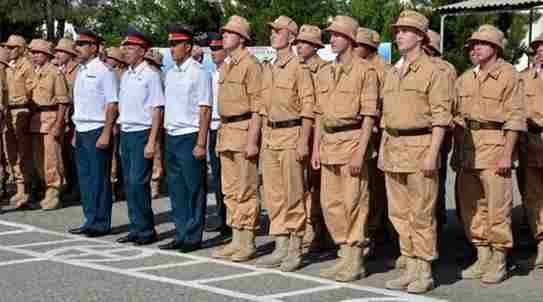
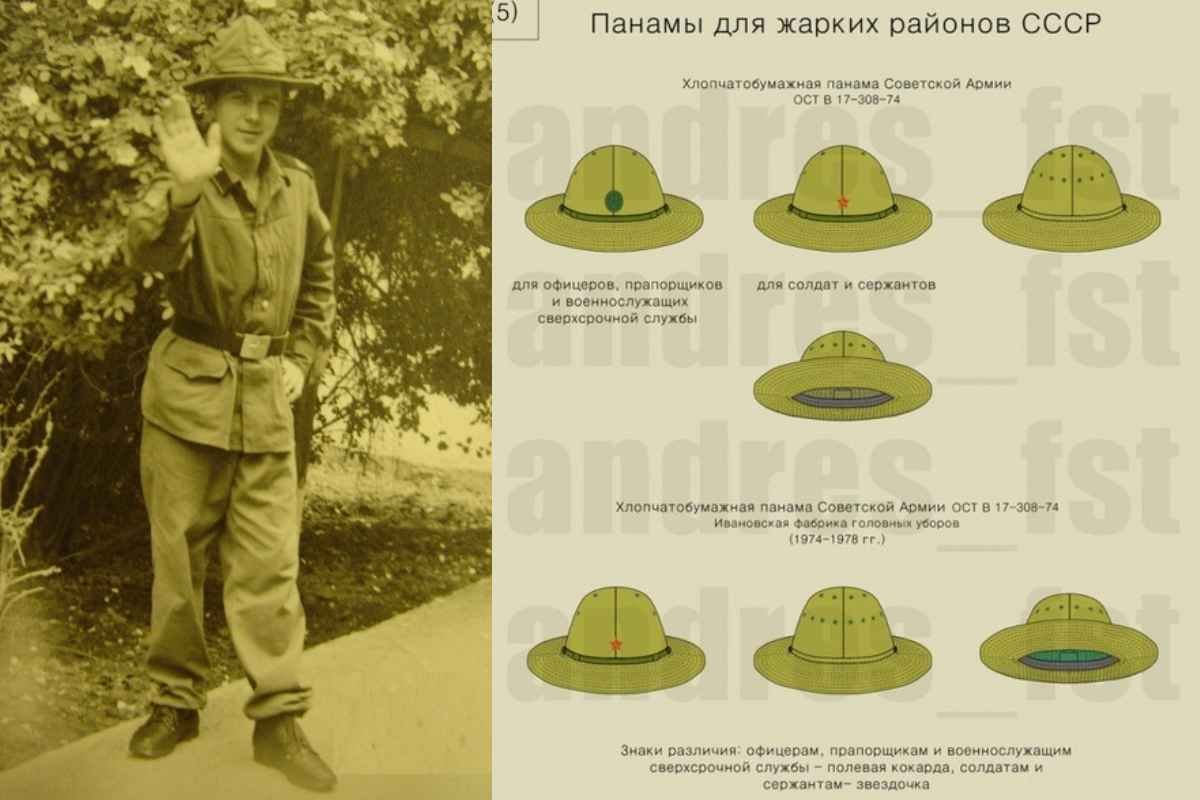
In this second part, we return to the beginning and take a more detailed look at the complete evolution of the Soviet military Panama hat. We start with the subtropical helmets introduced for NKVD troops in the 1930s and the Model 1938 Red Army Panama, then follow its development through the post-war Soviet Army, the camouflage Panama hats used by KGB and Border Troops, the famous Afghanka uniform in Afghanistan, and finally the modern versions used by the Russian Armed Forces.
The article also examines changes in construction, ventilation, insignia, camouflage patterns and military regulations, showing how a simple piece of hot-climate headgear remained in military service for decades.
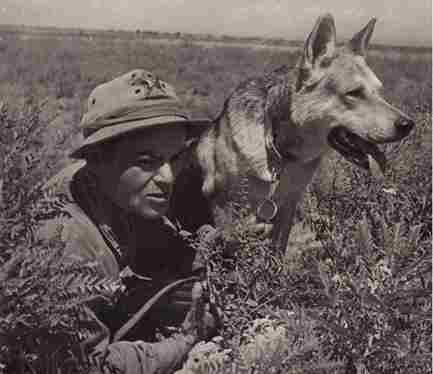
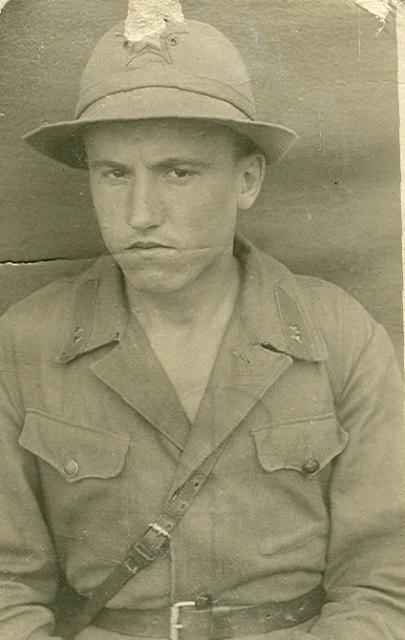
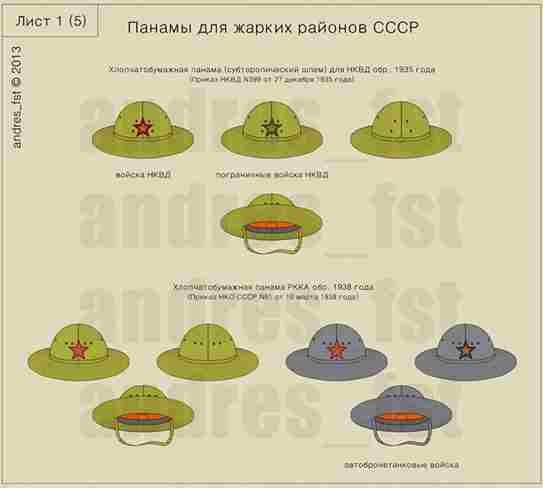
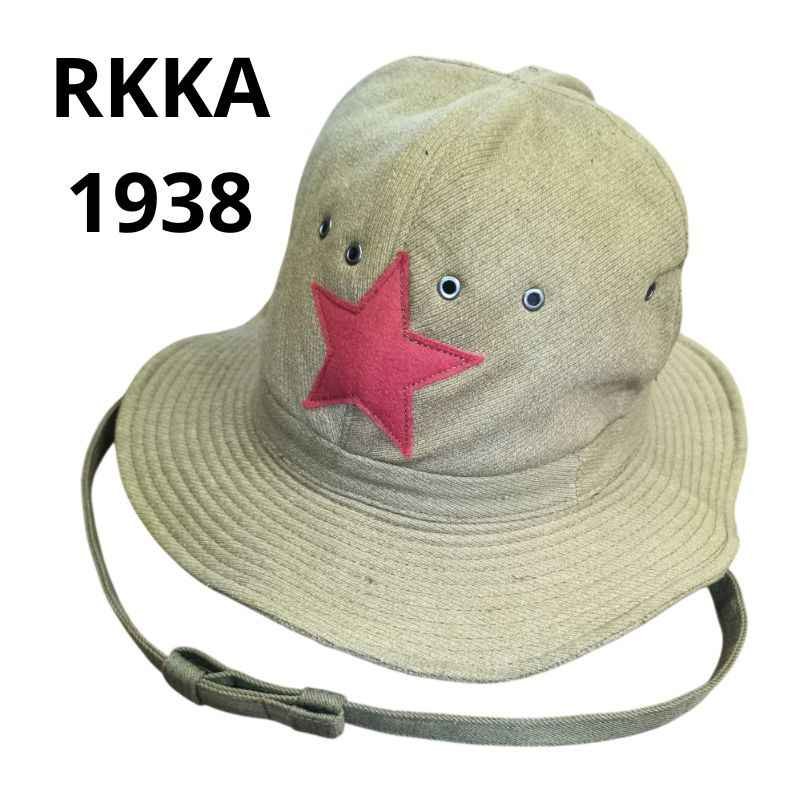
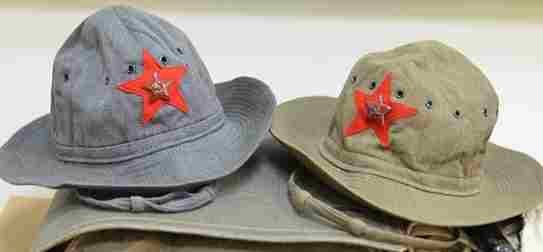
In March 1938, by Order No. 61 of the People’s Commissariat of Defense of the USSR, a special summer headgear was introduced instead of the pilotka for Red Army servicemen serving in regions with a hot climate (the Central Asian republics, the North Caucasus and Transcaucasia, as well as Crimea). It was called the “subtropical helmet.”
It was intended that it could be worn together with a steel helmet. In everyday speech, the new headgear became known as a Panama hat. The order itself also referred to it as a Panama hat, although it is more correct to call it a subtropical helmet, since this item was developed based on the cotton subtropical helmet introduced for NKVD troops on December 27, 1935