Kummant–Zelinsky Gas Mask
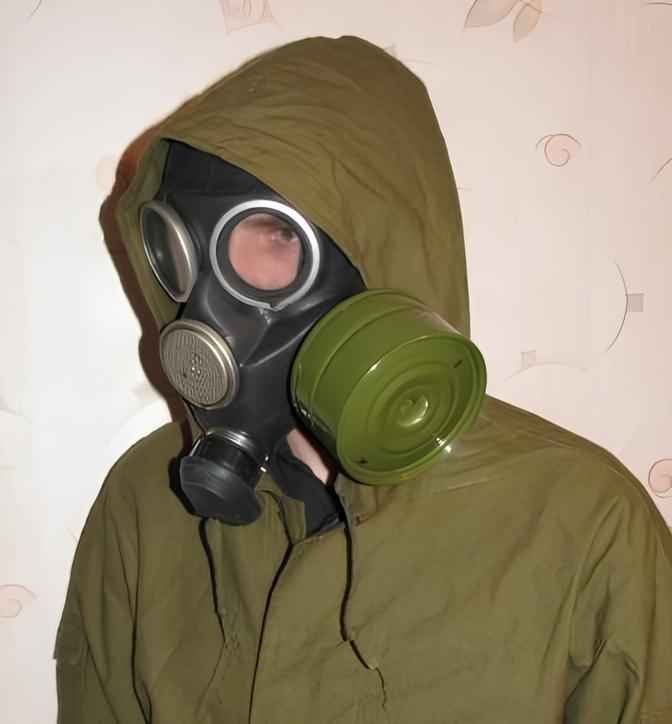
Breathe slowly and deeply, better through your nose. Do not be afraid – if it feels hard at first, it will pass soon.
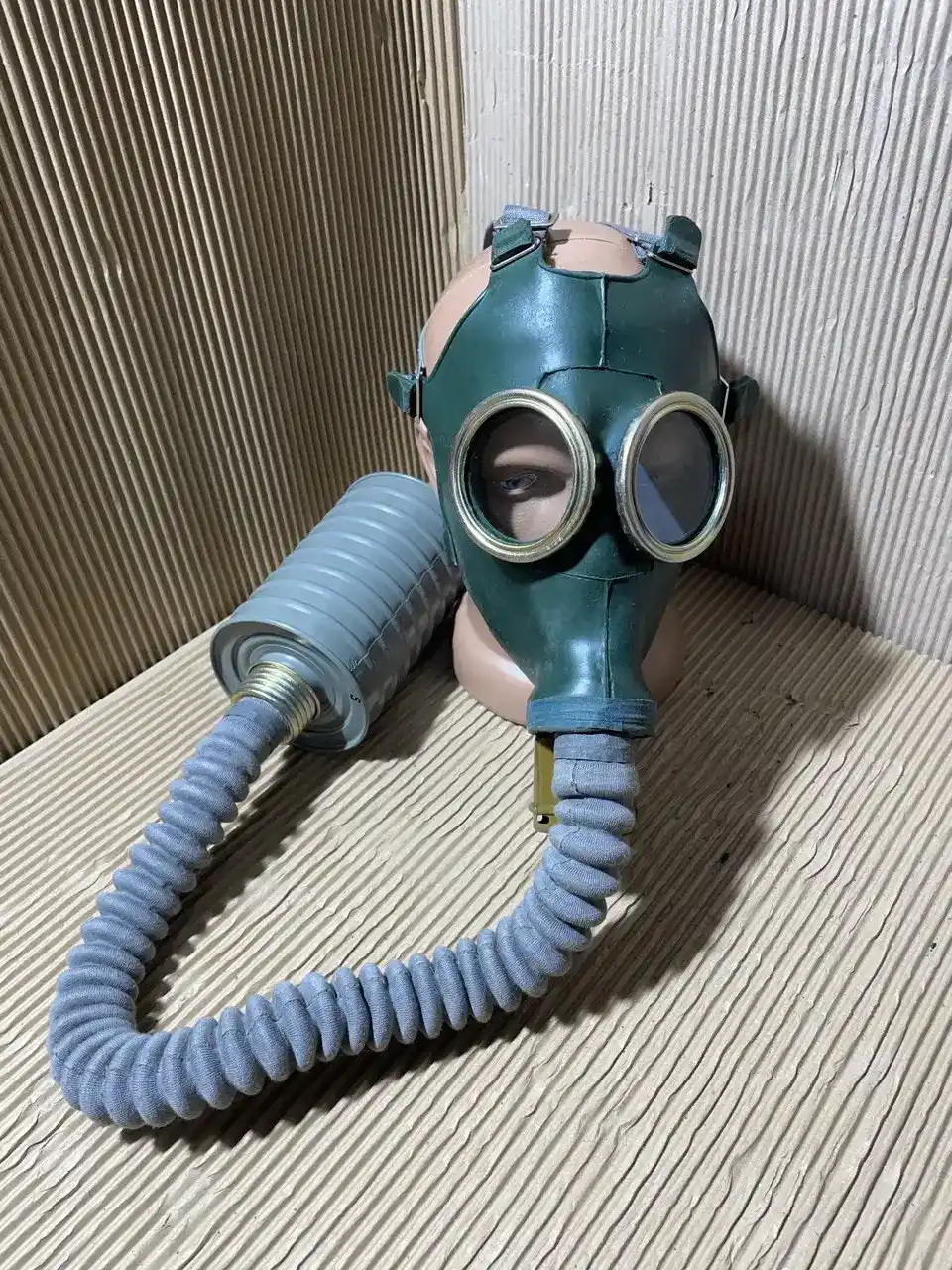
The Zelinsky-Kummant gas mask was the first mask that could protect against many types of toxic gases. It was created in 1915 by Professor Zelinsky and engineer Kummant.
In 1915, chemical weapons were used for the first time in war. Thousands of soldiers died or were badly injured by gas. There was no protection at that time.
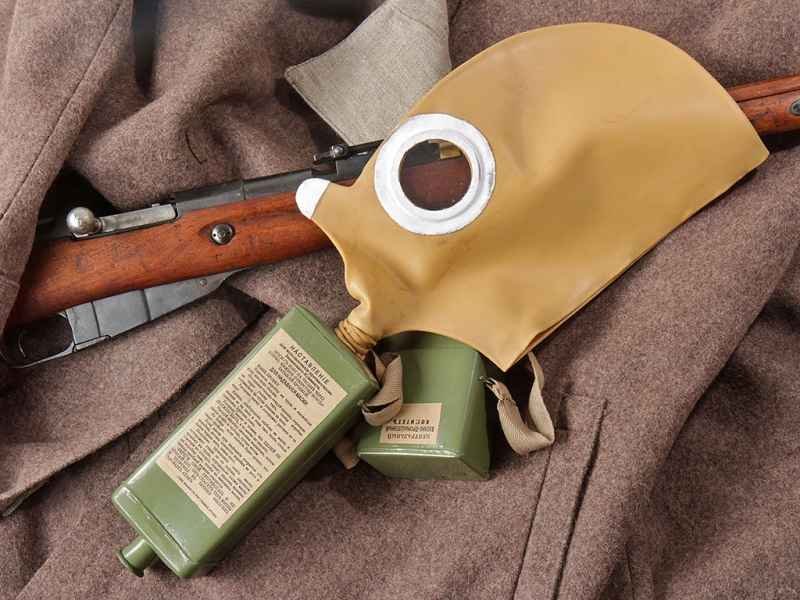
Zelinsky solved this problem by using activated charcoal. It could clean the air from different toxic gases. This made the gas mask much more effective.
The mask was accepted by the Russian army in 1916. After that, losses from gas attacks became much lower.
More than 11 million gas masks were produced during World War I, saving many lives.
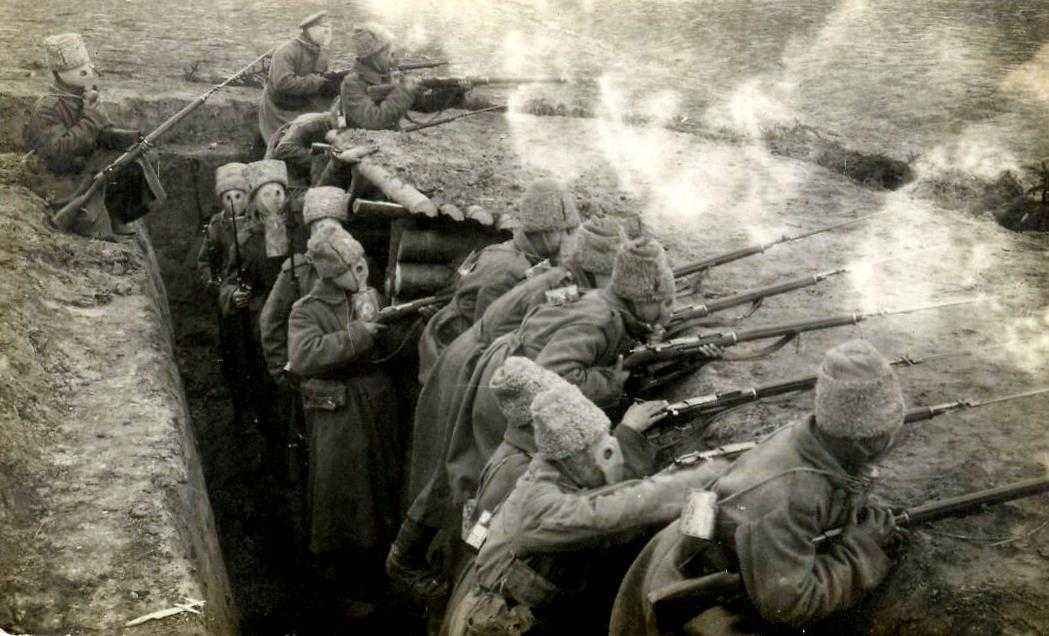
Zelinsky said: “I invented it not for attack, but to protect millions of young lives from suffering and death.”
In a modified form, this invention spread all over the world.
Only a few have survived to this day. It is very rare among collectors.
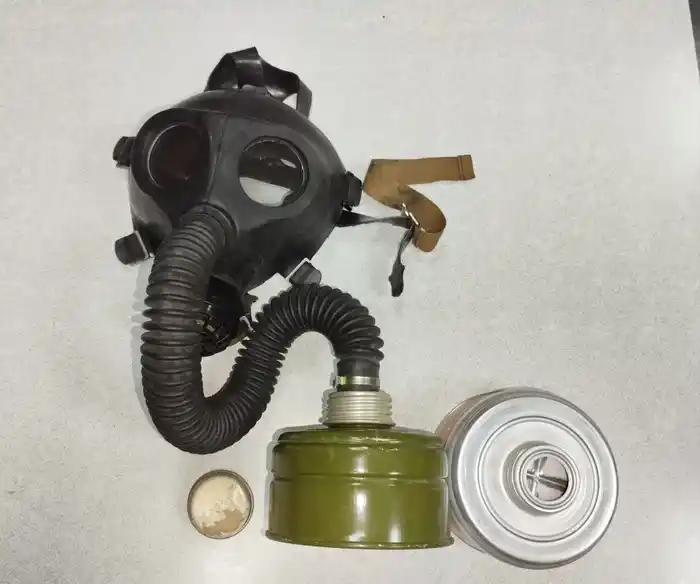
GP-2 gas mask
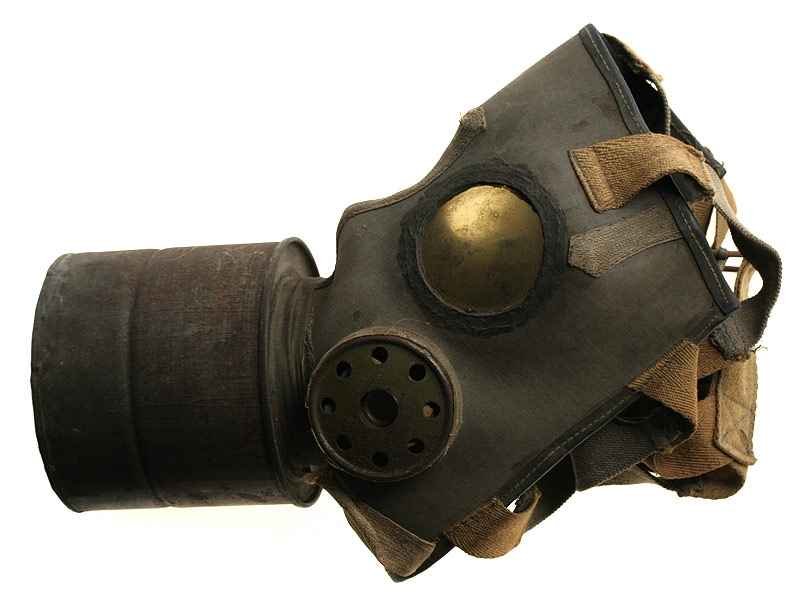
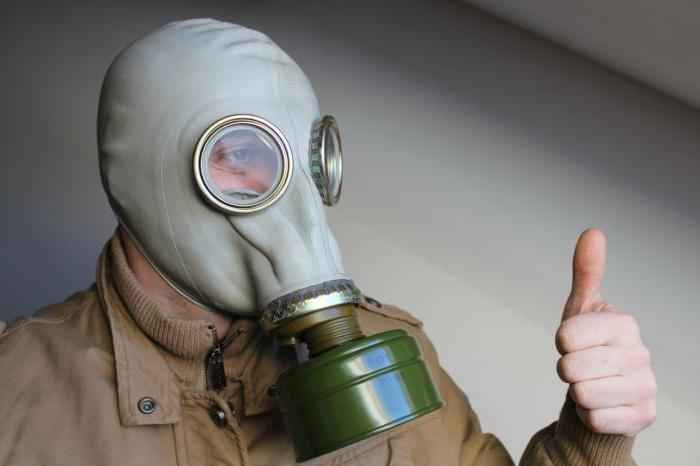
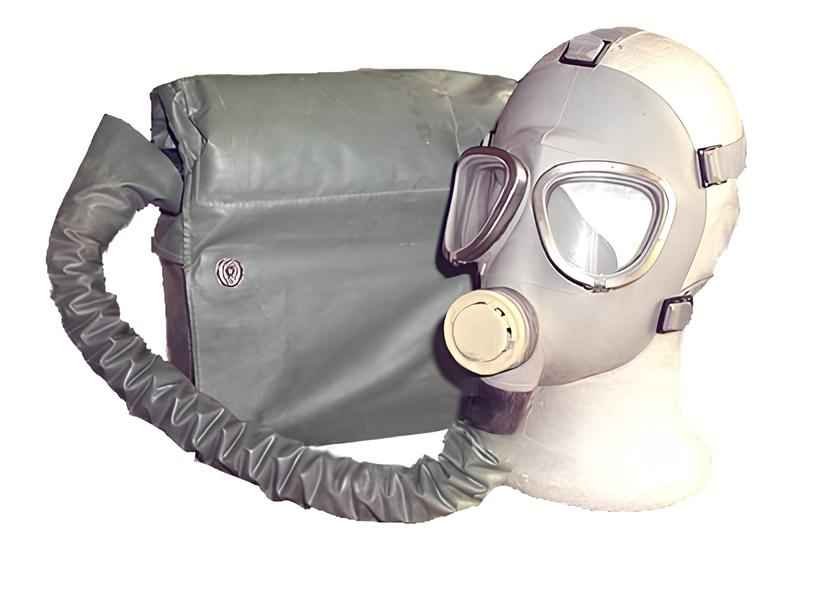
This gas mask was developed for civilians in 1936 as GT-6 (civilian type 6).
After simplification and cost reduction, it was adopted for use in the late 1930s.
Mass production started in the 1940s and ended in the late 1940s.
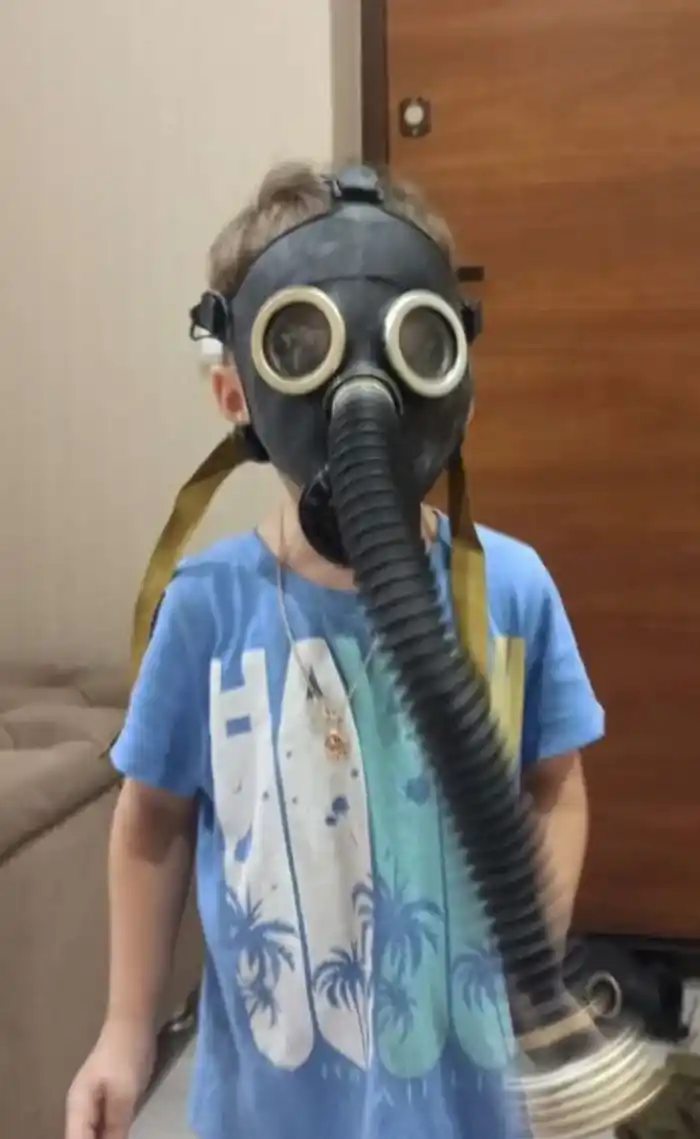
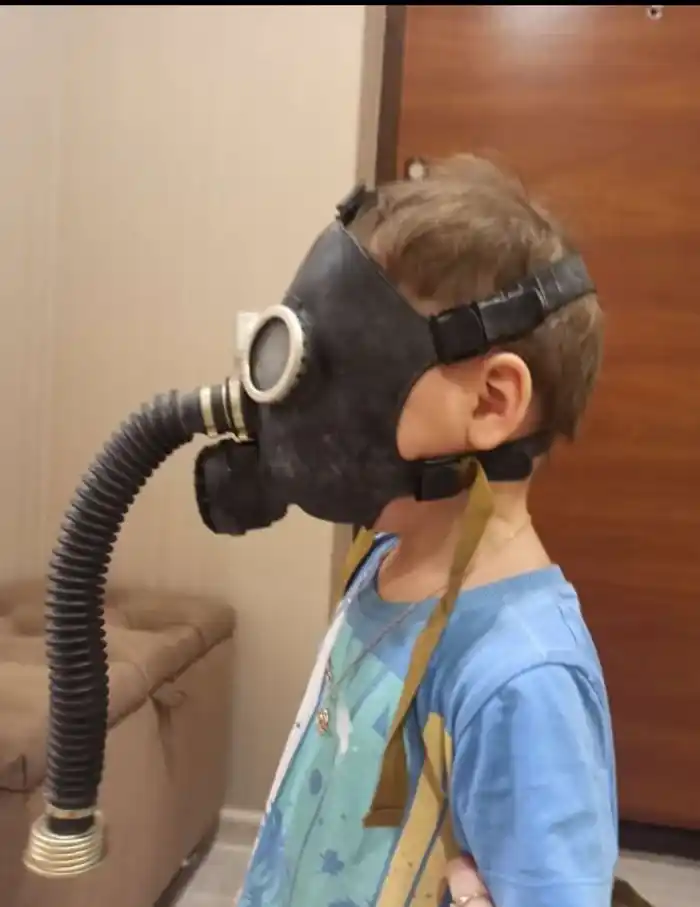
Based on this model, smaller gas masks were also produced for children.
BNT-4 and BNT-5 Gas Masks
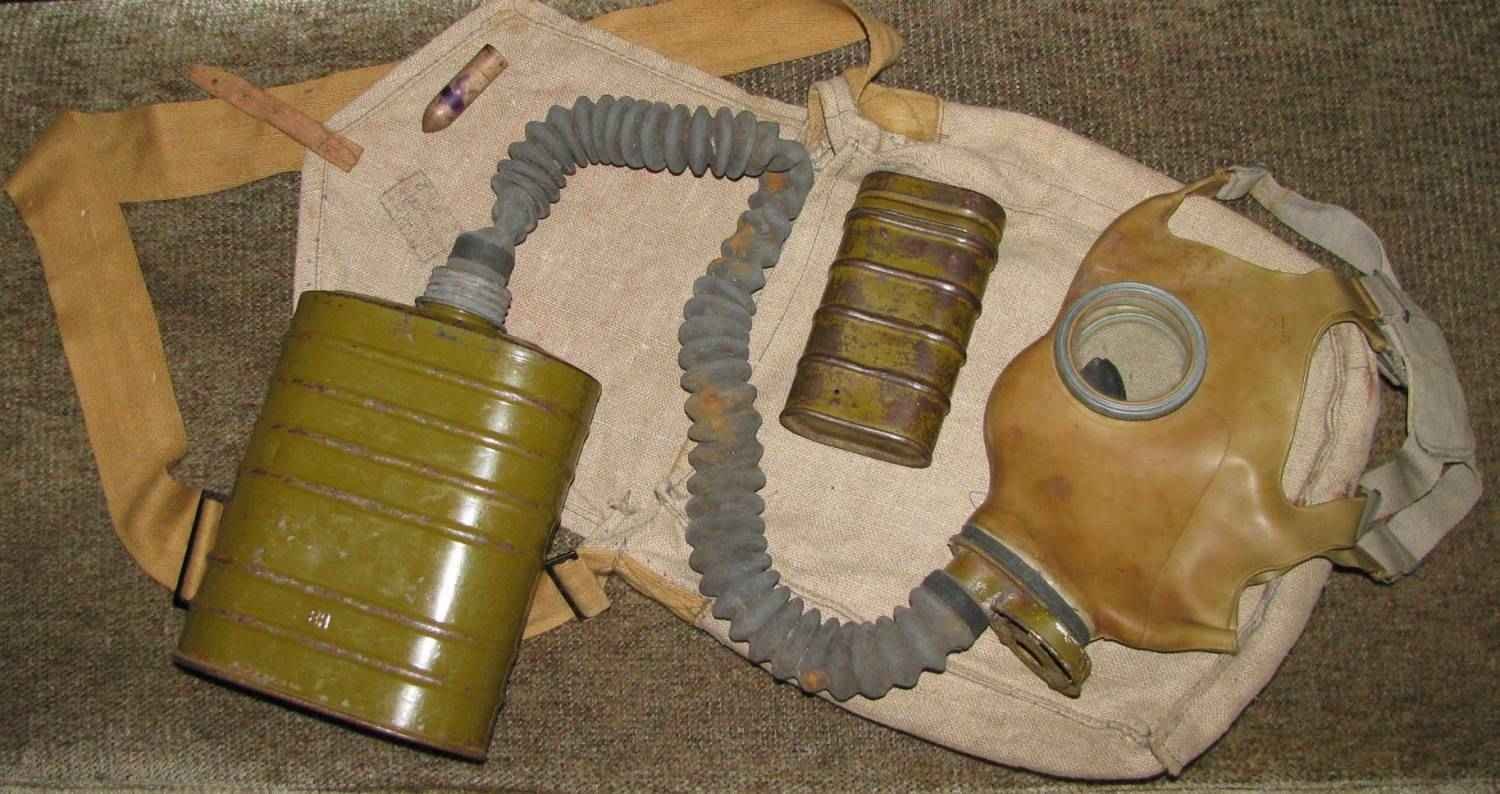
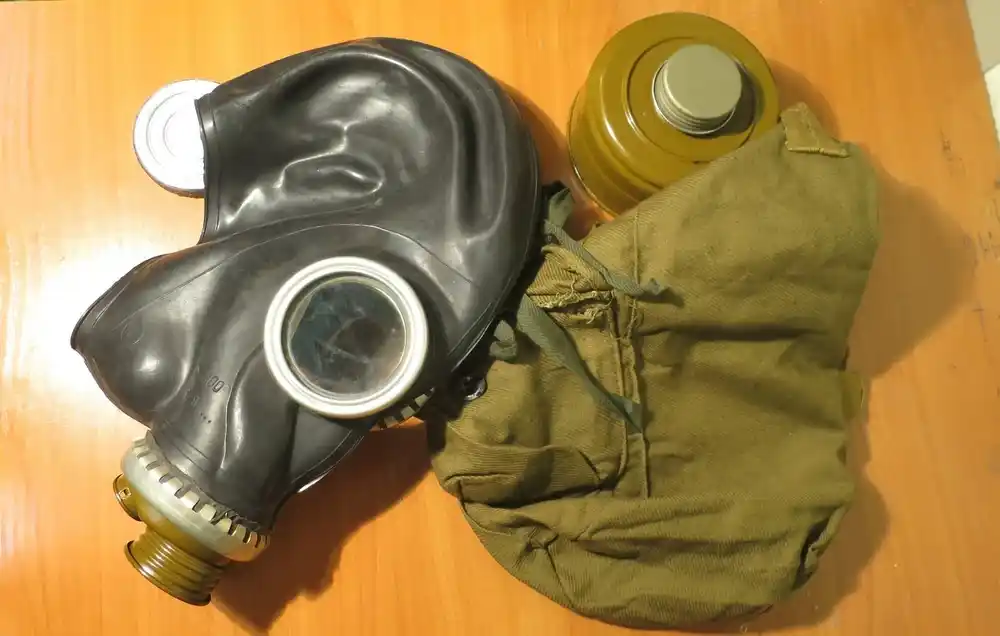
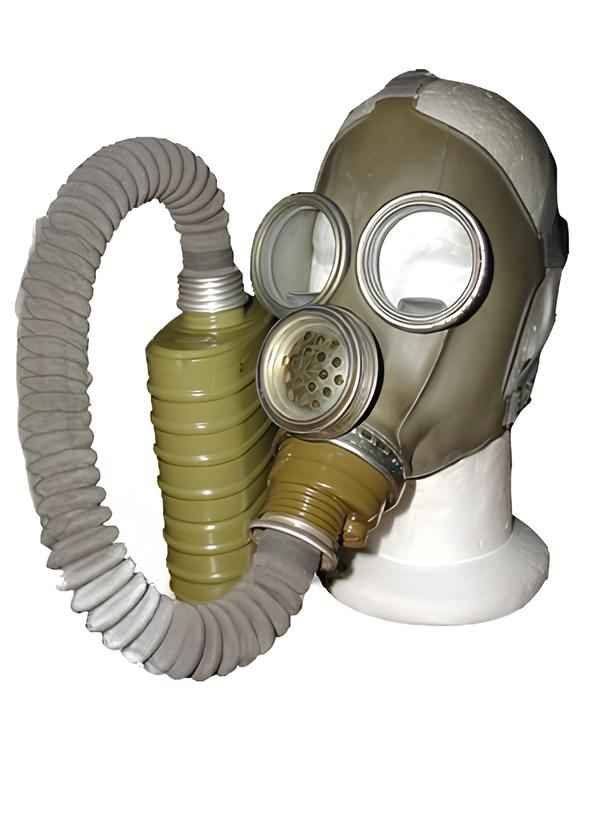
The BN gas mask was produced in the USSR in two versions: with a helmet and with a face mask.
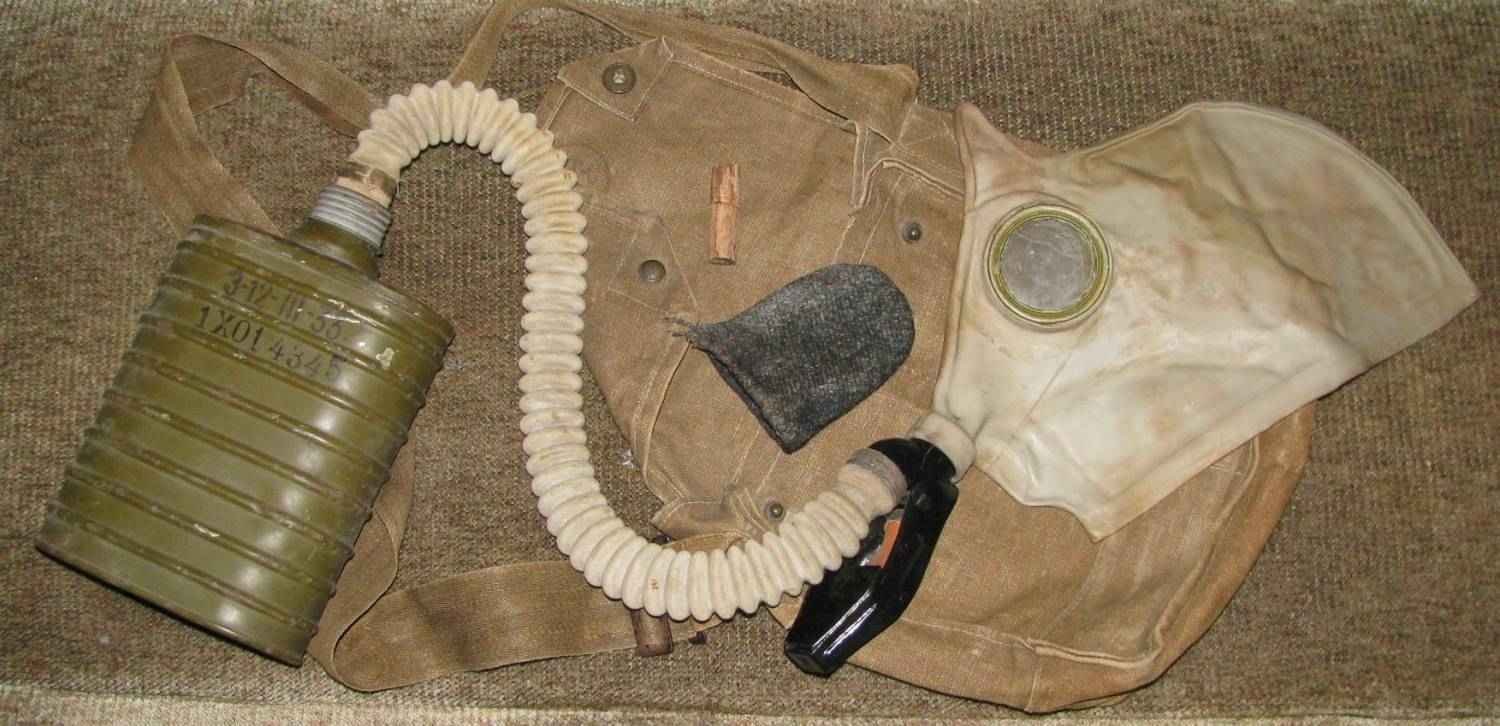
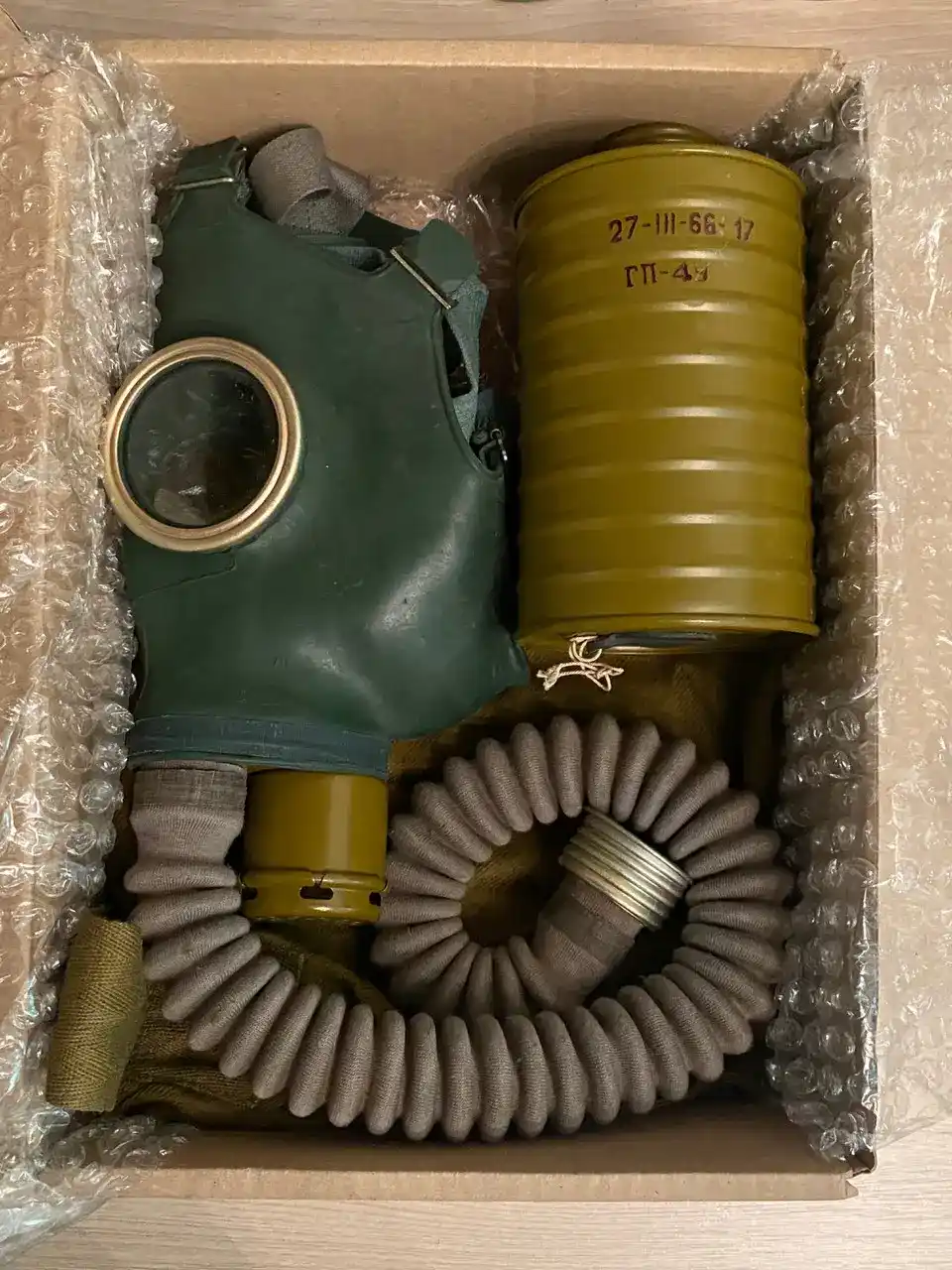
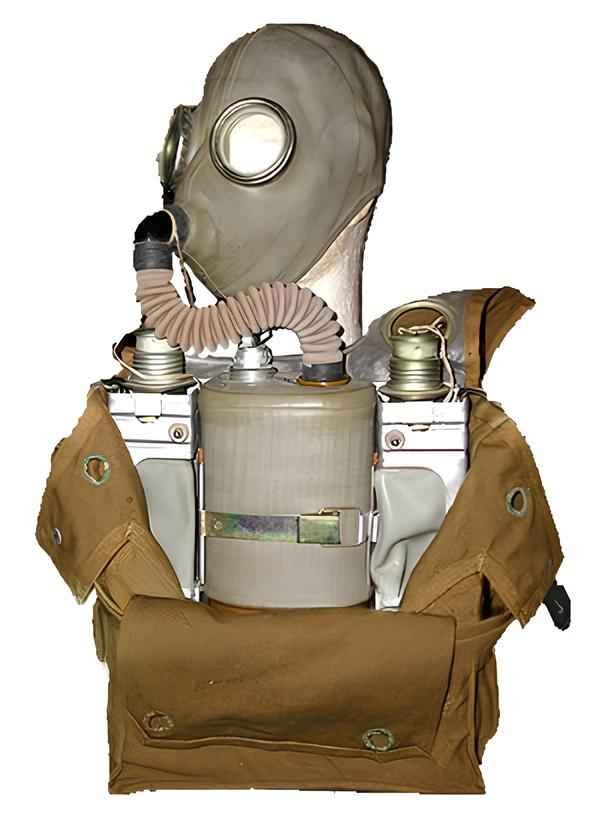
The BN gas mask consisted of a filter box with absorbent, a rubber connecting tube covered with fabric, a breathing valve unit, a rubber helmet, a face mask, and a bag for carrying and storage.
PBF Gas Mask ‘Hamster’ and the Soviet VDV
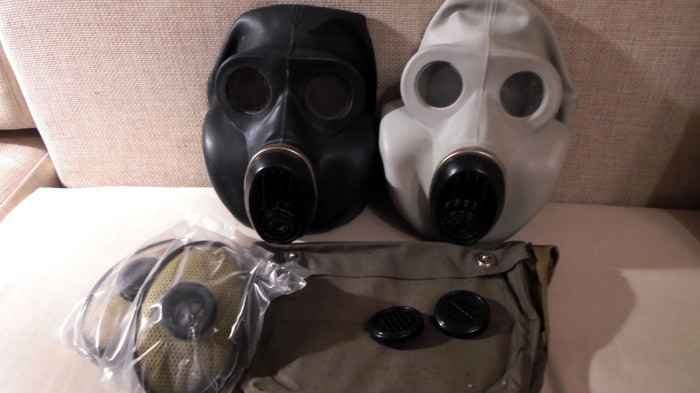
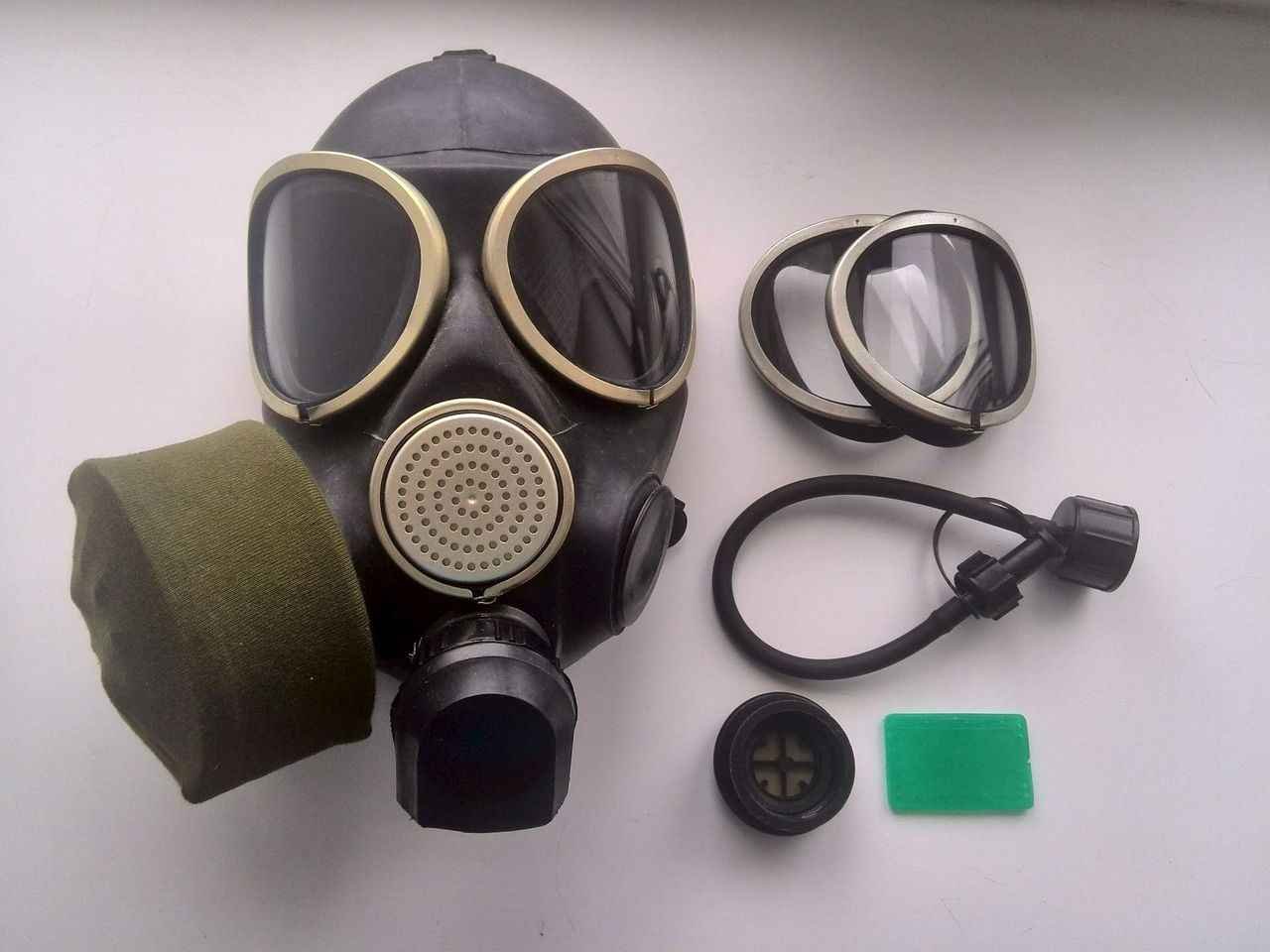
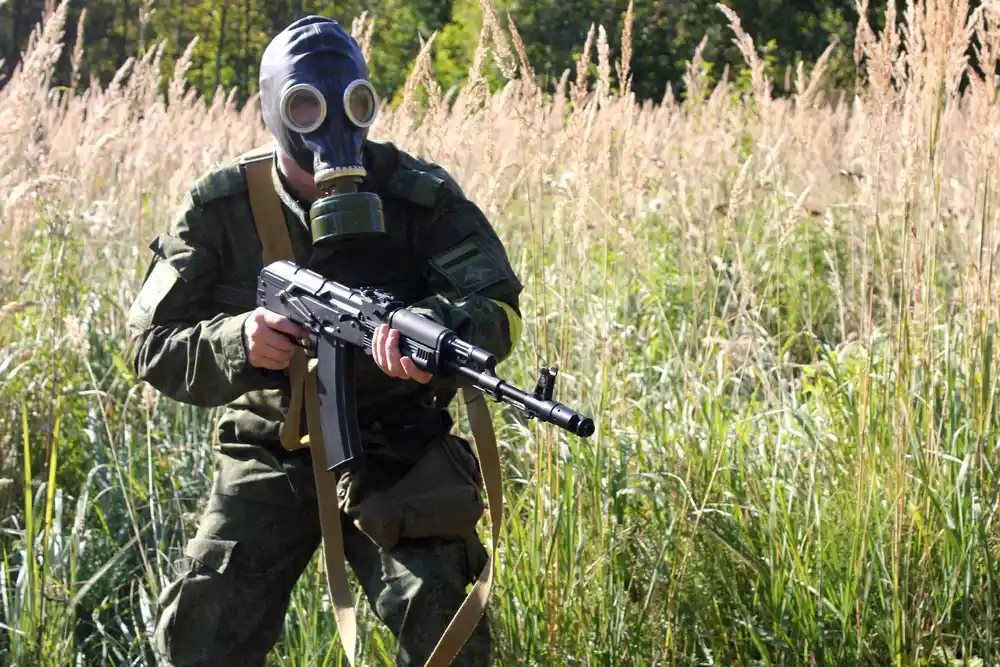
The PBF gas mask, also called the “Hamster,” was used by Soviet VDV paratroopers. It had two small filters inside the mask instead of one big filter outside. This made the mask smaller and easier to use. It was useful for paratroopers because it did not get in the way when they moved or used parachute equipment.
This gas mask was widely used in the Soviet army. It did not provide full protection (effective for up to 20 minutes), but was popular in training because it was small and comfortable to wear.
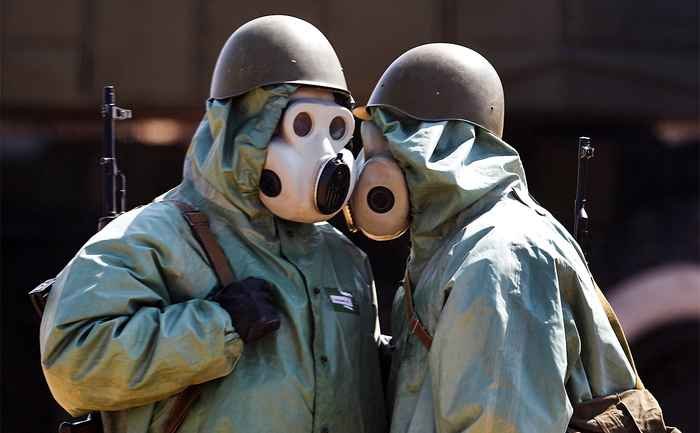
It was often used by paratroopers, tank crews, reconnaissance units, and officers. Soldiers nicknamed it the “hamster.”
The lack of protruding parts and small size make the gas mask very convenient for running, parachute jumps, and shooting.
It was adopted by the Soviet Army in 1973. It was removed from service in 2000. There is information that the PBF was created after a Soviet official noticed that the US had a similar mask (M17), while the USSR did not.
From the order to mass production took less than four years. Today, it is popular among collectors.

Soviet PBF “Hamster” VDV Gas Mask
Looking for an unusual piece of Soviet VDV equipment? The original PBF gas mask, nicknamed “Hamster” (Хомяк), is known for its distinctive compact design with two internal EO-19E filter elements. This vintage USSR military mask is an excellent collectible for VDV, Cold War and Soviet militaria enthusiasts.
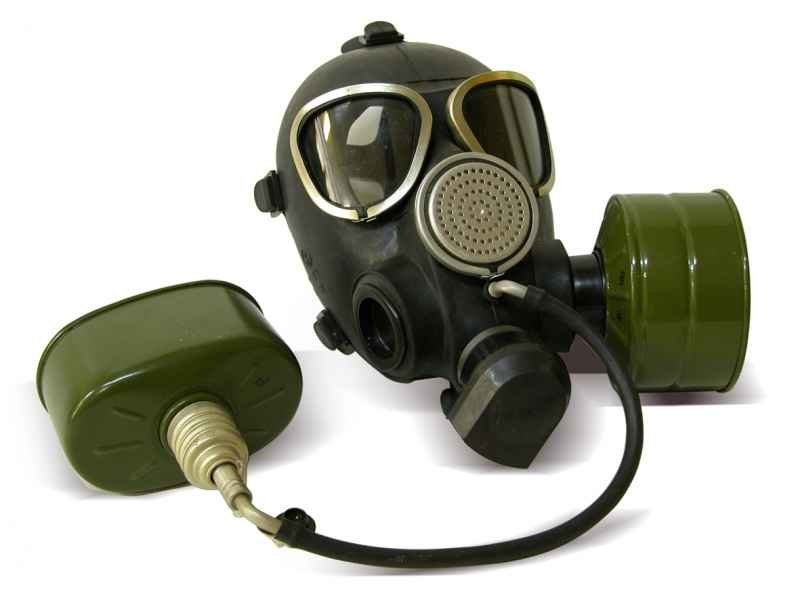
Aviation Filtering Gas Mask
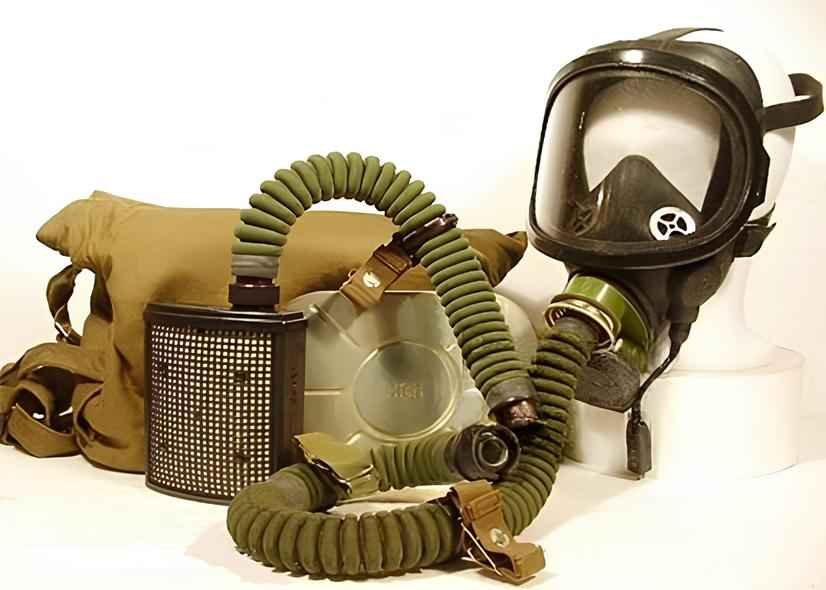
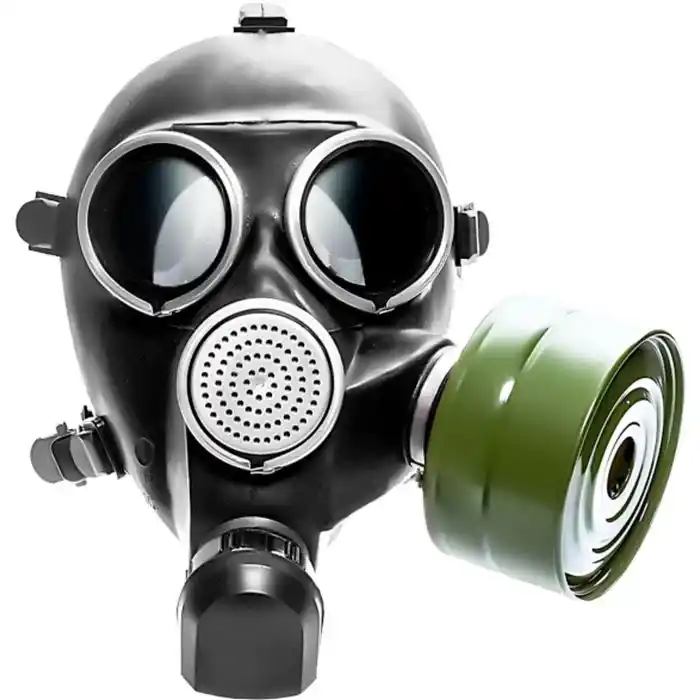
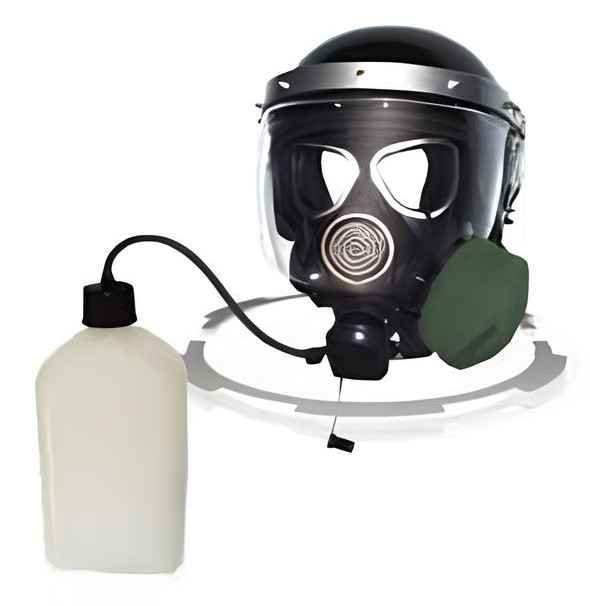
Information about this gas mask is limited. The mask has an unusual panoramic lens, which is not typical for Soviet/Russian gas masks.
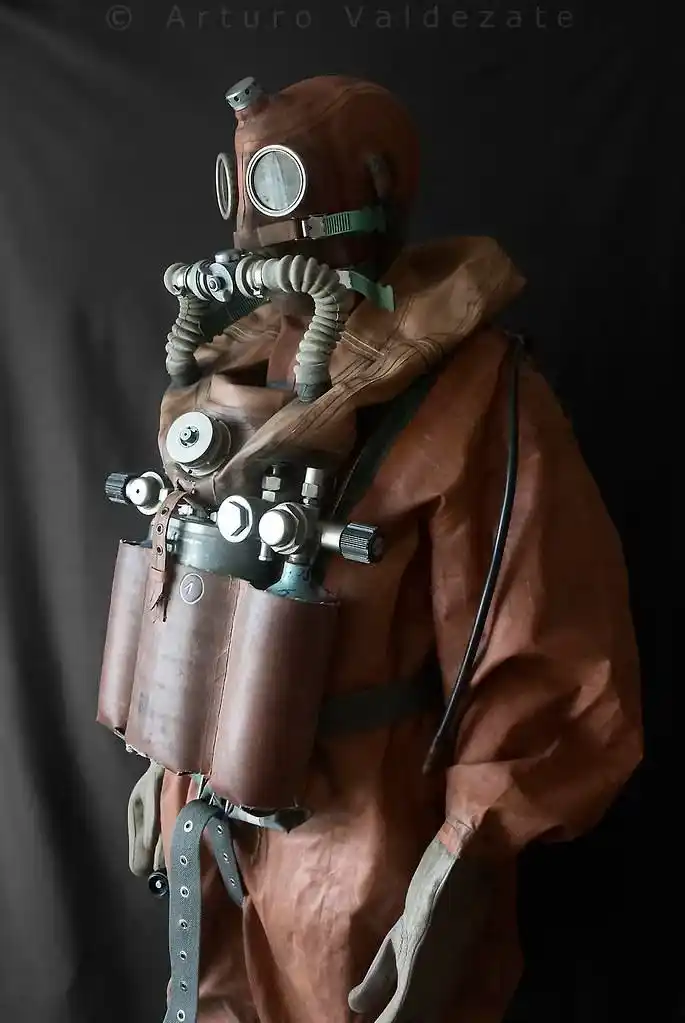
A standard filter can be connected directly to the mask, and either a filter or an oxygen tank can be connected to the hose.
The mask has a built-in microphone, which can be connected to Soviet/Russian radio equipment.
It is used by military pilots in aircraft and helicopters.
The mask is certified for emergency exit from an aircraft at altitudes up to 12,000 meters.
PRVU Gas Mask
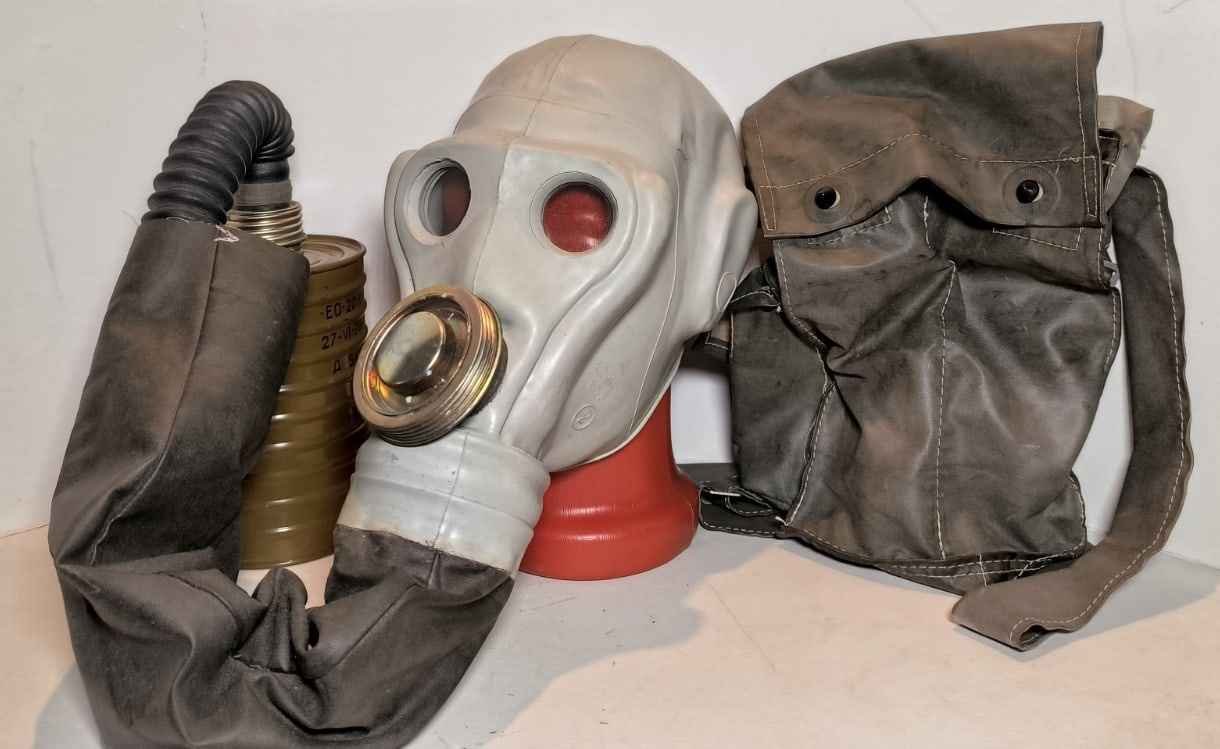
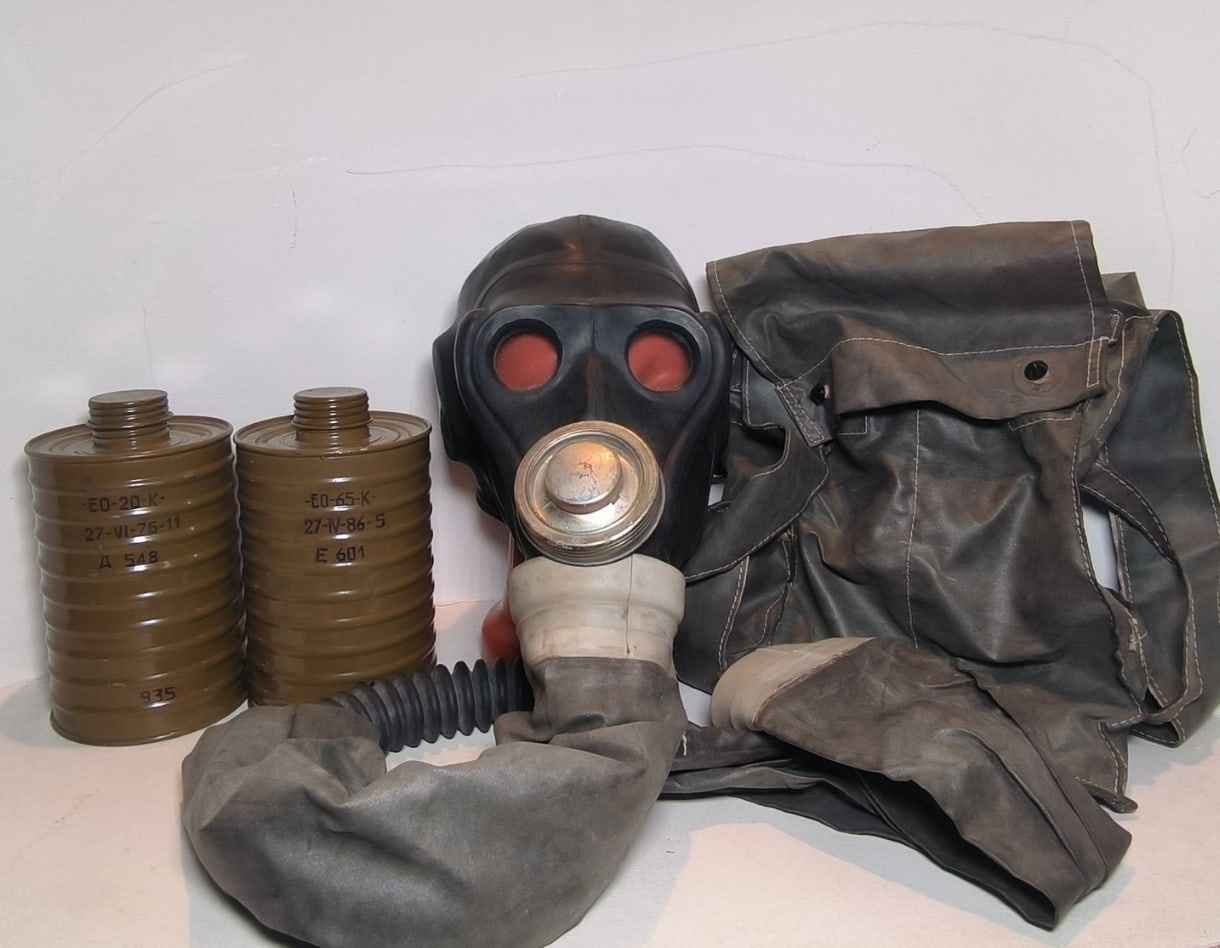
This gas mask is similar in function and purpose to the PRV-M.
It uses the EO-65K filter and comes with a rubberized fabric bag with pin fasteners.
The voice unit has extra protection, and an additional sleeve protects the valve box and hose.
The mask was designed for chemical troops. It has a reinforced valve system and a durable rubberized bag.
The set includes anti-fog films, voice membranes, and a dust cover for the filter.
It is used when working with highly dangerous substances, such as rocket fuel.
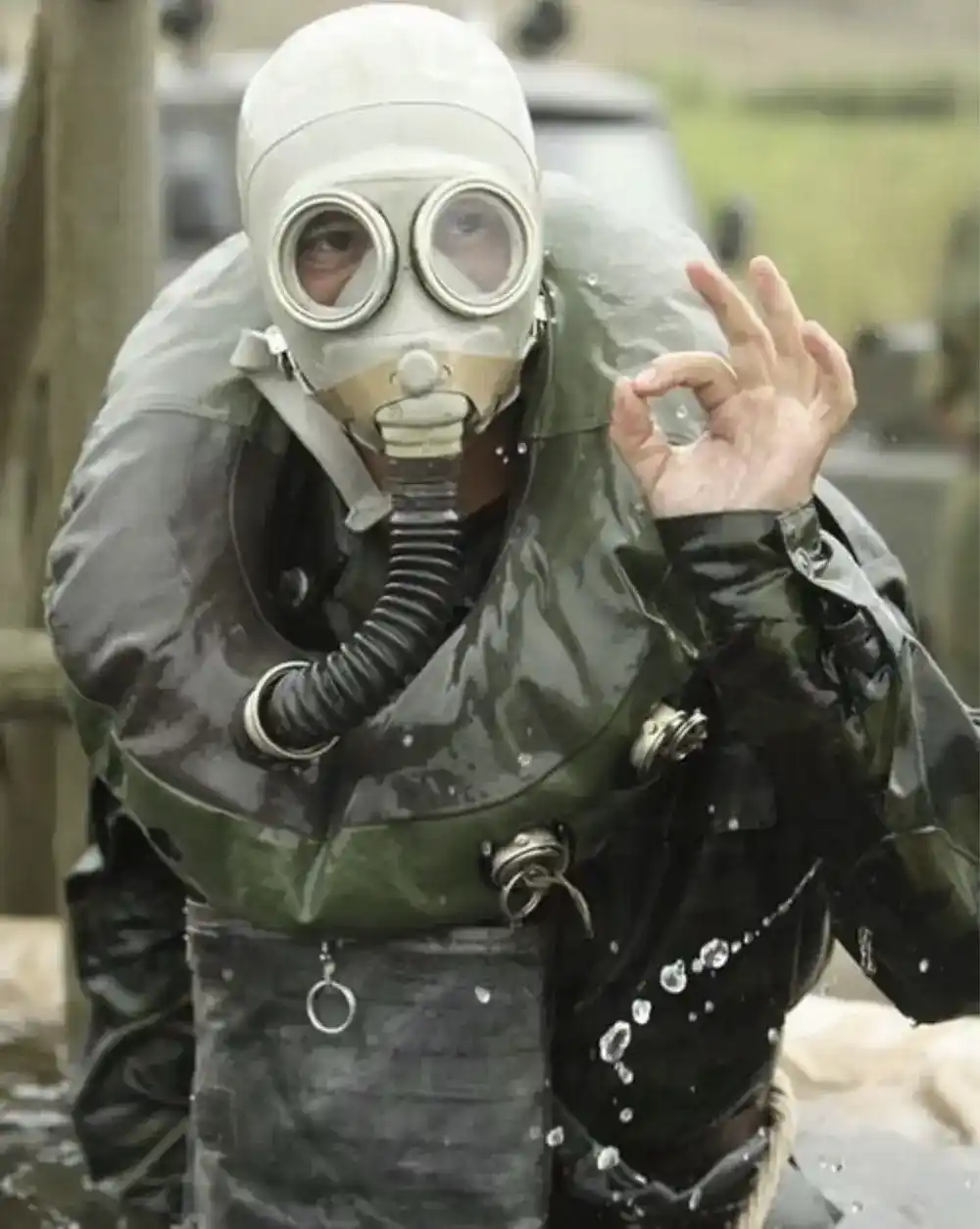
Soviet PBF gas masks used by soldiers in protective gear, now popular among collectors.

Complete Your Soviet Military Kit
A Soviet gas mask is only part of the look. Complete your Soviet military uniform with original USSR Kirza Boots (Sapogi) — the iconic jackboots worn by Soviet Army soldiers for decades. Perfect for military collections, reenactment, historical displays and film productions.
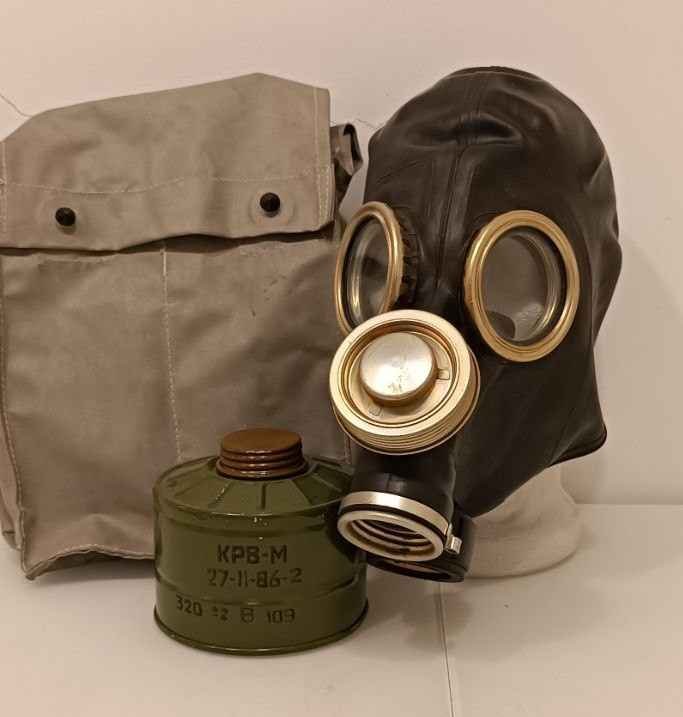
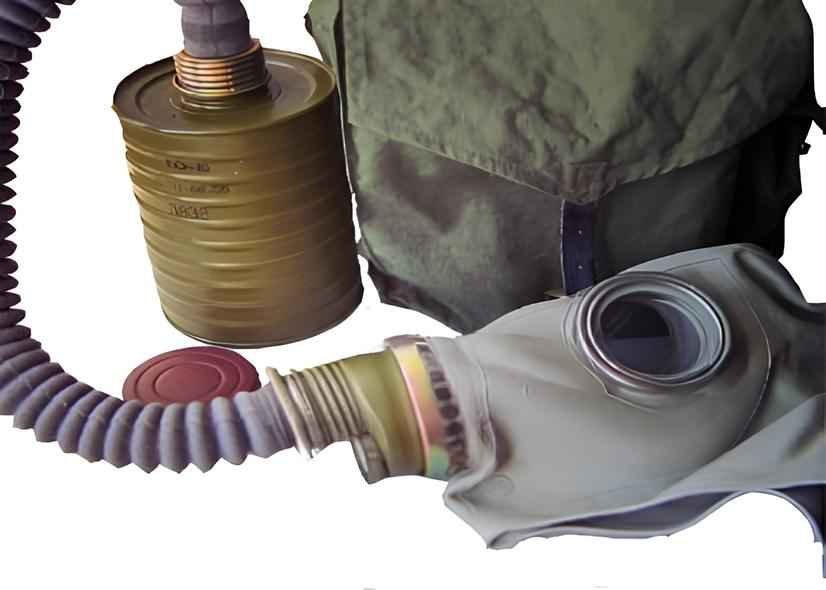
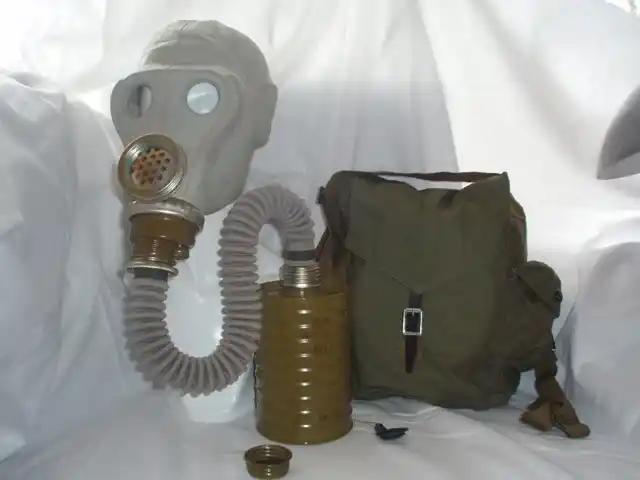
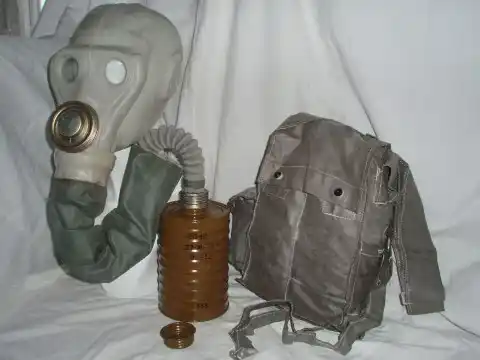
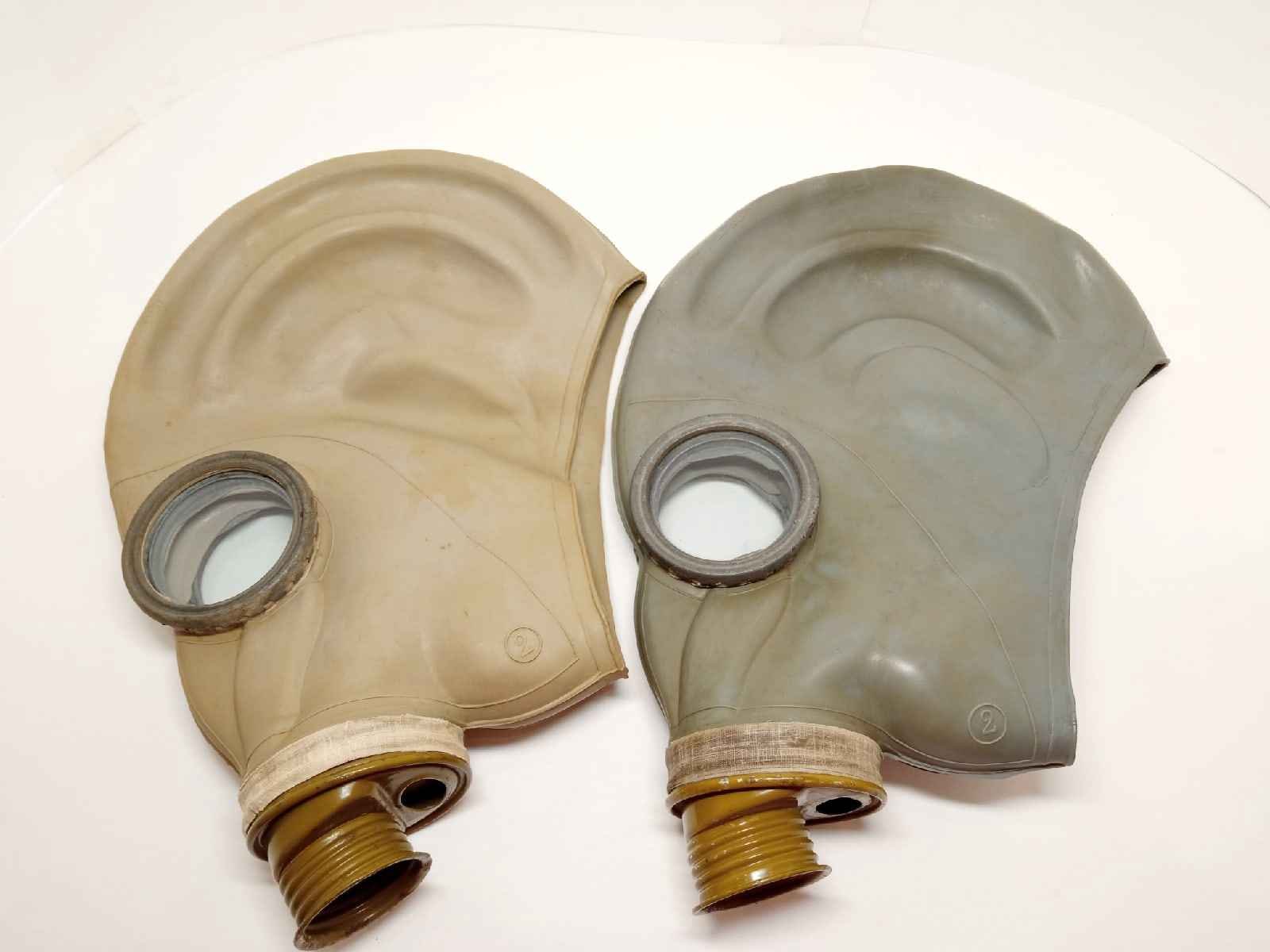
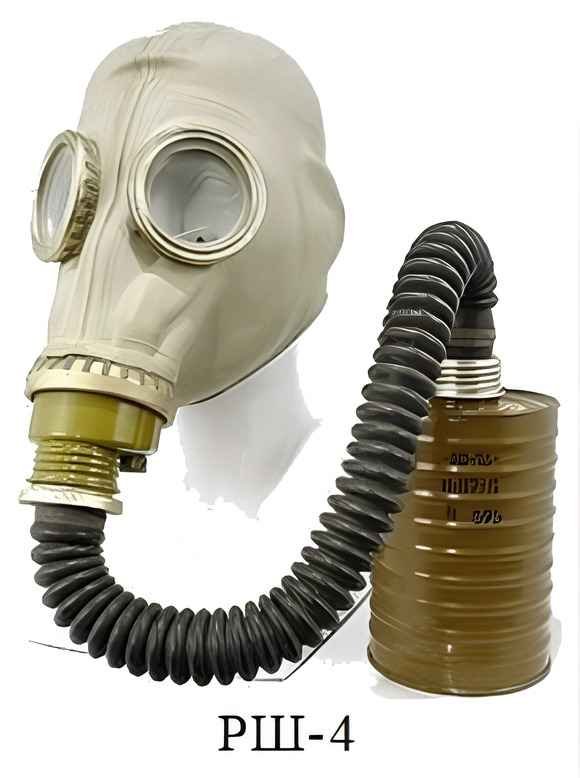
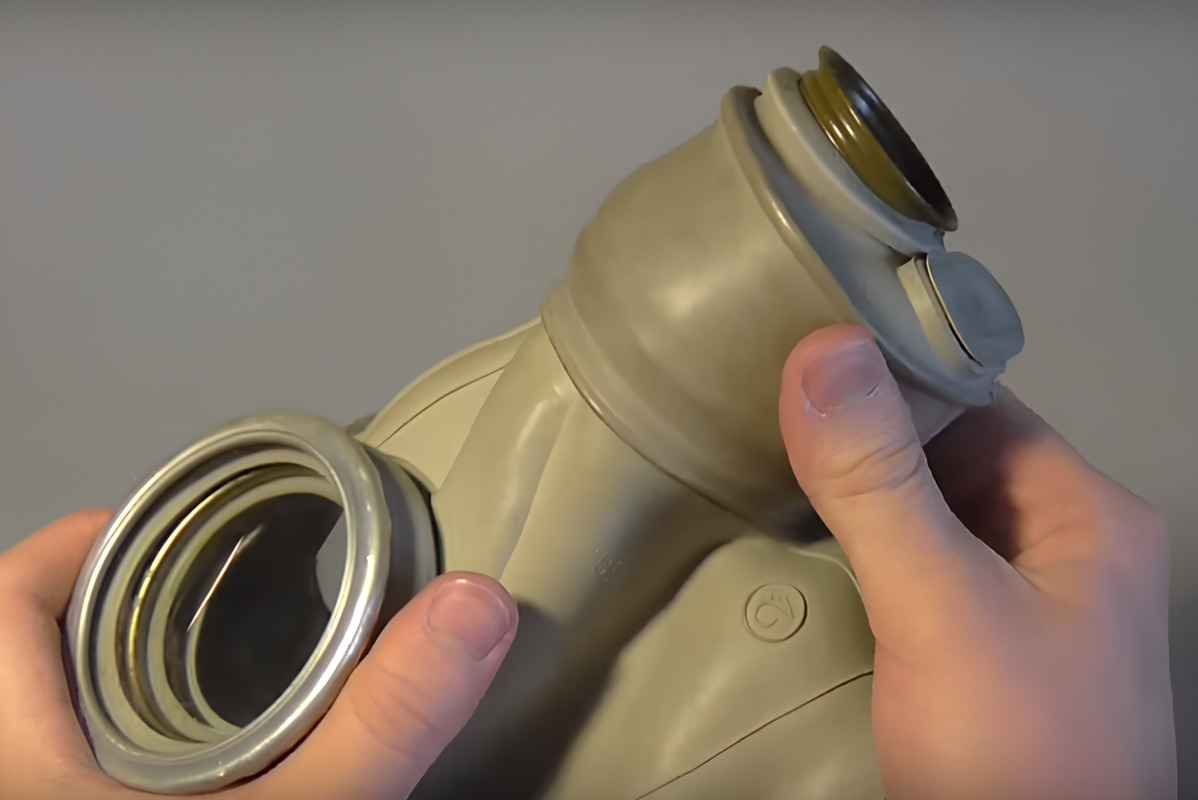
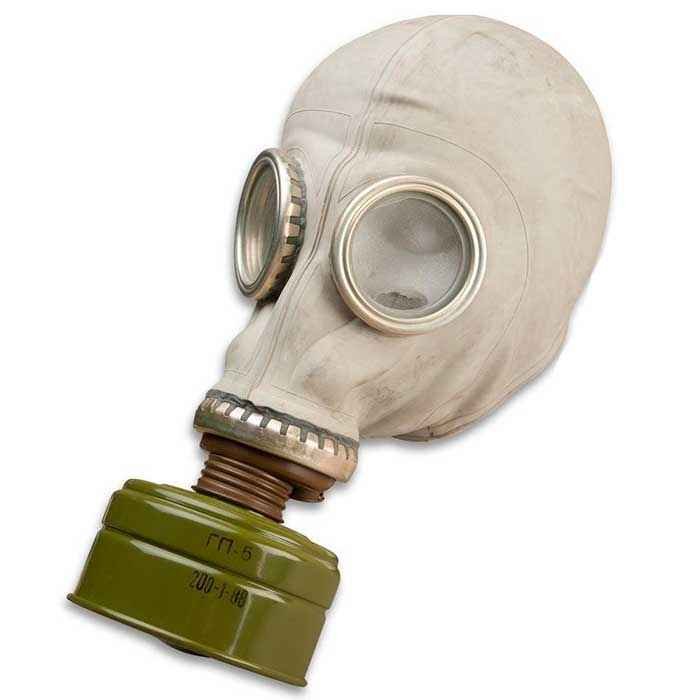
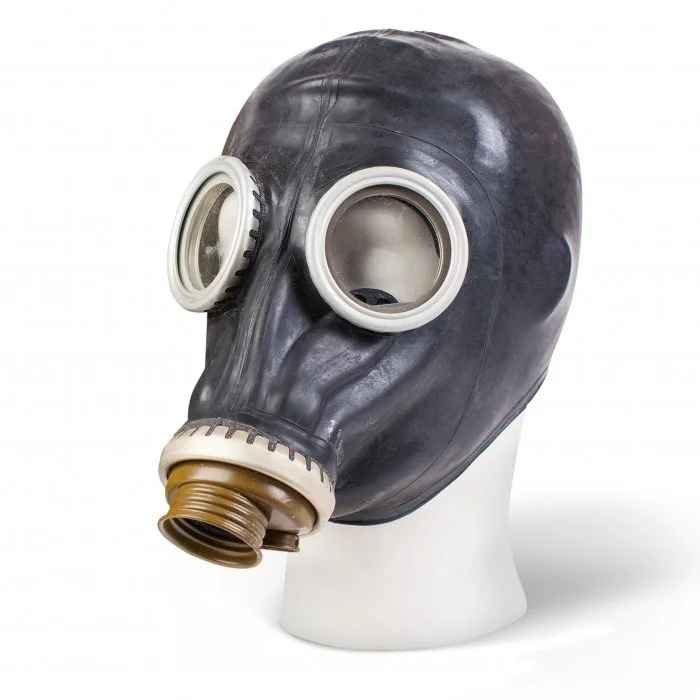
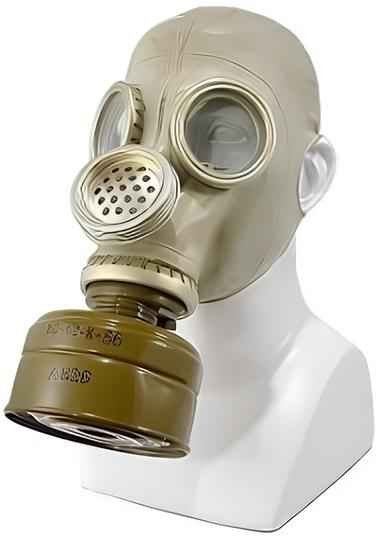
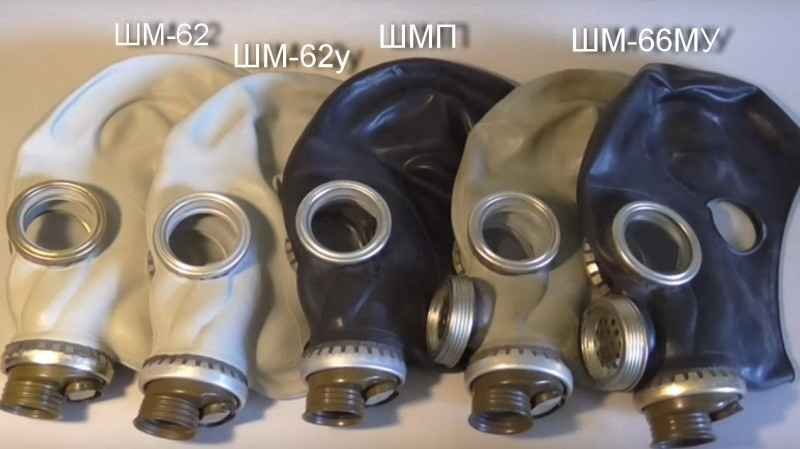
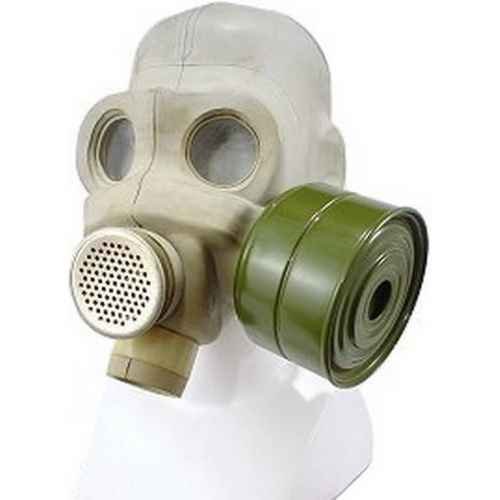
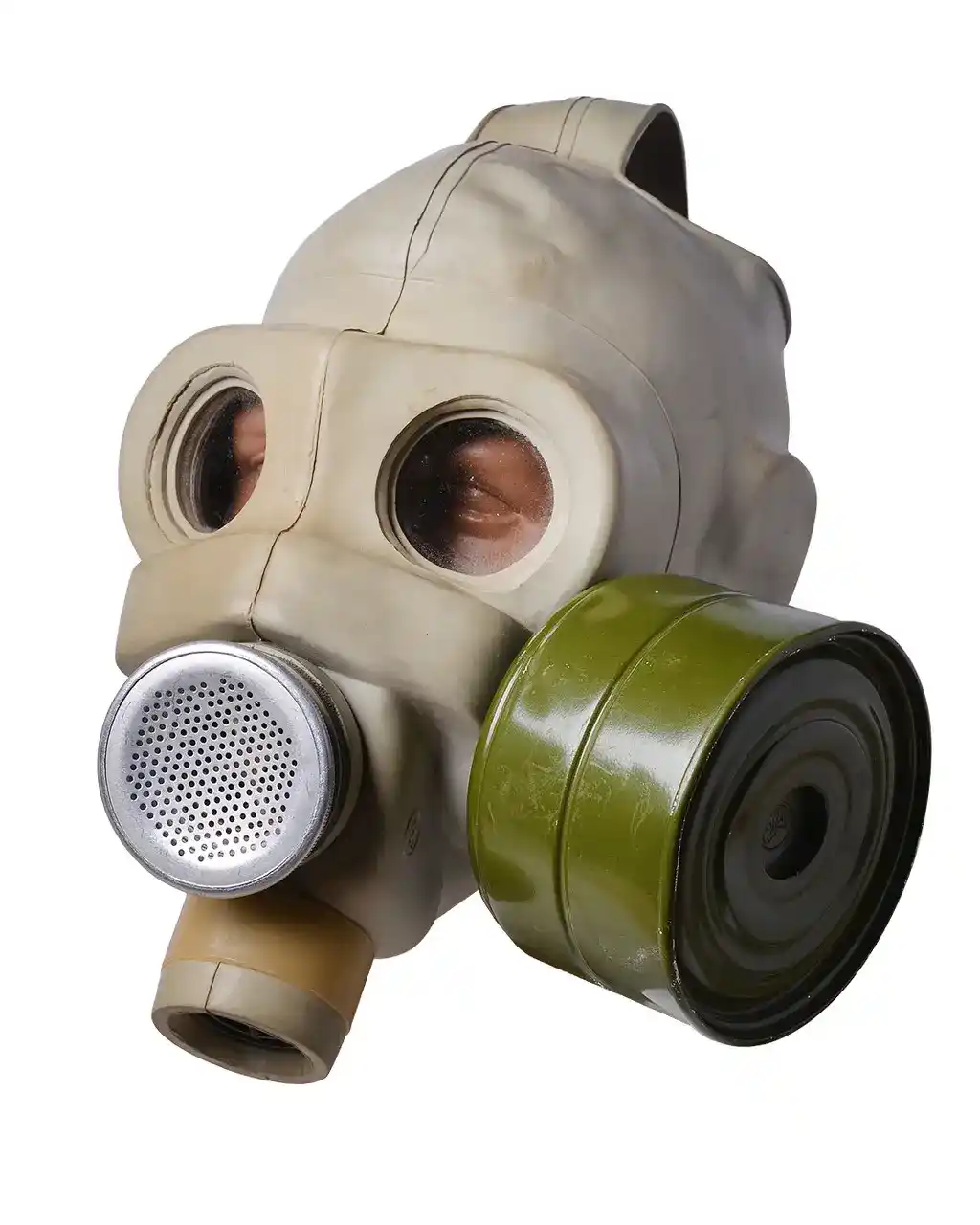
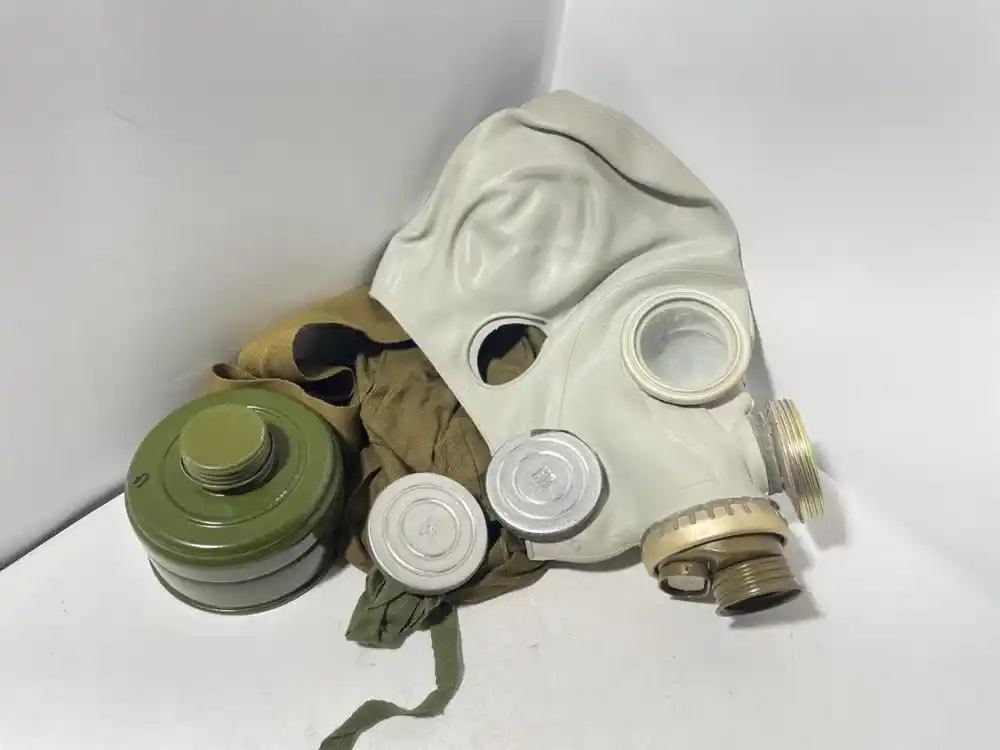
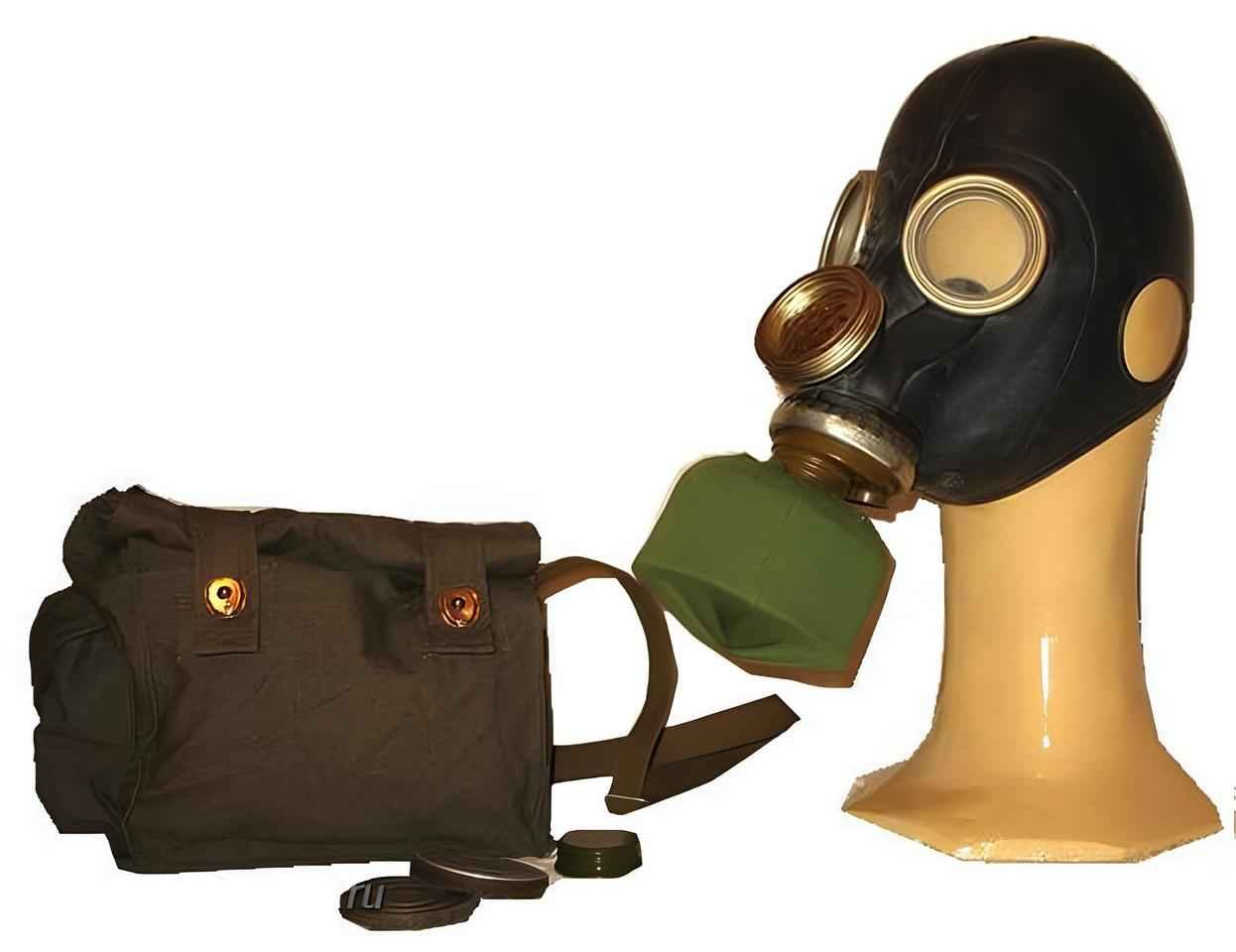
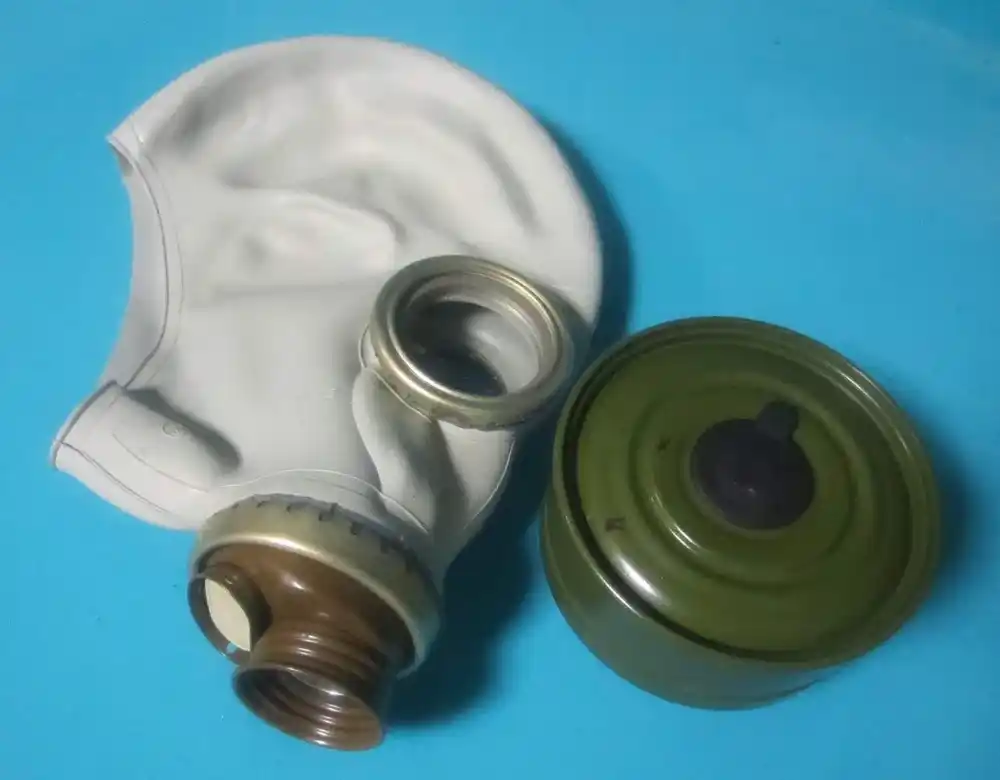
The PMG-2 gas mask (1962) was issued with the ShM-62 helmet mask (white version).
The ShM-62 differs from the ShM-41MU mainly by the design of the valve box, which is similar to the valve box used in the ShM-66MU.
The size range and markings of the ShM-62 are the same as those of the ShM-41MU.
ShR-2 Gas Mask
Telnyashka: History of the Russian Navy and VDV Striped Shirt
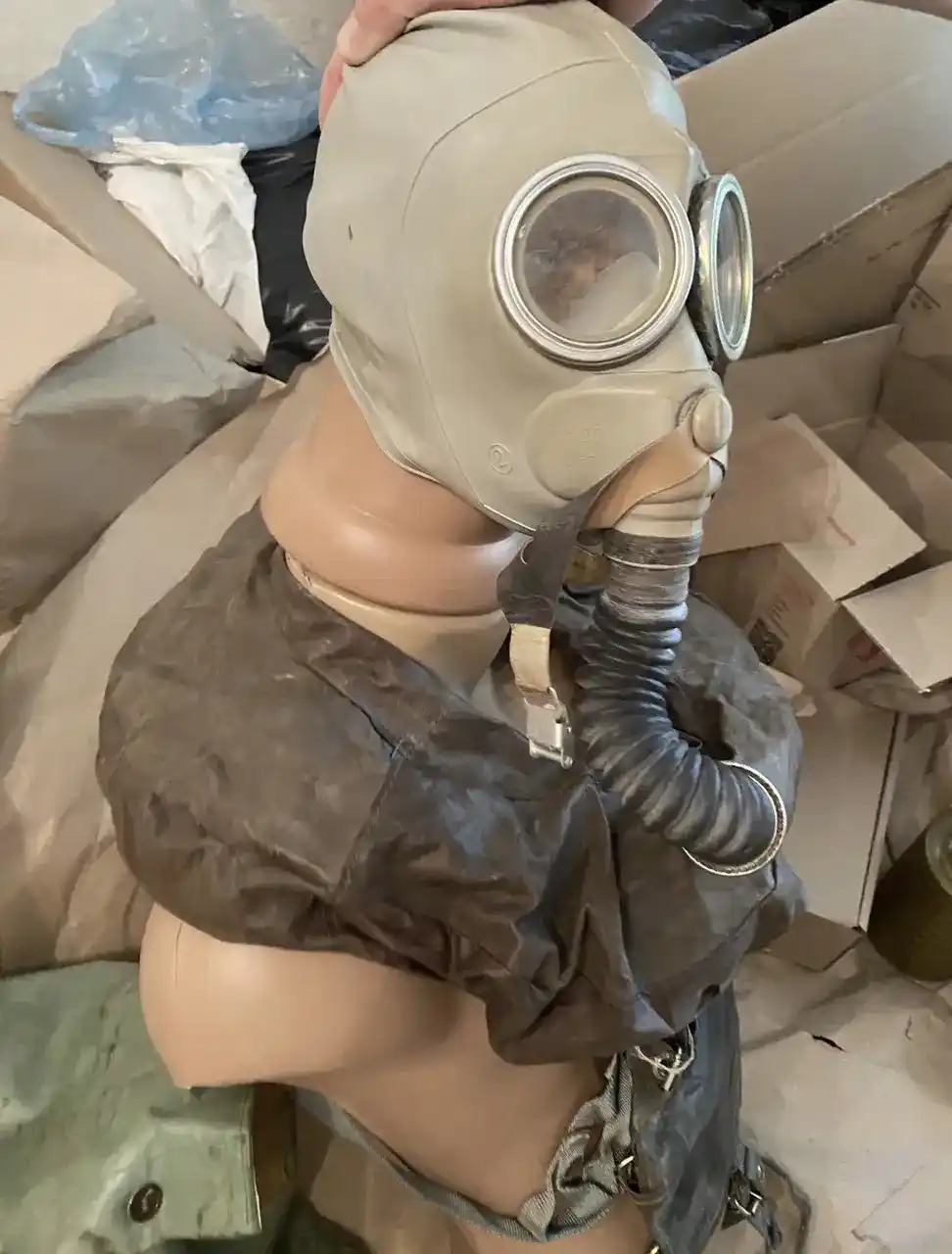
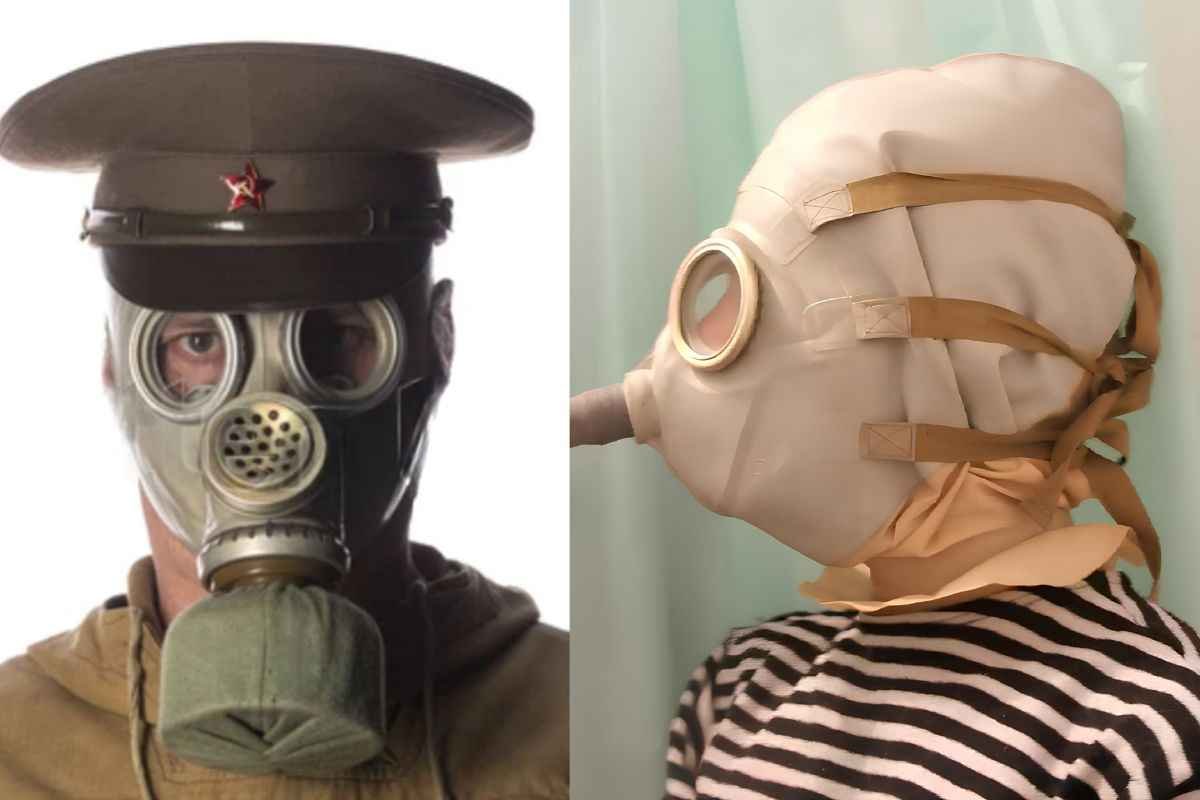
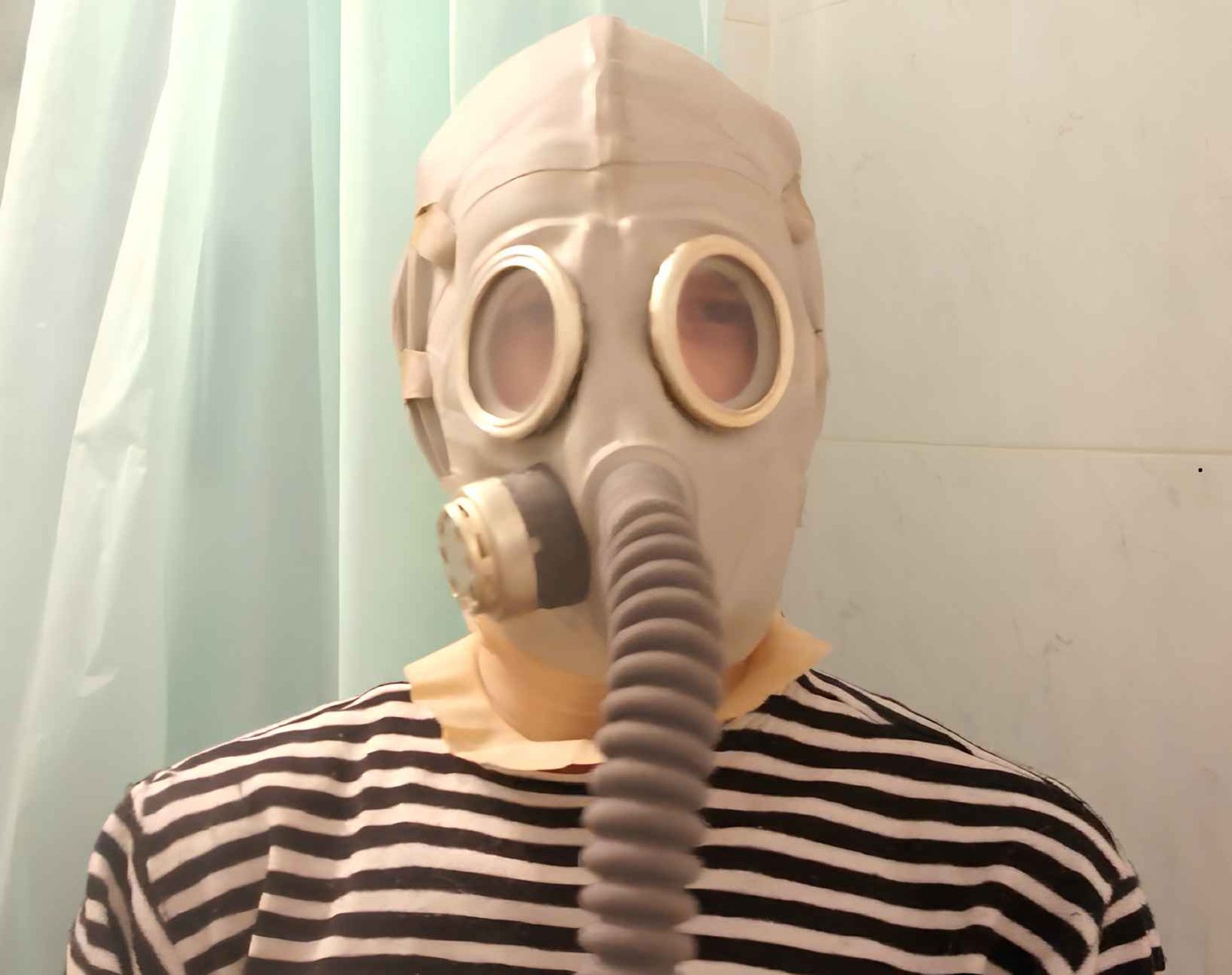
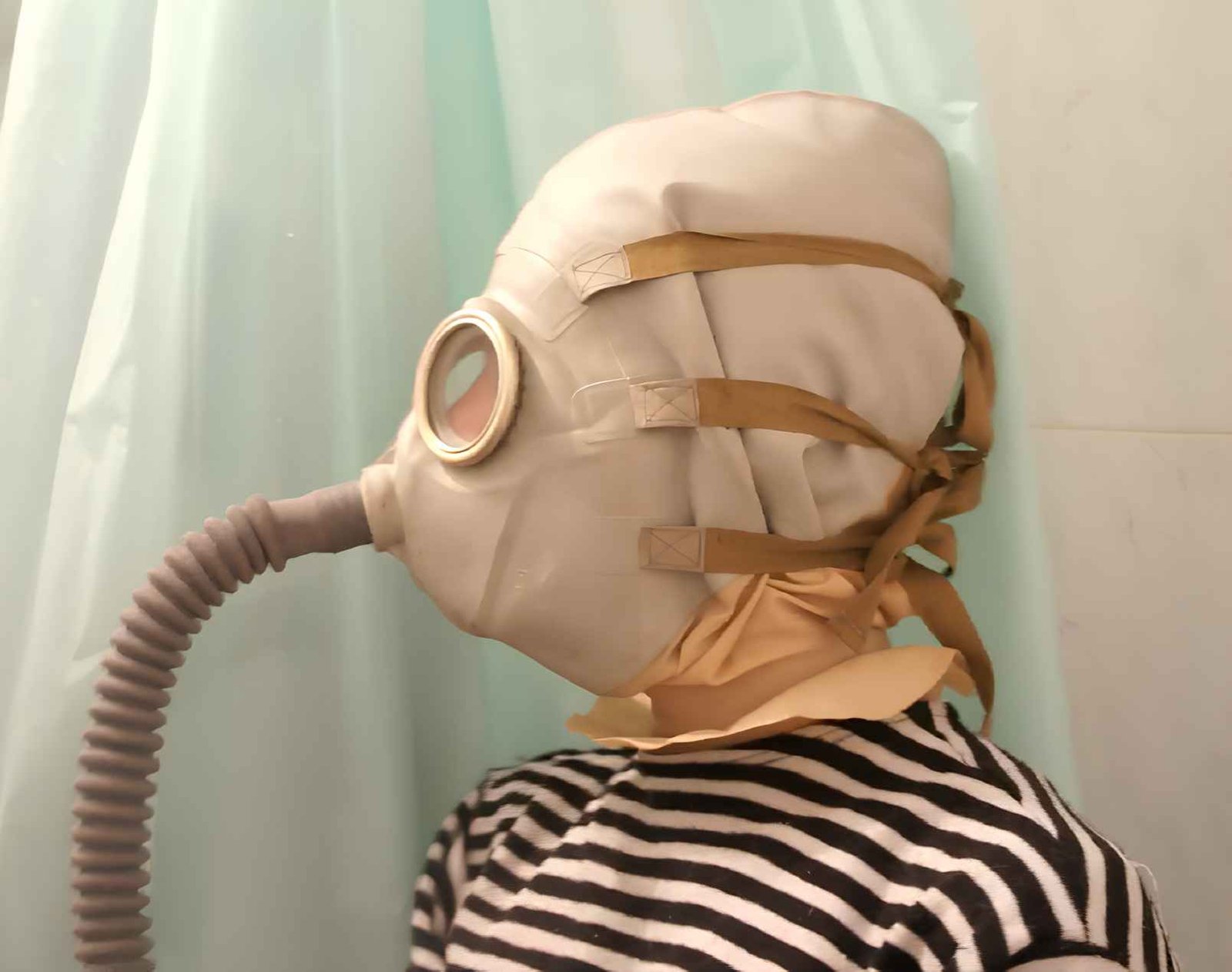
The ShR-2 gas mask is designed for people with head injuries and can be worn over bandages.
A tight seal is achieved with an elastic neck cuff, and the fit is adjusted with fabric straps. This model is quite rare.
The ShR-2 is a very rare Soviet gas mask designed specifically for head wounds. It looks like a sealed rubber hood with a latex neck cape (cuff), which is fastened at the back with a metal hook. It is secured on the head with three pairs of fabric ties, which can be adjusted to make the mask fit comfortably.
Looking for a Real Telnyashka?
Add extra Telnyashkas and accessories – shipping stays the same.
Flat Worldwide Shipping – $14.98
Shipping is charged only once per order.