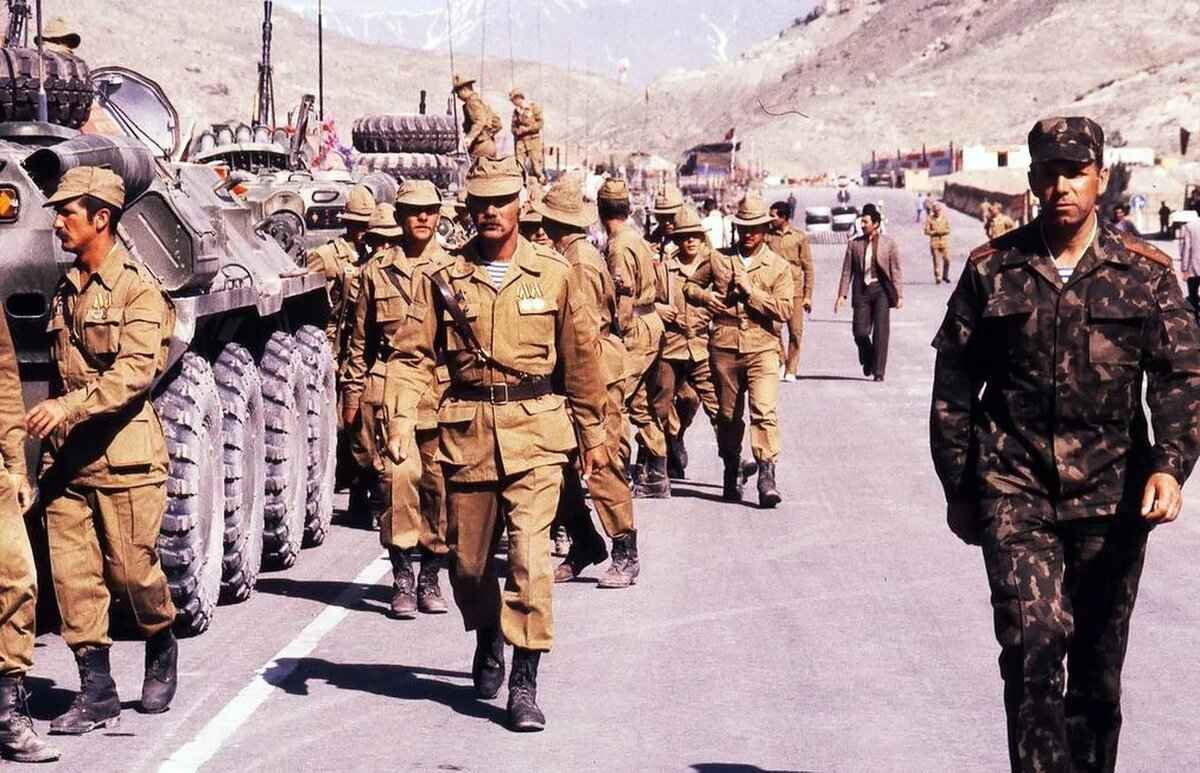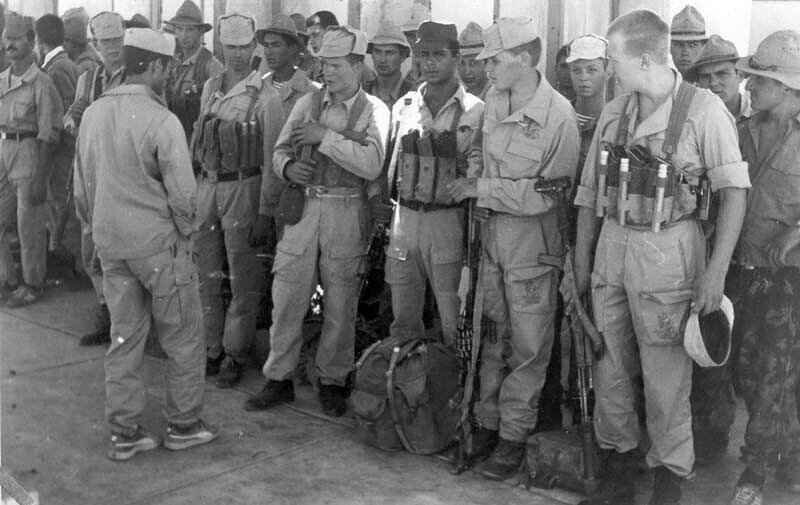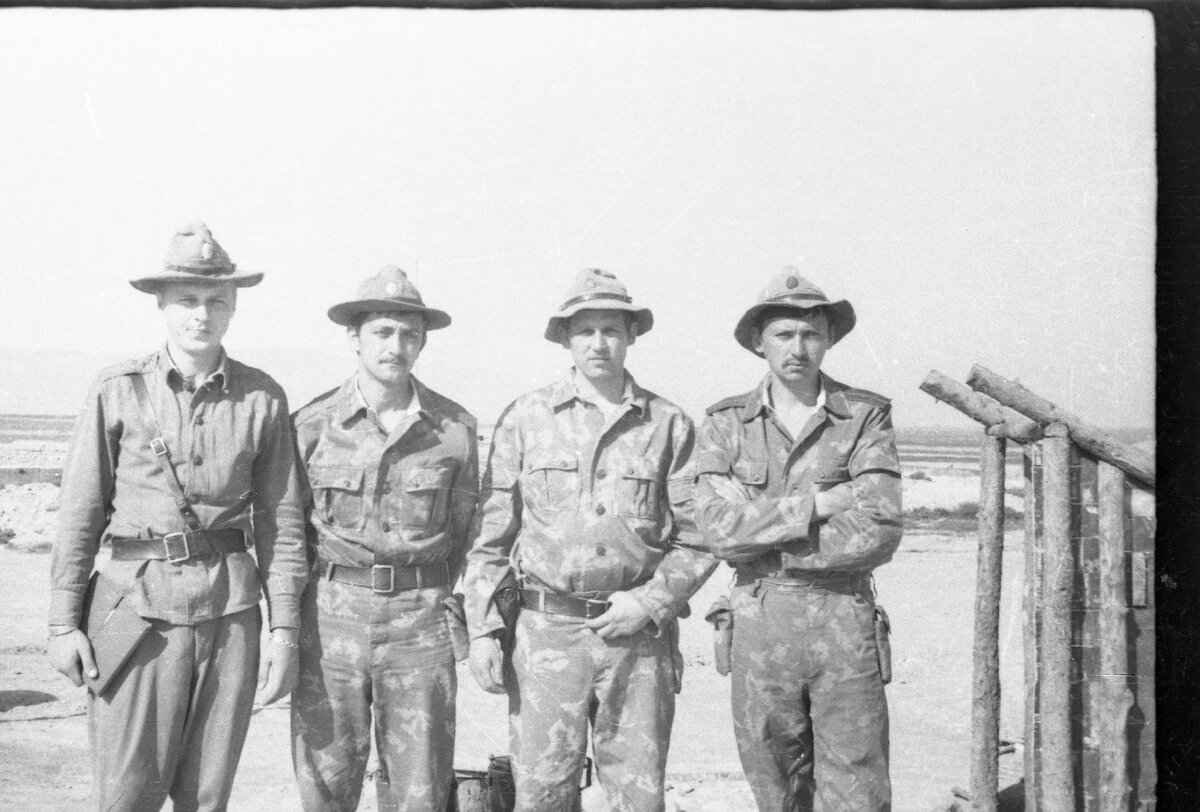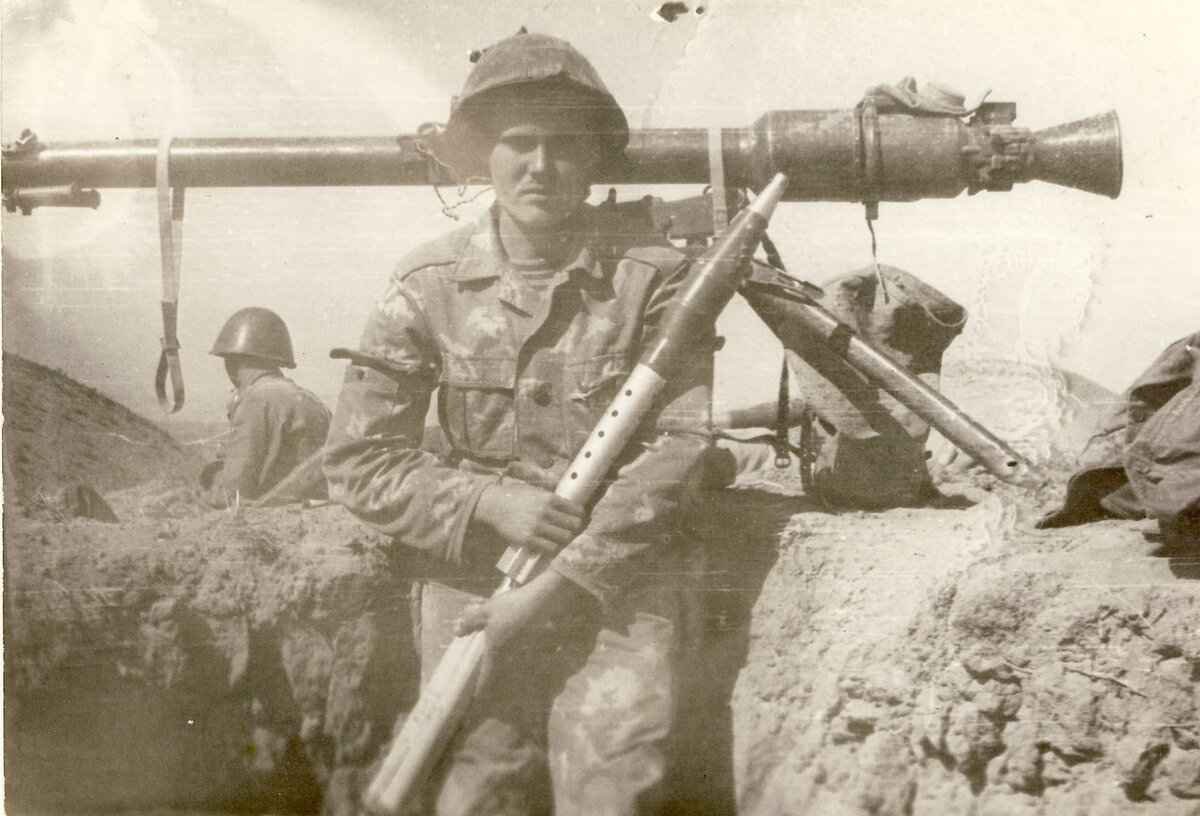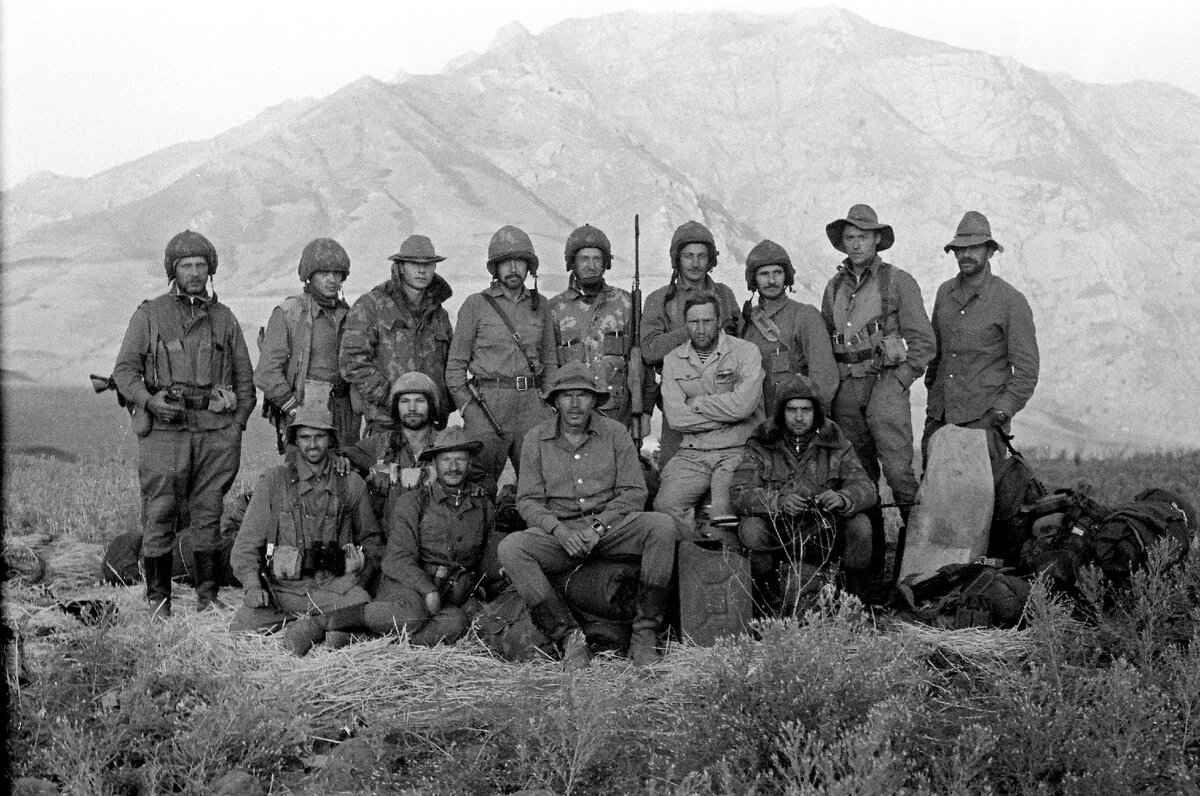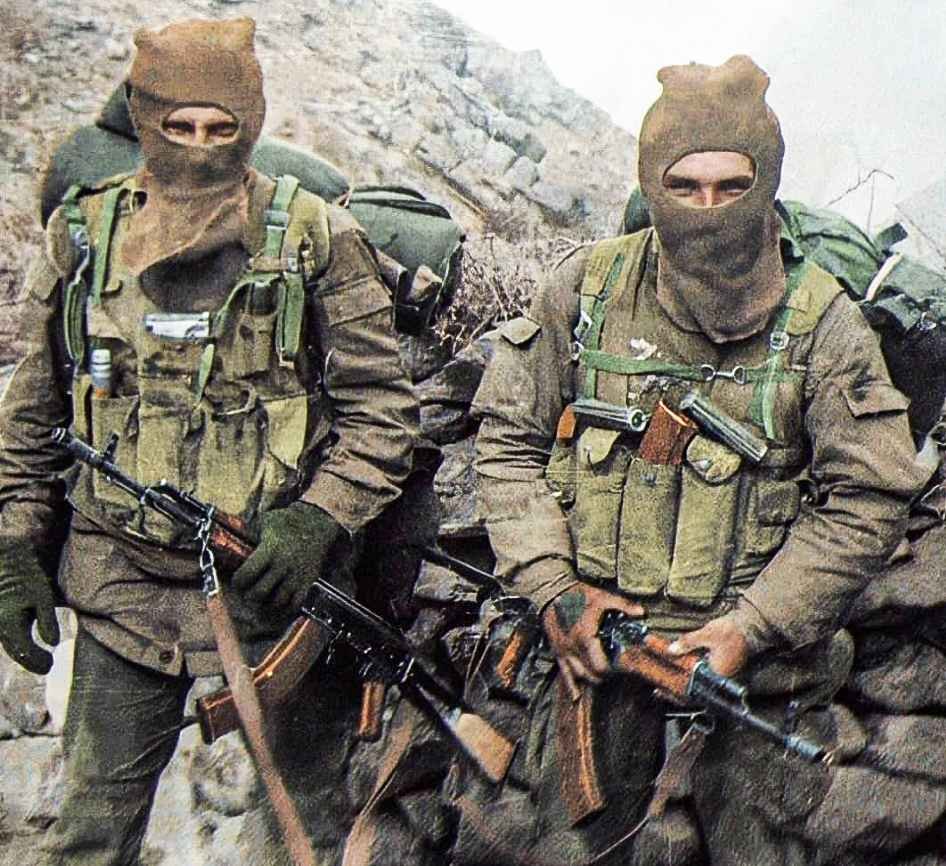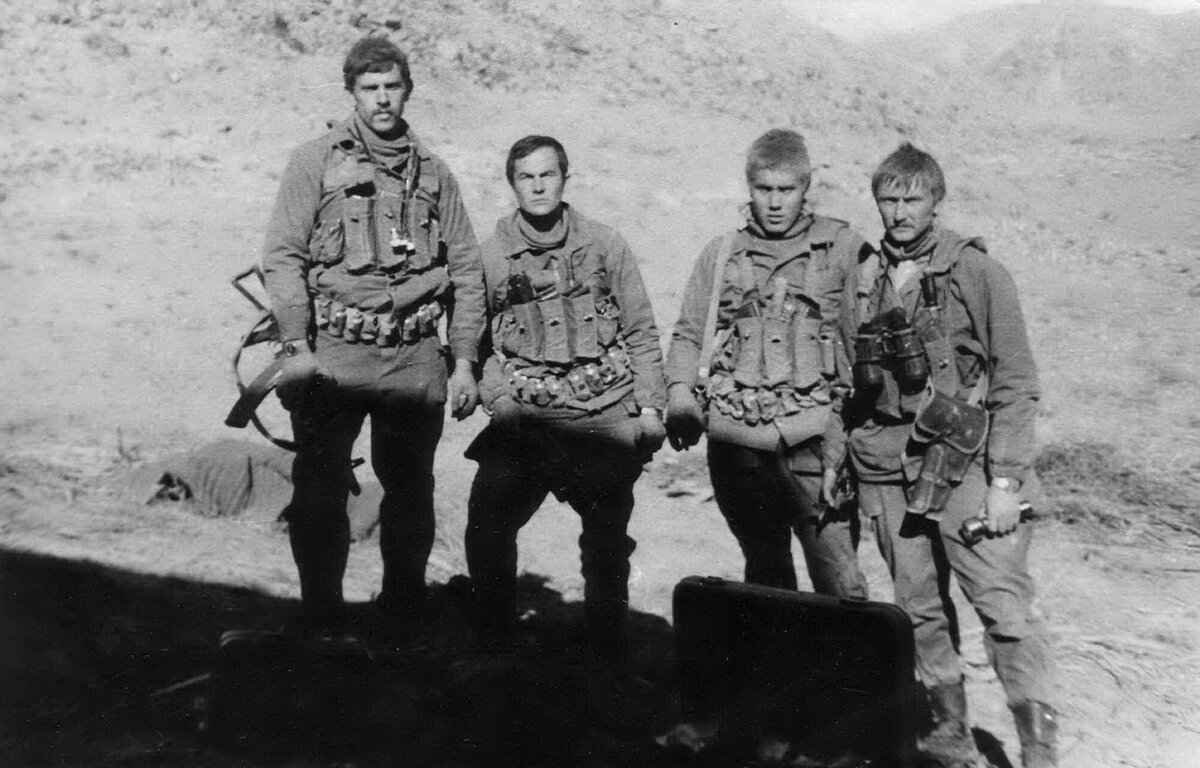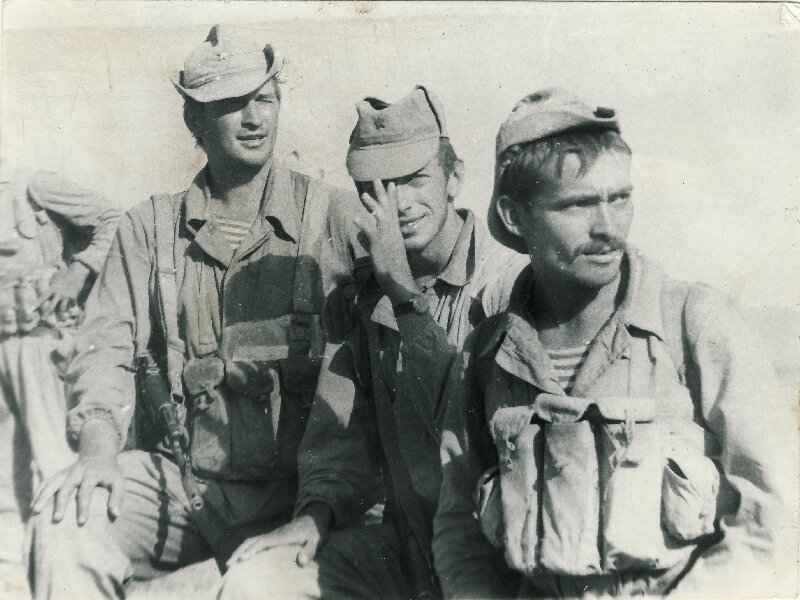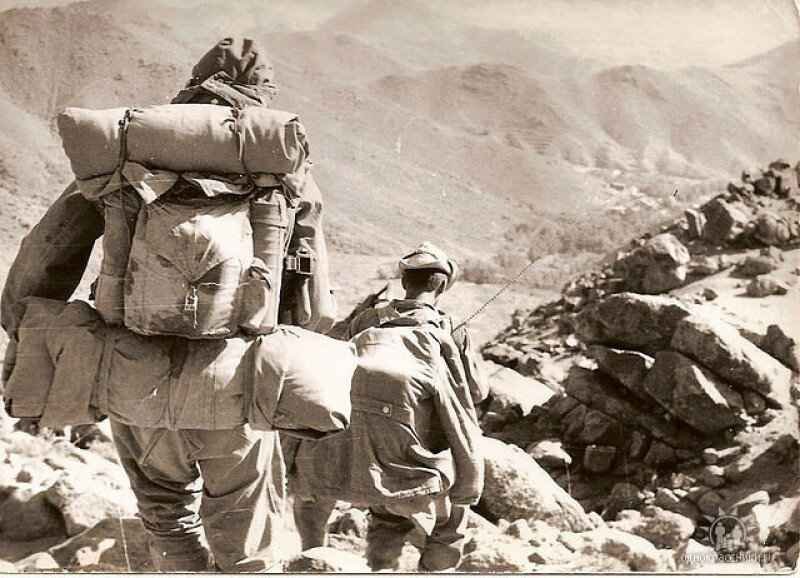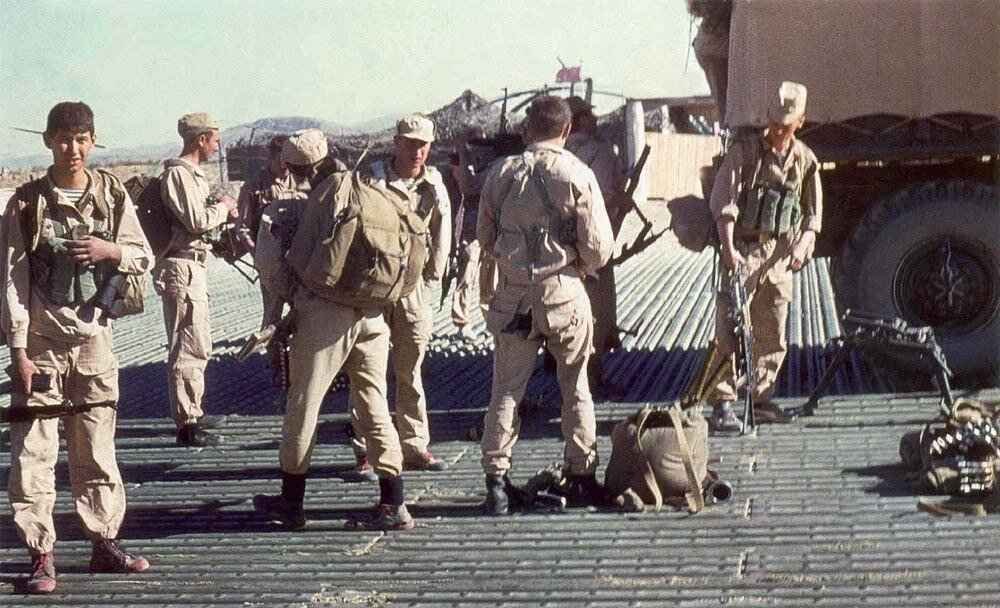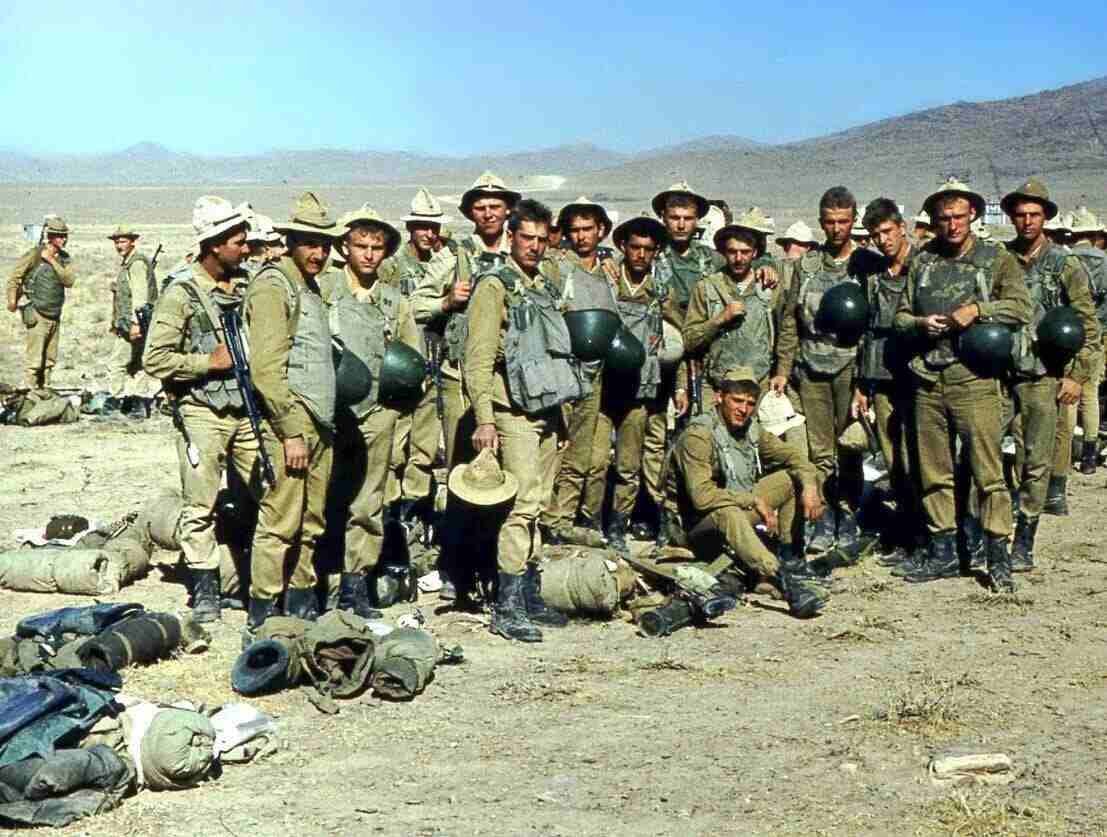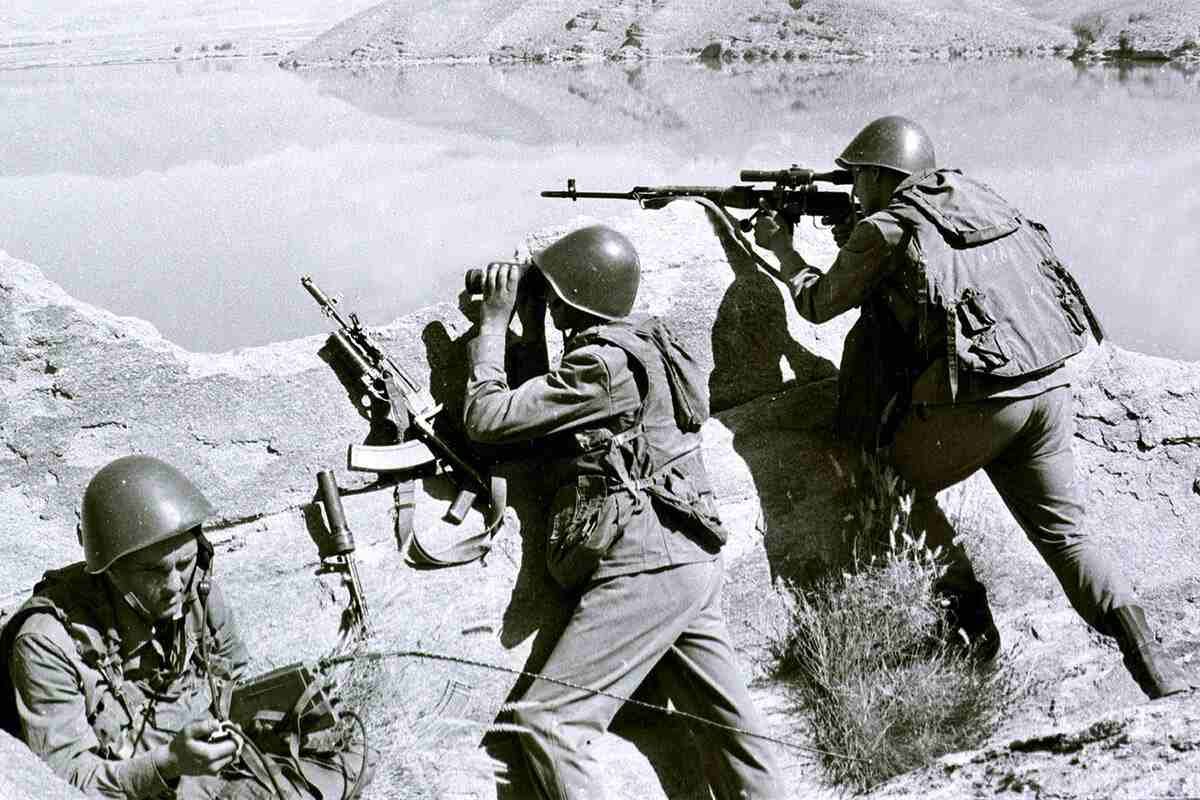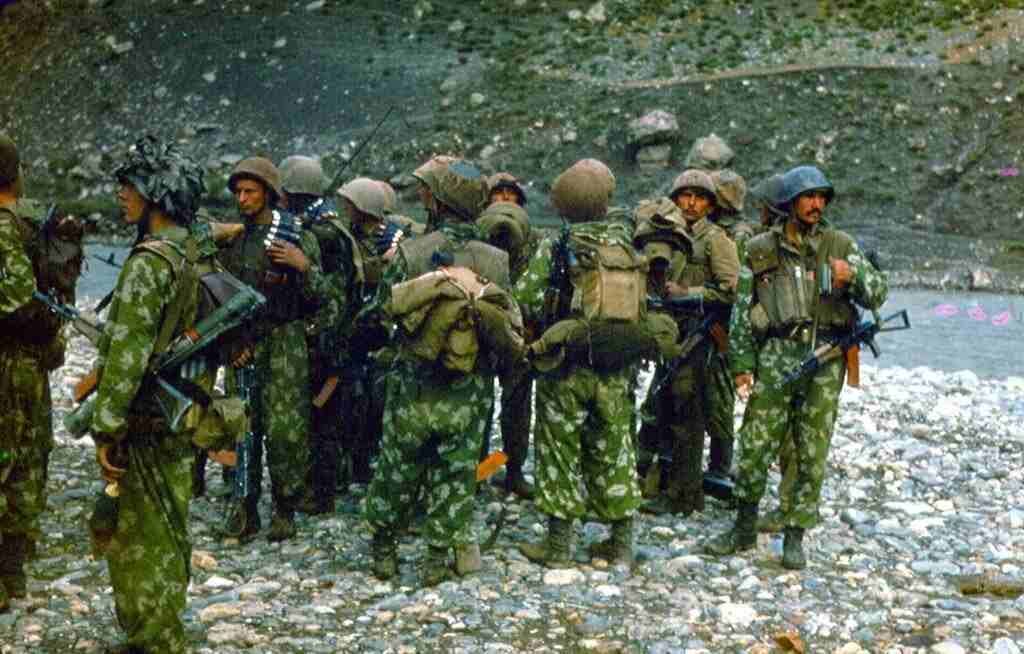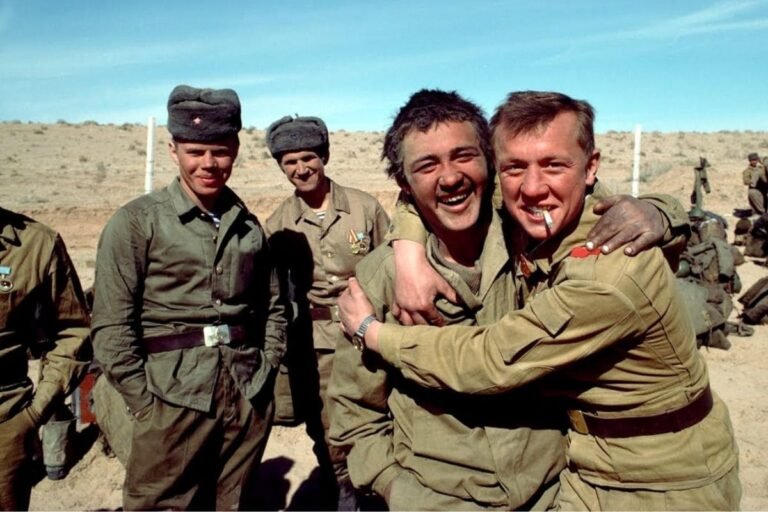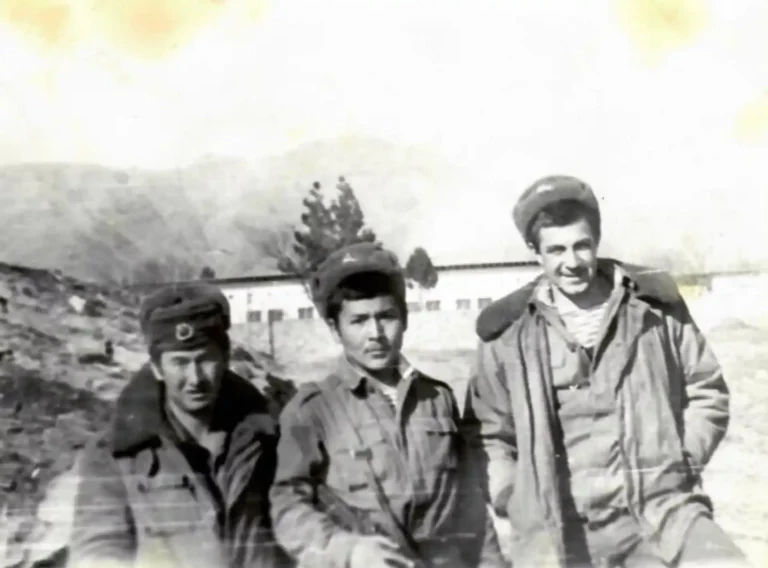
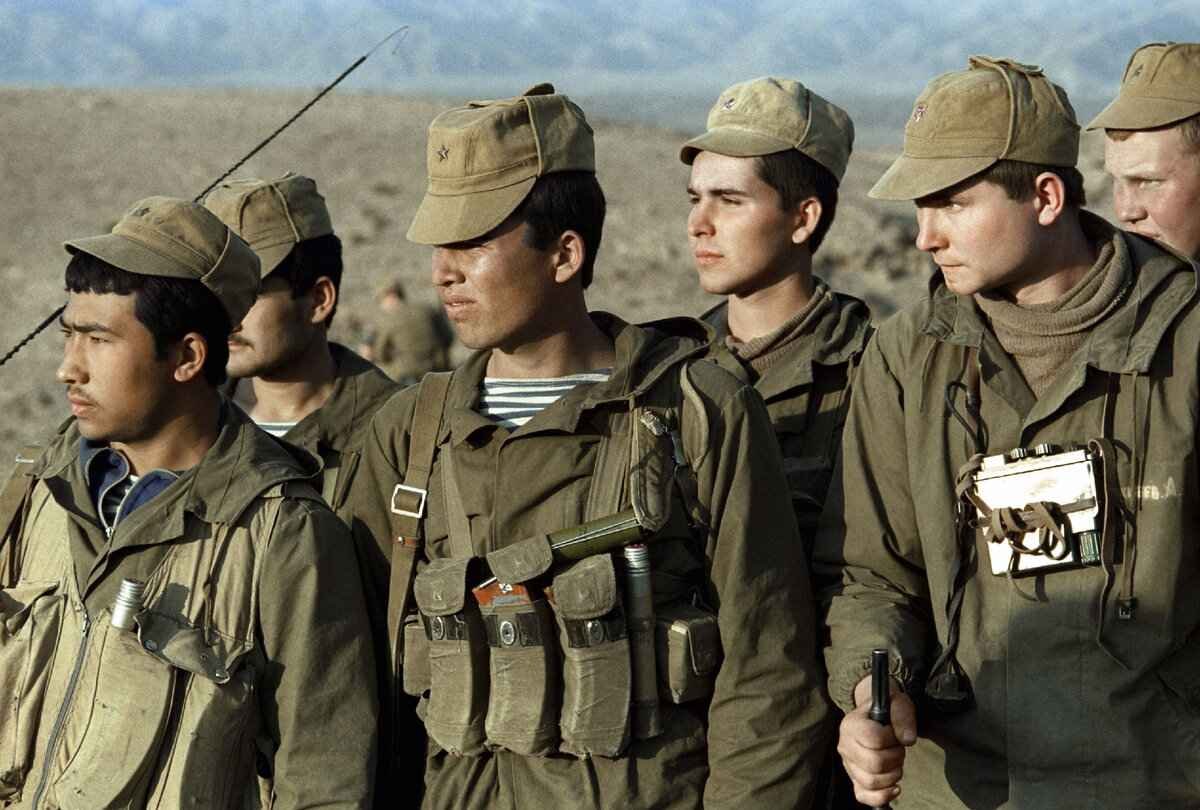
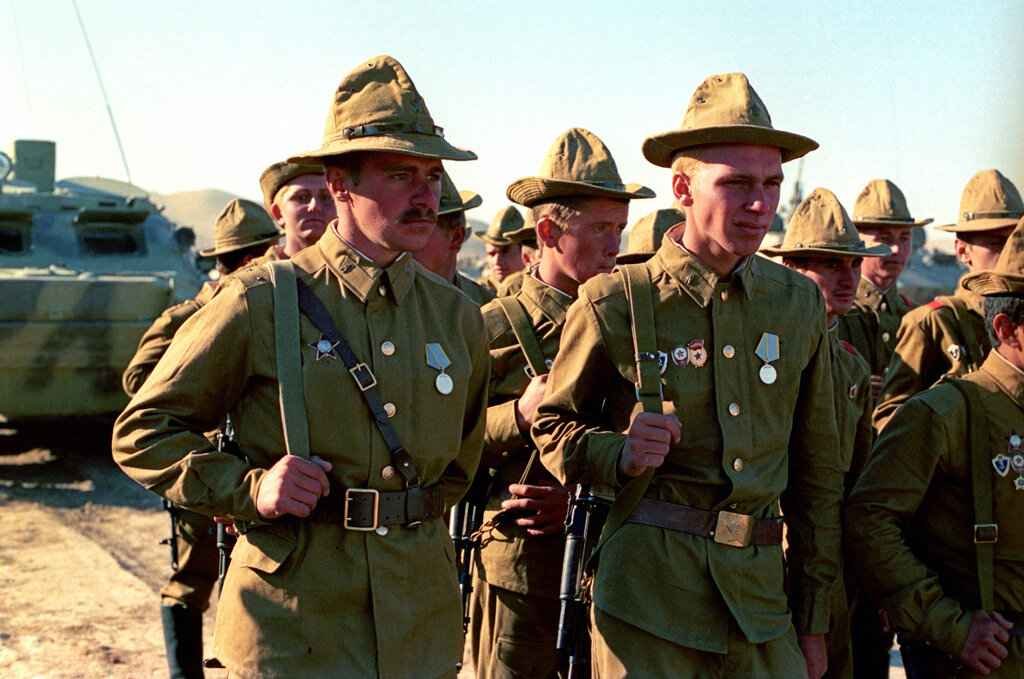
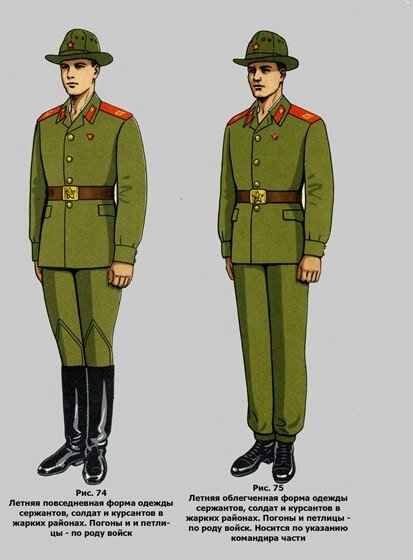
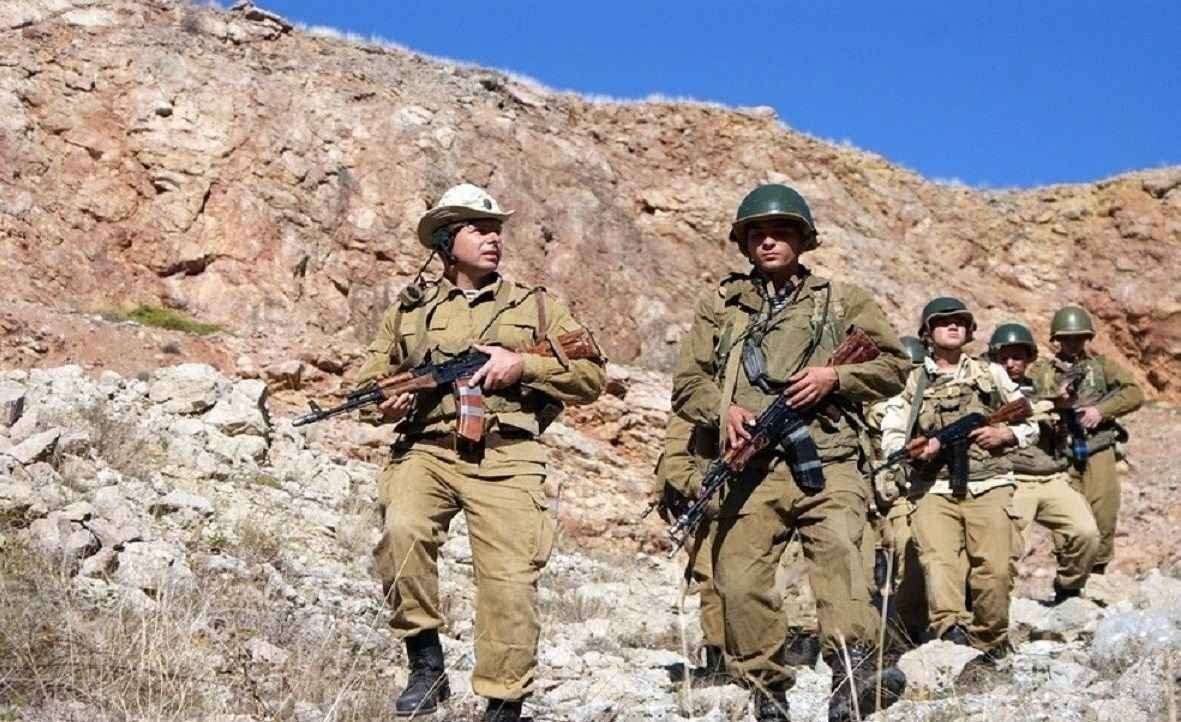
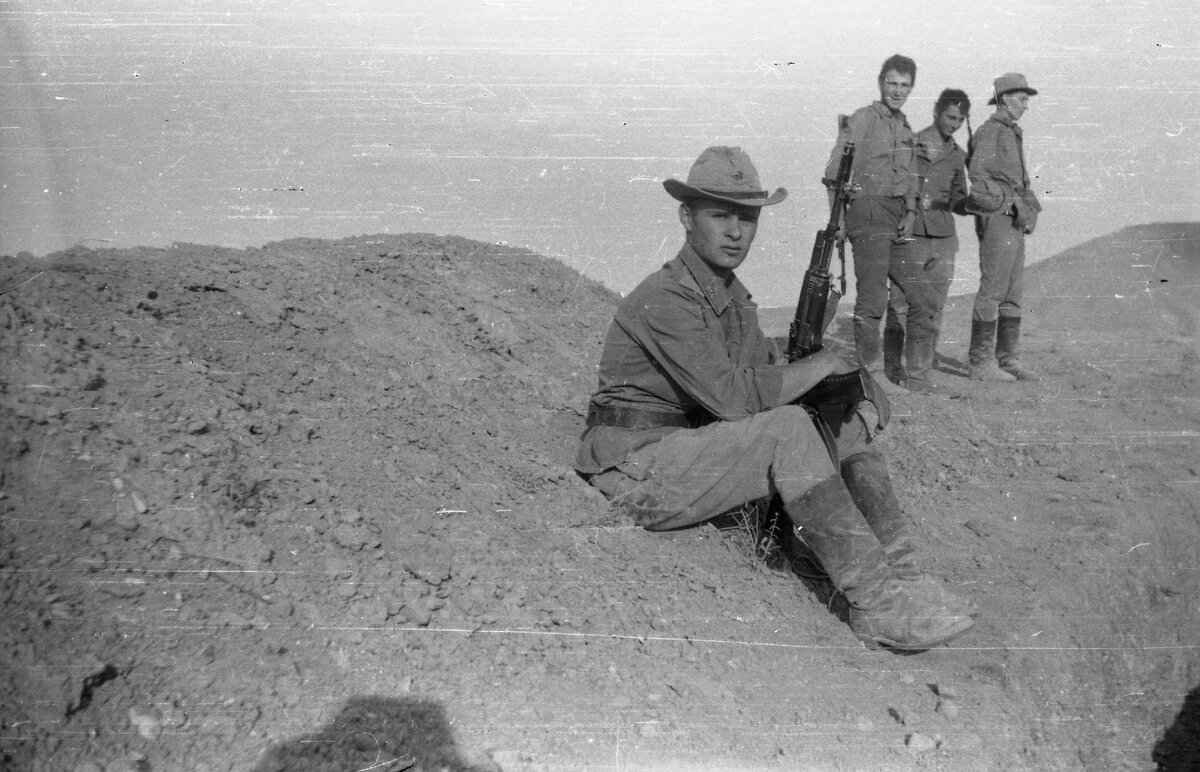
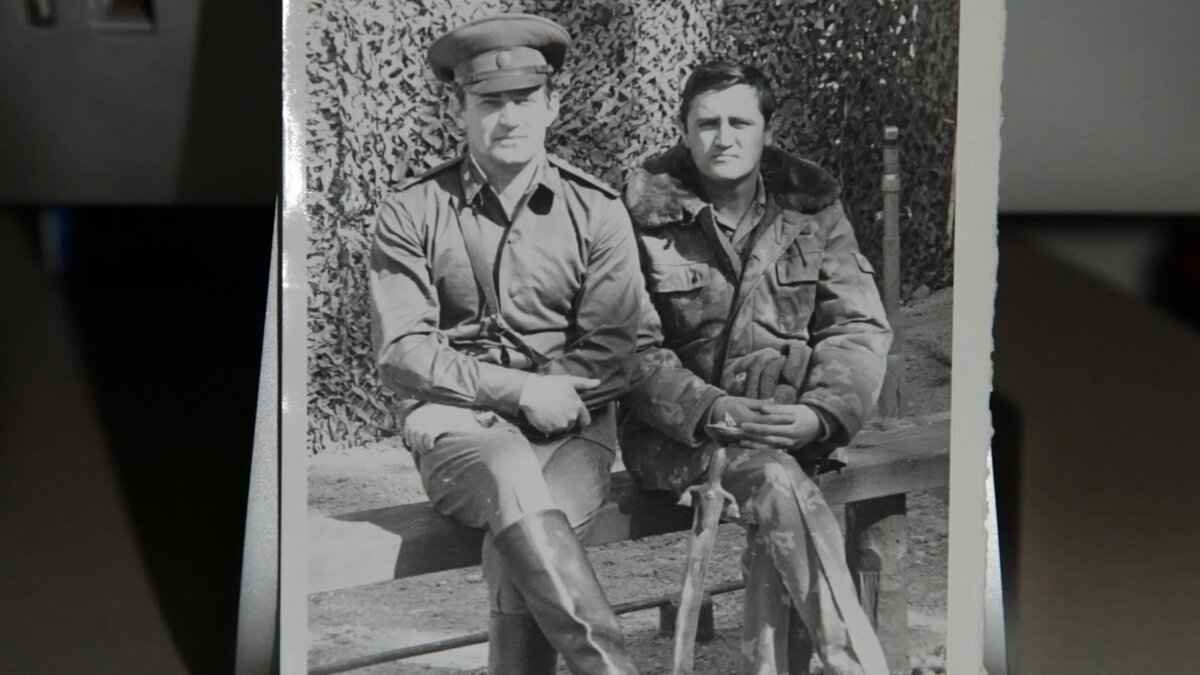
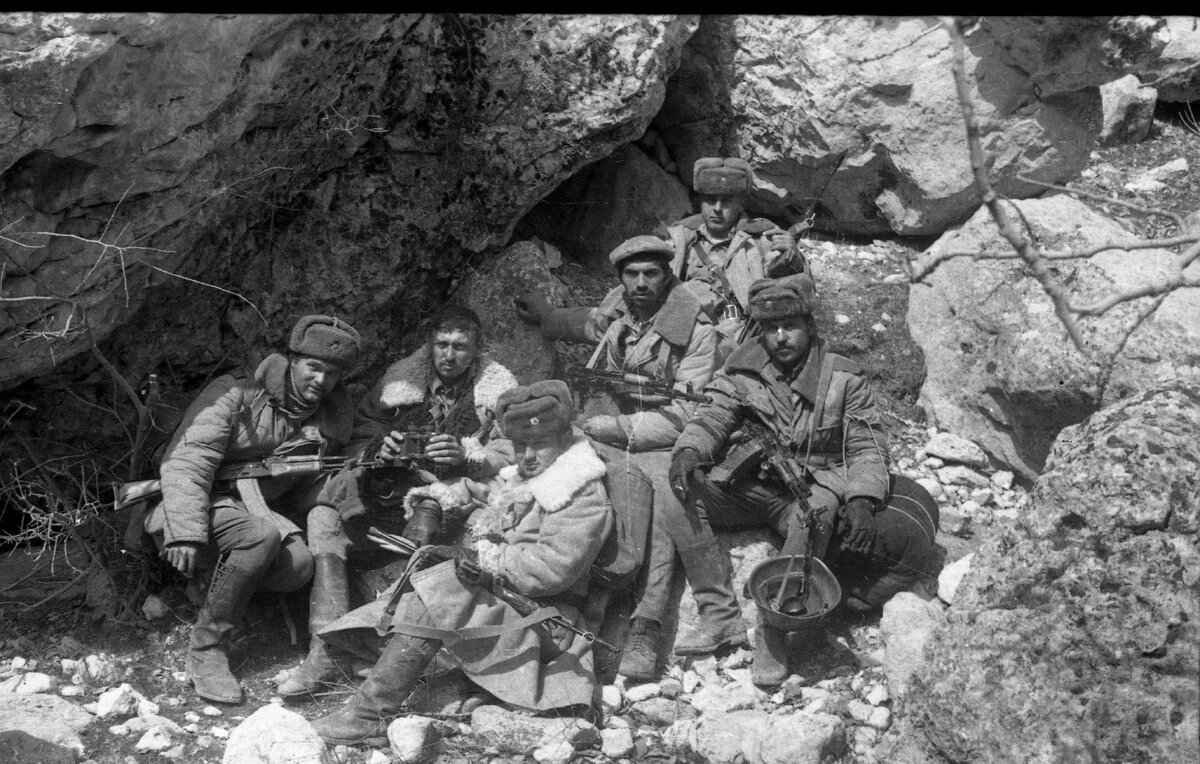
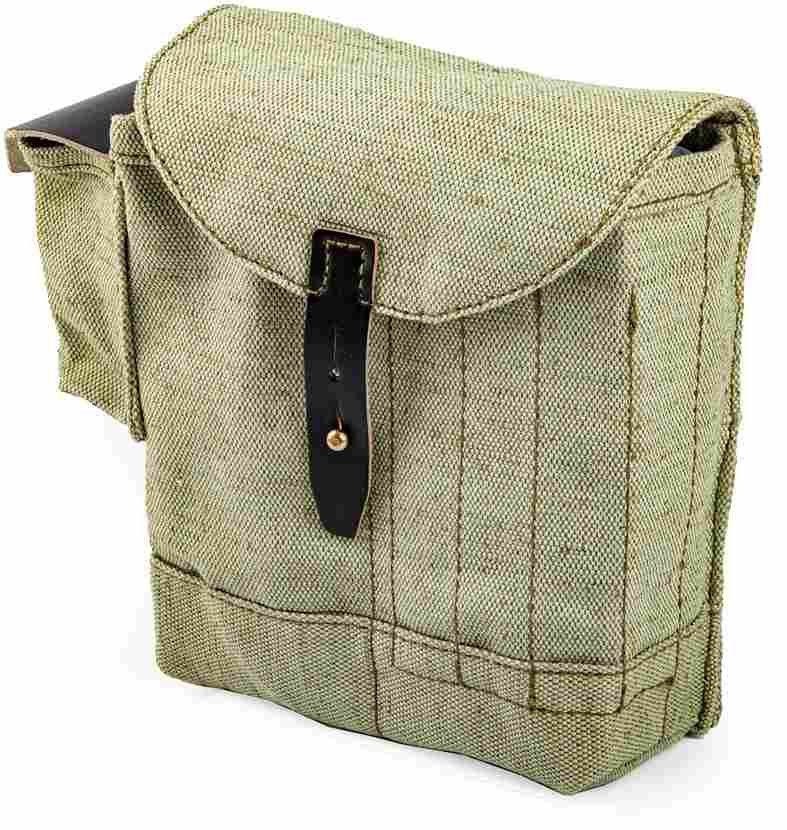
Although the Soviet Army entered the fighting gradually, it quickly became clear that many parts of the 1969 field uniform were not suitable for the conditions in Afghanistan. The uniform had been designed with one goal-to equip a large army in case of a world war. Because of this, it was made as simple as possible, with few extra features and easy mass production. But in a long local war, simplicity alone was not enough.
The soldiers of the 40th Army were not satisfied with this situation, especially as the war continued year after year. They needed a new field uniform, better equipment, and improved protective gear designed for a fast-moving and highly mobile war.
The “Afghanka”
In fact, the need to replace the 1969 field uniform became clear even before the Soviet-Afghan War began. As early as 1975, the Central Clothing Directorate of the Soviet Armed Forces started developing a completely new field uniform. In 1976, different prototypes were tested by Soviet Army units. They used different fabrics and varied in the number, size, and placement of pockets.
The final design was completed by 1978. However, the new uniform did not enter mass production until 1984, following Order No. 0145 of the Soviet Minister of Defense. At first, soldiers simply called it the “experimental uniform,” but before long it became known by the name that is still famous today-the “Afghanka.”
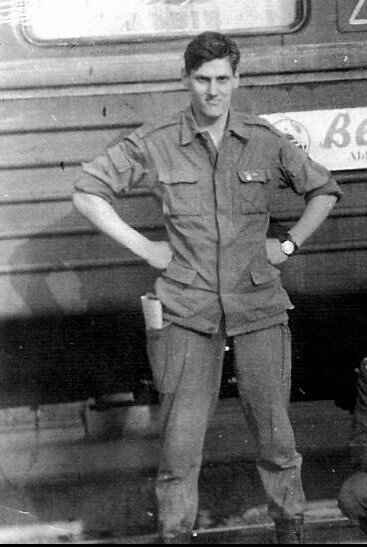
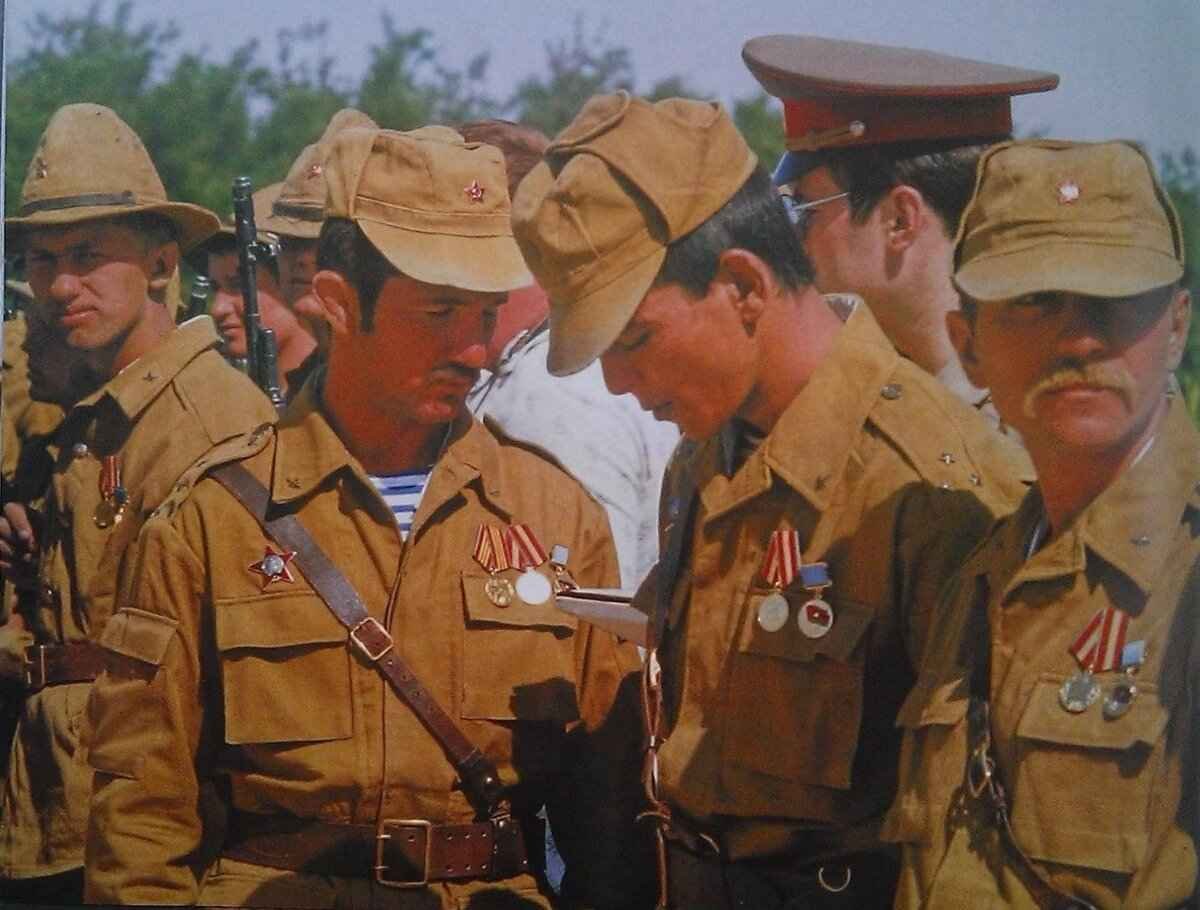
The Afghanka uniform was made according to Soviet military standard TU-17-08-194-84 using two types of cotton fabric that differed in both color and texture. The yellow-brown version was made from fabric No. 3303. Soldiers called it “khabe” or “pesochka” (“sand color”). The dark green version was made from fabric No. 3155. This version became known as the “steklyashka.”
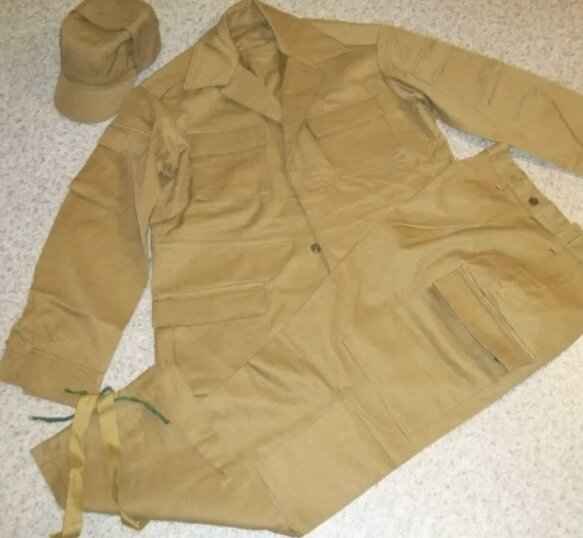
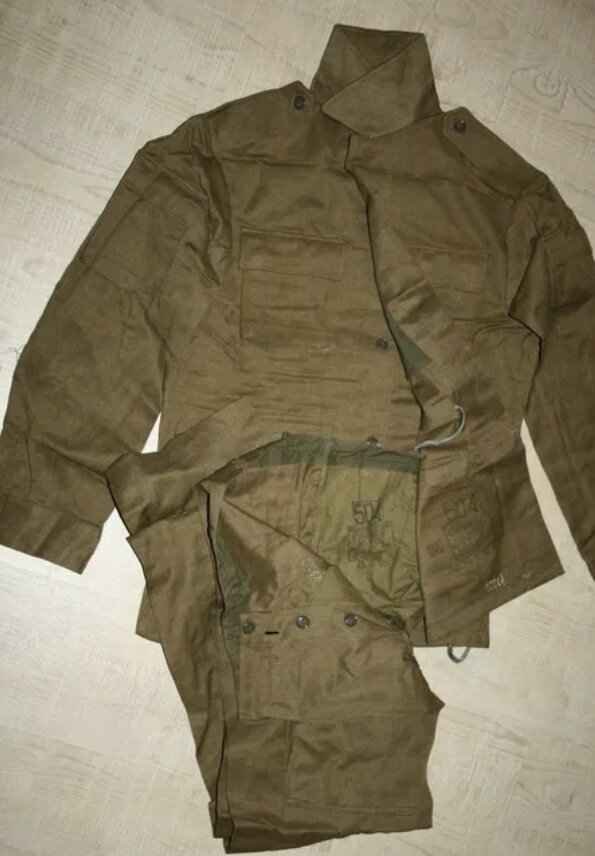
At first, there were two versions of the Afghanka uniform-a soldier’s version and an officer’s version. The officer’s jacket had only two waist pockets with flaps, while the trousers had no cargo pockets. After field testing with the Soviet forces in Afghanistan, the uniform was made the same for everyone because officers were too easy for enemy snipers to identify.
The only difference that remained was the collar of the winter jacket. Soldiers and sergeants received jackets with an artificial fur collar, while officers and warrant officers were issued jackets with a natural fur collar. Later, a special version with an astrakhan fur collar was introduced for generals.
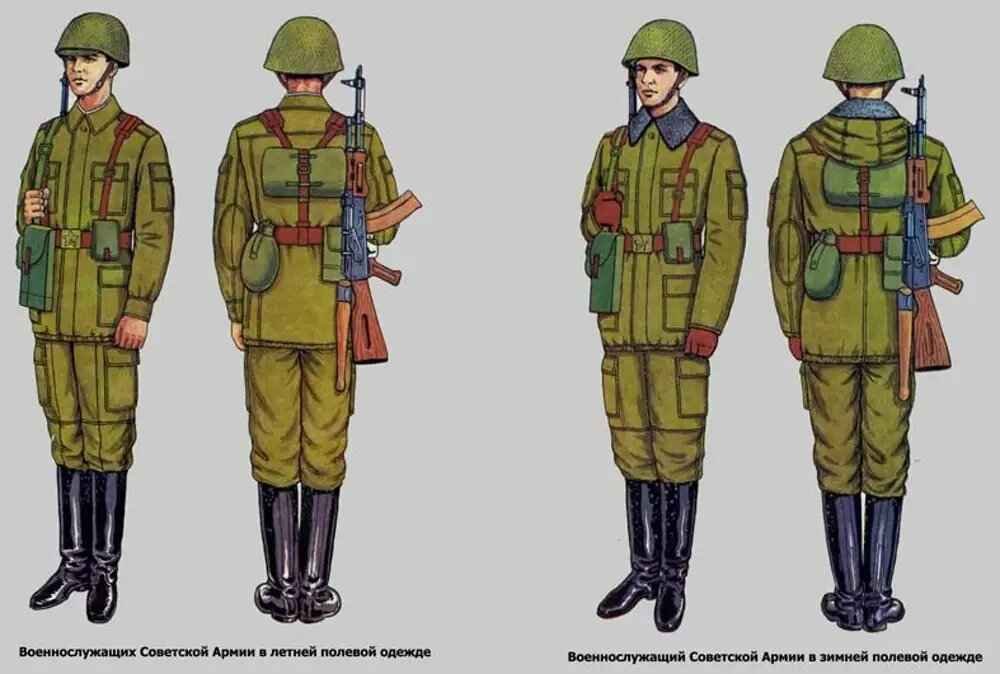
Soviet Army soldier in the winter field uniform
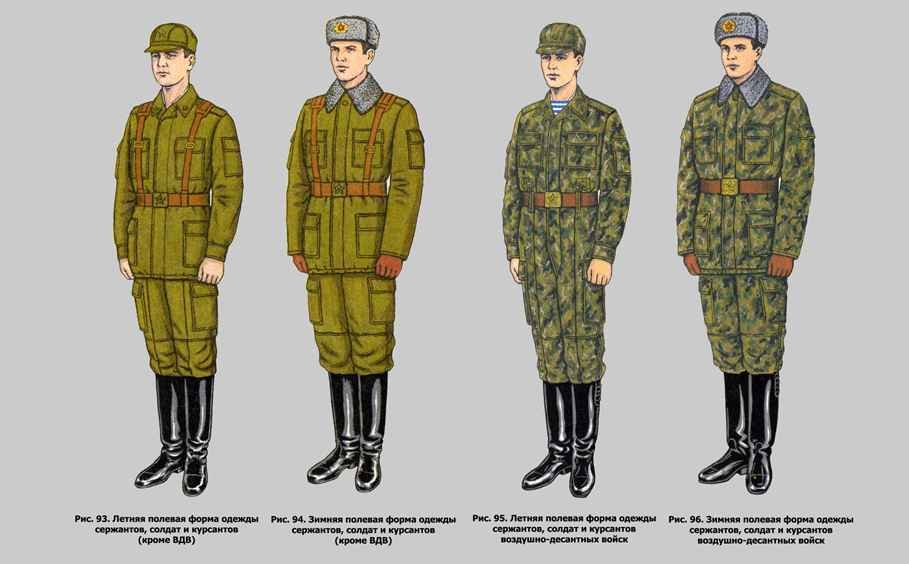
Fig. 93
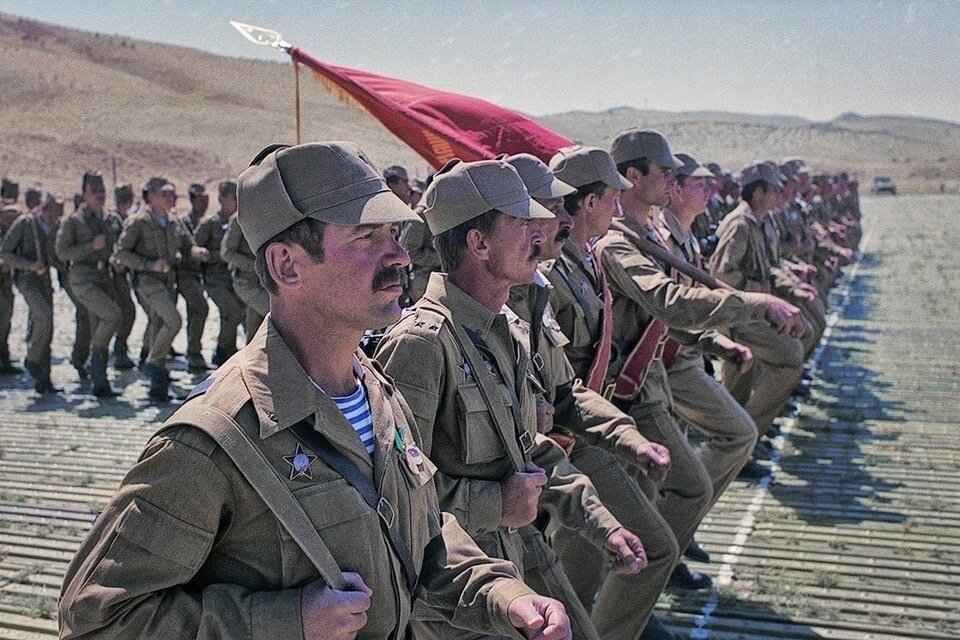
Summer field uniform for sergeants, soldiers, and cadets (except Airborne Forces).
Fig. 94
Winter field uniform for sergeants, soldiers, and cadets (except Airborne Forces).
Fig. 95
Summer field uniform for sergeants, soldiers, and cadets of the Airborne Forces (VDV).
Fig. 96
Winter field uniform for sergeants, soldiers, and cadets of the Airborne Forces (VDV).
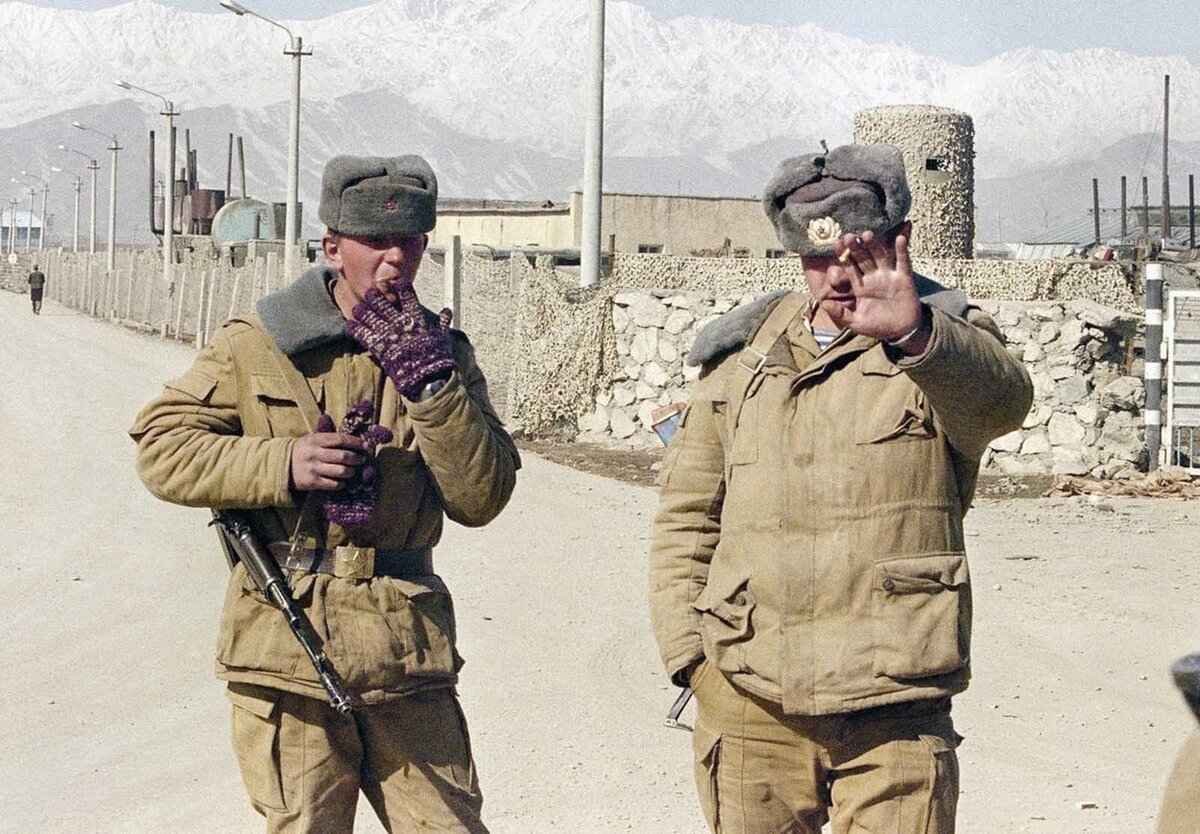
The winter set included an insulated jacket with a removable liner, a fur collar, and a hood, insulated trousers with suspenders, and an ushanka fur hat. Like the summer jacket, the winter jacket had two chest pockets, two lower pockets, and two sleeve pockets. All outer pockets had flaps fastened with flat plastic buttons. Inside the jacket was a standard pocket on the right side. The officer’s version also had a special pistol pocket on the left side. It was reinforced with artificial leather and included a nylon cord with a metal clip to secure the pistol.
Behind the collar was another pocket that held a hood made from waterproof synthetic fabric. The jacket also had built-in nylon drawstrings at the waist and bottom, allowing the fit to be tightened in cold weather.
The jacket had a fold-down collar that closed with a hook. The removable liner had its own fur collar, which attached to the jacket collar. In strong winds, the collar could be raised and secured with an extra fabric strap sewn inside the jacket.
The sleeves of the liner had knitted wool-blend cuffs that fit tightly around the wrists to keep warm air inside. Early versions of the liner were attached with snap buttons, but these were later replaced with regular buttons. The liner could also be worn on its own as a separate jacket.
The winter trousers had a high waist, two upper inside pockets, two cargo pockets on the thighs, and wide fabric suspenders. The lower legs were wide enough to fit over the tops of kirza boots or lace-up combat boots. A removable insulated liner was buttoned inside the trousers.
Soldiers quickly appreciated the Afghanka because it was much more practical than the older field uniform. Its many large cargo pockets allowed them to carry everything they needed during combat missions. For example, the lower side pocket of the jacket usually held a tourniquet. Some soldiers preferred to wrap it around the rifle stock, although this reduced its ability to stretch properly. The same pocket often carried hard biscuits from field rations, cigarettes, lighters, and other small items that needed to be close at hand.