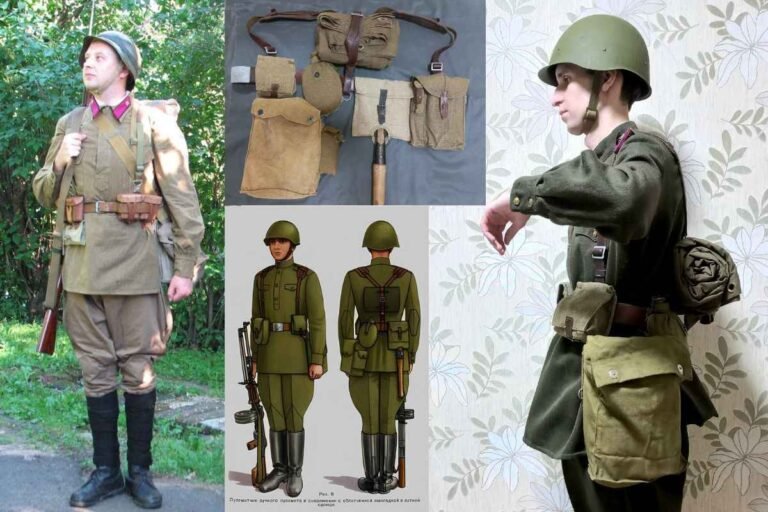
This guide shows the most important Soviet WW2 equipment used by Red Army soldiers.
You will learn about uniform, gear, and everyday items from the RKKA.
It helps you understand how Soviet soldiers lived and fought during WW2.
More interesting articles:
How to Prepare RKKA Uniform and Equipment for WW2 Reenactment
WWII Reenacting for Beginners: How to Look Like a Real Soldier
Red Army Uniforms Before WWII: Complete Guide to Pre-War Equipment
When people talk about the Great Patriotic War (WW2), they usually think about heroism, battles, and soldiers who died. This is often shown in books and films.
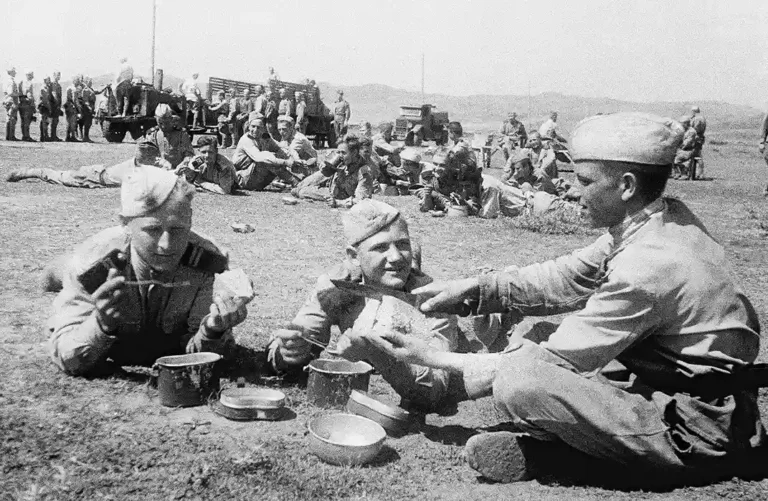
But war was not only about fighting. Daily life on the front was also very important. What happened between battles? How did Soviet soldiers rest? What was real life like?
A soldier’s life was hard work every day. They stood guard, took care of weapons, and did many tasks. There was little rest, but it was part of the daily routine.
Life on the front also depended on food, uniforms, living conditions, and medical care. Soldiers also stayed in touch with home through letters and parcels.
To understand real life in the war, the best sources are memories, diaries, and letters from soldiers.
Gymnastyorka jacket
Uniform was very important for Soviet soldiers. When a new recruit received his uniform, he finally felt like a real soldier. In cold weather, the uniform also protected health and comfort. All issued items were recorded in a soldier’s book.
At the start of the war, soldiers wore a gymnastyorka (tunic) without shoulder boards.
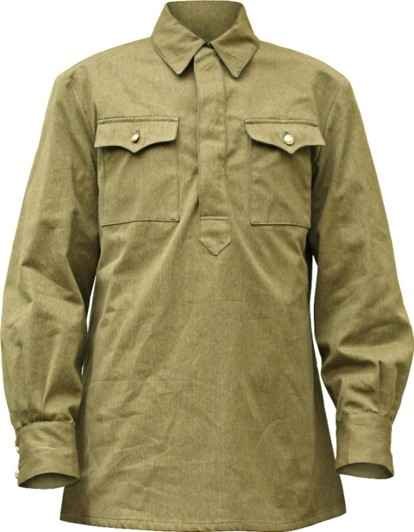
It had a fold-down collar and reinforced patches on the elbows, often made of canvas. The tunic was worn with breeches that had similar patches on the knees. Underneath, soldiers wore simple cotton underwear.
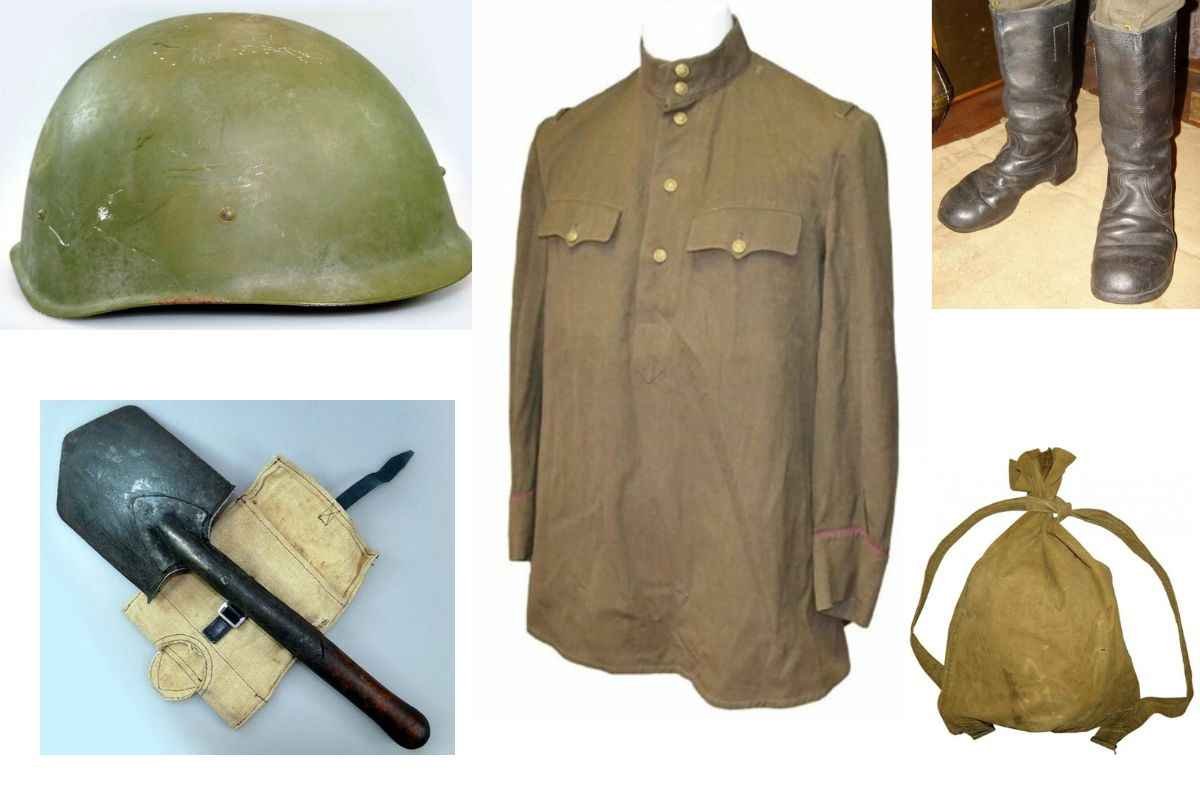
In 1943, the Red Army introduced a new uniform. It was very different from the earlier one and looked more like the uniform of the Imperial Russian Army. The new tunic had a stand-up collar with two buttons.
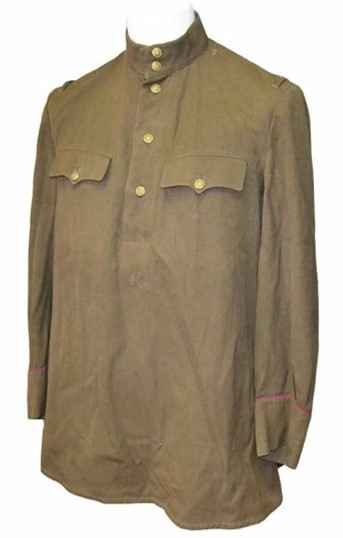
The main change was the return of shoulder boards (epaulettes). There were two types: field and everyday. Field ones were made in dark green colors. Small metal insignia on the shoulder boards showed the soldier’s branch.
The word “gymnastyorka” became official only in 1942. Before that, documents used the word “shirt” or “gymnastic shirt.” The term originally came from the Russian Empire in the 19th century.
Today, no researcher can say the exact date when the gymnastyorka first appeared as a military uniform.
Most historians believe it was introduced in the late 1850s or early 1860s for training and basic work.
The reason is simple: the gymnastyorka was originally just a soldier’s undershirt, which itself came from traditional peasant clothing.
Breeches (galífe)
The second main part of the uniform for both soldiers and officers was breeches (galífe). Soldier breeches had reinforced patches on the knees.
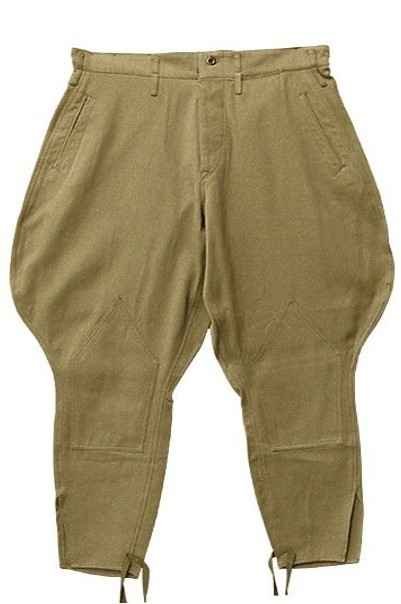
These breeches were introduced together with the 1935 gymnastyorka and stayed almost unchanged during the entire WW2. They had a high waist, fit tightly at the waist, were loose at the top, and tight around the lower legs.
The pants had ties at the bottom, two side pockets, and one back pocket with a button. There was also a small pocket near the waist for a soldier’s ID capsule.
Knees had strong reinforced patches, and the belt loops allowed using a belt. The size could also be adjusted with a strap at the back.
They were made from strong fabric and were designed to be durable in field conditions.
Low combat boots with puttees
On their feet, soldiers wore boots with puttees. This was one of the biggest problems for soldiers, especially infantry, because they had to march in them a lot. They were often uncomfortable, heavy, and not very durable.
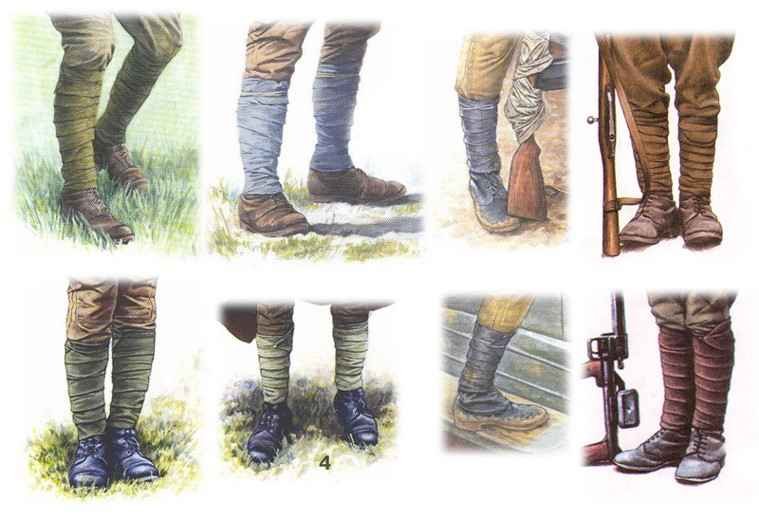
This type of footwear was used to save resources. After 1939, the Soviet Army grew very quickly, and it was impossible to give boots to everyone. Leather was limited, so many shoes were made from kirza material.
Boots with puttees first appeared in the Russian Imperial Army during World War I, when there was a shortage of boots. They were cheaper and easier to produce, so they were used for large armies. Later, they continued to be used in the Red Army, especially in infantry units. Other troops like cavalry or tank crews usually had full boots.
Puttees were long strips of cloth, about 10 cm wide and around 2.5 meters long. Soldiers wrapped them around the lower leg from bottom to top. The first turns were tight around the boot, and the last ones stopped below the knee. A string at the end kept them in place.
Soldiers needed practice to wrap them correctly. Boots with puttees were used by Soviet infantry until the end of the war in 1945.
Victory Boots: How Kirza Boots Appeared
Kirza boots appeared thanks to simple materials like cotton and early synthetic rubber.
In 1938, as war was coming, the Soviet Army needed footwear for millions of soldiers. There was not enough leather, so they had to find a cheaper solution.
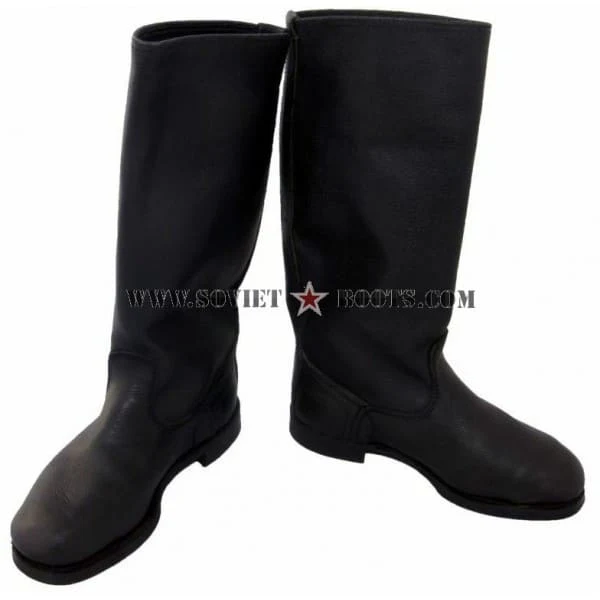
The idea came from earlier experiments. Russian scientists had tried to make artificial leather using fabric and rubber. Before WW2, they improved this by using local cotton and synthetic rubber made in the USSR.
The final version of kirza boots was developed by chemist Ivan Plotnikov. By late 1941, mass production started, and millions of pairs were made for the army.
Soldiers liked kirza boots because they were light and easy to produce, but they were not perfect — they could wear out quickly and were not fully waterproof.
Even with these problems, kirza boots were used until the end of the war and became one of the most iconic parts of Soviet military gear.
These boots reached Berlin and until recently were still “serving” in the Russian army.
More than 200 million pairs were produced.
Rolled greatcoat
Before 1943, an important part of a Soviet infantry soldier’s gear was the rolled greatcoat worn over the left shoulder. It was rolled to make movement easier and not disturb shooting.
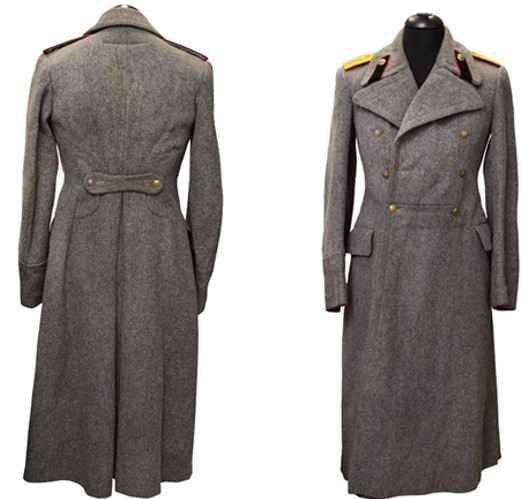
However, it often caused problems. In summer, during air attacks, the roll made soldiers more visible. It also made it harder to run or hide quickly. In trenches, soldiers often threw it under their feet because it limited movement.
At the same time, the greatcoat was very useful. It protected soldiers from cold, rain, and even fire. The fabric did not burn easily and could resist flames. Some coats had small metal hooks, so soldiers could lift and attach them to the belt while running or crawling.
Uniforms did not always fit well, so soldiers adjusted them. One soldier remembered that his coat was too long, so he cut it shorter. He was punished for damaging army property, but he continued to wear it that way.
Foot Wraps (Portyanki)
Portyanki were an important part of Soviet WW2 equipment used by Red Army soldiers.
Instead of socks, soldiers used simple pieces of cloth that were wrapped around the feet in a special way.
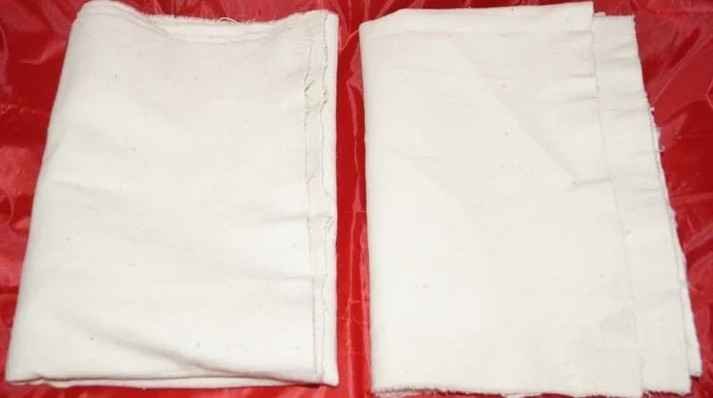
They were very practical in field conditions. Portyanki were easier to dry than socks, lasted longer, and could be adjusted to fit any foot size. When used correctly, they helped prevent blisters during long marches and appearance of fungus on the feet.
They worked especially well with boots like kirza jackboots. Because of their simplicity and reliability, portyanki remained in use in the Soviet army for many years after WW2.
Quilted Jacket (Vatnik)
The vatnik (quilted jacket) has a long history. Similar clothing existed as early as the 11th century. Soldiers wore quilted layers under armor to stay warm. Some historians also link it to Central Asian quilted robes.
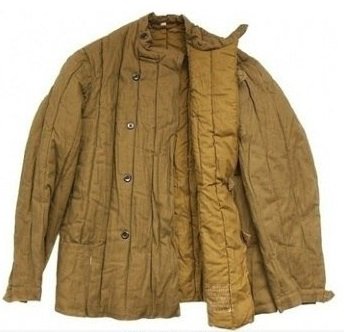
Modern vatniks appeared after cotton padding began to be produced in large amounts in the late 19th century. At first, cotton was used for medical bandages, but later it was used to make warm clothing.
Russian soldiers first saw this type of jacket during the Russo-Turkish War (1877–1878). Turkish soldiers had more practical clothing for cold weather, and Russian troops started using captured quilted jackets. Later, similar clothing was used by Cossacks and during the war with Japan.
By the early 20th century, quilted clothing became part of military gear. It was widely used in World War I and later adopted by the Red Army.
From the late 1930s, the USSR started mass production of vatniks. They were cheap, simple, and very practical. During World War II, they became one of the main types of winter clothing for soldiers.
In 1941, a new version of the vatnik was introduced. Unlike earlier versions, it was often worn instead of a greatcoat, especially by regular soldiers.
The vatnik was easy to produce in large numbers and helped save more expensive materials. In bad weather, soldiers wore it with a rain cape or camouflage clothing.
Even after the war, the vatnik remained popular. It was used by workers, builders, and ordinary people across the Soviet Union for many years.
Ushanka Hat
The ushanka was a key part of Soviet WW2 equipment during winter.
This fur hat was designed to protect soldiers from extreme cold temperatures.
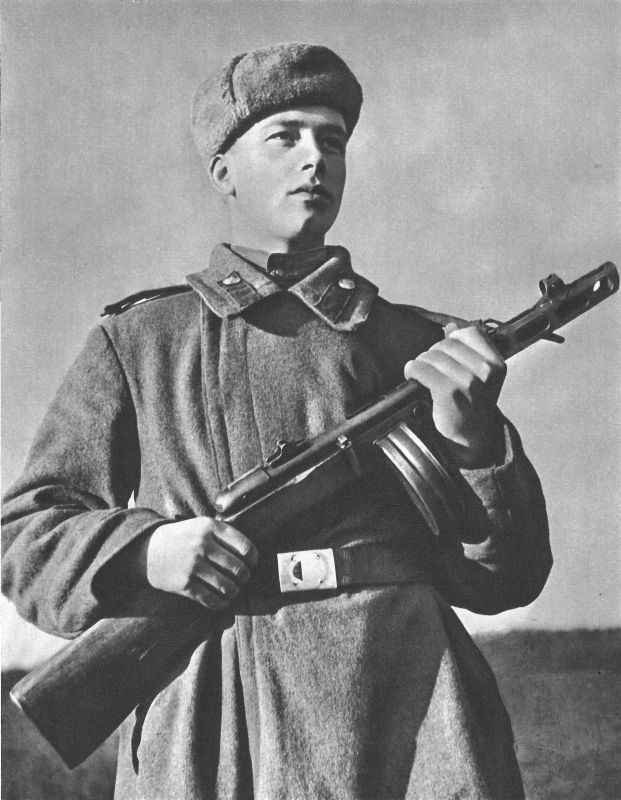
It had ear flaps that could be tied on top of the head or under the chin, depending on the weather. In very cold conditions, soldiers lowered the flaps to cover their ears and neck for extra warmth.
The ushanka was warm, durable, and simple to produce, which made it ideal for the Red Army. It became one of the most iconic symbols of Soviet soldiers in winter conditions.
Protective outer clothing has always been very important in the army. It protects soldiers from bad weather and can even become a small “home” in the field.
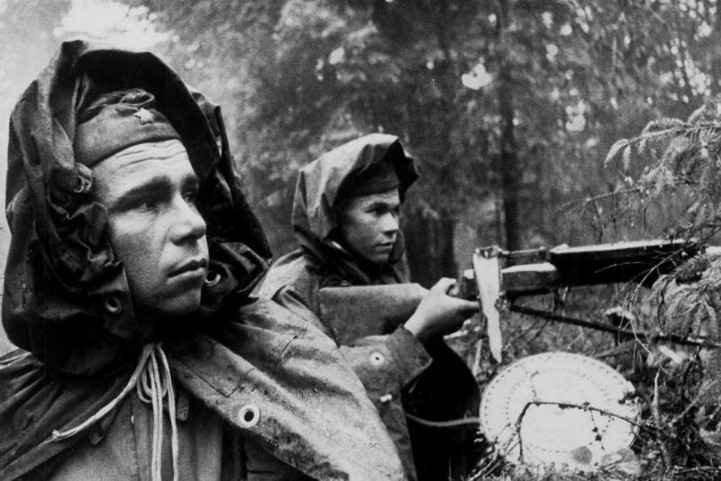
In the past, similar cloaks were used in Russia for rain protection. Over time, they became part of military gear. By the late 19th century, soldiers already carried small personal tents during marches.
These small tents were very useful. Soldiers could set them up anytime without waiting for large camp tents. This made rest easier and protected them from rain and wind.
Later, soldiers started using the tent as a rain cape during marches. In 1910, this idea became official, and the item was called a “plash-palatka” – a combination of a cloak and a tent.
In the Red Army, the plash-palatka became standard equipment in 1936. It included a fabric sheet, poles, pegs, and rope.
Its main advantage was versatility. Soldiers used it as:
a rain cover
a ground sheet
a blanket
a small tent
even a simple hammock
Several plash-palatkas could be combined to make a larger tent for a group.
During WW2, soldiers used it in many ways. It could serve as a stretcher for wounded soldiers, cover trenches, or even help cross water if filled with straw.
Because of this, the plash-palatka became one of the most important and iconic items of Soviet military gear.
Pilotka cap
The pilotka cap appeared in the early 20th century with the rise of military aviation. Soldiers always needed headgear, but standard caps were not practical for pilots. The pilotka could be folded and easily put into a pocket, which made it very convenient.
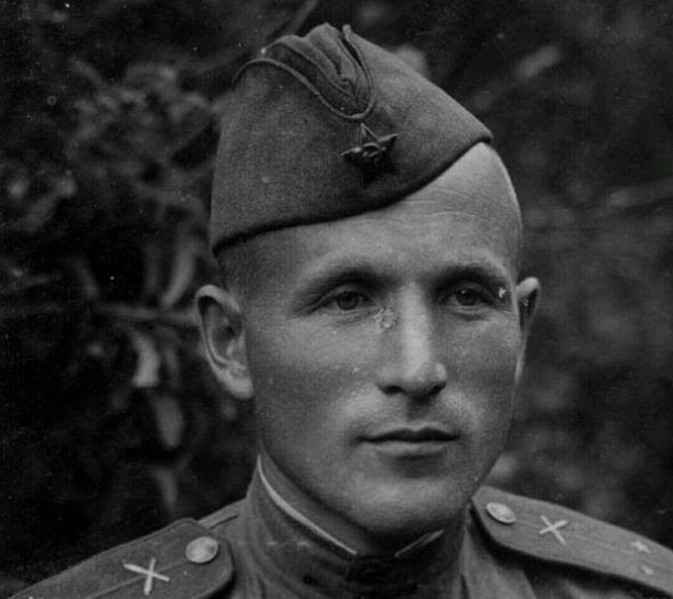
At first, it was used only in the Russian Imperial Air Force. Later, soldiers from other branches also started wearing it because it was simple and cheap.
After the 1917 Revolution, its use decreased for some time. But the Red Army had large stocks of pilotkas, so in 1919 it was officially introduced again, first for military students.
By 1935, the pilotka became a standard part of the Red Army uniform, with different versions for officers and soldiers.
During WW2, soldiers often wore the pilotka under the helmet. For this, they sometimes removed the star badge and adjusted the cap to fit better.
Steel Helmet SSH-40
The SSH-40 helmet was an improved version of the earlier SSH-39, introduced in 1939.
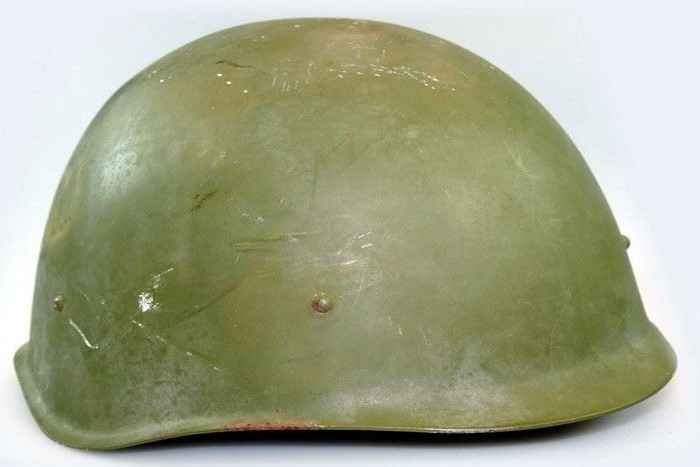
During the Soviet-Finnish War, soldiers found a problem with the SSH-39 — it was difficult to wear a warm winter hat under it. The standard liner did not protect well from cold, so soldiers often removed it and wore the helmet over their hat.
Because of this, the SSH-40 received a new inner lining. The shape of the helmet stayed the same, but the inside was redesigned for better comfort.
You can recognize the SSH-40 by its six rivets around the lower edge. The older SSH-39 had only three rivets placed higher on the helmet.
The SSH-40 used a liner with three pads filled with cotton. A cord allowed soldiers to adjust how the helmet fit on the head.
Production started in early 1941. At first, there were not many helmets in the army, but by 1942 the SSH-40 became the main helmet of the Red Army.
It continued to be used even after WW2 and stayed in service for many years.
About equipment
Soviet soldier equipment was simple and practical. A common item was the canvas backpack (veshmeshok) from 1938. However, not all soldiers had one, so many used gas mask bags instead, sometimes even throwing away the gas mask.
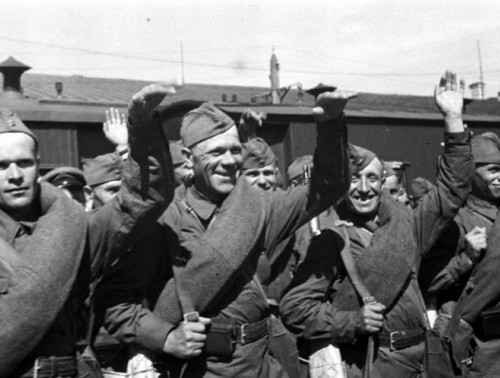
According to regulations, every soldier with a rifle had to carry two ammo pouches. Each pouch held clips for the Mosin rifle (about 20 rounds). These pouches were worn on the belt, one on each side.
Officers used small bags made of leather or canvas. Some were worn on the shoulder, others on the belt. Many also had a small map case, and some officers carried larger leather map cases under the left arm.
In the early years of the war, soldiers highly respected the Mosin rifle (1891). Many even gave it a name and trusted it as a reliable companion in battle.
The SVT-40 rifle, on the other hand, was less popular because it was more difficult to use and less reliable in tough conditions.
Backpack (Veshmeshok)
This item of equipment, called “sidor” by soldiers, was a simple bag with a shoulder strap and a rope to close the top. It first appeared in the Russian army in 1869 and later was used in the Red Army with almost no changes.
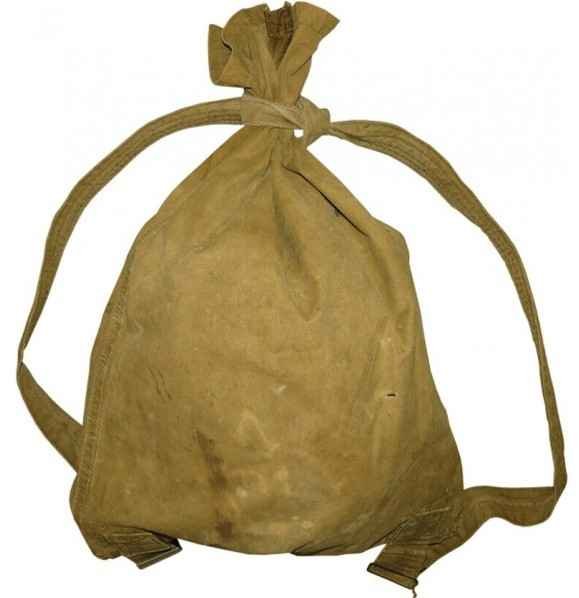
In 1930, a new standard was introduced, known as the “Turkestan type veshmeshok.”
The bag had one main compartment. The top could be tightened with a rope. It had a shoulder strap with small loops to adjust the length and to fasten it across the chest. A small wooden toggle was used to secure the bag.
In 1941, the bag was slightly changed – it became smaller, and the strap was made narrower with padding. In 1942, it was simplified again: the padding was removed, but the strap became wider.
Because it was simple and easy to produce, the veshmeshok became the main way for Soviet soldiers to carry personal items during WW2.
Gas Mask Bag (1939 Pattern)
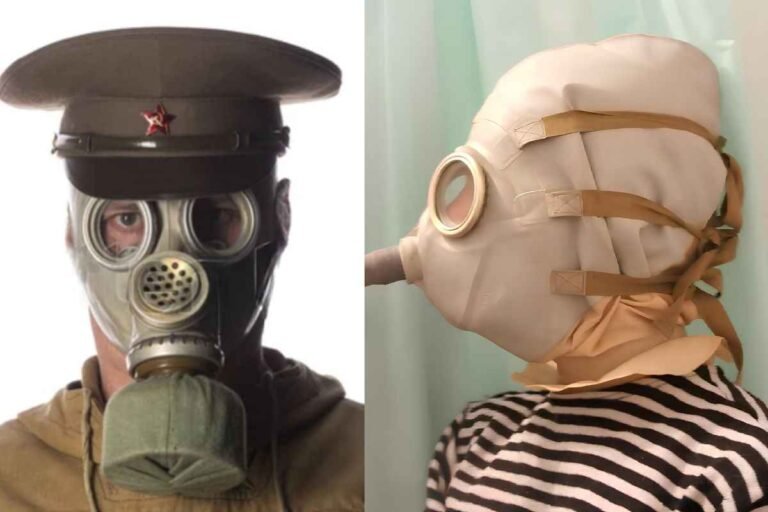
At the beginning of the war, Red Army equipment still looked similar to WW1 gear. Soldiers carried gas mask bags because there was a fear of chemical attacks.
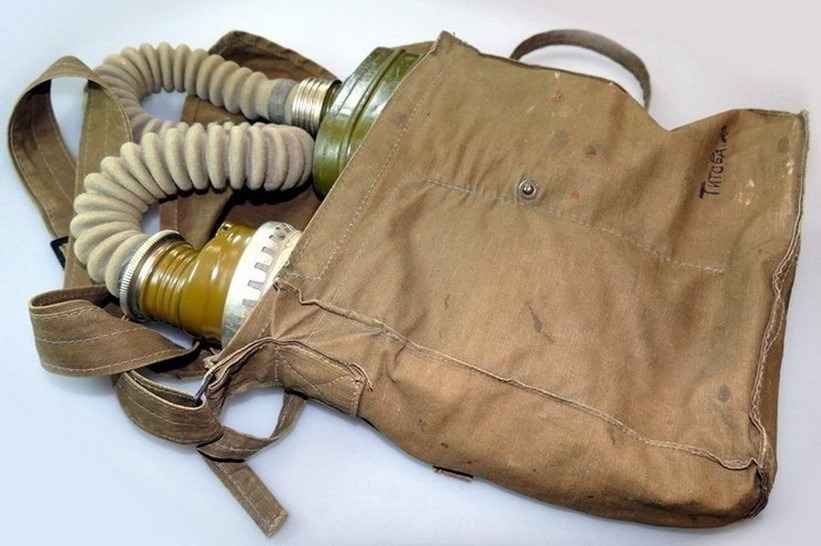
By 1945, gas masks were still officially part of equipment, but no chemical attacks happened during the war. Because of this, many soldiers tried to get rid of them by sending them to the rear or simply throwing them away.
Instead, soldiers often used the gas mask bag to carry personal items.
During the war, even soldiers in the same unit could have different types of gas masks and bags. Most bags were made from tent fabric and closed with a button.
Entrenching Tool (Small Infantry Shovel)
The small infantry shovel (MPL-50) appeared in the late 19th century. As firearms became more powerful, soldiers needed a way to quickly dig cover and protect themselves.
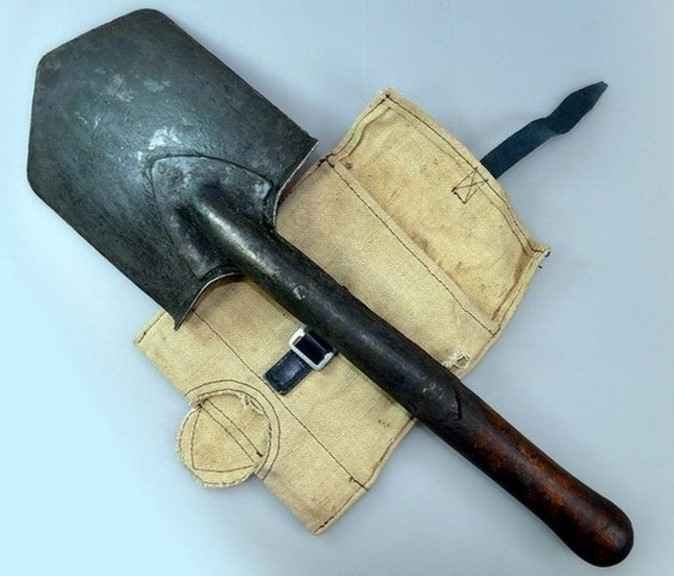
In 1869, a Danish officer named Linnemann created a small shovel for each soldier. It was not popular in his country, but Russia and Austria-Hungary adopted it quickly.
The shovel was compact, about 50 cm long, and easy to carry. Every infantry soldier received one. It was used to dig trenches and protect against enemy fire.
During WW1, the shovel also became a weapon. When sharpened, it could be used in close combat like a small axe.
It was also very practical in everyday life. Soldiers used it to cook food, cut wood, make tent pegs, and clear roots.
During WW2, the shovel became one of the most important tools for Soviet soldiers. A trained soldier could dig a trench in about 10 minutes.
Many soldiers said the shovel was like an extension of the hand. It helped them survive under fire and was often considered as important as a weapon.
Grenade Bag
Every infantry soldier carried hand grenades in a grenade bag worn on the belt. It was placed on the left side, behind the ammo pouch and in front of the food bag.
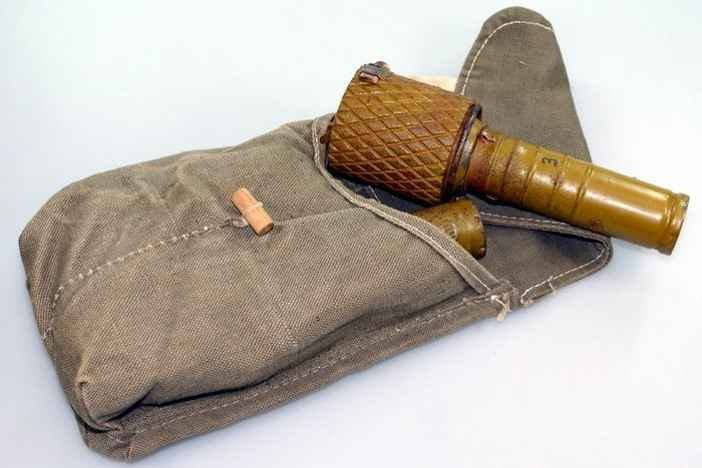
The bag was made of fabric and had three compartments. Two larger sections held grenades, and a smaller one was used for detonators.
The bag could be made from canvas or tent fabric and was closed with a button or a wooden toggle.
It usually carried two grenades, such as RGD-33 or older models. It could also hold up to four F-1 grenades, arranged carefully for safe storage.
The grenade bag design stayed almost unchanged throughout WW2 and was standard equipment for Red Army soldiers.
More interesting articles:
How to Prepare RKKA Uniform and Equipment for WW2 Reenactment
WWII Reenacting for Beginners: How to Look Like a Real Soldier
Red Army Uniforms Before WWII: Complete Guide to Pre-War Equipment
Looking original Soviet boots and accessories? Please visit here: Soviet Boots Store