Soviet Afghan War Uniforms and Spetsnaz Gear: Afghanka, KZS Camouflage and Field Equipment
More interesting articles:
Soviet Spetsnaz Uniform in Afghanistan (1979–1989)
Soviet Afghanka Uniform: History, Features, and Use in Afghanistan
What Soviet Soldiers Really Ate in the Afghan War
The war in Afghanistan showed very quickly that ordinary Soviet field clothing was not always good for mountains, dust, heat, cold nights and long marches. Soldiers and reconnaissance men used official uniforms, but they also changed and mixed them when practical experience required it.
The 1969 Field Uniform in Afghanistan
The field uniform adopted in May 1969 stayed in service with units of the 40th Army during the whole war. New uniforms appeared later, but large stocks of the old uniform remained in warehouses. Under the rules, it was used until its service life ended. Because of this, several types of uniforms could be seen in one unit at the same time.
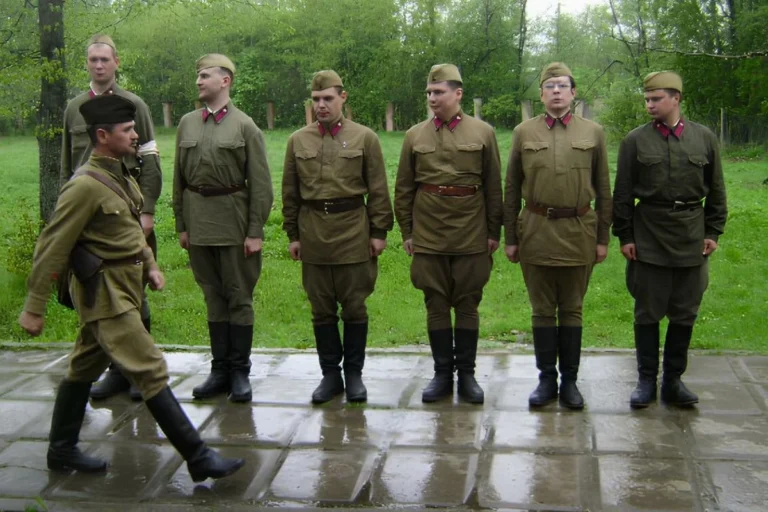
The summer field uniform had a cotton jacket, trousers and leather boots. It was used with shoulder-strap equipment. In southern military districts, soldiers could wear the jacket with the top button open in summer and fold the collar edges out.
For winter, it was replaced by a warm semi-wool uniform. Officers had field cockades in protective color on winter hats. Soldiers had normal gold-colored cockades, usually removed in combat. Greatcoats were mostly worn inside garrisons. In the field, the short padded work jacket was warmer, easier to wear and did not limit movement.
Field shoulder boards were green for every branch. They replaced the colored daily shoulder boards: red for motor rifle troops, black for tank, artillery and engineer troops, and blue for aviation and airborne troops.
In real combat, nobody carried the full official set of equipment. On marches and at outposts, soldiers used lighter gear. They usually left the gas mask bag and entrenching tool behind. A common set was a pouch for four rifle magazines, a pouch for two RGD-5 grenades and a canteen. The usual 650-gram canteen was often replaced by a larger two-liter plastic bottle.
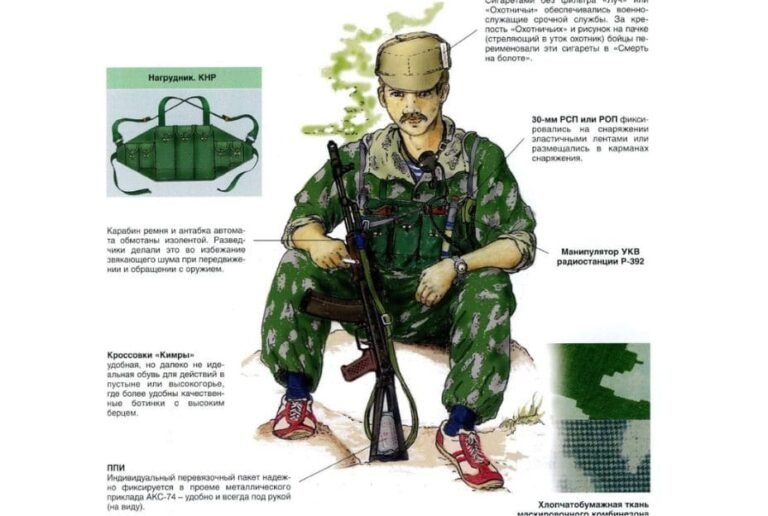
Reconnaissance units often preferred 7.62 mm Kalashnikov rifles to the 5.45 mm AK-74. They believed the older cartridge had stronger effect. Compact AKMS rifles with folding stocks were also popular during long marches and in vehicles. Men often kept a first-aid packet inside the hollow stock frame and wrapped the stock with a rubber bandage, so both things were close at hand. Plastic magazines were replaced with metal ones when possible: broken fiberglass could make dangerous sharp pieces.
KZS Camouflage and Light Field Gear
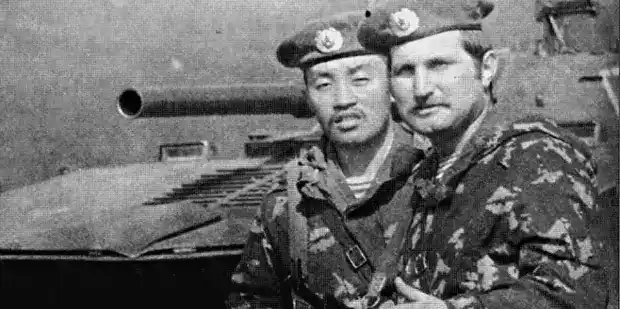
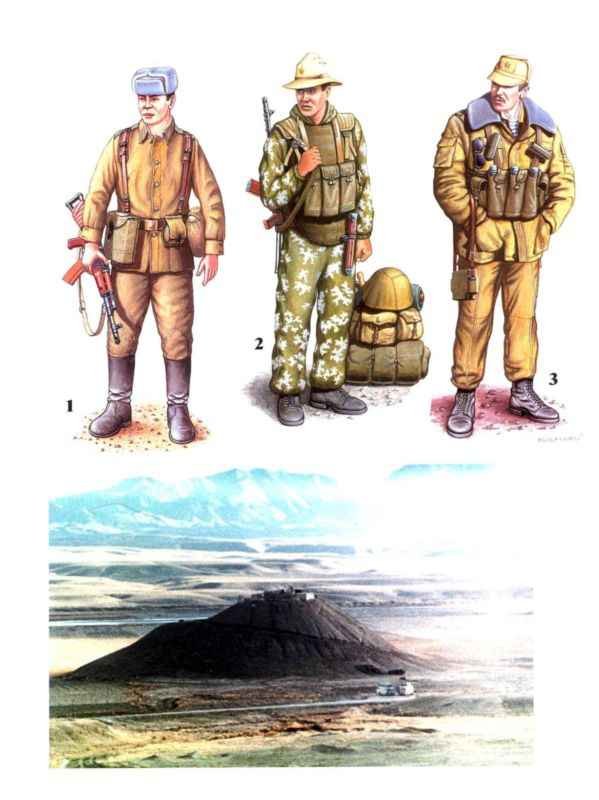
KZS protective mesh suits and KZM camouflage suits had different cuts and materials, but a similar camouflage pattern. Its strange shapes gave it the nickname “amoeba.” These suits were first made for border troops. Later they became common with reconnaissance units and airborne troops.
The pattern existed in several colors for different terrain: green with yellow spots, green with white spots, and a mountain brown version with a dirty-white pattern. The last version was made for Transcaucasia and was rarely seen in Afghanistan. Officially, camouflage was worn over the field uniform. In summer, soldiers often wore the light KZS mesh suit instead of it. Sometimes the KZS jacket was used with ordinary protective-color trousers because these trousers were stronger.

Soviet Army KZS Berezka Camouflage Suit
Explore the Soviet Army KZS camouflage suit.
View the Berezka camouflage pattern and product details in our store.
Helmets were whitened with chalk or covered with burlap and pieces of old uniform. This helped camouflage and protected the head from the burning sun. Different body armor types were used. The BJ-85T with titanium plates was considered one of the most reliable. Titanium was strong and did not make dangerous fragments easily.
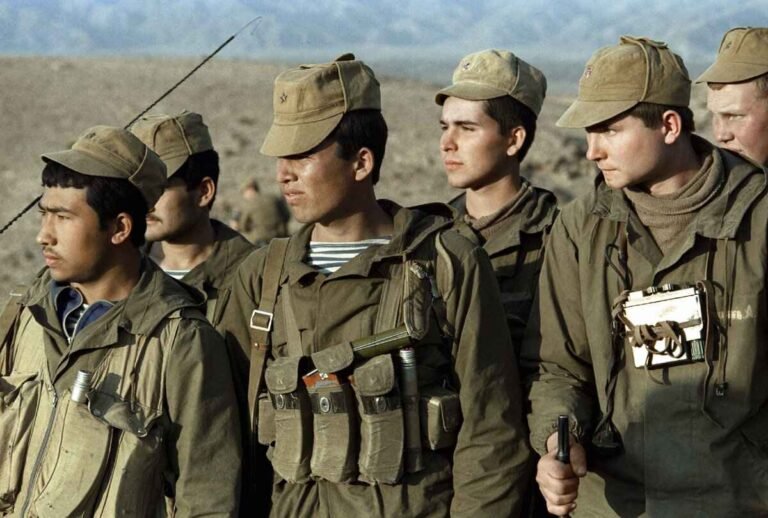
By the middle of the war, the load-bearing vest, often called the “bra,” became almost required equipment. It was more practical than normal pouches. Soviet-made vests appeared in enough numbers only by 1987–1988. Before that, men often used captured Pakistani, Chinese or Arab-made vests. A vest normally had shoulder straps, a waist belt, three or four magazine pockets and two grenade pockets. Each man filled it in his own way with ammunition, food, a dressing packet, signal rounds and other small items. Some useful vests were ordered from private sewing cooperatives at home, bought with personal money, or made by soldiers themselves from captured examples.
A long patrol also required water, food, a warm jacket and sweater for cold nights, a sleeping bag, blanket and personal things. Everything went into a large rucksack. Soldiers also shared heavy group weapons and ammunition. With cartridges, belts, grenade-launcher rounds and mines, one man could carry 35–40 kg. On a long raid, the load could reach 50–60 kg.
The Afghanka Uniform
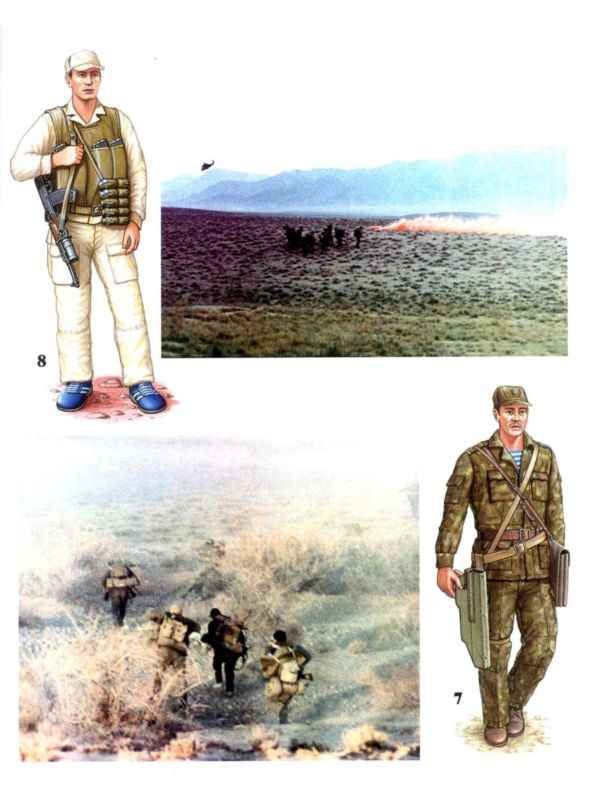
In 1984, the Soviet Ministry of Defence accepted a new field uniform for soldiers and officers. It had a jacket and trousers in protective color or camouflage, plus a soft cap with a cloth visor. In winter, it was used with a warm padded jacket with a sheepskin-fur collar.
In the 40th Army, this uniform was first seen two years earlier during tests. It was tested in the climate and terrain of eight military districts and also in combat conditions in Afghanistan. It proved practical and at first went mostly to the fighting 40th Army. This is why it became known as the Afghanka. Another nickname was “Mobuta.” One story said the unusual and comfortable uniform had first been made for African armies.
The new uniform had fourteen large inside and outside pockets. The jacket could be tightened at the waist and lower edge to stop wind. Trouser cuffs could also be tightened. A stitched line at the front of the trousers helped them keep their shape without ironing. All buttons were hidden under flaps so they would not be torn off, especially when crawling.
High-laced leather boots replaced ordinary jackboots almost everywhere. They were better for mountains and desert ground because they held the foot firmly. There were three main versions, with small differences in rivets, seams, heel reinforcement and sole. The most popular were light boots with a strong molded polyurethane sole.
When possible, soldiers bought or traded for Czechoslovak boots supplied to the Afghan government army. They were light and comfortable, with laces and two fastening straps around the upper. Other soldiers looked at them with envy.
The practical new uniform also made officers less visible. In a combat group, officers stopped standing out by uniform, equipment or weapon. They left map cases, cross-belts and pistols behind and used ordinary rucksacks and rifles like the other men.

Original Soviet M88 Afghan War Boots
Adidas Moscow sneakers are hard to find today.
But original Soviet M88 combat boots from the Afghan War era are still available.
Machine Gunners and Improvised Equipment
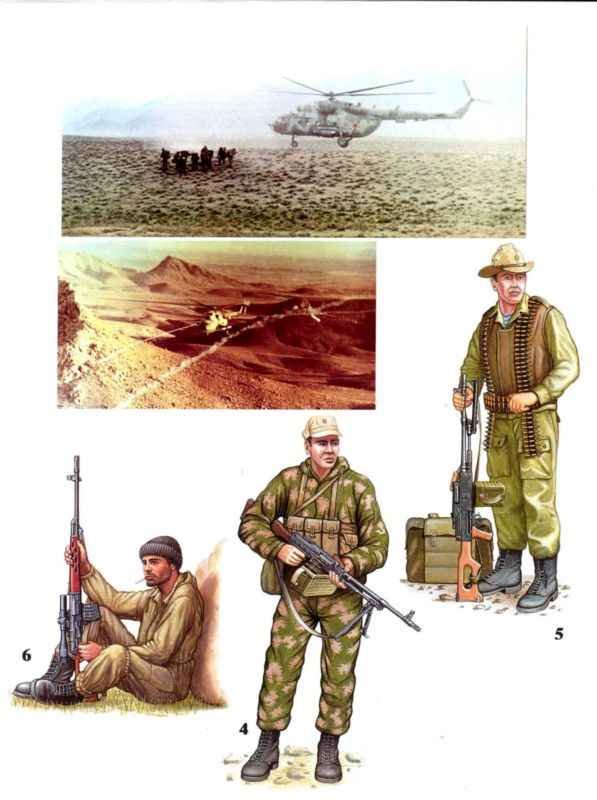
The PK and improved PKM machine guns were company-level weapons. In many 40th Army units, especially reconnaissance groups, they were essential. Groups needed heavy fire against people and transport in caravan columns. The number of machine gunners was often two or three times higher than the official table allowed. Almost every squad could have several PKs, while belts and extra cartridges were divided between all rucksacks.
A machine gunner often carried up to 100 rounds as a normal personal load. The standard magazine vest was not ideal for him, but its pockets could hold loose cartridge packs, a dressing packet, food and personal items. Often there was no second machine-gun number, even though the official crew called for one.
Loaded belts of 150 or 250 rounds went into the rucksack. The carrying handle helped during a quick change of position. On a march, the PK was usually carried on a sling or over the shoulder, held between the handle and the ammunition box.
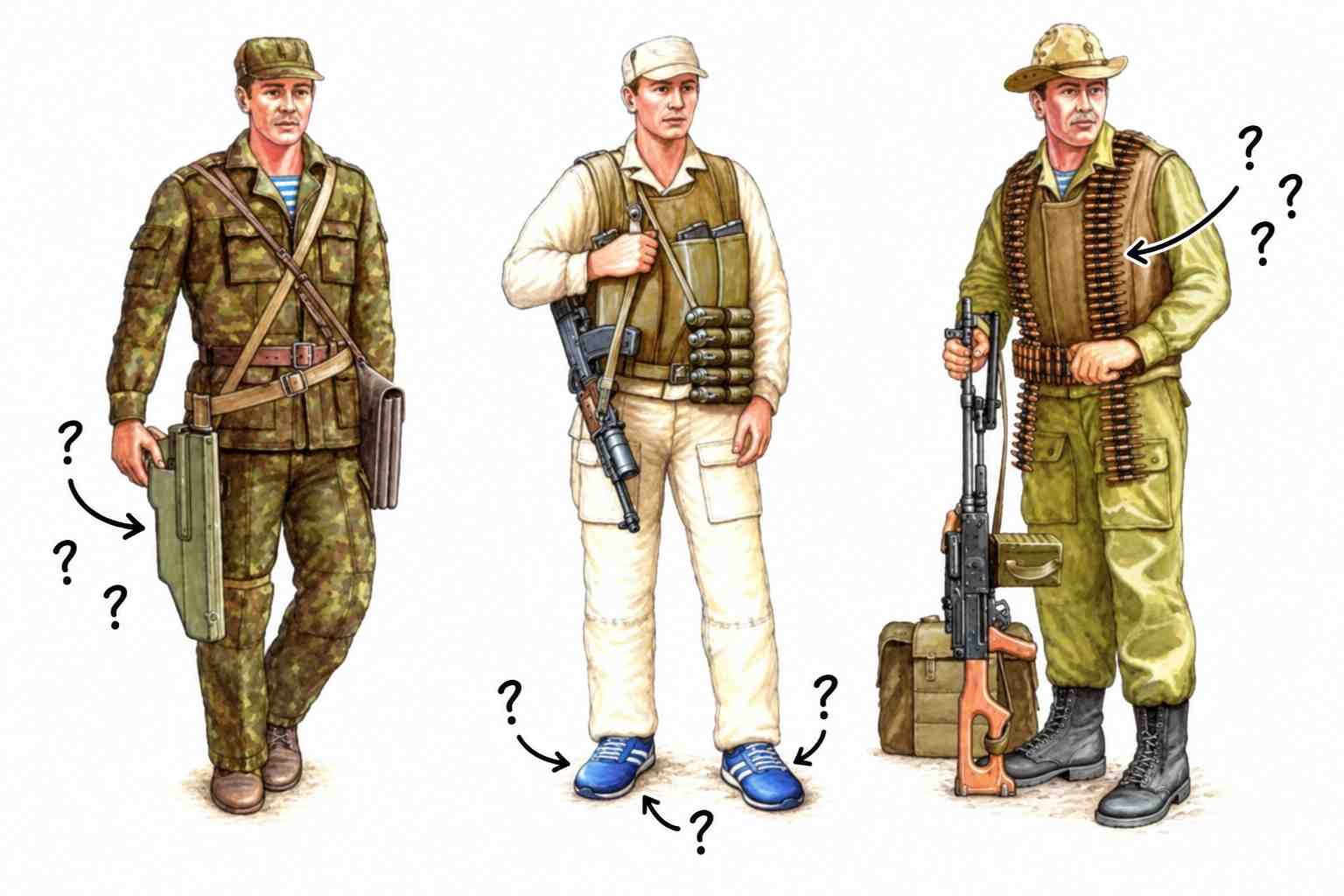
The lack of special equipment created many improvised solutions. Machine gunners sometimes wore three or four loaded belts over their clothing, across the shoulder or around the body. A life jacket from an armored personnel carrier or infantry fighting vehicle could be changed into an apron. Foam filling was removed, extra straps were sewn on, and the pockets held the belts in place. Extra ammunition and boxes could go into the RD-54 airborne rucksack.
Boots were sometimes laced loosely for hot summer marches in the desert. This let the feet breathe and made boots quicker to put on. In the mountains, tight lacing was necessary because the boot had to hold the ankle and lower leg against injury.
Snipers, Mountain Clothing and Knit Hats
Snipers in the 40th Army served on patrols and outposts. They were also used for special work on raids and in ambushes. Sniper training for Afghanistan was organized at the Sherabad center of the Turkestan Military District.
Training included not only weapons and marksmanship. It also covered camouflage and shooting in mountains and desert. Sun-heated and shaded slopes created many air currents. Together with sunlight refraction in shaking hot air, these currents made accurate shooting difficult. Snipers used the SVD rifle with the PSO-1 optical sight as their standard weapon.
Mountain clothing was worn over normal field uniform. It had a loose jacket with a hood and wide trousers, made for mountain conditions. The dense jute-based fabric was strong and protected against wind and sharp temperature changes. Elastic bands at the wrists and trouser legs stopped sand and small stones. Similar bands at the knees reduced the wind effect on the loose clothing.
Mountain boots had a sealing roll around the upper, reinforced parts and a studded sole with deep tread. Reconnaissance men and Spetsnaz soldiers also widely used plain dark knit hats borrowed from climbers. They were warmer and more practical than official headgear on winter patrols, and it was not a big problem if one was lost during a jump or run.
Uniform items could be mixed in many ways. It depended on the commander. Some demanded strict regulations. Others chose convenience and practical value in combat.
Late-War Camouflage, Peschanka and Local Clothing
The 1984 field uniform existed in protective color and camouflage versions. The long-term plan was to move fully to camouflage. In practice, 40th Army units mostly received protective-color uniforms. The rear services thought that a partial change to camouflage would make soldiers and officers look too different.
Camouflage appeared around 1987 but remained rare. There were not enough sets to re-equip full units, and the right sizes were often missing. At first, the new clean camouflage commonly went to senior officers. A bright unworn camouflage suit and strict regulation equipment could show that a man came from headquarters. Experienced field commanders usually tried not to stand out.
The AKS-74U had a special plastic thigh holster with shoulder, waist and knee straps. In practice it was large and uncomfortable. It was rarely used except for inspections and souvenir photographs.
Spetsnaz reconnaissance units often used a light field suit made for southern desert areas. It had a loose short jacket and sand-colored trousers. It was better known as the Peschanka. It could be worn as a full uniform or over normal clothing, depending on the weather. Its cut was close to a parachute-training jumpsuit. It had a side flap for a knife on the right thigh and large pockets for many small items. Later versions had hidden buttons under double flaps. Mesh inserts under the arms and in the crotch improved ventilation.
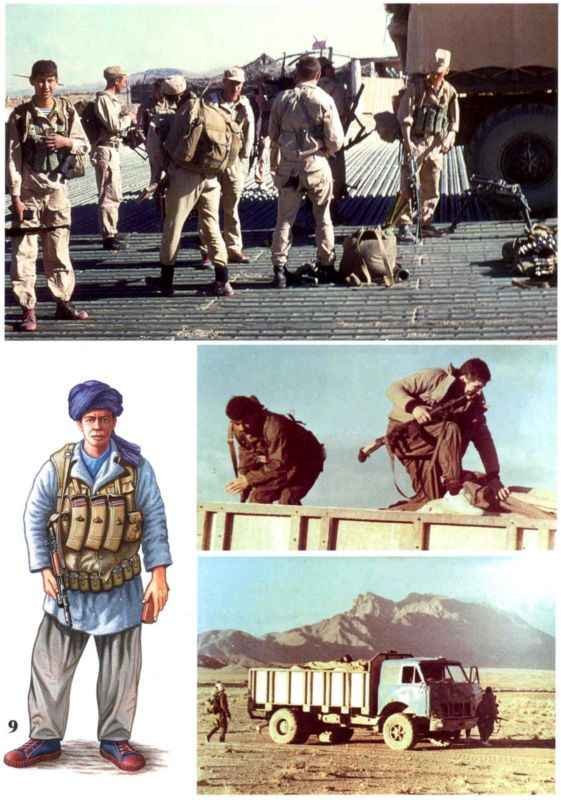
Spetsnaz units sometimes used Afghan clothing for reconnaissance, ambushes and caravan hunting in areas controlled by the Mujahideen. Loose trousers, shirts and cloaks helped a group avoid attention during a chance meeting with local people, shepherds or caravan men. The clothing could give the group valuable minutes if they met enemy fighters. Soviet soldiers and Afghan fighters often had similar weapons, and faces could only be recognized from a much shorter distance than rifle fire.
Pakistani mountain-style jackets and captured military clothing were also used. One officer from the 173rd detachment wore a captured U.S. Marine Corps coverall. Local shoes were not popular: sandals and soft shoes with leg wraps felt too strange for Soviet soldiers.
Spetsnaz often preferred sports shoes to regular army boots. As the saying went, “a scout is fed by his feet.” Chinese canvas shoes and stronger running shoes with hard soles were common on rocky ground. Soviet-made trainers sold in military shops were especially respected: the Tbilisi-made “Adidas” and the tough “Kimry” shoes. Famous imported brands found in Afghan shops often could not survive even one or two mountain marches.
Soviet Adidas “Moscow” Sneakers: Why VDV and Spetsnaz Wore Them in Afghanistan
More interesting articles:
Why Mujahideen Feared Soviet GRU Spetsnaz in the Afghan War
Soviet Afghanka Uniform: History, Features, and Use in Afghanistan
What Soviet Soldiers Really Ate in the Afghan War
Looking for original Soviet boots and accessories? Please visit Soviet Boots Store.