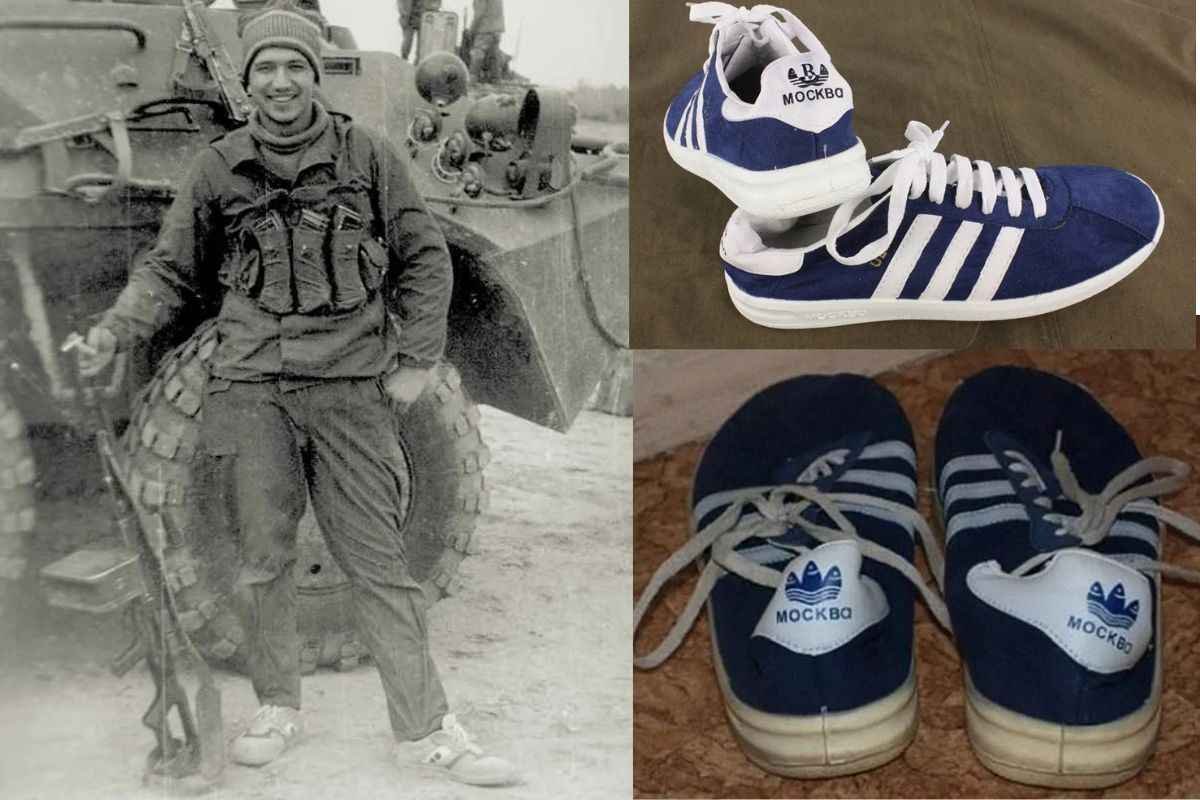
Soviet Adidas Moscow sneakers have an unusual story. Adidas shoes first went to the Soviet Olympic team. Then similar shoes were sold under another name. Later, Soviet Spetsnaz and VDV soldiers wore them in Afghanistan.
More interesting articles:
Soviet Spetsnaz Uniform in Afghanistan (1979–1989)
Soviet and Afghan Military Uniforms During the Soviet-Afghan War (1979–1989)
Why Mujahideen Feared Soviet GRU Spetsnaz in the Afghan War
Official Soviet propaganda often spoke badly about the Western way of life. In real life, Soviet officials still worked with Western companies. One of the most interesting examples was Adidas.
Why Western Sneakers Were a Dream in the USSR
Before the “Moscow” sneakers appeared, real Adidas shoes were almost impossible for ordinary Soviet people to buy. Western products were very expensive and often reached people through the black market. At the same time, Western movies, television, and sports made people want products like Levi’s jeans and Adidas sneakers even more.
The Soviet press did not like this trend. It called the desire of young people to buy Western products on the black market “immoral.” In 1975, the Soviet light industry even tried to answer the popularity of imported jeans by making its own. But Soviet technology and equipment were far behind Western factories. Making good sports shoes was even more difficult.
Secret Contracts
After the Second World War, the Olympic Games became an important place for sports companies. Every brand wanted its shoes and clothes on strong athletes. Soviet athletes were among the best in the world, and the closed Soviet Union attracted attention.
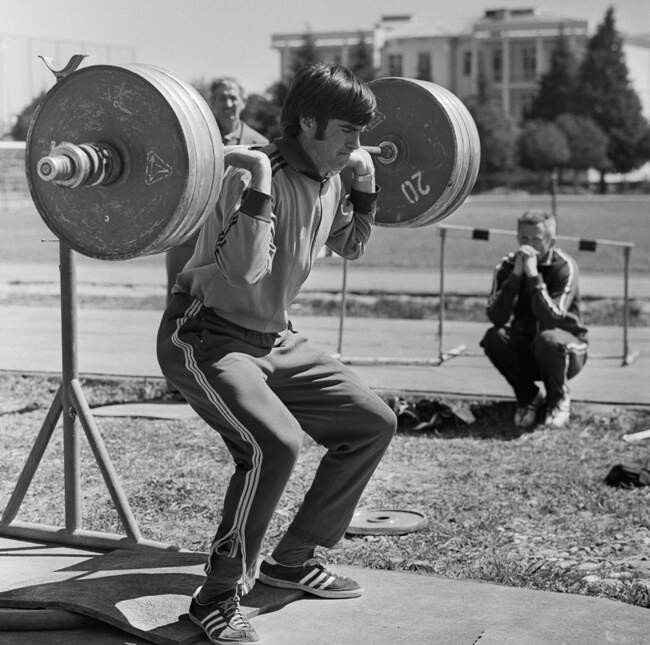
Many people connect Adidas and the USSR only with the Moscow Olympics in 1980. But Soviet sports officials had worked with the German company for about twenty years by 1979. Other Western brands also supplied Soviet athletes. In 1965, Converse received an order from the USSR for basketball shoes.
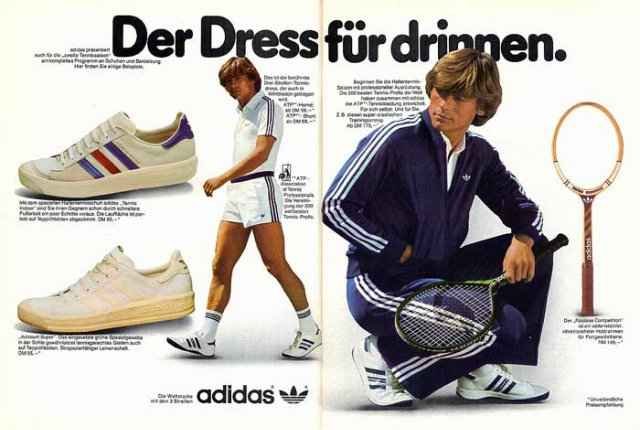
The reason was simple: Soviet factories could not make enough good sports shoes. They did not have the same materials or technology.
Hiding the Three Stripes
In the late 1970s, Adidas became a supplier for the coming Moscow Olympics. Most of the order was modern sports footwear. Then the Soviet invasion of Afghanistan caused an international boycott. Sixty-five countries, including West Germany, did not take part in the Games. Adidas had already paid a lot for its supplier role, so it continued its work.
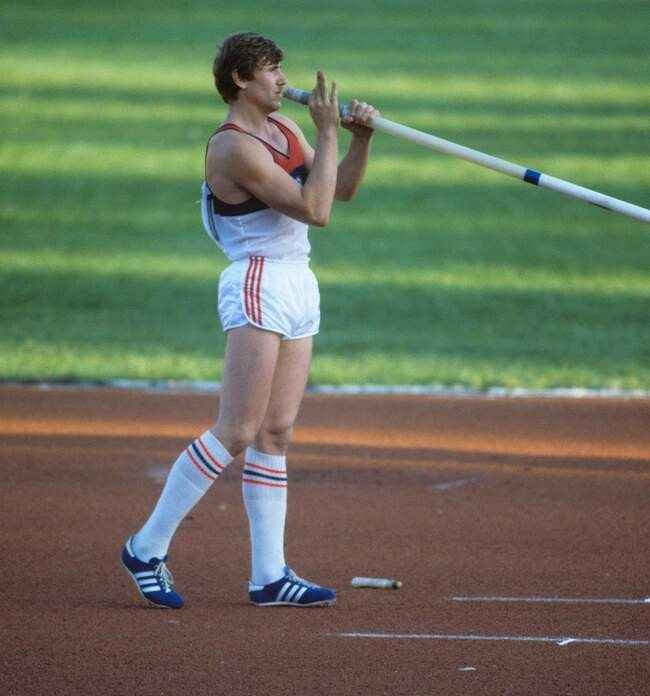
The Soviet side set hard conditions. Adidas logos and the company name had to disappear from Soviet athletes. Production also had to move to the USSR, and the equipment had to stay there after the Olympics.
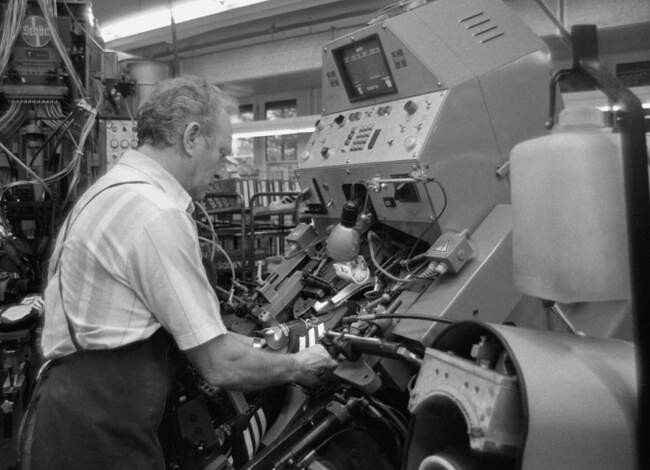
The USSR bought a license to make the sneakers. It also bought machines, chemical materials, and other supplies. Only three Soviet artificial materials were suitable for this kind of shoe.
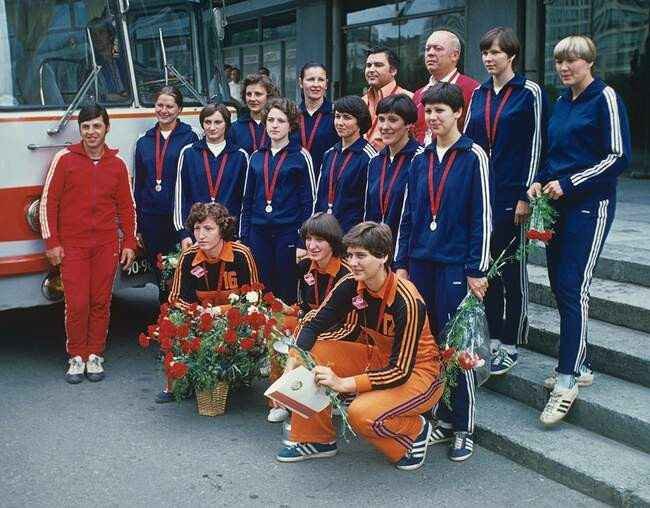
Adidas Equipment Stayed in the USSR
One interesting part of the Olympic contract was that Adidas had to produce its products inside the USSR. After the Olympic Games, much of the equipment stayed in the Soviet Union.
This was very different from the deal with Coca-Cola. Coca-Cola could take away its special ingredients and protect its production secrets. With Adidas shoes, it was harder. The machines stayed inside Soviet factories.
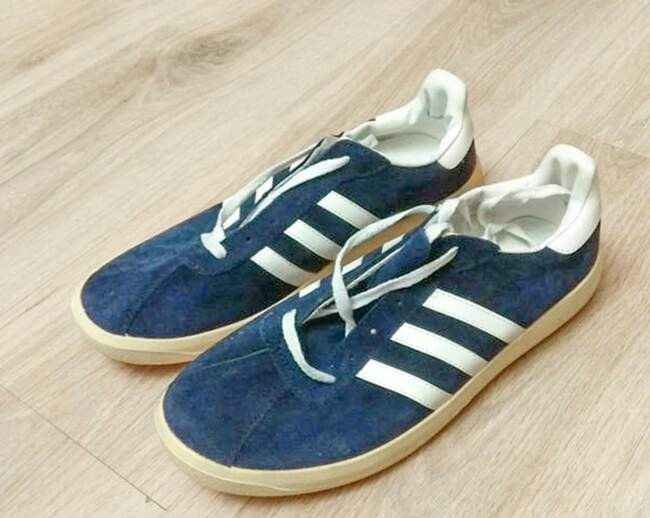
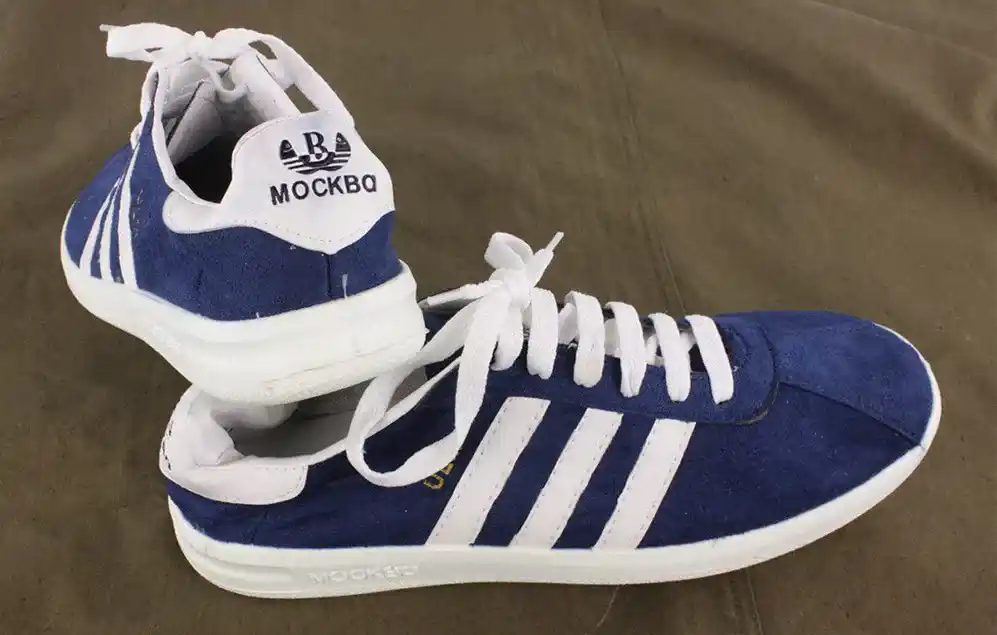
After the Olympics, Soviet factories continued using this equipment. Later, they started making blue and white sports shoes that looked very similar to Adidas, but they were sold under the name “Moscow.”
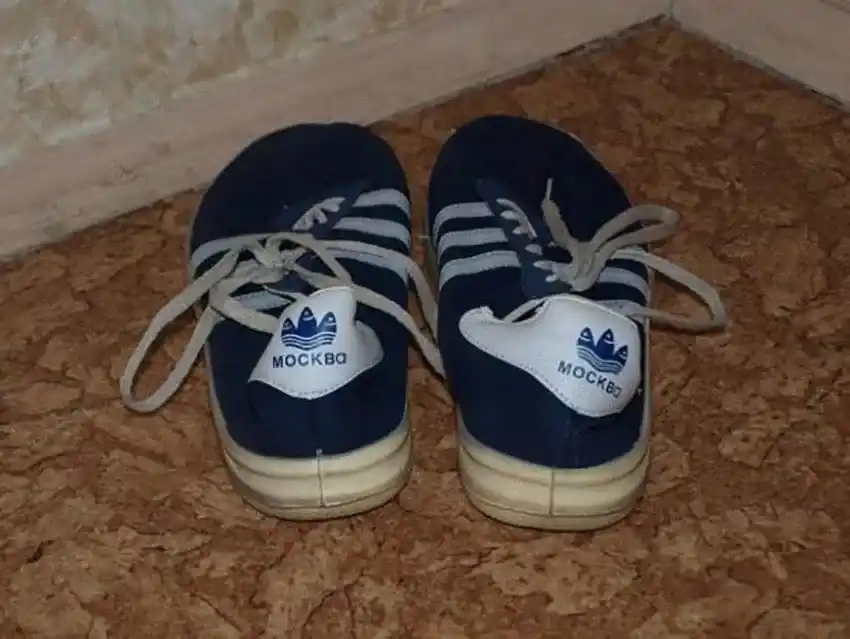
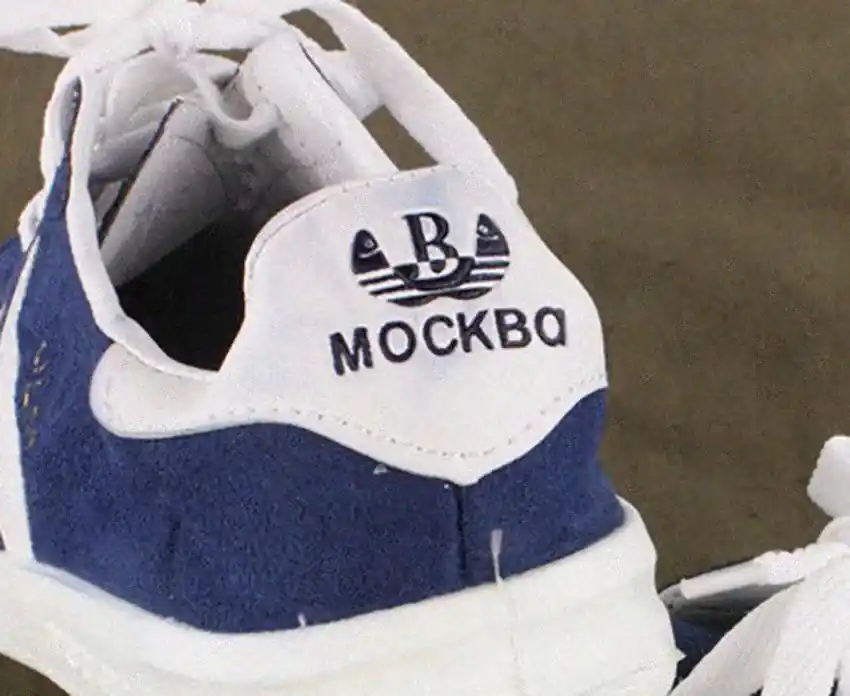
The model was based on the famous Adidas Gazelle shape and came in several colours. Most pairs did not reach normal shops. Some went to export and many went to the Soviet team. The blue version was best known. The three stripes stayed, but the Adidas name was replaced with “Moscow.” In the USSR, people called the sneakers “Moscow.”
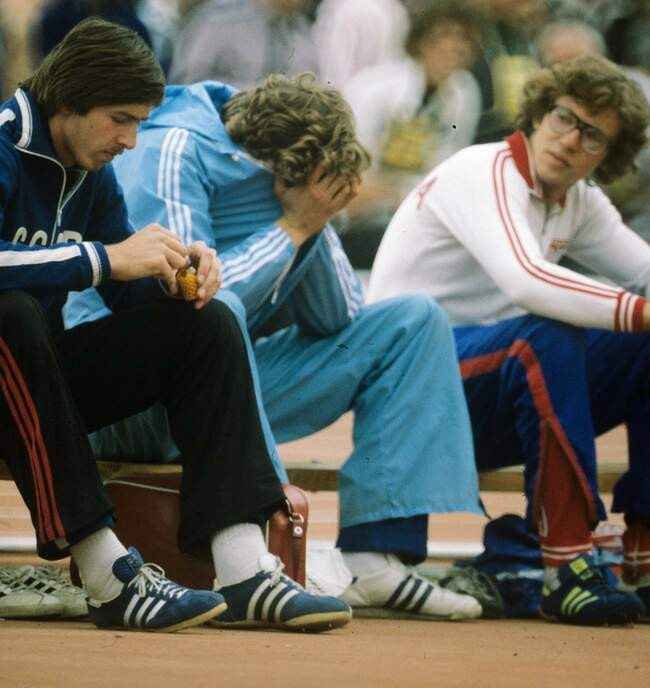
After the Olympics, sneakers became a real dream for many Soviet people. Before that, they were mostly sports shoes. Soon, people saw them as everyday shoes to wear with jeans, and even Soviet-made sneakers became hard to find.
Cool Shoes for Spetsnaz
The licensed shoes made in the USSR were close in quality to German-made pairs. This helped the Moscow sneakers reach Afghanistan, the country that had caused the Olympic boycott.
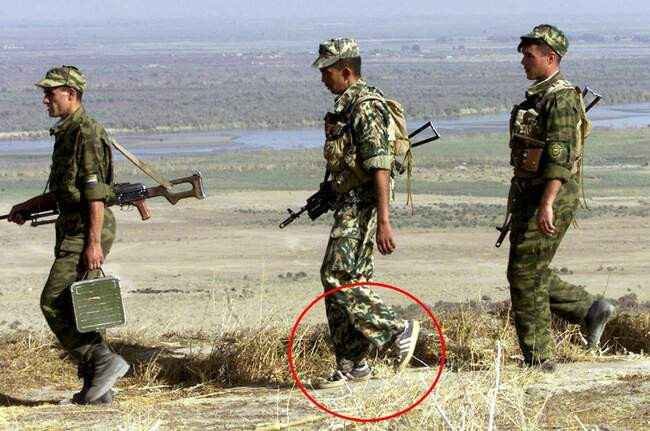
Standard Soviet gear was not good for Afghanistan’s rocky mountains. Boots were too noisy and did not work well for climbing. VDV and Spetsnaz soldiers were allowed to choose lighter, practical footwear. Many chose Moscow sneakers.
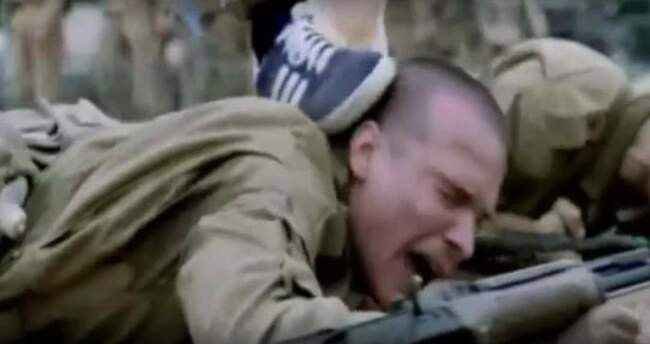
Soviet commanders understood how unusual this looked. They did not want press photos of soldiers in sneakers. But a few photographs appeared, and the shoes became a symbol of the Afghan War.
Why the Sneakers Became a Symbol of Spetsnaz
The small number of photos showing Soviet Spetsnaz soldiers wearing “Moscow” sneakers helped make these shoes special. They became connected not with ordinary soldiers, but with small and experienced units that were sometimes allowed to choose practical gear instead of standard military equipment.
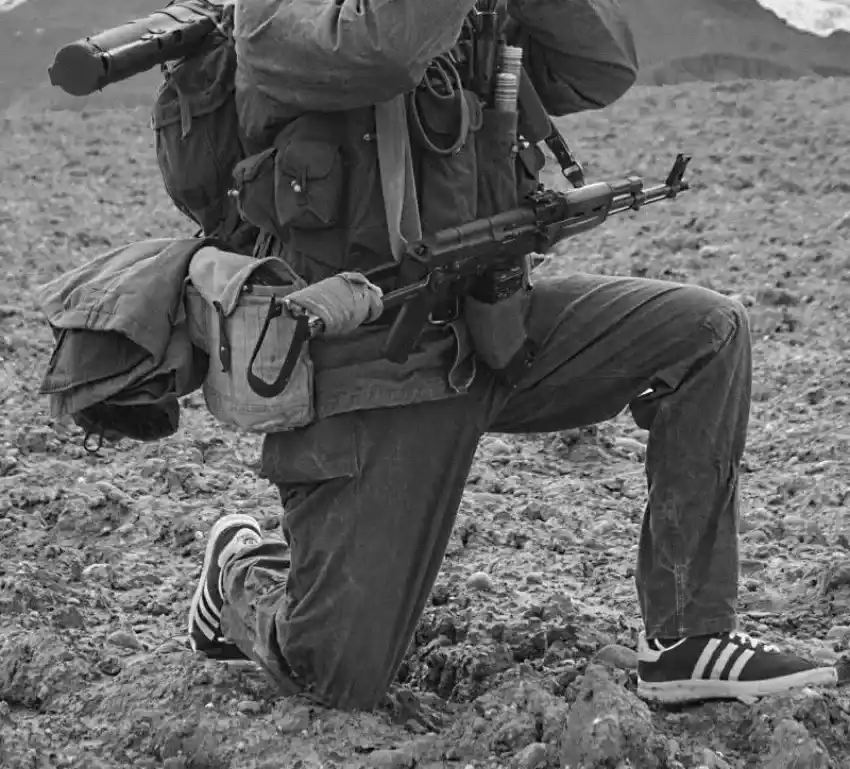
The unusual footwear became a sign of elite soldiers. In a similar way, American special forces later became known for wearing beards, baseball caps, and sports glasses.
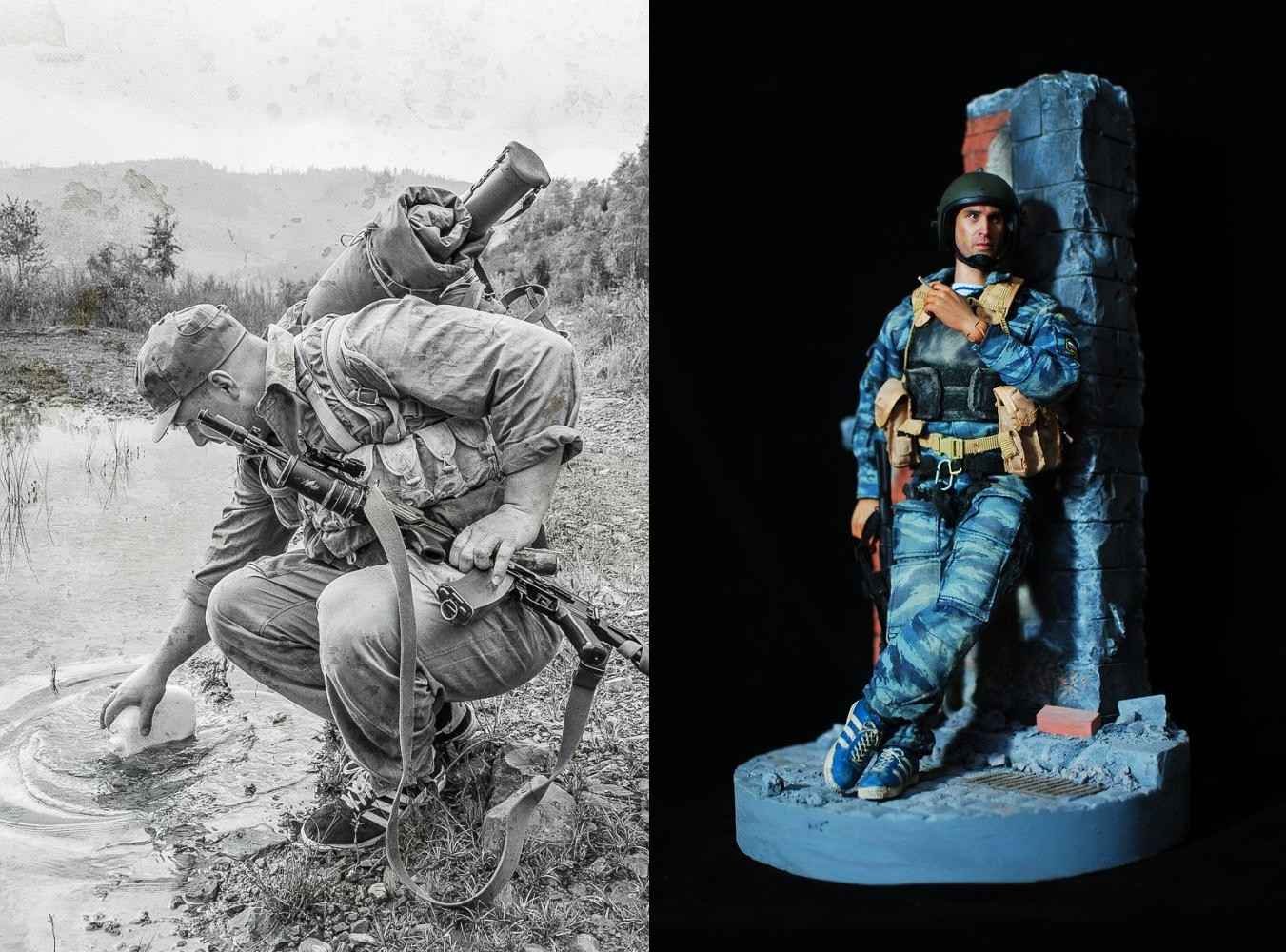
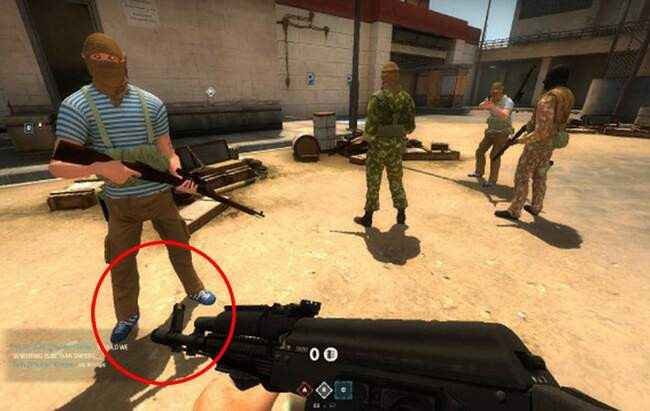
Over time, “Moscow” became more than just Soviet sports shoes. They became one of the most recognizable parts of the Soviet Spetsnaz look in Afghanistan. Later, this image appeared in movies, video games, military figures, and historical reenactments.
What Veterans Remember About Footwear in Afghanistan
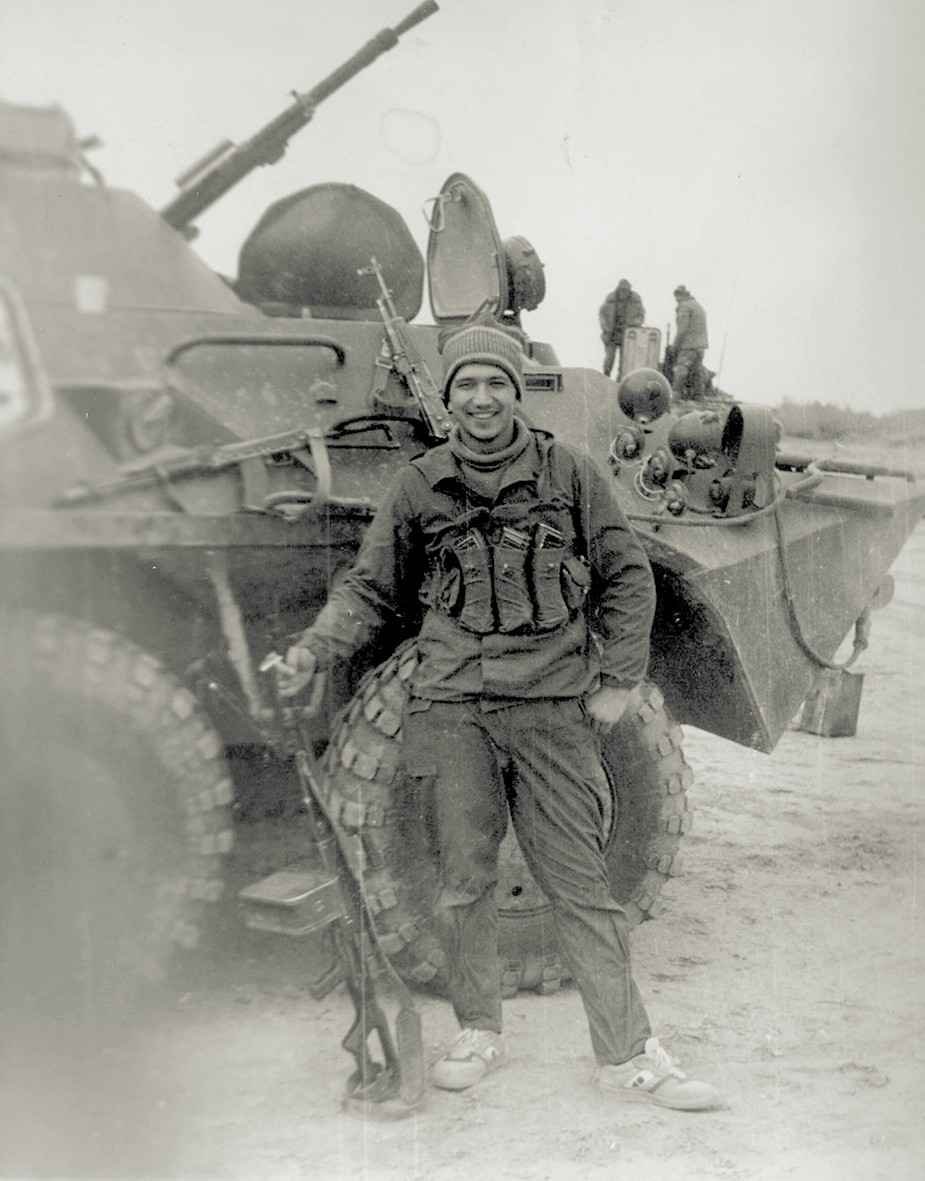
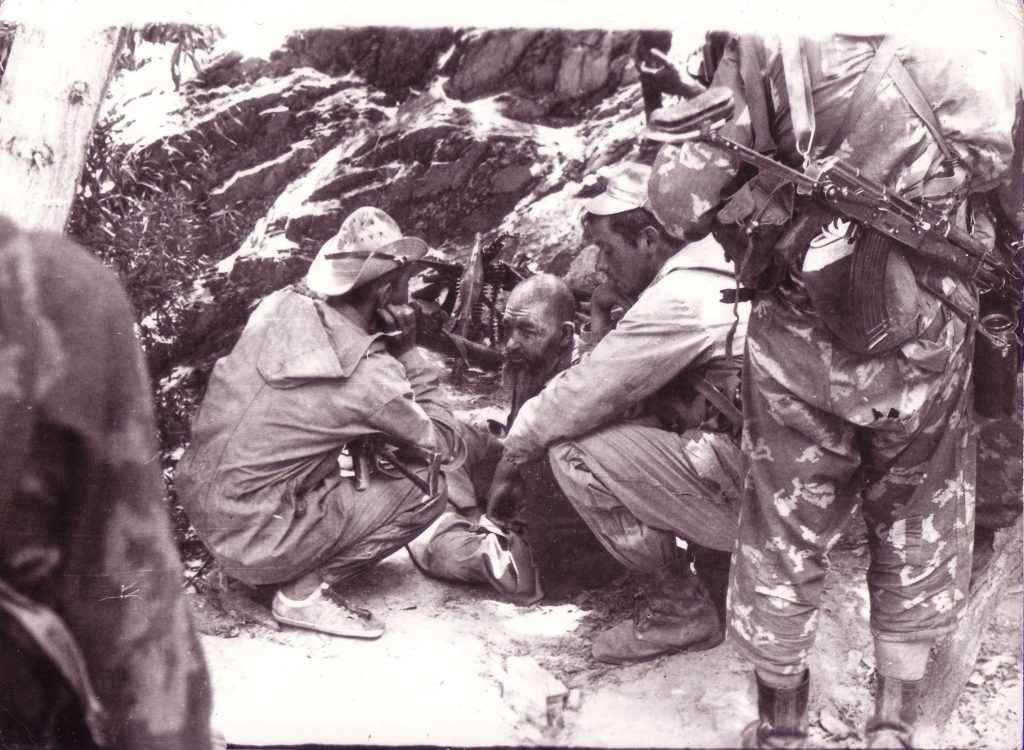
Veterans remember that soldiers changed footwear not only because of heat. Before a combat mission, they mixed whatever uniform items were practical and available. A pair of light shoes could be more useful than standard issue boots on a rocky route.
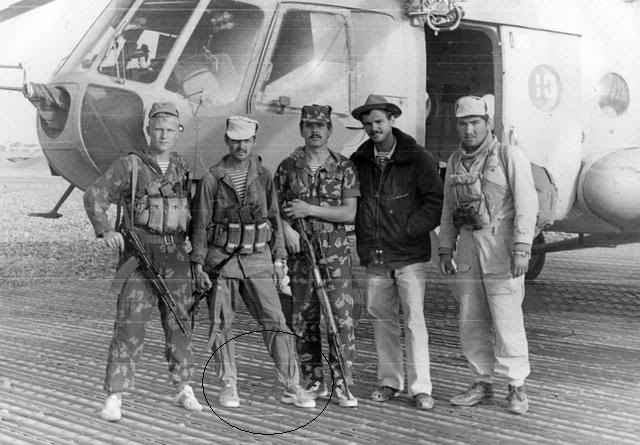
Some soldiers wore imported Puma or Nike sneakers bought in local shops. Others chose Soviet-made shoes such as Kimry sneakers or the Soviet Adidas-style “Moscow” model. On base, men sometimes used simple slippers, but on operations they tried to find sneakers or canvas shoes.

Original Soviet M88 Afghan War Boots
Adidas Moscow sneakers are hard to find today.
But original Soviet M88 combat boots from the Afghan War era are still available.
The Moscow model had one useful advantage. It was made from dense suede, not thin cloth or soft artificial leather. Sharp stones and thorns still damaged shoes quickly, but this material lasted better. Older Soviet canvas shoes with thin soles were less suitable for hard mountain paths.
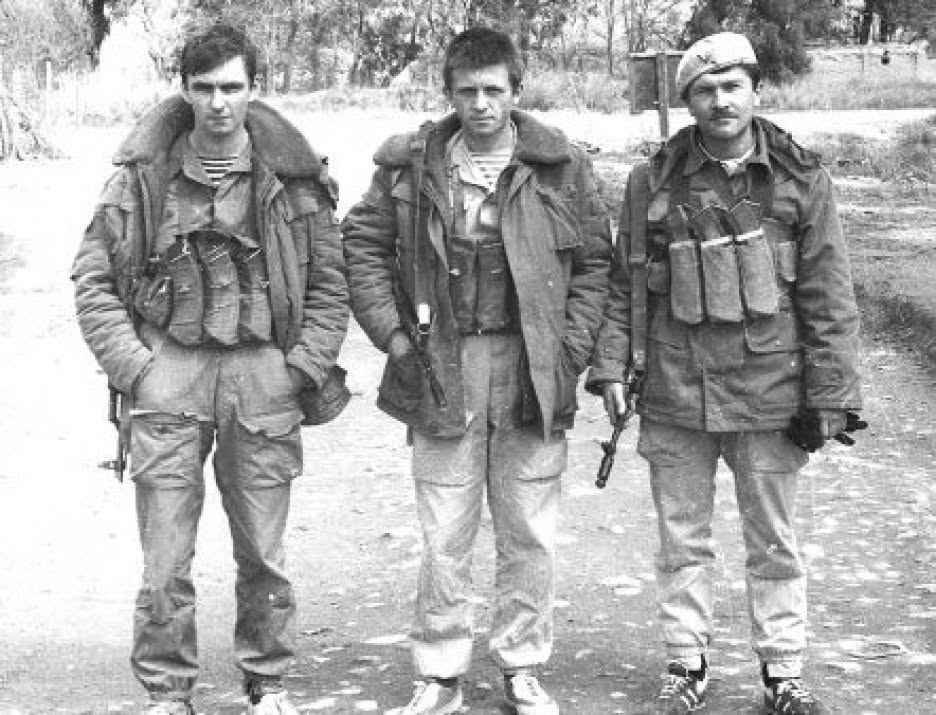
There was no separate special uniform made only for the Soviet forces in Afghanistan. The clothing rules came from the Central Asian and Turkestan military districts. In summer, high boots were officially required; in winter, soldiers were meant to wear standard boots. In reality, a man’s footwear often depended on whether his direct commander accepted a practical choice.
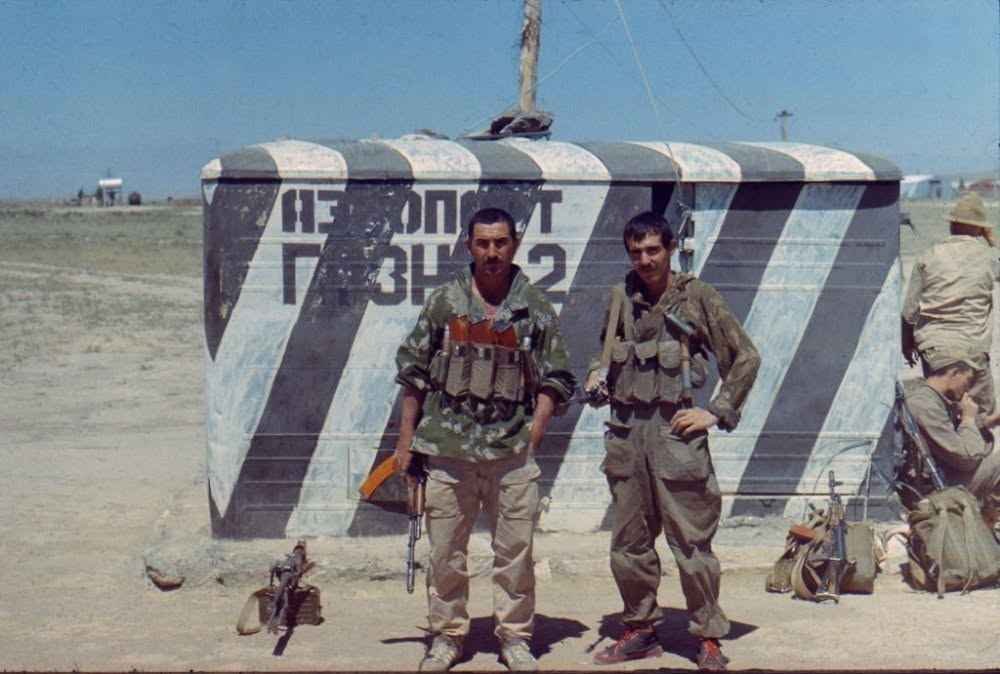
In 1988, an attempt to send a batch of sneakers to the Soviet forces in Afghanistan was stopped because they were not part of the official issue. Far from headquarters, however, the rules were often more flexible. That is one reason the Moscow sneakers became both a useful field item and a symbol of the Afghan War era.
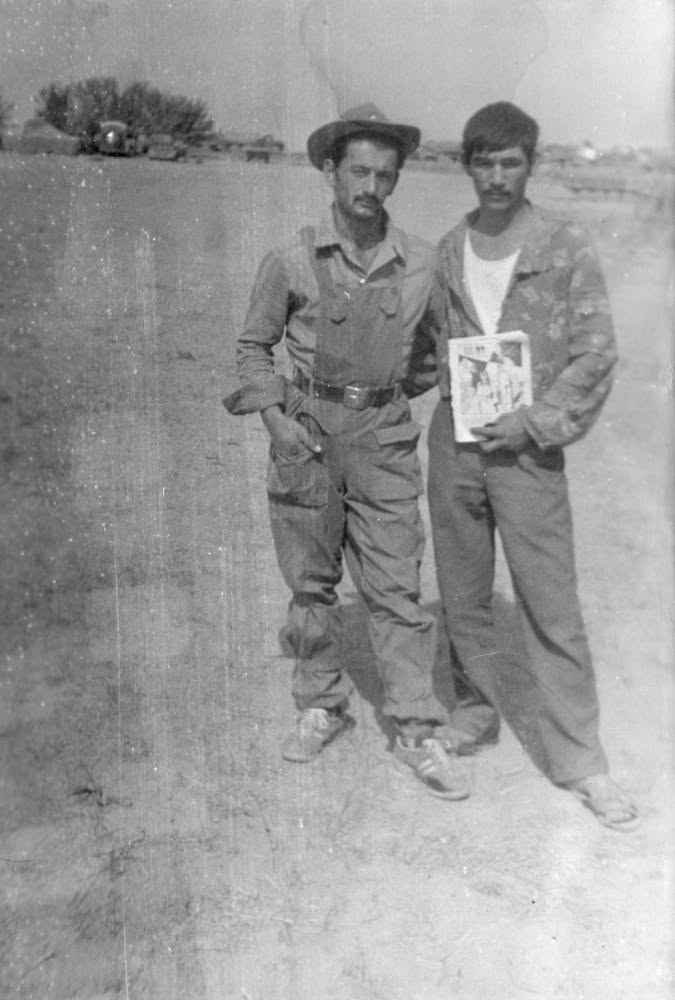

Complete the Soviet Afghan Look
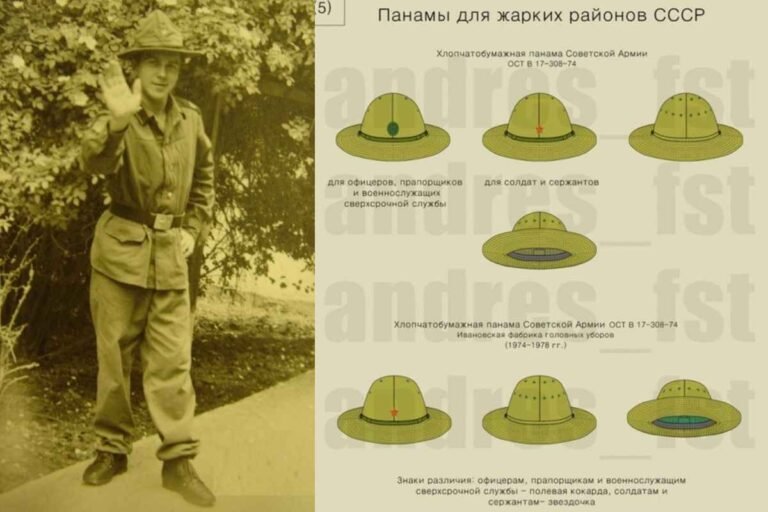
The Panama became one of the most recognizable pieces of Soviet Afghan War gear.
Complete your Afghan uniform with a classic Soviet military Panama hat.
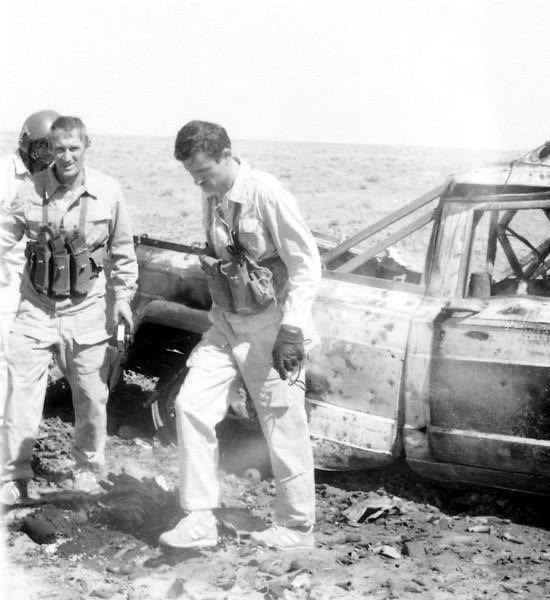
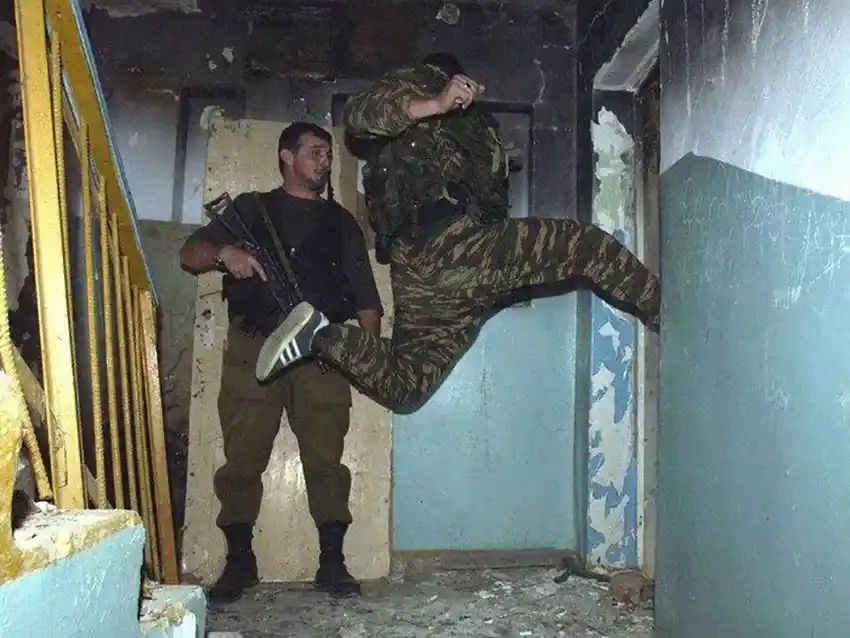
Later, Moscow sneakers appeared in films, military reenactments, scale figures, and video games. They were also seen during the Chechen wars.
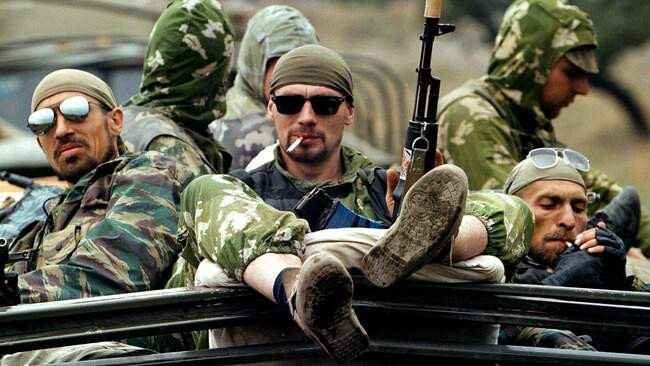
Production ended in 2011, when the Russian army adopted newer footwear made specially for soldiers.
More interesting articles:
Soviet Spetsnaz Uniform in Afghanistan (1979–1989)
Soviet and Afghan Military Uniforms During the Soviet-Afghan War (1979–1989)
Why Mujahideen Feared Soviet GRU Spetsnaz in the Afghan War
Looking for original Soviet boots and accessories? Please visit here: Soviet Boots Store