Invented centuries ago, this hat is still popular in the 21st century.
If you ask a foreigner what they know about Russia, you will probably hear the words balalaika, matryoshka, and shapka.
The last word usually means the ushanka hat. It has become one of the best-known symbols of the Russian people.
But how did a hat worn by soldiers and police officers become a symbol of an entire nation?
More interesting articles:
Soviet Ushanka History. From the Budyonovka to the War in Ukraine
Soviet Panama Hat History – 1930s, Afghanistan & Modern Russia (Part 2)
Soviet Military Berets: Complete History of Berets in the USSR
How Ushanka Hats Appeared
The history of this hat began several centuries ago in two different parts of the world – Asia and Northern Europe. But it was in Russia where the ushanka truly became popular.
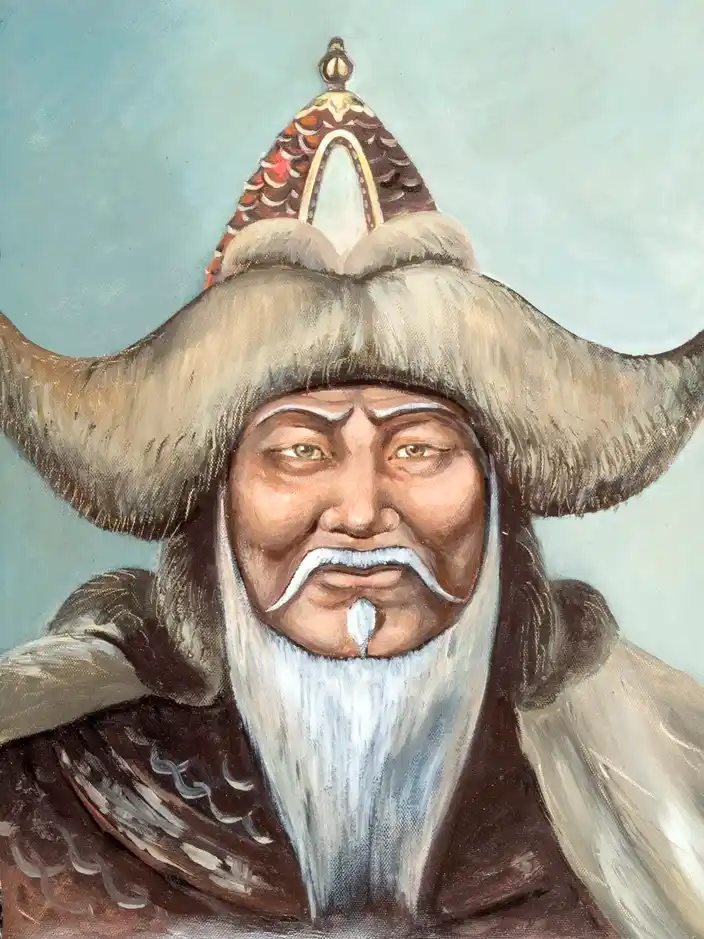
According to one version, the ushanka came from the Mongols. Its ancestor was the malakhai, a hat made from thick sheepskin and covered with fur. It protected the head from strong wind and cold. It could also give some protection from a sword strike or an arrow.
The malakhai was made as one piece, similar to some Soviet molded hats. But it had three cuts that formed the “ears” and the back part. It also had a “tail.” The richer and more beautiful the fur was, the better.
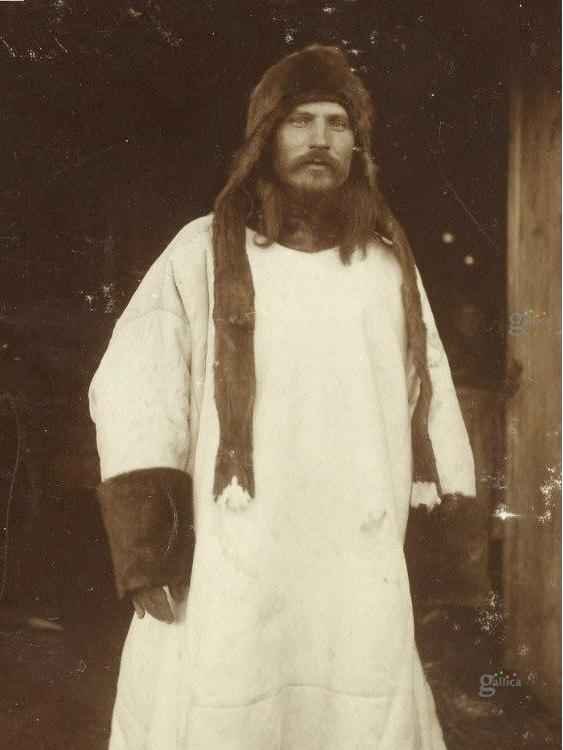
According to another version, the ushanka became popular in Russia thanks to the Pomors. Their traditional fur hat had very long “ears.” These ears could reach down to the waist and could be used as a scarf in very cold weather.
Some believe that this hat, called the tsibaka, first appeared among the Sami people, who lived near the Pomors.
Who Wore Ushankas in the Past
A merchant wearing a treukh hat. Second half of the 19th century.
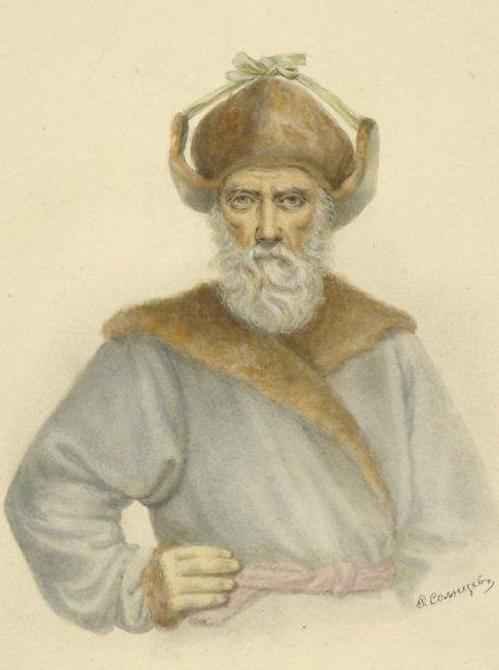
The ushanka was originally a hat worn by peasants. This remained common until the beginning of the 20th century. But historical events in the Russian Empire changed this.
During winter military campaigns, people from other social groups also began wearing these peasant fur hats. The “ears” could be tied under the chin during a snowstorm. In warmer weather, they could be raised and tied behind the head.
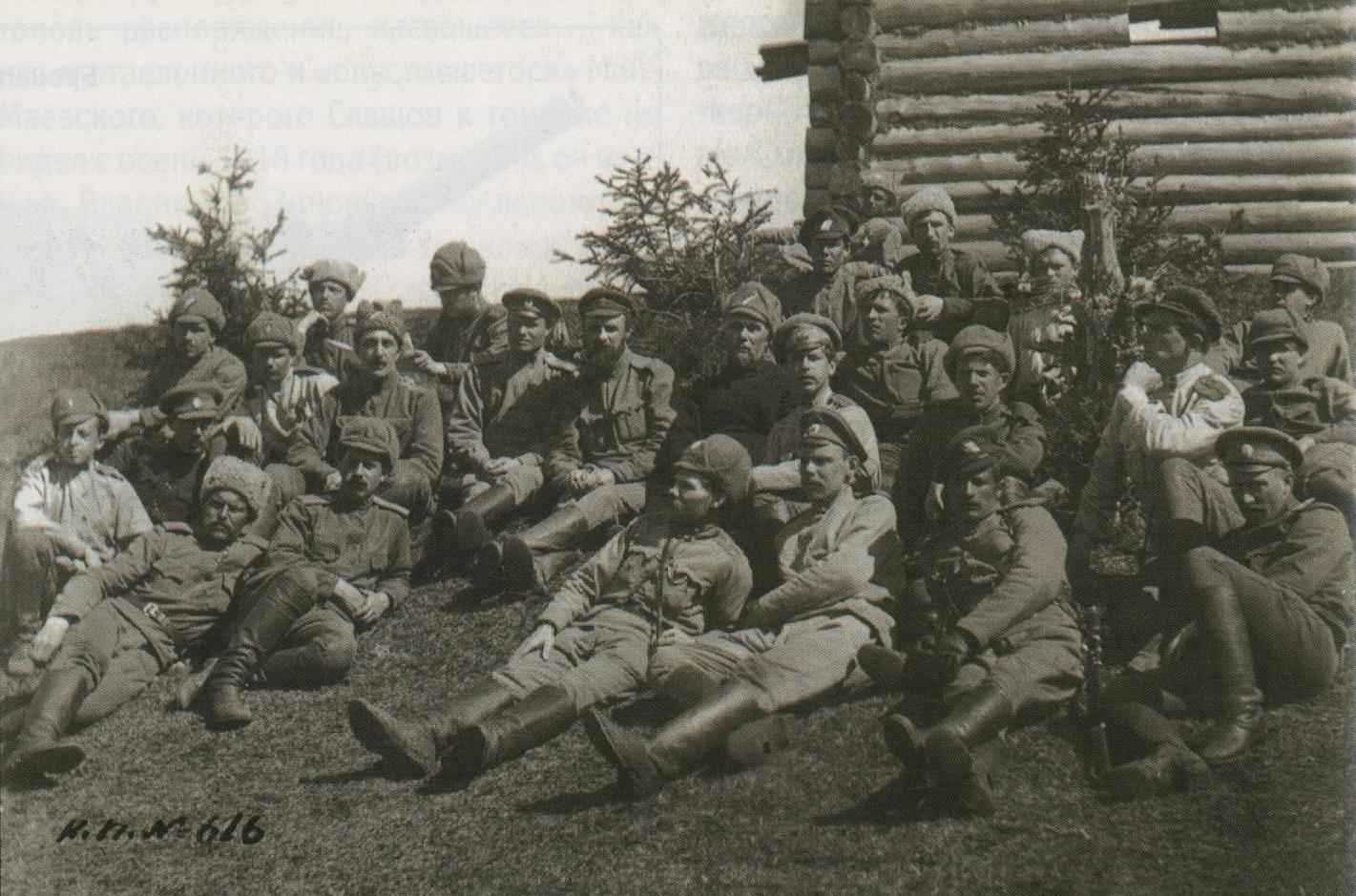
This practical hat became very useful for the White Army. Later, versions were made from wool cloth. This design was similar to the Nansen hat, worn by Norwegian polar explorers and based on hats used by the Greenland Inuit. The outside of the hat was covered with cloth, while the fur was inside. Norwegian Nansen hats were made from Japanese cloth, while their mass production took place in England.
Ushanka in Soviet Military Uniforms
In the USSR, the ushanka officially became part of the Navy uniform in 1934. In 1939, the top of the ushanka began to be made from leather instead of wool cloth.
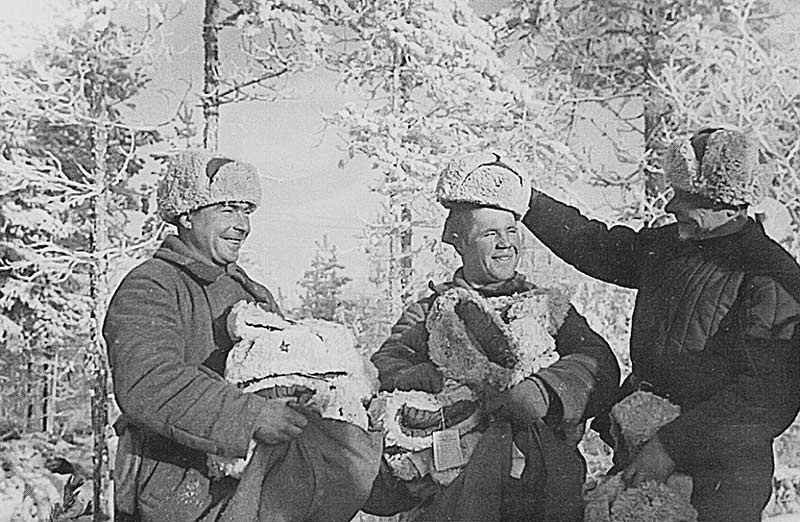
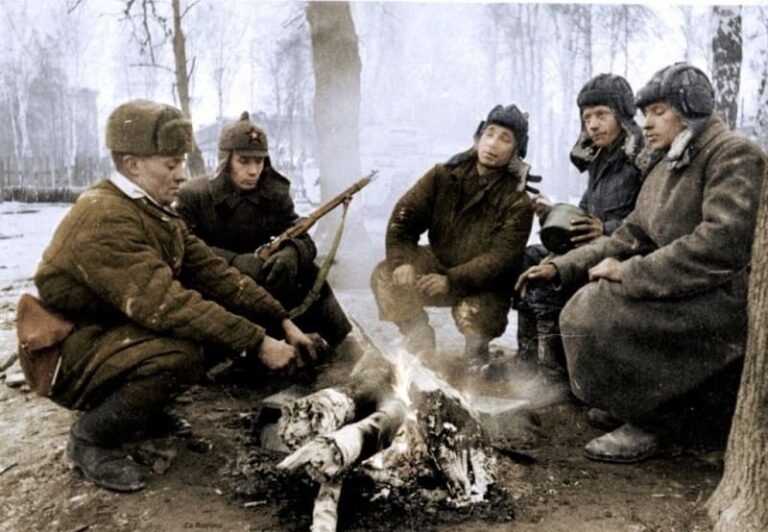
In the 1930s, the ushanka became a standard part of Soviet military uniforms. The Navy wore black ushankas. The Ground Forces wore hats with steel-gray fur, while the Air Force used dark blue.
The ushanka is still used in the modern Russian military. Similar fur hats are also worn by soldiers in China, Mongolia, Canada, and Finland.
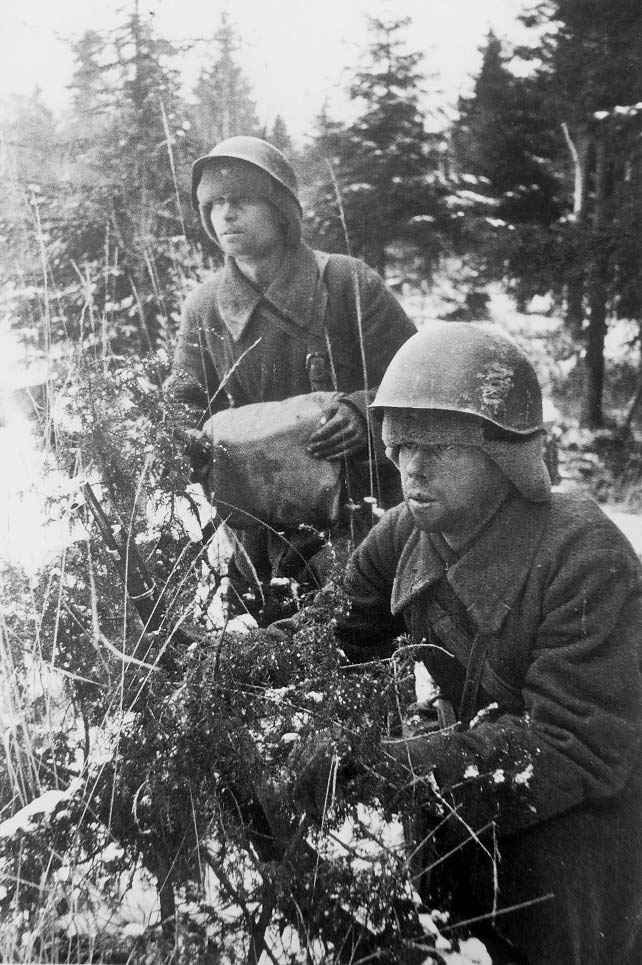
Senior commanders wore hats made from black lamb fur, while lower ranks wore cheaper black sheepskin versions. One year later, the ushanka became part of the uniform of the Soviet police and the whole Red Army. Their ushankas were made from sheepskin.
The ushanka proved very useful during World War II. After the war, it became a common part of everyday clothing for Soviet people. In the late Soviet period, it was hard to find a movie where the characters did not wear this famous hat.
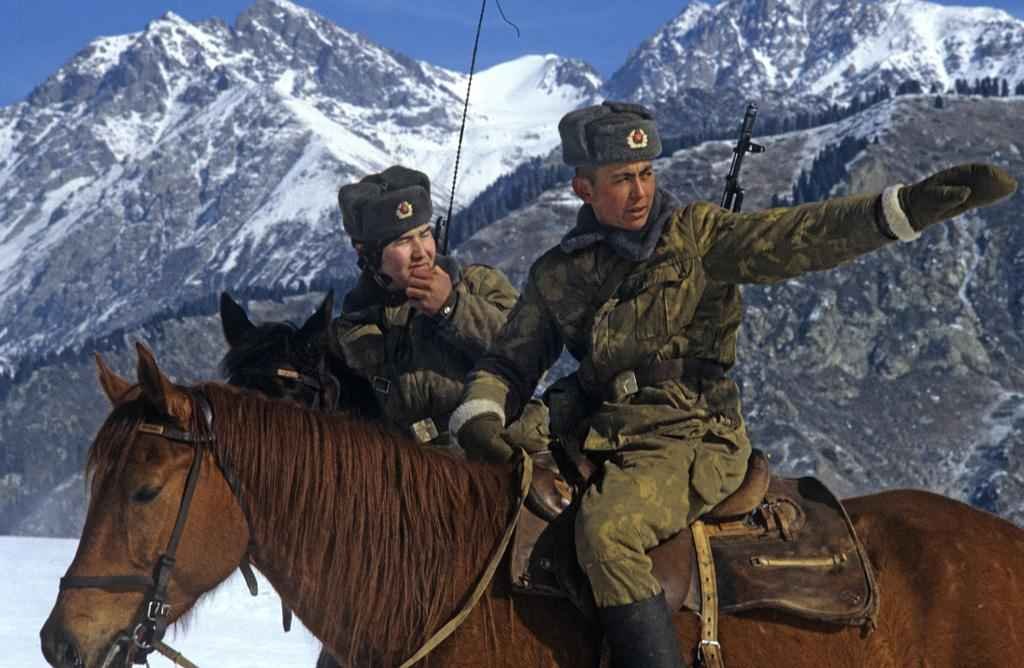
The ushanka became a cult item for Soviet people during the years of “stagnation.” The fashion was set by the Communist Party elite. People who did not have an ushanka dreamed of getting one. Those who had one sometimes kept it in the refrigerator at night to protect the fur.
This image of a Russian is still popular in other countries today. The ushanka has become a classic souvenir from cold Russia, just like valenki felt boots or a matryoshka doll.

Original Soviet Ushanka Hat
Authentic Soviet military Ushanka from original USSR old stock.
Choose a red star, green star, or officer cockade. Flat worldwide shipping $14.98.
Ushanka as a Symbol
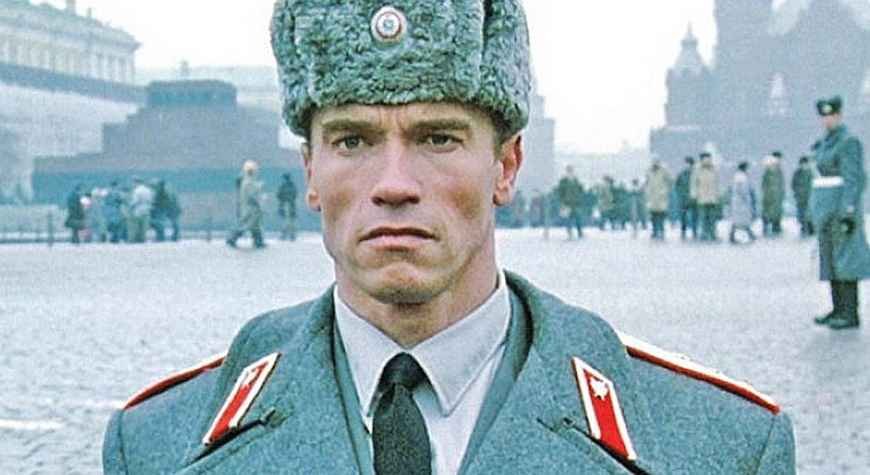
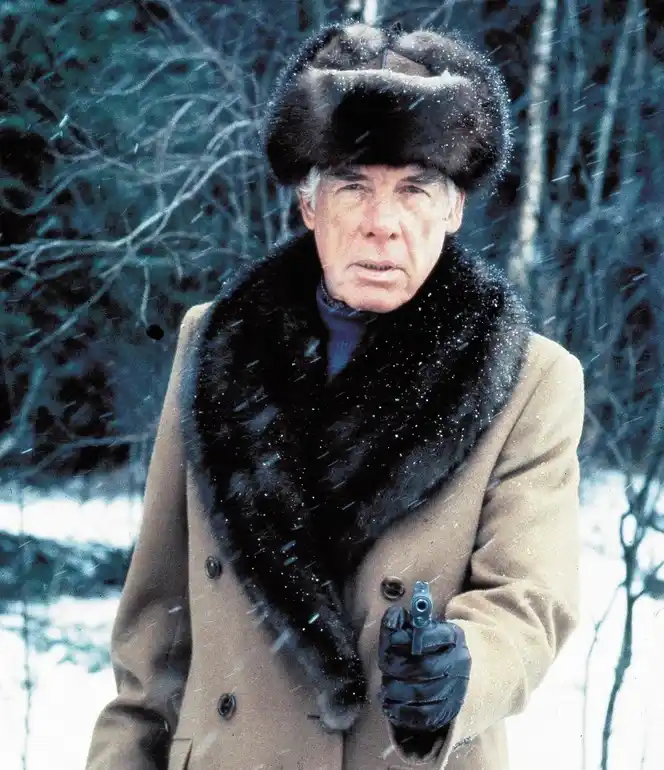
In the 1970s and 1980s, it was hard to find a Soviet movie without someone wearing an ushanka. American movies also helped turn this hat into a symbol of the Soviet people around the world. Russian soldiers and spies were often shown wearing ushankas.
During the 1980 Moscow Olympics, ushankas became very popular with foreign visitors. Soviet black-market sellers sold many of these hats to tourists.
Ten years later, during the fall of the USSR, the ushanka once again became common among ordinary people. But many wore old hats passed down from their families. New hats made from expensive natural fur were a luxury that only a few people could afford.
The slightly funny rabbit fur hat and the more serious beaver fur hat perfectly show the personalities of the two characters in this famous Soviet comedy.
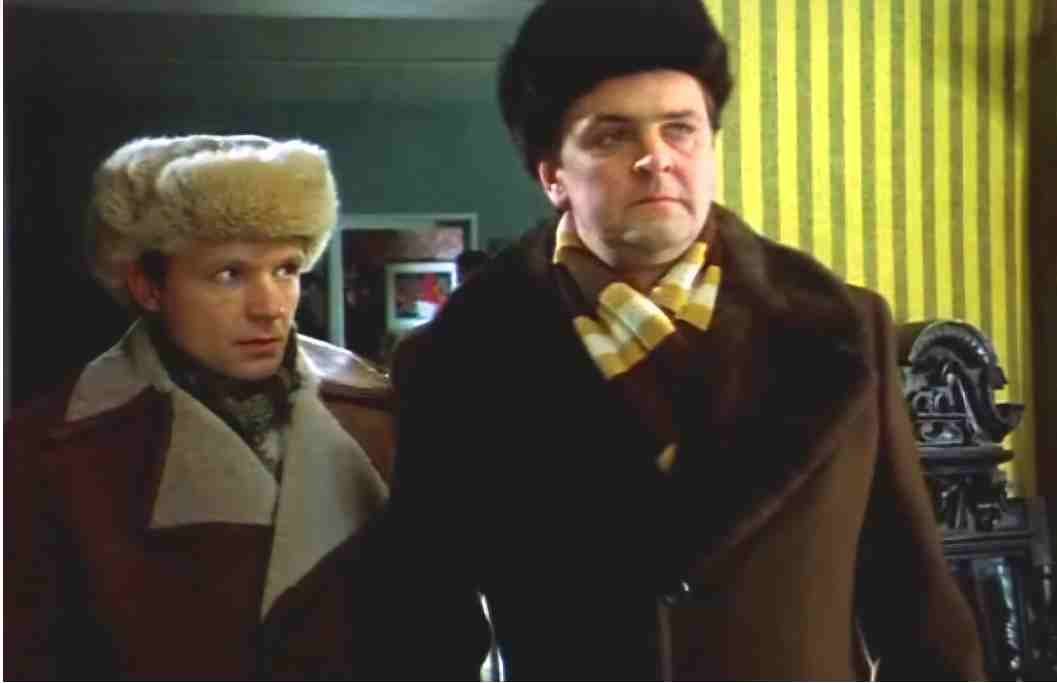
Later, Russian movies often showed the ushanka as a hat worn by crime bosses, the Russian mafia, and leaders of criminal groups.
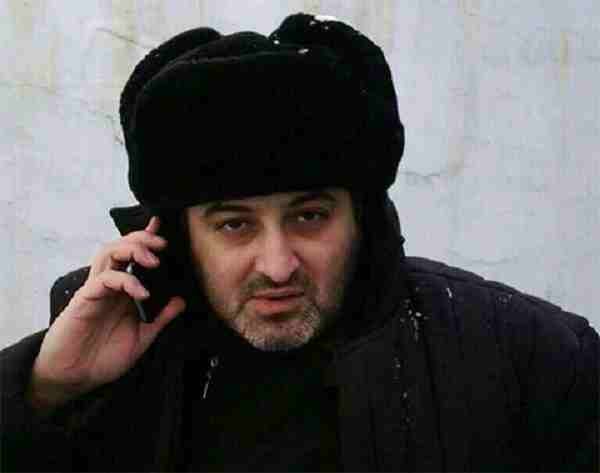
At the same time, fur hats became valuable targets for thieves. Ushanka theft became common. Because of this, people took great care of their hats. They brushed the fur, dried it carefully, and sometimes kept the hat in the refrigerator at night to keep the fur soft and fluffy.
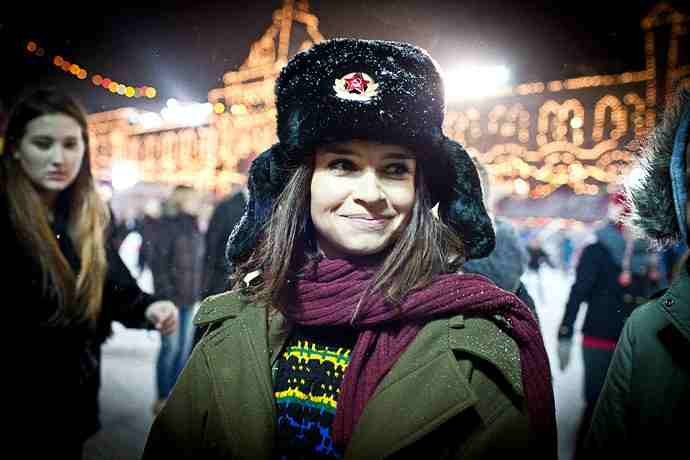
There are many sayings and proverbs about hats, and Russia even has its own rules of etiquette for wearing them. The ushanka became part of Russian tradition, and it remains popular today. Every winter, you can still see people wearing these famous hats on the streets.

+
Buying Soviet Boots? Add an Ushanka!
Add an original Soviet Ushanka to your boots order.
No extra shipping cost — the shipping price stays the same.
More interesting articles:
Why Mujahideen Feared Soviet GRU Spetsnaz in the Afghan War
Soviet Spetsnaz Uniform in Afghanistan (1979–1989)
What Soviet Soldiers Really Ate in the Afghan War
Soviet Afghanka Uniform. History, Features, and Use in Afghanistan
Looking for original Soviet boots and accessories? Please visit here: Soviet Boots Store