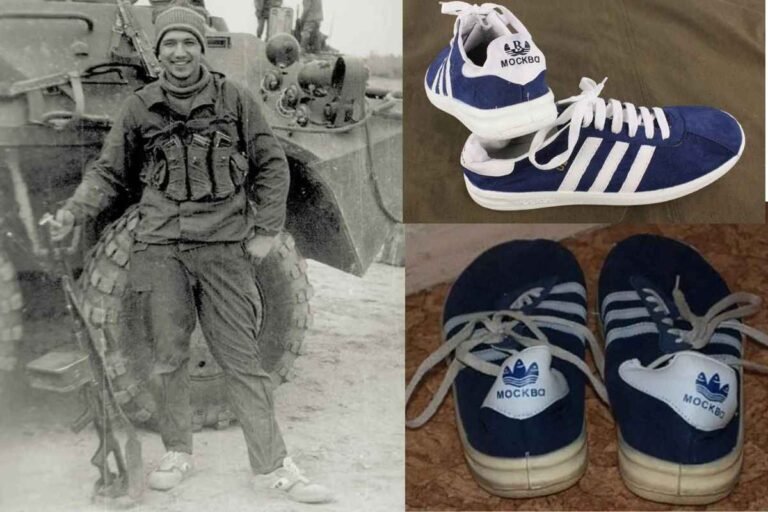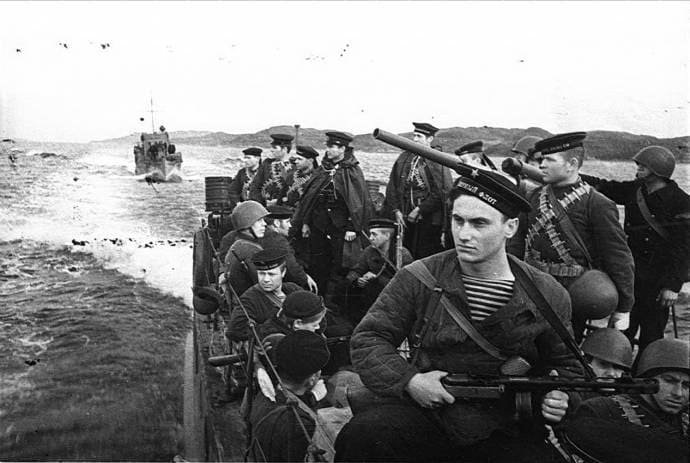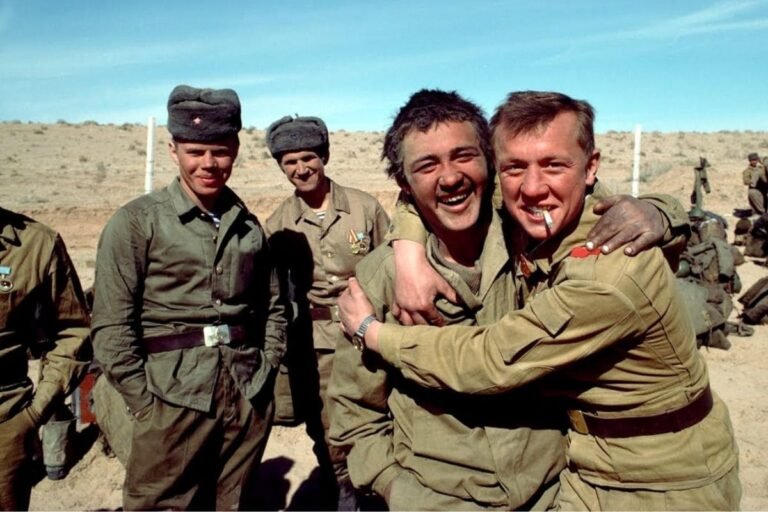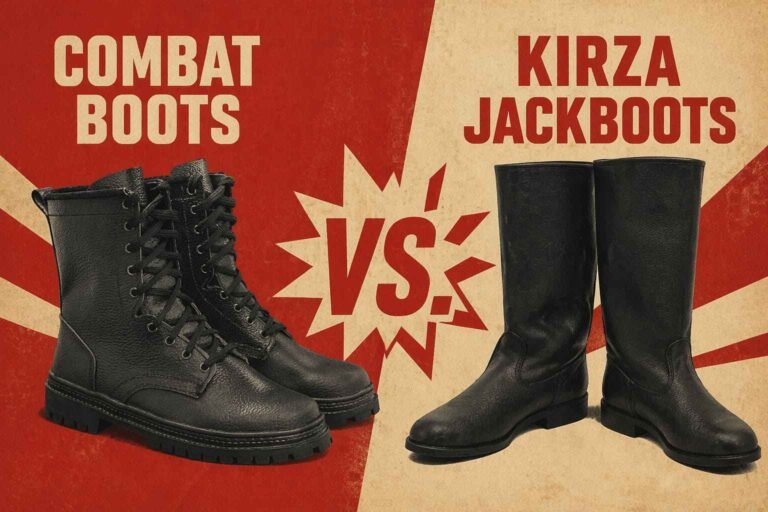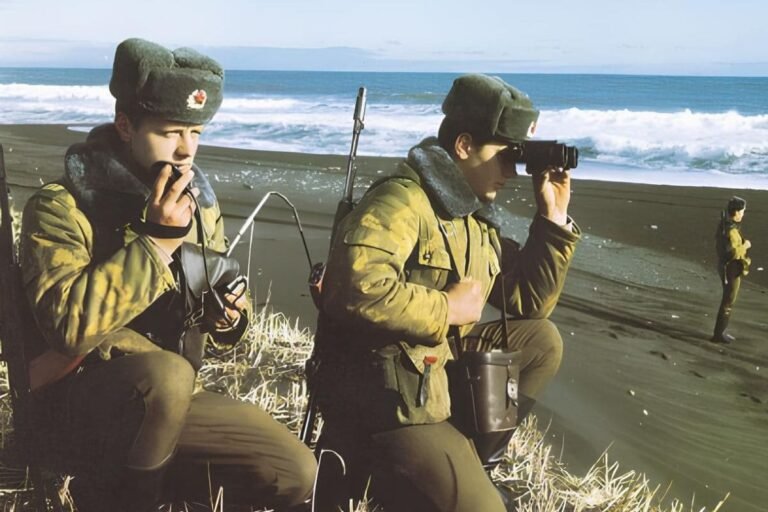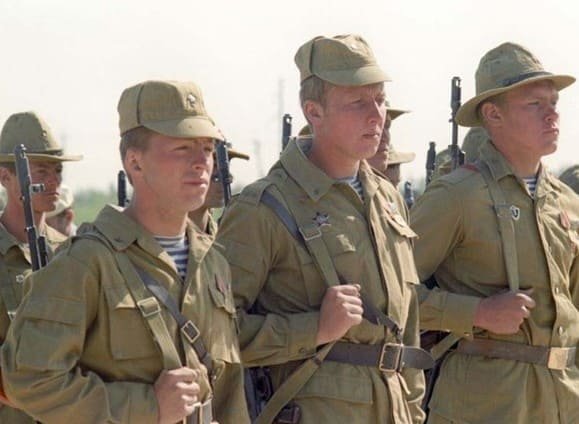
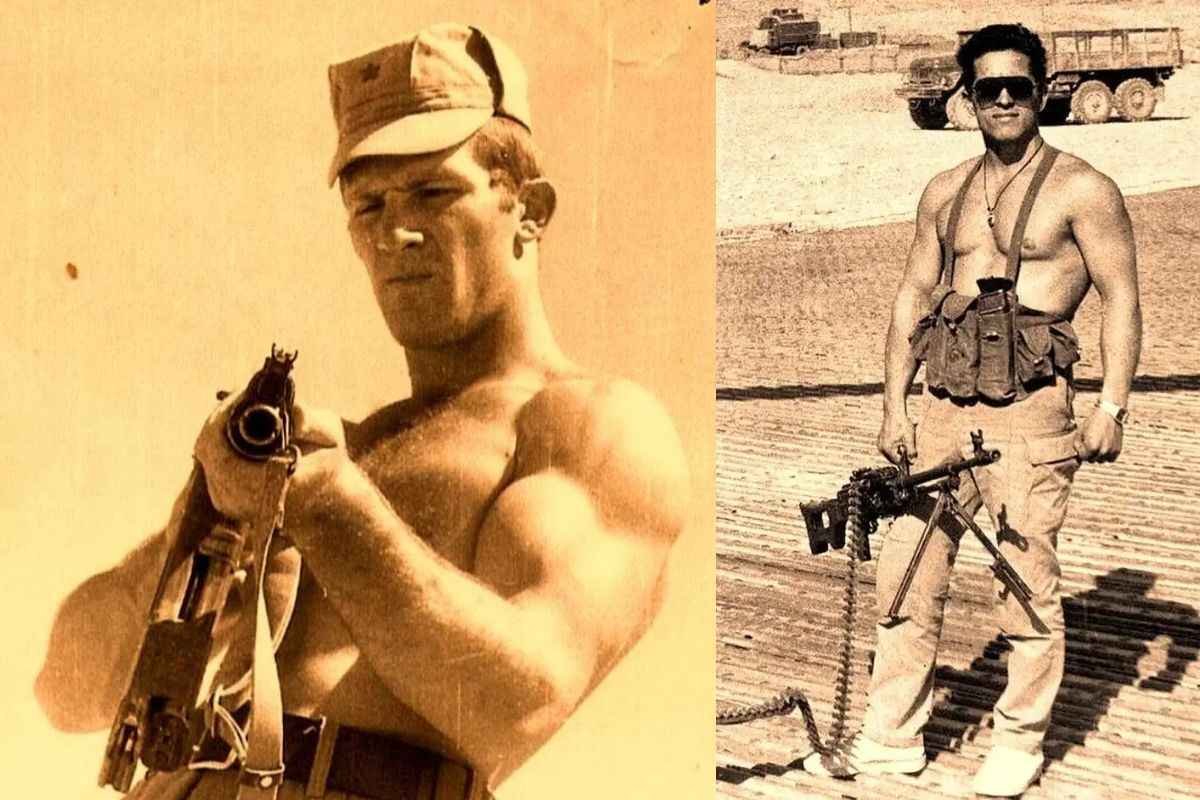
This article explains the role of Soviet Afghan War Spetsnaz in Afghanistan.
You will learn how GRU special forces operated and why Mujahideen feared them.
It is a simple article to their tactics, missions, and combat experience.
More interesting articles:
Soviet Spetsnaz Uniform in Afghanistan (1979–1989)
What Soviet Soldiers Really Ate in the Afghan War
Soviet Afghanka Uniform. History, Features, and Use in Afghanistan
Even after 1989, Afghan commanders remembered attacks by Soviet GRU special forces. These elite units destroyed caravans and bases, reducing losses of the main Soviet army.
After the 1978 revolution in Afghanistan, a power struggle began between Nur Mohammad Taraki and Hafizullah Amin. In 1979, this conflict turned violent. Amin survived an assassination attempt and later took control. Soon after, Taraki was killed.
The situation became worse because of political repression and civil war. When Soviet troops entered Afghanistan, many locals saw it as foreign intervention. This strengthened resistance.
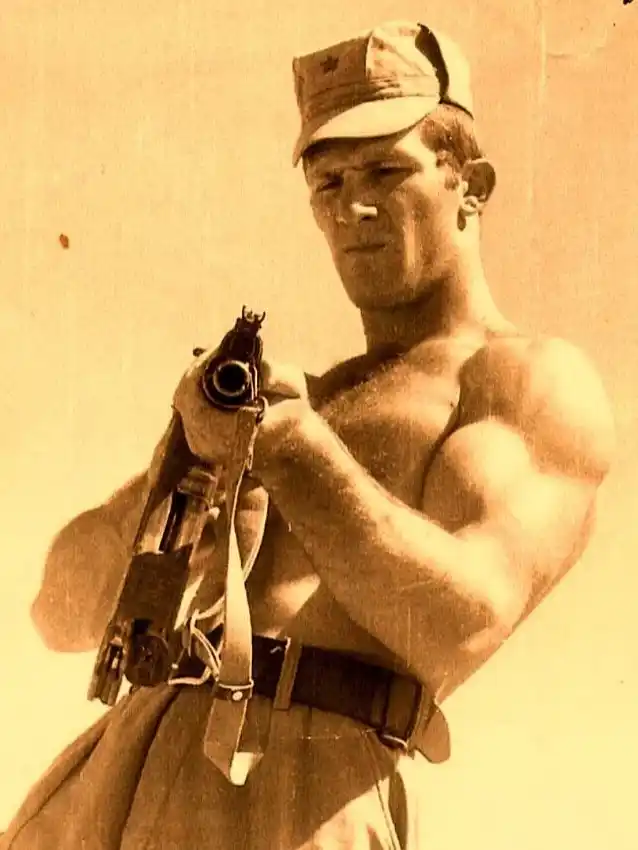
Looking for original Soviet Afghan visor cap? You can get them here – Soviet Afghan visor cap
At first, the Mujahideen used old rifles, but later they received modern weapons from the West. One of the strongest groups was led by Ahmad Shah Massoud in the Panjshir Valley. His forces attacked Soviet supply routes and caused serious problems.
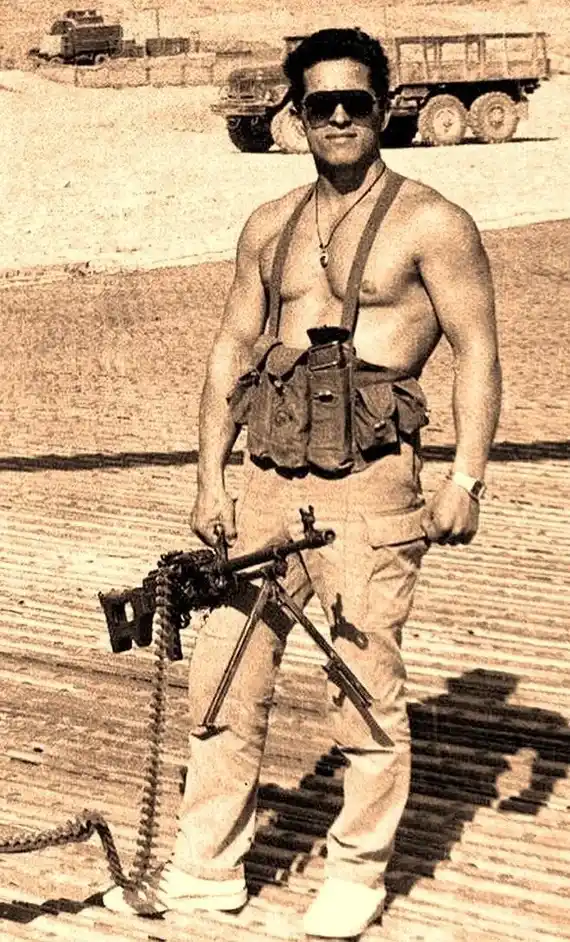
Spetsnaz Operations
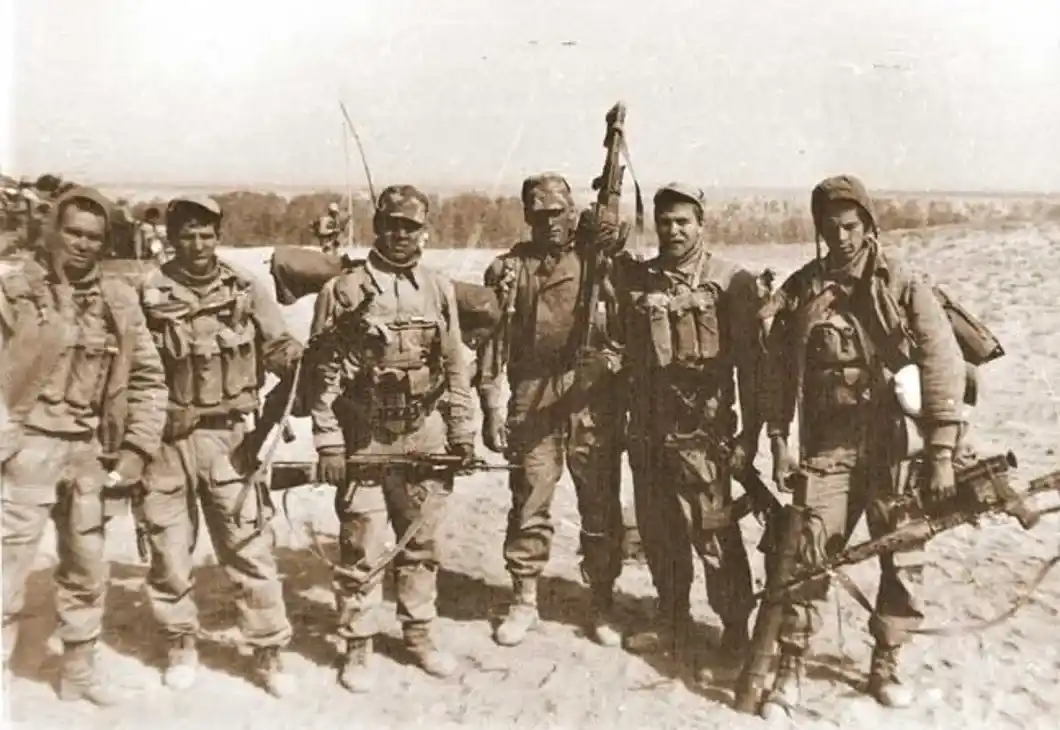
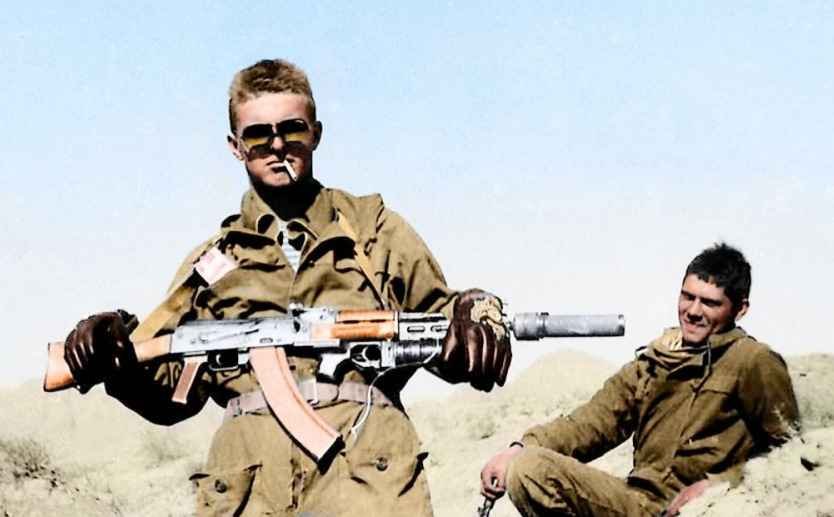
Large military operations were not always effective. To fight guerrilla forces, the Soviet Union sent special forces units. These units began operations in 1982.
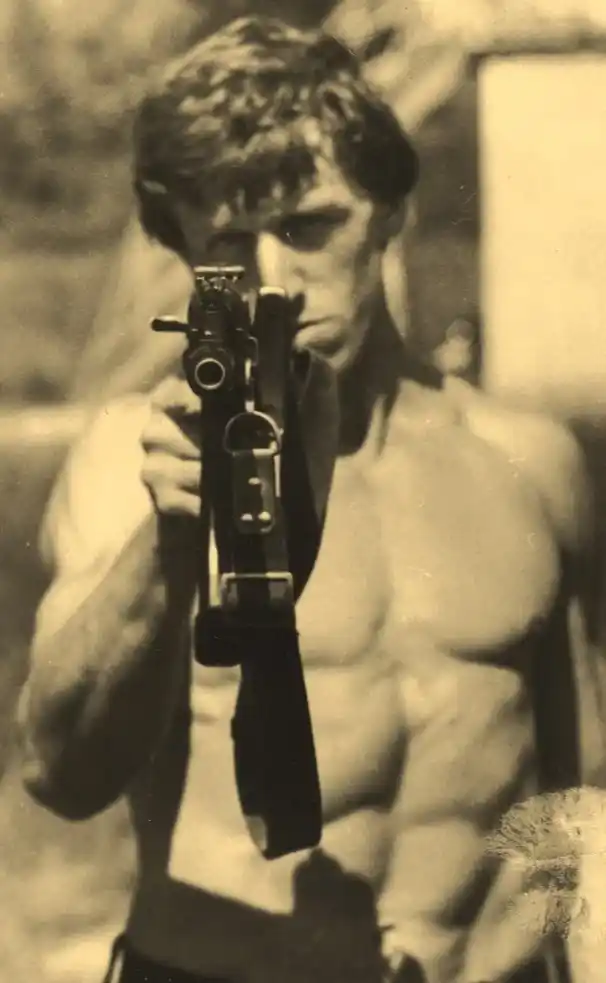
Spetsnaz targeted enemy caravans, supply lines, and bases. Their actions caused heavy losses for Mujahideen forces. At one point, Massoud even agreed to a temporary truce with Soviet forces.
Changing Tactics
Later, Mujahideen fighters improved their tactics. With help from foreign advisors, they began using ambushes against Soviet forces. In 1984, several Soviet units suffered losses from such attacks.
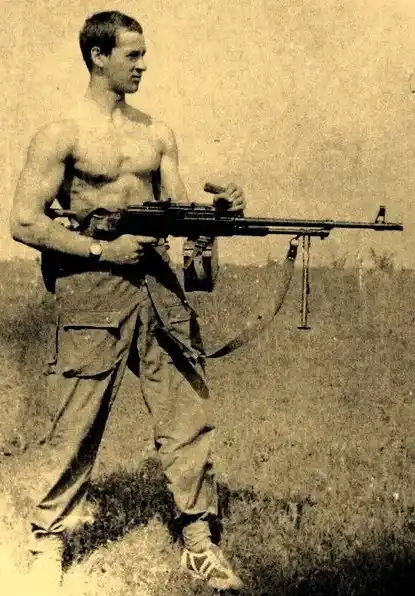
In response, the Soviet command increased the number of Spetsnaz units and improved training. By 1984–1985, more special forces battalions were deployed near borders.
Looking for a Real Telnyashka?
Add extra Telnyashkas and accessories – shipping stays the same.
Flat Worldwide Shipping – $14.98
Shipping is charged only once per order.
Results
Spetsnaz operations became more effective. Many supply caravans were destroyed before reaching Mujahideen bases. By the mid-1980s, about 20% of caravans failed to arrive.
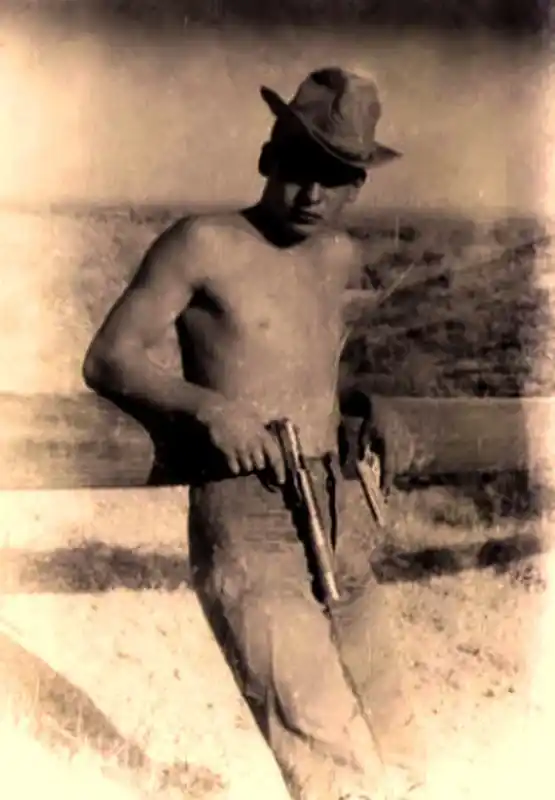
Some operations also revealed foreign involvement. In one case, Soviet soldiers killed an armed American citizen who was traveling with Mujahideen fighters.
Conclusion
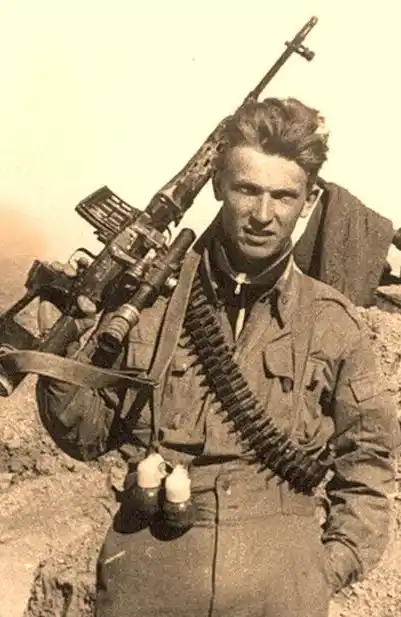
According to military analysis, Spetsnaz operations made it much harder for Mujahideen to move weapons and supplies.
Despite this, the war remained difficult. The Soviet army lost about 15,000 soldiers during the conflict. Some experts believe the outcome could have been different without foreign support for the Mujahideen.
More interesting articles:
Soviet Spetsnaz Uniform in Afghanistan (1979–1989)
What Soviet Soldiers Really Ate in the Afghan War
Soviet Afghanka Uniform. History, Features, and Use in Afghanistan
Looking for original Soviet boots and accessories? Please visit here: Soviet Boots Store