Soviets entered Afghanistan to liberate Afghans from rising terrorism: Memories of a Soldier Who Was There First
This article is based on the real memories of a Soviet soldier who was among the first to enter Afghanistan. He shares his personal experience, the first battles, and the harsh conditions soldiers faced in the early days of the war.
More interesting articles:
What Soviet Soldiers Really Ate in the Afghan War
How Soviet Cold War Uniform Changed After WWII
Soviet Afghanka Uniform. History, Features, and Use in Afghanistan
Soviet Camouflage Uniform. From WW2 to 1991 (Red Army to USSR)
In late 1979, after long and confusing talks with Afghan leadership, a small group in the Soviet government decided to send troops into Afghanistan. The official reason was “to protect the achievements of the Afghan revolution.”
Not everyone agreed with this decision. Some top military leaders warned it was a mistake and tried to stop it. But their objections were ignored. The final order was clear: stop arguing and carry out the mission.
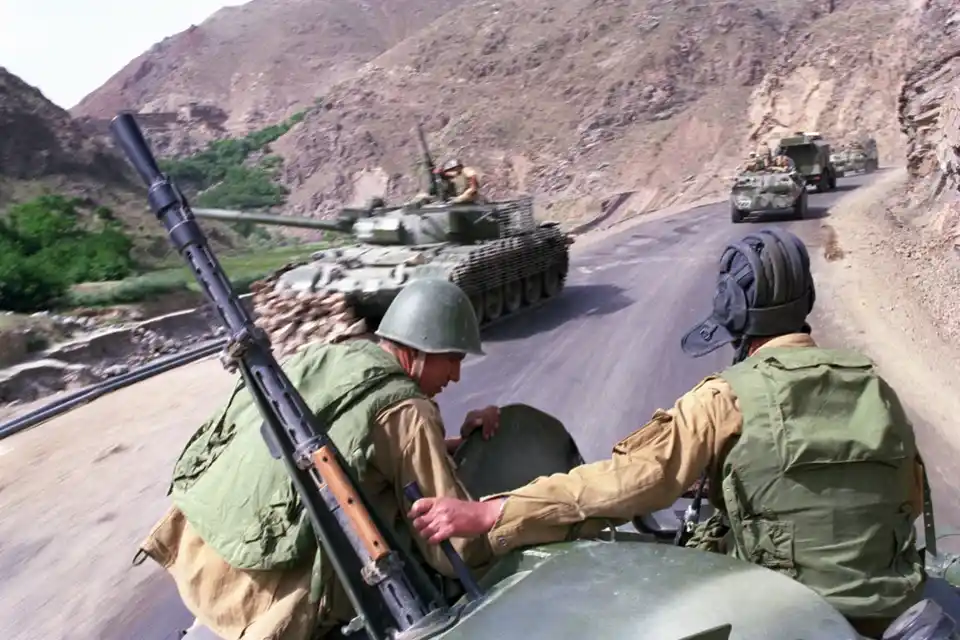
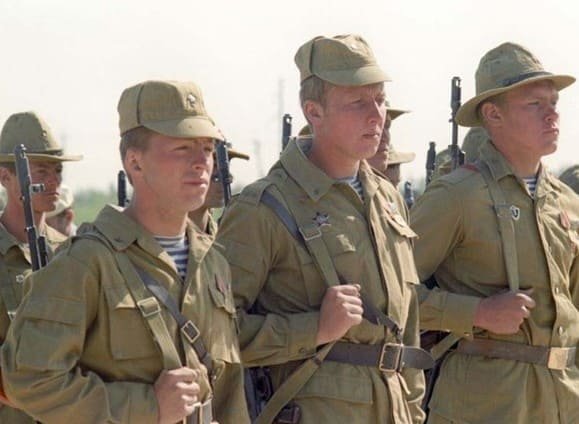
On December 25, 1979, Soviet troops crossed into Afghanistan over a pontoon bridge built across the Amu Darya River. The first units to move were from the 108th Motor Rifle Division.
Before the crossing, officers had already prepared everything. They found a suitable place for the bridge and built it in just a few days. By the time the order came, everything was ready.
Recon units went first, as planned. Their job was to lead the way and secure the route. Later, officers who took part in this operation remembered that they were young at the time, with little idea of what would come next.
The troops entered Afghanistan in the evening, around 5 PM. Some officers later said this timing was chosen on purpose. Evening and night prayers were important for local people, so it reduced the chance of resistance during the crossing.
The final order came suddenly, during the night of December 24–25, 1979. Before that, nothing was officially announced, but many officers already suspected what was coming.
For some, it started earlier. In mid-December, a full combat alert was declared. Units were quickly brought to full strength, and thousands of reservists were called in. Within days, the division was fully mobilized and ready.
It was clear that something serious was about to happen – the situation in Afghanistan had already been unstable for months.
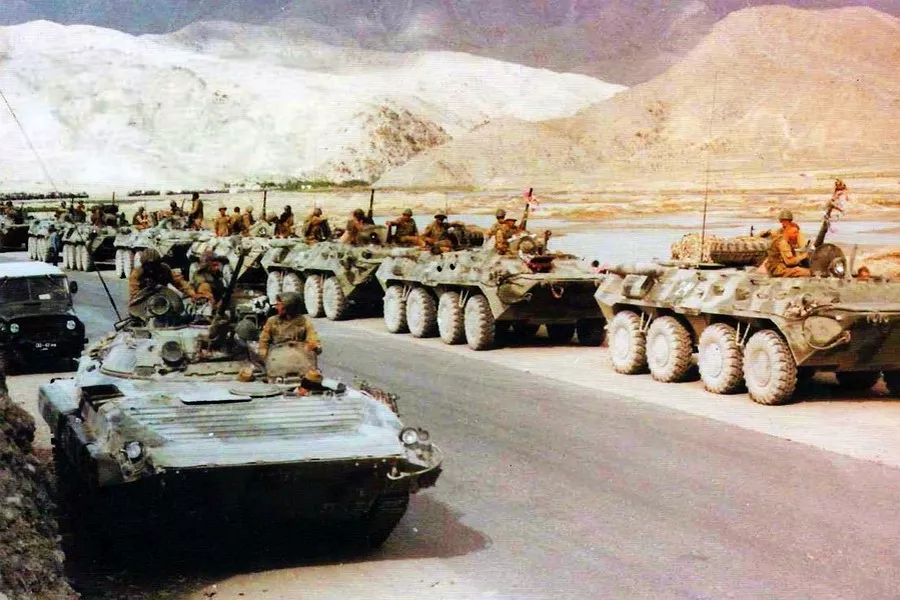
When the order came on December 24 to issue ammunition and weapons, there were no more doubts – they were going into Afghanistan. Some officers even managed to quickly visit their families and say goodbye before leaving.
At the same time, many soldiers had questions. The most common one was simple: why are we going there?
Even officers did not have clear answers. They could only guess based on the situation. Official explanations came later. Soldiers were told they were going to help Afghanistan, to support its government and protect the results of the revolution.
Many believed it at the time.
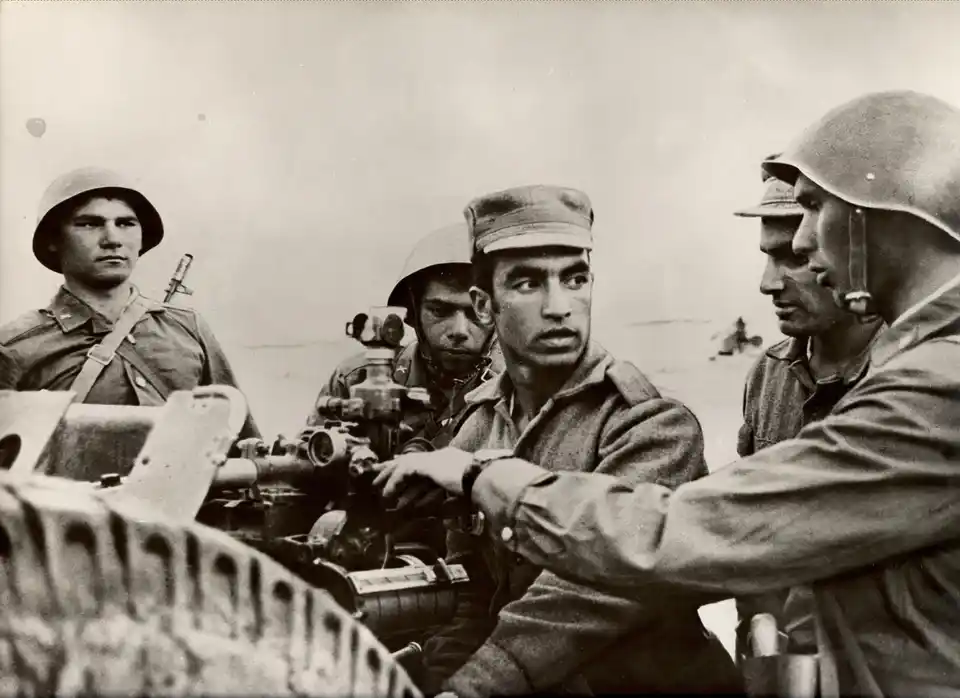
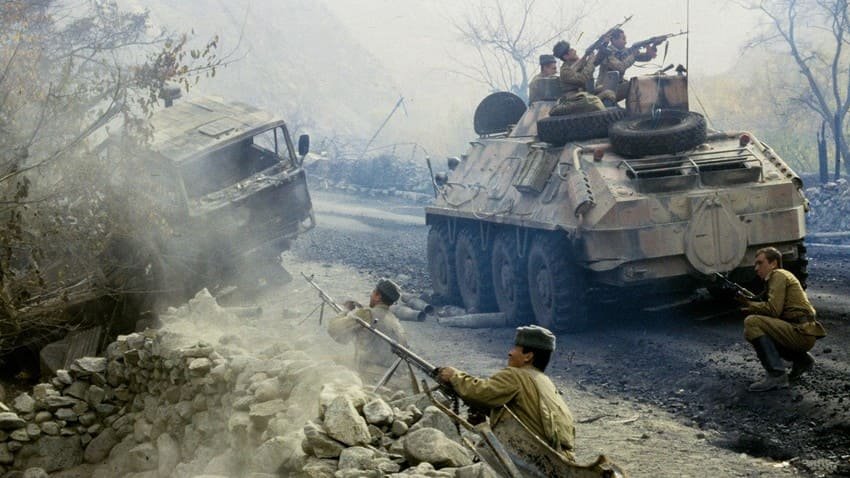
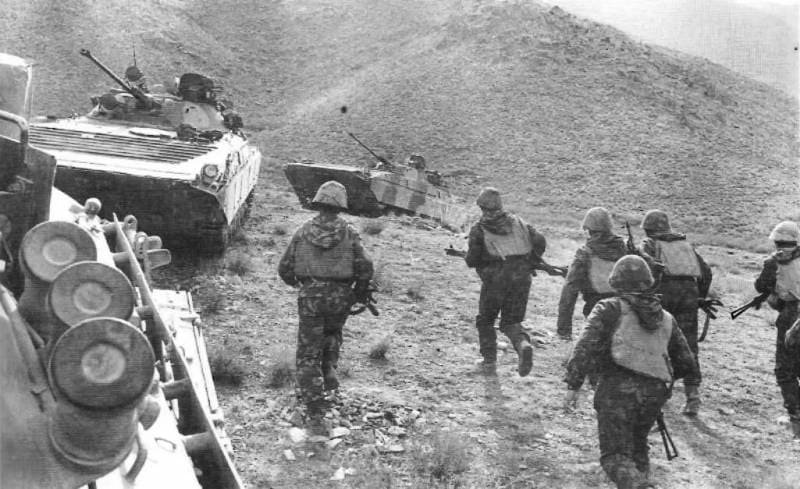
After crossing the border, the recon unit moved forward in a колонна of about 30 vehicles and over 200 soldiers. At first, everything was calm. They drove around 250 km without any fighting.
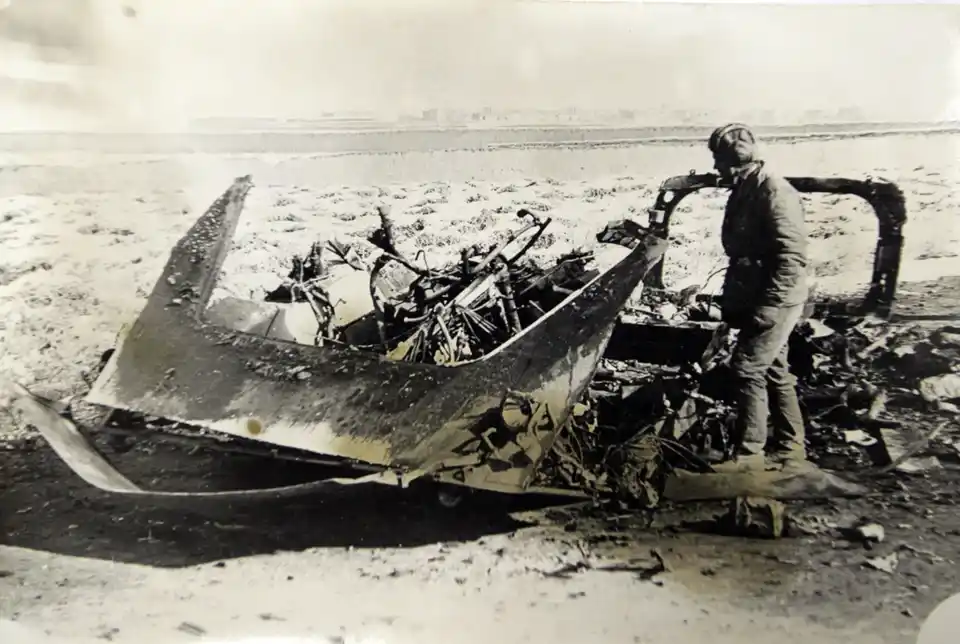
But on the way to the Salang Pass, the first loss happened. An armored vehicle fell off a bridge after trying to avoid a fuel truck coming from the opposite direction. One officer was killed. It became the first casualty of the division in Afghanistan.
The колонна kept moving toward the mountains. Orders were strict – they had to reach the pass no matter what.
Inside the Salang tunnel, the situation became dangerous. The convoy suddenly stopped, engines were running, and soldiers began to suffocate from exhaust fumes. One of the lead tanks had broken down. It had to be pulled out before the колонна could move again.
After a delay, the convoy finally continued forward…
The march through the Salang Pass was very hard. Many vehicles struggled on the icy road, especially trucks without full drive. Inside the tunnel, traffic jams happened often, and the ventilation didn’t work.
Engines kept running, and the air quickly filled with exhaust fumes. Soldiers were exhausted after almost three days without proper sleep. During stops, drivers often fell asleep, and some even started losing consciousness from the fumes. Officers had to move through the convoy, waking people up and pulling them out.
After the tunnel, the convoy slowly moved down the dangerous mountain road. By the morning of December 29, they stopped to rest. Local people came closer, curious but not hostile. Soldiers shared some food with them.
Later that day, near Kabul, the situation changed. One of the vehicles that fell behind the convoy was attacked. Four soldiers were killed. These became the first combat losses of the division in Afghanistan.
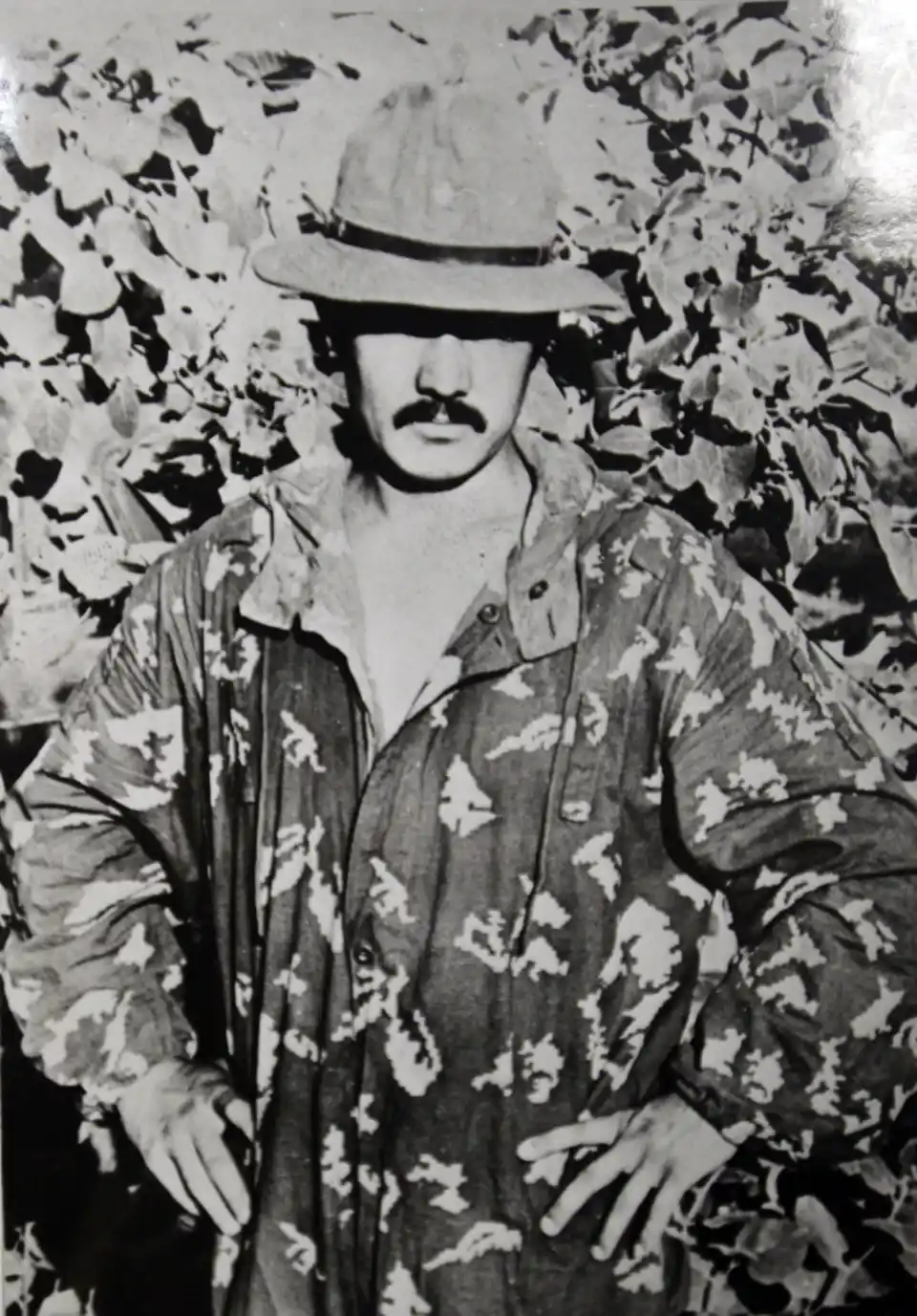
As the convoy moved toward Kabul, recon units received a warning: Afghan armored vehicles might come out to block the road. No one knew what to expect. It could turn into a fight.
To prevent this, Soviet troops acted quickly. They placed tanks on the road and stopped any movement from the nearby town. The main convoy continued moving forward.
Soon after, news came that a coup had taken place in Kabul. The Afghan leader had been removed and killed. At the same time, Soviet advance units had already entered the city and taken control of key positions.
The rest of the troops were given new orders – move into Kabul and secure important locations.
The recon unit reached the mountain pass near the city and held position, waiting for the main forces to arrive.
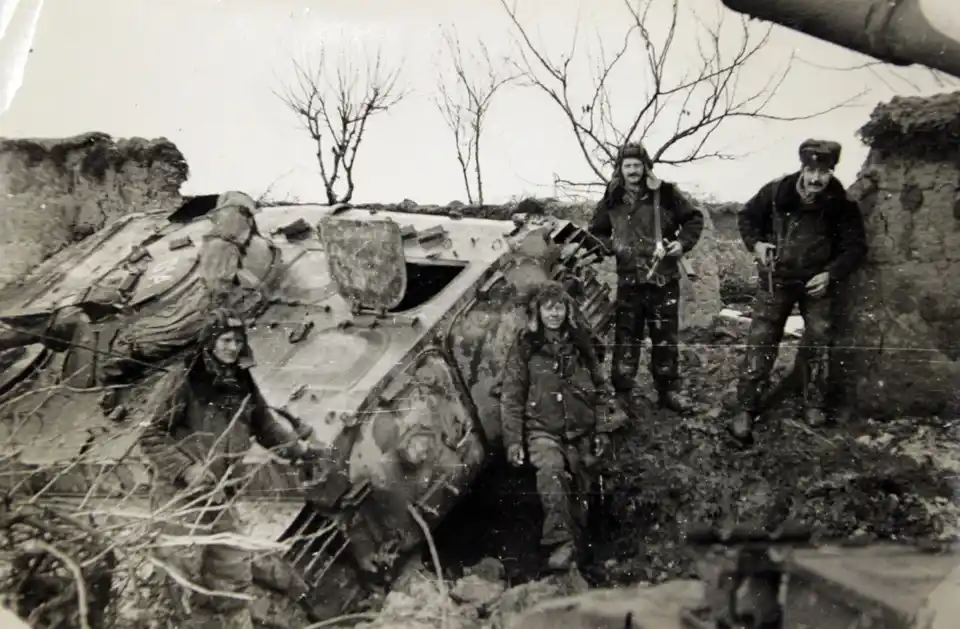
“I Didn’t Wash for Two Months”
Soldiers kept asking the same question: why are we here?
Officers repeated the official answer – they came to help Afghanistan and support its government.
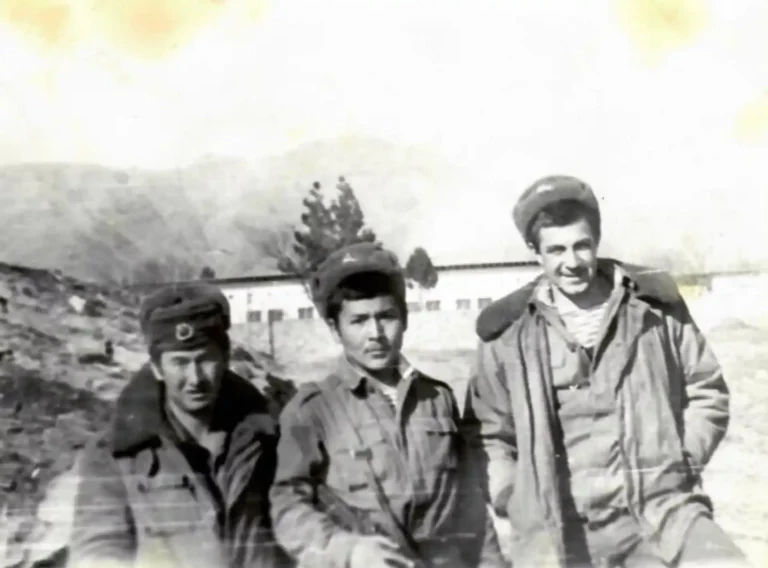
But real life was much harder. It was winter. There was a lot of snow, and at night temperatures dropped to -10 or even -15°C. Kabul is high in the mountains, and the cold was strong. Soldiers lived in tents, but there was not enough fuel to heat them.
Basic conditions were terrible. Many couldn’t even wash for weeks. Some remembered they had their first proper wash only two months after arriving.
Soon, diseases started spreading. Hepatitis and typhoid hit the units hard. The situation was especially bad in one regiment in March 1980. Around 600 soldiers got sick at the same time.
That was almost a third of the regiment out of action
es, almost a third. And there were deaths.
One officer, a company commander, got hepatitis but kept working until he collapsed. He was taken to a field hospital, but doctors couldn’t save him. He died a few days later.
Many soldiers later said that the first units sent into Afghanistan had it the hardest. They faced the worst conditions at the very beginning.
Only a few years later things improved – proper barracks, refrigeration, better food. But in the early period, especially in warm months, soldiers almost never saw fresh meat or butter. Everything spoiled in the heat, so they lived mostly on canned food.
Many remembered eating so much canned meat that they couldn’t stand it for the rest of their lives.
At first, the wound still bothered him. For about 7 years, he could even feel weather changes because of it. Later, he got used to it.
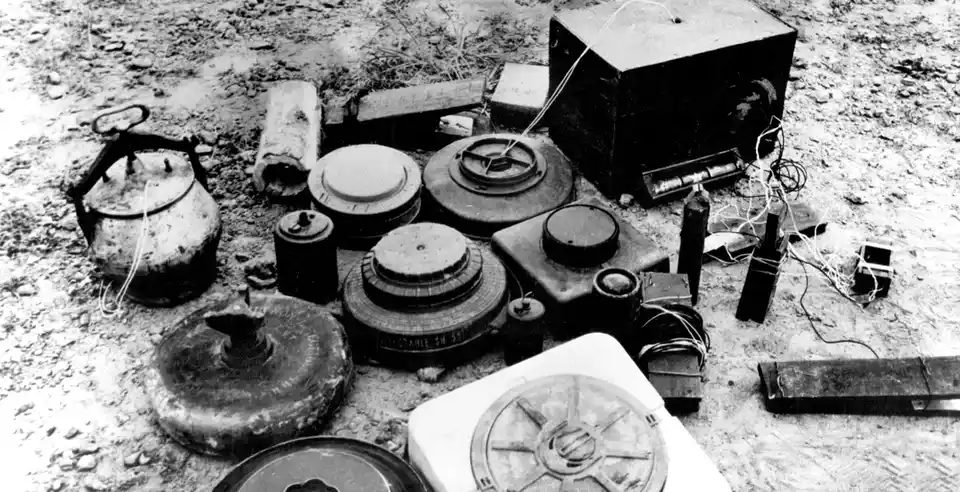
He was also injured in another incident. While riding in an armored vehicle, a mine exploded under the track. The blast was strong – it destroyed the seat where he should have been sitting. The shockwave caused a concussion and damaged his hearing.
Life on the front was hard not only because of combat. Soldiers often felt isolated. Many asked for radios, newspapers, or letters from home just to stay connected to the outside world.
Outposts along the roads were especially dangerous. They were attacked often, and soldiers there lived under constant threat. Officers regularly visited them, sometimes by armored vehicles, sometimes by helicopter.
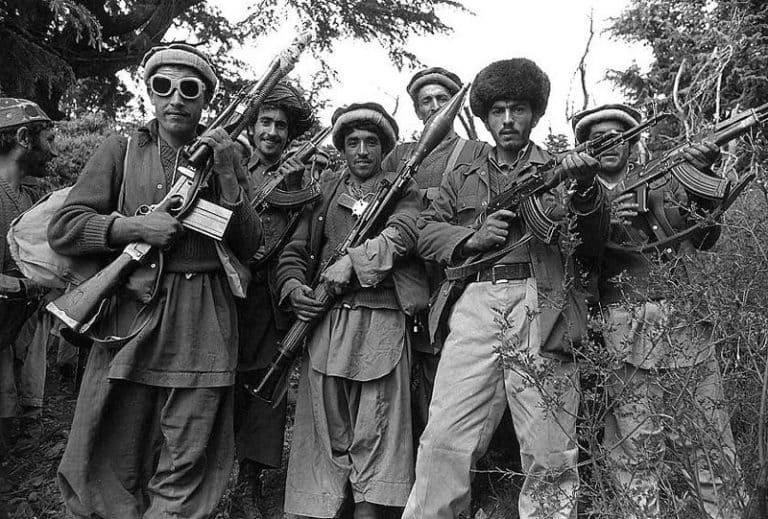
Capturing enemy groups was often difficult. There was not enough surprise, and they managed to escape.
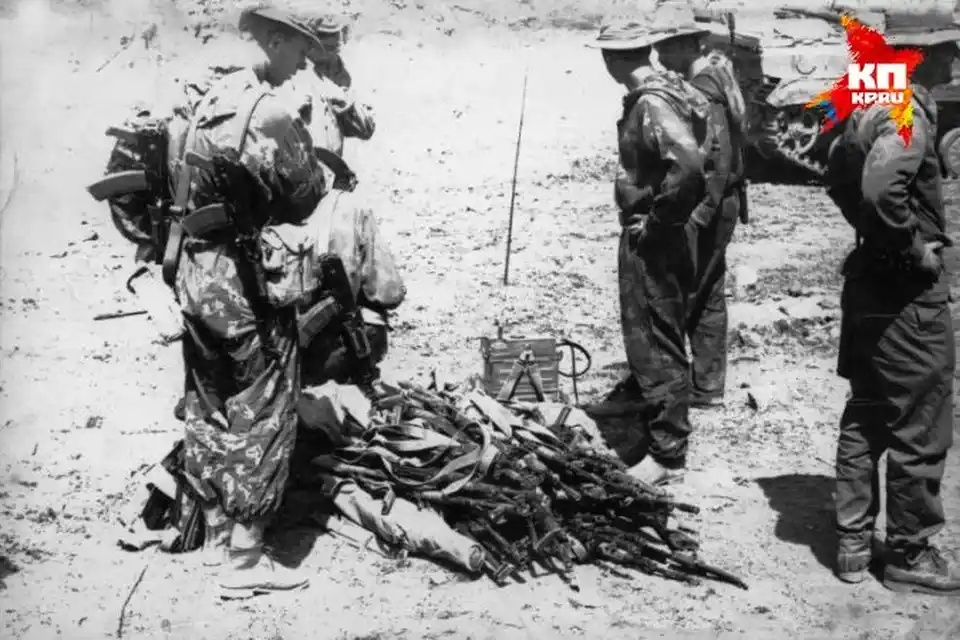
So a new tactic was used. Local people would report that 40–50 fighters were hiding in a village. At night, around 200 recon soldiers quietly surrounded it. In the morning, vehicles moved in loudly, making noise from 5–6 km away. The fighters tried to run – but they were already surrounded.
Recon units also used suppressed weapons. Soldiers let the enemy come close and fired without sound. Others nearby didn’t even realize what was happening.
He got his first wound near Jalalabad. During one operation, enemy fighters were retreating into the mountains and started firing mortars. While picking up a portable radio, an explosion went off behind a vehicle. A fragment hit the armor, bounced off, and struck his right arm.
The fragment stayed inside. It was too close to nerves, so doctors could not safely remove it.
He later suffered another injury. While riding in an armored vehicle, a mine exploded under the track. The blast destroyed the seat where he should have been sitting. He received a concussion and hearing damage.
For years after that, the injury affected him – sometimes he even had trouble following conversations.
A Sad Mission
He also took part in combat operations near the Pakistani border in 1980. Like many others, he stayed with the troops, not behind the lines, and was later awarded for his service.
But what stayed with him the most was not the fighting – it was the losses.
He had a difficult job. He kept records of every soldier who died and helped prepare letters to their families. Official reports were short and formal, but families wanted to know the truth – how their son died, where, and under what conditions.
Writing those letters was one of the hardest parts. Some soldiers died in battle. Others died because of accidents, mistakes, or simple carelessness. Finding the right words for grieving families was never easy.
In the first two years of the war, the division lost 643 men, including 66 officers and 26 warrant officers. Around 2000 were wounded.
Almost every day someone died.
It was hard to accept – and one question remained: what was it all for?
More interesting articles about Soviet uniforms:
Soviet Afghanka Uniform. History, Features, and Use in Afghanistan
Soviet SSh-36 Helmet: History, Combat Use, and the Scandal That Shook the Red Army
Soviet Red Army Uniform and Equipment in World War II (1939-1945)
Looking for original Soviet boots and accessories? Please visit here: Soviet Boots Store