Soviet WW2 uniforms 1943-1945 – Red Army, NKVD, Navy and Aviation
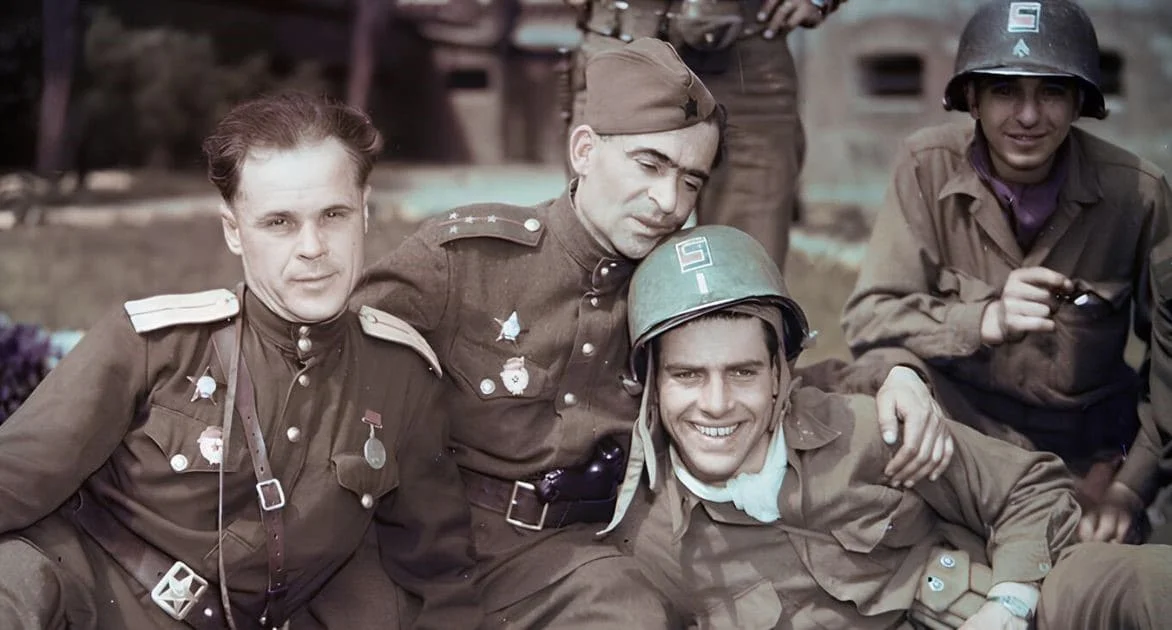
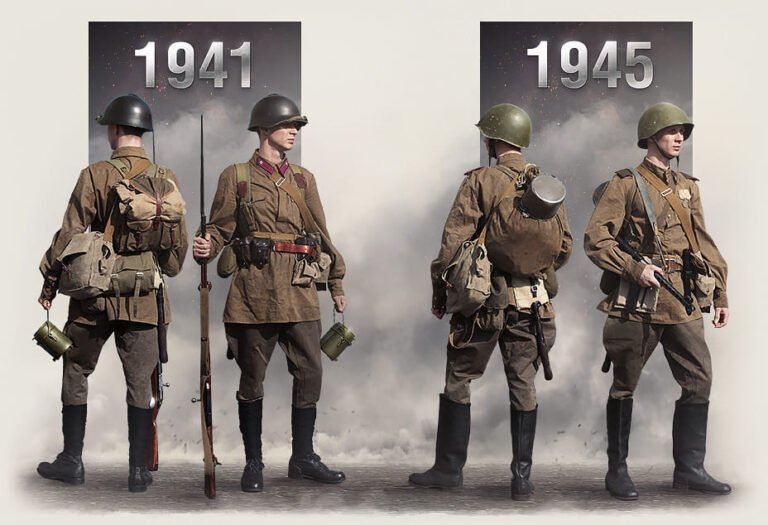
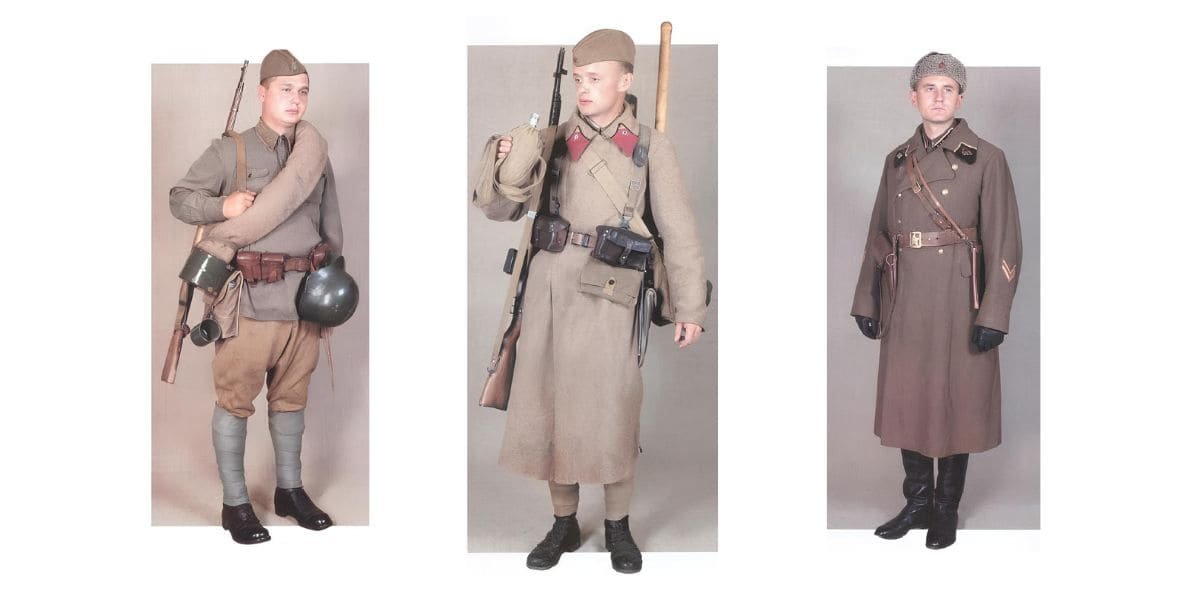
Soviet WW2 uniforms 1943-1945 represent the late-war stage of Soviet military clothing, shaped by frontline experience, standardized production, and restored rank insignia across the Red Army, NKVD, Navy, and Aviation.
Below is a visual guide to key uniform types from 1943-1945, useful for military history research, collectors, and WW2 reenacting.
If you’re looking for early-war uniforms, see this guide:
Soviet WW2 uniforms 1941-1943
Quick navigation
Overview of Soviet WW2 uniforms 1943-1945
Late-war Soviet uniforms reflect a shift toward clearer rank structure and improved appearance while preserving frontline practicality. This period introduced shoulder boards, refined parade uniforms, and more consistent designs for Red Army infantry, NKVD internal troops, Soviet Navy, and Aviation personnel.
These uniforms were worn during decisive campaigns from Kursk to Berlin and remain among the most recognizable Soviet military images of World War II.
For pre-war context, start here:
Soviet Army uniforms 1936-1941
Main features of Soviet WW2 uniforms 1943-1945
- Introduction of shoulder boards restored traditional rank visibility
- Red Army field uniforms balanced simplicity with improved tailoring
- NKVD uniforms emphasized authority and internal security roles
- Soviet Navy parade and service uniforms retained formal naval traditions
- Aviation uniforms included flight gear adapted for long-range operations
- Parade uniforms became symbols of victory and post-war military identity
Soviet WW2 uniforms 1943-1945 gallery
Red Army soldier, infantry, 1943-45
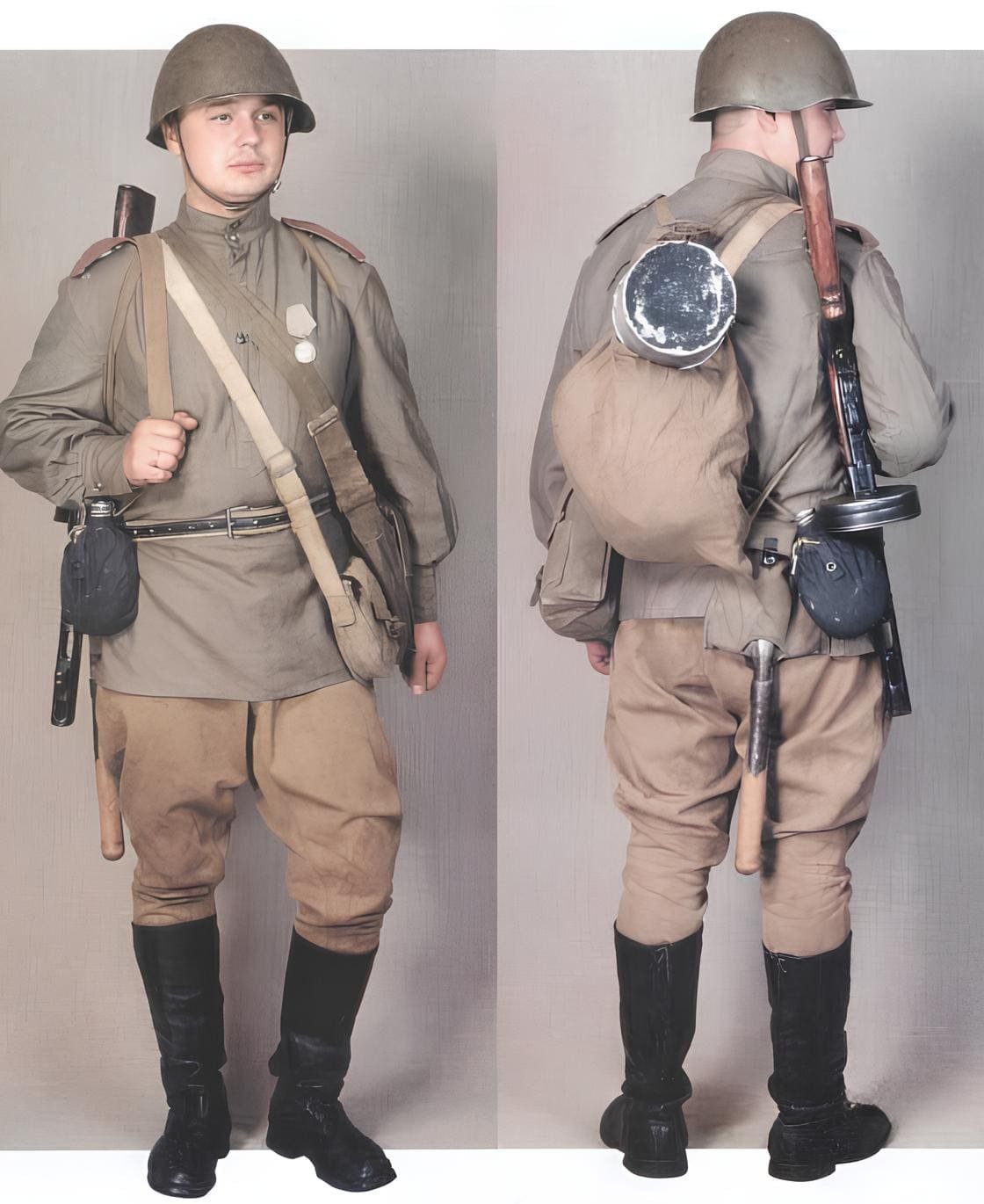
This is a typical Red Army infantry field look from 1943-1945, when uniforms were optimized for mass production. The set highlights practical frontline gear used during the final stage of World War II.
Looking Soviet classic kirza boots for WW2 reenacting? You can get it here ( Soviet Kirza Boots )
Officer in cape-poncho, 1943-45
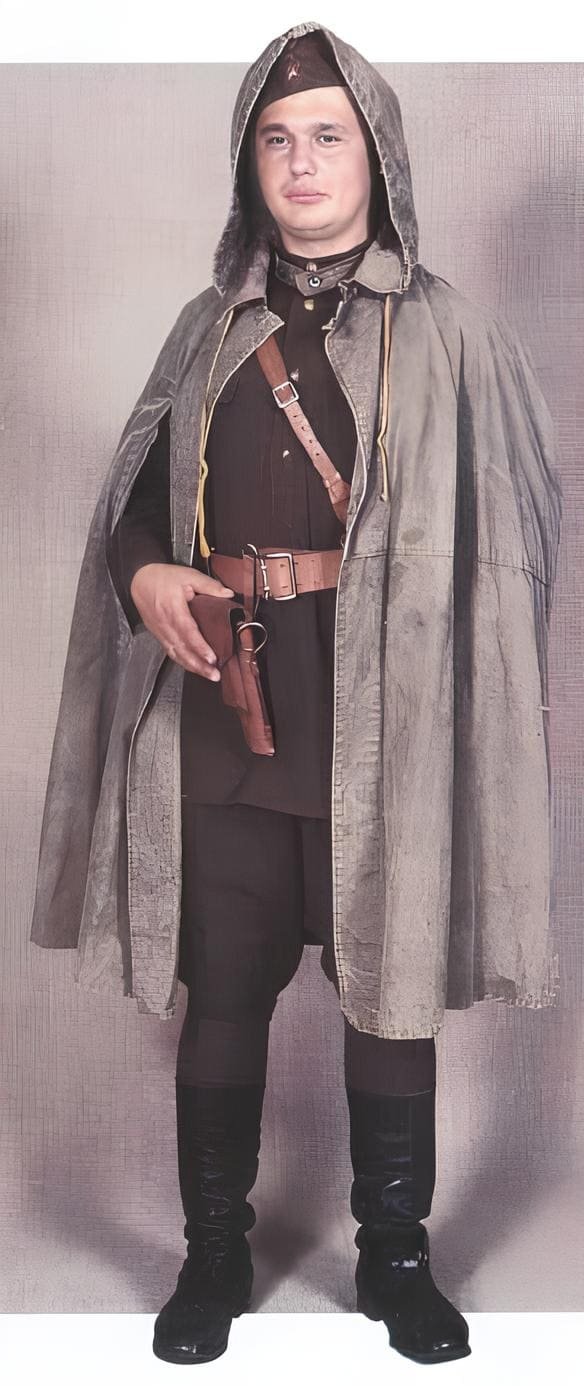
The cape-poncho was a practical outer layer used to protect against rain, wind, and cold conditions. In 1943-1945 it was widely seen on the Eastern Front due to constant movement and harsh weather.
Machine gunner in shelter cape, 1943-45
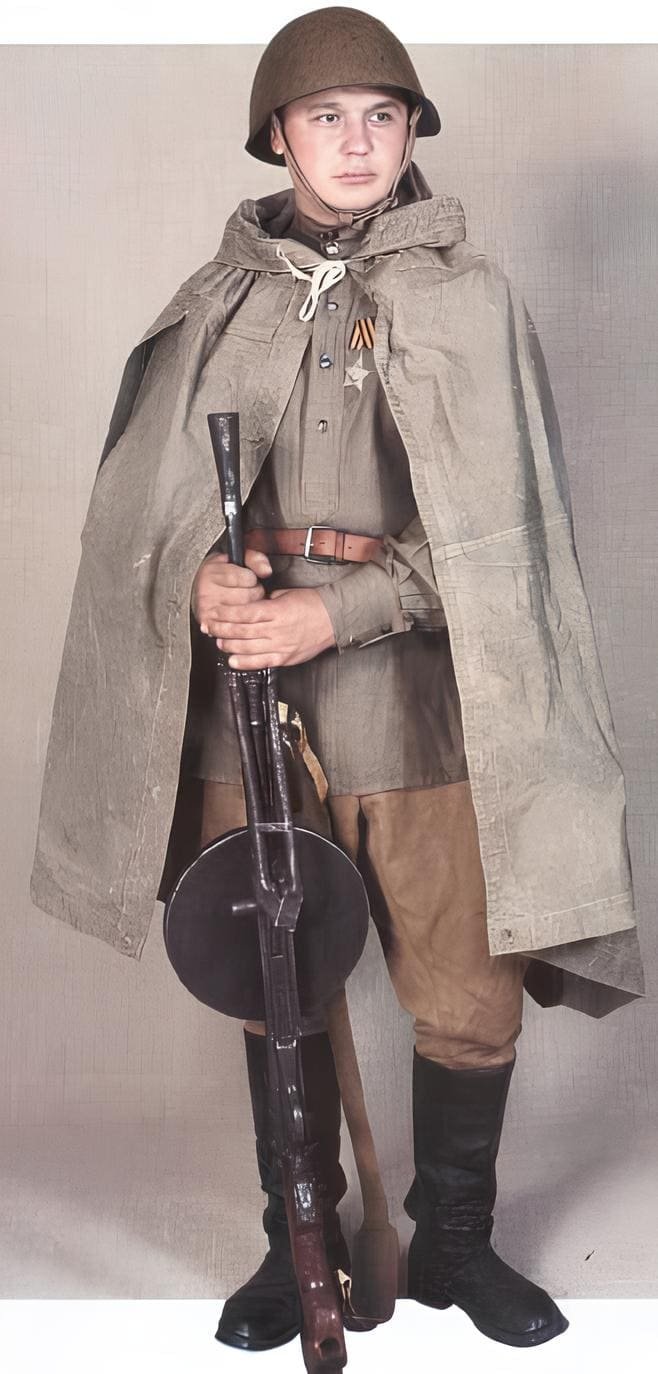
The plashch-palatka served as both a rain cape and a shelter component, which made it essential for infantry units. This late-war setup reflects the practical, multipurpose approach of Red Army field equipment.
Officer in winter uniform, 1943-45

Winter uniforms were critical for survival and combat effectiveness during Eastern Front winters. This 1943–1945 officer kit emphasizes warmth, protection, and functional layering.
Looking Soviet army winter gloves? You can get it here ( Soviet Gloves )
Major in field uniform, infantry, 1943-45
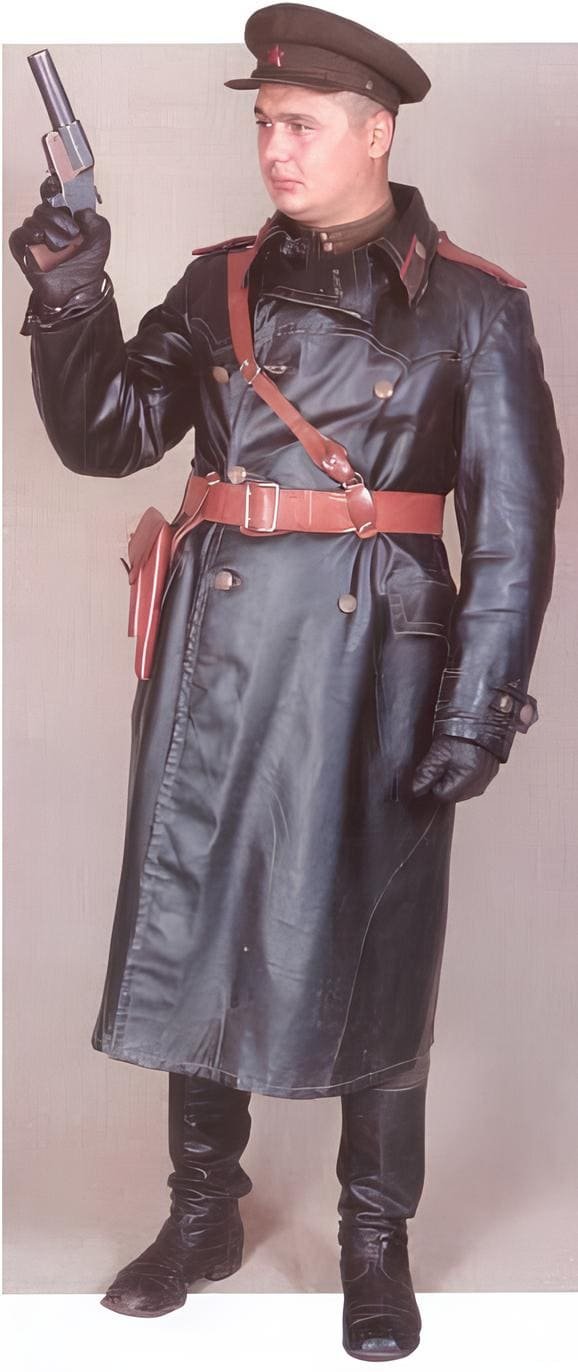
By 1943–1945 many officers used field uniforms similar to enlisted patterns for practicality in combat zones. This look shows the late-war balance between rank identity and frontline function.
Red Army soldier in winter uniform, NKVD internal troops, 1943-1945
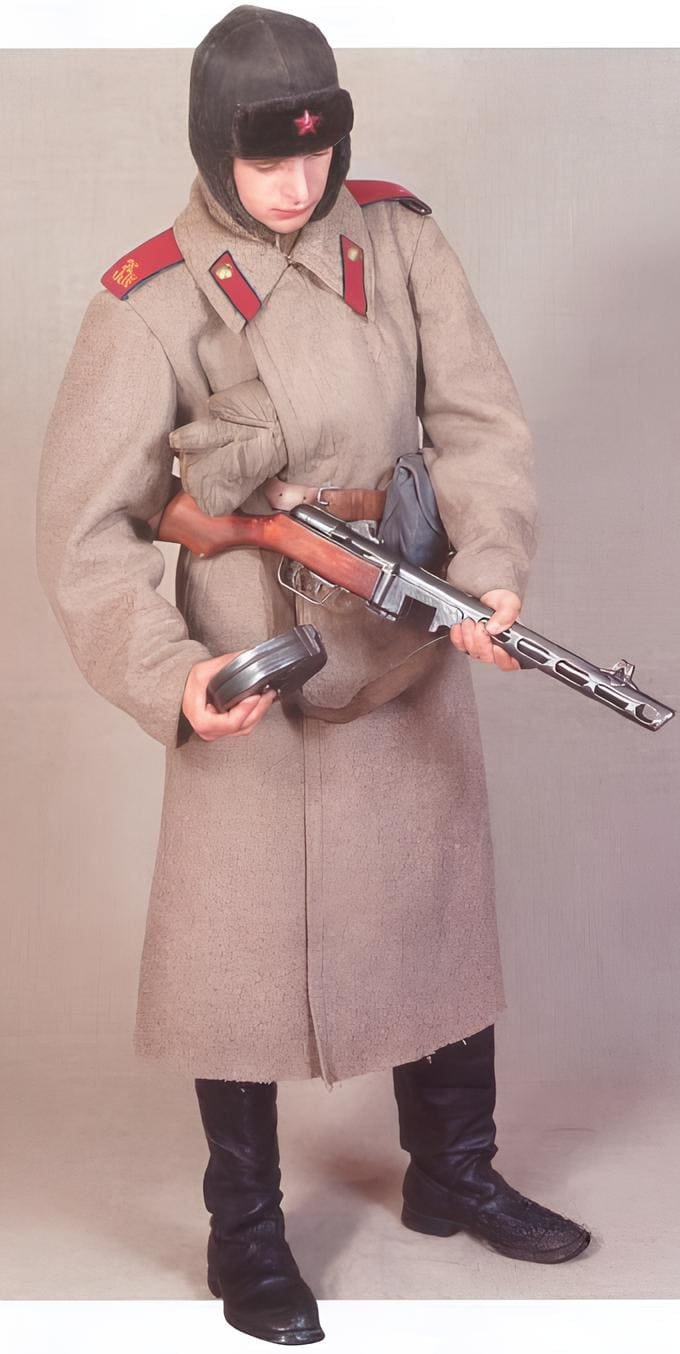
NKVD internal troops performed security and control duties while also participating in wartime operations. The winter kit highlights insulation and practicality typical for 1943-1945 service.
Looking Soviet original soldier Ushanka? You can get it here ( Soviet Ushanka )
Guards senior sergeant, infantry, 1944
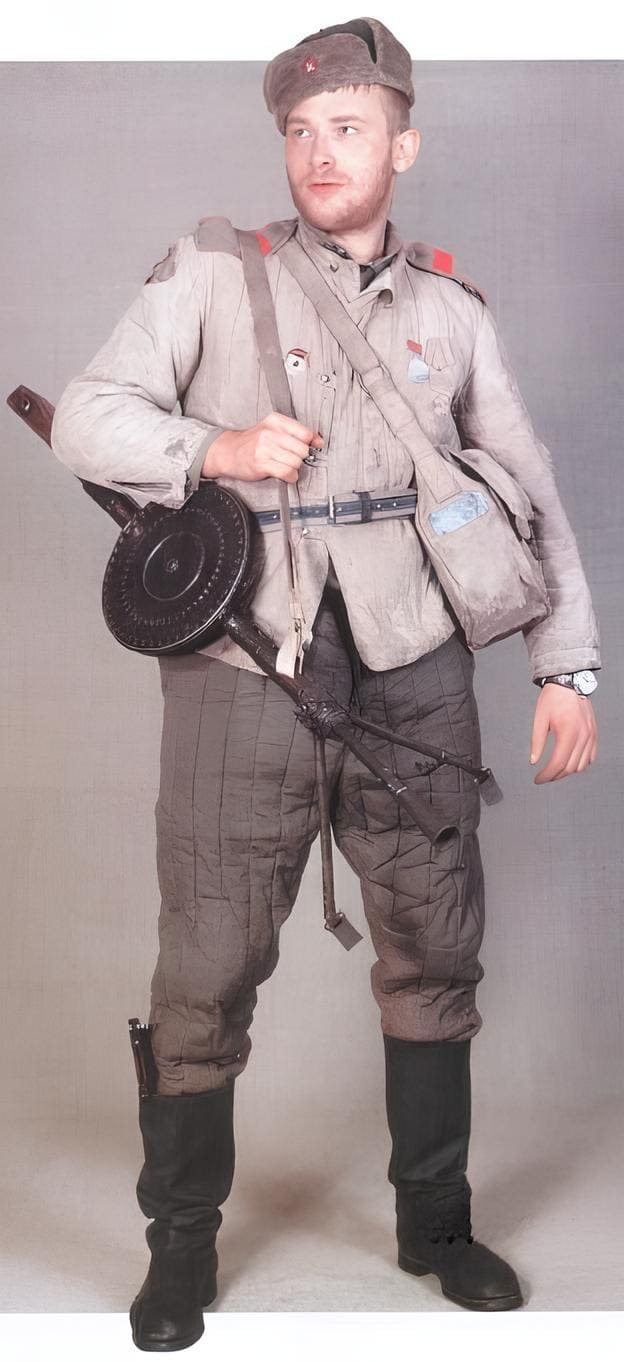
Guards units were considered elite formations and often carried strong combat reputation. This 1944 infantry NCO look reflects late-war Red Army standardization and field practicality.
Looking Soviet winter kirza boots? You can get it here ( Soviet Winter Kirza Boots )
Colonel General in winter uniform, 1943-45
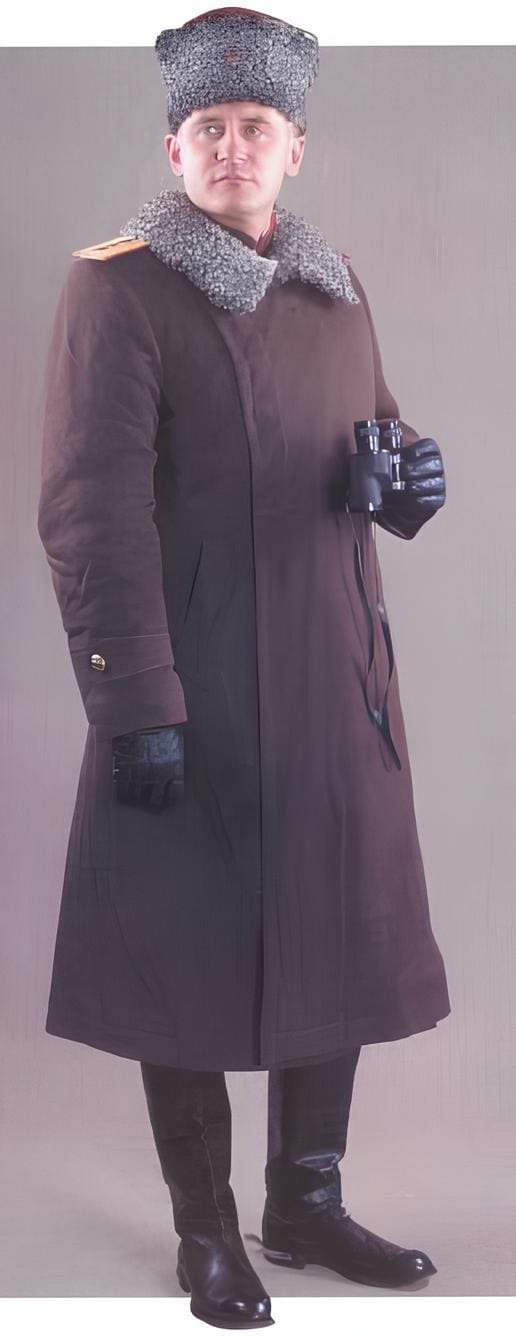
High-ranking winter uniforms combined recognizable status with real cold-weather protection. This 1943–1945 look reflects late-war Soviet command appearance during winter operations.
Looking Soviet General Boots? You can get it here ( Soviet General Boots )
Major General in field uniform, 1943-45
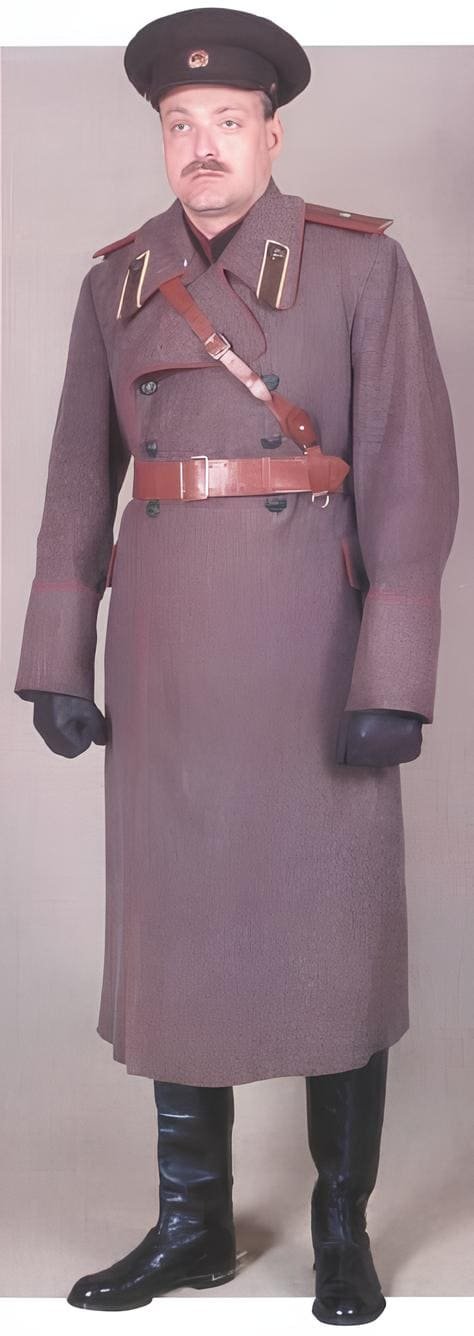
Field uniforms allowed senior commanders to work closer to operational zones while staying mobile and protected. This late-war 1943-1945 example shows a practical command-level setup.
Major General, 1943
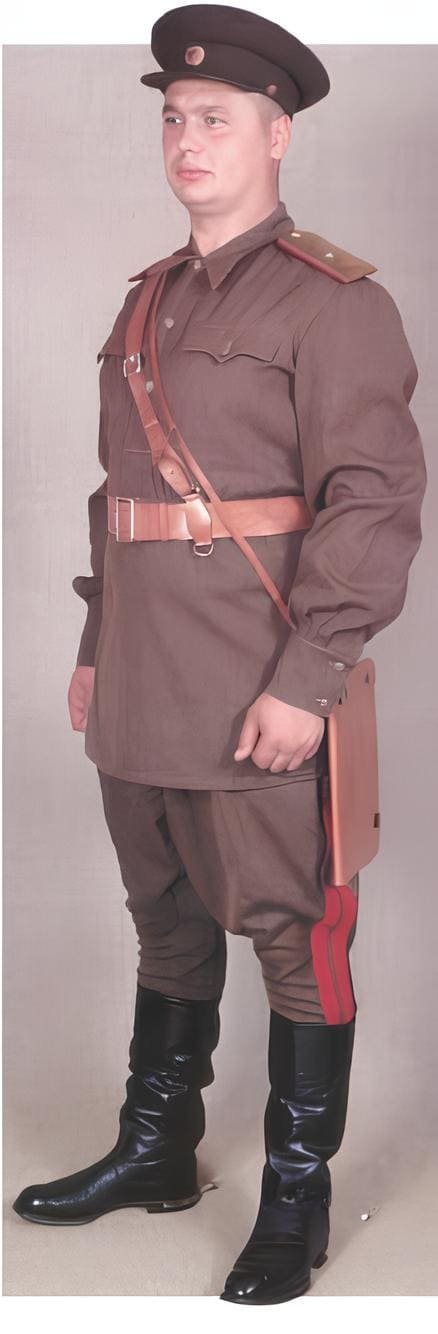
The year 1943 is associated with major visual standardization in Red Army uniforms and insignia. This general’s look shows a formal wartime officer presentation with clear rank identity.
General Colonel in summer dress uniform, 1943-1945
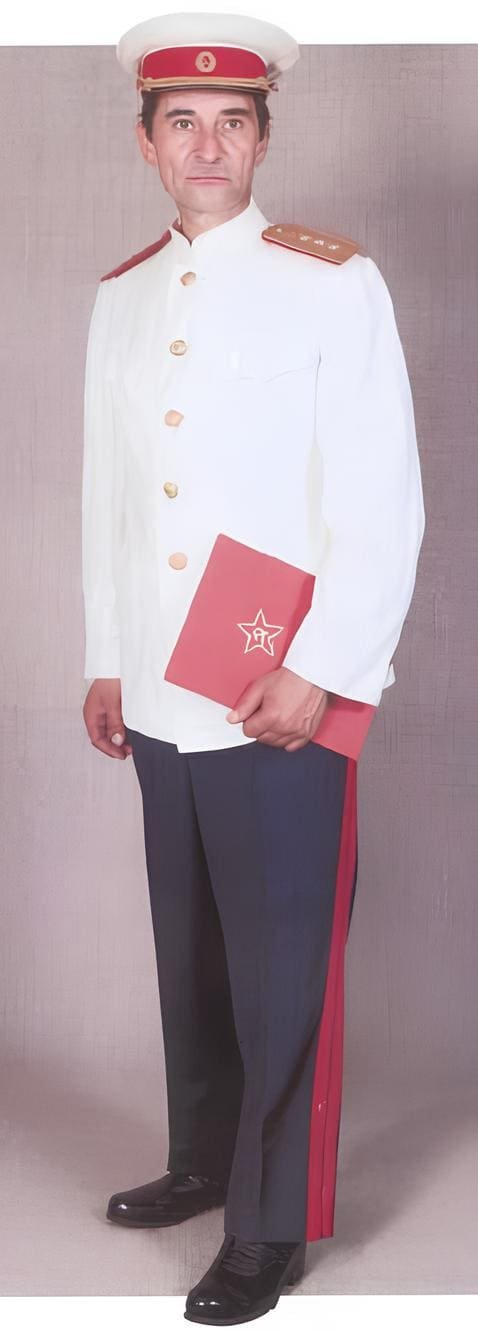
This image shows a high-ranking Soviet general wearing a formal summer uniform from the late World War II period. The uniform reflects rank, authority, and ceremonial military style.
Colonel, infantry, summer dress uniform, 1943-1945
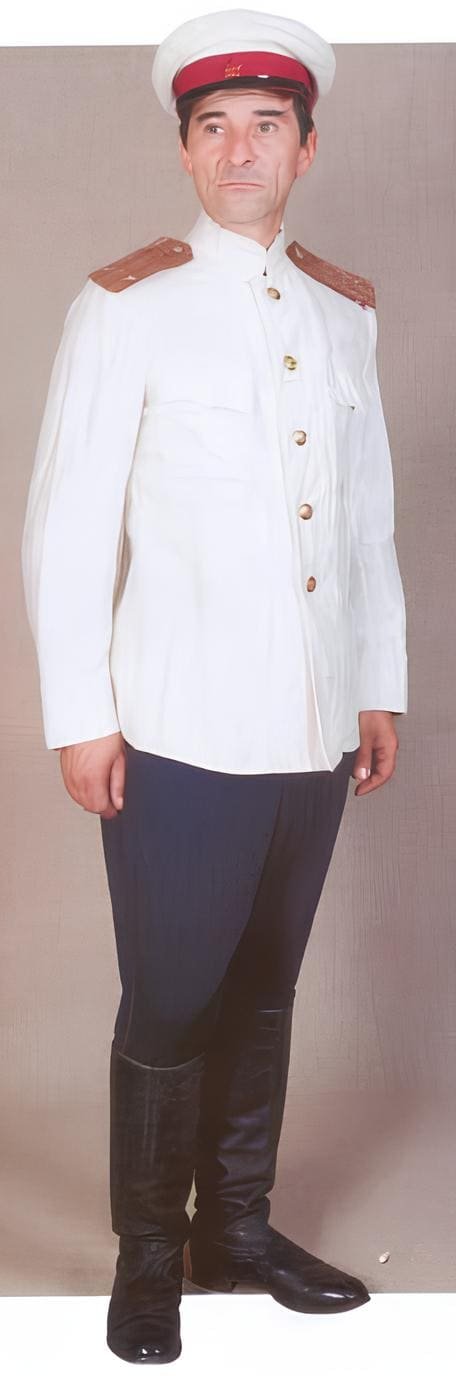
The photo presents a Soviet infantry colonel in a formal summer uniform. Such uniforms were worn for ceremonies and official duties during the later war years.
Lieutenant, infantry, 1943-1945
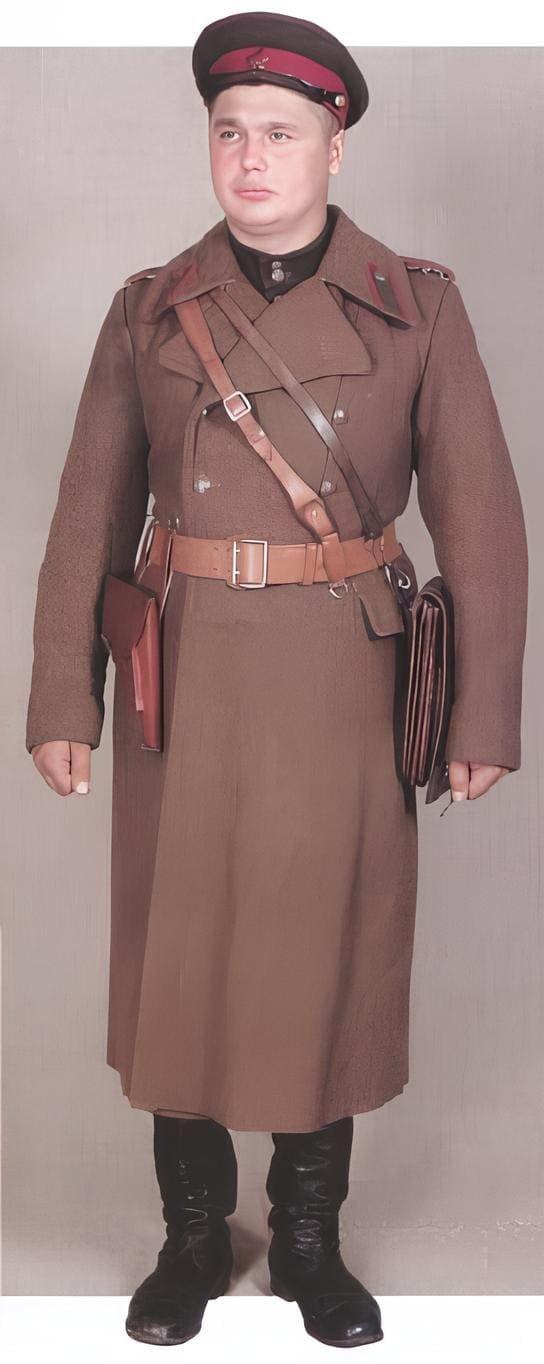
This image depicts a Soviet infantry lieutenant in a typical wartime uniform. The design emphasizes practicality and front-line service.
Major, armored troops, 1943-1945
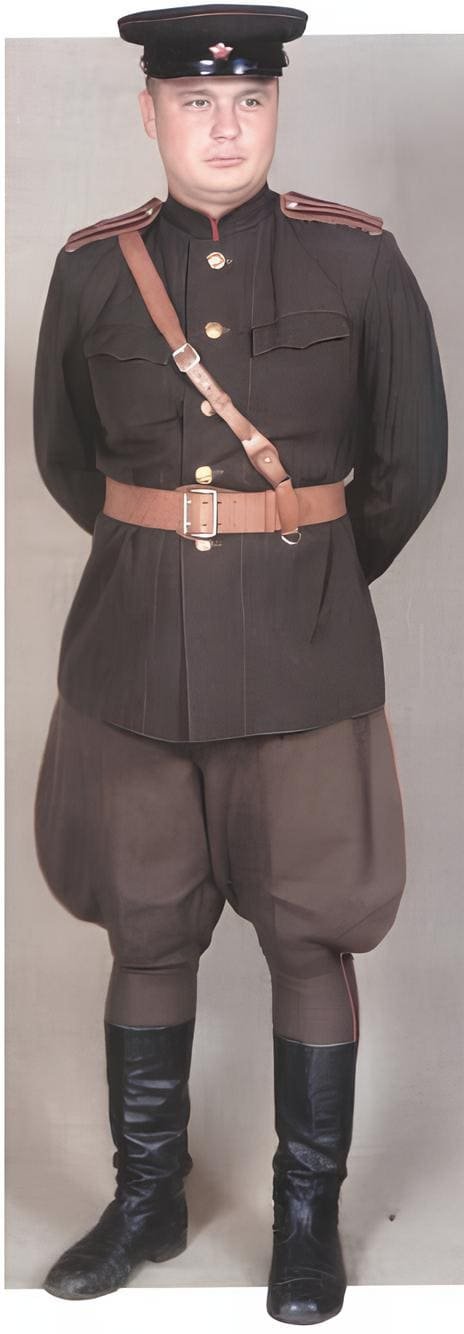
The photograph shows a Soviet armored troops major equipped for late-war service. The uniform reflects the needs of mechanized and tank units.
Scout in summer camouflage, 1943-1945
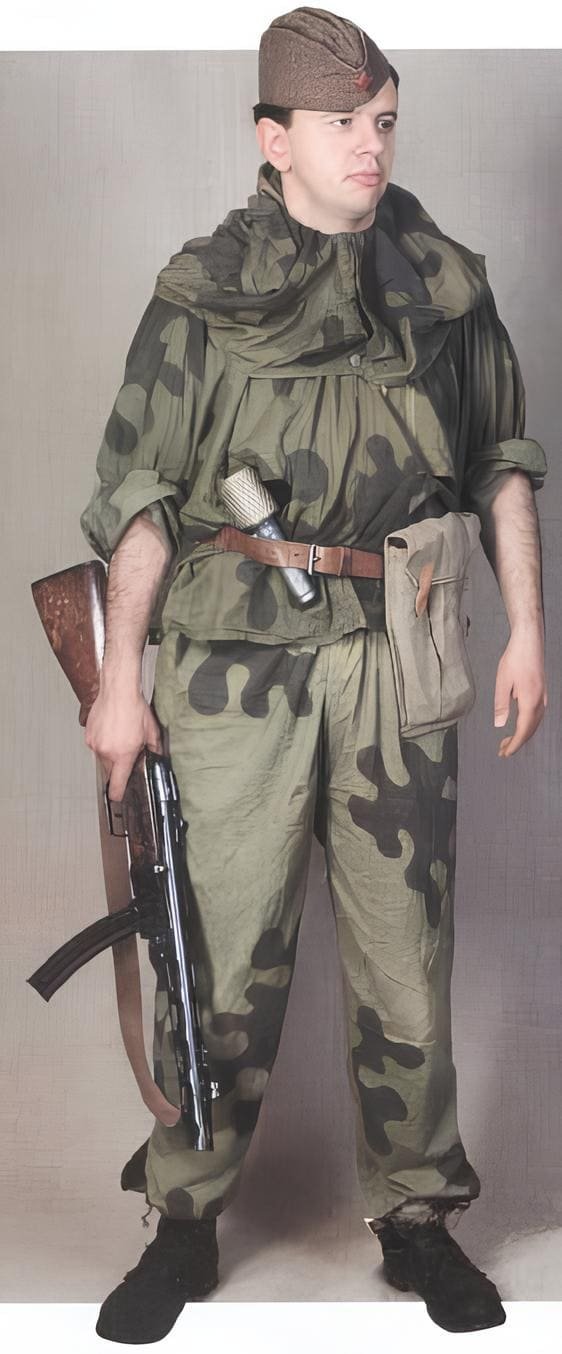
This image features a Soviet reconnaissance soldier dressed in summer camouflage. The uniform was designed for concealment during scouting missions.
Looking Soviet Pilotka Hat? You can order here: (Soviet Pilotka Hat)
Scout in summer camouflage, 1943-1945
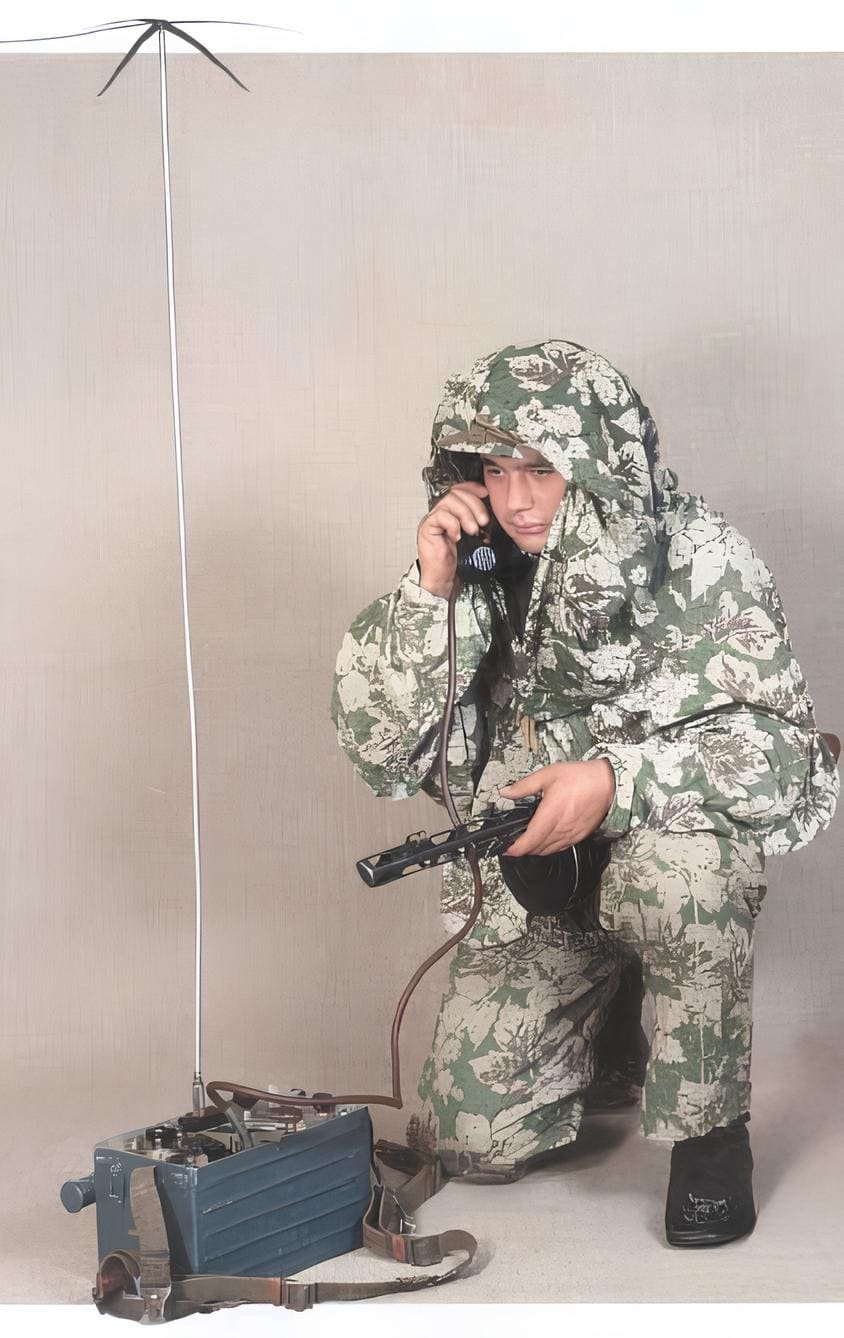
The photo shows another variation of Soviet summer camouflage worn by reconnaissance units. The pattern was adapted to forest terrain.
Scout in summer camouflage, 1943-1945
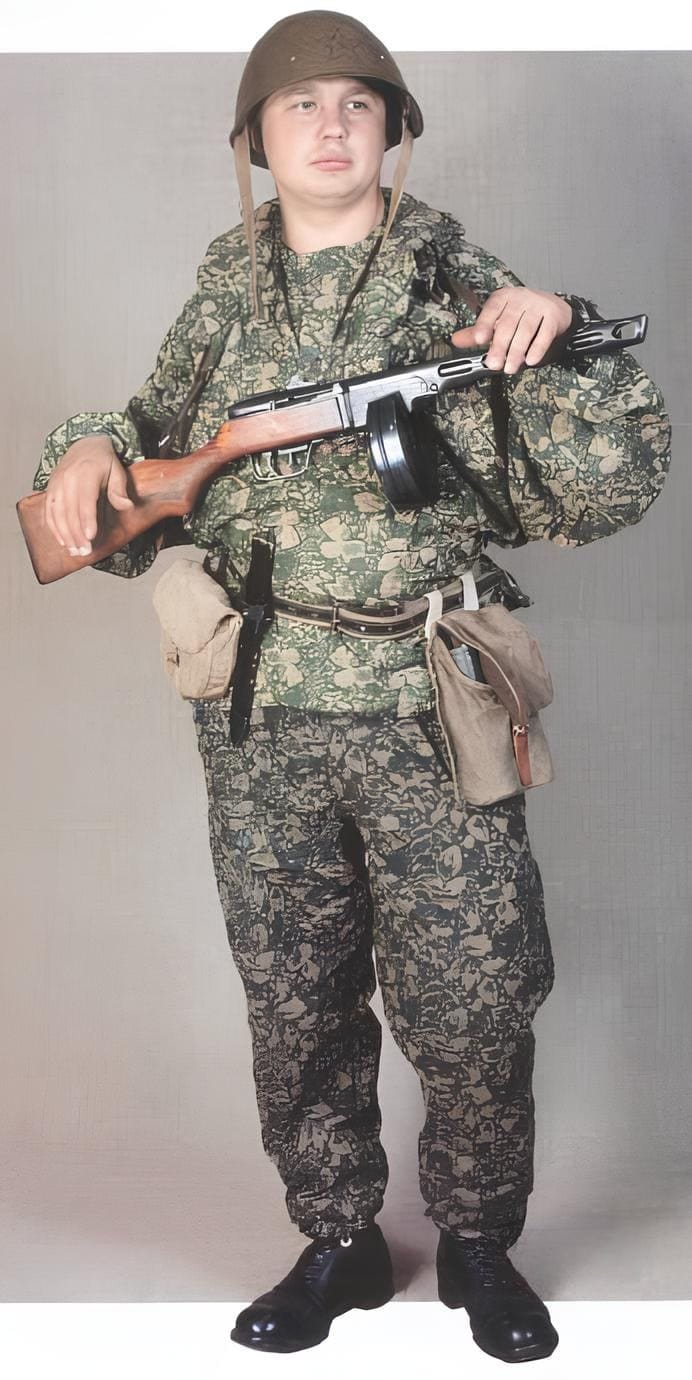
This image highlights the lightweight and practical design of Soviet reconnaissance uniforms. Camouflage was critical for stealth operations.
Scout in autumn camouflage, 1943-1945
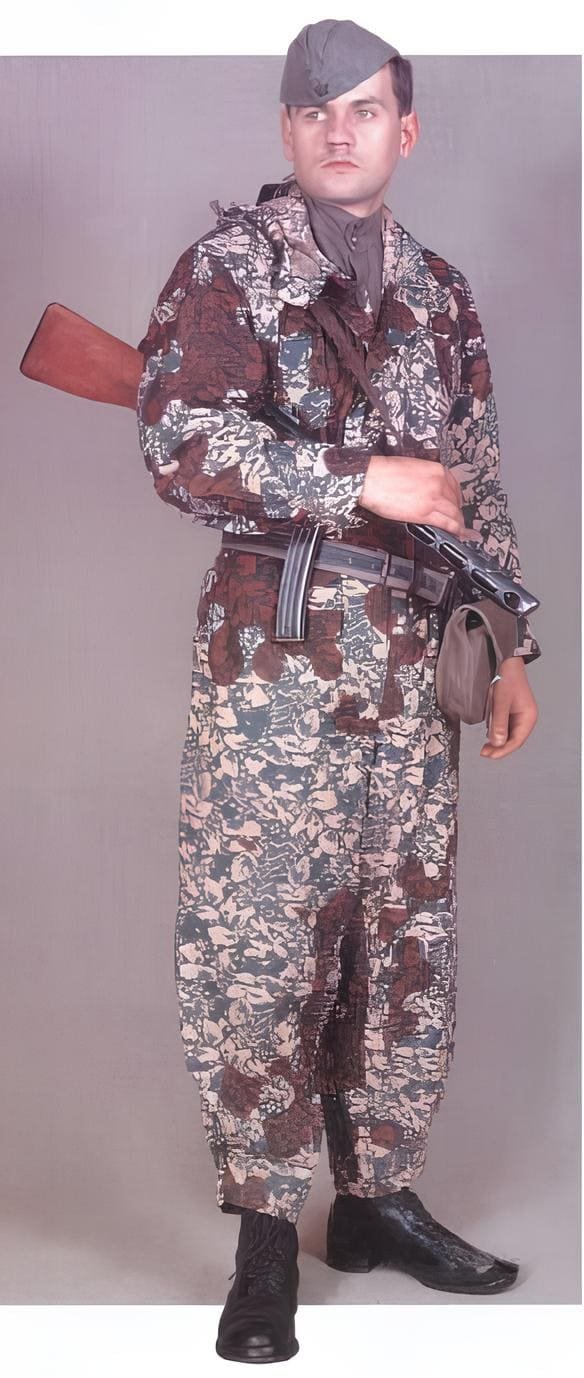
The photograph shows a scout dressed for autumn combat conditions. Darker camouflage helped blend into forests and muddy terrain.
Scout in autumn camouflage, 1945
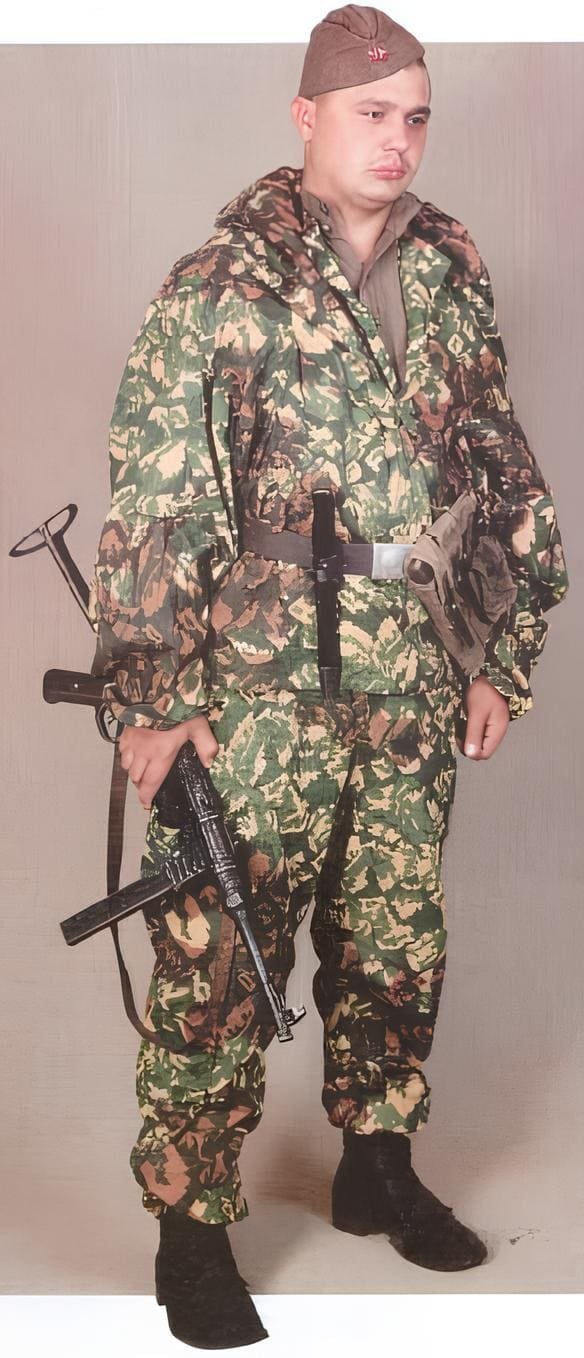
This image represents late-war Soviet camouflage development. The uniform reflects battlefield experience gained by 1945.
Scout in autumn camouflage, 1945
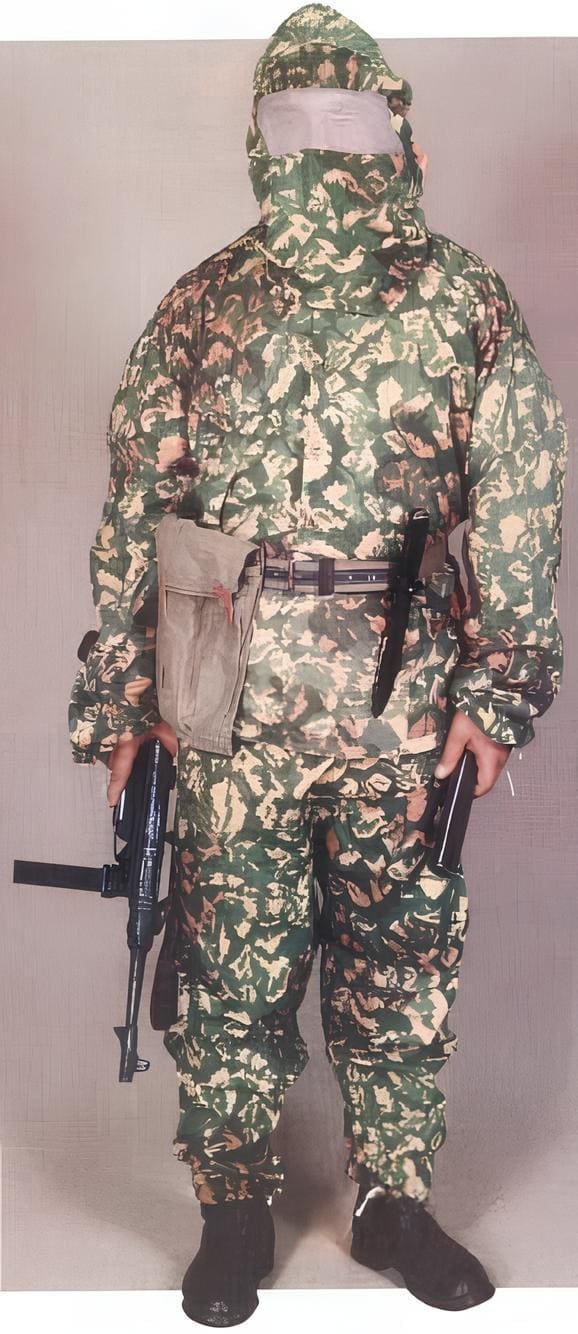
The photo shows a fully equipped Soviet scout prepared for late-war operations. The camouflage pattern reflects adaptation to European autumn environments.
Looking Soviet Combat Boots? You can get it here ( Soviet Combat Boots )
Automatic Rifleman in Winter Camouflage, 1943-1945
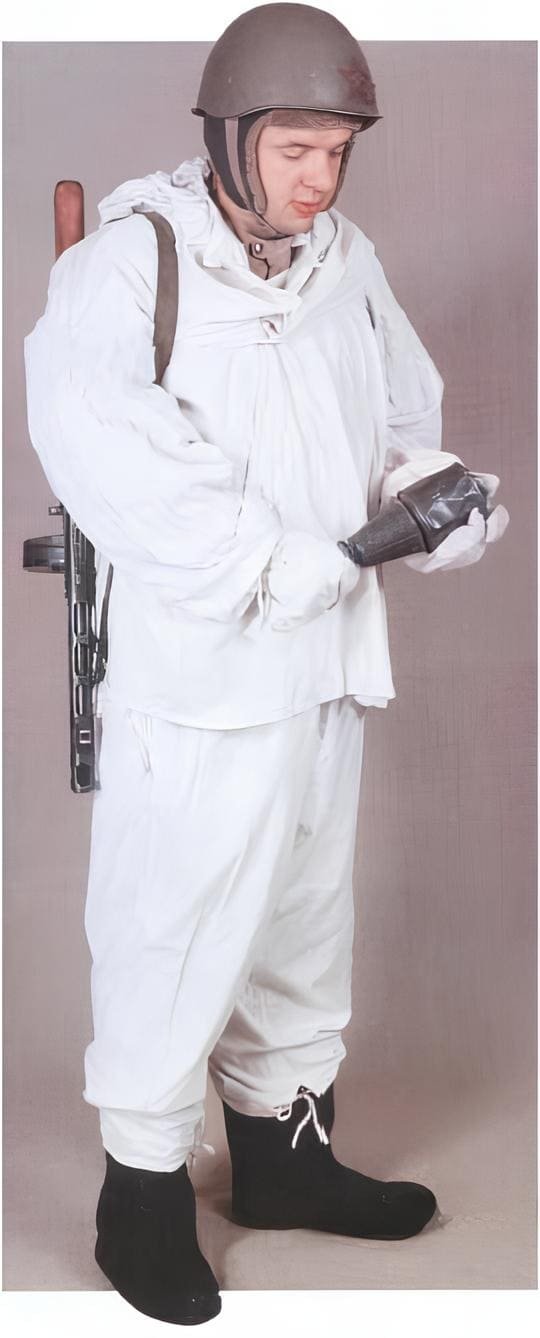
This uniform was widely used by Soviet automatic riflemen during winter operations of World War II. White camouflage helped soldiers blend into snowy landscapes on the Eastern Front.
Looking Soviet Winter Valenki? You can get it here ( Soviet Valenki )
Soviet Partisan Pavel Lipatov, 1943-1944
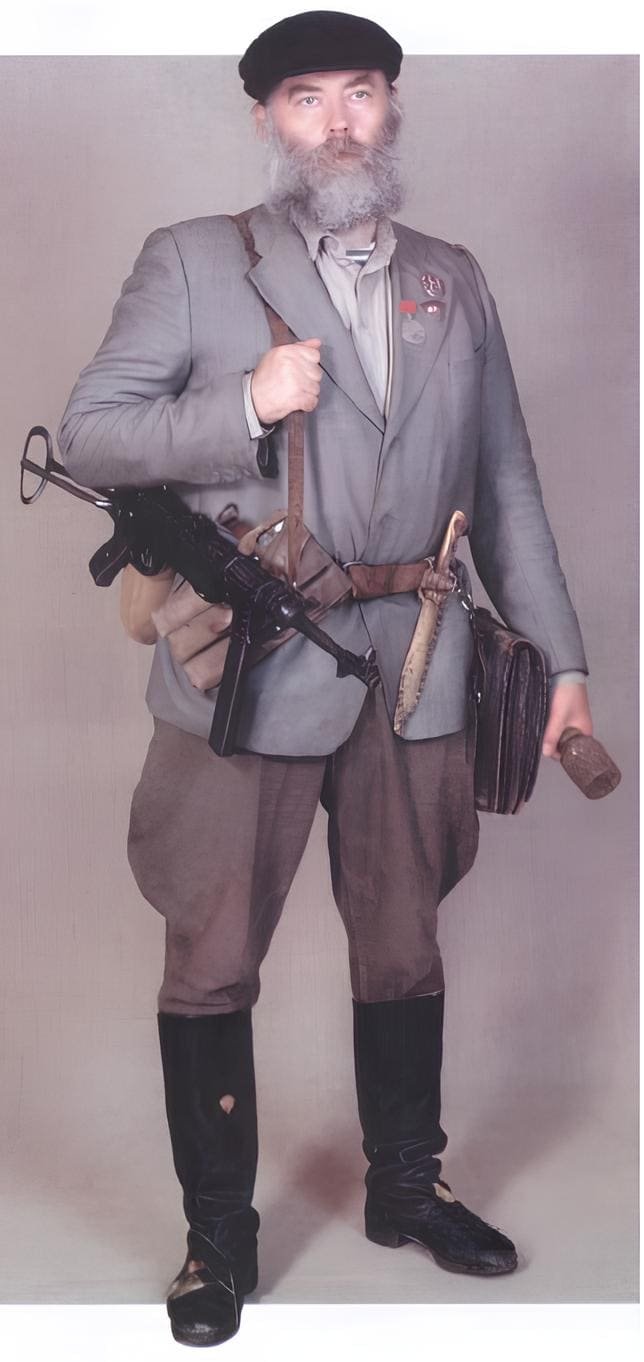
Soviet partisans played a crucial role behind enemy lines during World War II. Their clothing combined military and civilian elements adapted for guerrilla warfare.
Senior Lieutenant of NKVD Internal Troops, 1943-1945
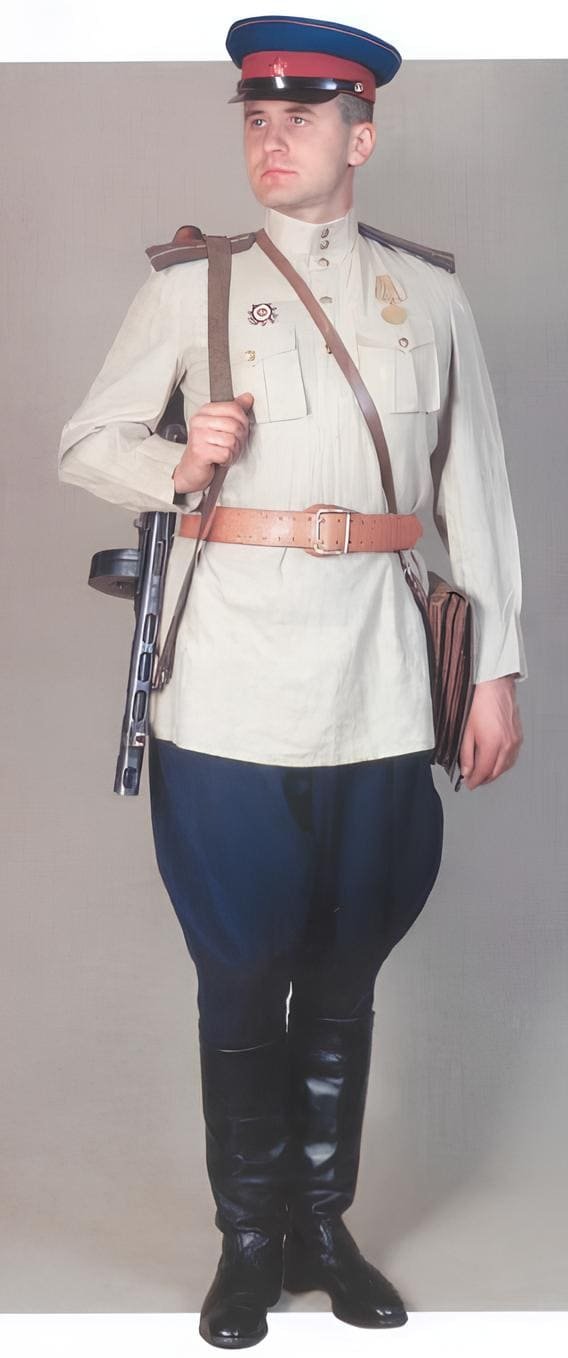
NKVD internal troops were responsible for security, counterintelligence, and protection of strategic facilities. Their uniforms followed Red Army standards with distinctive insignia.
Lieutenant Colonel of NKVD Internal Troops, Daily Uniform, 1943-1945
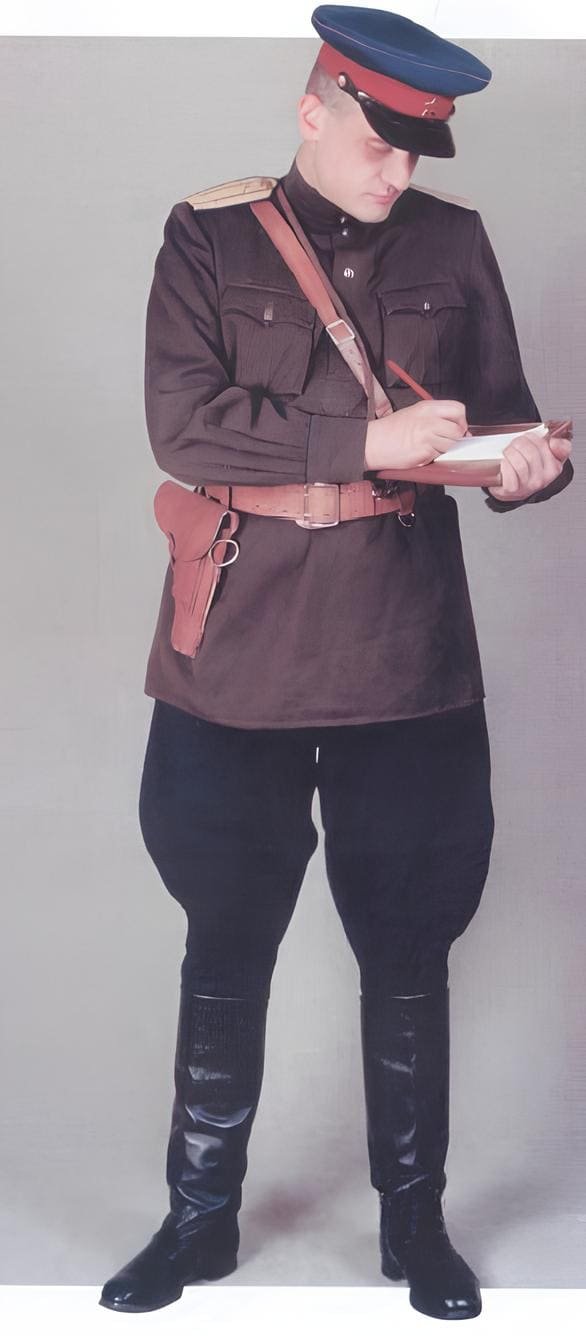
Daily uniforms were designed for administrative and command duties. They combined functionality with a more formal military appearance.
Rifleman of Soviet Penal Units, 1943-1945

Penal units were composed of soldiers sent to the most dangerous фронтовые tasks. Their uniforms were typically standard Red Army issue without special distinctions.
Senior Sergeant of Don Cossack Cavalry Units, 1943
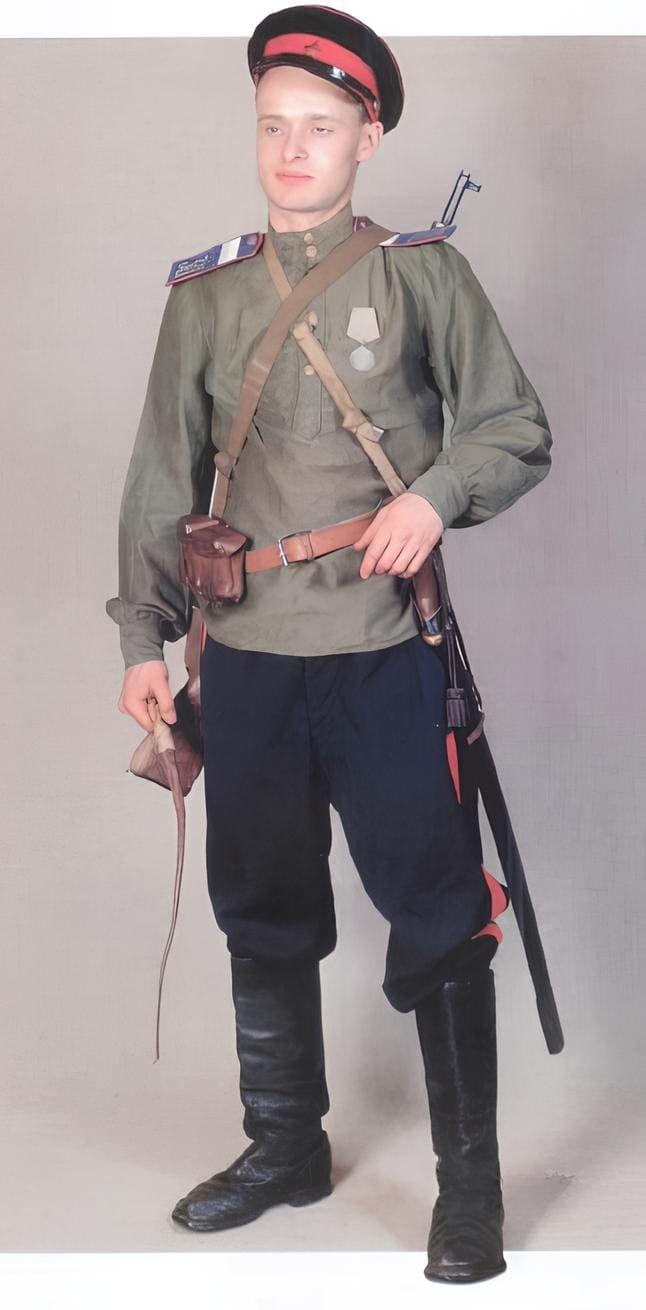
Cossack cavalry units preserved distinctive traditions within the Red Army. Their uniforms combined Soviet regulations with historic cavalry features.
Junior Sergeant in Winter Uniform, Road Service, 1943-1945
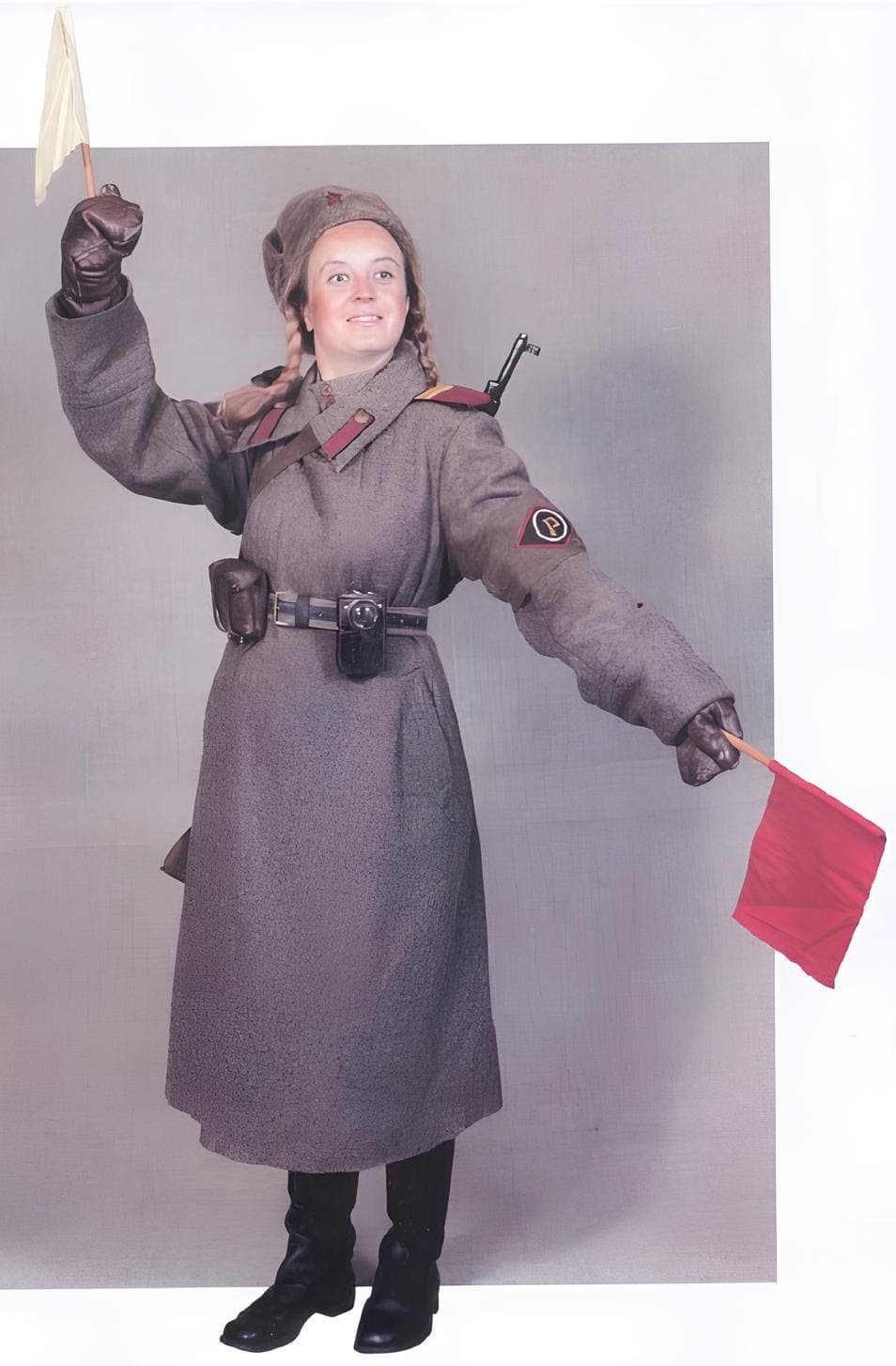
Road service troops ensured movement of supplies and troops. Winter uniforms were adapted for harsh weather conditions on the Eastern Front.
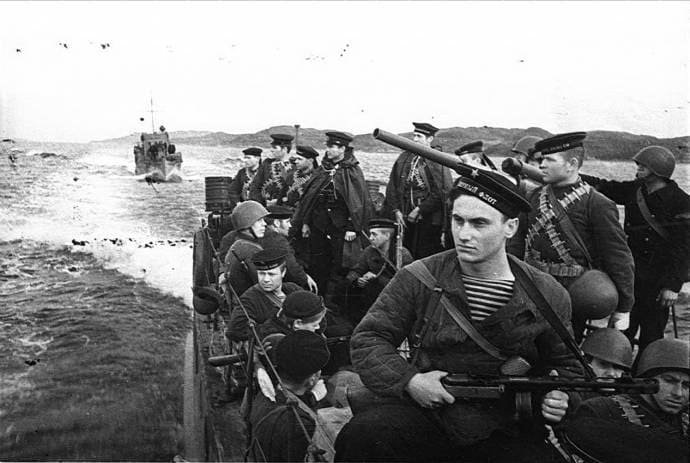
Soviet Naval Infantry Sailor, 1943-1944
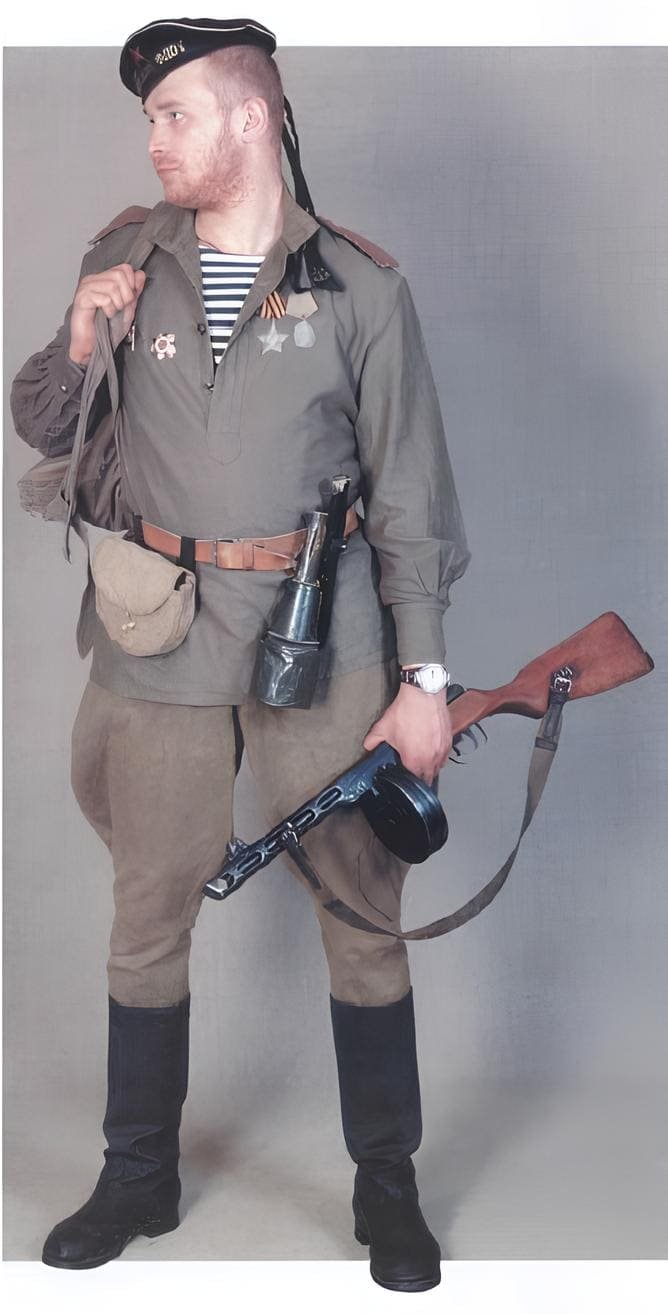
Naval infantry units fought both on land and during amphibious operations. Their uniforms combined naval and army elements.
Senior Lieutenant of the Soviet Air Force, 1943-1945
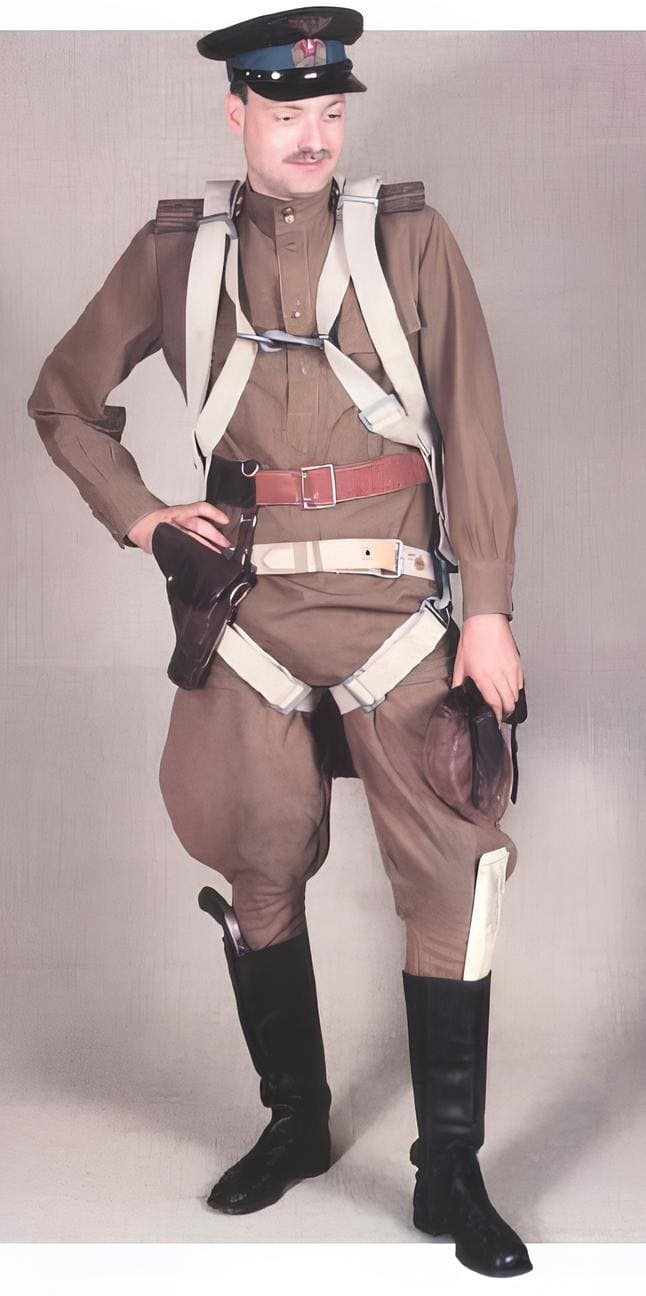
Air Force officers wore uniforms adapted for flight duties. Leather and insulated elements were common in aviation service gear.
Soviet Naval Aviation Pilot, 1943-1945
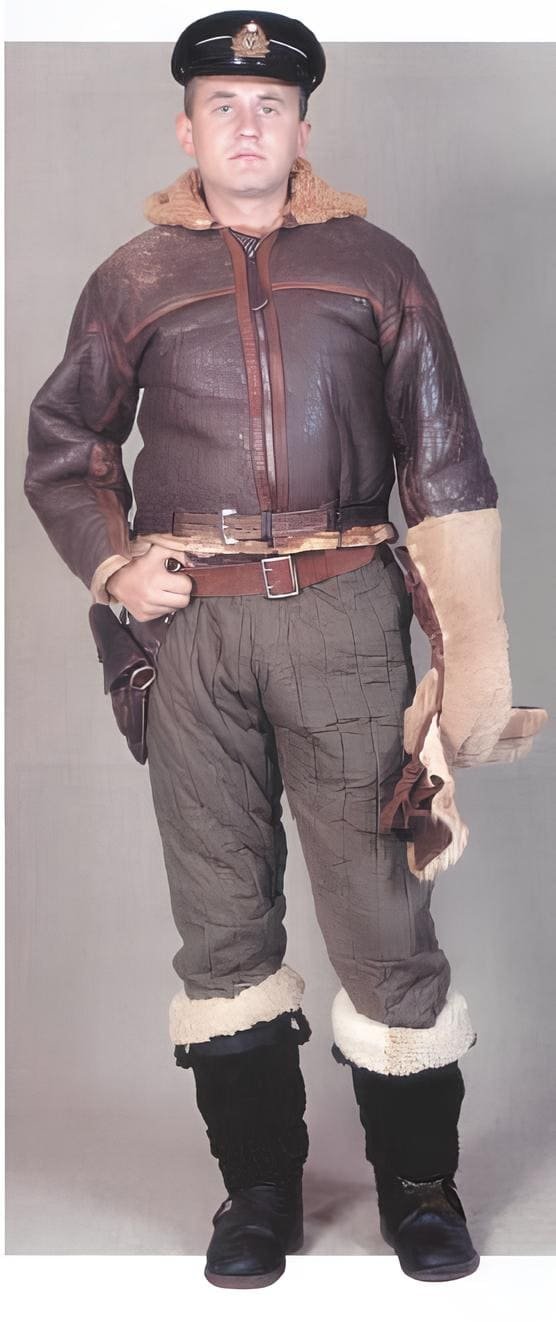
Naval aviation pilots operated in extreme conditions over sea and land. Their uniforms emphasized warmth, protection, and mobility.
Guards lieutenant of the Soviet Navy in service uniform, 1944-1945
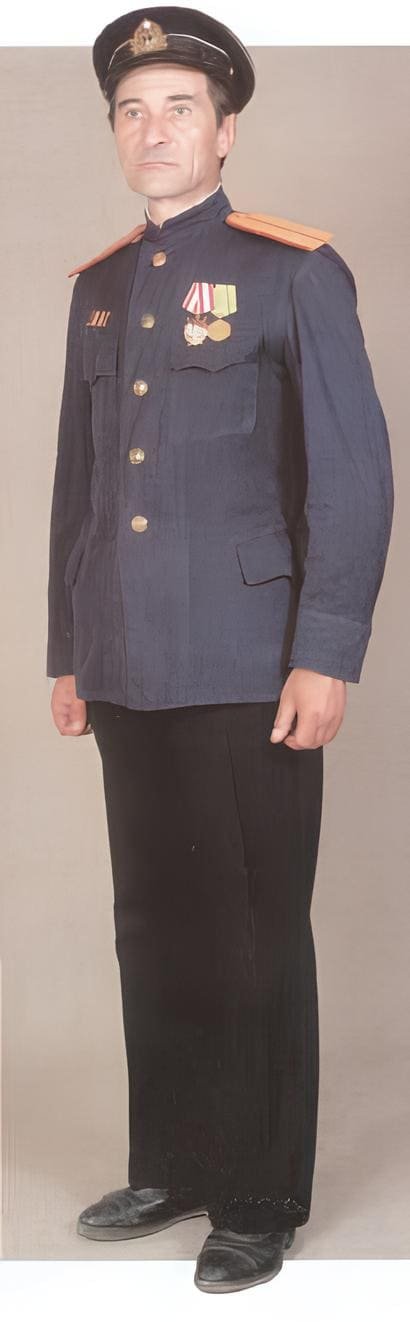
Late-war Soviet Navy officer wearing a clean service uniform with Guards status insignia. A solid visual reference for WWII naval officer impressions.
Red Navy Seaman, Soviet Navy (VMF), 1943-1945
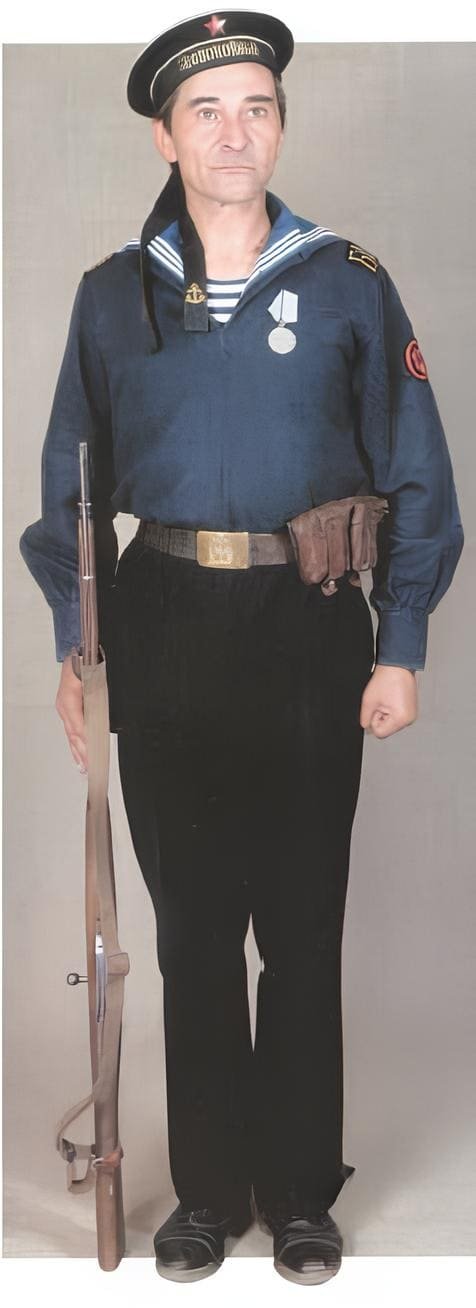
Classic Soviet naval enlisted uniform featuring the iconic striped telnyashka. Commonly associated with fleet service and naval infantry units.
Soviet Air Force Pilot, 1943-1945
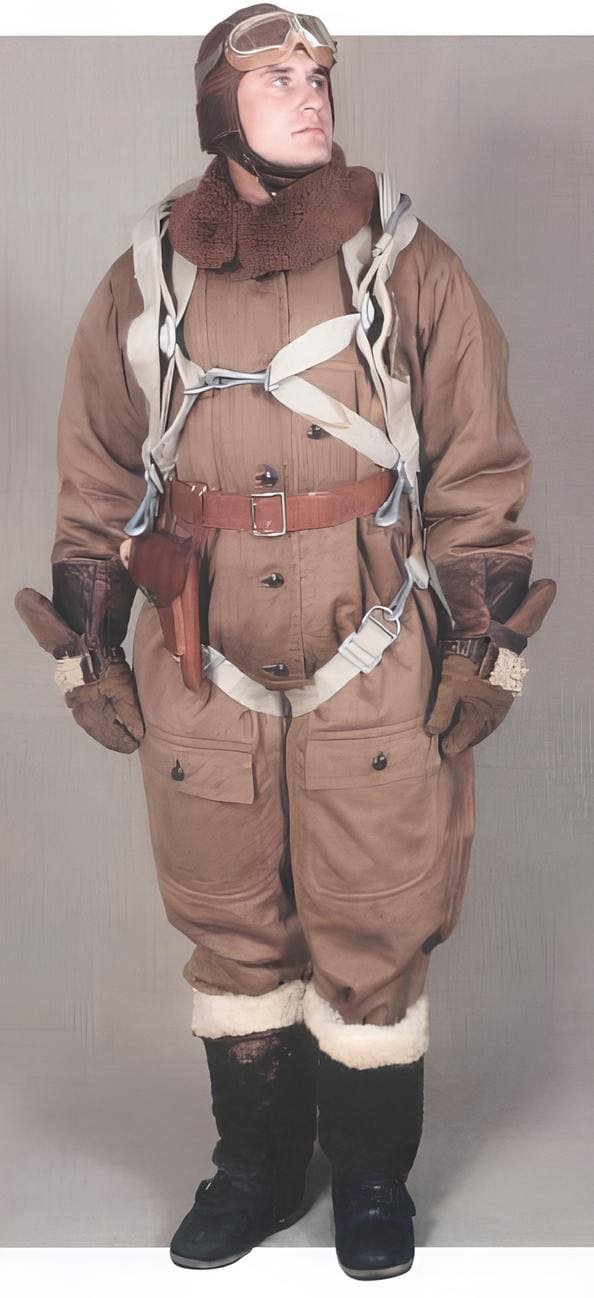
A late-war Soviet pilot equipped for combat missions in harsh weather conditions. Shows typical VVS flight clothing used during 1943-45.
Red Army Medical Orderly, 1943-1944
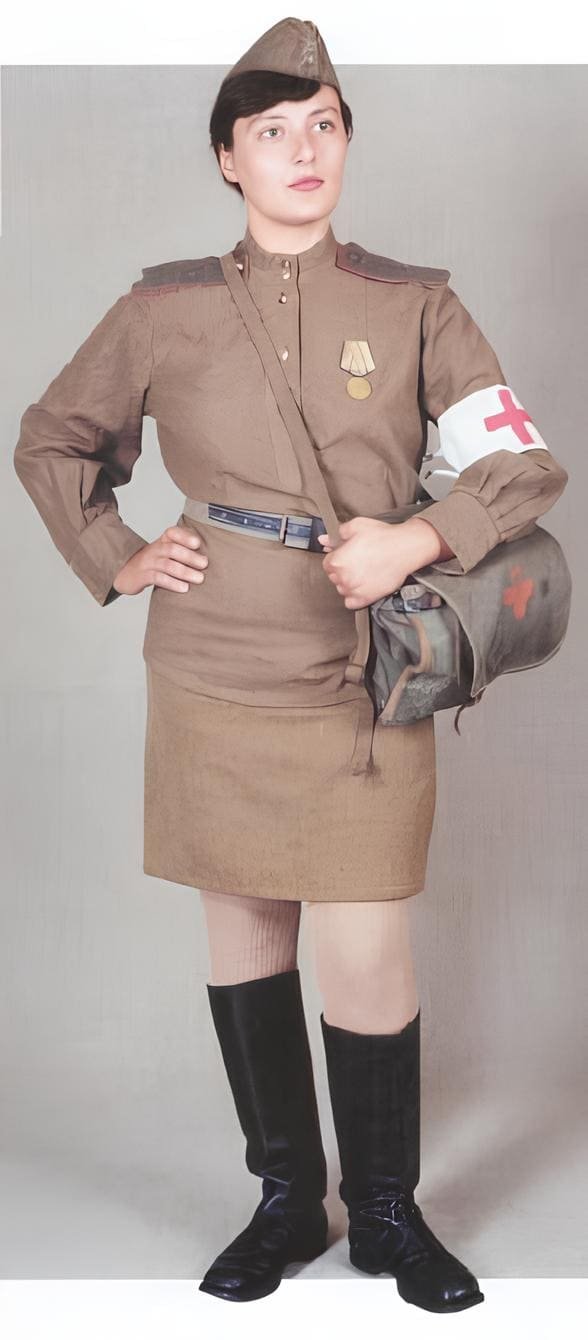
Field uniform worn by Soviet medical personnel during active combat operations. Practical design focused on mobility and frontline service.
Justice Lieutenant, Military Legal Service, 1943-1945
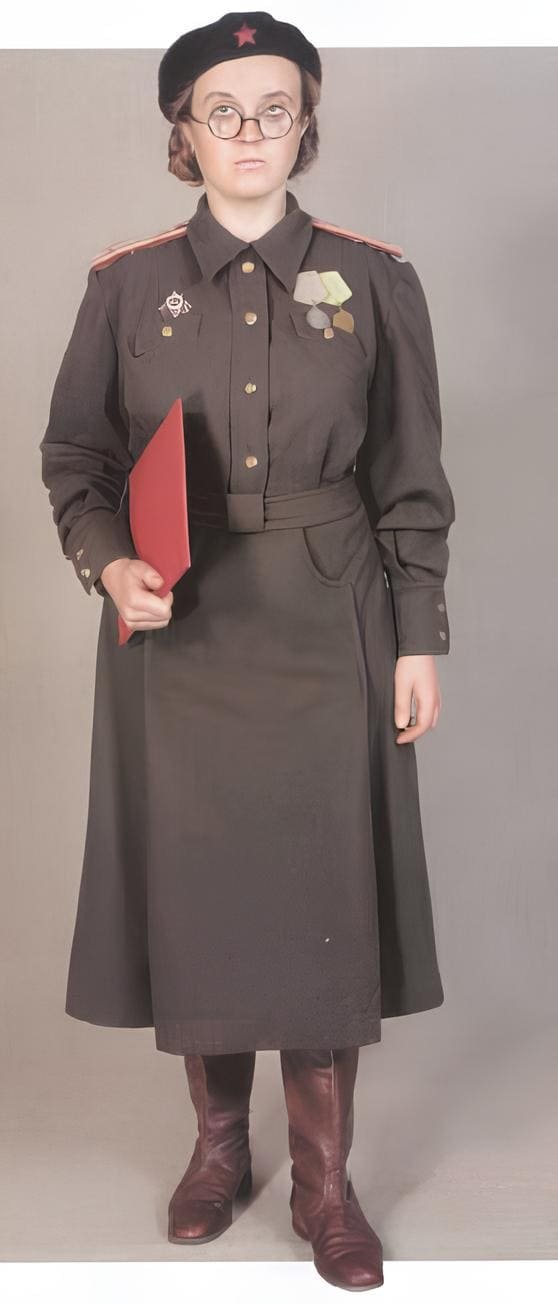
Representative uniform of Soviet military legal officers during the final years of WWII. Combines formal appearance with wartime practicality.
NKVD State Security Major, Parade Uniform, 1943-1945
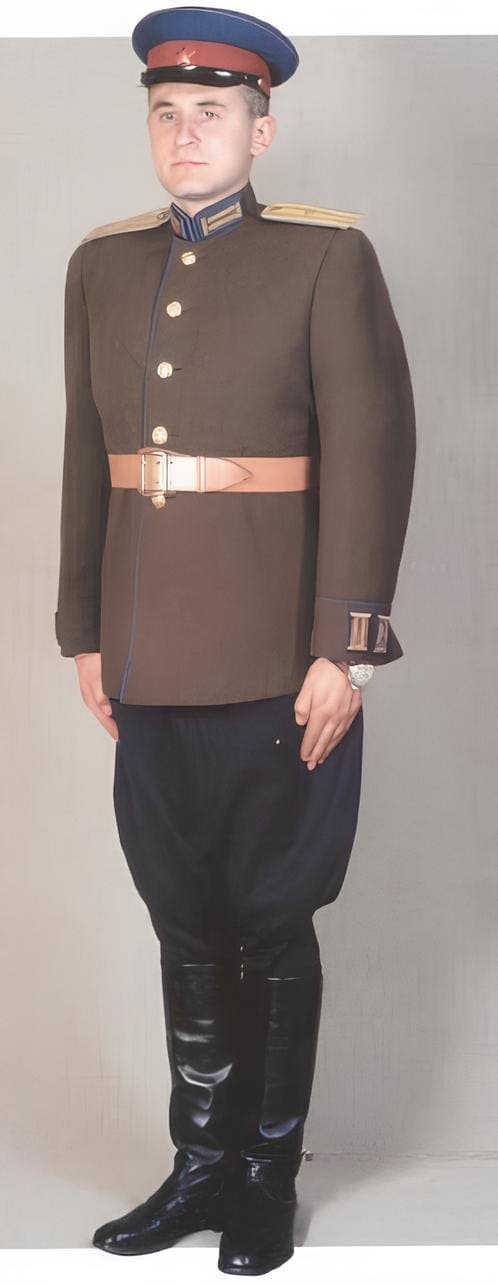
Formal parade uniform worn by NKVD state security officers during WWII. Distinctive cut and insignia reflect authority and rank.
NKVD Border Troops Lieutenant, Parade Uniform, 1943-1945
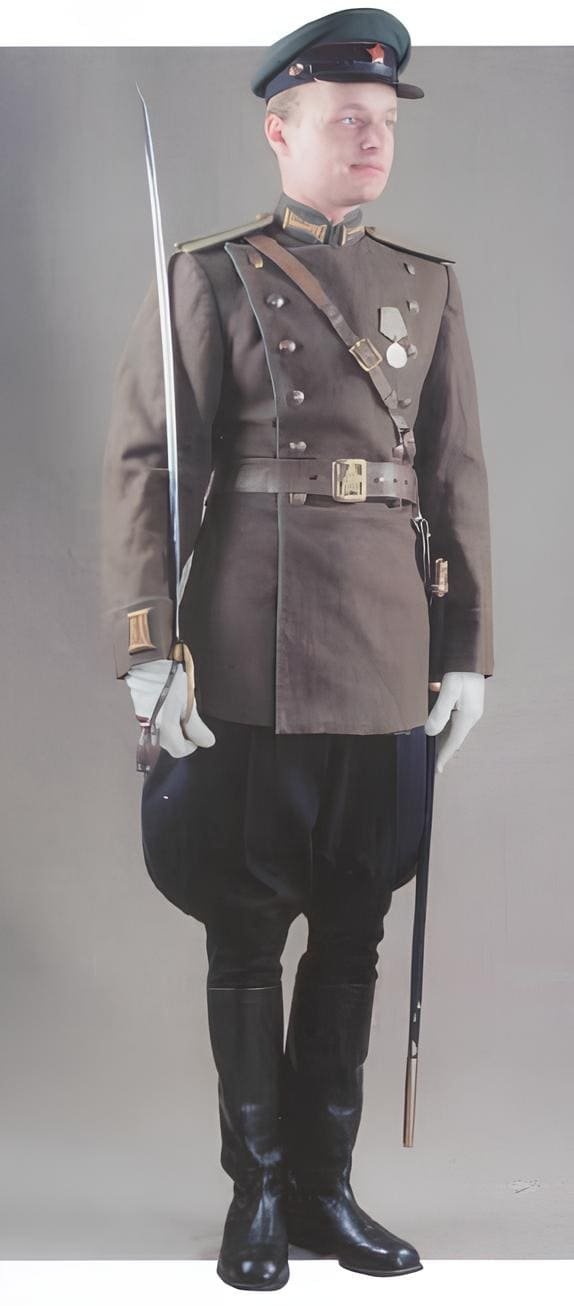
Parade uniform used by NKVD border troops officers during the late war period. A clean example of NKVD ceremonial dress.
NKVD Internal Troops Colonel, Parade Uniform, 1943-1945
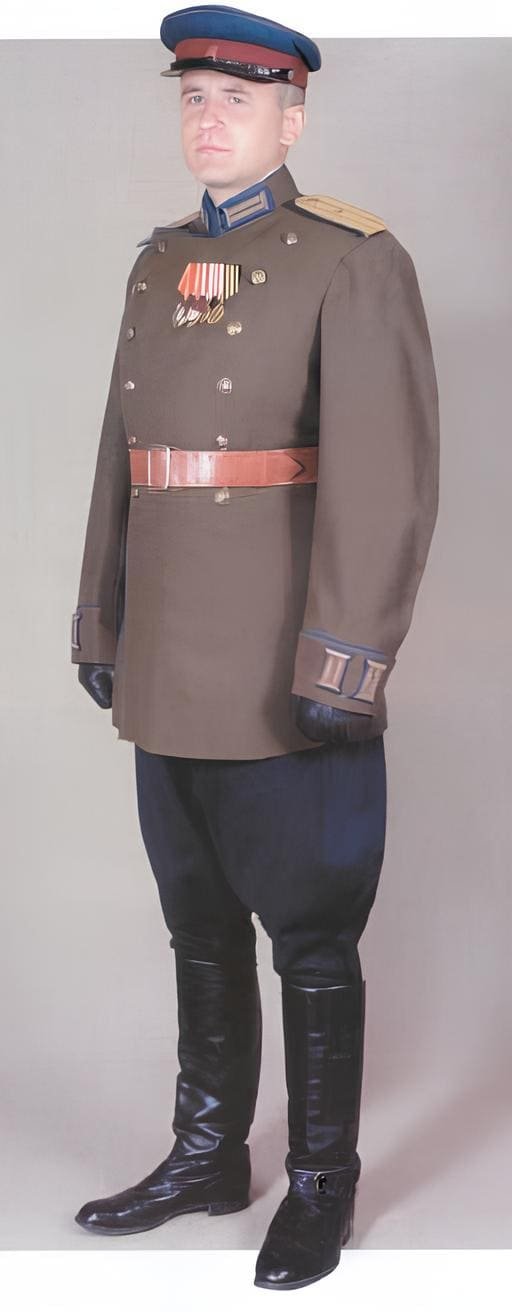
High-ranking NKVD internal troops officer in formal parade attire. Displays late-war insignia and ceremonial elements.
Lieutenant General, Parade Uniform, 1945
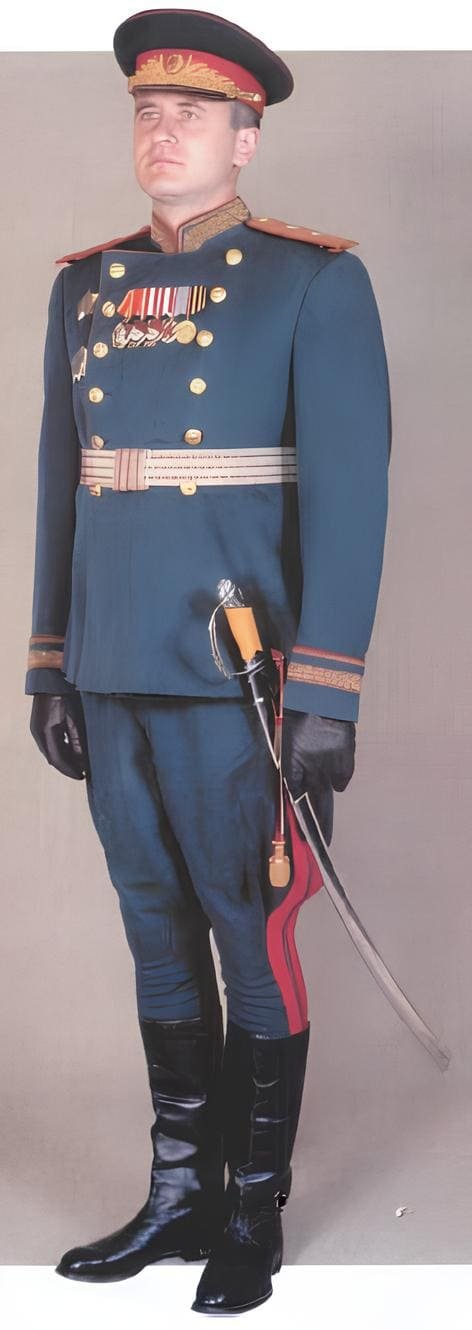
Senior Soviet Army commander in full parade dress at the end of WWII. Highlights late-war general officer insignia and medals.
Lieutenant General of Aviation, Parade Uniform, 1945
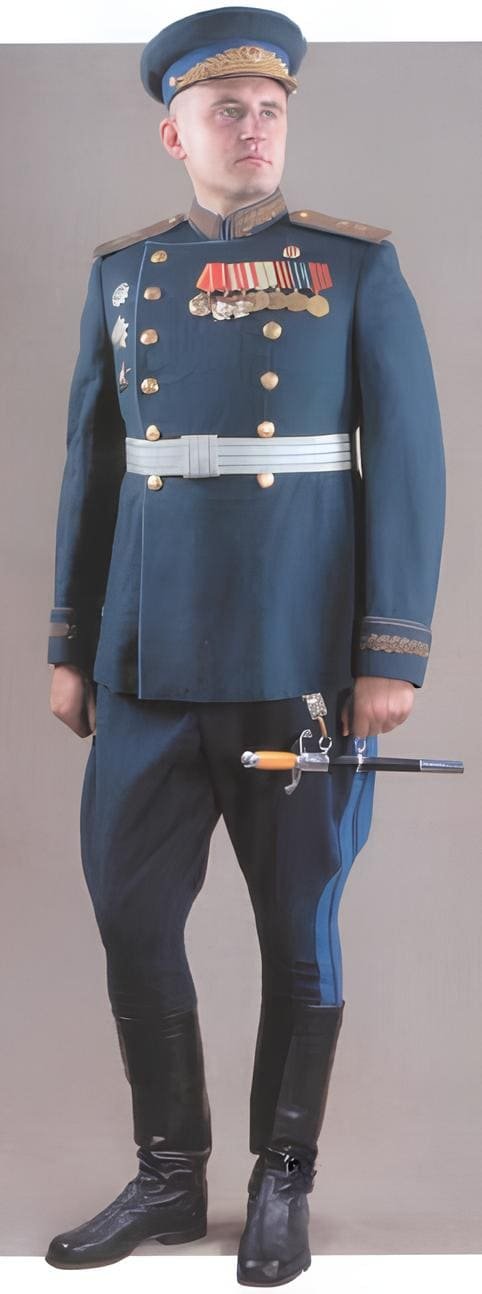
High-ranking Soviet Air Force officer in ceremonial uniform at the end of WWII. A strong visual reference for aviation command ranks.
Guards Junior Sergeant of Infantry (1945)
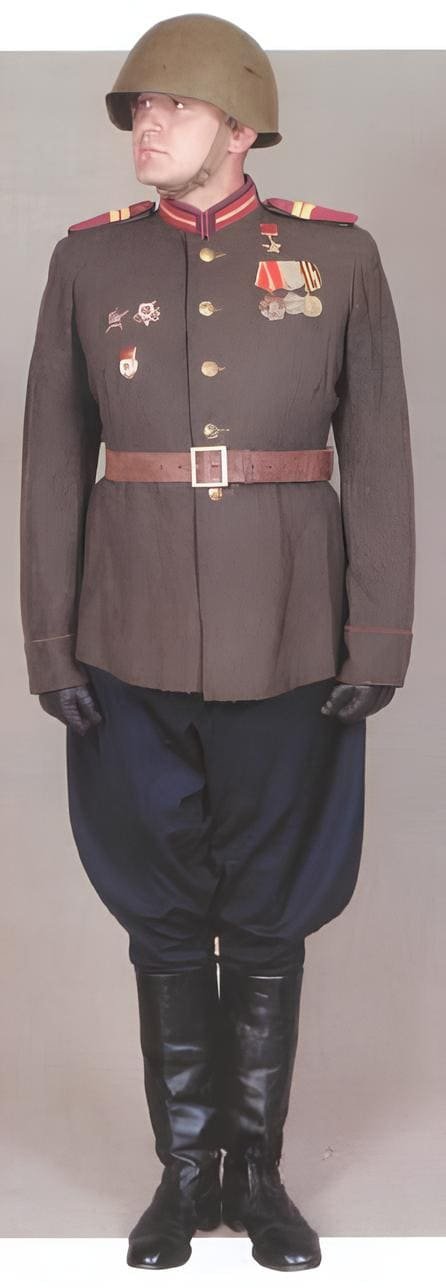
This image shows a Soviet Guards junior sergeant serving in the infantry at the end of World War II. The uniform represents the standardized Red Army field dress used during the final victory period.
Soviet Navy Rear Admiral Parade Uniform (1945)
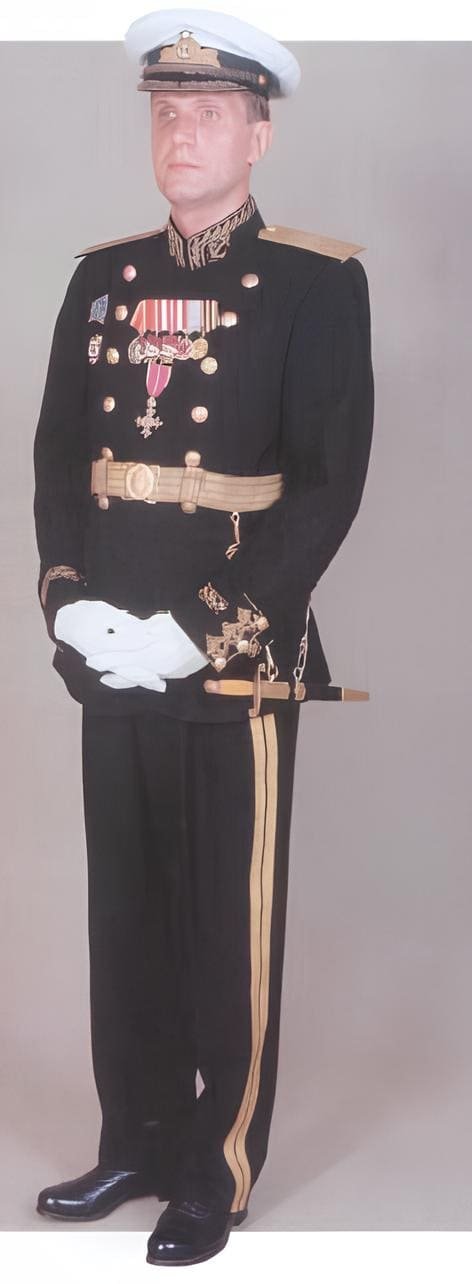
This photograph depicts a Soviet Navy rear admiral dressed in a formal parade uniform from 1945. Such uniforms were worn during official ceremonies and victory celebrations after the war.
Senior Lieutenant of Naval Aviation Engineering Service (1945)
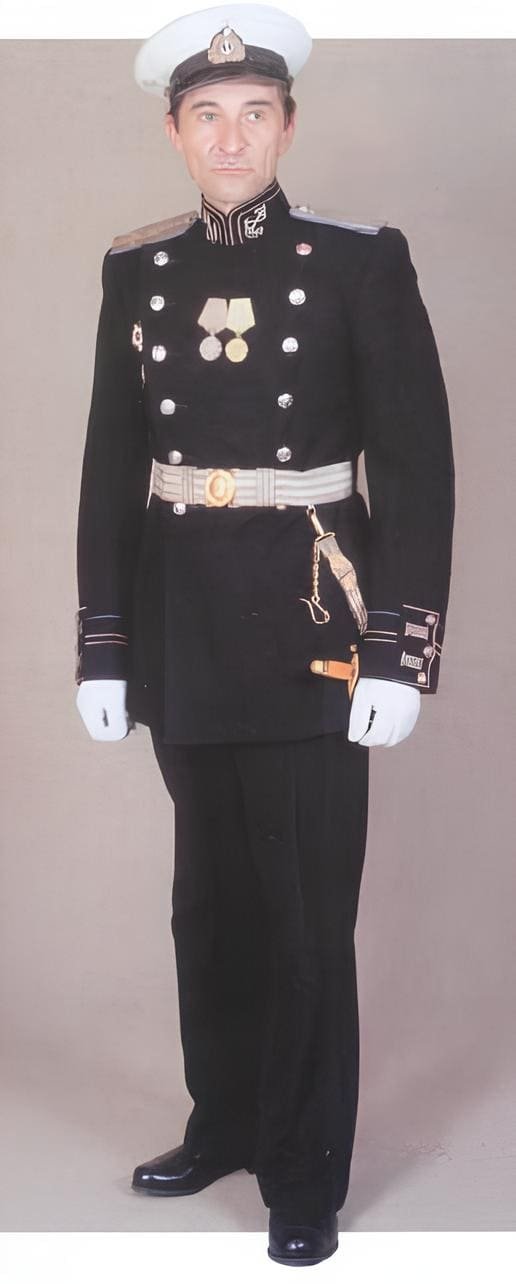
This image represents a senior lieutenant of the Soviet Naval Aviation Engineering Service in a formal parade uniform. The attire highlights the technical and command status of aviation support officers during World War II.
Vice Sergeant of Suvorov Military School (1945)
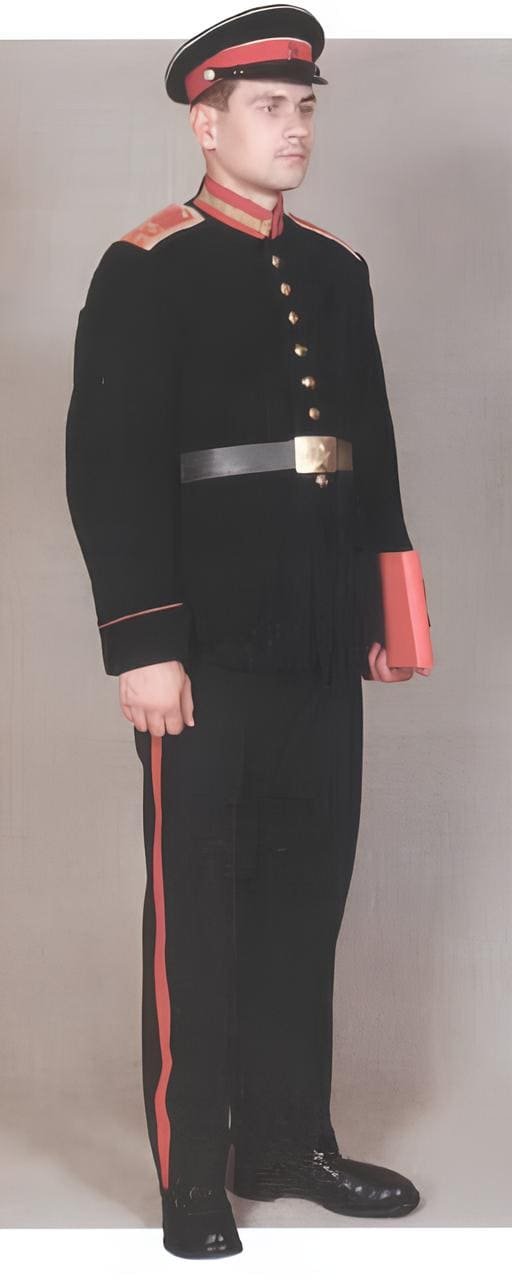
This image shows a vice sergeant from a Soviet Suvorov Military School in parade dress. Such schools trained future officers and emphasized discipline and ceremonial appearance.
Marshal of the Soviet Union Everyday Uniform (1943-1945)
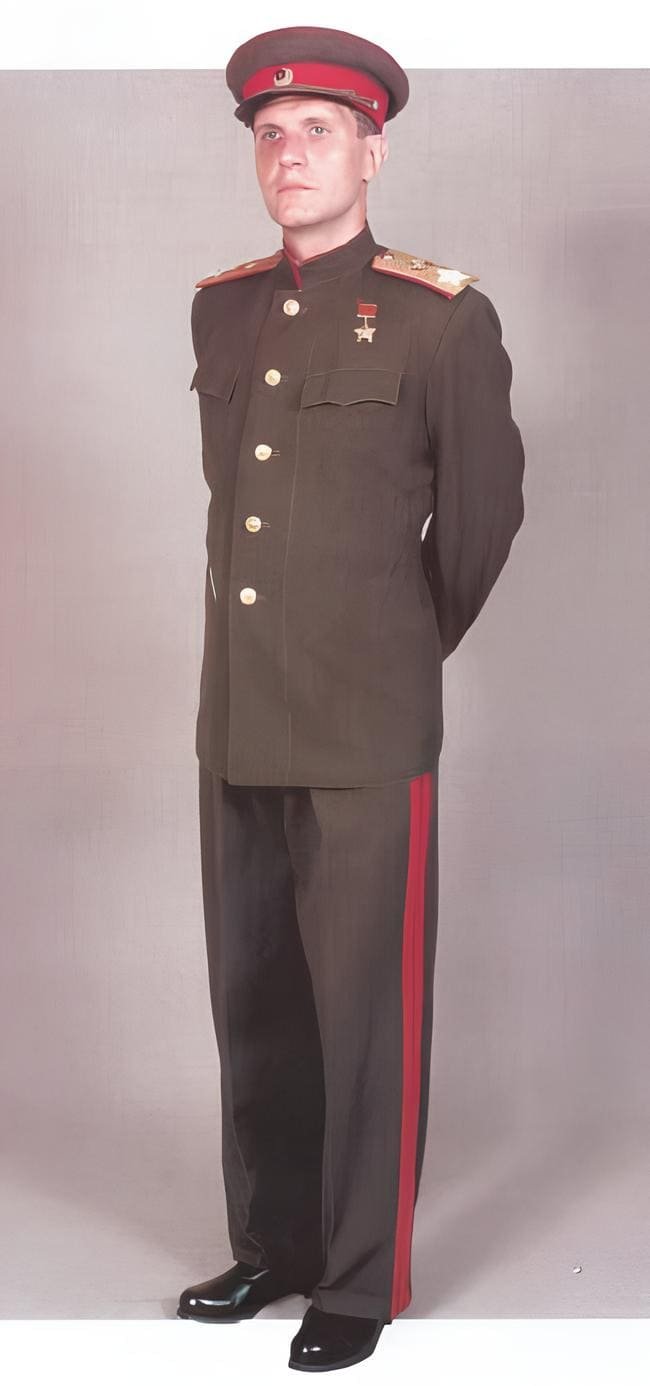
This illustration depicts a Marshal of the Soviet Union in a non-ceremonial service uniform. The design combines authority with practicality for daily command duties during wartime.
Marshal of the Soviet Union Parade Uniform (1943-1945)
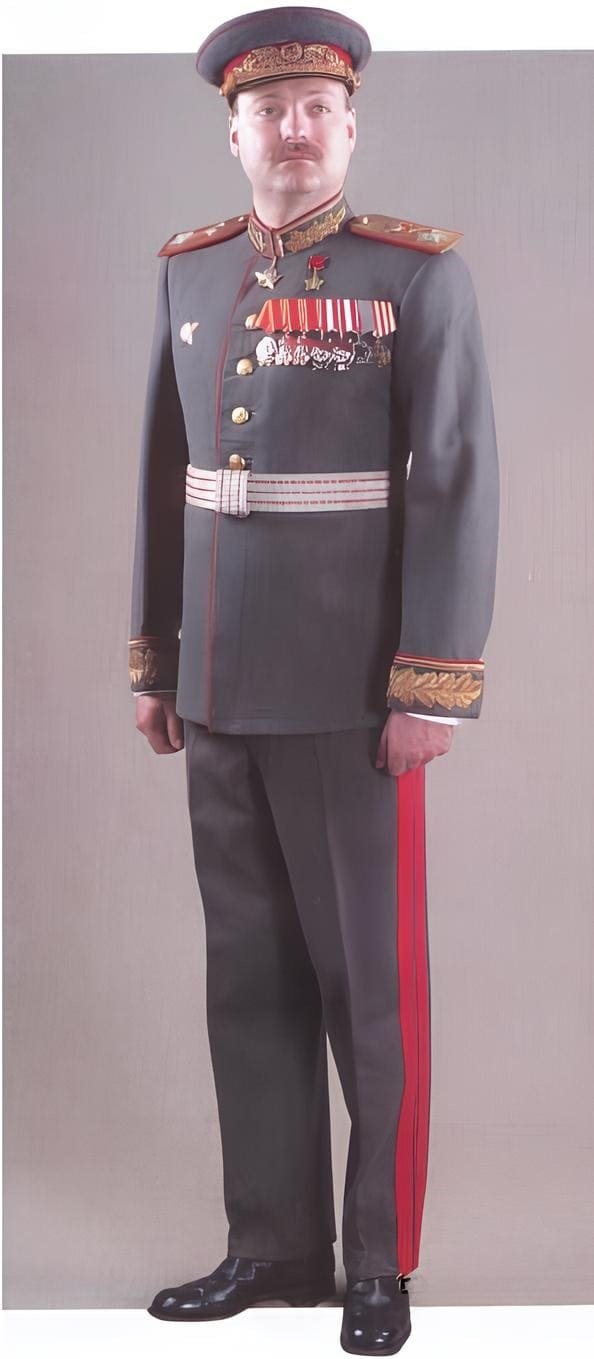
This image shows the highest-ranking Soviet military officer in a ceremonial parade uniform. Such attire symbolized supreme command authority and wartime leadership.
Chief Marshal of Aviation Winter Parade Uniform (1943-1945)
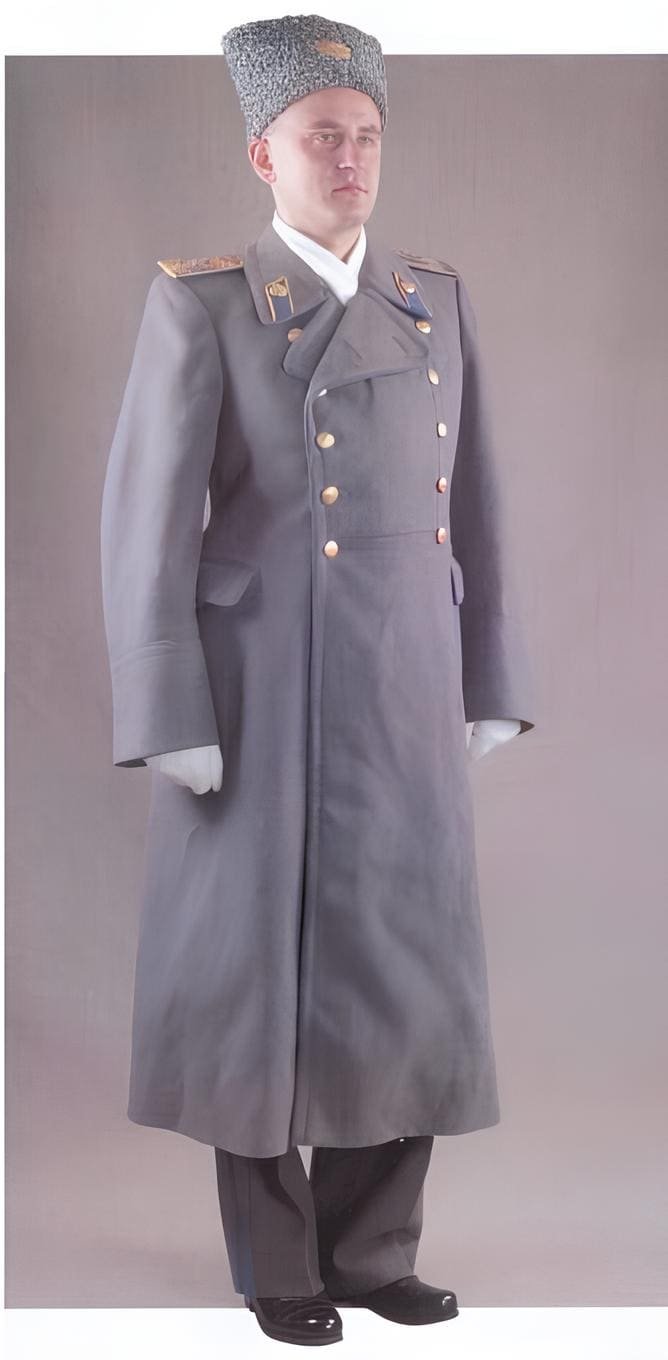
This image represents the Chief Marshal of Soviet Aviation dressed in a winter ceremonial uniform. The coat reflects both climatic adaptation and high-ranking status.
Soviet Army General Parade Uniform (1943-1945)
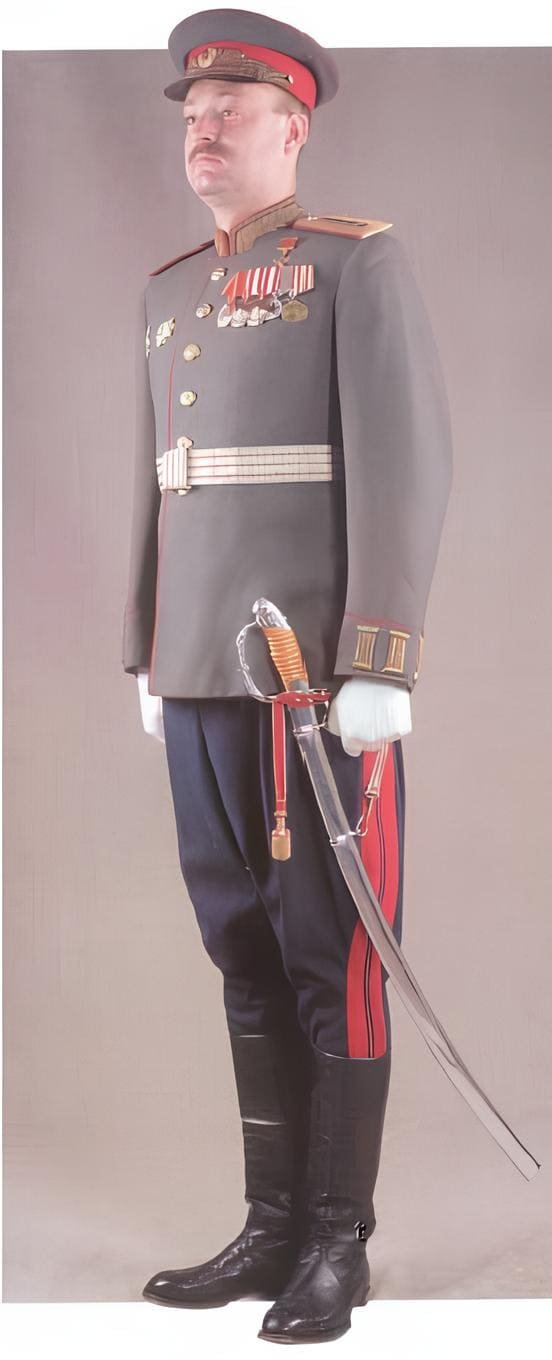
This image depicts a Soviet Army general in full parade dress. The uniform emphasizes command authority and ceremonial tradition during wartime.
General-Colonel of the NKVD Internal Troops Field Uniform (1943-1945)
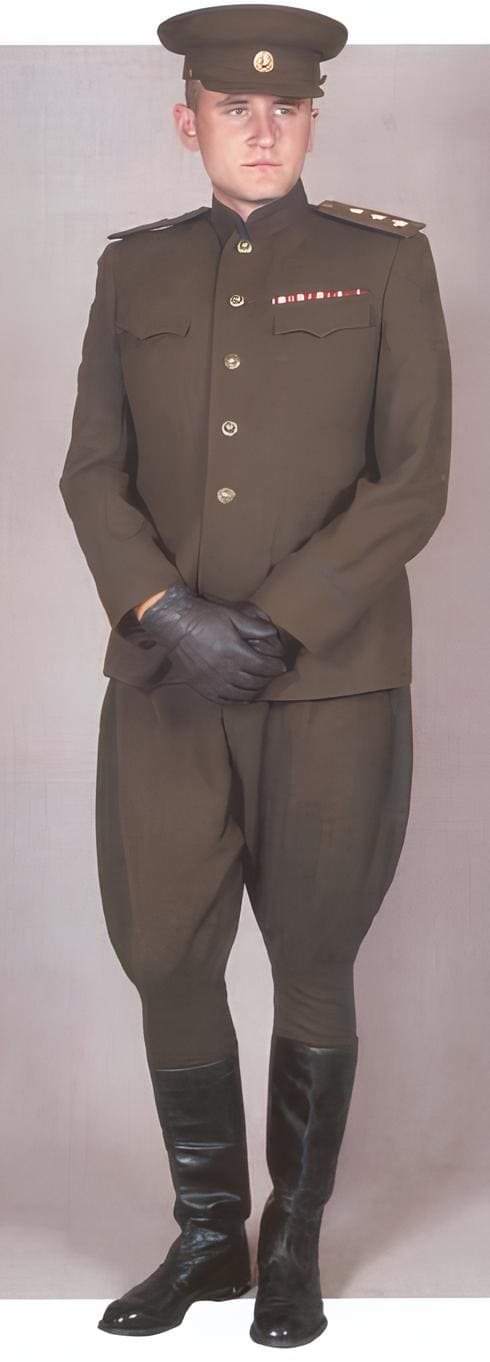
This image shows a high-ranking NKVD Internal Troops officer dressed in a wartime field uniform. The design reflects both military function and internal security command authority.
If you’re interested in earlier uniforms, check here:
Soviet WW2 Uniforms (1941-1943)
Soviet RKKA (1936–1941) Uniform
Soviet Army Uniforms 1923–1936
Russian Civil War Uniforms 1918–1922
Looking original Soviet boots and accessories? Please visit here: Soviet Boots Store