Soviet Women Military Uniform WW2: Field and Service Clothing
This guide explains the Soviet women military uniform WW2 using real photos, wartime supply orders, and research from 1941-1945. You will see how women served in frontline units and rear institutions, what changed in 1941, 1942, and 1943, and how regulations shaped field and service clothing.
On this page
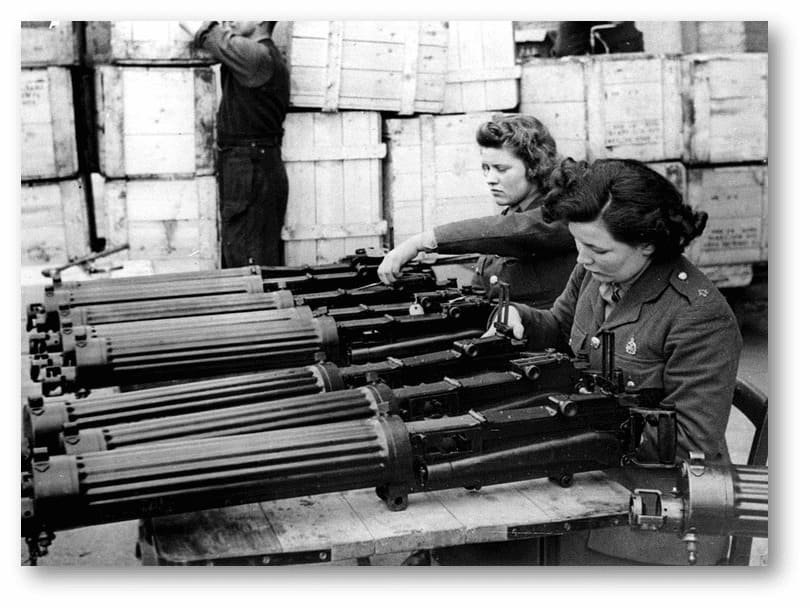
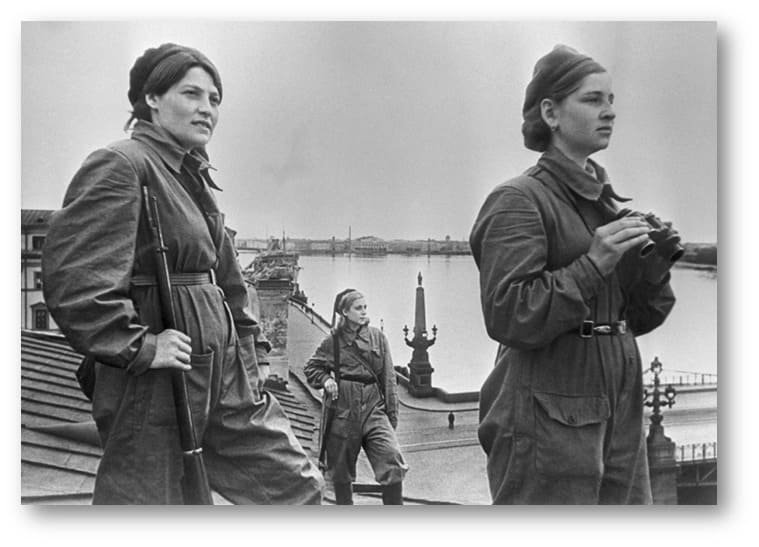
The Great Patriotic War proved women could replace men not only in rear units, but also on the front line. They drove tanks and flew combat aircraft, served in artillery and engineering units, worked as snipers and scouts, and also as doctors and nurses.
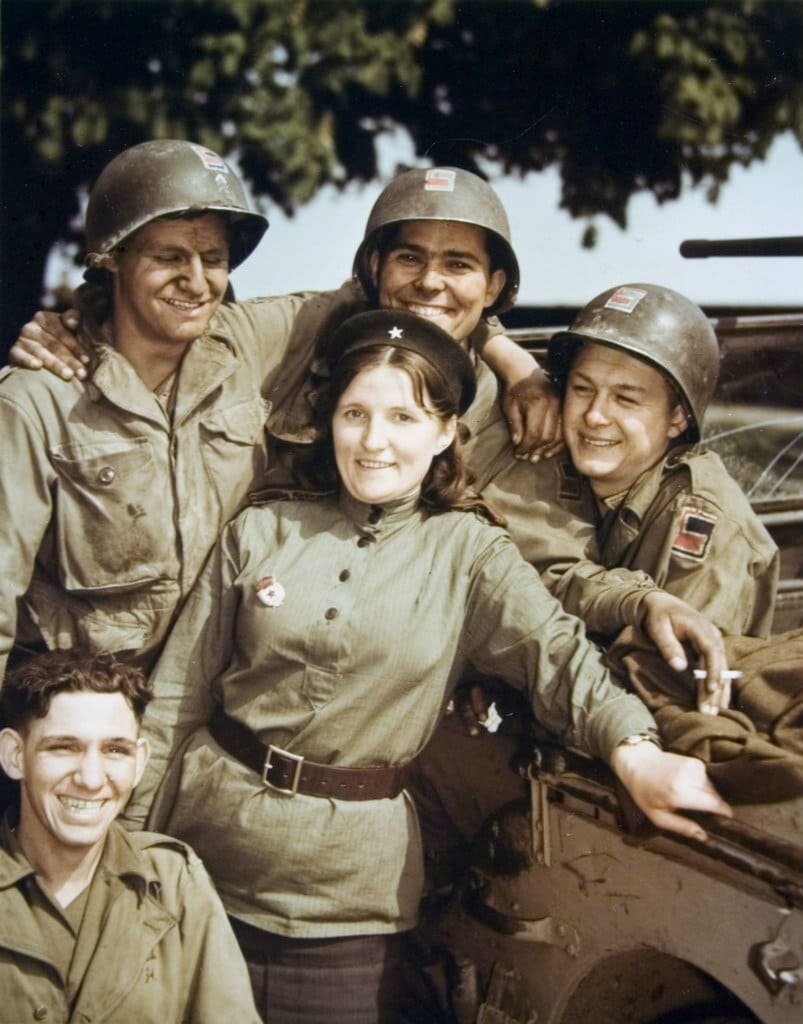
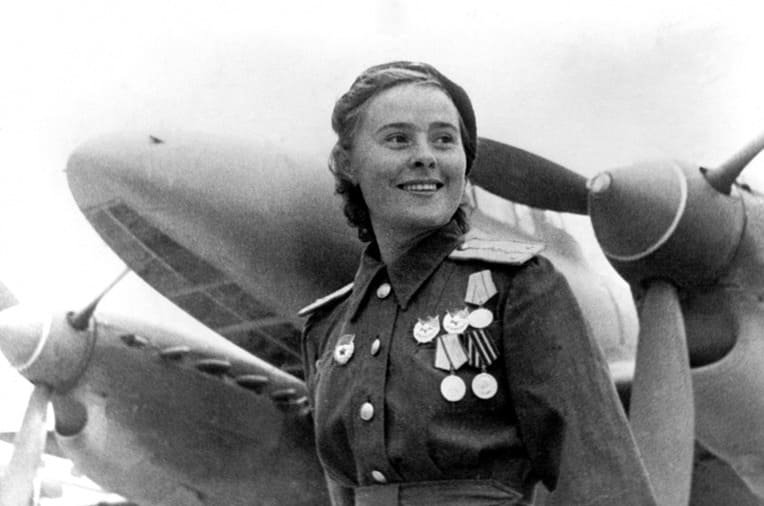
During the war, more than 800,000 women served in the Soviet armed forces. Eighty-six of them were awarded the title Hero of the Soviet Union, and four received the Order of Glory of all three classes.
From September 1, 1939, women with medical and technical professions in the USSR became subject to conscription. A wartime law on universal military service was introduced.
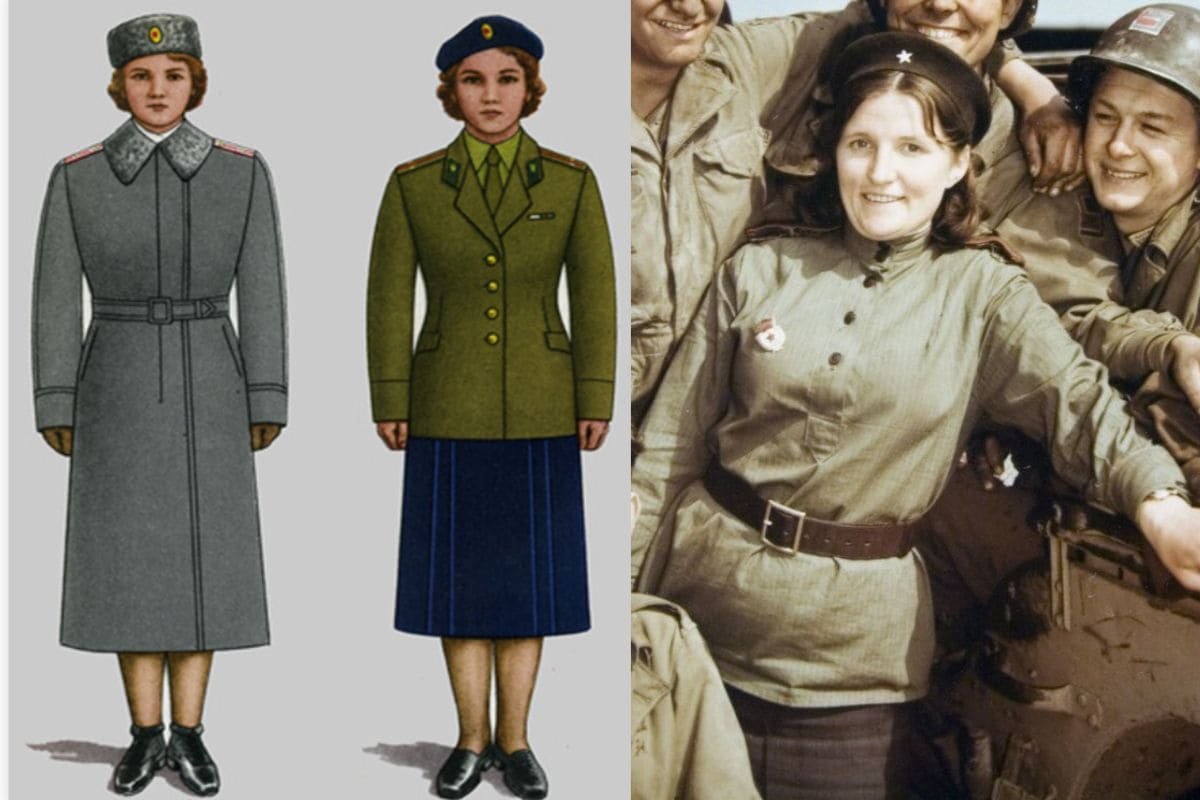
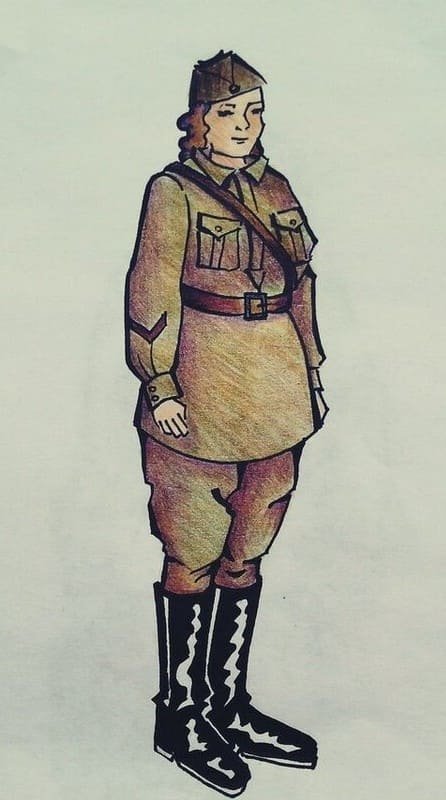
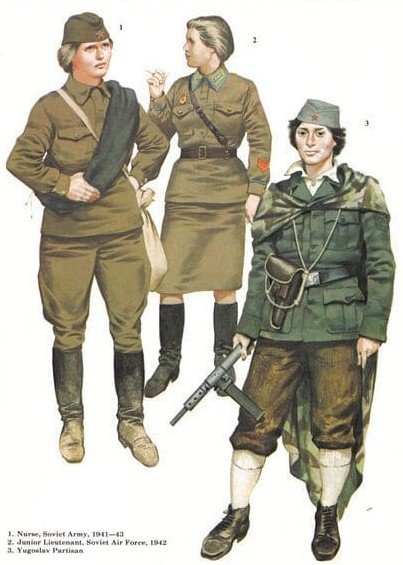
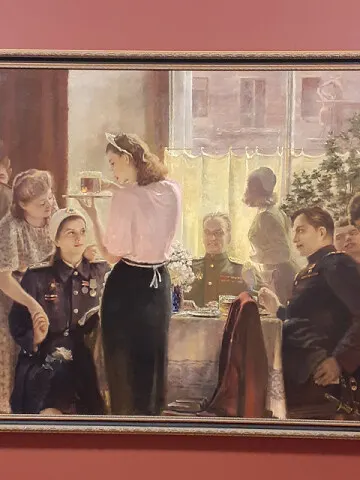
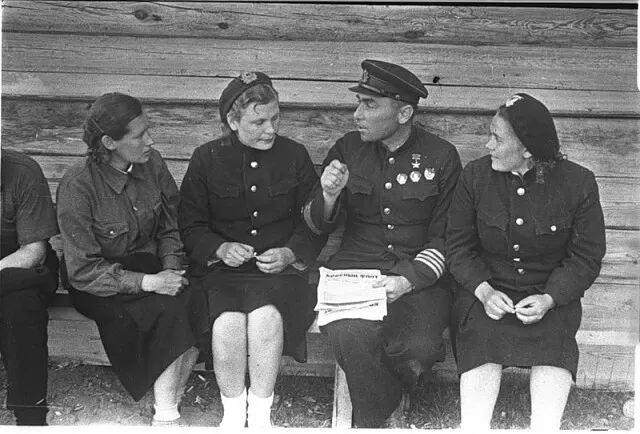
For a long time, women’s military uniforms did not differ from men’s. Only on February 1, 1941, women of the command and administrative staff who were not directly on the front line were allowed to replace trousers with a skirt. Six months later, they also received a beret, a coat, and a dress. However, women serving in combat units continued to wear the standard male uniform.
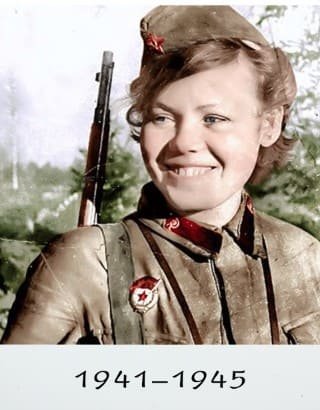
Only a year later, in 1942, a uniform with a female cut, including berets and skirts, was introduced. It was possible to supply all women in the army with this uniform only by the beginning of 1943. Even then, the women’s uniform was uncomfortable, so many women preferred the male version. In July 1944, a detailed review of women’s uniforms was carried out, and shortcomings were corrected.
Looking for original Soviet kirza boots? You can get them here ->
[Soviet kirza boots]
Women who took part in the war had a dedicated uniform supply. On this issue, the People’s Commissariat of Defense of the USSR issued several official directives.
Order No. 261 (August 3, 1941): beret, coat, and dress
Order No. 261, dated August 3, 1941
According to this document, women holding non-combat positions within the command staff were issued three main uniform items: a beret, a coat, and a dress.
A cloth beret in protective (khaki) color was used. On the front, in the center of the beret, a standard metal Red Army badge was attached.
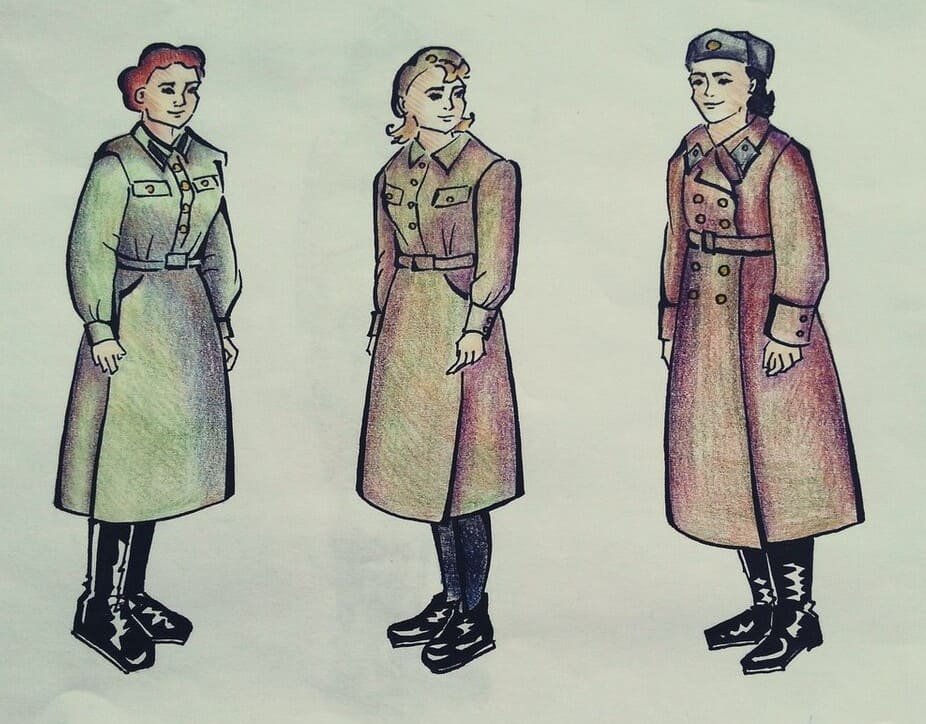
The double-breasted women’s service coat was made of gray wool cloth. It had two rows of large uniform buttons, five on each side. Collar tabs were sewn onto the ends of the turn-down collar. The coat had two side pockets covered with flaps. The back was made as a single piece. A belt was worn at the waist. The length of the coat was set so that the distance from the lower edge to the floor was 30 cm.
However, the coat did not become widely used. Much more often, women had a standard men’s greatcoat tailored to fit their figure.
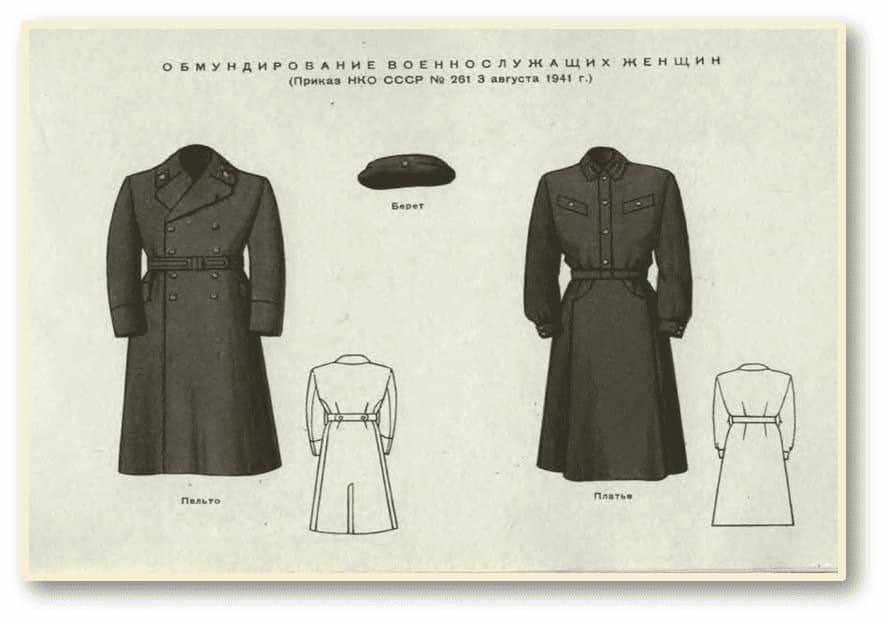
The dress, made of cotton or wool in khaki color, had a turn-down collar. The sleeves ended with cuffs. The chest pockets were slit-style and fastened with small uniform buttons.
Shaped seams in the middle part of the front of the skirt formed two pockets. The length of the dress was set to be 5 cm shorter than the coat. Unlike the coat, the dress, with some interruptions, remained in use until the end of the war without major changes. However, this uniform was later modified.
Looking for original Soviet low RKKA boots? You can get them here ->
[Soviet low boots]
Order No. 240 (August 9, 1942): new women uniform list
Order No. 240, dated August 9, 1942
On August 9, 1942, Order No. 240 of the People’s Commissariat of Defense of the USSR was signed. This order canceled the women’s uniform model introduced in 1941 and approved a new list of women’s uniform items closer to standard army regulations.
From that point on, women’s uniforms differed by category of service (command staff or enlisted personnel) and by place of service.
Looking for Soviet pilotka? You can get them here ->
Soviet Pilotka
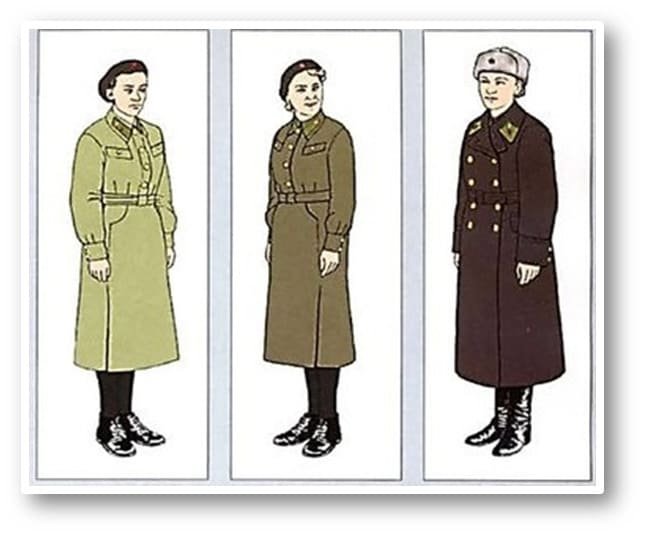
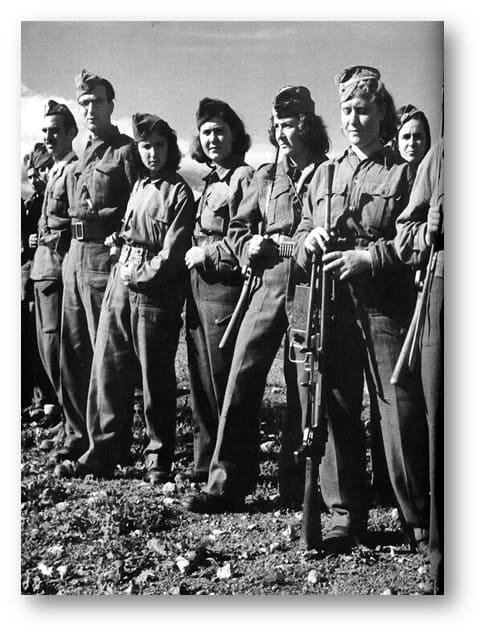
For women serving in combat units and frontline institutions (Supply Standard No. 1), the following items were issued: a knitted semi-wool khaki beret, and in winter a ushanka hat; a wool greatcoat; a khaki cotton tunic, and in winter a khaki wool tunic; a khaki cotton skirt, and in winter a wool skirt; cotton stockings, and in winter semi-wool stockings; leather or kirza boots.
In winter, all personnel were additionally issued a padded jacket, padded trousers, felt boots, and gloves: two-finger army gloves for enlisted personnel and winter gloves.
For women serving in rear institutions (Supply Standard No. 2), the same uniform items were issued, but without warm padded jackets, padded trousers, felt boots, or gloves. Cotton and wool tunics and skirts could be replaced with dresses.
Order No. 25, dated January 15, 1943
In 1943, the introduction of shoulder straps and several new uniform items also affected women’s clothing. According to Order No. 25 of the People’s Commissariat of Defense of the USSR (January 15, 1943), the basis of the new women’s uniform became a set of standard “male” items: the greatcoat, tunic jacket, gymnastyorka, and service jacket.
The main elements that defined the “female” version were the accompanying items: a beret and a skirt.
Looking for Soviet woman beret from old stock? You can find them here:
Soviet Woman Beret
The color and material of skirts for each type of the 1943 uniform followed the same color and fabric as men’s trousers:
- Field
- Everyday for formation
- Everyday off formation
- Parade for formation
- Parade off formation
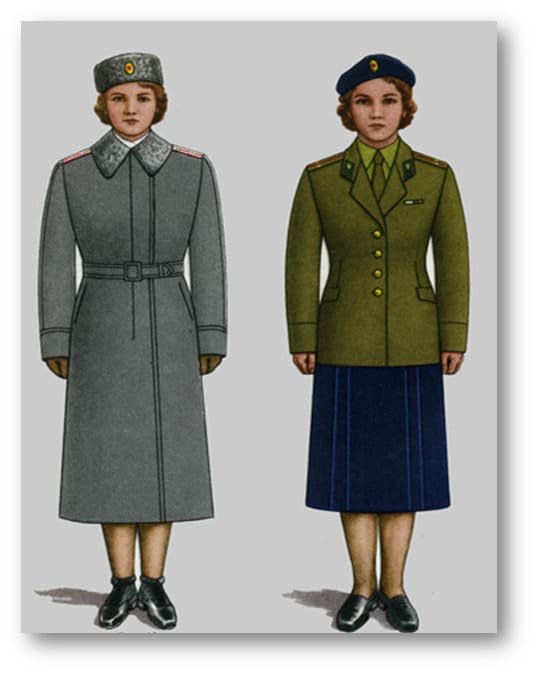
With the new uniform, the wool skirt for officers became dark blue, while the beret kept its khaki color. Field uniforms could also include items such as officers’ breeches and enlisted personnel’s loose trousers.
A new feature appeared in everyday and parade off-formation uniforms: black leather shoes and black stockings replaced boots for women officers.
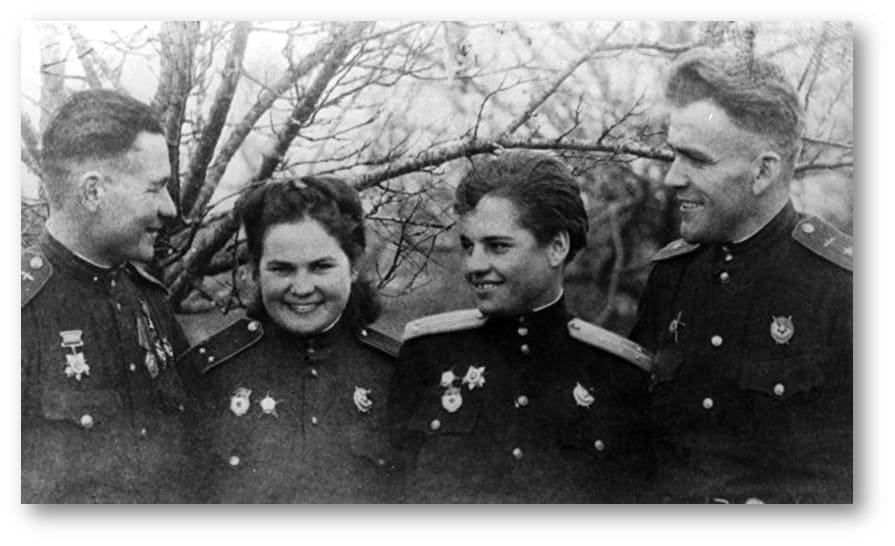
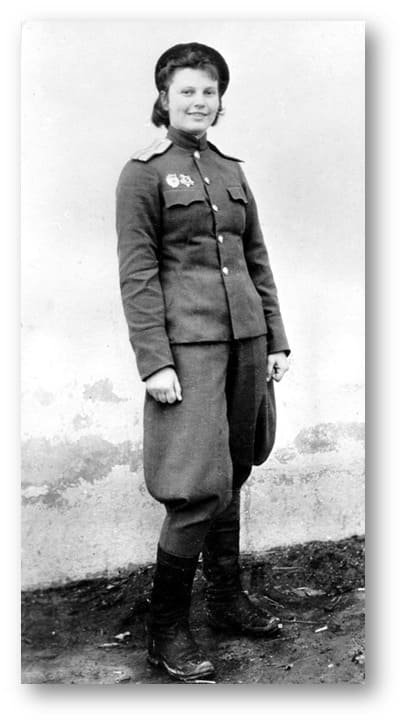
It is easy to notice that more and more traditionally “male” items were gradually included in the set of uniforms and equipment for women serving in the military, such as trousers, jackets, and similar items. At the same time, some elements remained strictly “male” only.
For example, neither in the past nor today have the regulations for wearing military uniforms in the USSR allowed women to wear the peaked cap, and this was never permitted by official rules.
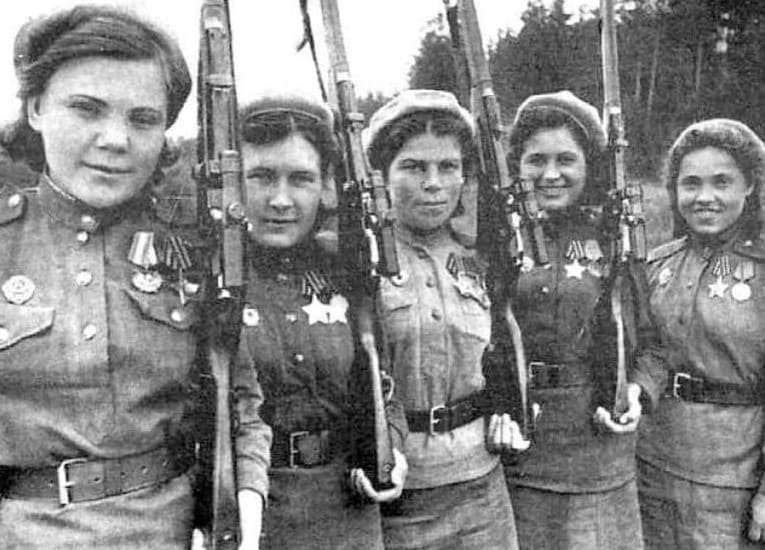
Soviet Navy women uniform (RKKF), 1941-1945
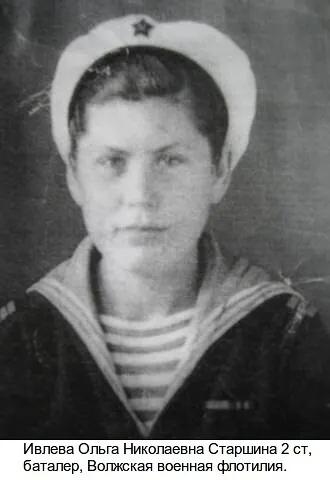
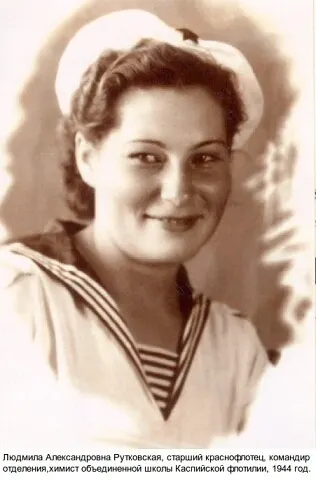
Uniforms of women serving in the Soviet Navy (1941-1945). As for headgear, in addition to pilotka caps, the main headwear for all types of uniforms (shirts, tunics, service jackets) were blue and white wool berets.
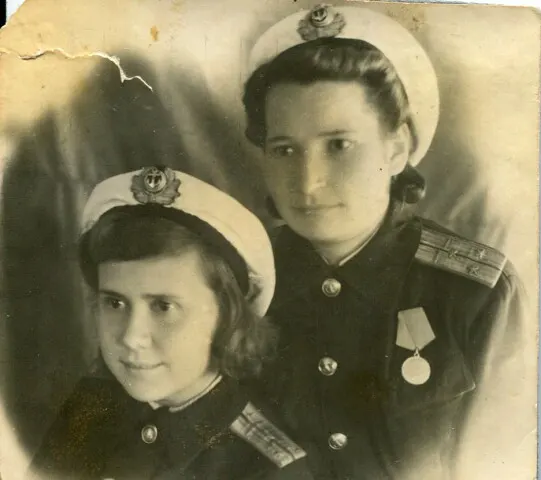
An interesting detail: during the war, when white berets were unavailable, women often put white covers over blue berets, or even wore white covers instead of berets.
From 1942, a jacket with a shirt-style cut was introduced specifically for women serving in the naval command staff (officers). In theory, a greatcoat similar in cut to the army command staff greatcoat, but without extended chest panels, was also planned. From 1942 onward, women’s naval greatcoats with a female cut were also produced.
Looking for original Soviet portyanki from old stock? You can find them here:
Soviet Portyanki
There is nothing pleasant about war. War is a completely different kind of life, where people get used to death, constant stress, harsh conditions, hunger, and heavy physical work. That is why women are rarely associated with war, even though war does not spare them. For war, there are no exceptions.
During World War II, many girls and women served in the Soviet forces. Alongside men, they carried out hard and exhausting work, including direct participation in combat operations.
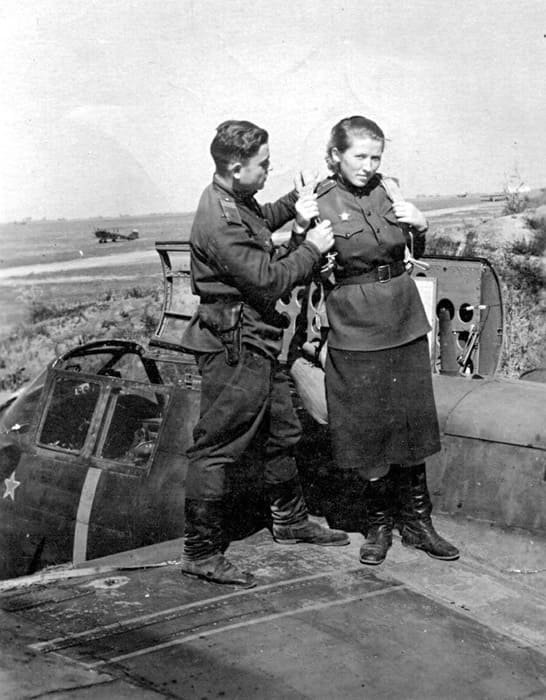
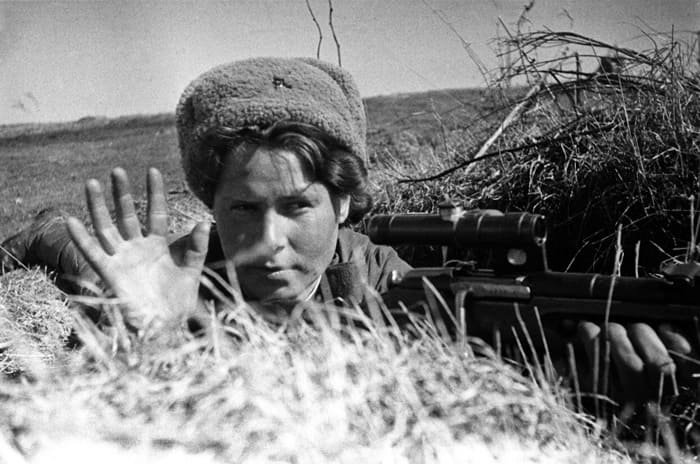
As many combat veterans later recalled, most of the “polished and clean” photographs from that time were staged for propaganda. Photographers were required to create beautiful images showing the heroism and dedication of ordinary Soviet people. That is why uniforms in these photos look clean and neatly pressed, faces are not burned by sun or frost, and eyes are full of courage and determination.
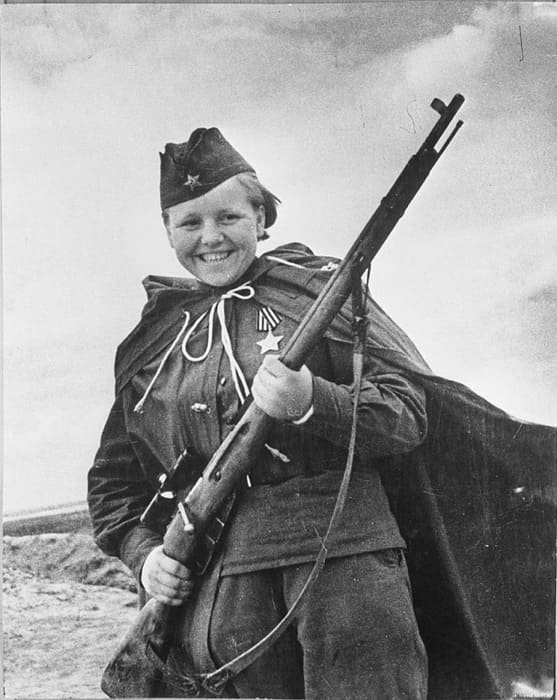
In reality, as Nikolai Nikulin wrote in his book Memories of the War, soldiers often had nothing to eat, their clothes were worn out and taken from someone else, and the well-fed rural look disappeared within the first months of combat, turning into painful thinness.
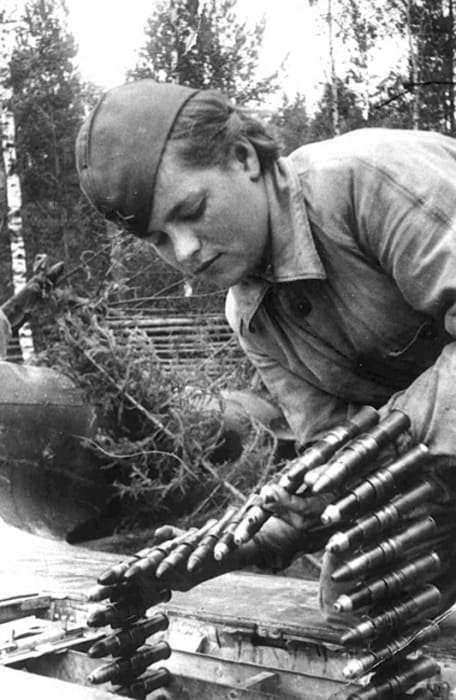
Women played an important role in the victory of the Soviet Union over Nazi Germany. They fought, worked, and suffered alongside men, and their contribution must not be forgotten.
We are grateful to them, and we thank reenactors and historians who help preserve this history and keep it alive.
Looking original Soviet boots and accessories? Please visit here:
Soviet Boots Store