Soviet Army Uniforms 1923–1936
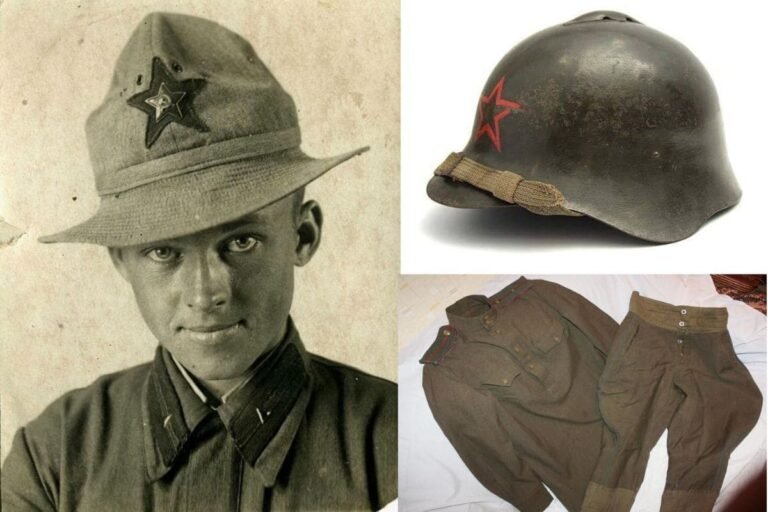
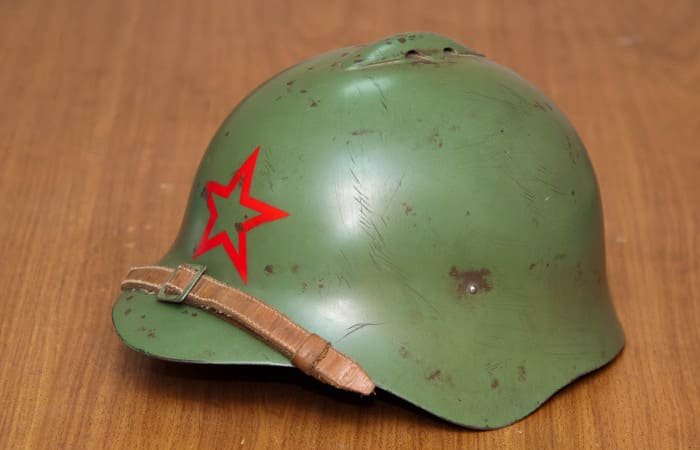
Soviet Army uniforms 1923–1936 show how the Red Army moved from improvised Civil War gear to more standardized RKKA clothing.
After the Russian Civil War, the Red Army started shifting from random, improvised items to more standardized Soviet uniform sets. This short guide covers RKKA clothing from 1923–1936 — the “in-between” era before the big WWII changes.
If you’re interested in 1917-22 uniforms, check here: Russian Civil War Uniform
If you’re interested in 1936-42 uniforms, check here: Soviet Army Uniforms 1936–1941
Soviet WW2 uniform 1941-1942 guide
Quick navigation
Soviet Army uniforms 1923–1936 (RKKA) after the Russian Civil War
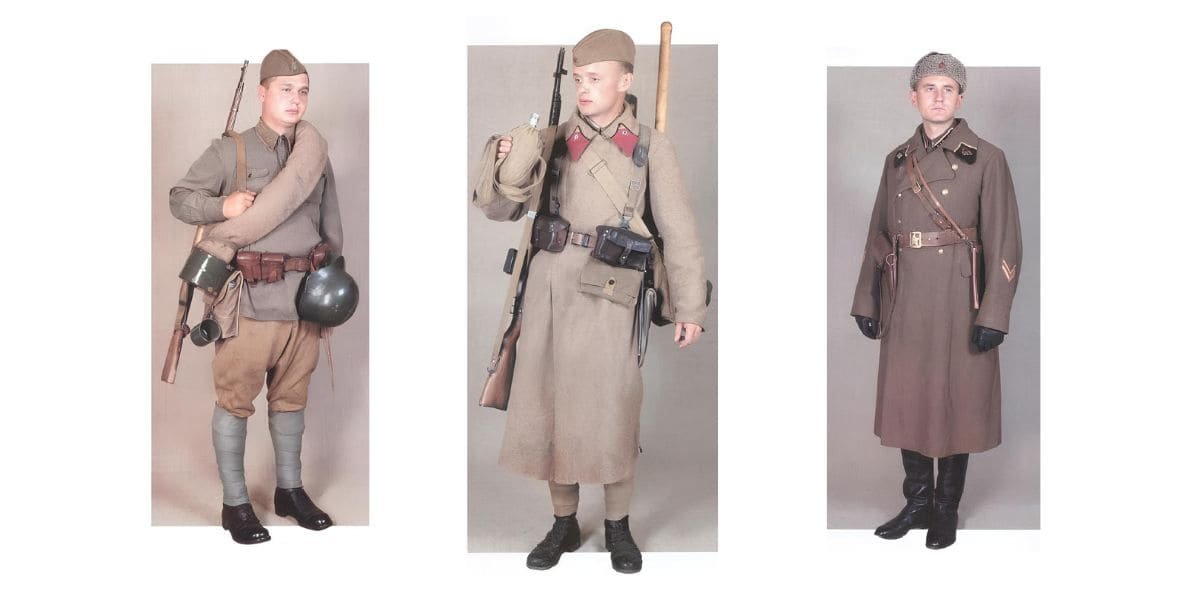
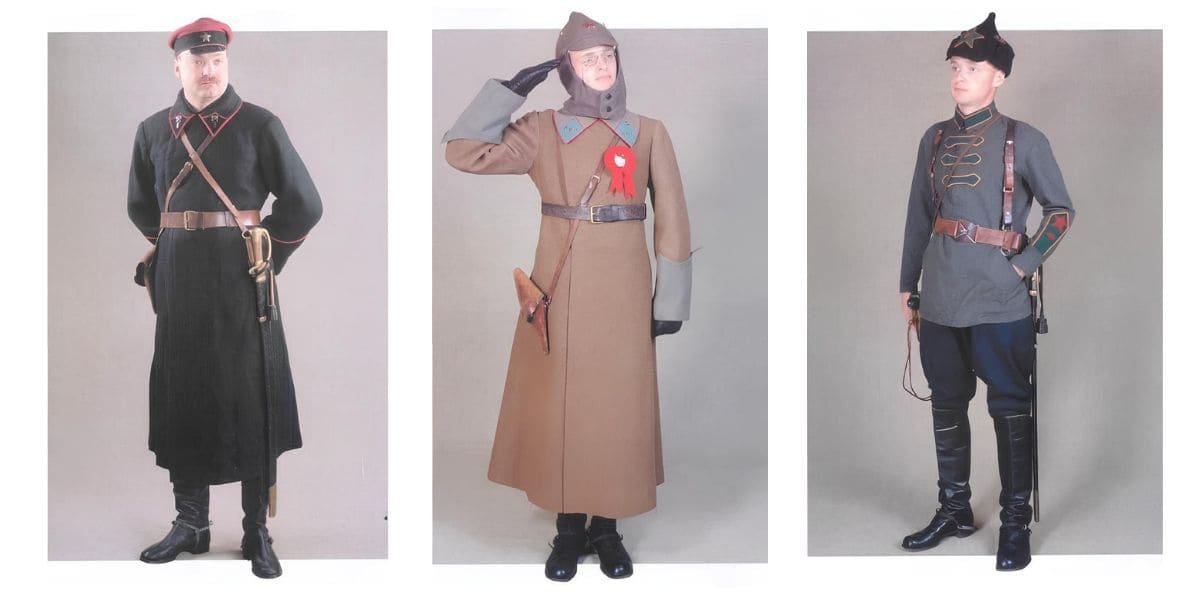
Here you’ll see early Red Army uniform examples for infantry, cavalry, armored troops, and OGPU personnel — a useful visual reference for history fans and reenacting.
Main features of Soviet Army uniforms 1923–1936
- Early standardized RKKA uniform cuts and field gear
- Mix of older Imperial-style pieces with new Soviet designs
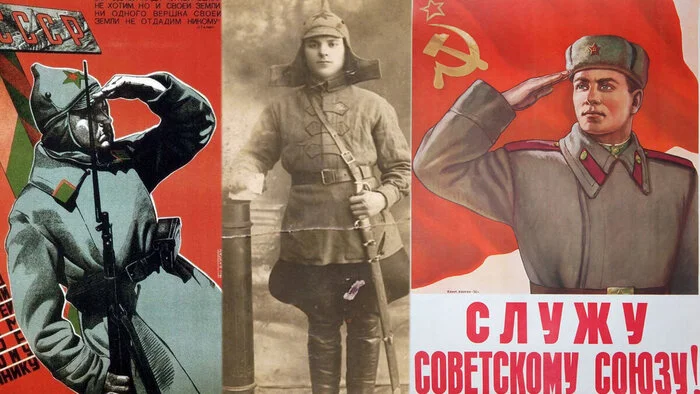
- Budenovka and other iconic headgear still in use
- Different looks for infantry, cavalry, and armored troops
Red Army soldier in winter uniform, infantry, 1923–1924
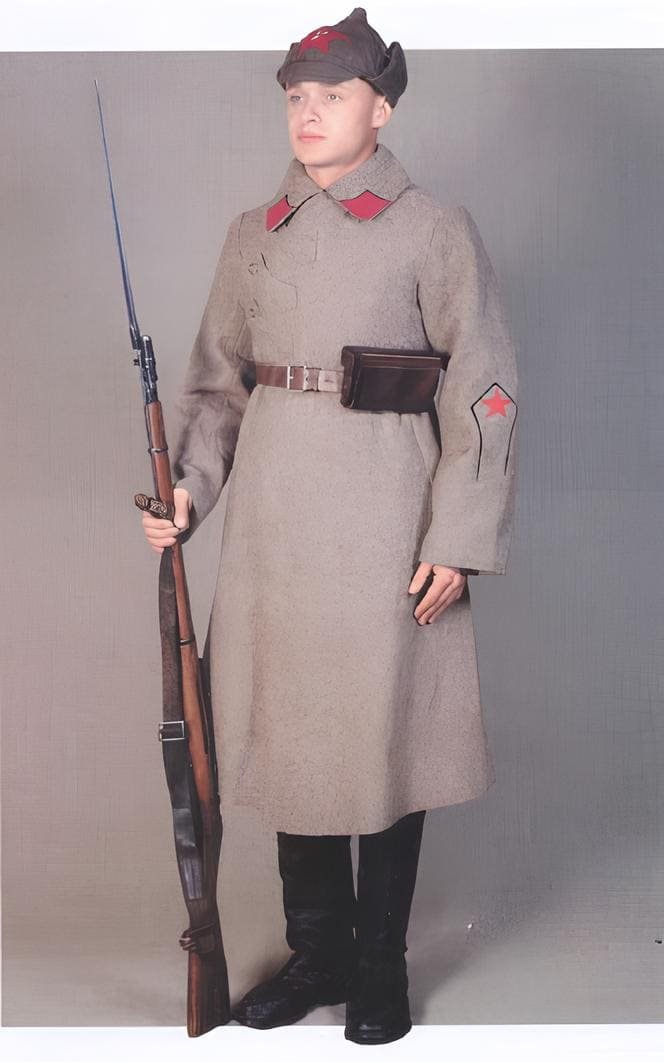
This Red Army infantryman wears a winter RKKA uniform from the post–Russian Civil War years. Soldiers like him guarded railways, held checkpoints, and supported internal security as the early Soviet state was being stabilized.
Red Army soldier in summer uniform, infantry, 1924
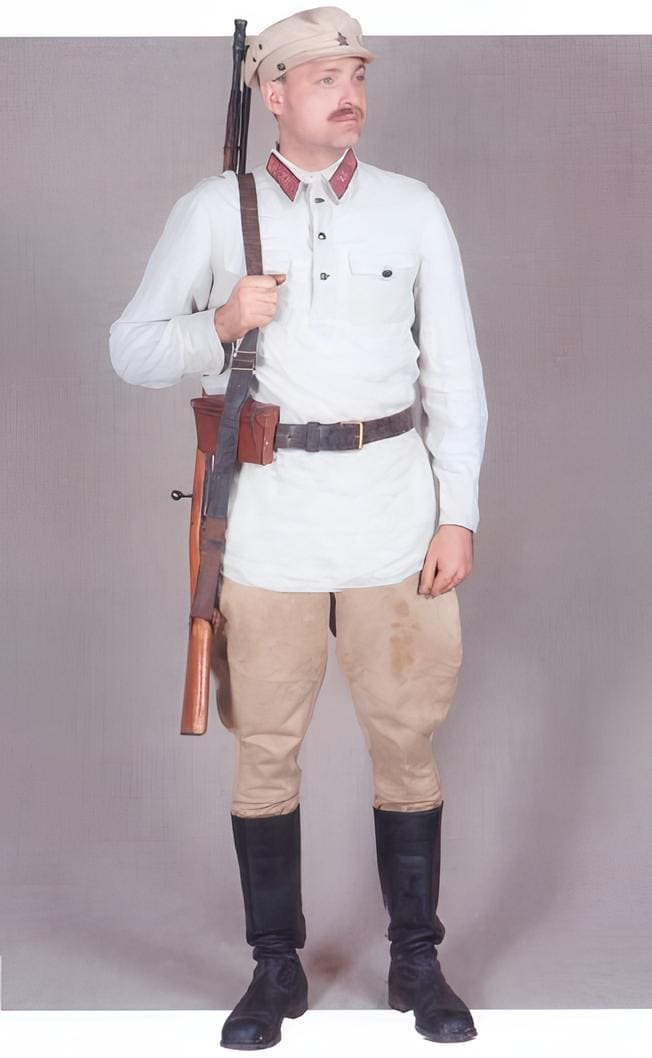
Here you see a Red Army infantryman in a light summer RKKA uniform from 1924. In everyday service, men like him trained, patrolled towns, and provided basic security while the army shifted from wartime to peacetime routines.
Senior OGPU officer in winter uniform, 1924
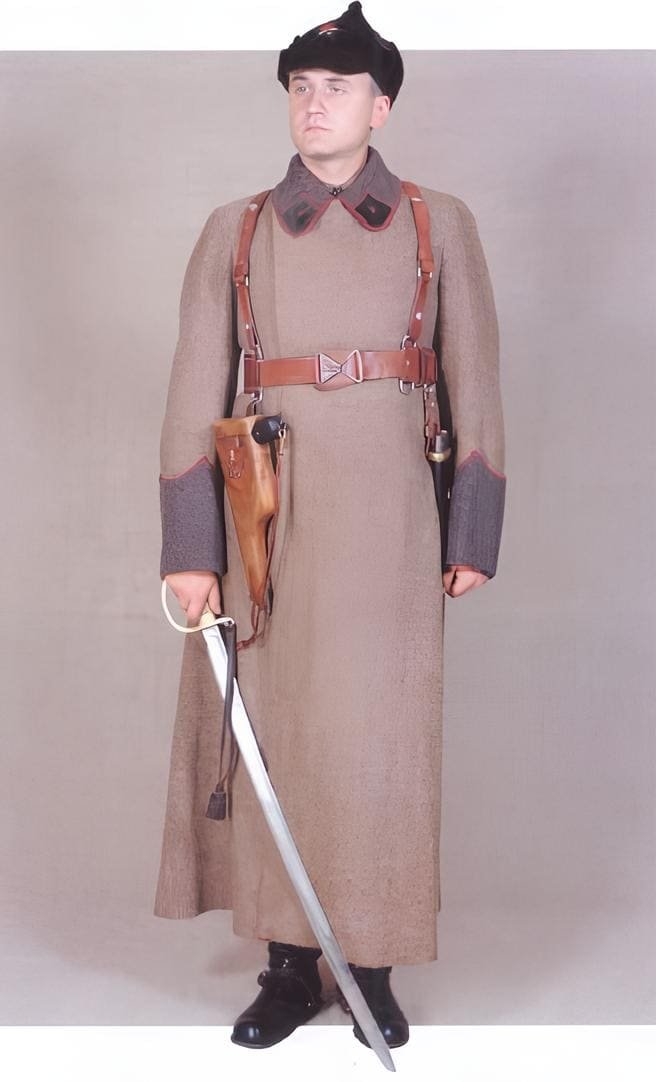
This is an OGPU officer in a winter Soviet uniform from 1924, a period right after the Russian Civil War. Officials like him oversaw internal security, investigated threats, and enforced state control in key regions and transport hubs.
OGPU officer in daily uniform, 1924–1927
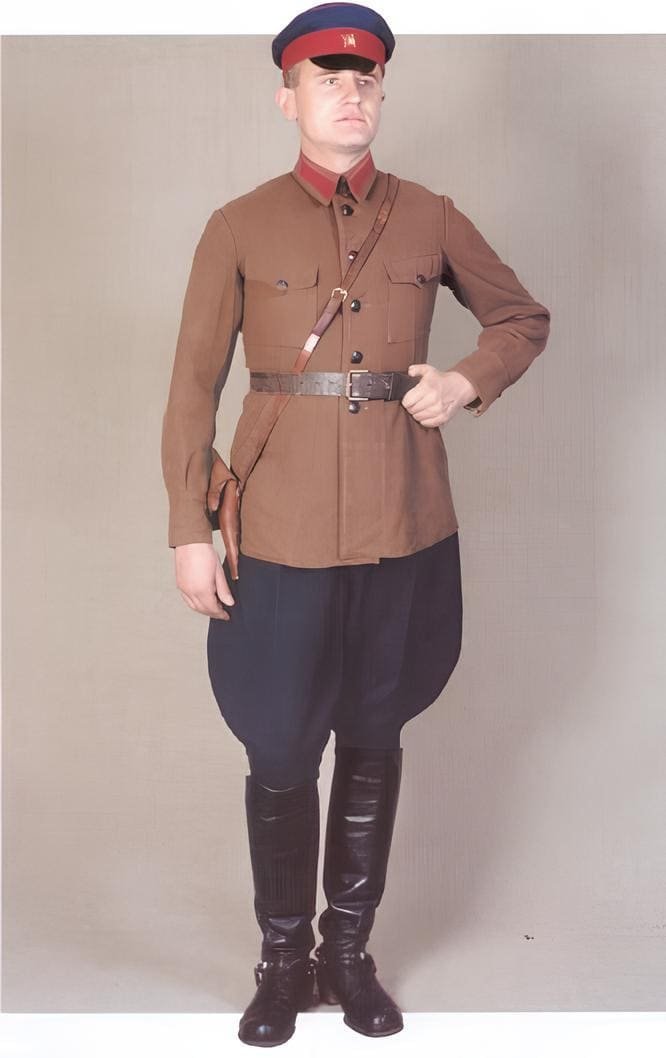
An OGPU officer in a daily Soviet uniform from the mid-1920s. His work was routine but serious: surveillance, arrests, document checks, and keeping “order” in cities and along rail lines.
Assistant battalion commander in field uniform, infantry, 1925–1926
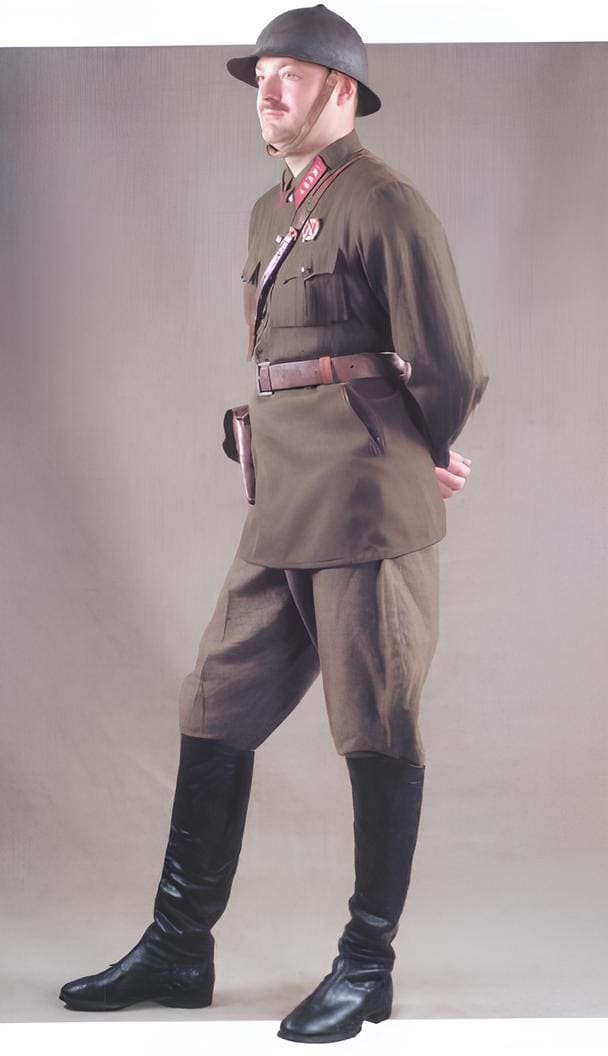
This RKKA infantry officer wears a practical field uniform used in the mid-1920s. As an assistant battalion commander, he managed discipline, training, and field readiness — the day-to-day work that kept the Red Army organized.
Chairman of the military tribunal in winter uniform, 1924
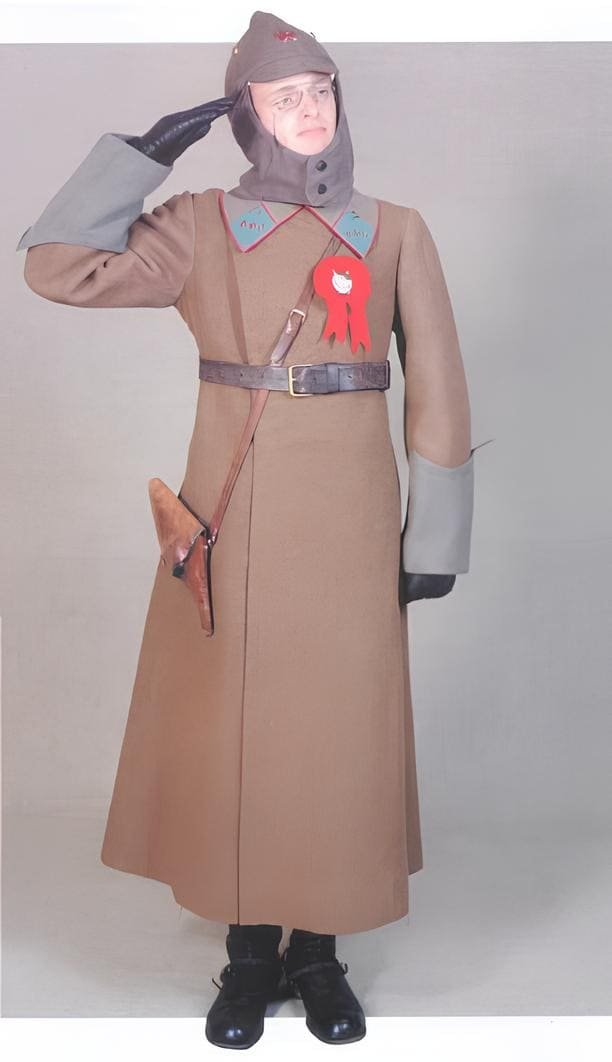
A Soviet military tribunal chairman in winter uniform, 1924. People in this role reviewed discipline cases, judged desertion or theft, and enforced strict rules to keep the army and society under control after the chaos of civil war.
Chief of OGPU station department (transport units), 1925–1934
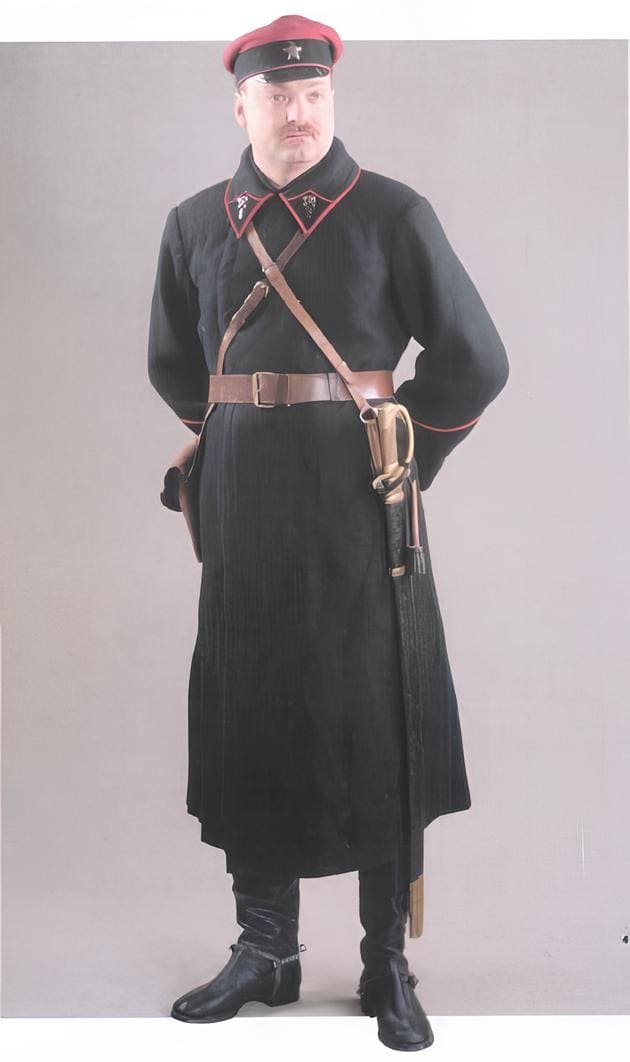
This OGPU chief supervised security at railway stations and transport routes in the 1925–1934 period. His department controlled passenger checks, guarded cargo, and hunted sabotage — railways were a strategic lifeline for the Soviet state.
Assistant commander of a cavalry squadron, 1927–1929
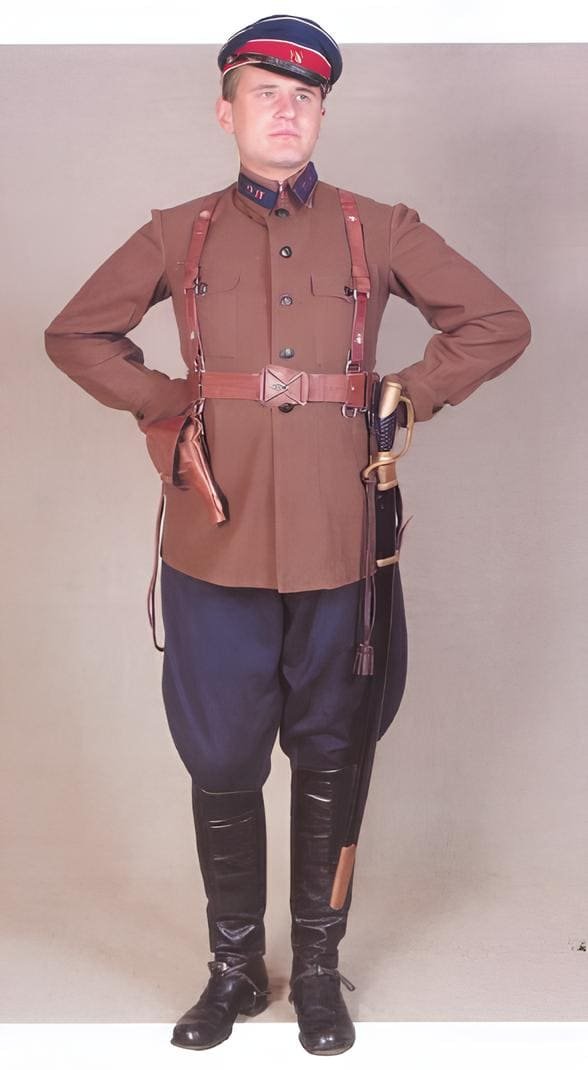
A Red Army cavalry officer in RKKA uniform from the late 1920s. Cavalry units still played a real role then — reconnaissance, patrols, and fast response in areas where vehicles were unreliable.
Looking for original Soviet officer boots? You can get them here → [Soviet officer boots]
Red Army soldier in field uniform, armored troops, 1931–1934.
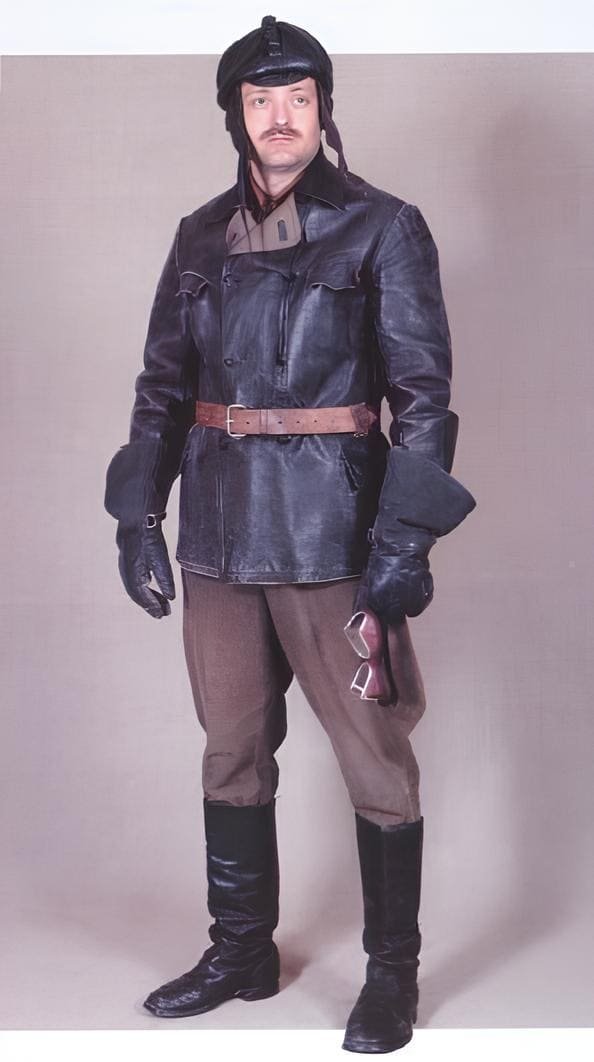
This Red Army soldier represents Soviet armored forces of the early 1930s, wearing a practical field uniform designed for tank and mechanized units. Armored troops became a key element of Soviet military doctrine during the rapid modernization of the RKKA.
Red Army soldier, cavalry, 1931–1936.
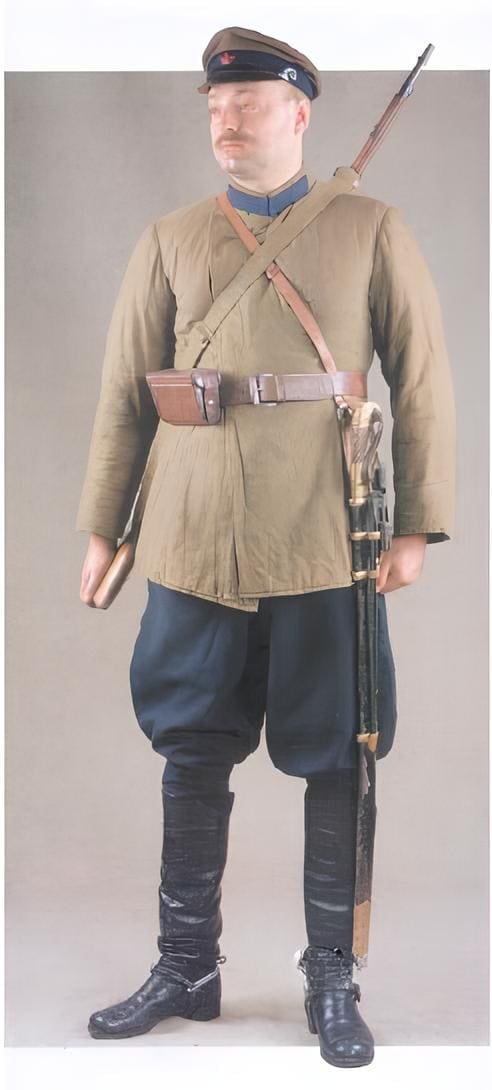
This Red Army cavalryman wears a Soviet uniform typical of the 1930s, combining traditional mounted warfare with modern military organization. Cavalry units remained important in reconnaissance and rapid maneuver operations within the RKKA.
Military instructor of the OGPU Inspection, 1923.
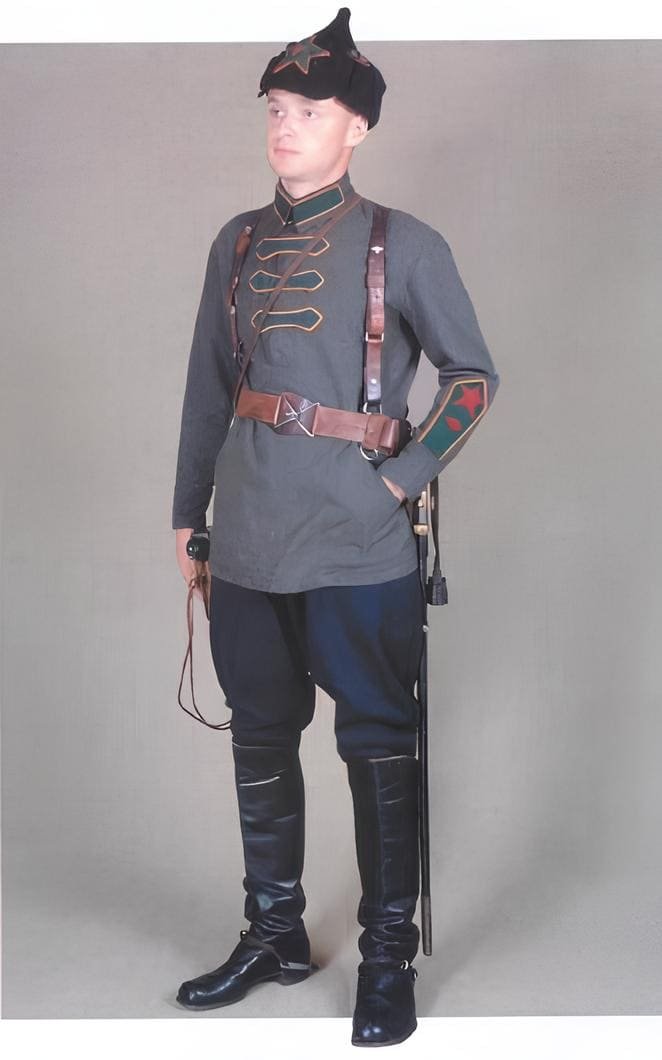
This figure represents a military instructor of the OGPU, responsible for training and oversight within Soviet security structures. The OGPU played a central role in maintaining internal order and consolidating power in the early Soviet state.
Red Army soldier in summer uniform, infantry, 1923–1924.
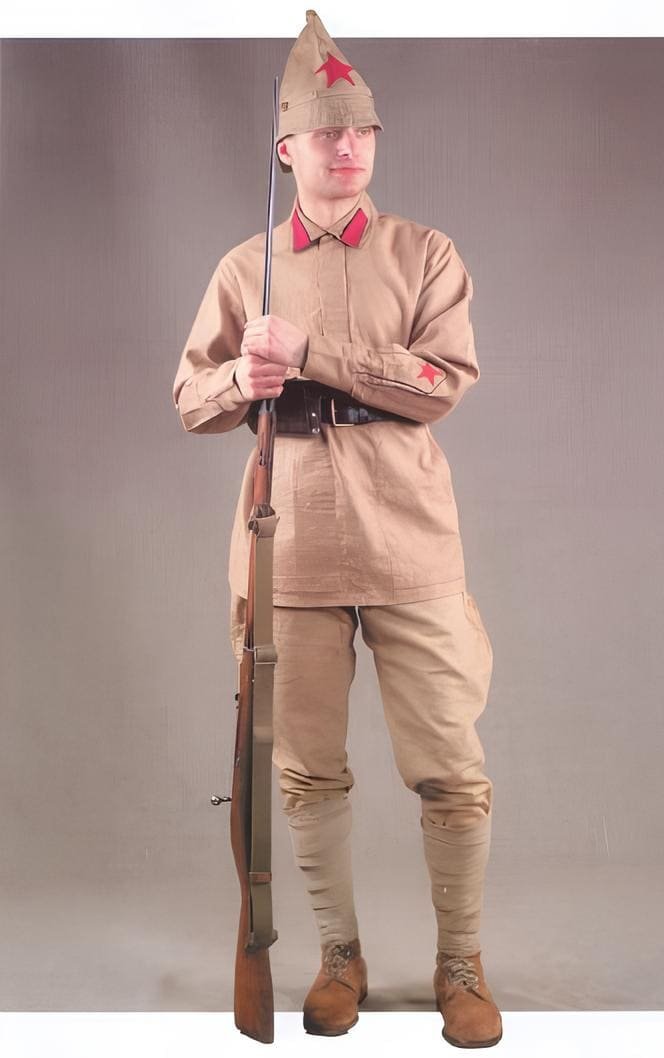
This Red Army infantryman wears a light summer uniform designed for everyday service in the early 1920s. Infantry units formed the backbone of the RKKA and were essential in securing Soviet control across the country after the Russian Civil War.
Budenovka hat on Wikipedia (Budenovka hat)
Red Army soldier in a summer coverall, armored troops, 1935
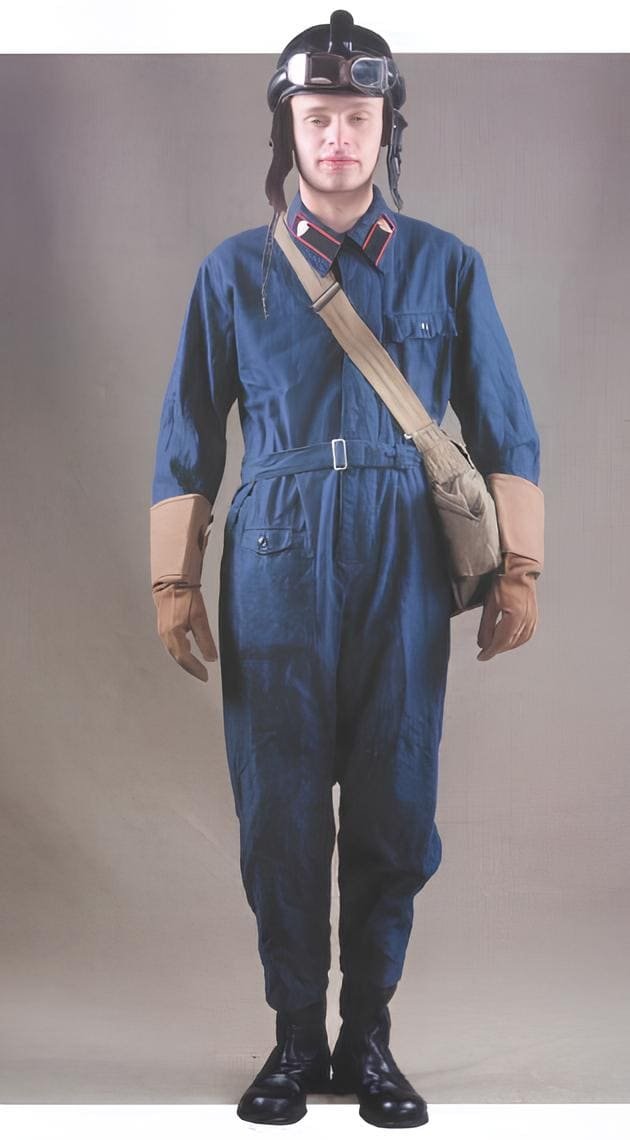
This Red Army soldier represents RKKA armored troops in 1935, wearing a practical summer coverall designed for vehicle crews. Such uniforms were common in Soviet autobronetank units, combining mobility, protection, and simple maintenance.
Quick FAQ
- What does RKKA mean? RKKA is the Workers’ and Peasants’ Red Army — the official name of the Soviet Army in this period.
- Why are Soviet Army uniforms 1923–1936 important? This “in-between” era shows how the Red Army standardized clothing and gear before the big WWII uniform changes.
Summary: If you’re collecting references for reenacting or studying interwar history, these Soviet Army uniforms 1923–1936 are a great visual baseline for infantry, cavalry, armored troops, and OGPU service wear.
Please check guide: Russian Civil War Uniforms (1917-1922)
If you’re interested in 1936-42 uniforms, check here: Soviet Army Uniforms 1936–1941
Soviet WW2 uniform 1941-1942 guide
See more items at sovietboots.com