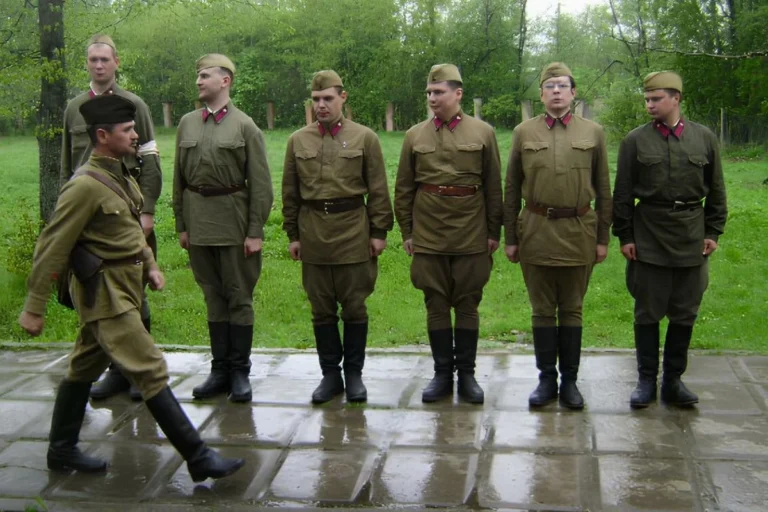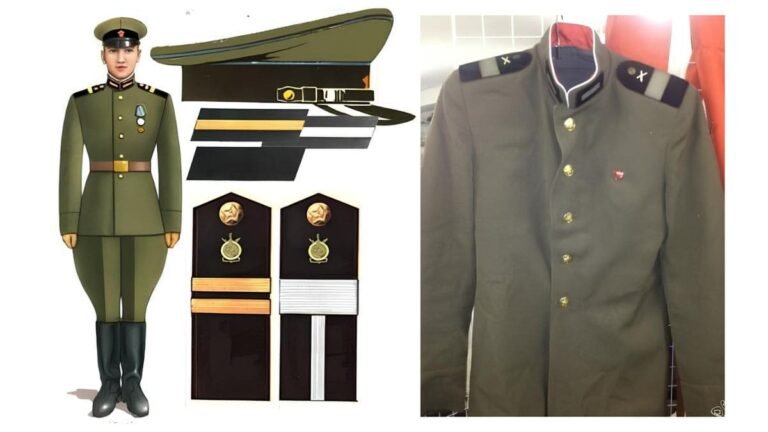
Soviet Army field equipment 1968-1991 in the Afghan War (Part 4).
Focus topic: Soviet Army field uniforms and equipment during the Afghan War period and late Cold War modernization (Part 4).
Articles this series:
Guide of the Soviet Afghanka Uniform (M88)
Telnyashka: History of the Russian Navy and VDV Striped Shirt
Field Uniform and Equipment of the Soviet Army (1968–1991) – Part 2
Field Uniform and Equipment of the Soviet Army (1968–1991) – Part 3
Soviet Spetsnaz Uniform in Afghanistan (1979–1989)
How the Soviet Army Uniform Changed from 1955 to 1991
In 1979, the Afghan war began. It became a test not only for Soviet vehicles, weapons, and tactics, but also for equipment.
Soviet Army field equipment 1968-1991
Quick navigation
- Why Afghan War changed Soviet gear
- Soviet Afghanka visor cap
- Soviet winter Afghanka uniform
- Shades of Afghanka and “Dubok”
- Afghanka and Naval Infantry “Dubok”
- Airborne “Dubok” and how it was worn
- Suspenders attachment system
- Border troops “Berezka” camouflage
- “Gorka” mountain suit
- Soviet Afghan combat boots
- Sneakers and canvas shoes in Afghanistan
- Soviet 6B5 body armor
- RD-54, Abalakov backpack, improvisation
- Homemade load-bearing vests
- BVD and “lifchik” chest rigs
- Belt-A and Belt-B
It quickly became clear that Soviet gear was not very suitable for this war. Work began on improving it. But before we look at what came out of that, I want to share a few thoughts. The Soviet Army was preparing for a large-scale war with NATO in Europe, something along the lines of World War II. Everything was built around this task, weapons, vehicles, tactics, and of course equipment. The idea looked roughly like this: soldiers are delivered to the front line by BMPs, BTRs, or at least trucks, and after an airstrike or artillery preparation they rush the enemy positions. Or they sit in trenches, repelling attacking NATO troops. For these conditions, Soviet equipment was, in principle, sufficient. All property was transported by vehicles, and four magazines in pouches were supposed to be enough for a battle.
The Afghan war turned out to be completely different. Here soldiers had to walk a lot on terrain impassable for vehicles, and carry all their gear, food, water, warm clothes, sleeping bags, devices, as well as ammunition, on their own backs. The Americans found themselves in a similar situation in Vietnam, and to their credit, they adapted their equipment quickly. Extremely successful jungle boots appeared, tropical uniforms, nylon gear that did not rot in humid heat, large backpacks, and much more.
Soviet Army field uniform Afghanistan
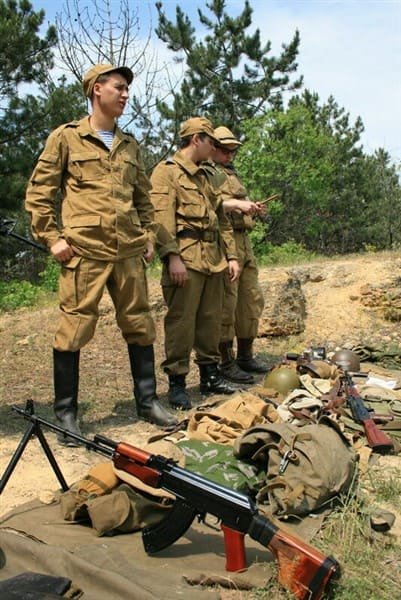
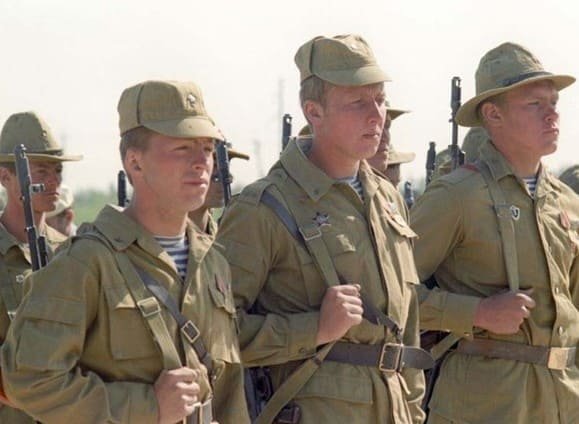
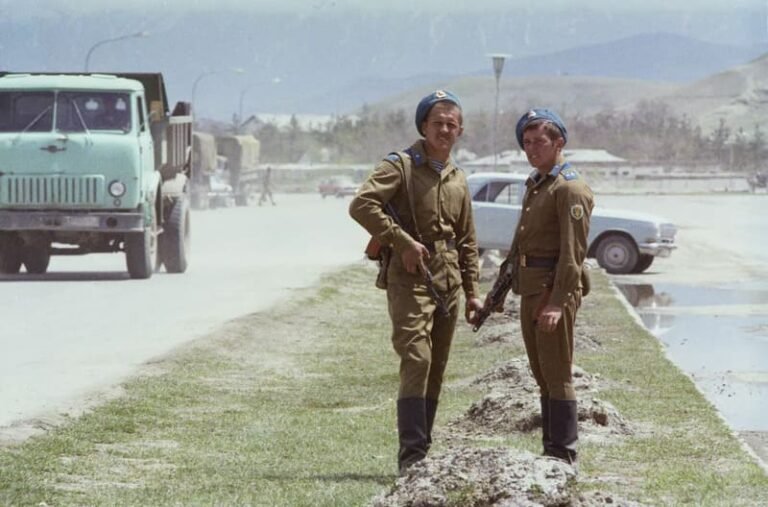
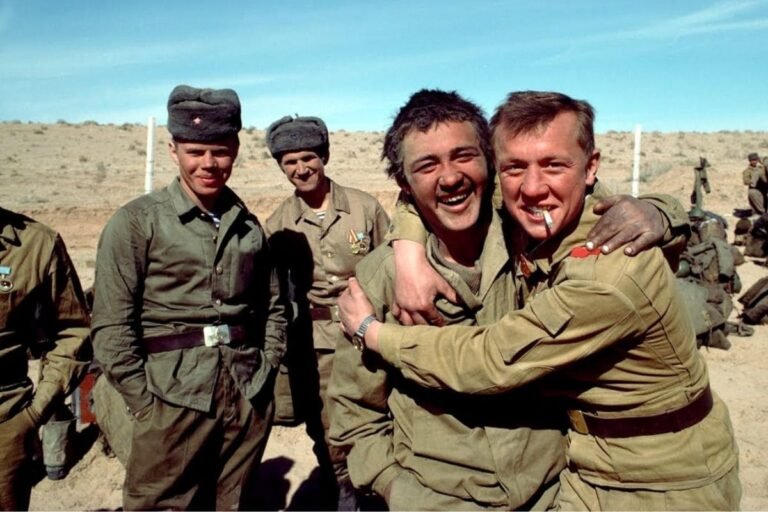
One of the most recognizable items of that war was the new uniform. It was supplied primarily to units stationed in Afghanistan, which is why in the USSR it was nicknamed “Afghanka,” and in Afghanistan itself it was called “Experimental.” Compared to the 1969 pattern uniform, this was not just a step forward, but a giant leap. Flat plastic buttons, covered by a flap so they would not tear off while crawling. Plenty of pockets, including convenient ones on the sleeves. A drawstring at the waist, which suggests that the uniform was designed to be worn without a belt. The belt was worn until 2010, when the army switched to the new “digital” uniform. Finally, a modern design that made soldiers no longer look like visitors from the 1940s.
Soviet Afghanka Visor Cap
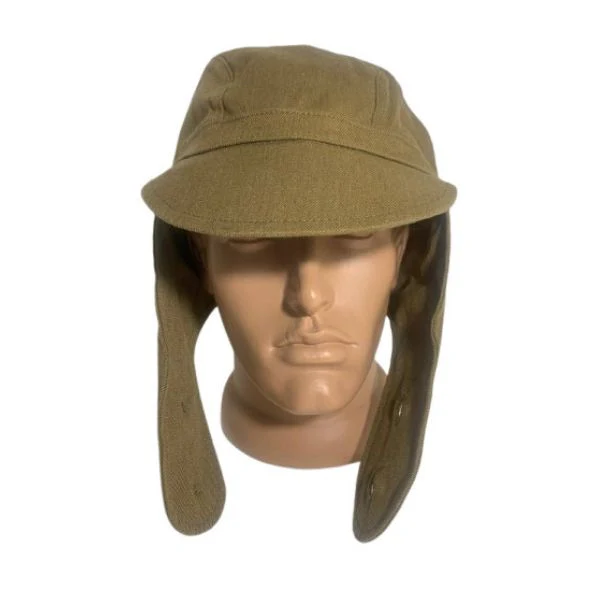
Soviet Afghanka visor cap became part of a new field uniform that was designed for mountain warfare, not for a large-scale European war. Afghanka was made from dense cotton fabric, protecting the head from sun and dust, while the fold-down ear flaps helped in cold weather, wind, and during night operations.
Looking Soviet Afghanka visor cap? You can order here: (Soviet Afghanka hat)
Soviet Winter Afghanka uniform. Jacket and pants
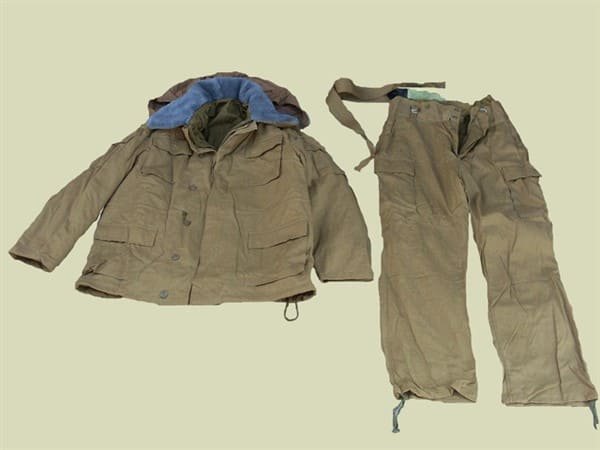
The winter version of the Afghanka consisted of a warm jacket and trousers with quilted insulation. The jacket had a collar made of artificial fur. Heavy, but very warm.
Despite the fact that in terms of comfort and design it did not quite match the ultra-modern American BDU of that time, overall the uniform turned out to be quite successful. Among the drawbacks, I would note rather narrow trouser legs and sleeves.
The only detail of the Afghanka that really annoys me is the stitched creases on the front of the trousers.
This cut, with minor changes, was used in our army until 2010, when soldiers were dressed in new pixel camouflage.
It began appearing in the troops around 1983–1984. It was made from cotton fabric in at least three different shades, greenish, light sandy (almost yellow), and universal khaki, suitable both for Afghan mountains and for the temperate zone.
Shades of Afghanka and “Dubok”
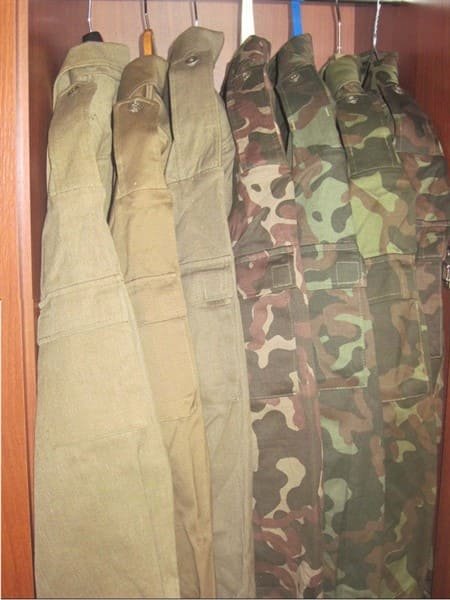
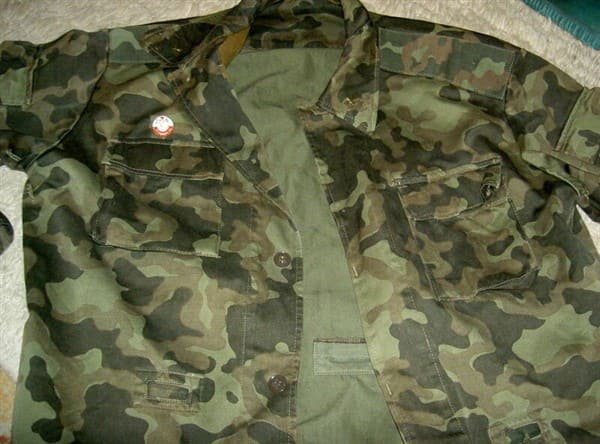
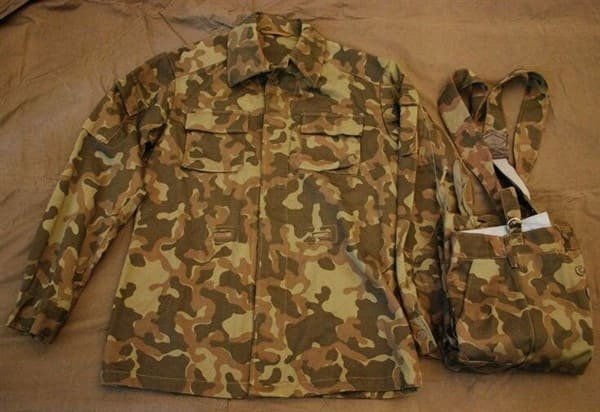
In the second half of the 1980s, camouflage uniforms began appearing in the Airborne Forces and the Naval Infantry. The camouflage pattern is now commonly called “Dubok” or “Butan” on the Internet, after the R&D project codenamed “Butan,” during which this pattern was developed. Later versions (late 1980s–early 1990s) came in different shades, as seen in the photo. Early “Dubok” uniforms were of very high quality, they did not fade during wear or washing. According to rumors, either the fabric or the dyes were of Czech origin, which is why another slang name for this uniform was “Czechka.”
Afghanka and Naval Infantry “Dubok”
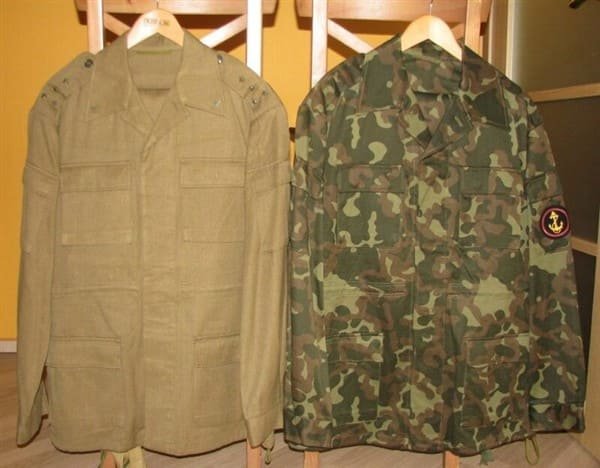
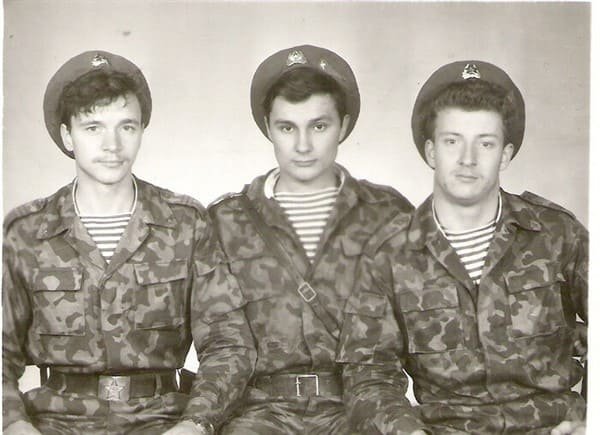
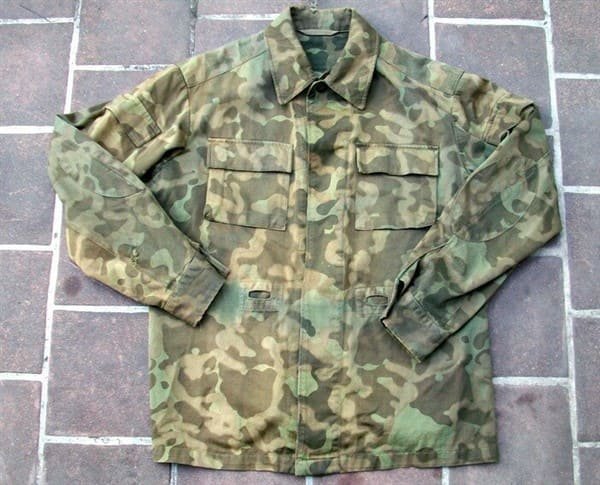
The Naval Infantry uniform did not differ in cut from the Afghanka. The Airborne Forces version, however, had some differences.
The Airborne version required wearing the jacket tucked into the trousers.
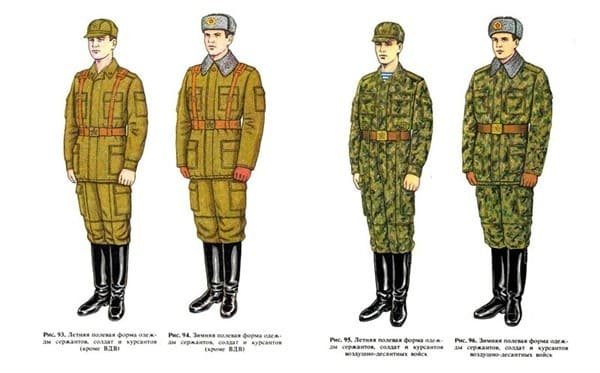
Picture 93. Summer field uniform of sergeants, soldiers and cadets (except Airborne Forces).
Picture 94. Winter field uniform of sergeants, soldiers and cadets (except Airborne Forces).
Picture 95. Summer field uniform of sergeants, soldiers and cadets of the Airborne Forces.
Picture 96. Winter field uniform of sergeants, soldiers and cadets of the Airborne Forces.
Looking for Soviet Telnyashka? You can get them here → [Soviet Telnyashka]
Why this was done is a mystery to me. I have heard a version that a jacket worn untucked supposedly interferes with parachute jumps. But the rest of the world jumps wearing jackets untucked, and nobody seems bothered by it. Even if we assume that Soviet parachutes had some special design, what prevented soldiers from tucking the jacket only before a jump and wearing it untucked the rest of the time? Perhaps it was just airborne “show-off,” a desire to be different from regular troops. But be that as it may, in the Airborne Forces the tradition still exists: “paratroopers don’t wear skirts” (meaning jackets worn untucked).
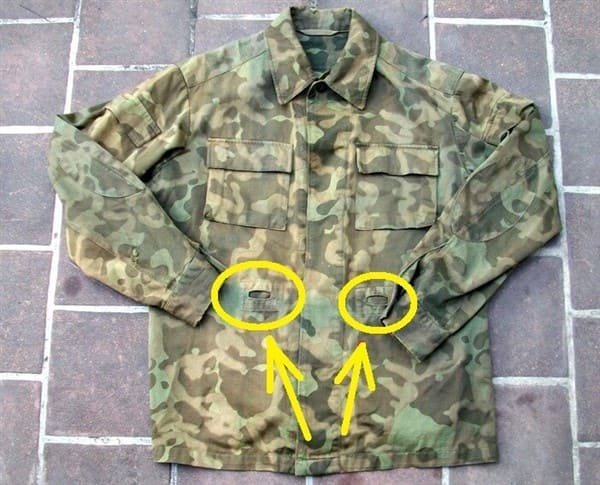
So, the jacket in airborne units was tucked into the trousers. Because of this, the Airborne version had no waist drawstring and no lower pockets. But it created a new problem, how to wear equipment, meaning a belt with pouches. Should the belt be worn over the trousers?
Suspenders attachment system
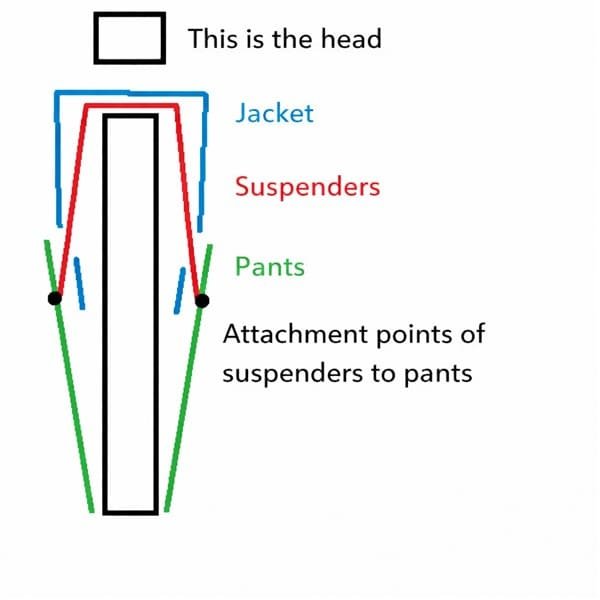
Schematic diagram of the airborne “Dubok.” Yes, I know, my drawing skills are… questionable.
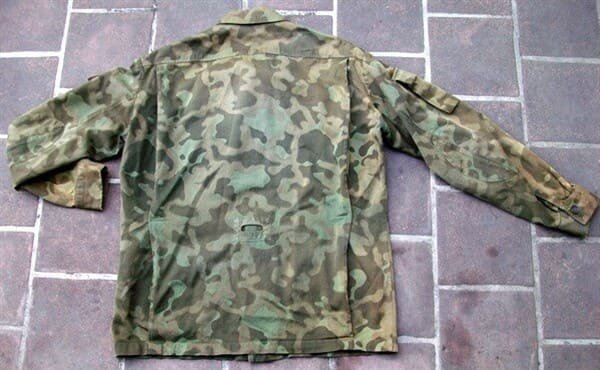
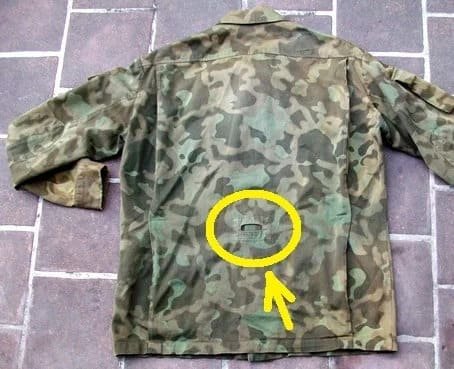
Pouches, canteens, and so on were meant to be hung on a standard belt threaded through the trousers. Under such weight, the trousers would slide down. To support them, suspenders were added to the trousers. In the jacket, at waist level, there were special slits, one at the back and two at the front. The suspenders were passed through the rear slit, run under the jacket, pulled out through the front slits, and attached to the trousers at the front. Thus, the suspenders running under the jacket were supposed to keep the trousers from sliding down. At least in theory.
Border troops also received camouflage Afghankas, but in their traditional border guard camouflage.
Border troops “Berezka” camouflage
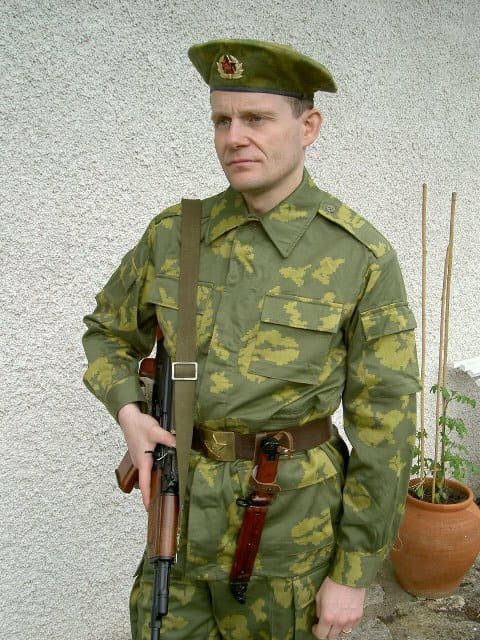
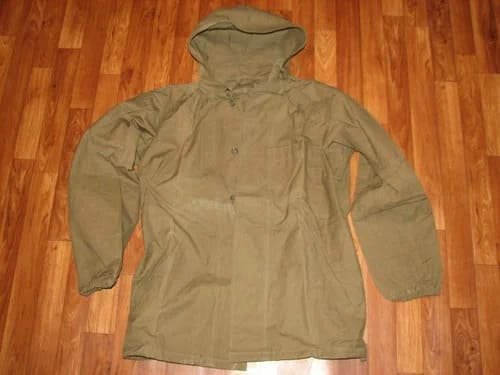
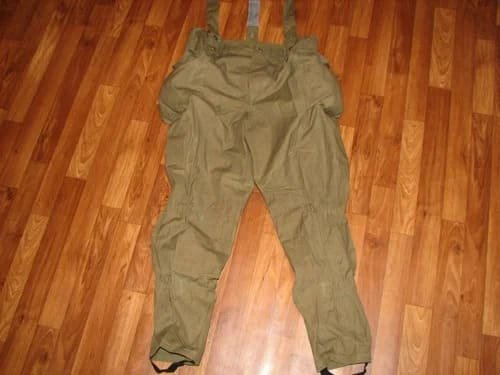
A story about uniforms would be incomplete without mentioning such a legendary item as the “Gorka,” or mountain suit. Like the “Mabuta,” it deserves a separate article, so I will limit myself to general information. The Gorka consists of a jacket and trousers sewn from tent fabric similar to thin canvas, and according to one version, it originated from similar clothing worn by German mountain troops during World War II. In summer it is, of course, quite hot, but in autumn and winter it protects well from wind and moisture.
Before the appearance of modern high-tech materials like membranes and softshells, the Gorka was one of the most successful uniform designs not only in the USSR, but probably in the whole world. It was worn mainly by special forces; ordinary motor rifle troops were not issued it.
“Gorka” jacket
“Gorka” trousers
Soviet-pattern “Gorka” Dagestan, 1999
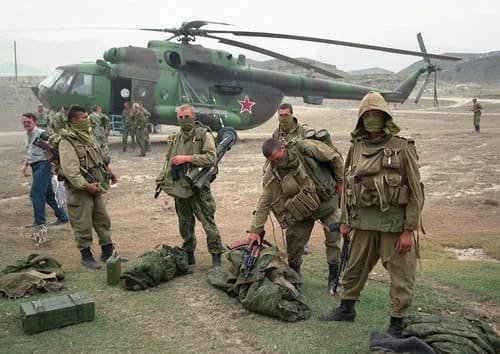
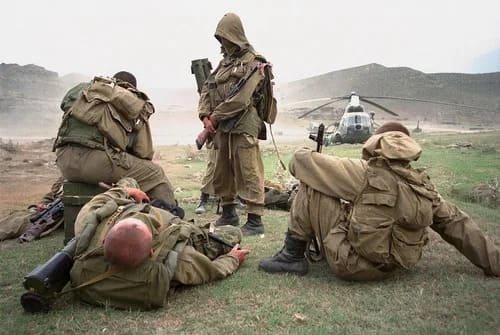
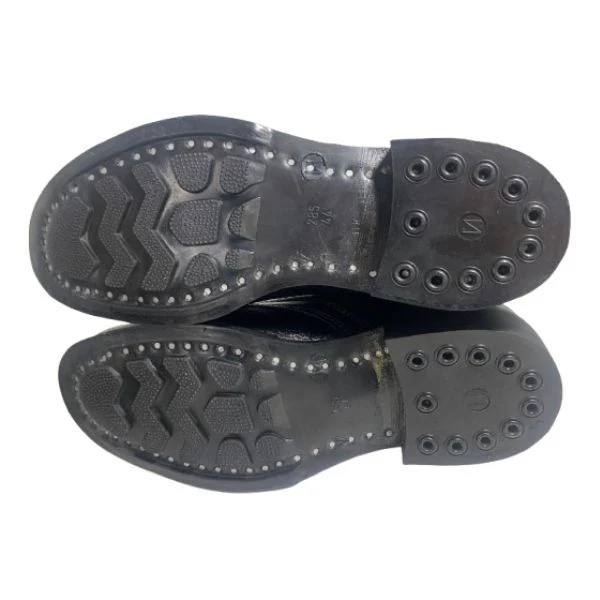
The Afghan war also influenced soldiers’ footwear. Jumping around mountains and deserts in boots turned out to be inconvenient. High lace-up Afghan combat boots (bertsy) began to appear widely in the troops for the first time.
Soviet Afghan combat boots
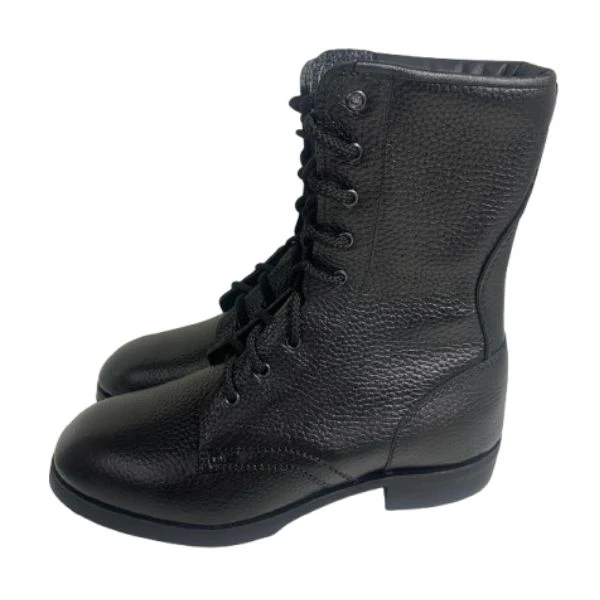
Soviet Afghan combat boots? You can get them here → [Soviet M88 combat Boots]
Sneakers and canvas shoes in Afghanistan
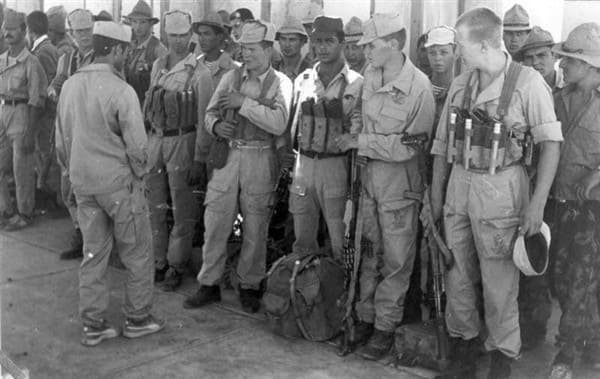
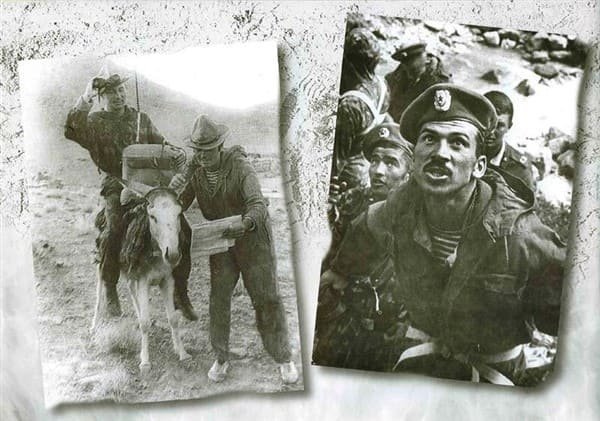
Soldiers of the Soviet Army in the Afghan war also wore sneakers and canvas shoes.
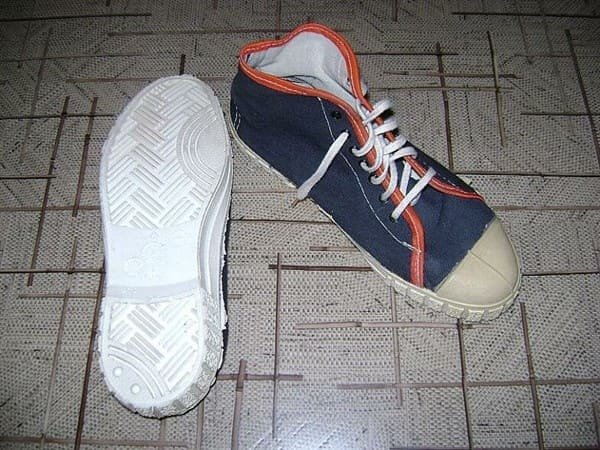
Soldiers in sneakers.
Telnyashka: History of the Russian Navy and VDV Striped Shirt
Looking for Soviet Telnyashka? You can get them here → [Soviet Telnyashka]
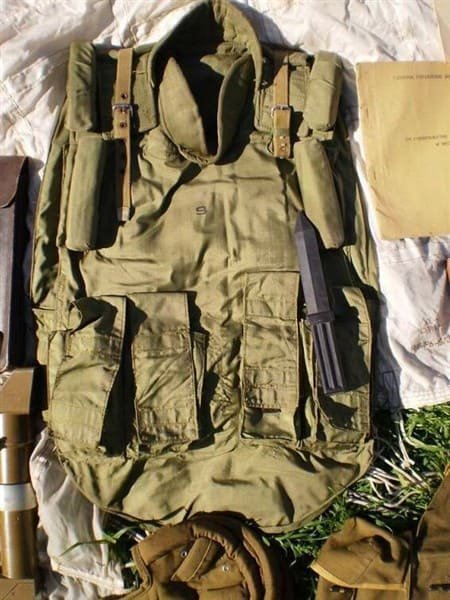
Body armor also began to be introduced in Afghanistan. There were several models, which I won’t attempt to describe. I will only say that they were introduced on a large scale, not only in Afghanistan, but throughout the Soviet Army.
The Soviet Army field uniform in Afghanistan was designed for mountain warfare, dust, heat, and long patrols rather than classical European combat.
Soviet 6B5 body armor
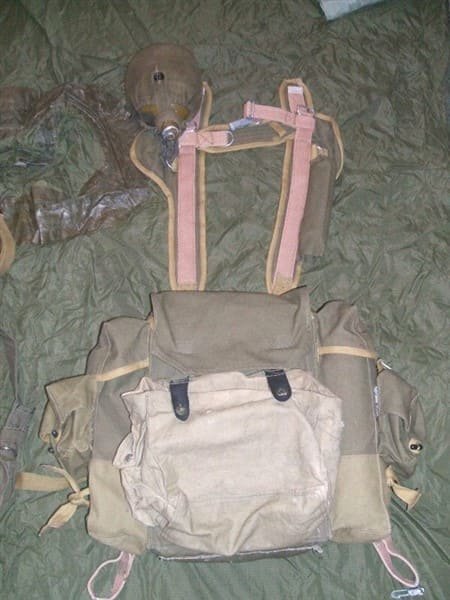
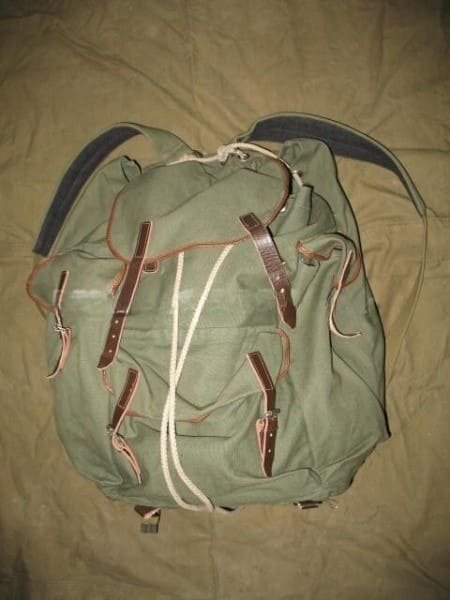
In the Soviet Army, aside from the duffel bag and the RD-54, there were no backpacks. None at all. Maybe infantry didn’t really need them, but reconnaissance units and special forces had to improvise. They stitched two RD-54s together, used civilian hiking backpacks, or captured ones.
Modified RD-54
Civilian hiking backpack, also known as the “Abalakov” or “Kolobok”
But the biggest problems for our soldiers were with load-bearing systems, meaning equipment intended for carrying ammunition.
Homemade load-bearing vest. 1983.
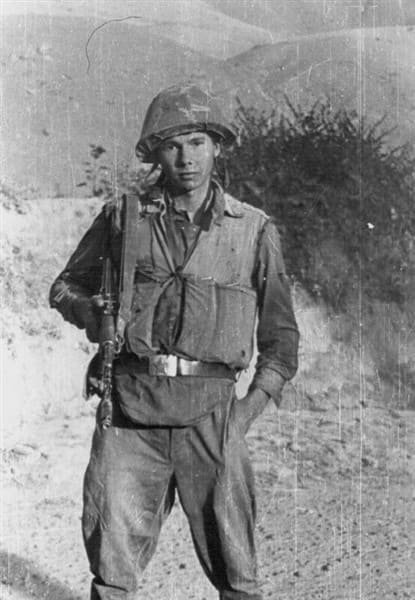
Homemade load-bearing vest. 1983. Hand-stitched seams are clearly visible.
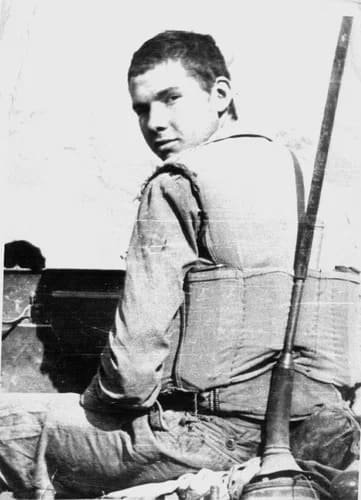
Standard pouches were inconvenient, so “folk creativity” flourished wildly. For example, load-bearing vests were made from life vests that were part of armored vehicle equipment. Pieces of foam were removed and magazines were carried instead. In the 1983 photos above, we see homemade load-bearing vests, presumably made from oversized 1969-pattern field jackets (large enough to fit over body armor). Sleeves were cut off and magazine pockets sewn on at the bottom, and the rig was ready.
Another option: take a duffel bag, rip it open to make a strip of fabric. Cut a hole for the head, fold the “hem” at the front and back, stitch it — and you get magazine pockets. Use scraps of straps to make pocket flaps and side ties. This thing was put on over the head like a body armor vest and tied at the sides.
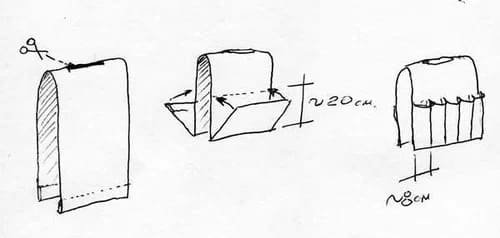
To be fair, I should note that the person who described this homemade rig saw it not in Afghanistan, but already in the early 1990s. When I first read this description, I was simply shocked. This isn’t even “making porridge from an axe,” it’s literally “making candy out of crap.”
In the late 1980s, the Airborne Forces introduced a system called BVD, the airborne soldier’s combat load.
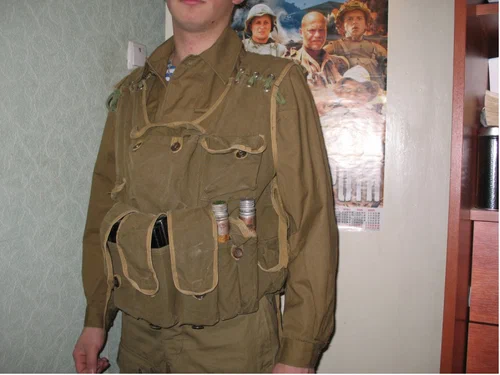
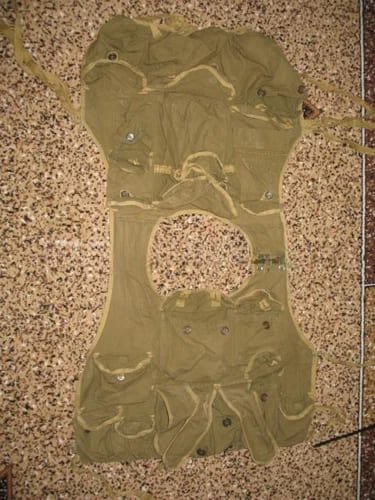
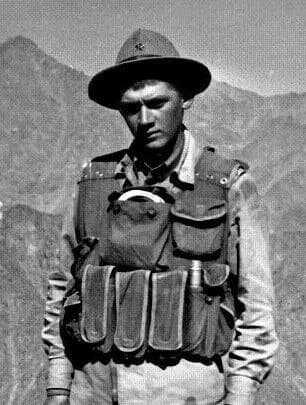
But it wasn’t very successful, and there weren’t many of them.
The most popular load-bearing systems, however, were chest rigs made from thin canvas, known in army slang as “bras.” The bra can be called one of the symbols of the Afghan war, along with mountains, Kalashnikov rifles, and Mi-24 helicopters.
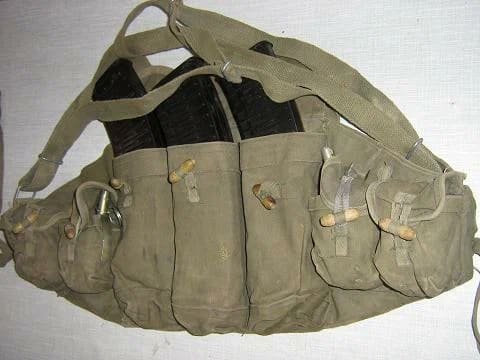
These rigs were apparently invented by the Chinese sometime in the 1960s or even the 1950s. And this invention was, without exaggeration, brilliant. It’s like the Kalashnikov rifle in the world of equipment, the ideal balance of price and quality. It’s fairly comfortable and at the same time very cheap and simple in design.
Vietnamese partisans, Arab terrorists, and various African fighters could all afford it, people you wouldn’t exactly call wealthy or well supplied. If a global catastrophe happens and civilization collapses, small groups of survivors will roam the post-apocalyptic ruins, fighting over scraps of food. And they will sew bras for themselves out of whatever rags they find. That’s how it is, a real ode to the bra.
So our soldiers, like those post-apocalyptic fighters, had to somehow acquire bras. They sewed them themselves from shelter halves. They stitched together RD-54 pouches or standard infantry ones. Officers going on leave took samples and ordered them at tailor shops. They captured trophy ones. Honestly, it’s hard to wrap your head around it: warriors of a superpower that conquered half the world, sent ships to the Moon, were forced to strip barefoot savages because their homeland couldn’t be bothered to supply them with normal, humane equipment.
In the late 1980s, Soviet factory-made bras also began to appear. They were called Belt-A. There was also Belt-B, which attached under Belt-A and was used to carry rounds for an under-barrel grenade launcher.
Belt-A and Belt-B
Homemade rig from infantry pouches
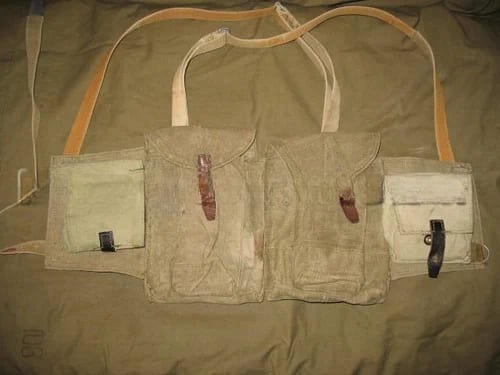
Homemade rig from RD-54 pouches
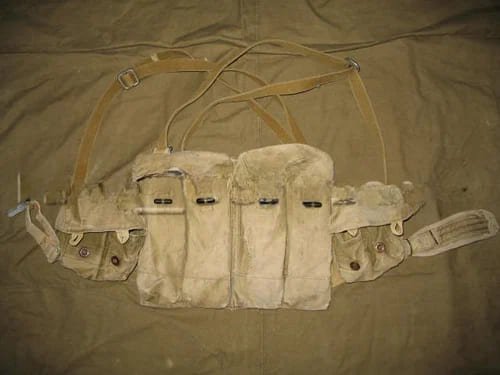
Factory-made Belt-A and Belt-B
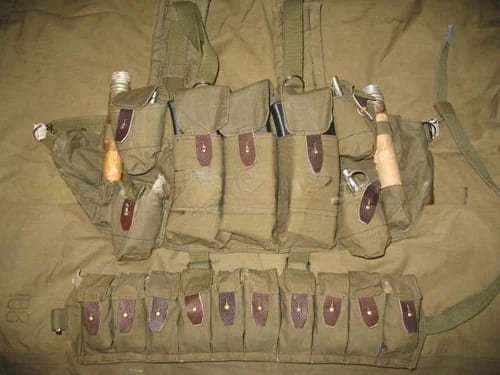
Belt-A and Belt-B
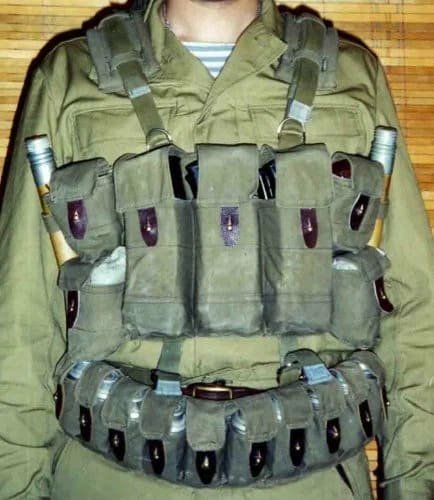
But these load-bearing systems never became truly widespread.
The experience gained with the Soviet Army field uniform in Afghanistan later influenced Soviet and post-Soviet military gear.
Check more articles:
How the Soviet Army Uniform Changed from 1955 to 1991
Red Army Uniforms of the Russian Civil War (1918–1922)
Field Uniform and Equipment of the Soviet Army in 1968 -1991 Part 1
Field Uniform and Equipment of the Soviet Army (1968–1991) – Part 2
Field Uniform and Equipment of the Soviet Army (1968–1991) – Part 3
Soviet Spetsnaz Uniform in Afghanistan (1979–1989)
Looking original Soviet boots and accessories? Please visit here: Soviet Boots Store