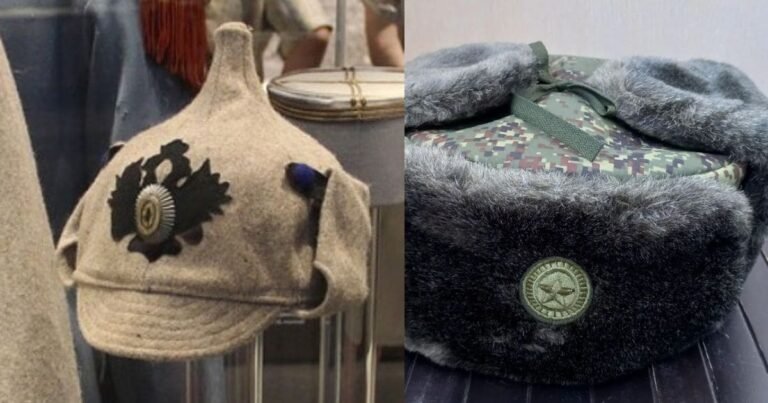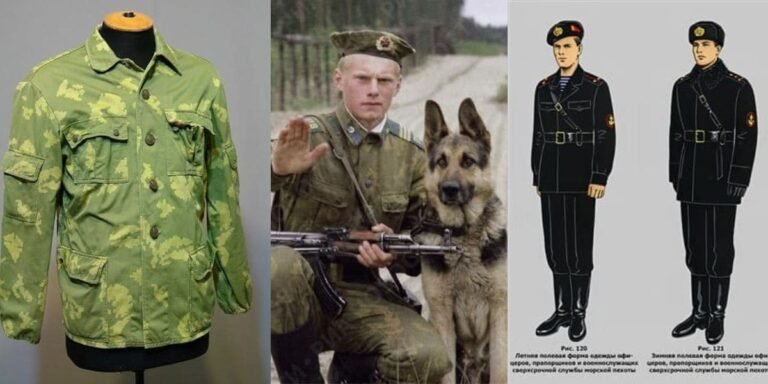
Cold War Soviet Army Uniform – Part 2
After Part 1 was published, many veterans shared their personal experiences with the Cold War Soviet Army Uniform.
Below is a curated selection of real comments from former soldiers and officers who served during different periods of the Cold War. The original comments were written in Russian and translated for this article.
If you have not read previous and next parts, you can find it bellow:
More interesting articles:
Cold War Soviet Army Uniform: Why It Was Uncomfortable for Daily Service – Part 1
Soviet Spetsnaz Uniform in Afghanistan (1979–1989)
How the Soviet Army Uniform Changed from 1955 to 1991
Field Uniform and Equipment of the Soviet Army (1968–1991) – Part 1
What the Comments Say About Soviet Uniforms (Real Service Details)
In the comments, people added a lot of practical details. The main point is simple: a lot depended on where you served, what branch you were in, and what year it was. In one unit you could have decent gear, in another you had the old stuff and had to suffer.
Belt equipment and how it was supposed to work
Every pouch and every item on the belt had its exact place. This was shown on posters already in training school. To stop the belt kit from sliding, there was a tactical belt with shoulder straps. If it was adjusted correctly to your body and height, nothing really got in the way and you could move нормально. The tunic did not pull out from under it.
Foot wraps portyanki, socks, boots
Socks in boots did not last long. They wore out fast. Foot wraps came in three types:
Thin cotton portyanki for summer, flannel portyanki for mid-season and winter, felt for winter (and winter felt wraps were issued together with cotton ones)
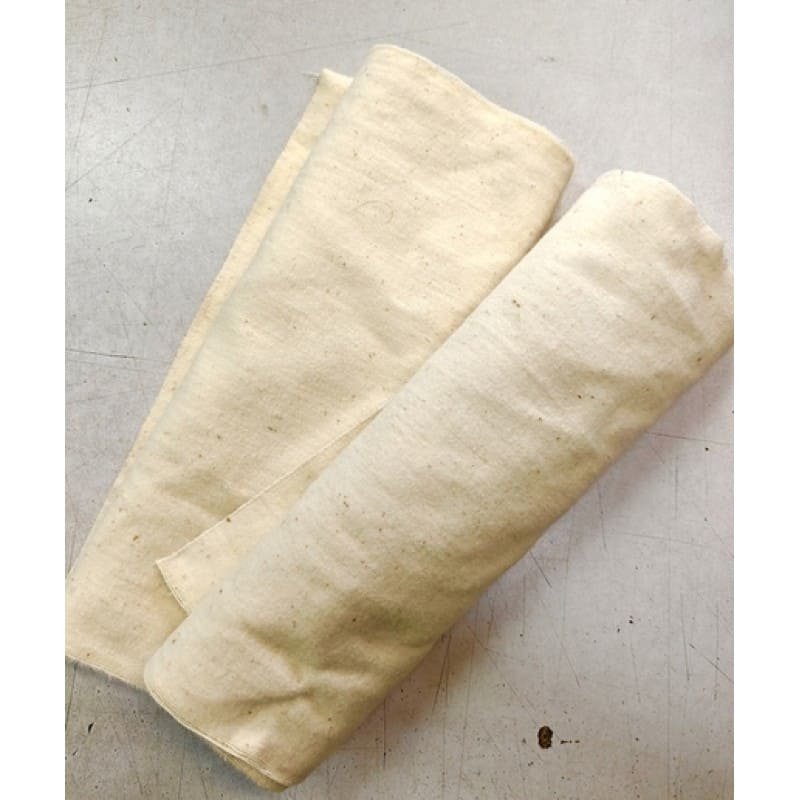
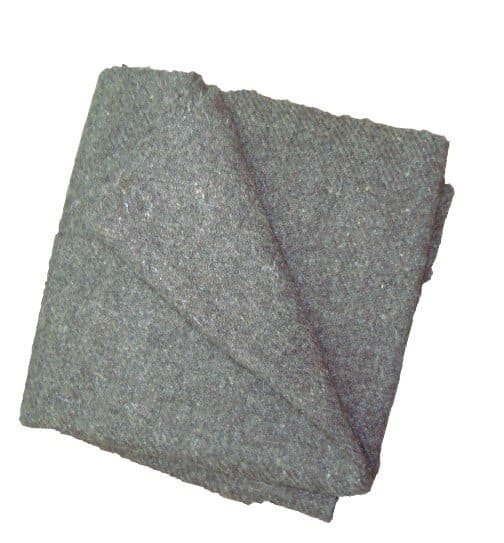
Many wore foot wraps even in combat boots, because five pairs of socks for a whole season was a joke. For parade shoes they also issued socks, two pairs.
Winter gear and extra items
Besides the basic uniform, there were also valenki and sheepskin coats. The guard sheepskin coat was worn over a jacket or over a greatcoat. A regular white sheepskin coat could be worn instead of a jacket, under the belt. People do not always remember the exact temperature rule, but it was used.
Even underwear had three types. On top of that, some units had red camel wool sweaters and the same kind of warm under-helmet liners.
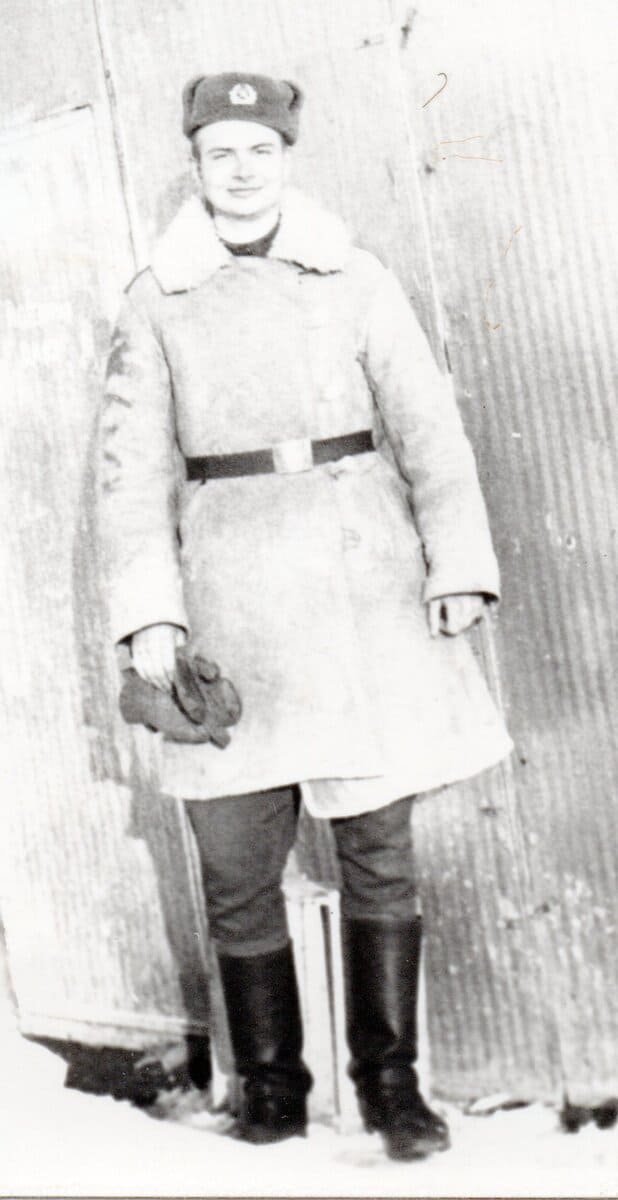
Summer rules, shirts, shoulder boards, tie clip
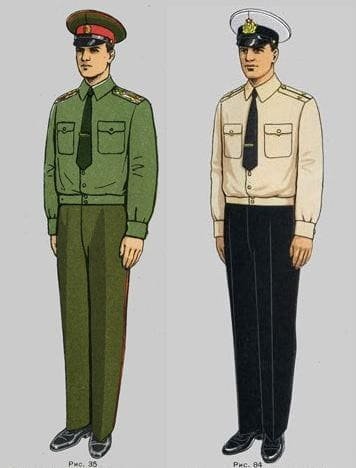
In summer, you could take off the tunic and stay in the shirt. Shoulder boards for shirts were issued, or the shirt already had them.
But when you were on leave, you were not allowed to take off the tie. And if the tunic was off, you had to have a tie clip. It was not issued. You had to buy it in the military store at the unit.
In that same store, people bought Czech shirts. They were darker, did not wrinkle, had an elastic bottom, and looked much better than the standard ones.
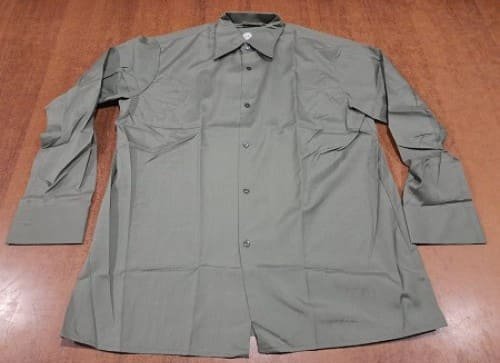
People say: the uniform was not made by a fashion designer, but if you put in some work, it could look okay. And with warming layers, it was generally fine.
A separate detail people remember clearly: soldiers were officially allowed to wear shirts without the tunic starting from March 1988.
Special issue gear and “it depended”
Many items were issued only in special conditions – based on separate orders or requests to the supply service. People mention:
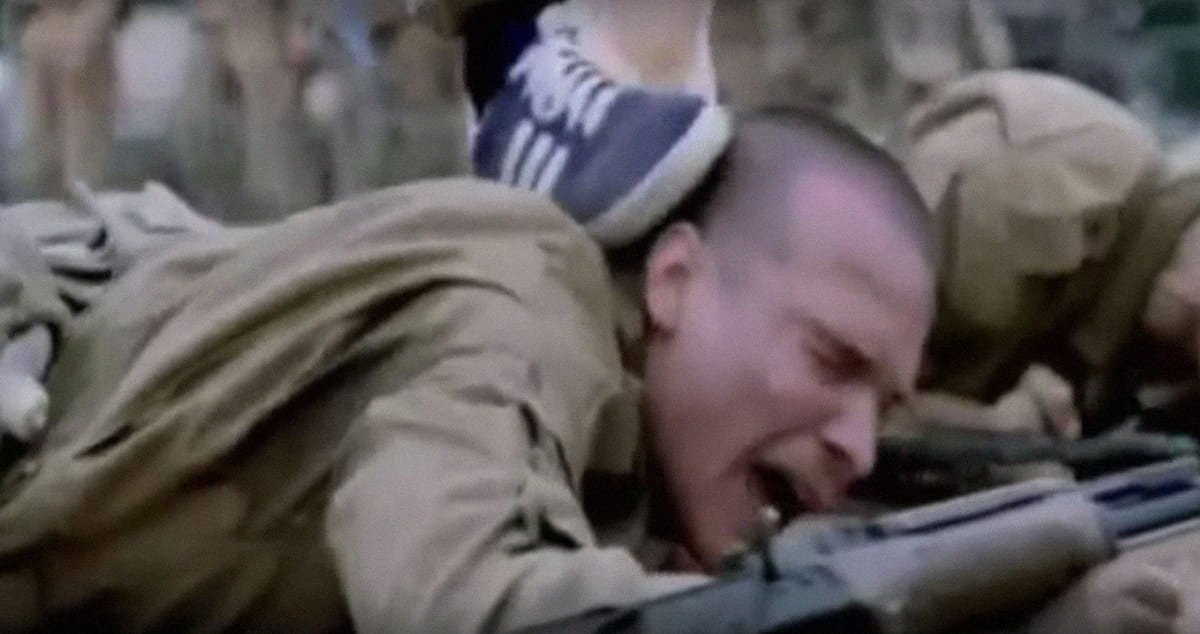
Sweaters, felt or cloth foot wraps, fur mittens, training suits, sports shoes (low sneakers), and many more things
One person explains that the sweater was from a mountain special gear set.
There were also slippers and gym shoes – some called them “shit-stompers”.
Aviation tech units, GSVG, and different norms
Some wrote that besides standard gear they were issued:
Sweaters (“vshivniki”), fur mittens, valenki, padded half-overalls, a mid-season jacket, a winter jacket with a fur collar, and “work gear” with a beret and light leather shoes
They point out this was the GSVG situation and it followed the supply norms for conscript aviation technical personnel. Demobilization in 1982.
Others answer: yes, it depends. For example, in Central Asia sheepskin coats were not issued. Camel wool sweaters and pants were issued to mountain rifle units. Even training suits sometimes looked like something from the 1930s.
Shoulder boards on shirts, and how rules changed
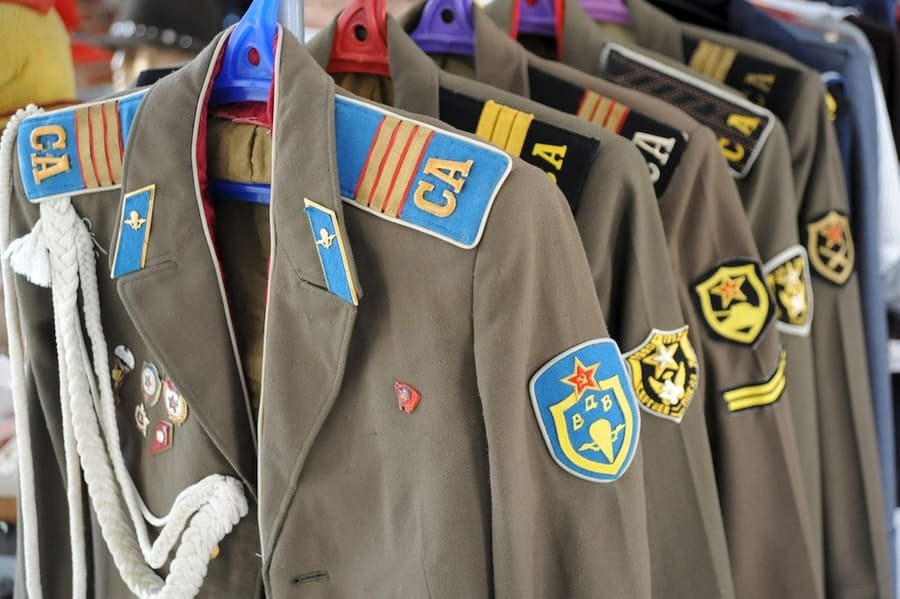
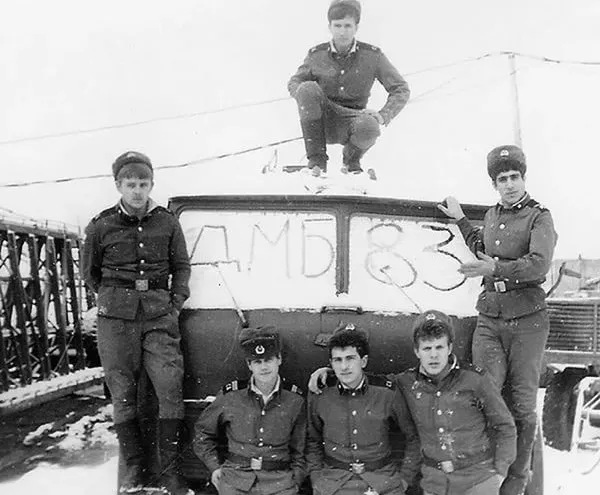
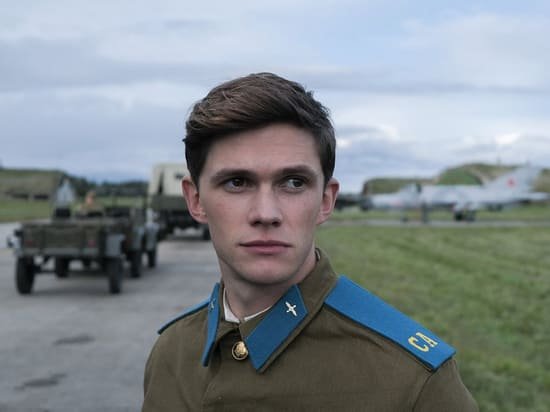
A person who served in GSVG in 1984-86 remembers a lineup in summer 1986 when the chief of staff surprised everyone: a Ministry of Defense order introduced changes to parade-out uniform for conscripts, including shoulder boards on shirts. They do not remember the exact details, but they were allowed to sew on shoulder boards like contract soldiers, with “SA” CA letters.
Another person explains again: supply depended on region and branch. Underwear had three types: thin cotton, flannel, and brushed knitwear. It depended on outside temperature, and the senior sergeant decided what to issue. That is why people from normal units are surprised, and some never heard of certain items. Service on a border post is very different from service in a regular unit.
Some heard that in northern regions soldiers were supposed to get a sweater with a 5-year wear term.
One person says: in summer they wore shirts with bought shoulder boards attached by themselves. In the second summer most got officer shirts, because they had factory shoulder board attachments. He served at OKPP.
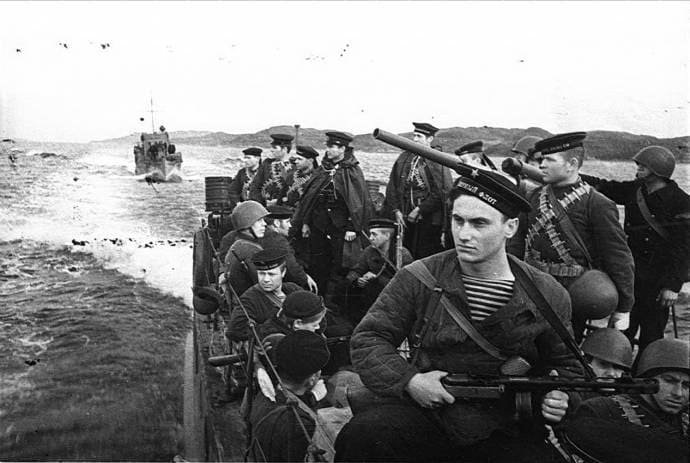
Another detail: the guard sheepskin coat was always called “tulup”. The “bushlat” was navy only. Different categories received different gear by orders, even inside the same unit.
People repeat: soldiers and cadets started getting shoulder boards for shirts only from 1988. One man says he spent 5 years as a cadet and in any weather he wore only the tunic with shoulder boards. On the shirt there were only small tabs. Later, when he became an officer, and Marshal Yazov was appointed in 1987, wearing a shirt with shoulder boards in the street was forbidden even for officers and warrant officers. It was a hot summer in Moscow, and everyone suffered.
He also says: in the academy you could be punished for sweaters and socks during years 1-5. Suspenders were also forbidden. But in the East German NNA, suspenders were mandatory.
More small everyday things
One short comment says: in their company everything was like this, plus bedside mats, slippers, and foot towels.
A man from 1978, KVO, Lubny (Poltava region), Chapaev Division: yes, they issued. Foot wraps were not felt but flannel. Sweaters were issued, but allowed only during winter exercises. Camel wool under-helmet liners were only for airborne troops and sappers.
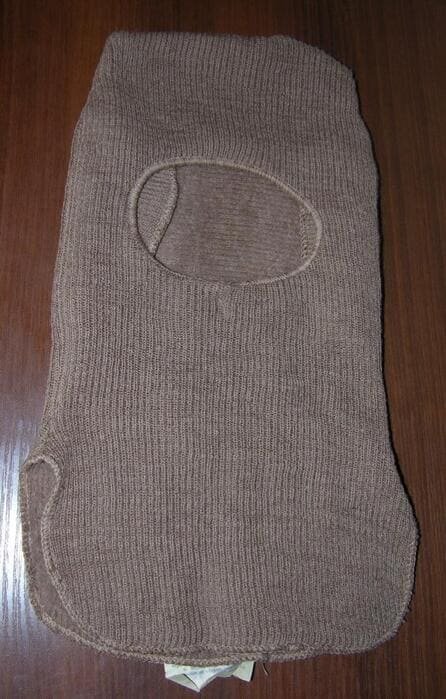
Another says: you can sit in a tulup, but you cannot stand – it is too heavy. Red sweaters were issued to divers, but they were stolen already from warehouses. “Everything was stolen.” A sheepskin coat cost 62 rubles, and for fur items there was an 8x coefficient.
Someone says: the army was over 3 million people, so karakul and silk foot wraps for everyone would be too expensive even for the USSR.
Boots, “show units”, and propaganda image
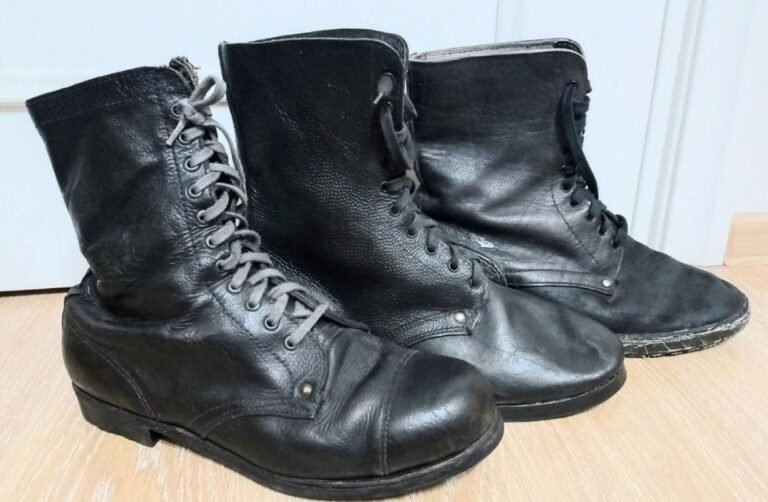
People who served in the 1970s say: in winter they froze in cotton uniform. But elite units walked in wool, and their boots were better – not kirza. (What is kirza?)
Others say: in “show units” and in groups of forces in Eastern Europe, soldiers got yuft leather boots. The generals wanted NATO to believe in the myth of the rich and unbeatable Soviet army. But behind the facade it was different.
Some add details about winter: besides wool, there were two sets of underwear – thin summer (changed weekly) and warm winter (changed every two weeks). Some went to the dining hall in any frost without a greatcoat.
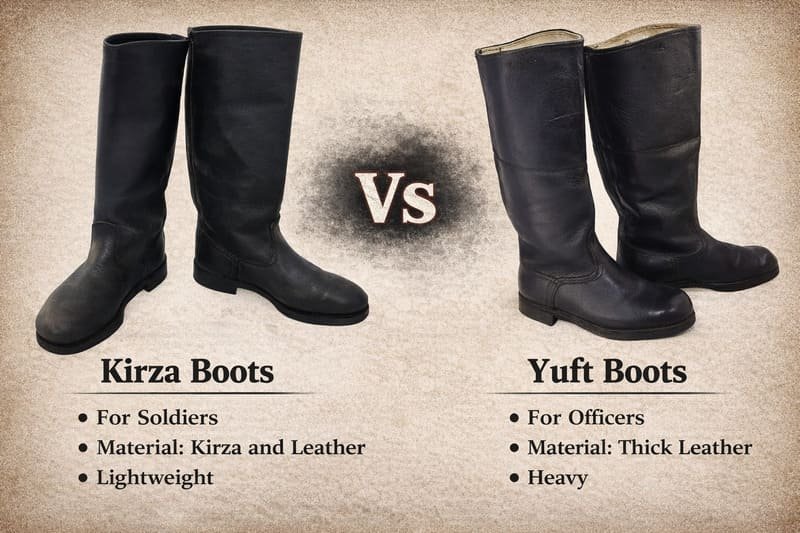
One man says: kirza boots are 800 grams, yuft boots are 3 kg. Be happy if you ran in kirza. He wore both. On a march, extra weight on your feet is pain.
Another writes from Hungary, demob 1984: they had yuft boots, officers had even better ones, leather belts, cigarettes 25 packs a month. Belts were cleaned with asidol, not GOI paste. AK-74 there, AKM in the USSR.
The pilotka kept the ears warm very well, but it made you look like the Germans near Moscow!:) And the officer riding boots were excellent, top quality. We wore them all the time in summer (it was allowed)!
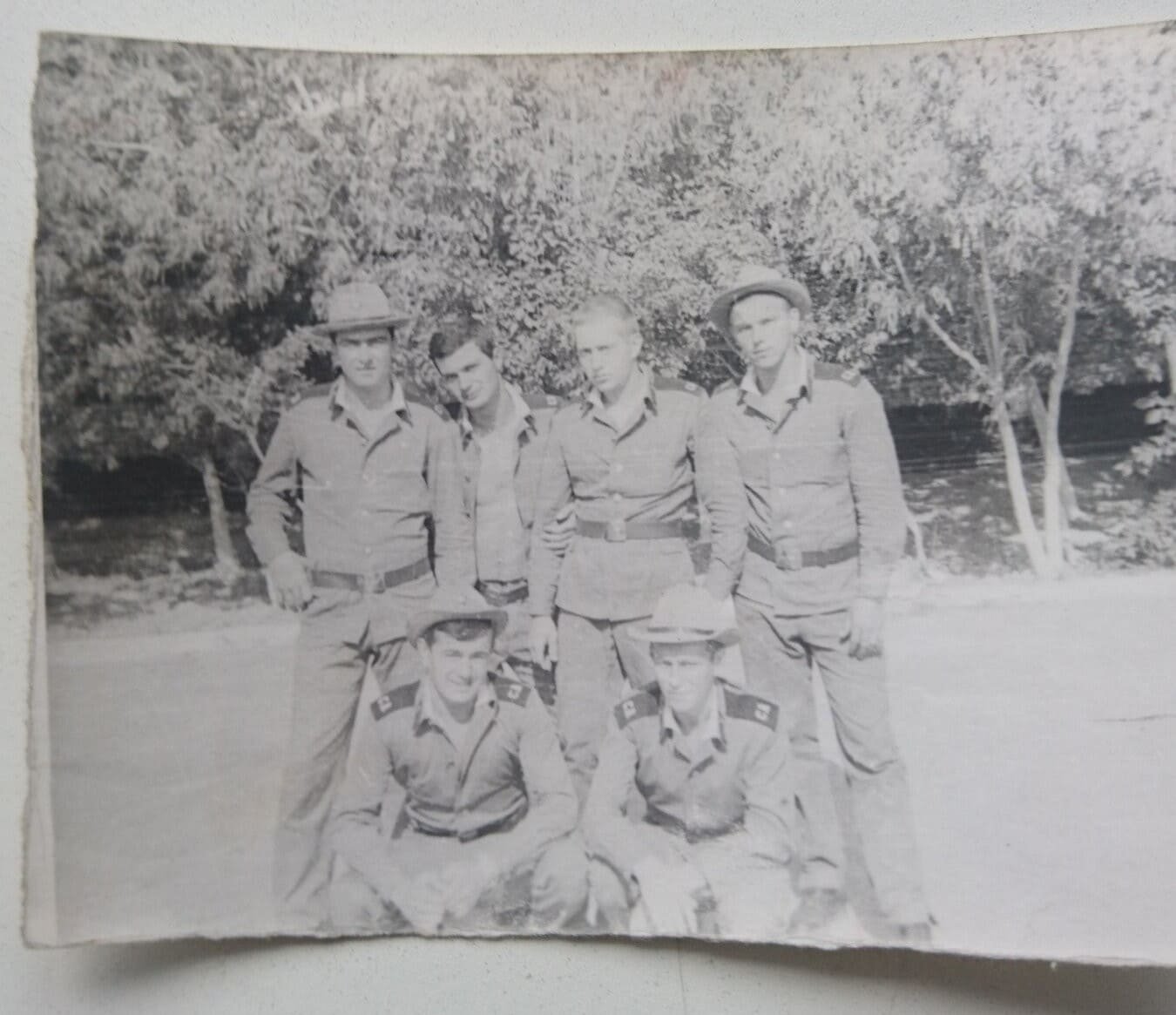
Comfort, field uniform, and the moment “Afghanka” arrived
A big chunk of comments is about discomfort. People describe:
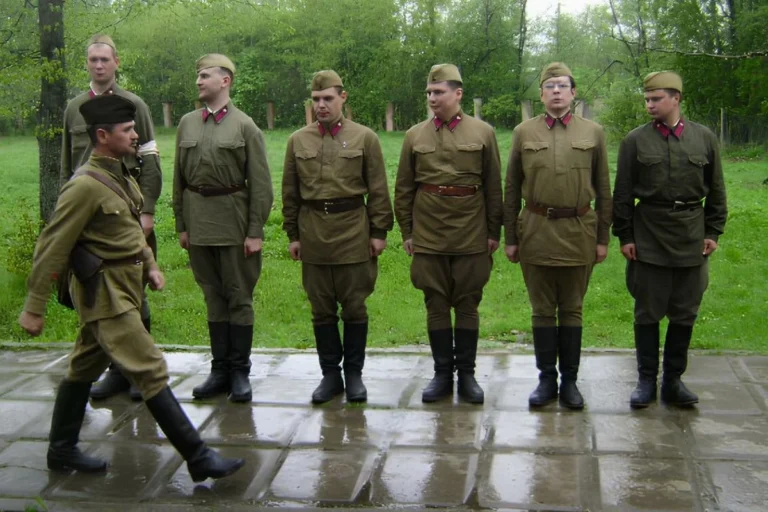
Heavy visor cap with a wide brim
Tight breeches that could rip on seams when you moved
Fitted tunic where you could only march straight on the parade ground
Heavy yuft boots like ‘oak’
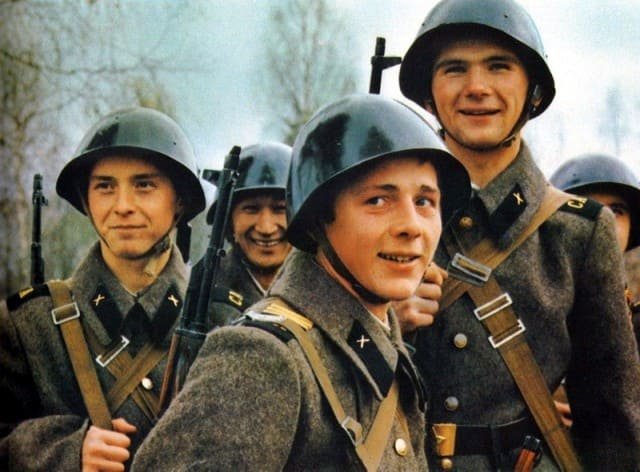
A greatcoat in the field as a total anachronism
Another complaint: wearing the tunic over the trousers was a utopia. It always pulled up, even with the soldier belt and all the gear. Commanders kept shouting: “Tuck it in!”
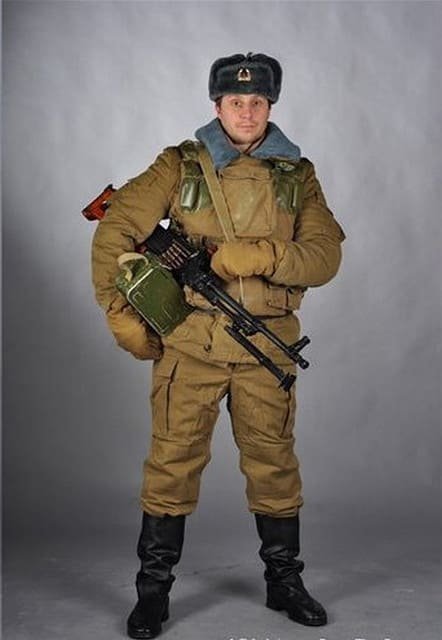
Then “Afghanka” appeared and it was a big relief. Daily uniform was seen as not bad: good material, and if tailored properly it looked good, especially after short-sleeve shirts and daily wool jackets were introduced.
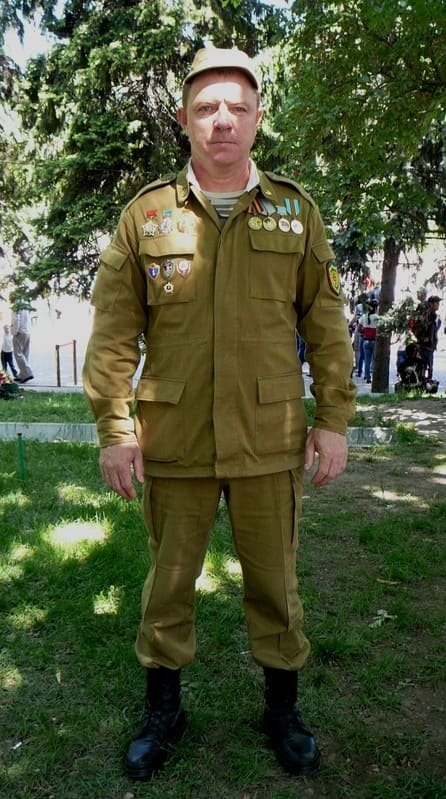
Looking Soviet Afghan combat boots? You can get them here →[Soviet M88 combat Boots]
Late 1990s, collapse years, and “uniform No. 8”
A man who served in 1997-98 in training school says they issued the old uniform like in the first photos, plus boots and greatcoat. You can wear it, but it is ужас. He froze all winter, design from the 1930s. Ushanka was okay. But you cannot fight in that. In the unit he got Afghanka and it was already something – at least not shameful in the city. In the 1990s supply was bad, and people wore “uniform No. 8”: whatever you stole, that is what you wear.
Another comment is very harsh: breeches, pilotka, and especially greatcoats – heavy, stiff trash. In it you can only do drill on the parade ground. On rough terrain it is easier to fall and crawl than walk, and even more than run. Old cotton uniform was not much better.
“Samtsovka”, buying Afghanka, and comparison with modern uniforms
One man served during the collapse of the USSR. They gave old-style uniform, they called it “samtsovka”.
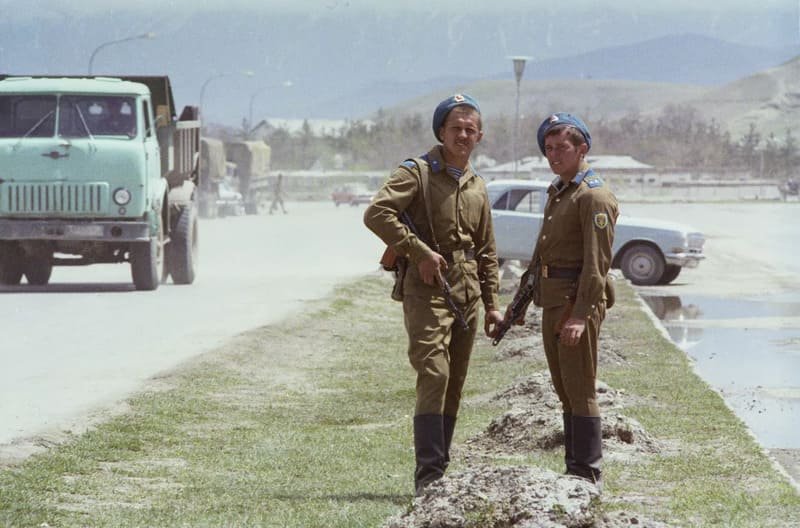
The name “Samtsovka” comes from the word “samets” meaning “male,” because the uniform was simple, rough, and uncomfortable, with no chest pockets and minimal functionality, worn in a tough, Spartan way.
Camouflage was rare. Civilian clothes were forbidden, even civilian long underwear. Army long underwear had two types: thick and warm.
He tells one story: his family sent him civilian long underwear. He wore it for three days, then during an inspection the company commander saw it, forced him to take it off in front of the whole company, and tore it.
After six months they started looking for and buying Afghanka. It was not forbidden, but during inspections or when generals came, everyone had to wear the same uniform. After a year, they started issuing the new uniform, Afghanka. Some companies even got camouflage. His company was the only one later that wore sand-colored Afghanka (they were an auto company). Sergeants got camo.
In winter they had greatcoats and jackets. Greatcoats started coming in a new model, and parade uniform too, but they still wore the old parade uniform and got punished for it.
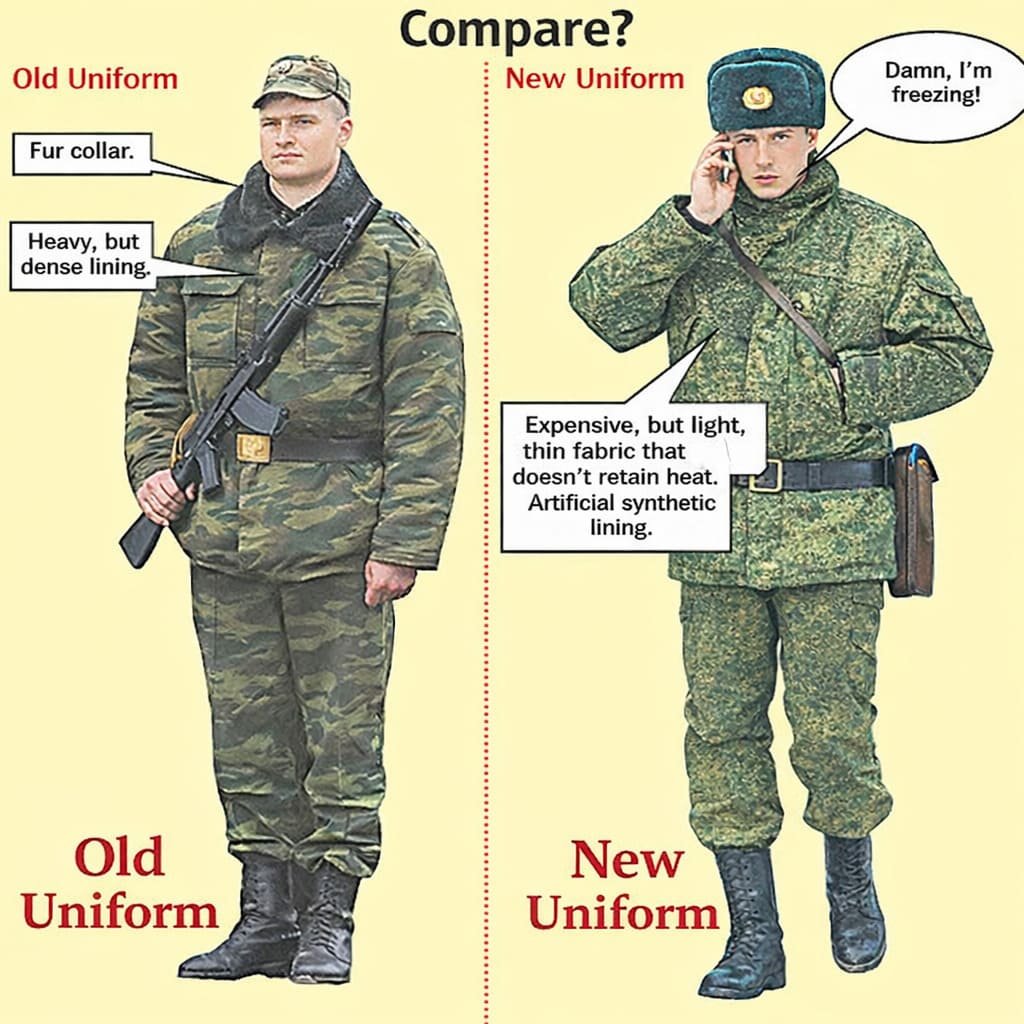
He adds a modern comparison: a nephew brought him modern winter and summer uniforms “by Yudashkin”. Winter set was cold and did not warm you, seams came apart, the collar rubbed the chin. Summer uniform also did not impress him and tore on seams in a month.
Cotton uniform quality: best, worst, and “mabuta”
One person says the best cotton uniform was during and after WWII. The fabric was soft, good to the skin, absorbed sweat well.
The worst was the steklyashka “glass” cotton uniform, also called “snotty”.
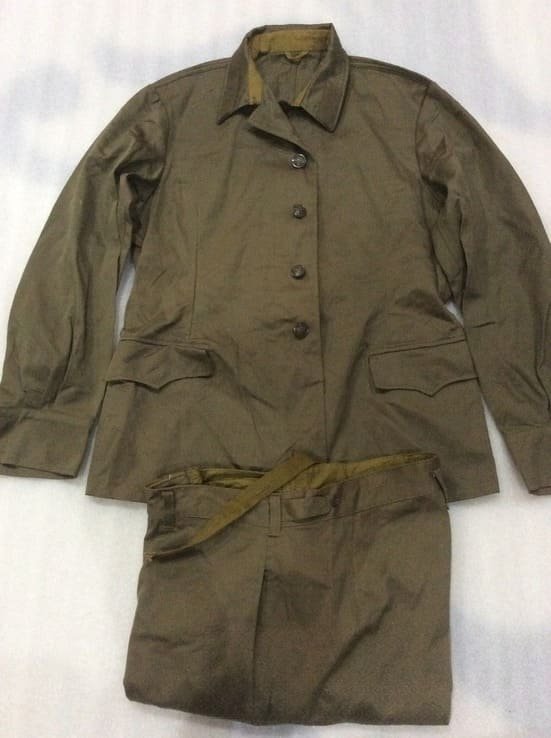
They also mention that the incremental uniform that first came to Afghanistan, “mabuta”, was a gift of fate.
But we pilots didn’t care, we never took off our “national” uniform, which drove the ground commanders furious because it had no shoulder boards.
Military school 1981-1985 and the reality of rules
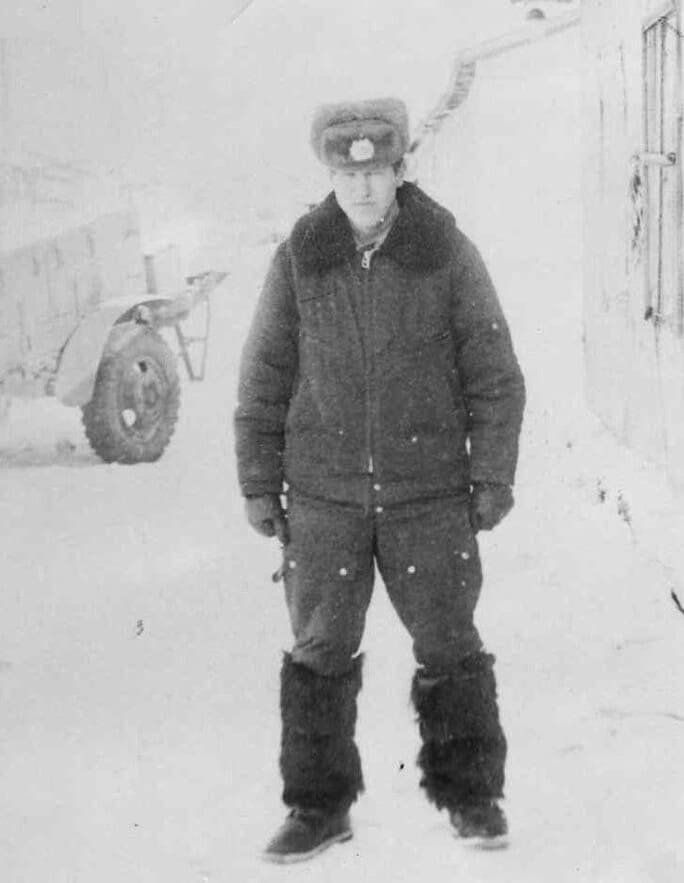
A man who studied in a military school in 1981-1985 says the article is correct. In heat they wore tunics, shirts with shoulder boards for cadets and conscripts appeared later. They had no tactical belts and no sweaters. In guard duty at -20 and below they wore valenki and sheepskin coats. Shoulder boards on shirts, ankle boots and other “comfort” for conscripts came later, in perestroika.
He adds: officers’ field uniform was also uncomfortable – pilotka, shoulder straps sliding to the side, tight breeches, you could not jump a ditch.
He says Afghanka, and then camo in the same cut, plus a jacket, was very comfortable. Early jackets were heavy, but very warm, especially those with patch pockets.
Greatcoat as a sleeping system, and field life
One comment explains a detail many forgot: the greatcoat became just a coat by the end of the 20th century, and soldiers lost the skill to use it properly.
The original idea was: with the back strap unfastened, because of the folds, the greatcoat becomes much wider. You wrap into it across your body, collar to the chest, fold the bottom like an envelope, and it turns into an improvised sleeping bag for the full height of a soldier. Old imperial coats had three pairs of folds, Soviet ones had one.
Another man says: in summer officially they wore cotton uniform with open collar and sleeves rolled up to the elbow. The best Soviet army headgear was the panama.
He also talks about body armor: it was extremely hot, so they tried to attach it loosely. In winter in the mountains, they put on everything: underwear, cotton uniform, jacket, then greatcoat on top, then body armor over the greatcoat, barely closed only while exhaling. You could not fight like that, but you could survive frost for a couple hours.
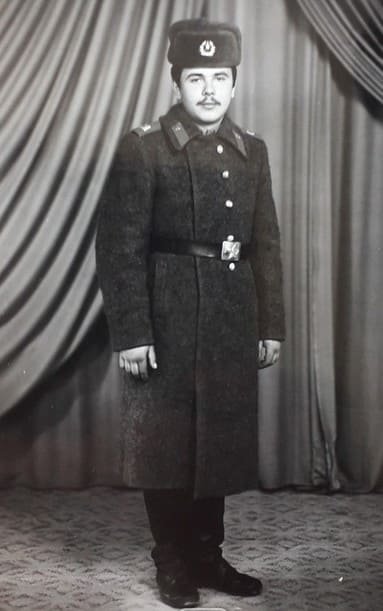
They used the greatcoat as a blanket in autumn and winter. They used the OZK rain cape against rain because tents were full of holes. Out of two years of service, he spent one and a half in tents, vehicles, wagons, and on the ground.
He even says: the greatcoat is a great rescue tool if the tent catches fire. The main thing is to cover yourself with it and not crawl out while the tent burns, because it happens very fast.
He served in Nagorno-Karabakh. Thirty years passed, and there is war again. He says: “May it be cursed.”
More about hot climates, water rules, and “one uniform for everything”
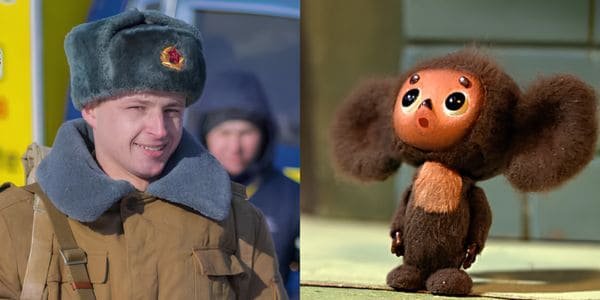
One man says: during conscript service 1994–1996 he wore the cotton uniform of the 1947 model with a side cap. Then they switched to Afghanka. The biggest celebration was switching to the winter Afghanka, which he still considers a model of comfort. The fur collar was called “Cheburashka fur.” The greatcoat and padded jackets were also happiness.
He says: in material quality and comfort, the best was the pre-war gymnastyorka that somehow survived in storage. After that came the “glass” cotton.
About shirts: shirts had attachments for shoulder boards. And when temperature was above 30C, it was allowed to wear a parade shirt without a tunic, sleeves rolled up, and top button open.
In his place summer reached +45. Maybe against the rules, but they allowed Afghanka with top button open and sleeves rolled up. There was even an order: you could not leave buildings without two canteens filled with water, and duty soldiers had to check if your canteens were full.
A key complaint: the worst thing was that the uniform was one for everything. No working uniform, no spare set. Over time people got what they needed, but they wanted it issued, not to “loot” it.
Someone says: try running in a greatcoat even without weapons and gear. And they fought in it.
Another explains the logic: it was expected that a new world war could happen any day, bigger than WWII, and they needed tens or hundreds of sets. Comfort was not the priority. Industry produced what it could by the price-quality ratio.
Pilotka cap, tank overall, newspapers in boots
One man (served 1984-1986 in a tank regiment) says the only thing he agrees with is that the pilotka cap was bad. But tank overalls, both summer and winter, were fine: comfortable, many pockets.
They wore non-regulation suspenders with cotton and wool pants, and officers did not care, but for inspections they removed them.
Foot wraps were more practical than socks. And the division newspaper was your best friend in brutal cold: you could put it in boots or wrap your lower back.
Different materials by rank, and what was issued to a conscript
One comment says: materials were different by category. But the basic uniform for soldiers and conscript sergeants was still good quality.
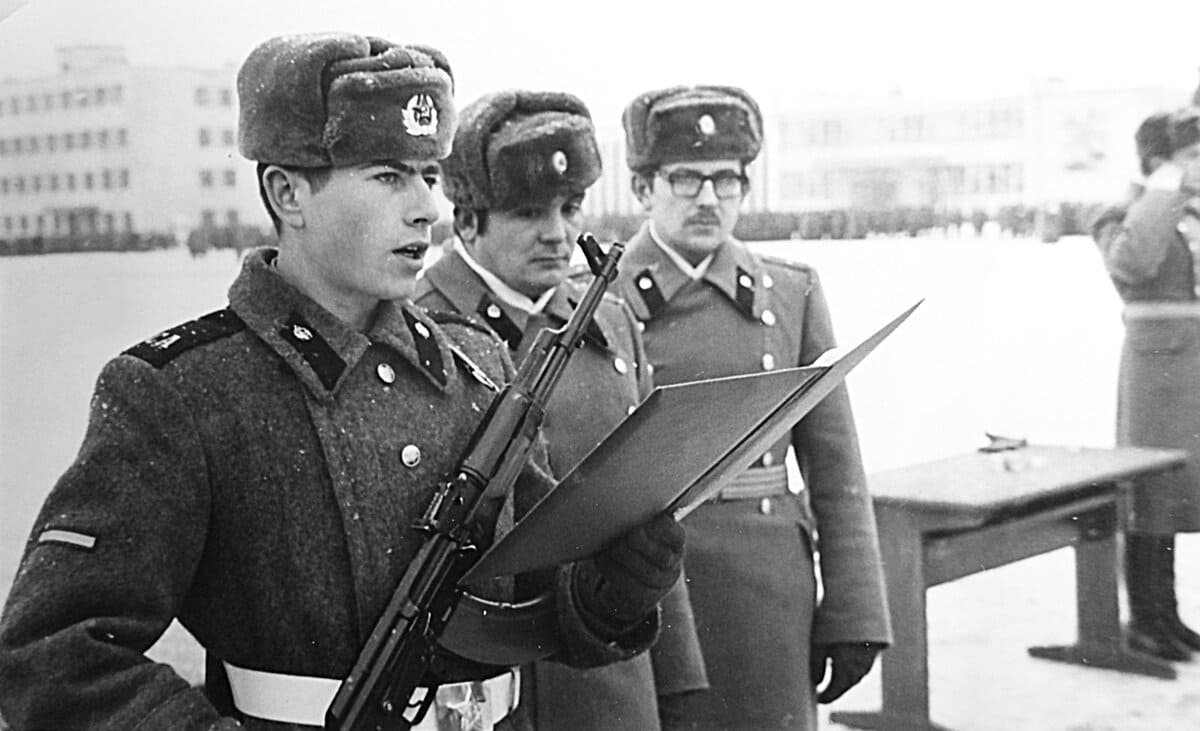
He explains the logic: the soldier is a temporary man in the army. They dressed him from A to Z, and he would wear all that only for two years. Greatcoat, parade uniform, cotton uniform, chrome boots, plus a lot of other stuff. On the navy, the clothing record was even richer and more expensive. Today soldiers are not dressed like that.
He adds historical context: in the 1930s Red Army soldiers had cotton gymnastyorka, boots, greatcoat, winter helmet plus side cap. No parade uniform existed. Only collar tabs and a small star. Pretty Spartan. The process of making uniforms more decorated started in the early 1940s. So Soviet uniform was not the worst.
“Breeches from 1904”, parade uniform “a misunderstanding”, and modern synthetics
A man from ZabVO 1975-77 says the uniform was not practical. The breeches looked unchanged since around 1904. They adapted because there was nothing else. About parade uniform he says he does not even want to talk: it was just a misunderstanding, better to wear cotton.
Another comment says: Soviet uniforms were made from natural cotton and wool, with natural wadding, fur, felt. You could fight in trenches and snow. Modern Russian uniforms are made from “Chinese glass fabric” with the same kind of insulation, and you cannot fight in it, you can only run away.
Someone says: the greatcoat was only good as a blanket. As clothing it was zero.
Someone answers: what do you mean “100 years unchanged”? It was practical and was in Berlin in 1945. And better than foot wraps is a second pair of foot wraps. Cotton could be worn even in winter. Wool was also great. And now it is synthetics “like NATO”.
Navy 1989-92 and how strict it could be
A man served in the navy 1989-92. In training school in Kronstadt it was strict: everything had to be regulation, even your face.
He never even heard about tactical belts. So the ammo pouch with magazines would slide to the belt buckle during marches and hit painfully.
After six months he went to the Northern Fleet, and the attitude to uniform was much simpler.
He remembers the division commander saying: “You are submariners. And it will make me very sad if any of you walks around in long underwear. So write home, let your mothers send warm вещи.” He says it close to the original words.
Quality was good. A brushed telnyashka was amazing. Better than a fisherman sweater.
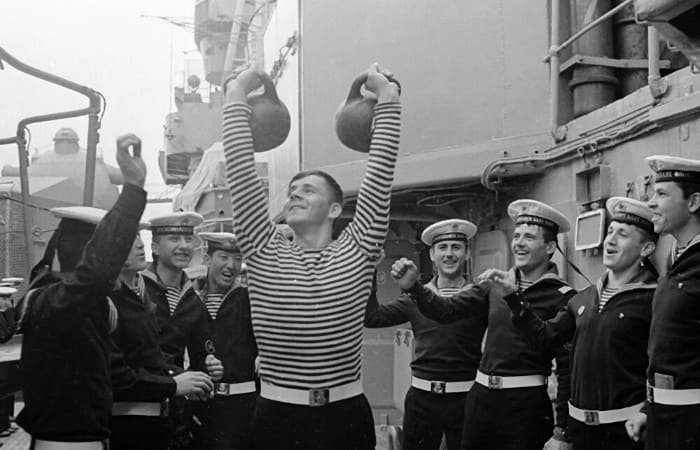
Looking for Soviet Telnyashka? You can get them here → [Soviet Telnyashka]
He disagrees about comfort: the work uniform was loose-fitting and comfortable. Parade uniform is parade uniform everywhere.
“You can’t compare soldier, cadet, and officer uniforms”
One comment says the article mixed things up. You cannot compare soldier, cadet, and officer uniforms.
Cadets wore officer-grade gear: officer greatcoat, chrome boots, real sheepskin winter hat, leather belt, etc.
Soldiers had simpler and lower quality: greatcoat, kirza boots, artificial “sheepskin”, artificial belt.
In summer they were allowed to wear parade shirt in leave, if you had a place to attach shoulder boards.
Everything was tailored to fit, especially in the second year of service. In the first year it was not allowed, older soldiers controlled this strictly.
In the second year many tried to get an officer winter hat and a leather belt. Other changes were not allowed.
He ends with the same point: if the uniform is tailored to your body, steamed and ironed, it can look fine.
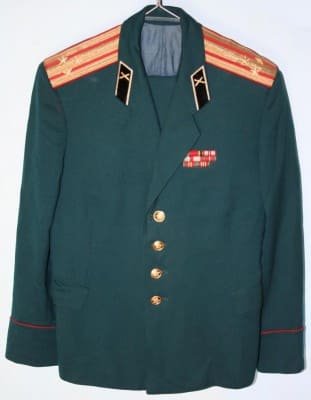
RVSN Latvia 1971-73: daily uniform ok, parade uniform were atrocious.
A man served 1971-73 in RVSN on the territory of modern Latvia. Daily uniform was durable. Cotton sets were issued every six months, boots for one year.
He had no complaints about daily uniform. But the parade uniform was ugly and miserable. Their unit was in deep forest, there were basically no leaves. But when demobilization came, they had to suffer with parade uniform: tailor, re-tailor, fix it.
He says: in his time there were no thoughts about fancy demobilization decorations. Today’s demobilization style would never be allowed back then.
The deeper argument: field uniform and training conflict
One long comment says it is hard to agree with the article, because the base of the uniform (daily and field) was basically a simplified late 19th century design, and the gear in 70-80s was the same logic.
When the soldier and cadet have only one set for field and daily use, there is a natural choice: keep it clean and looking proper, or train hard. If you get punished today for dirty uniform, and war is “not expected”, then people choose appearance, and it affects real training.
Foot wraps that saved feet
One man says his father provided him with good foot wraps. They were soft like flannel and very absorbent. His feet did not sweat, and during marches he did not get blisters, unlike others. This fabric was produced at his father’s factory for troops at Cam Ranh city base.
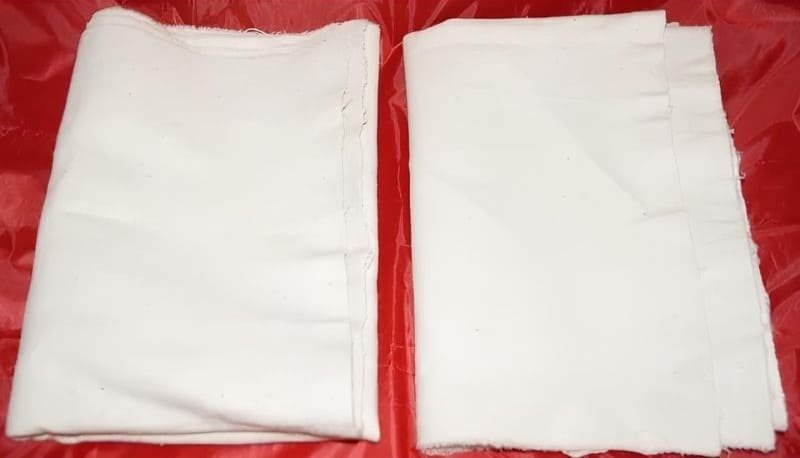
Looking for original Soviet portyanki from old stock You can find them here: Soviet Portyanki
The strongest “support article” comment: everything was awful
One veteran says he fully supports the article: the uniform was terrible. Everything was uncomfortable – outer uniform and underwear.
Pilotka was a complete nonsense. It did not work in summer or mid-season, it did not stay on your head at all: you bend and it falls.
He also talks about the long underwear seam between the legs. During forced marches it rubbed your butt and the area between the legs. He calls it a separate hell and asks who invented it.
Conclusion
These comments show how different real service could be depending on the branch, the region, and the year. For some, the Cold War Soviet Army Uniform was practical and durable. For others, it was uncomfortable and outdated.
But the debate does not end here. In Part 3, we will continue with more direct veteran voices – including stronger criticism, defense of traditional gear like boots and foot wraps, and a deeper look at whether the uniform was truly made for war or simply stuck in the past.
If you have not read previous and next parts, you can find it bellow:
Cold War Soviet Army Uniform: Why It Was Uncomfortable for Daily Service – Part 1
Cold War Soviet Army Uniform: Real Voices of Soviet Soldiers – Field Experience Part 3
More articles about Cold War and Afghan period:
Guide of the Soviet Afghanka Uniform (M88)
Soviet Spetsnaz Uniform in Afghanistan (1979–1989)
How the Soviet Army Uniform Changed from 1955 to 1991
Field Uniform and Equipment of the Soviet Army (1968–1991) – Part 1
Looking original Soviet boots and accessories? Please visit here: Soviet Boots Store