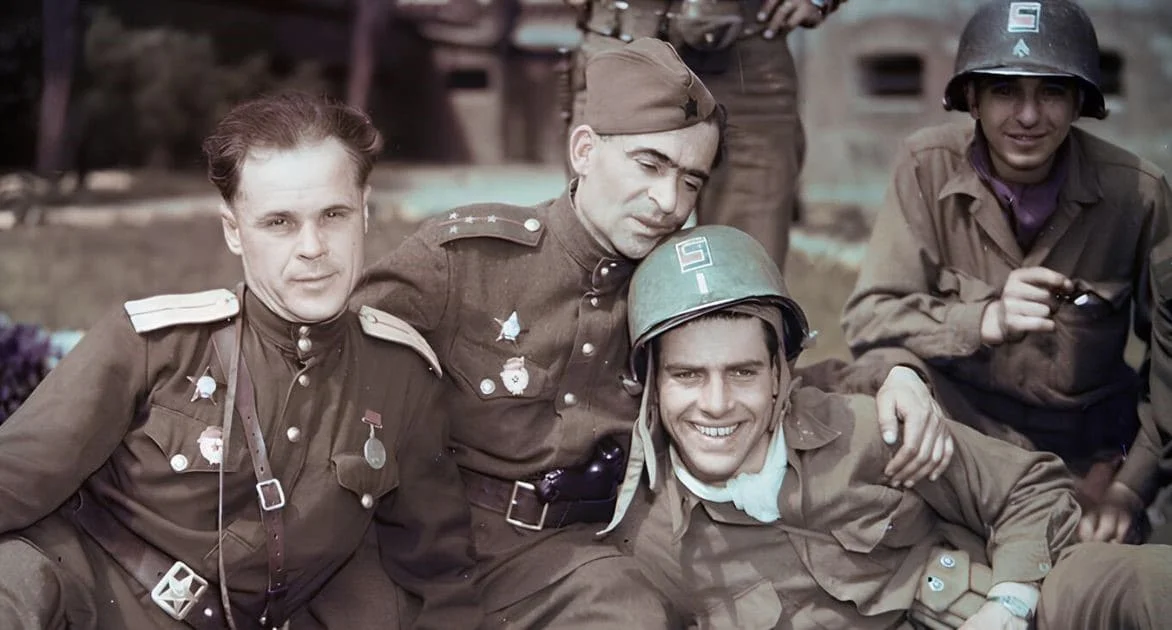
This WW2 uniform comparison looks at Soviet, US, German, British, Japanese, Italian and French gear to see which army had the best uniform.
People always compare comfort, warmth, and how practical it was for a soldier in the field. Military gear must be easy to move in, strong, and still look good. So which army had the best uniform during the war?
If you want to see Cold War uniforms, check my guide: Soviet Army uniform 1968–1991.
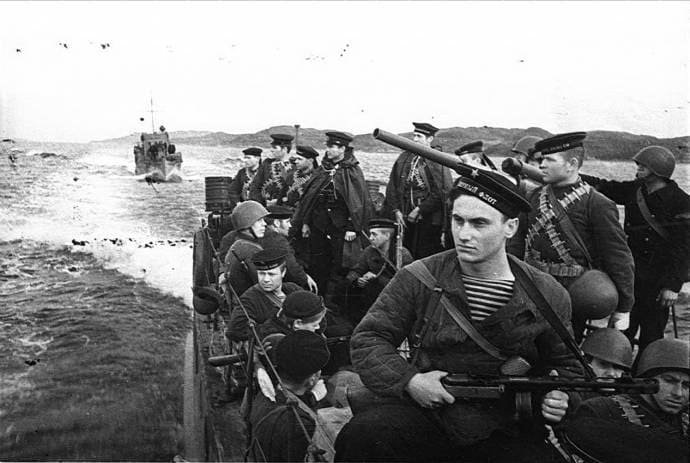
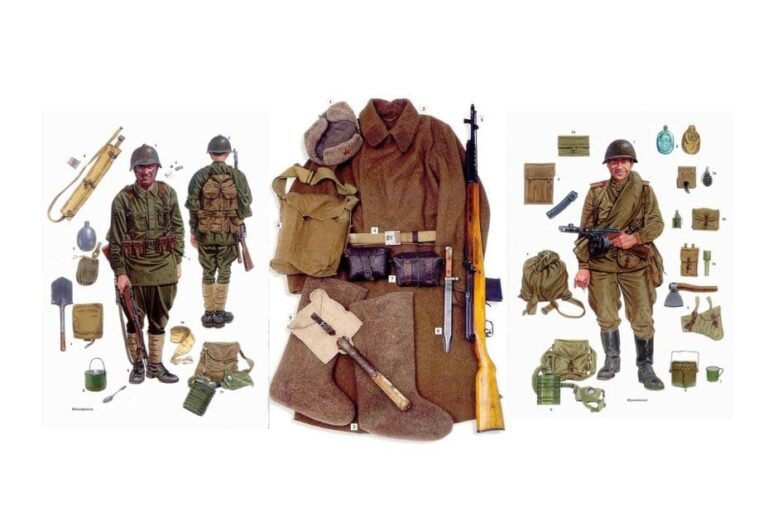
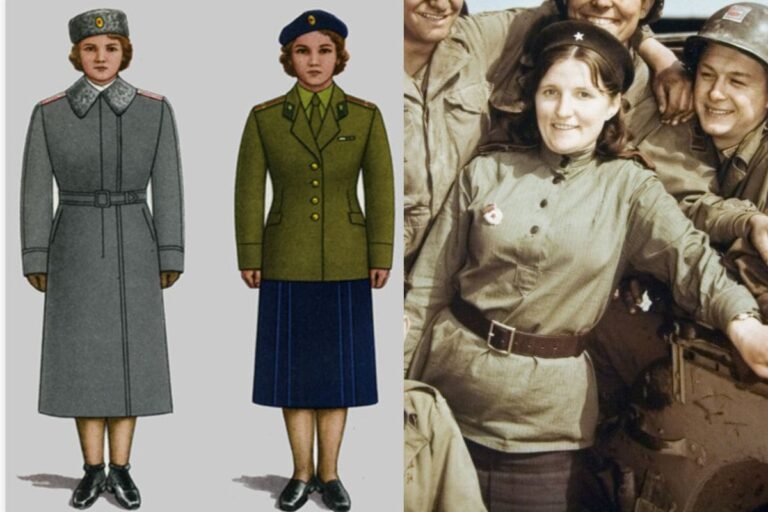
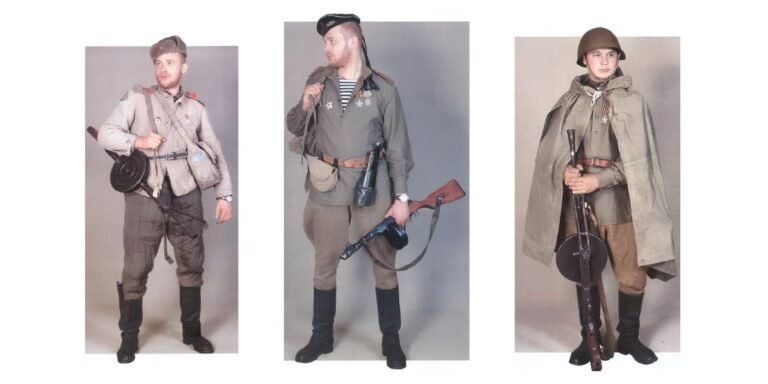
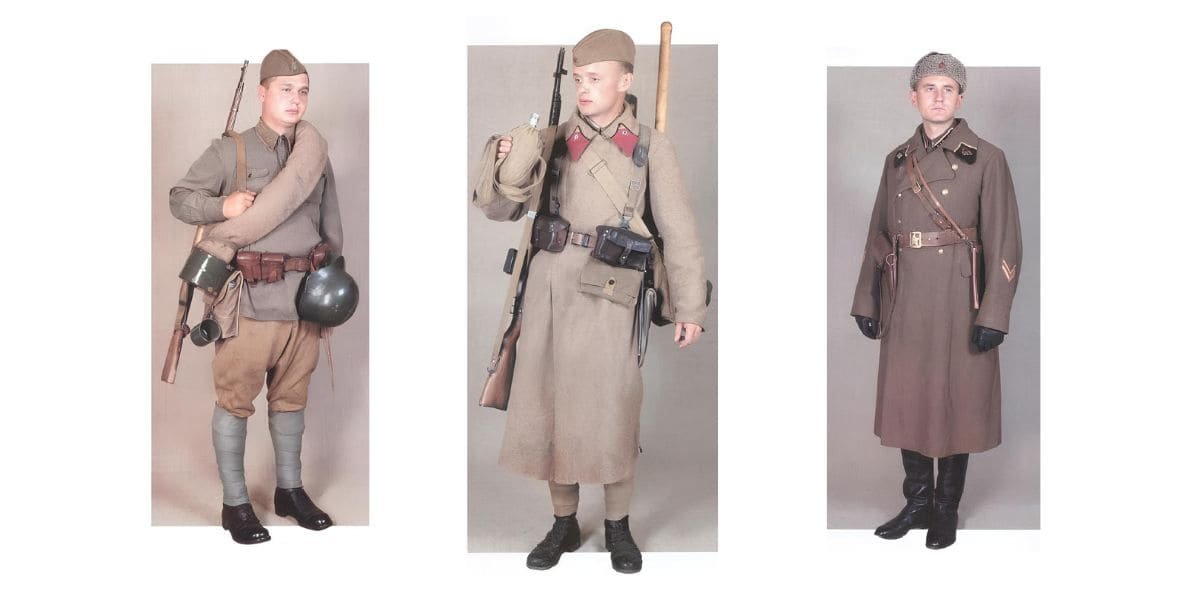
Soviet WW2 Uniform
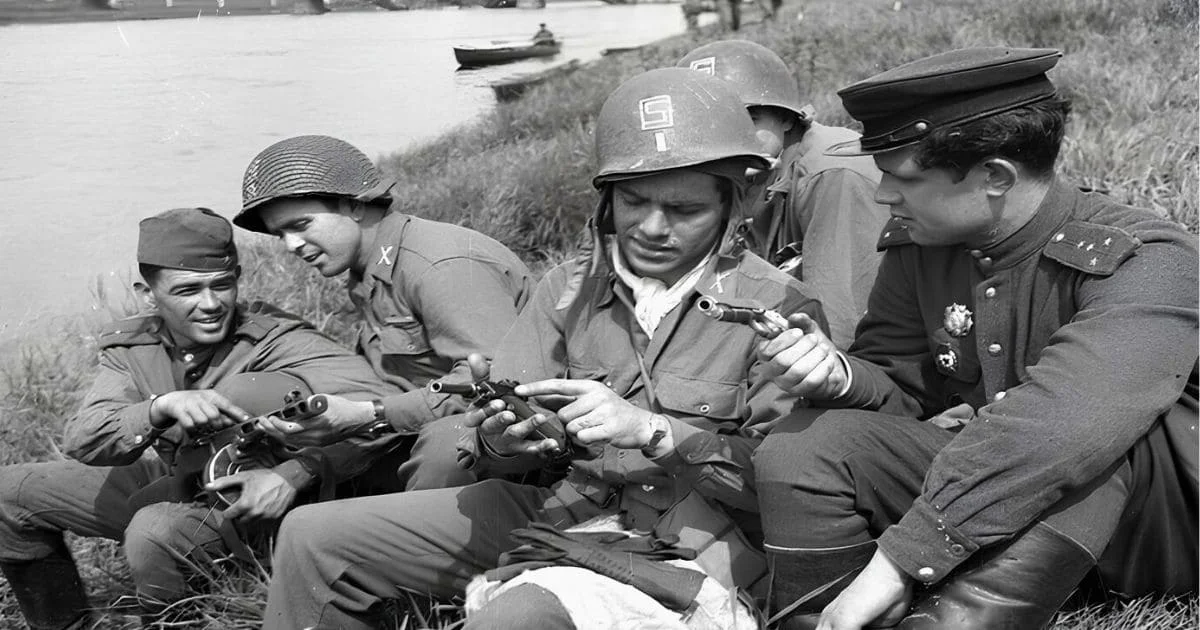
Soviet soldiers rarely complained about their gear. In summer they wore helmets or pilotka caps.
The most comfortable helmet was the SSh-40.
Even marshal Semyon Budyonny tested it by shooting it with his pistol. Soldiers liked their sharovary trousers and gimnasterka shirts, which often had useful slit pockets.
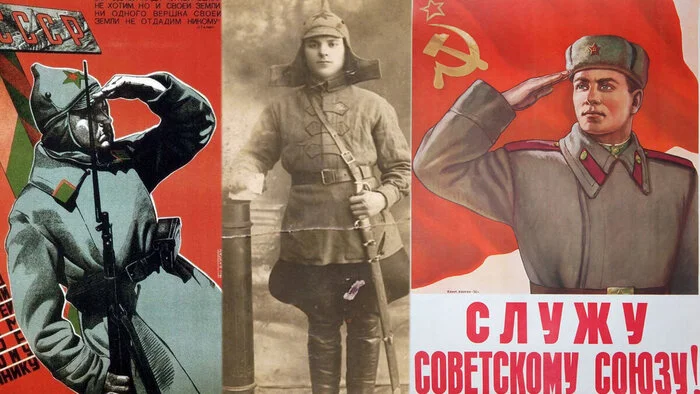
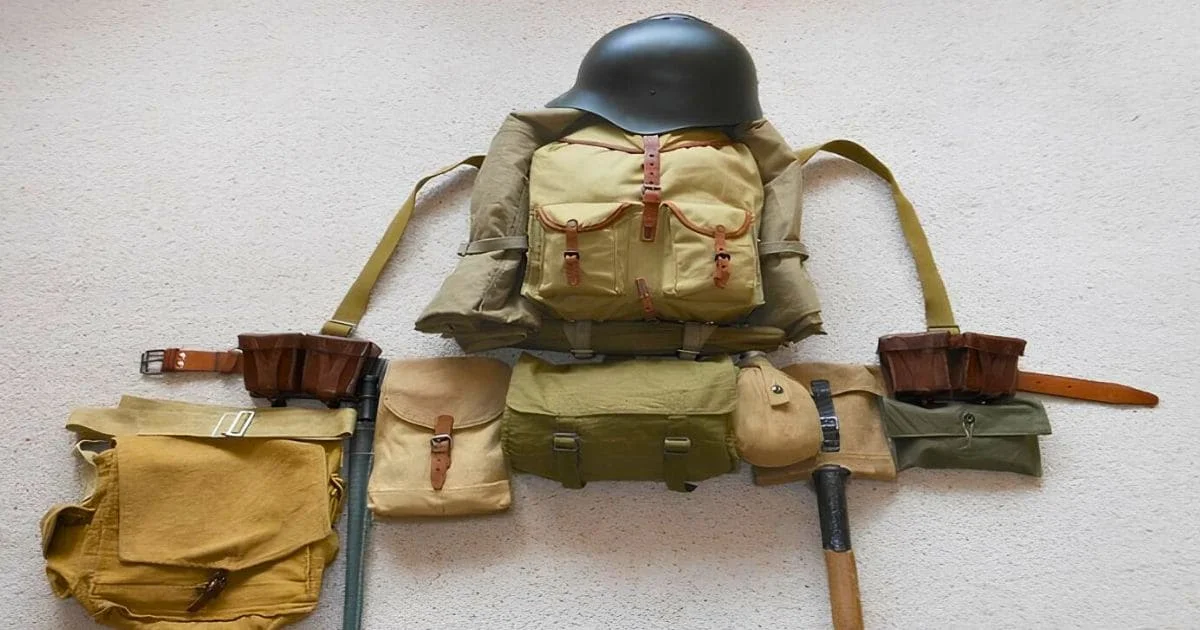
Soviet troops carried bags, small backpacks, grenade pouches that attached to the belt, and a separate bag for the gas mask. In winter they were issued valenki boots, warm pants, fur mittens, and either a short fur coat or a telogreika jacket. Their classic ushanka hat protected the head and had adjustable earflaps.
Ammo bags were especially convenient, they had space for everything, even an axe. Winter uniforms had many pockets and were made based on real soldier feedback. One veteran of the Rzhev battle said he was amazed by the quality of Soviet clothing.
German WW2 Uniform
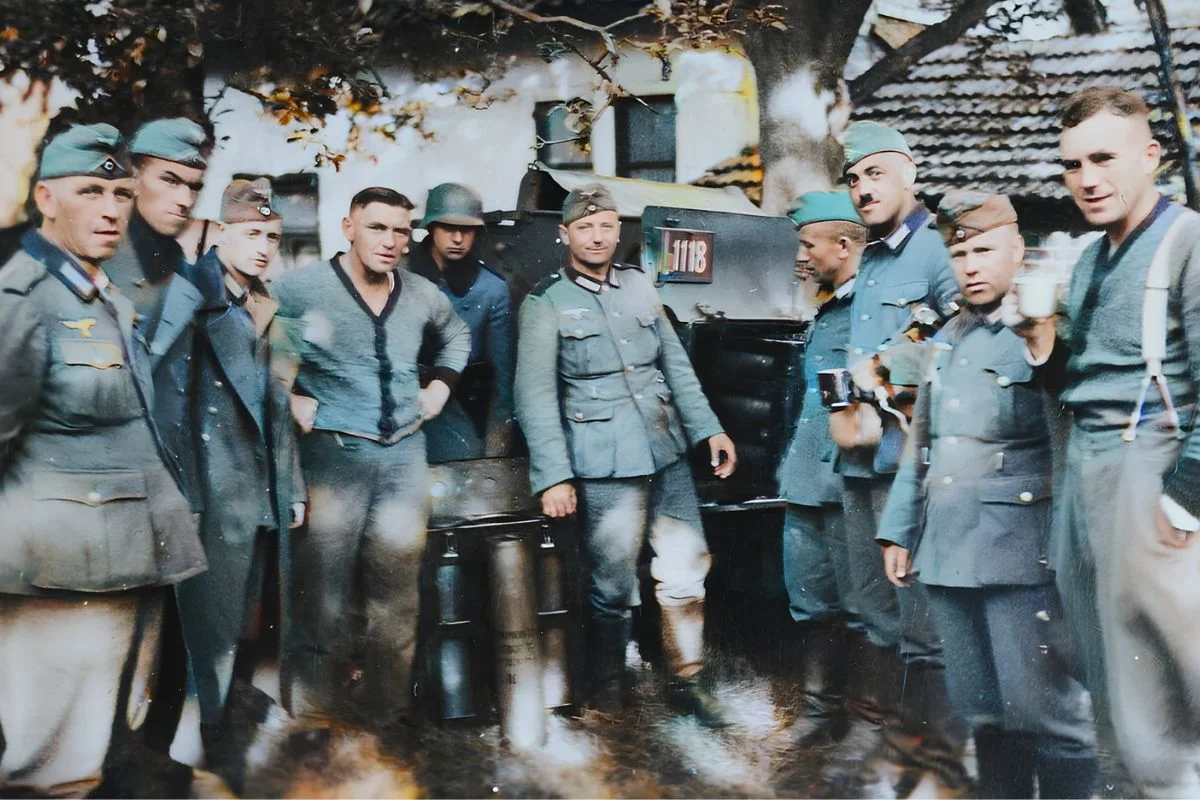
German uniforms came from Hugo Boss factories. At the start of the war a German soldier received a greatcoat, webbing, a shelter half, a mess kit, a steel helmet, and a gas mask container. This was good for the European climate, but not enough for the Eastern Front. They suffered a lot in their first winter.
Later the German WW2 uniform included warm trousers, jackets, sweaters, wool socks, and gloves, but it still wasn’t enough for the extreme cold.
Looking for WW2 playing cards? You can get them here → [WW2 playing cards]
Why Soviets Survived Winter Better
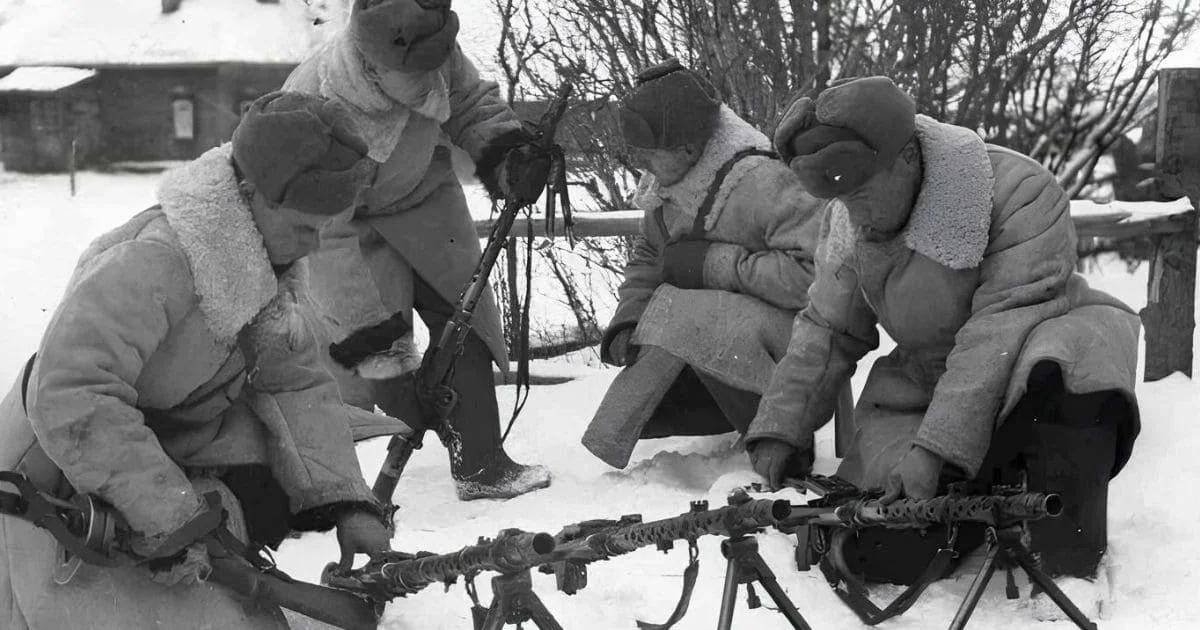
The Soviet WW2 army uniform was much warmer and better adapted to brutal weather. Soldiers wore boots with puttees, sometimes boots made of elk leather. A German eyewitness said Soviet soldiers looked like they were wrapped in lots of layers, almost like walking in padded armor.
In winter Soviet army were issued valenki boots, warm pants, fur mittens, and felt coat or a telogreika jacket. Their classic ushanka hat protected the head and had adjustable earflaps.
Looking for an original Soviet ushanka?
You can order a original USSR winter hat here: Soviet Winter Ushanka
British WW2 Uniform
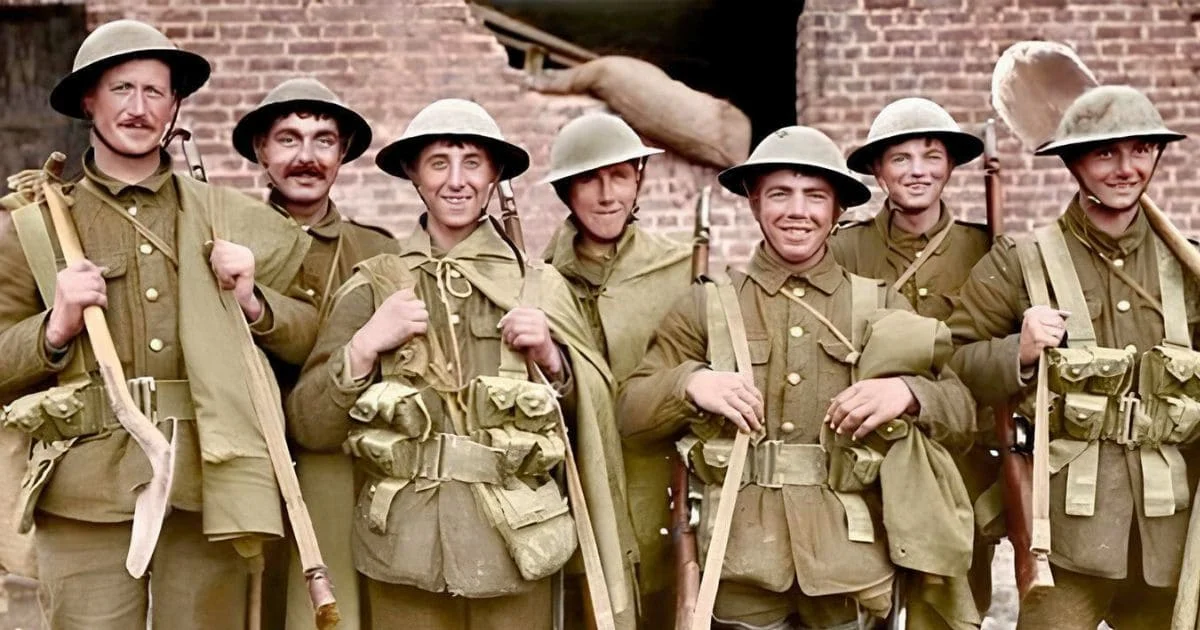
British soldiers wore a wool shirt or blouse with a collar, lightweight boots, a steel helmet, a gas mask bag, and a holster on the belt. By the start of WW2 the British updated their uniforms and issued them first to recruits or soldiers with worn-out gear.
The uniform didn’t change much through the war, some buckles were improved and some items got extra lining to prevent skin irritation. In winter the British used knitted under-helmets and heavy coats with down lining. They were heavy, but soon the color khaki became the standard. Many European armies later copied this British color.
American WW2 Uniform
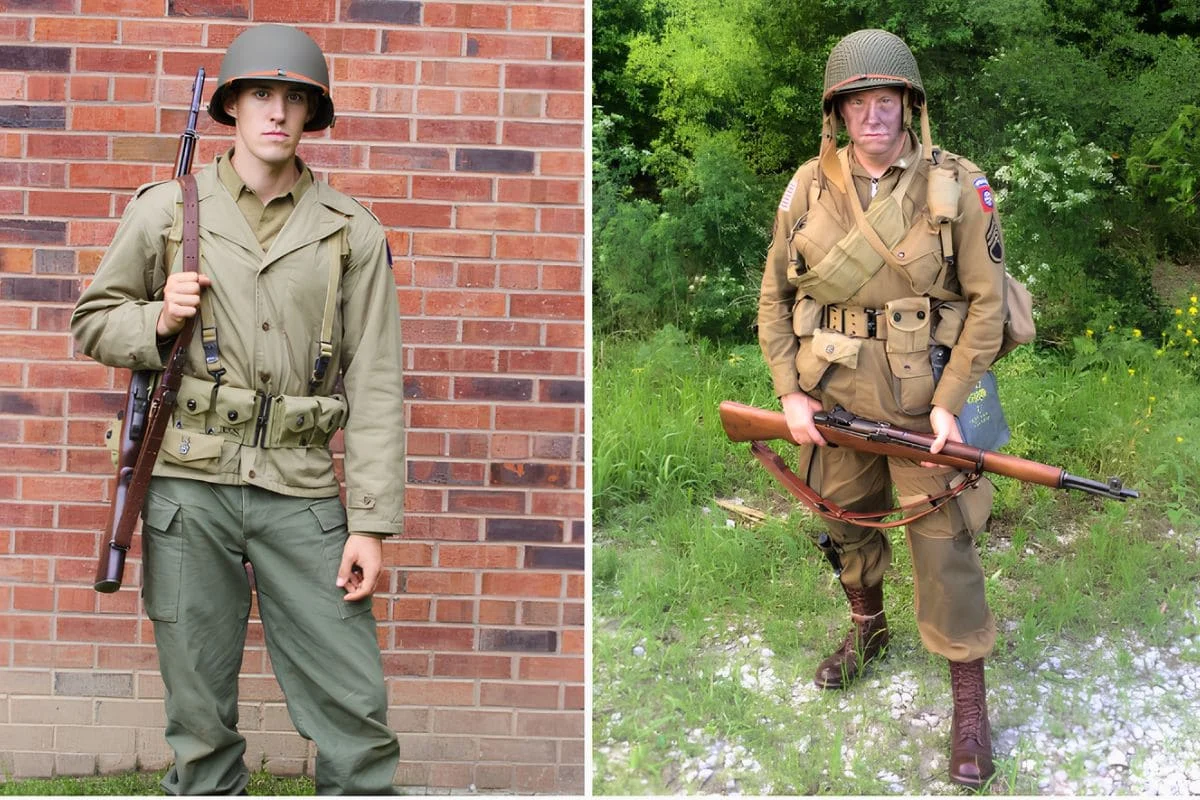
The USA WW2 uniform was the most practical.
It was constantly updated during the war. At first, soldiers wore overalls, but later these were replaced by a wool shirt and trousers. A lightweight jacket with easy buttons became standard. There were rubber-lined pockets, brown boots, and a side cap.
In winter, Americans used warm parka jackets and heavy insulated boots. US commanders believed their uniform was the best in the world, and Soviet soldiers often praised the durability of American boots.
Japanese WW2 Uniform
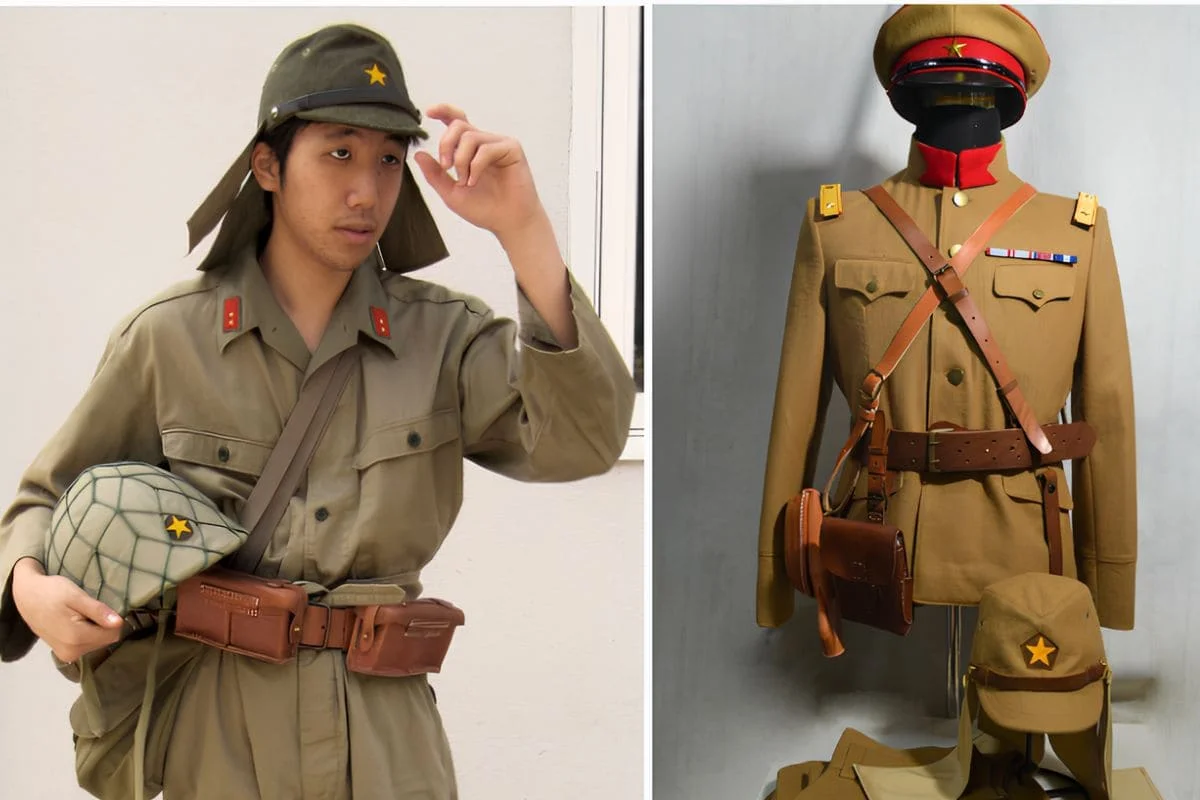
Japan used three main types of uniforms.
Each included a greatcoat, shelter half, tunic, and trousers. In warm seasons soldiers wore cotton; in winter they switched to wool. Helmets protected the head, and leather or canvas boots were common.
The warmest layers available were long underwear, quilted pants, and heavier coats, but overall, Japanese soldiers were not well protected from cold weather.
Italian WW2 Uniform
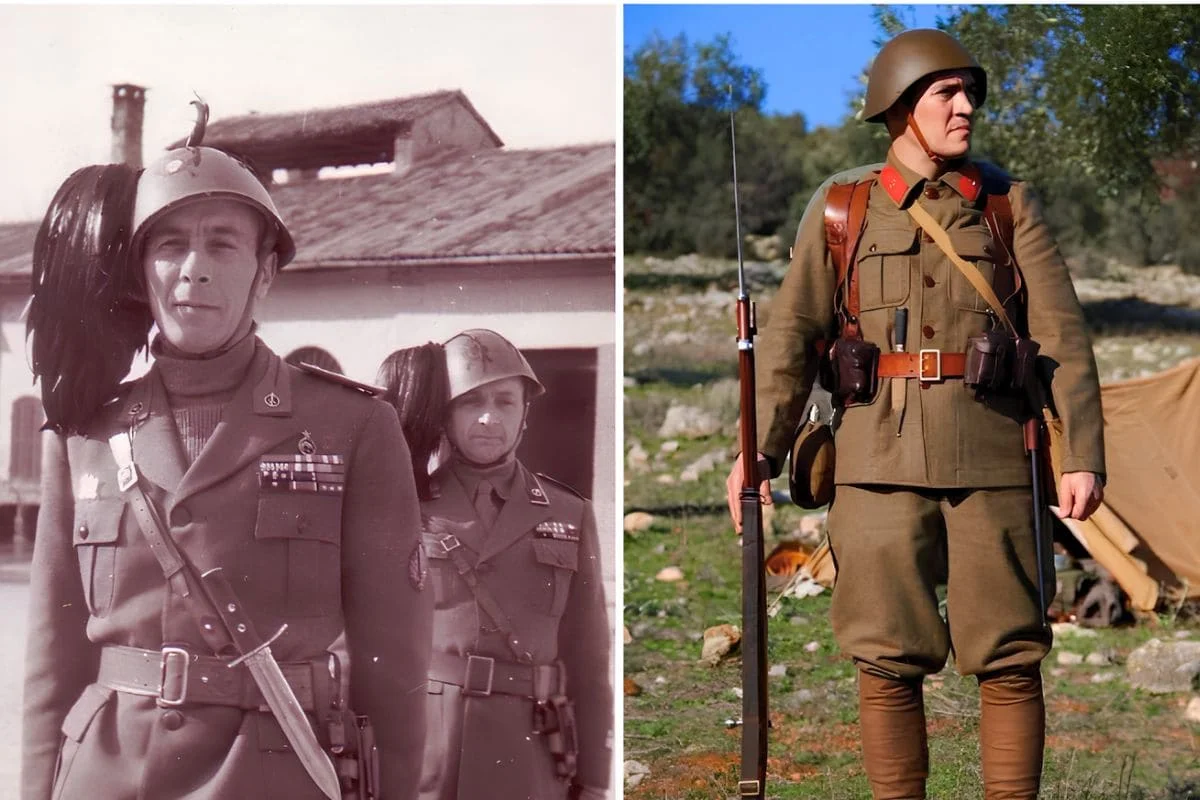
Italy used a lighter WW2 army uniform.
Troops wore breeches with puttees, sometimes made of wool. Some units used short riding-style trousers. Boots reached the ankle. The top part included a shirt with a tie, a tunic, and a belt.
In winter this uniform was a disaster. The Italian greatcoat was low-quality and did not keep the soldier warm. Italy had almost no proper winter gear, except for rare mountain units. Because of this, during the first war winter 3,600 Italian soldiers froze to death when temperatures dropped to –42°C.
French WW2 Uniform
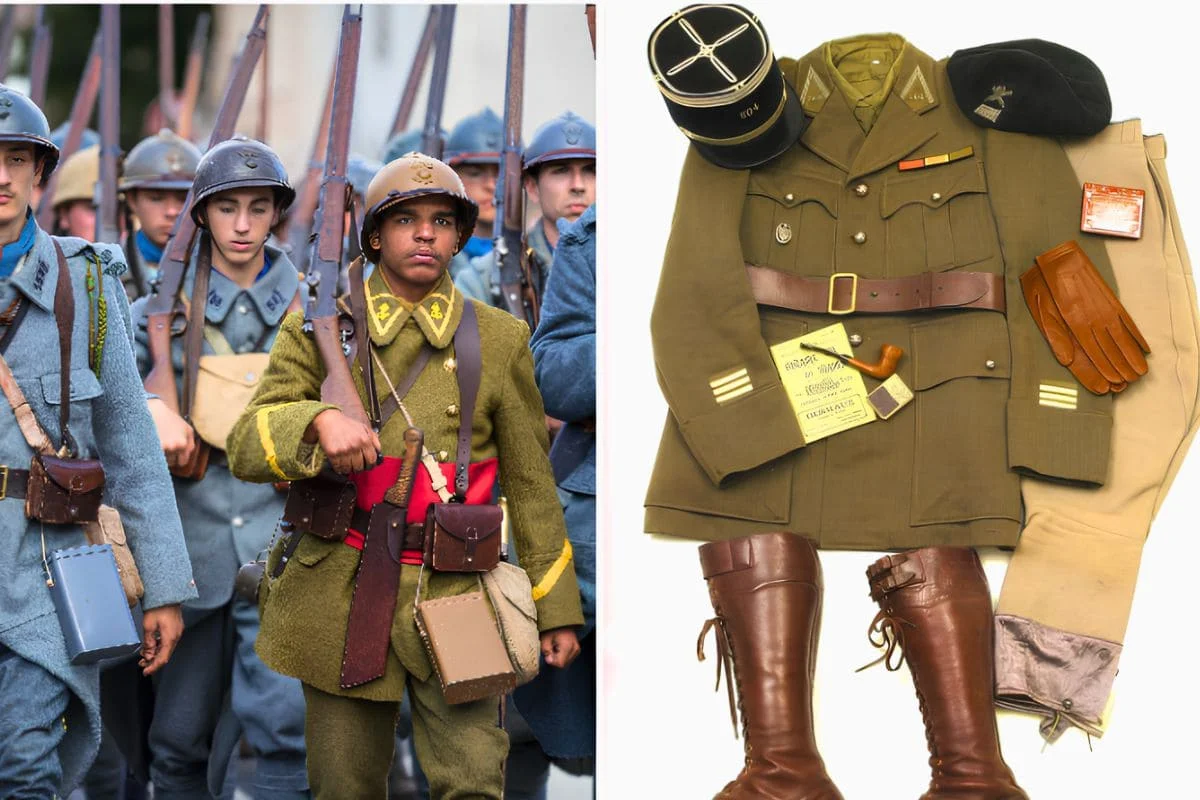
The French army wore colorful, stylish uniforms.
They had double-breasted coats with flap pockets and single-breasted tunics. Some tunics even buttoned in the back. Infantry used breeches with puttees.
On their heads French soldiers often wore the iconic Adrian helmet or a kepi. The helmet looked good but didn’t protect from bullets, it was more about appearance than safety. In cold weather they wore sheepskin jackets. French gear looked elegant, but it was not the most comfortable or practical for real combat.
Still looking for WW2 playing cards? You can get them here → [WW2 playing cards]
Check more articles:
Equipment Set of a Red Army Soldier in 1941 and 1945
Field Uniform and Equipment of the Soviet Army (1968–1991)
Red Army Uniforms of the Russian Civil War (1918–1922)
Soviet WW2 uniform 1941-1942 guide