This article is a practical guide to the Soviet Army uniform 1968–1991, with photos of real gear and reenactment kits.
New article:
How the Soviet Army Uniform Changed: From M69 to Afghanka & M88
The Internet has a lot of information about Soviet uniforms and Soviet military gear, but it’s usually scattered and not very systematic. A few years ago I became deeply interested in Soviet uniforms, and this curiosity eventually grew into this article.
Telnyashka: History of the Russian Navy and VDV Striped Shirt
Field Uniform and Equipment of the Soviet Army (1968–1991) – Part 2
Field Uniform and Equipment of the Soviet Army (1968–1991) – Part 3
Field Uniform and Equipment of the Soviet Army (1968–1991) – Part 4
Soviet Spetsnaz Uniform in Afghanistan (1979–1989)
If you’re interested in WWII uniforms, check my comparison of Soviet vs German vs US WW2 uniforms:
Best WW2 Uniform: Soviet vs German, USA, Japan, France. Who Had the Best Army Gear?
I’m not claiming to be the ultimate authority, so if someone knows more, feel free to correct or add information. In this text I’m not covering insignia and rank markings, only field clothing and gear.
A bit of history
Long before WWII, the Russian Imperial Army introduced a practical field uniform consisting of khaki trousers, a gimnastyorka shirt-tunic, greatcoat (shinel), and high leather boots. We’ve seen this uniform many times in movies about the Russian Civil War and the Great Patriotic War.
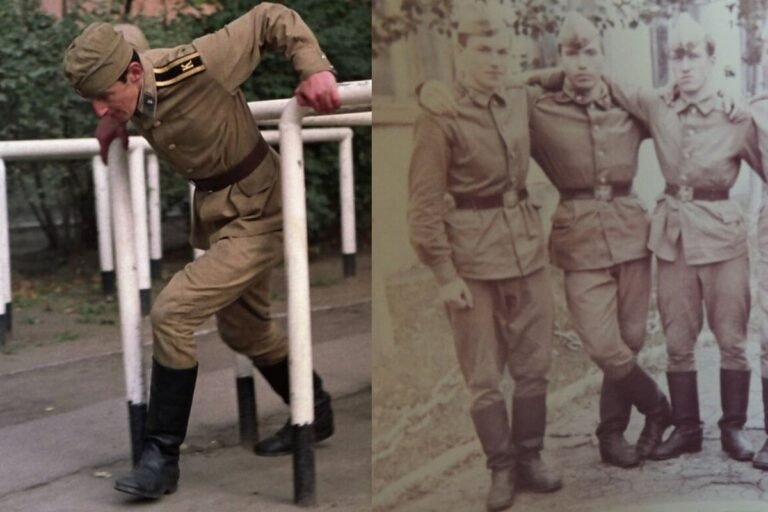
This WWII-era look, gimnastyorka, breeches, pilotka cap, and boots, remained almost unchanged for decades. There were several uniform reforms, but they mostly affected parade dress: piping, collar tabs, shoulder boards. The field uniform stayed nearly the same.
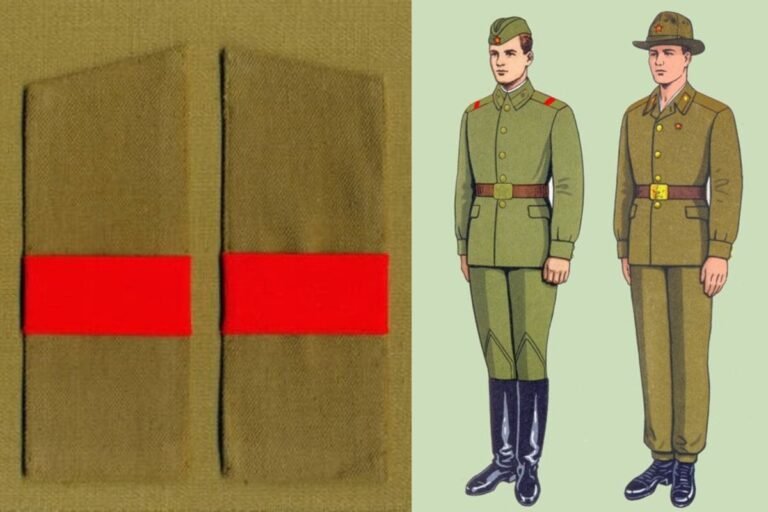
Soviet Army uniform 1968–1991: the 1969 field uniform reform.
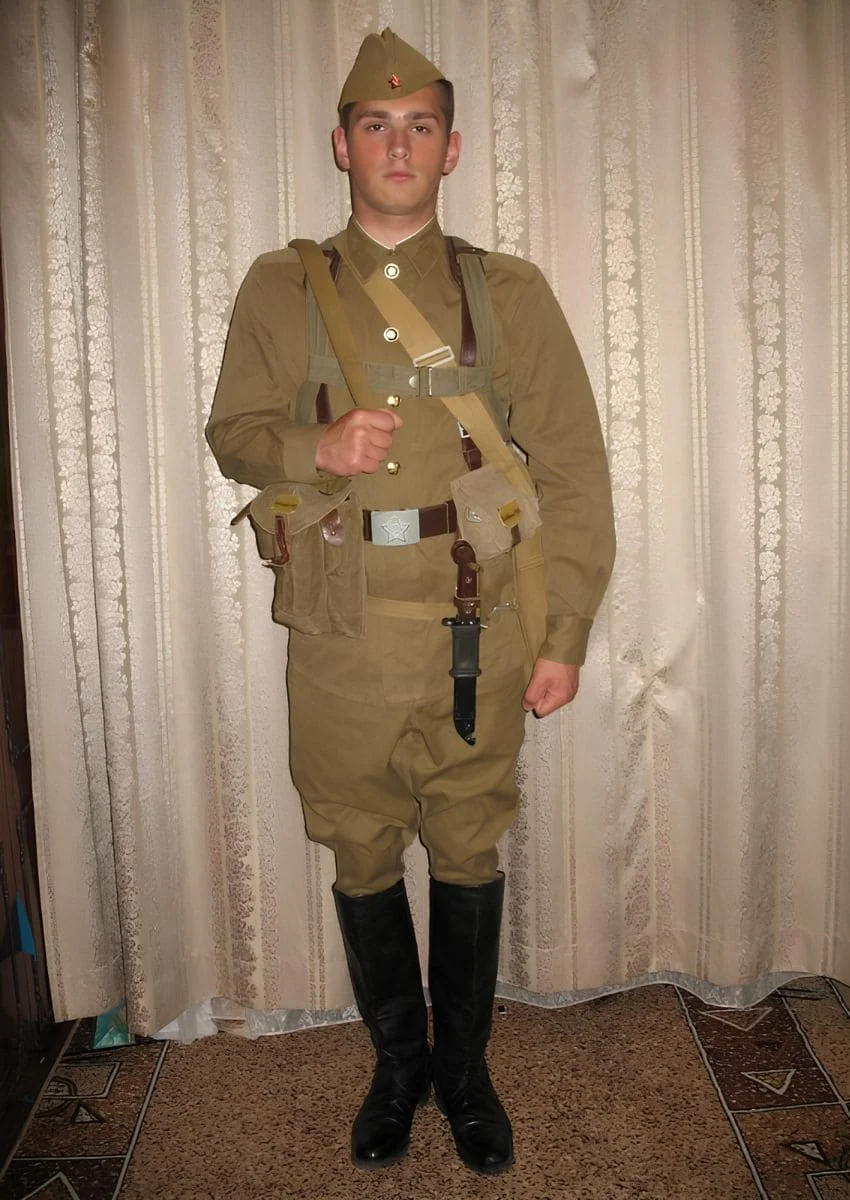
Only in 1969 was the Soviet field uniform finally redesigned.
Cold War Soviet Army field uniform
Why the gimnastyorka disappeared
The loose, pullover-style gimnastyorka (like the 1943 model) was replaced with a full-buttoned tunic (kitel). According to one version, this was connected to nuclear warfare preparedness:
A radioactive pullover had to be cut off over the head, which destroyed it. A buttoned tunic could simply be unbuttoned and reused.
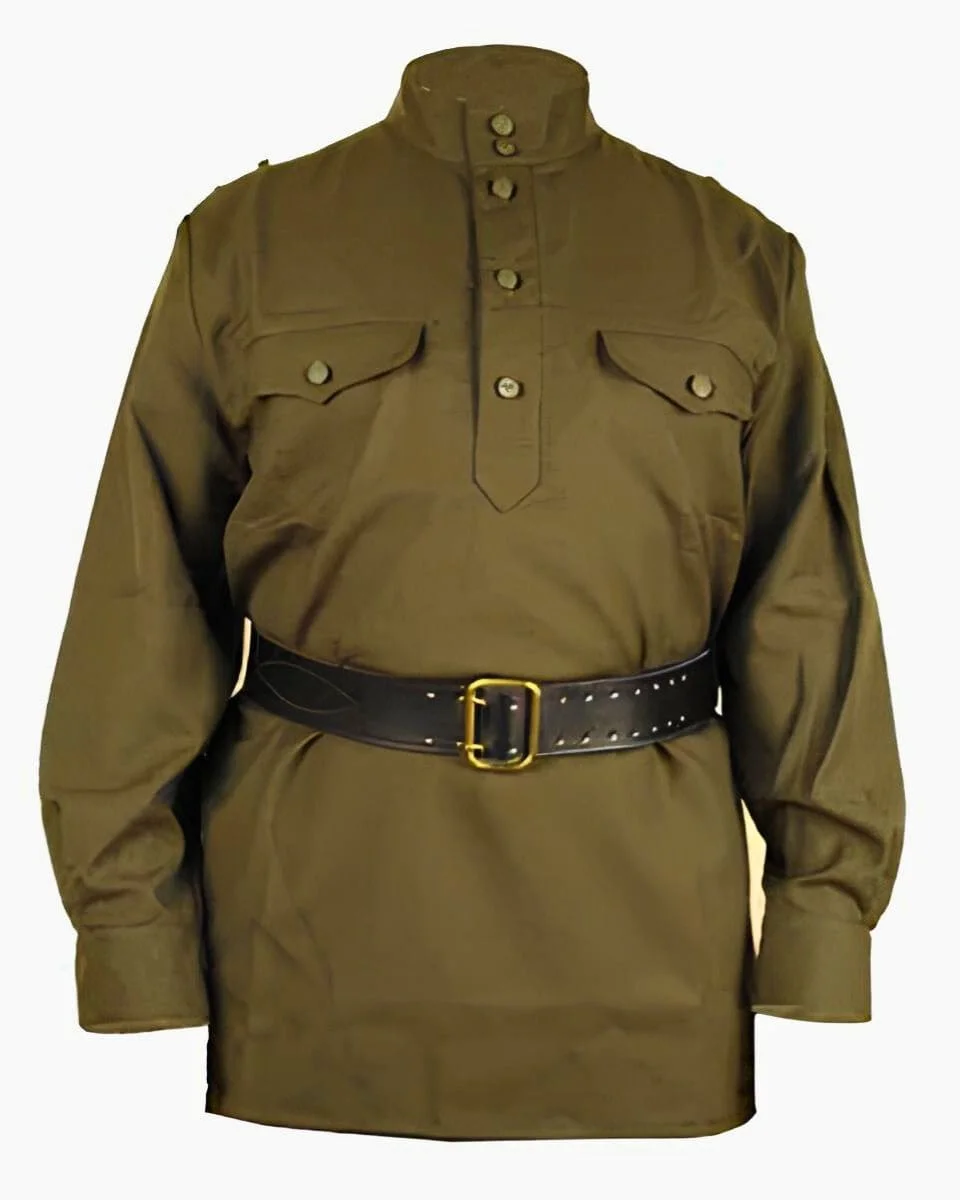
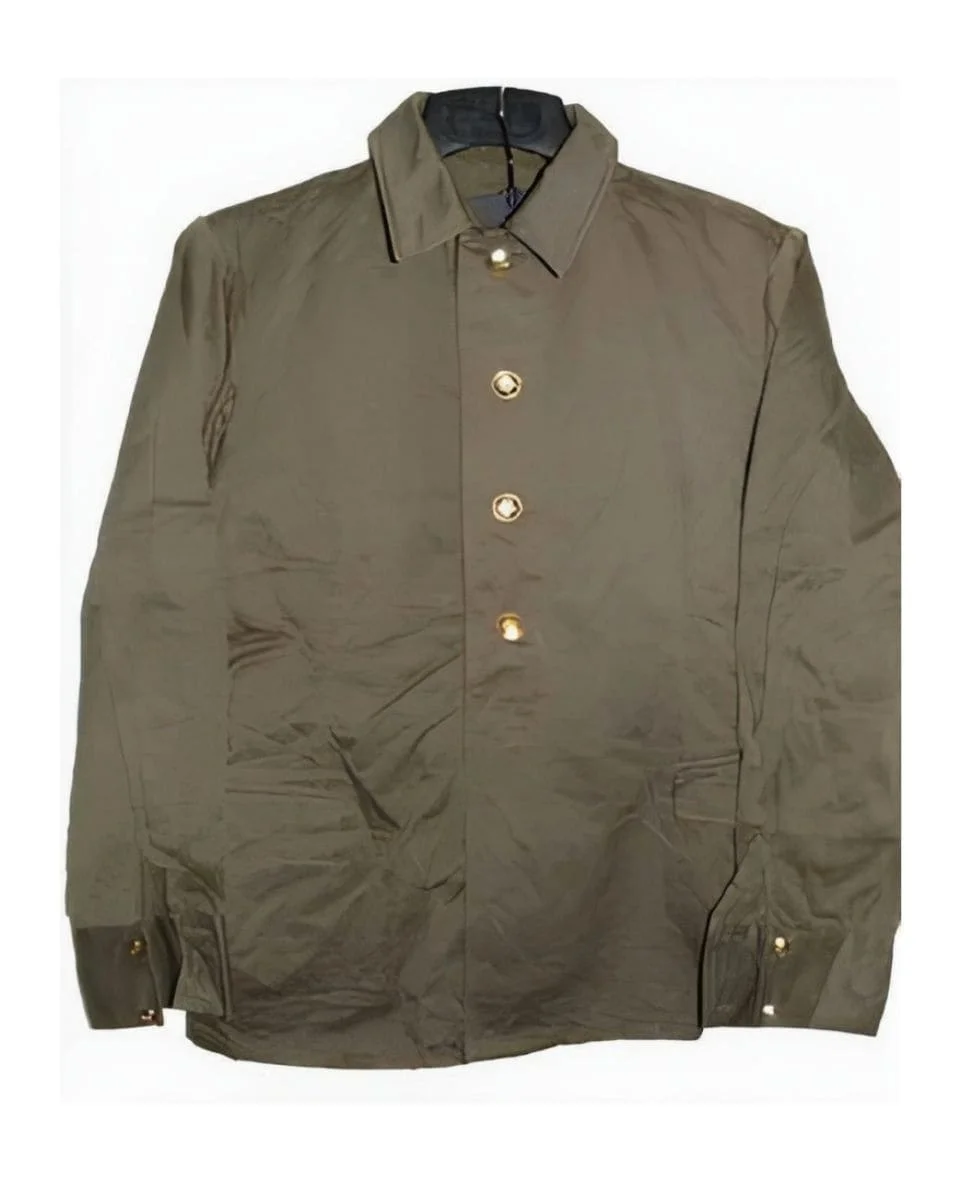
USSR uniform 1968–1991
Materials and cut
The new uniform was made from dense cotton fabric.
The trousers had two standard slash pockets.
The jacket had two lower internal pockets.
By modern standards, and even compared to Western uniforms of the 1960s, this was very minimalistic.
Shiny brass buttons, bright cockades, and colorful shoulder boards were meant to be replaced with green “war-time” versions for camouflage.
Soviet Army 1968 field gear
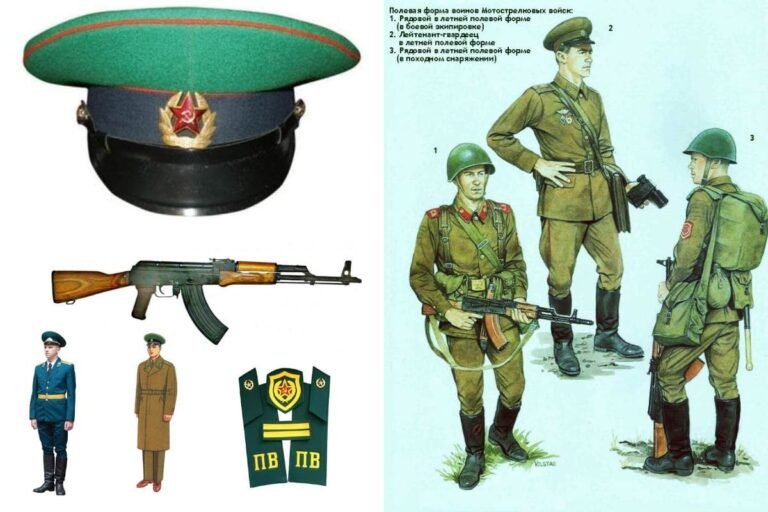
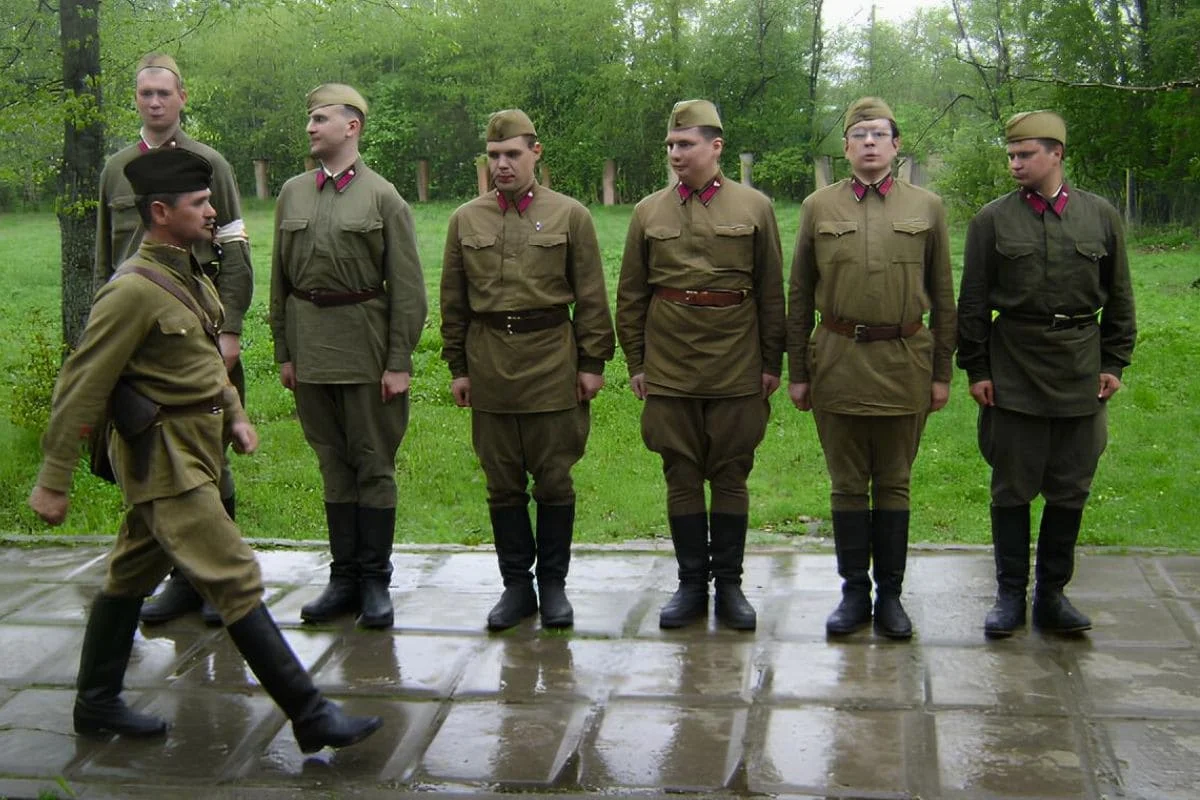
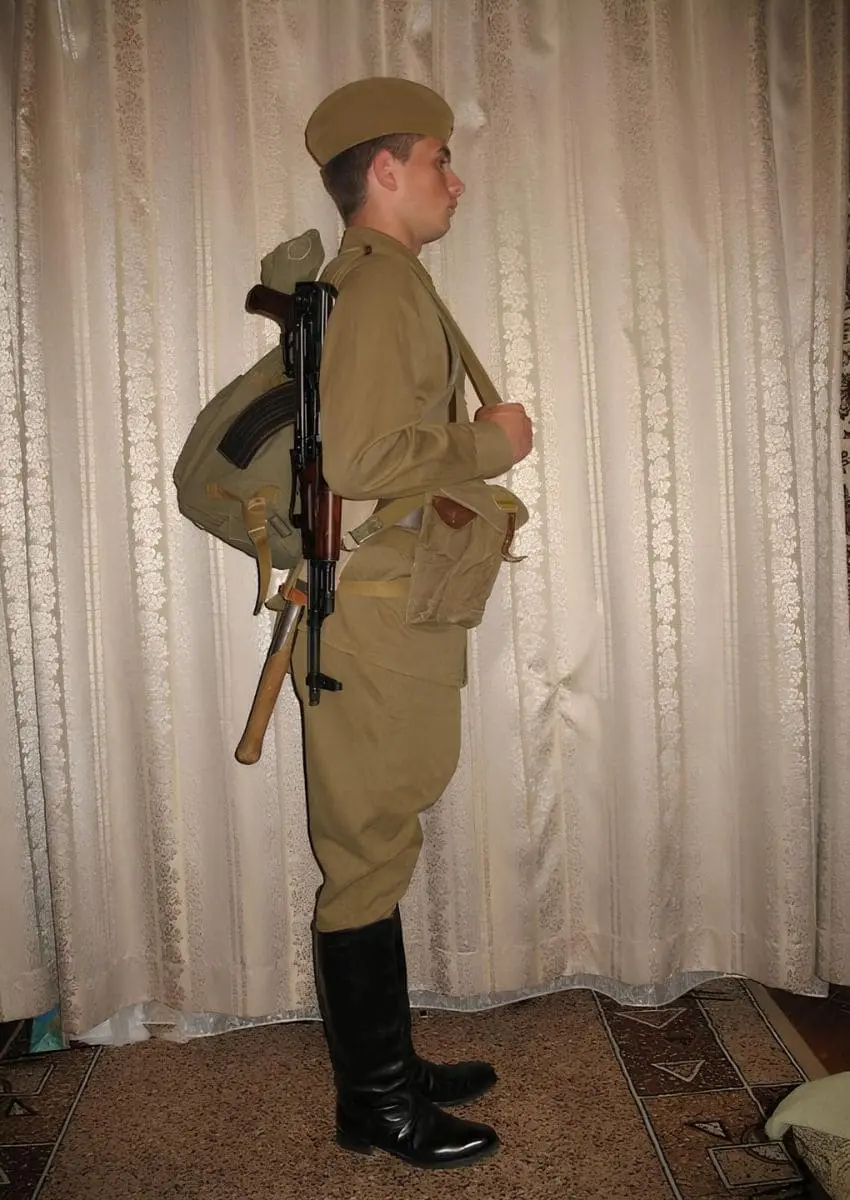
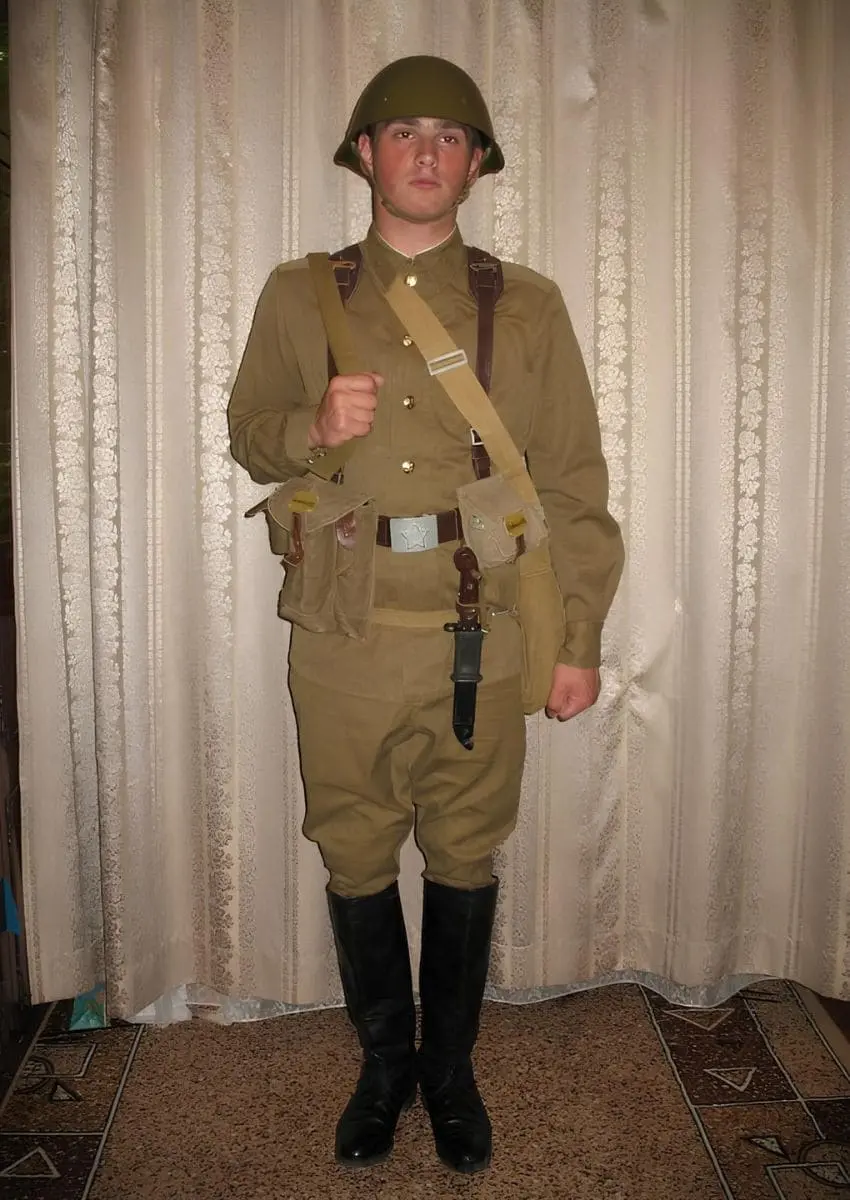
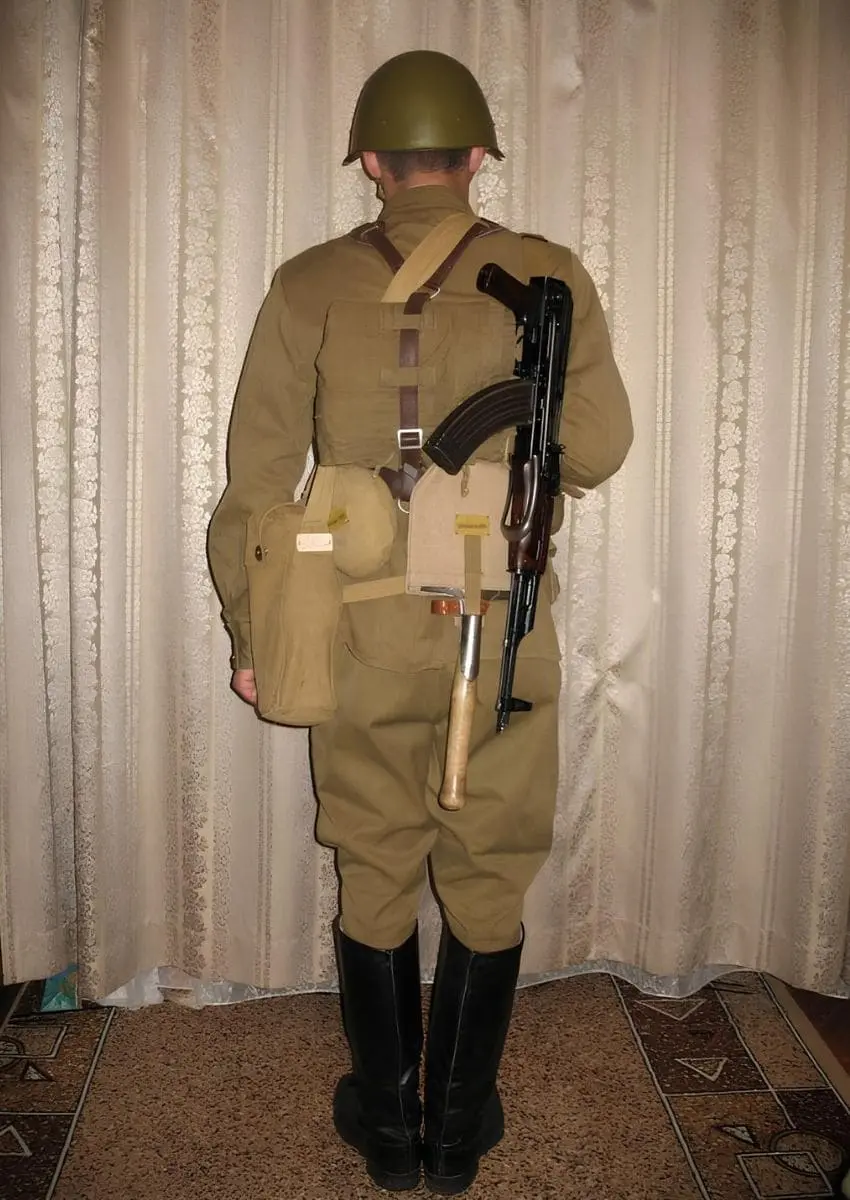
Soviet uniform and gear, 1969 pattern. A live illustration of the Rules for wearing military clothing.
Breeches, jacket, pilotka, boots.
Gear: belt with shoulder straps made of faux leather. On the belt, a magazine pouch (under the soldier’s right arm) and a grenade pouch (under the left arm), a bayonet.
On the shoulders, backpack straps with a chest connector (forming the letter N).
Across the chest runs the strap of the gas mask bag.
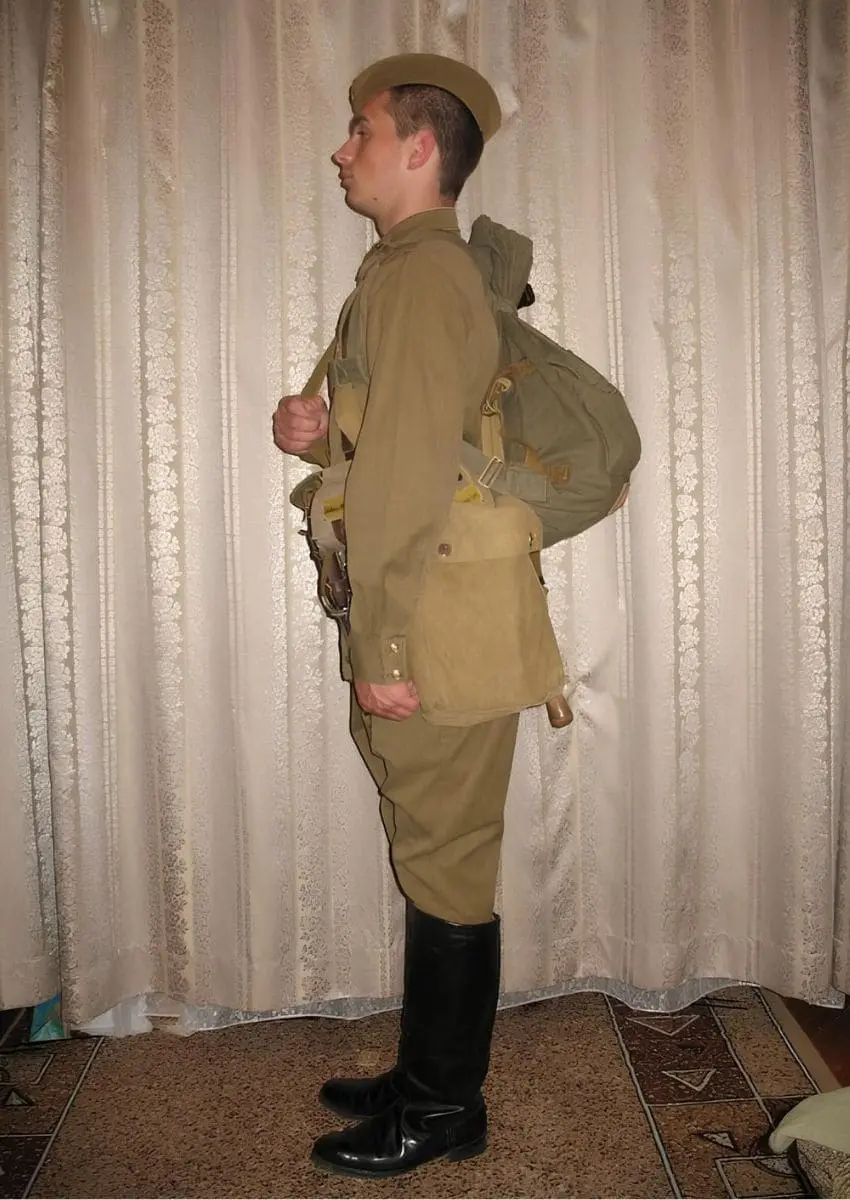
Soviet uniform and gear, 1969 pattern. On the back, the backpack.
The big bag on the side, the gas mask.

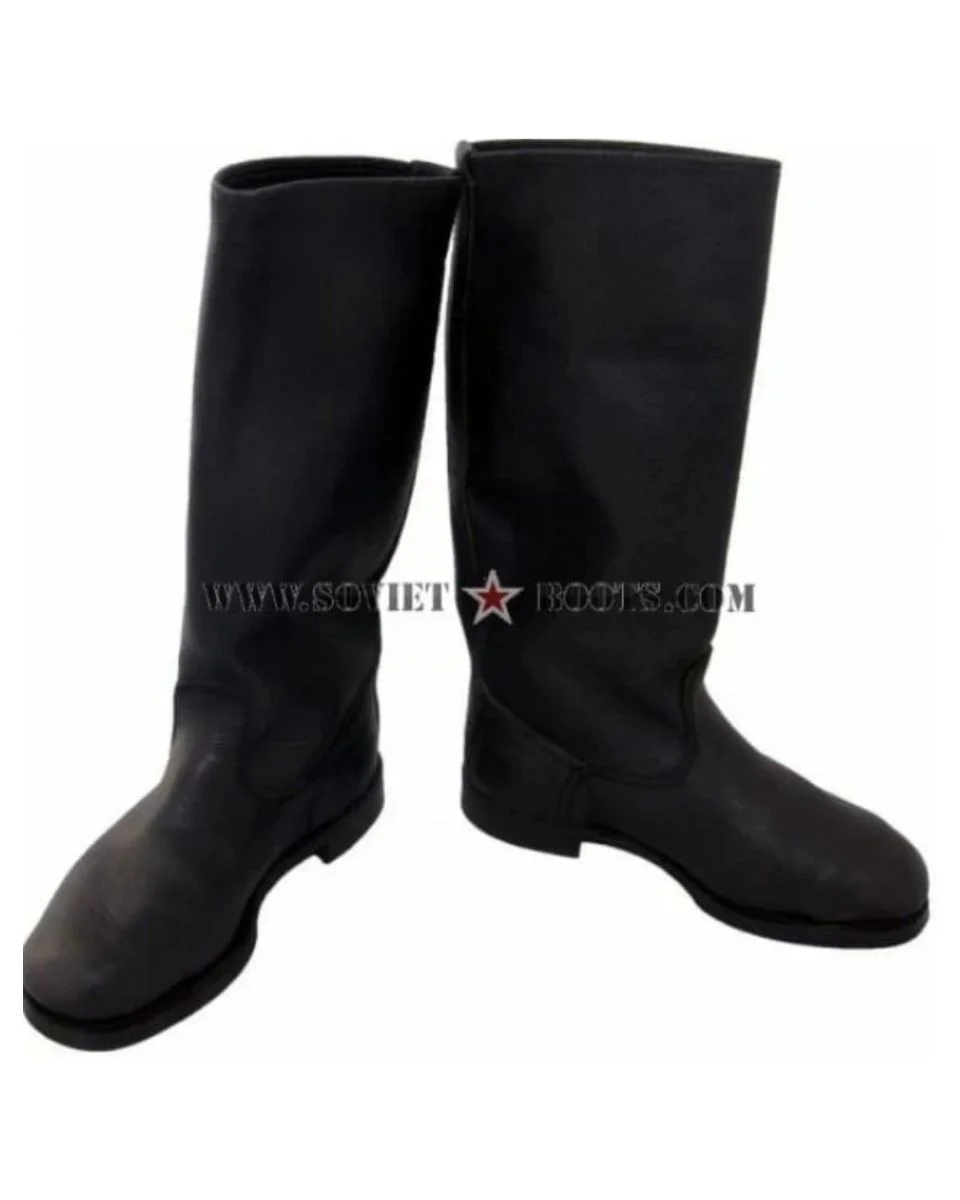
Looking for real Soviet kirza sapogi? You can get them here → [Kirza Boots]
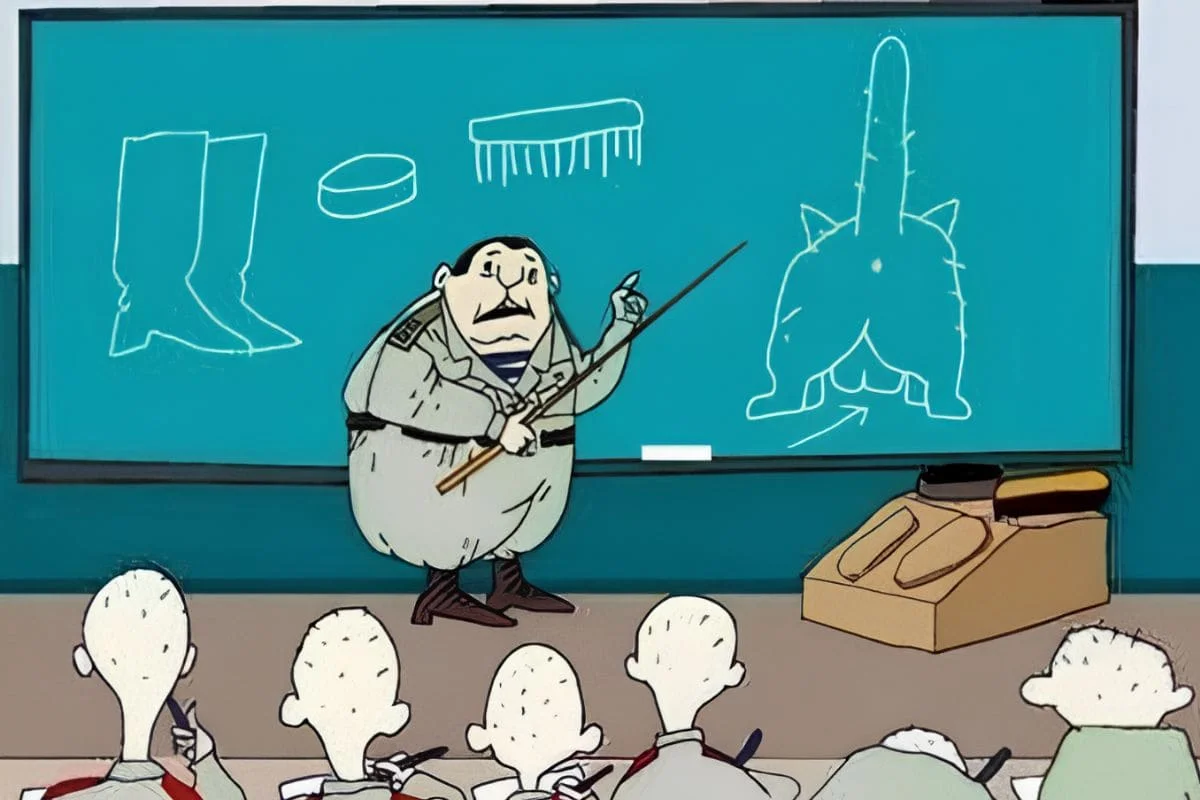
A simple guide on boot care.
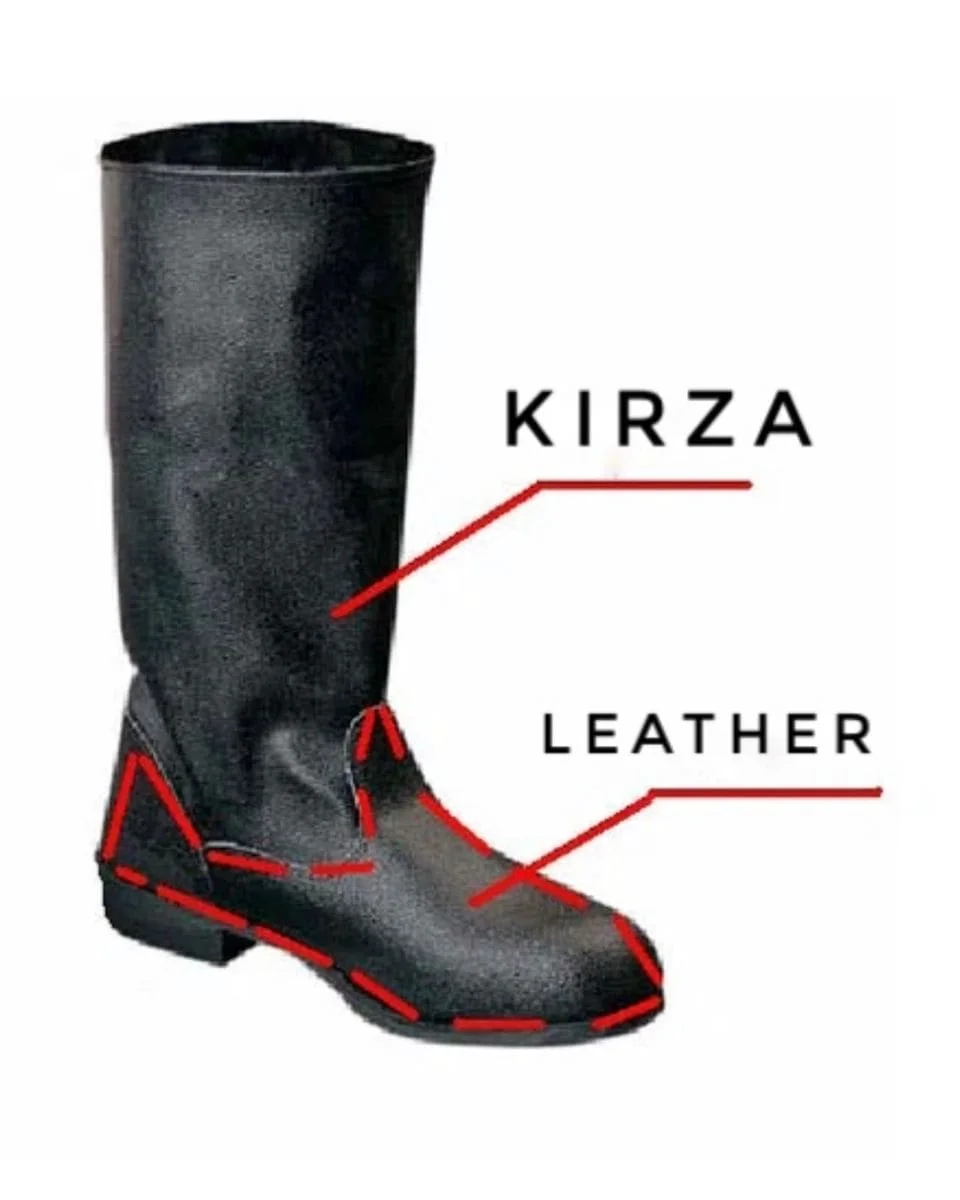
The main footwear was kirza boots with footwraps.
Kirza is basically rubber-coated canvas. This material was developed before the Great Patriotic War to save leather. The upper part of the boot is made from kirza.
The lower part, is made from leather, because that part gets the most stress when walking, kirza wouldn’t survive it.
Beluga
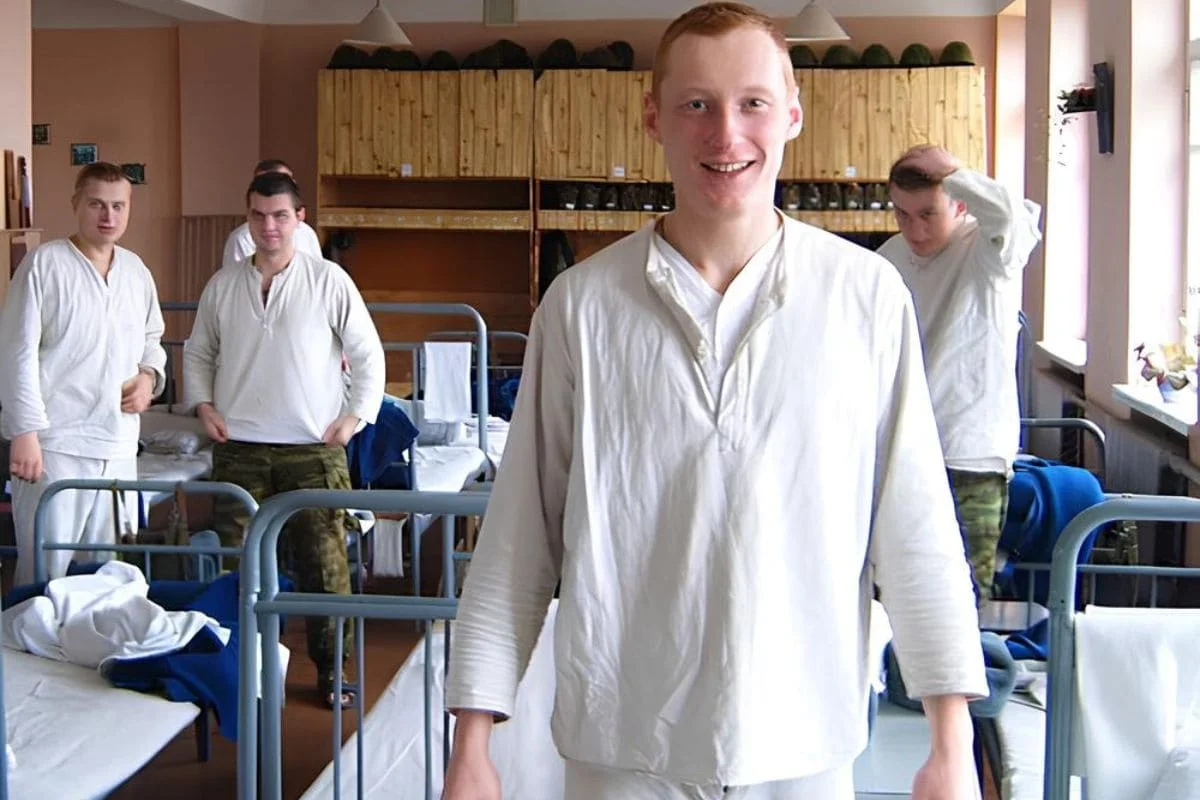
Underwear was a long-sleeve shirt and long pants made of white fabric, called “beluga.” In summer it was thin cotton, in winter flannel. This type of underwear still exists in the army today.
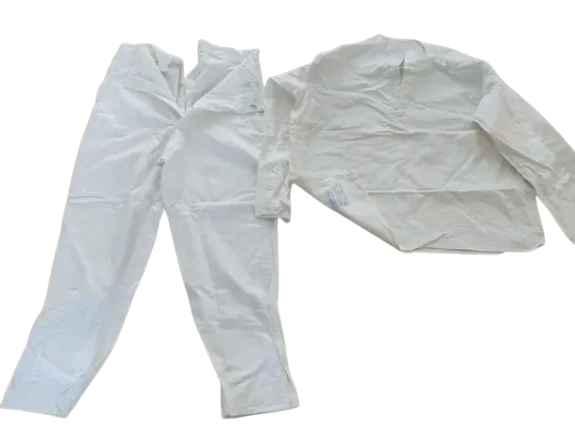
Looking for original Soviet Beluga? You can get them here: {Soviet Military Underwear}
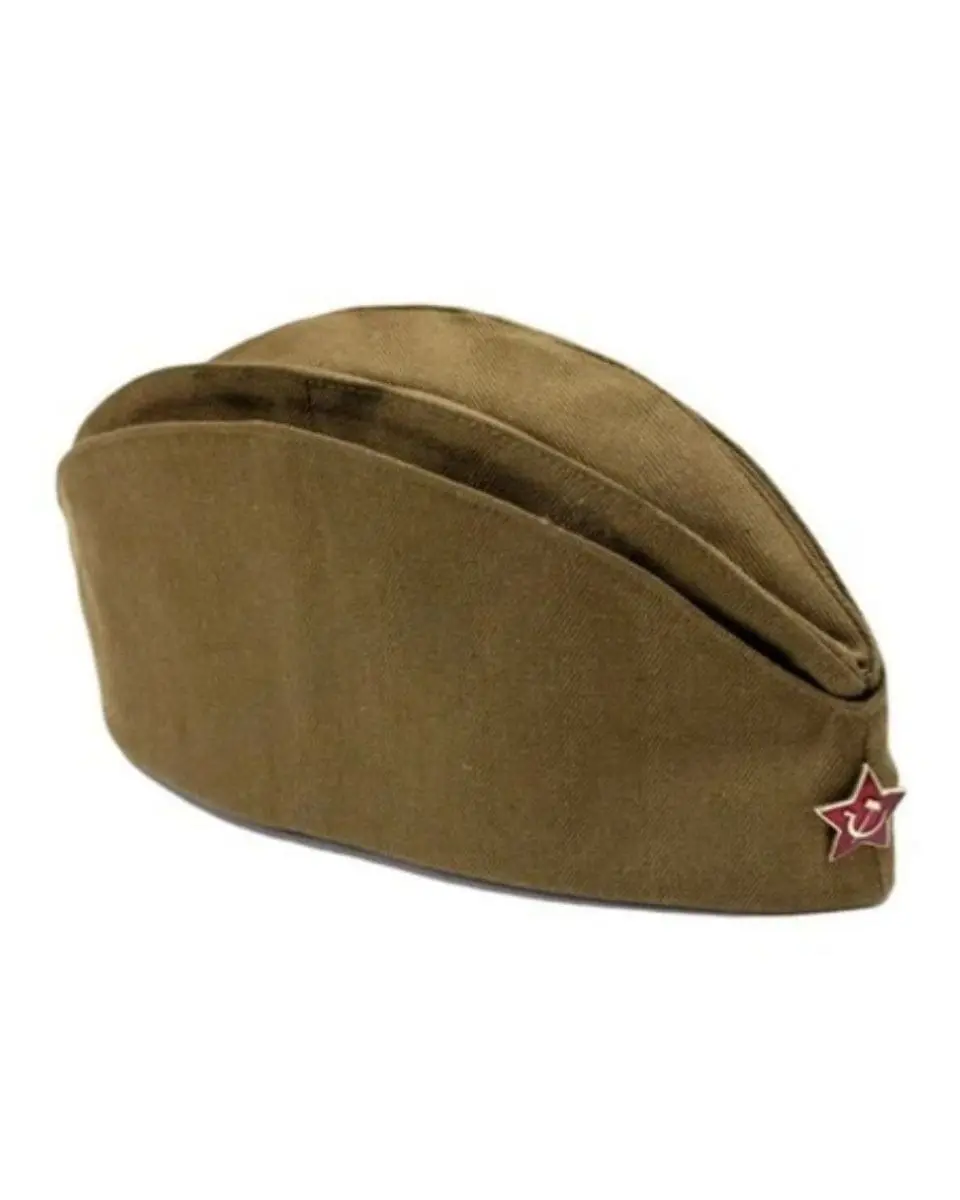
Soviet pilotka hat
The pilotka appeared in the early 20th century, when military aviation was just starting. Originally it was called “folding pilot’s cap.”
A serviceman must not be without headgear. The main headgear back then was the peaked cap. But pilots wore leather flight helmets during the flight, and the peaked cap had to be stored somewhere.
The pilotka, however, could be easily folded and put into a pocket.
Later the pilotka became mass soldier headgear because it was simple and cheap.
Looking for original Soviet Pilotka? You can get them here: {Soviet Soldier Pilotka}
Original Soviet ushanka winter hat used by Red Army soldiers.
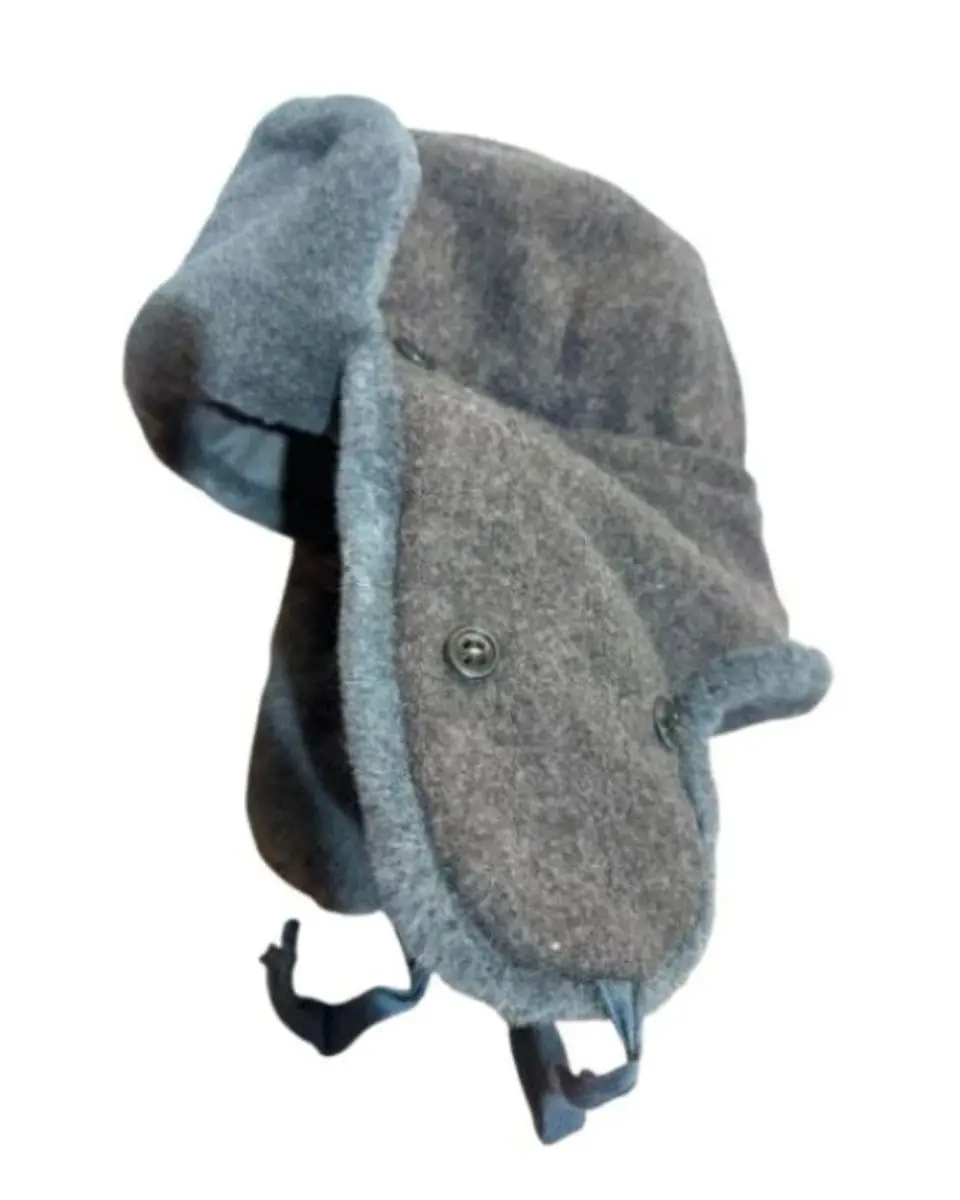
Ushanka
(front and back soldier photos)
Greatcoat
Looking for original Soviet Ushanka? You can get them here → [Soviet Ushanka]
In winter, a greatcoat and ushanka hat.
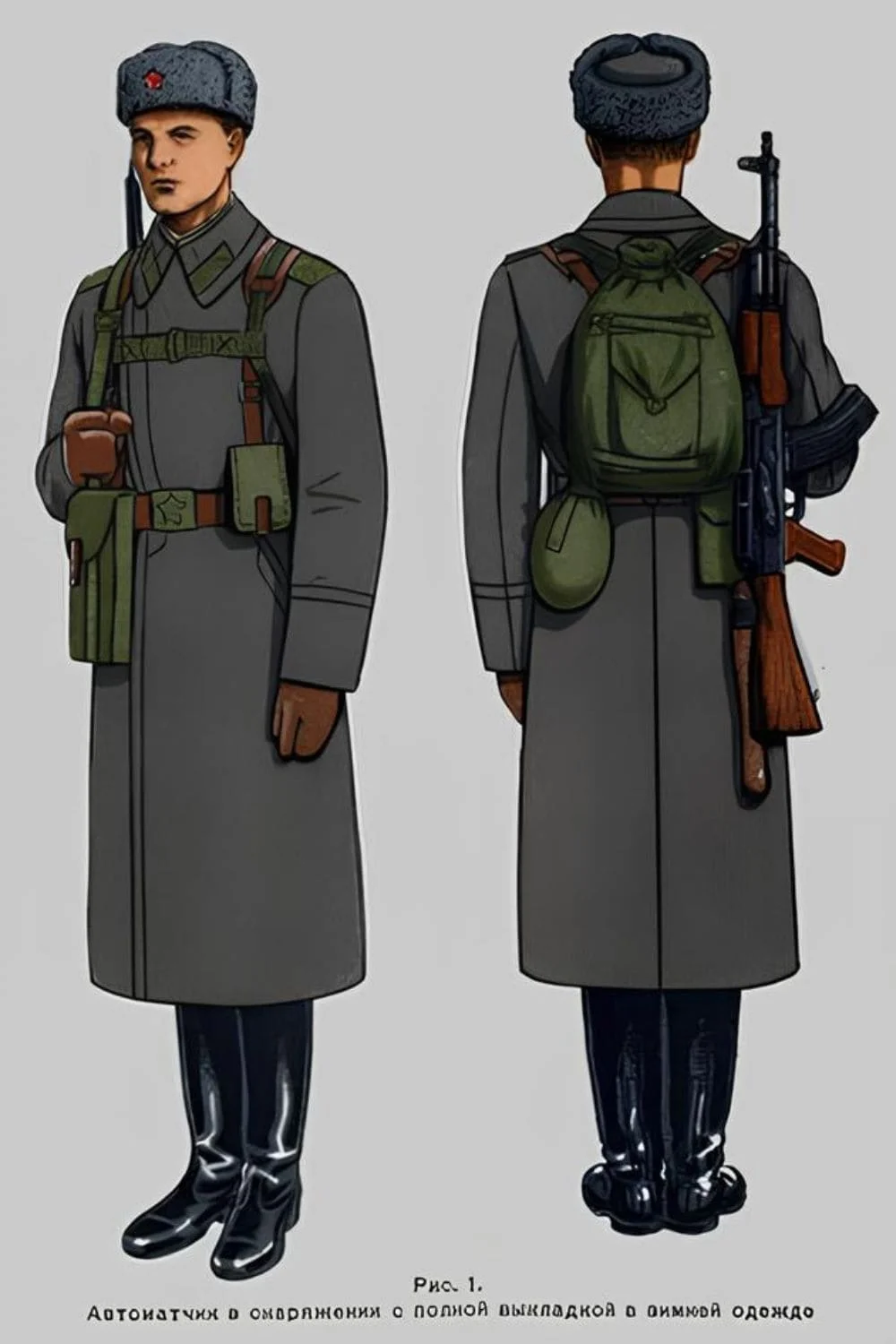
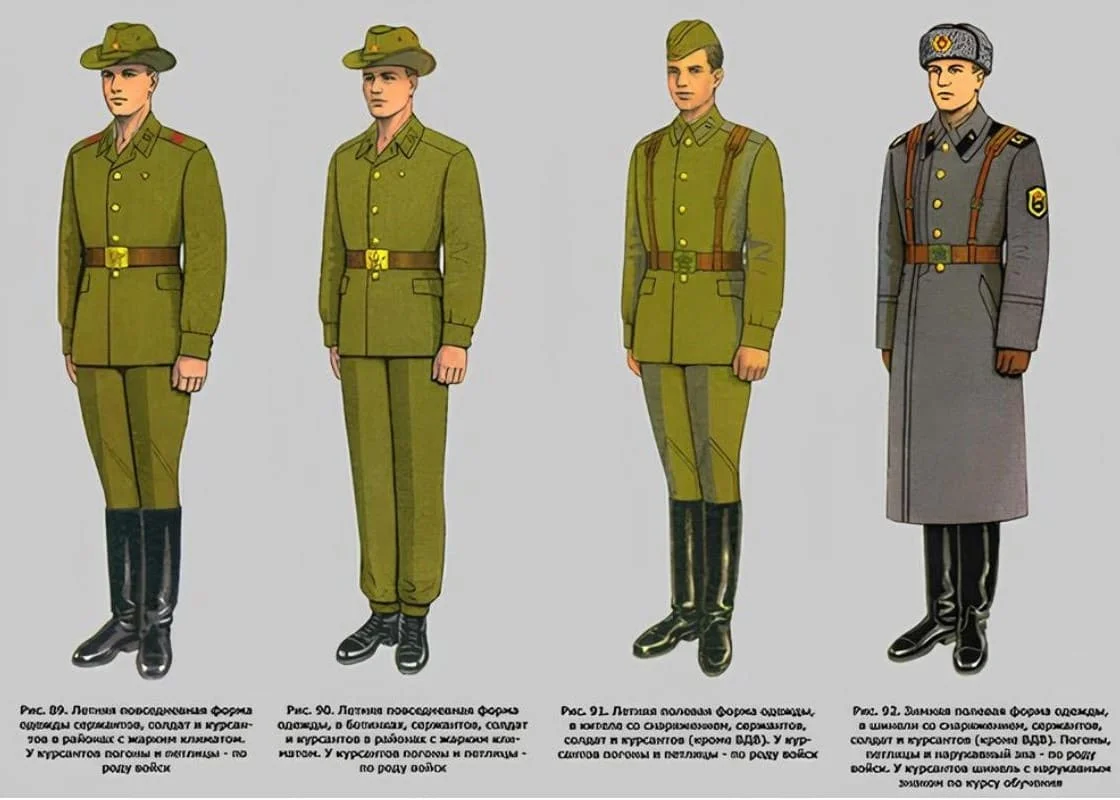
Fig. 89. Summer everyday uniform of sergeants, soldiers and cadets in regions with a hot climate. Cadets have shoulder boards and collar tabs according to their branch of service.
Fig. 90. Summer everyday uniform in boots for sergeants, soldiers and cadets in regions with a hot climate. Cadets have shoulder boards and collar tabs according to their branch of service.
Fig. 91. Summer field uniform in kirza boots for sergeants, soldiers and cadets (except Airborne). Shoulder boards, collar tabs and the chest badge correspond to the branch of service. Cadets have chevrons with emblems according to their course of training.
Fig. 92. Winter field uniform in greatcoat with field gear for sergeants, soldiers and cadets (except Airborne). Shoulder boards, collar tabs and the chest badge correspond to the branch of service. Cadets have chevrons with emblems according to their course of training.
Work uniform
There was also a work uniform. It was used for dirty jobs: construction, loading and unloading, or repairing vehicles.
The winter version, quilted jacket and pants, similar to a collective farm “fufaika,” could also be worn as a field uniform.
(photo gymnastyorka)
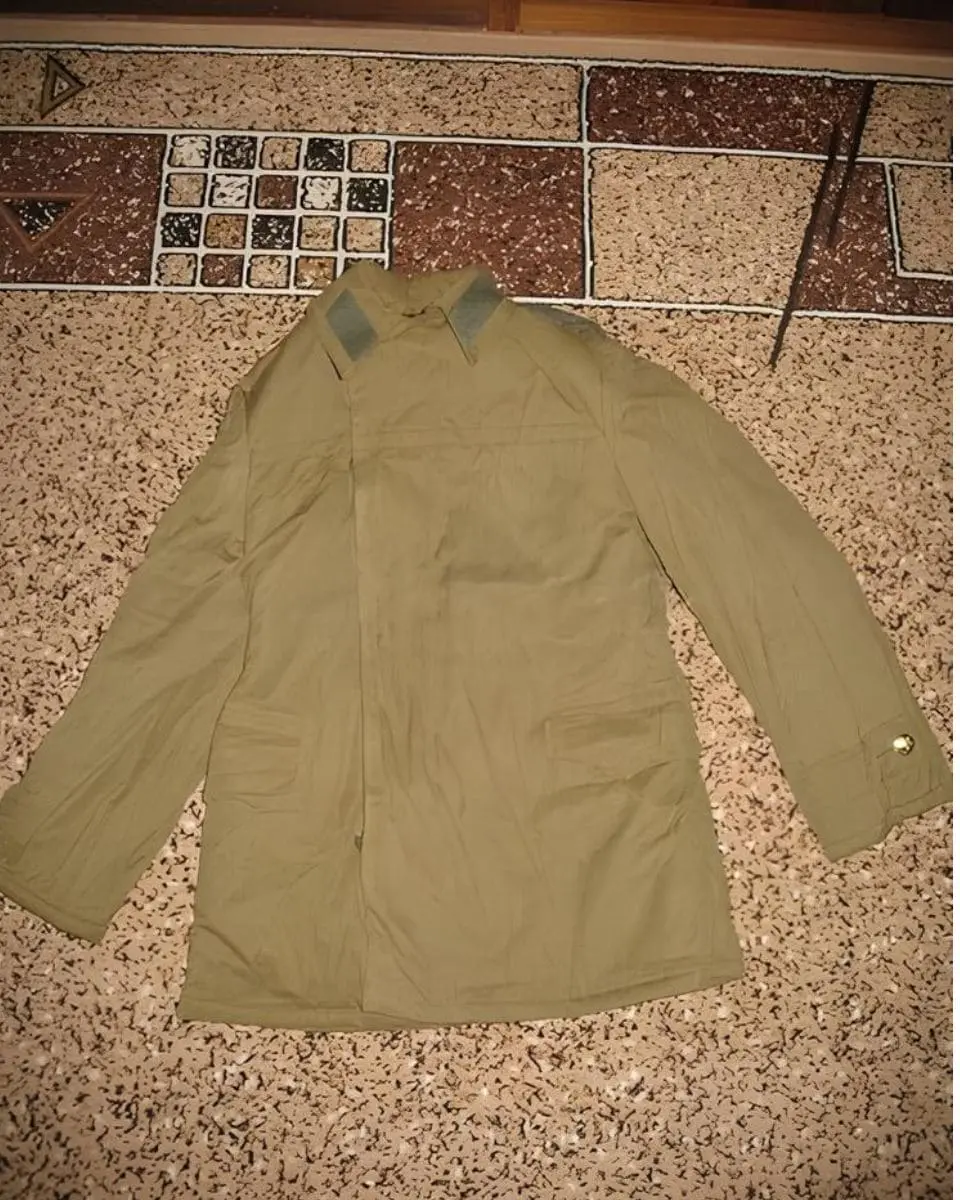
There were also more advanced clothing items.
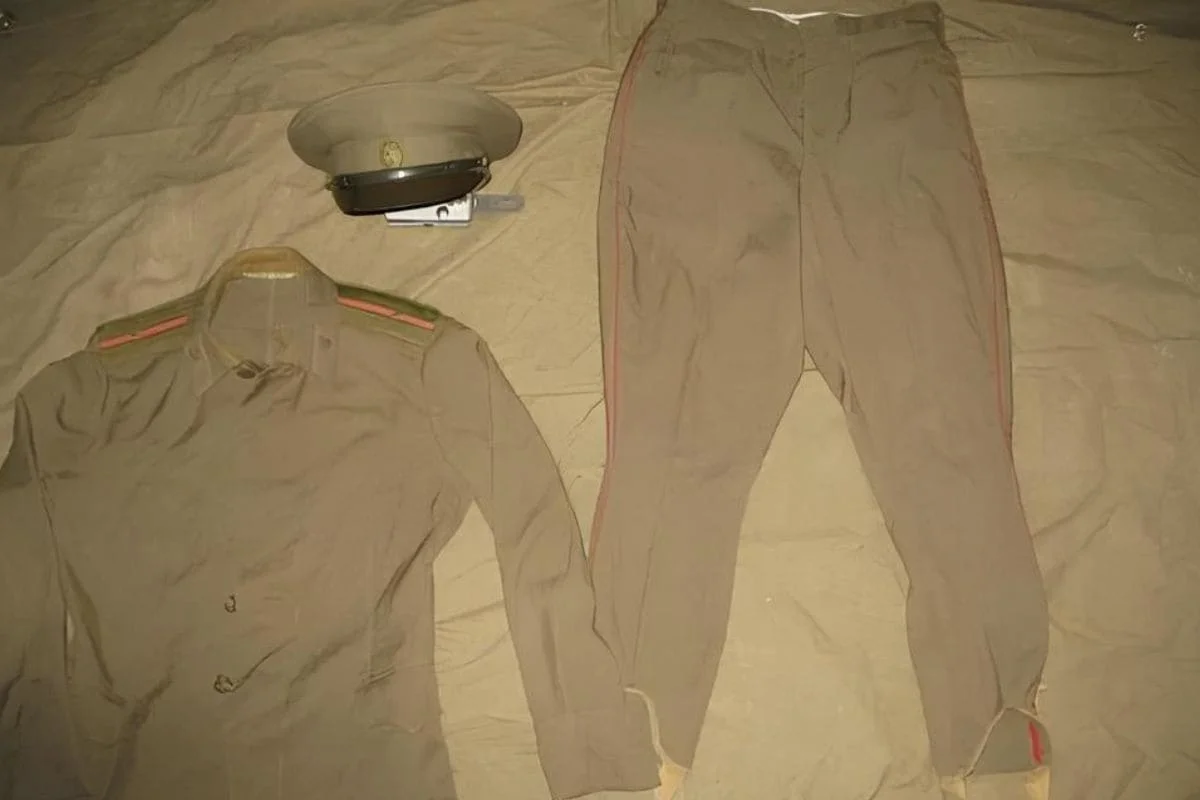
P/Sh uniform, made of semi-wool fabric. This uniform was warmer and worn in cold seasons.
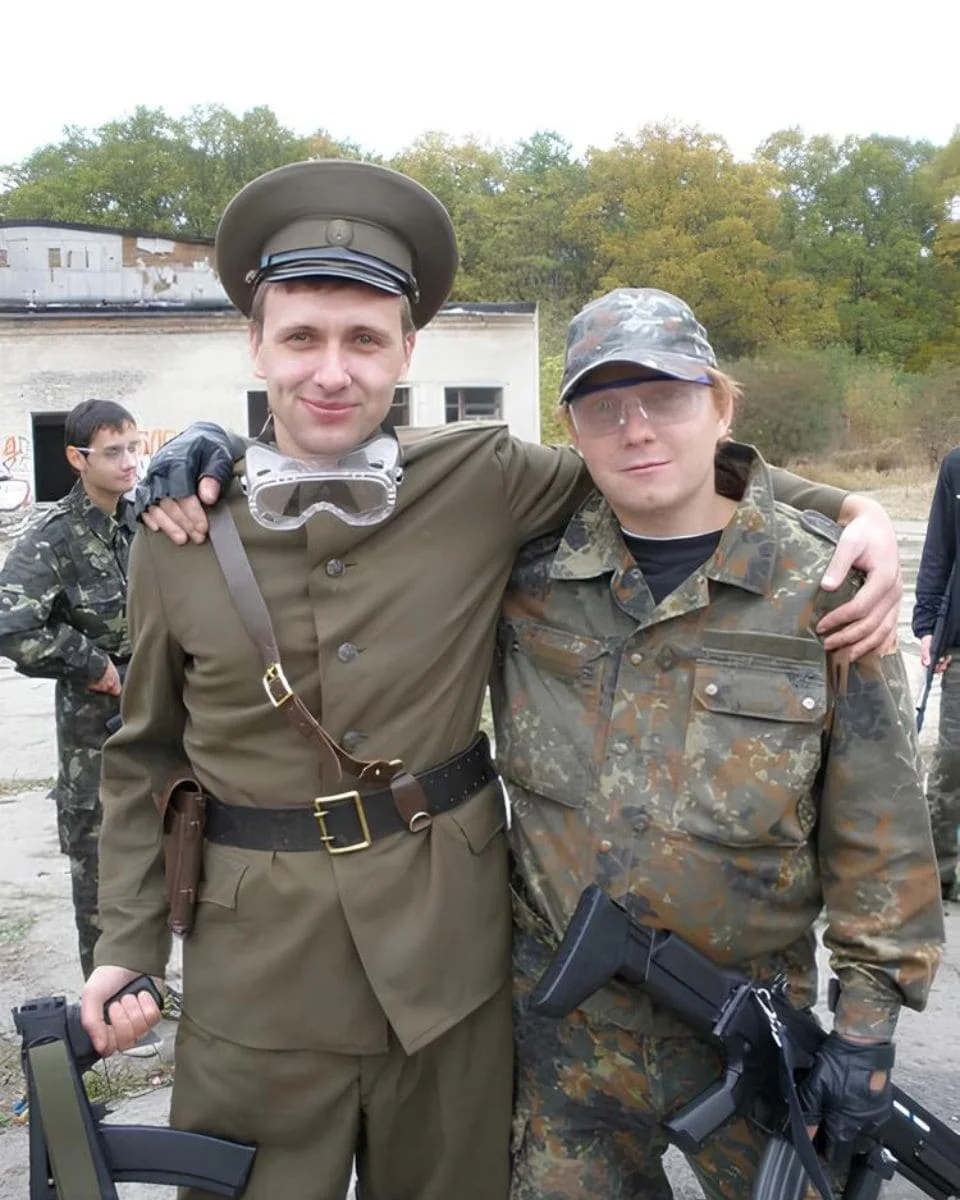
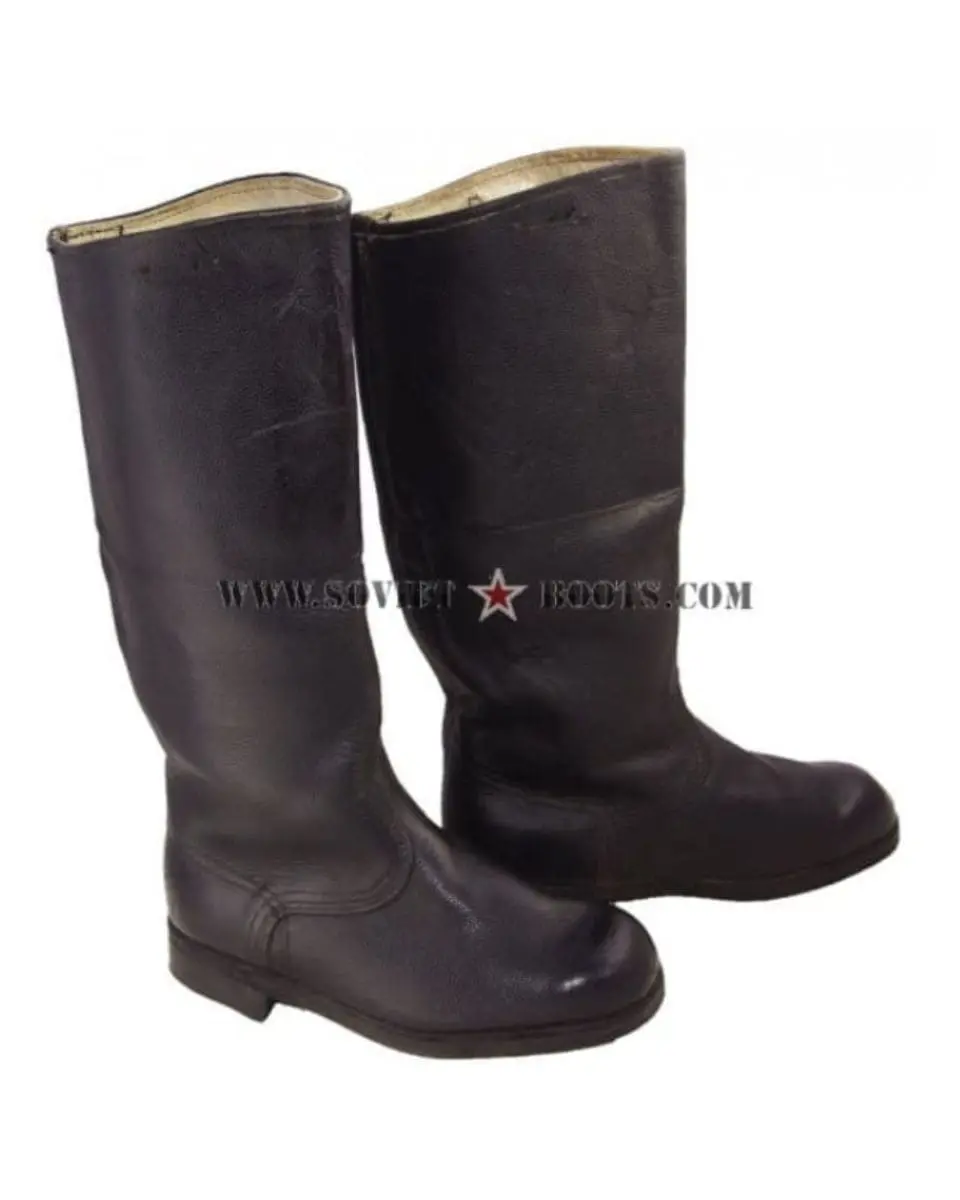
Yalovye (Yuft) boots, made fully from leather. Better quality, nicer, more prestigious.
Shorts and T-shirts instead of “beluga.”
But not everyone got these items. Mostly officers and sergeants wore them.
Privates got them only in units with better supply, for example units stationed abroad, closer to the capital, or elite units.
Looking for real Soviet Yuft jack boots? You can get them here → [Soviet Yuft Boots]
In hot climates, Soviet soldiers used lighter uniforms, thin fabric and Panama caps. This uniform was heavily used during the Afghan War because of the heat and the mountains.
The most common outfit in Afghanistan was the Afghanka M-88, a practical and durable field uniform. It became one of the symbols of that era.
Soldiers often wore the legendary Afghan M88 combat boots with nailed soles and sole tractor-style pattern similar to classic Soviet kirza boots. Extremely tough and perfect for mountain terrain.
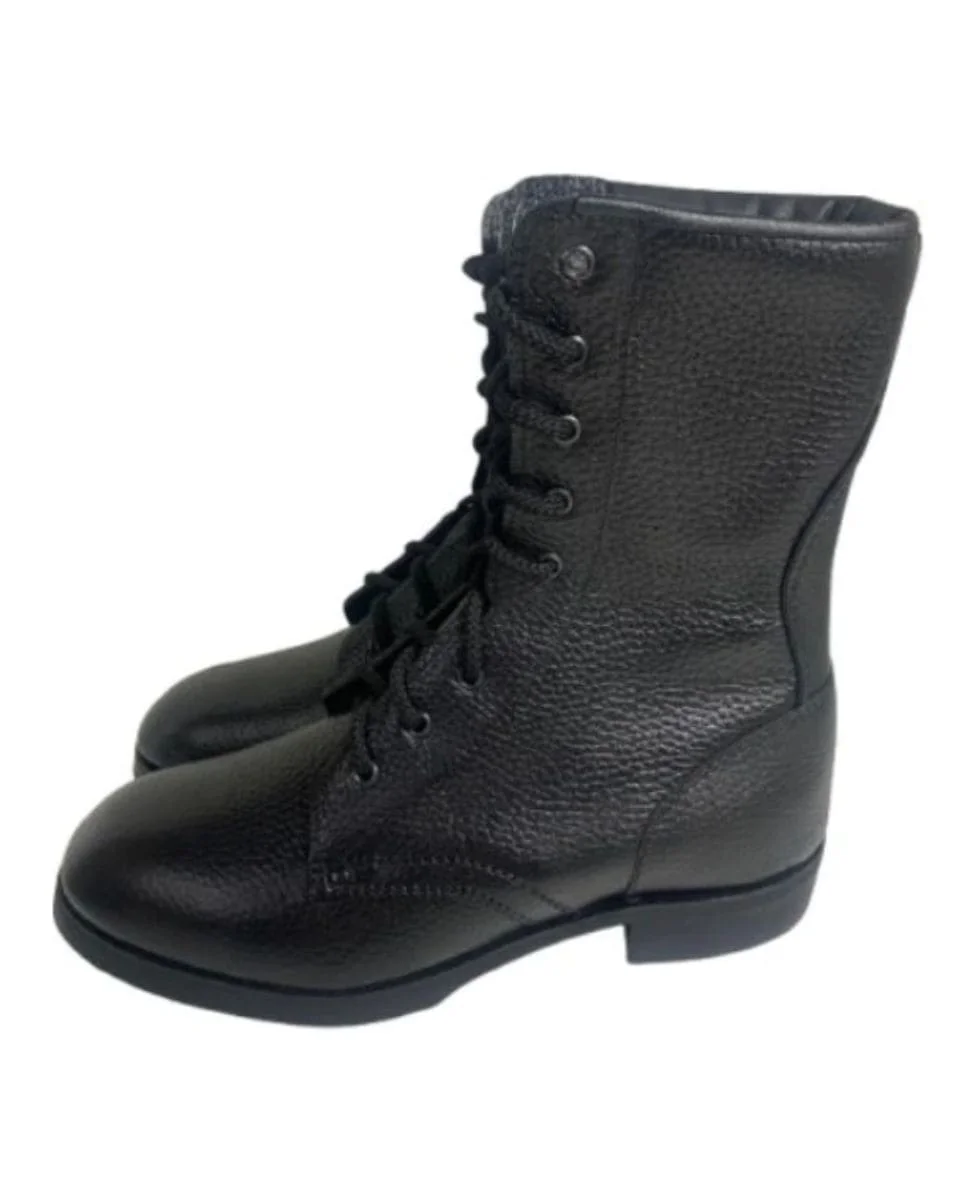
Soviet Afghan combat boots? You can get them here → [Soviet M88 combat Boots]
Check more articles:
Best WW2 Uniform: Soviet, German, USA. Who Had the Best Army Gear?
Red Army Uniforms of the Russian Civil War (1918–1922)
Field Uniform and Equipment of the Soviet Army in 1968 -1991 Part 2
Field Uniform and Equipment of the Soviet Army (1968–1991) – Part 3
Field Uniform and Equipment of the Soviet Army (1968–1991) – Part 4
Soviet Spetsnaz Uniform in Afghanistan (1979–1989)
How the Soviet Army Uniform Changed from 1955 to 1991
Looking for a Real Telnyashka?
Add extra Telnyashkas and accessories – shipping stays the same.
Flat Worldwide Shipping – $14.98
Shipping is charged only once per order.