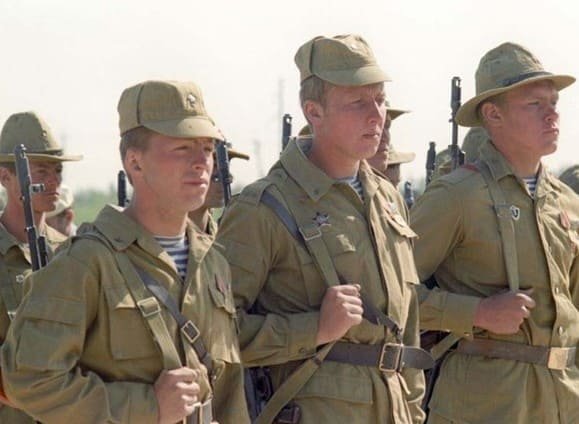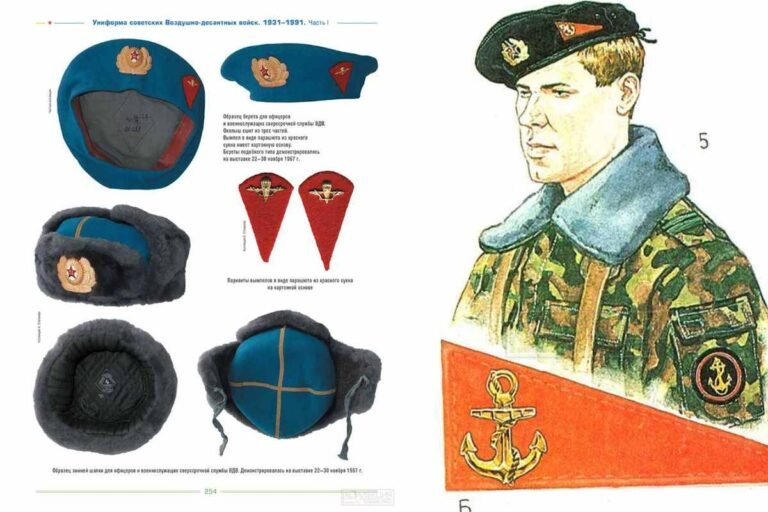
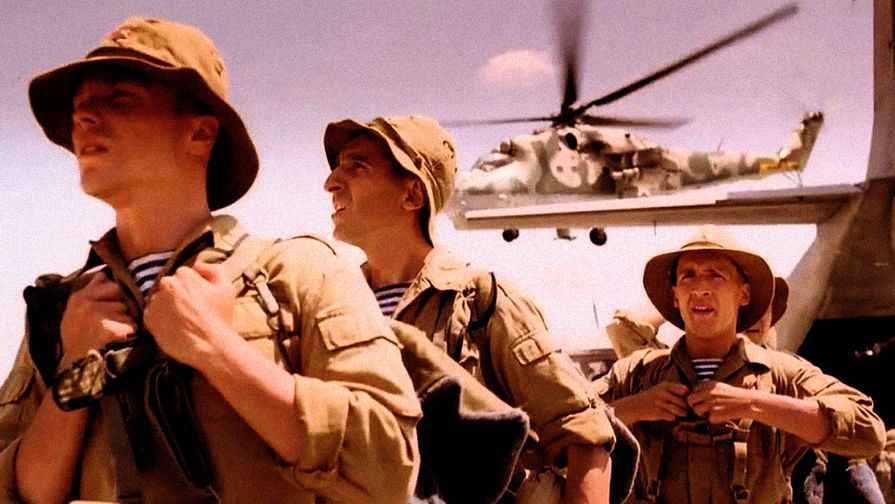
VDV 9th Company Afghanistan became one of the most famous Soviet VDV battles of the Afghan War. Soviet VDV paratroopers defended the strategic height for more than 12 hours against repeated Mujahideen attacks. Read below to learn what really happened during one of the most legendary VDV battles of the Afghan War.
More interesting articles:
9th Company in Afghanistan – Real War Stories and Rare Photos from a Soviet VDV Veteran (Part 2)
Why Mujahideen Feared Soviet GRU Spetsnaz in the Afghan War
What Soviet Soldiers Really Ate in the Afghan War
Soviet Afghanka Uniform. History, Features, and Use in Afghanistan
On January 7, 1988, one of the bloodiest battles of the Soviet-Afghan War began – the battle for Hill 3234 near the city of Khost. Here, the 9th Company of the 345th Guards Airborne Regiment fought almost to the last man. This legendary battle became part of Operation “Magistral,” a large Soviet mission to reopen the road between Gardez and Khost.
Khost was located near the Pakistan border in the difficult Suleiman Mountains. The only road connecting the city with Kabul passed through the Satukandav Pass. Whoever controlled the pass controlled the entire area.
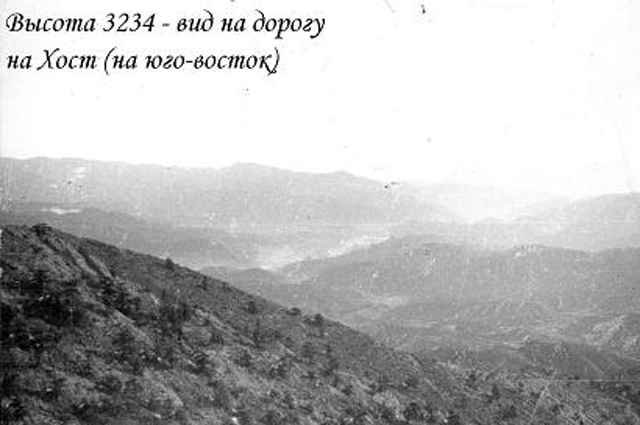
Mujahideen fighters blocked the road, cutting Khost off from supplies for eight years. They wanted not only to isolate the city but also to create their own independent territory there. At the same time, weapons constantly entered Afghanistan from Pakistan through the mountains. Soviet leadership decided to help the Afghan government break the blockade.
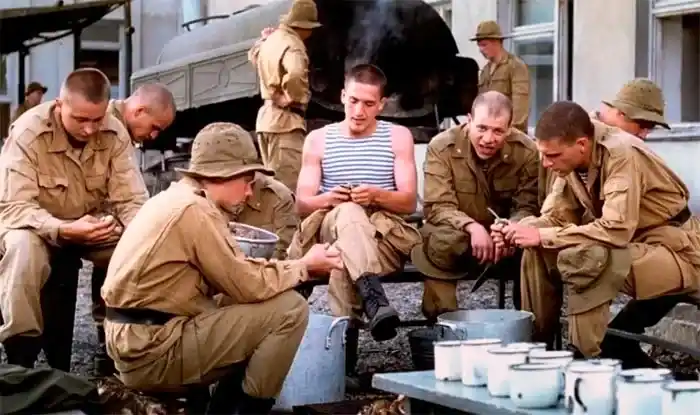
At first, Soviet commanders did not want to throw soldiers into a deadly battle near Khost. Several attempts were made to negotiate safe passage with local tribal leaders, but all talks failed. On November 23, Operation “Magistral” officially began.
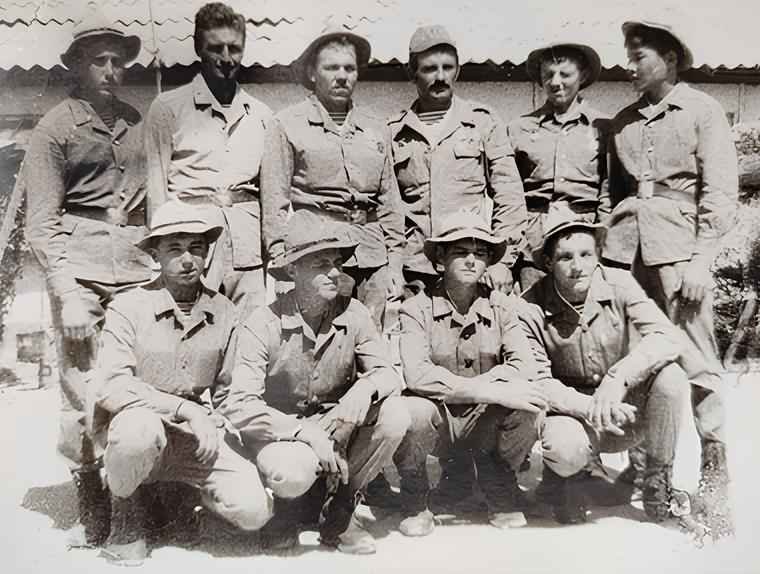
The main fighting happened along the Gardez-Khost road. Soviet troops used military skill, careful planning, and some luck to complete the mission successfully. Mines were cleared from the road, and supply trucks finally reached Khost again.
But the area remained dangerous, and the road needed constant protection.
Hill 3234 overlooked the surrounding territory for many kilometers. It was the perfect position for observing enemy movements and directing artillery fire. The 9th Company took defensive positions there.
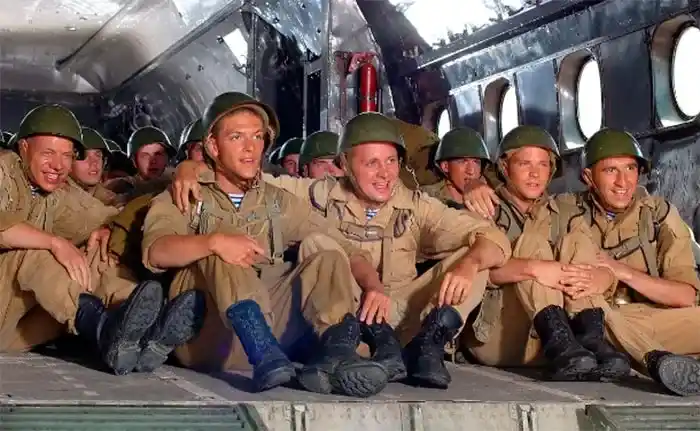
Only 39 soldiers, led by Senior Lieutenant Sergey Tkachev, prepared the hill for defense. They placed mines around the position and built firing points and shelters.
There were five officers and one warrant officer on the hill. Tkachev commanded the company, Viktor Gagarin led the 3rd platoon, and Sergey Rozhkov commanded the 2nd platoon.
Military historian Viktor Dobroselsky, who fought in Afghanistan himself, later noted a special detail about the battle.
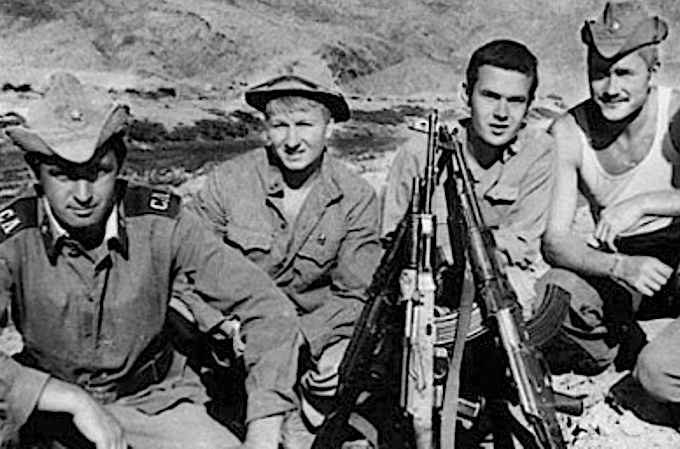
Among the attackers were special fighters wearing black uniforms with unusual patches. They were known as the “Black Storks.” According to one version, these men were criminals who believed they could redeem themselves only through bloodshed. They were highly trained and extremely dangerous.
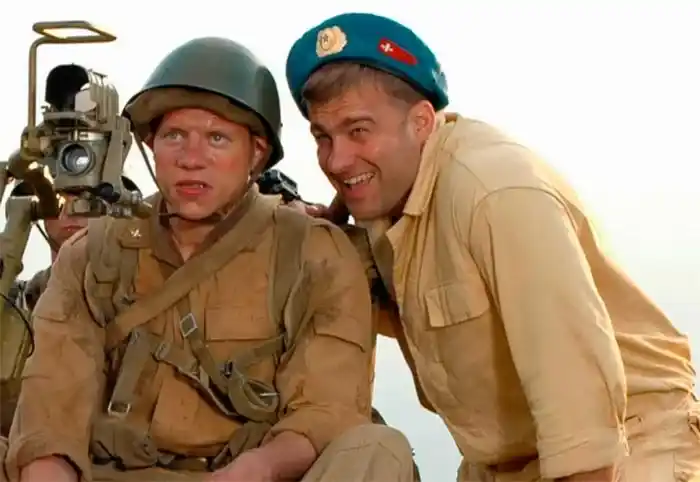
However, Soviet paratroopers were also very experienced fighters. The 9th Company already had a reputation for handling the hardest combat missions. Some of its soldiers had even taken part in the famous assault on Amin’s Palace in 1979.
On January 7 at around 3:00 PM, the first major attack began.
Heavy shelling immediately killed radio operator Andrey Fedotov, and the paratroopers lost communication with headquarters.
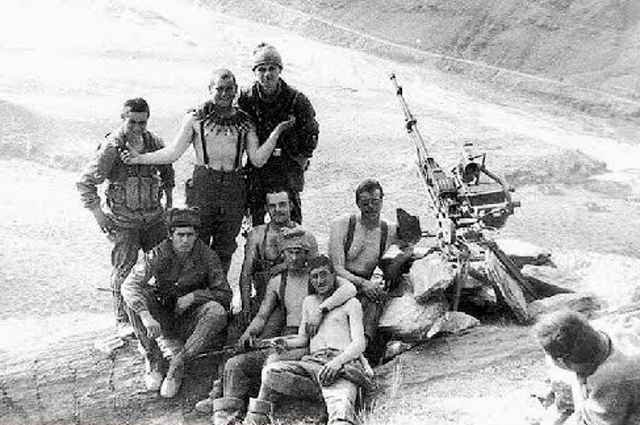
After a short silence, the Mujahideen secretly moved closer to the hill, approaching within 200 meters. When darkness fell, they attacked again from two sides.
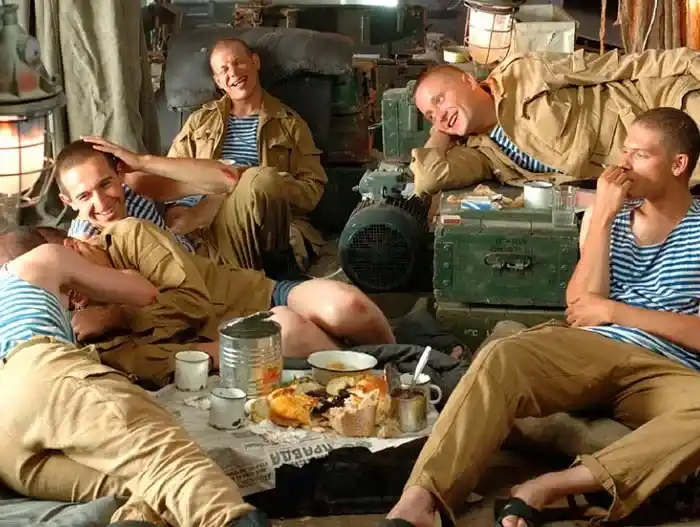
Looking for a Real Telnyashka?
Add extra Telnyashkas and accessories – shipping stays the same.
Flat Worldwide Shipping – $14.98
Shipping is charged only once per order.
The attackers managed to destroy one firing position. Machine gun commander Vyacheslav Alexandrov realized his position would soon be overrun. He ordered his men to retreat to the main defenses while he stayed behind and continued firing alone. Alexandrov was hit by grenade fragments and killed. The attack failed, but the enemy kept coming.
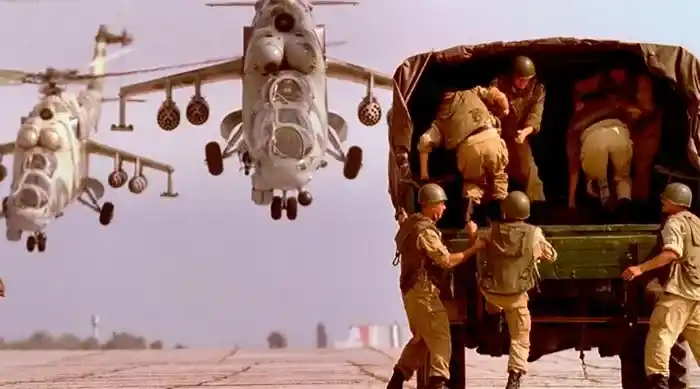
Each assault became more violent than the last. Ignoring losses, the Mujahideen attacked again and again, even running through minefields. The paratroopers refused to give up.
Soon machine gunner Andrey Tsvetkov was badly wounded. Another machine gunner, Andrey Melnikov, continued fighting for several hours despite his own injuries. Before dying, he reportedly said only: “Ammo… all gone…”
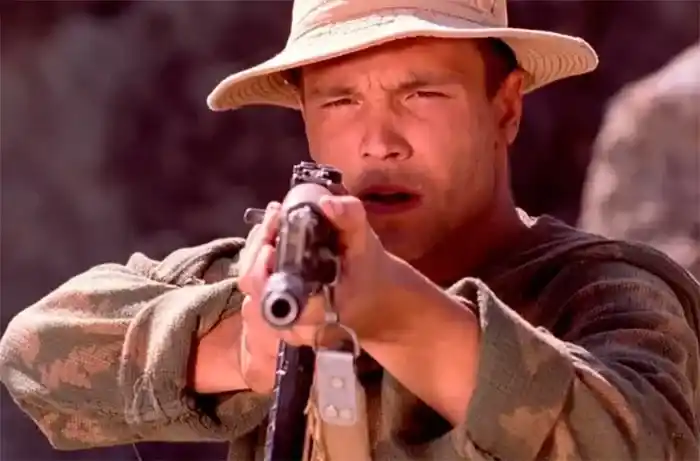
Artillery observer Ivan Babenko played a key role in the battle. He directed Soviet artillery fire onto enemy positions. One small mistake could have caused artillery shells to hit friendly troops, but his accurate targeting helped save the defenders and stop the Mujahideen from capturing the hill.
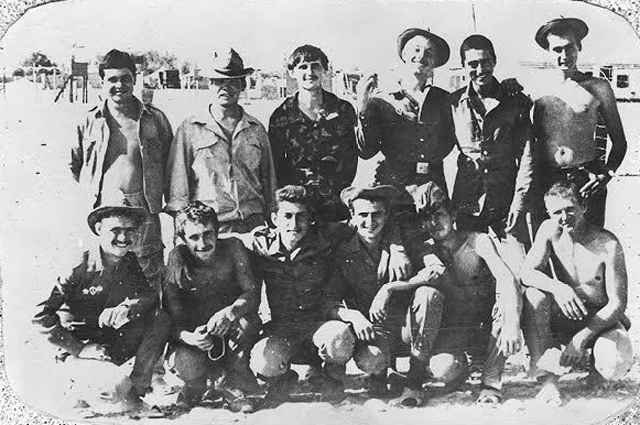
At around 3:00 AM, the enemy launched another desperate attack. In some places they came within only 15 meters of Soviet positions. This was already the 12th assault.
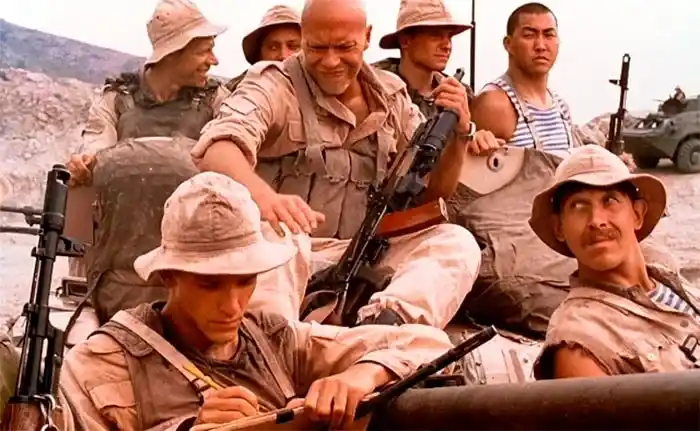
By then, only five defenders remained able to fight, and they had almost no ammunition left. They prepared for a final stand and had no intention of surrendering.
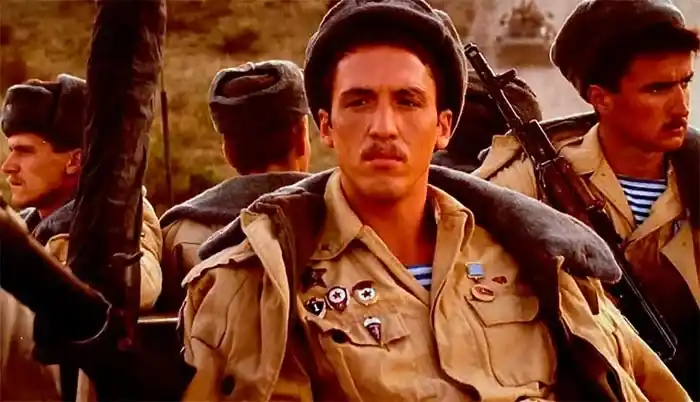
At the critical moment, a reconnaissance platoon led by Aleksey Smirnov broke through to the hill with fresh ammunition. In total darkness, they crossed three kilometers of mountain terrain to reach the defenders. Their arrival completely changed the battle.
The paratroopers launched a counterattack. The surviving Mujahideen realized they could not capture the hill, took their wounded, and retreated. The brutal battle lasted more than 12 hours.
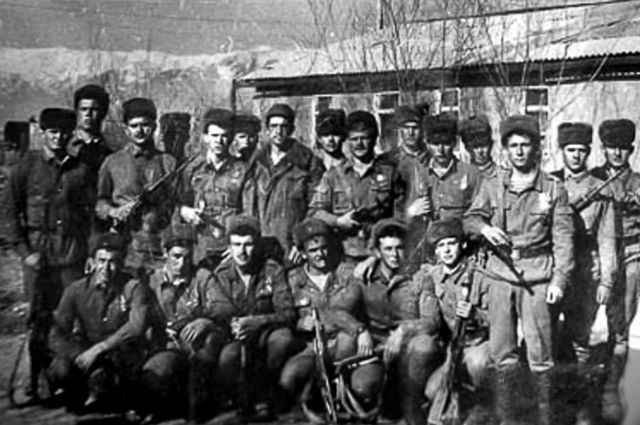
The 9th Company completed its mission. The enemy failed to break through to the Gardez-Khost road and stop Soviet supply convoys.
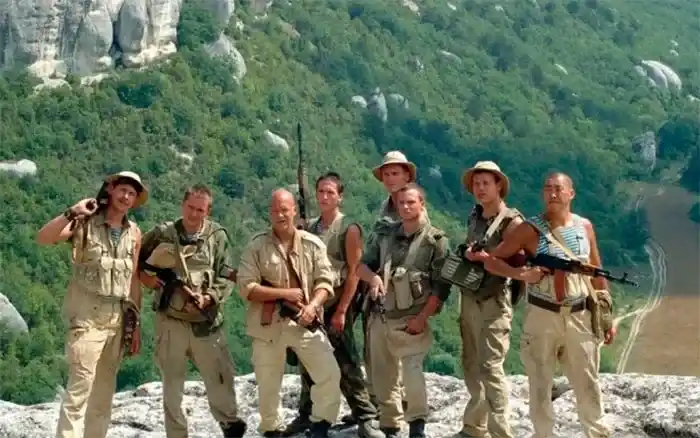
Five soldiers died defending Hill 3234: Vyacheslav Alexandrov, Andrey Melnikov, Andrey Fedotov, Vladimir Krishtopenko, and Anatoly Kuznetsov. Andrey Tsvetkov later died from his wounds. Another 28 soldiers were injured, including 9 seriously.
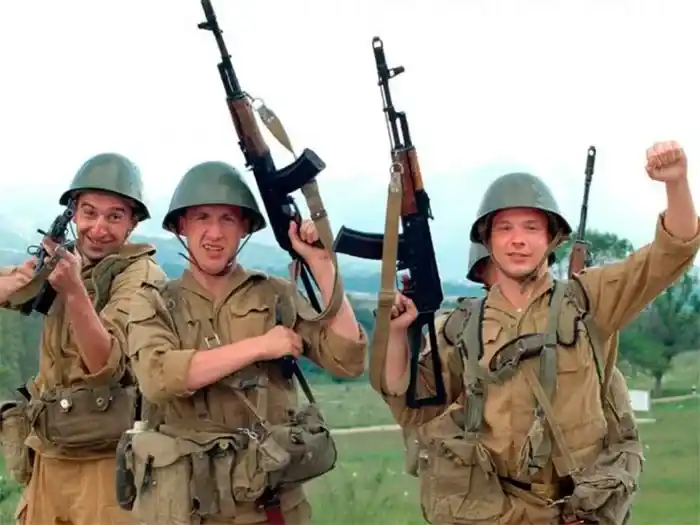
All soldiers of the 9th Company received military awards. Vyacheslav Alexandrov and Andrey Melnikov were posthumously named Heroes of the Soviet Union. Alexandrov was only 20 years old, and Melnikov was 19.
More interesting articles:
Why Mujahideen Feared Soviet GRU Spetsnaz in the Afghan War
Soviet Spetsnaz Uniform in Afghanistan (1979–1989)
What Soviet Soldiers Really Ate in the Afghan War
Soviet Afghanka Uniform. History, Features, and Use in Afghanistan
Looking for original Soviet boots and accessories? Please visit here: Soviet Boots Store