What Was Good and Bad About the SSh-36 Helmet and Why There Was a Scandal?
The Soviet SSh-36 helmet was the first mass-produced steel helmet of the Red Army and marked a major step in Soviet military equipment. This article explores the history of the Soviet SSh-36 helmet, its combat use in early conflicts, and the controversy that surrounded its design.
But the SSh-36 was not actually the first helmet used by Soviet soldiers. To understand how it appeared, we need to go back in time and look at where it all began. Let’s dive into the history and see how earlier designs, including the Adrian helmet, shaped the evolution of Soviet steel helmets.
Check Soviet WW2 uniforms guides:
Soviet Red Army Uniform and Equipment in World War II (1939-1945)
From the Russian Civil War to World War II: Soviet Military Uniform History (1918–1945)
How Women Were Dressed During the War | 1941–1945
Soviet Military Uniform History – From the Red Army (RKKA) to the Soviet Army
Russian Empire Adrian helmet
World War I was, for the most part, started by all countries in simple caps. However, the shift to trench warfare brought grim statistics, from 25% to 55% of soldiers were killed by head wounds. The French and the Germans were the first to start developing helmets. The lovers of crispy bread and refined romance handled this task almost better than anyone else. Already in September 1915, the quite successful Adrian helmets began to be supplied to the army in large numbers. Impressed by the experience of their allies, the British also started making their own helmet, and by the end of autumn of the same year, the new Brodie helmet began to arrive to the troops. The Germans experimented with different helmet designs throughout 1915, however, the famous M16 Stahlhelm finally entered service in 1916.
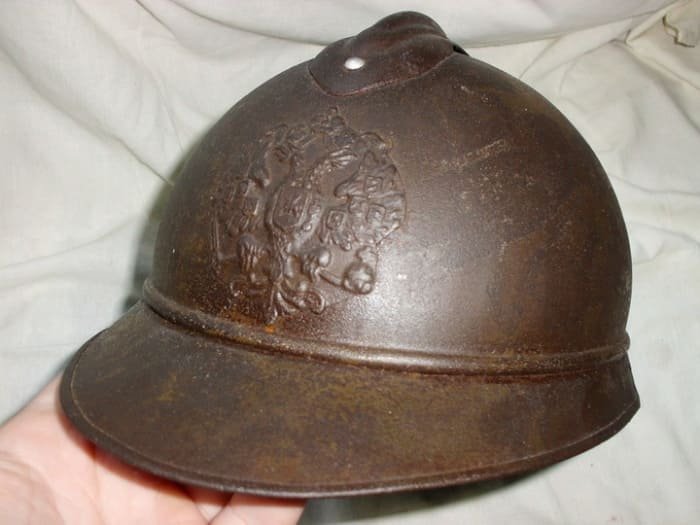
Among the main participants of the war, the situation with helmets was worst in Russia. The refusal to widely use helmets in the Russian army is often explained by the “arbitrariness” of Emperor Nicholas II. Whether this is actually true is hard to say. Mentions of this can supposedly be found in the memoirs of Russian generals. However, it is much more likely that the reason was the inability of the empire to organize mass production of steel helmets in millions of units. Helmets did exist in the Russian army, but in very small numbers. They were issued mainly to shock units of the imperial army. Helmets began to arrive only from April 1916. Russia itself did not produce helmets and instead purchased them from France. At the beginning of 1916, an order was placed for 1 million helmets, however, by the end of the year, no more than 340 thousand had been delivered to the empire.
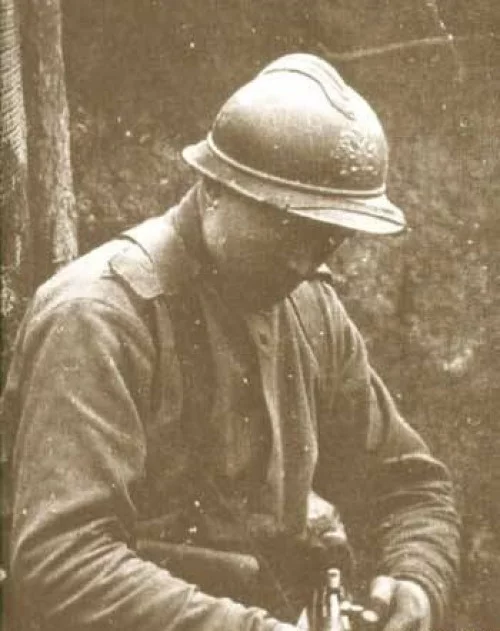
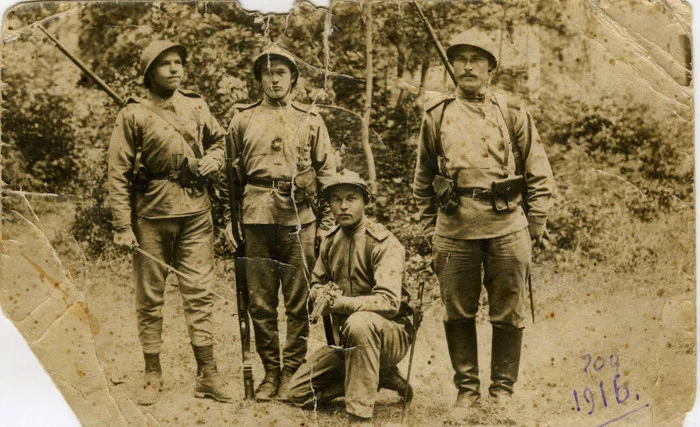
Looking for classic Soviet kirza boots? You can find them here: Soviet Kirza Boots
Later, based on the French Adrian helmet, the M17 Solberg helmet was developed in Russia.
Russian Empire. Steel helmet (M17 Sohlberg).
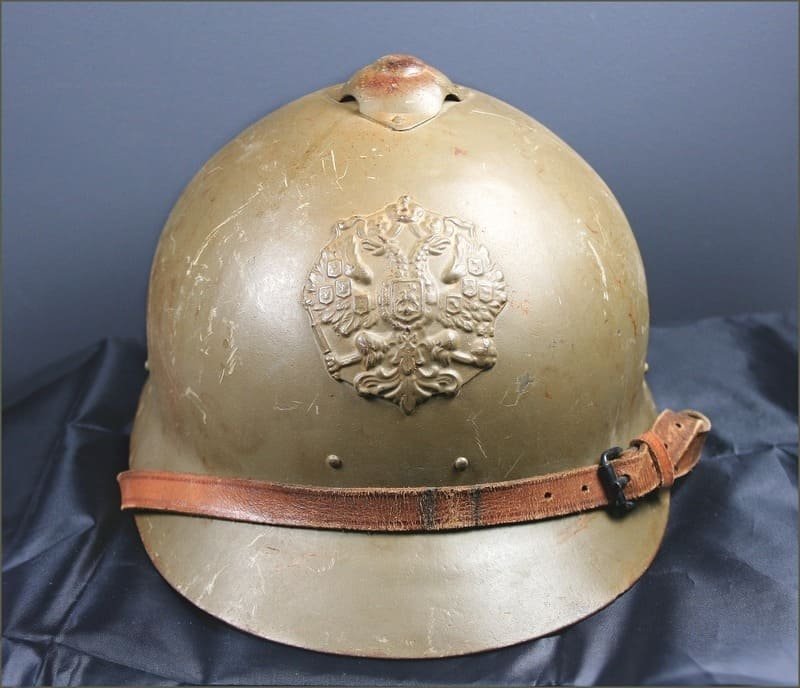
In 1915, the Russian General Staff decided to begin the development of the first Russian steel helmet. The prototype for this helmet was the French Adrian helmet model 1915. In 1917, an order for helmet production was placed in Finland at the factories Sohlberg-Oy and V.W. Holmberg. In Russia, the helmet received the designation Model 1917 (Sohlberg), according to the year when production began. However, this helmet was never officially adopted, although it was used in the Red Army until the 1930s
.Extremely rare. A dream for all World War I museums!!!
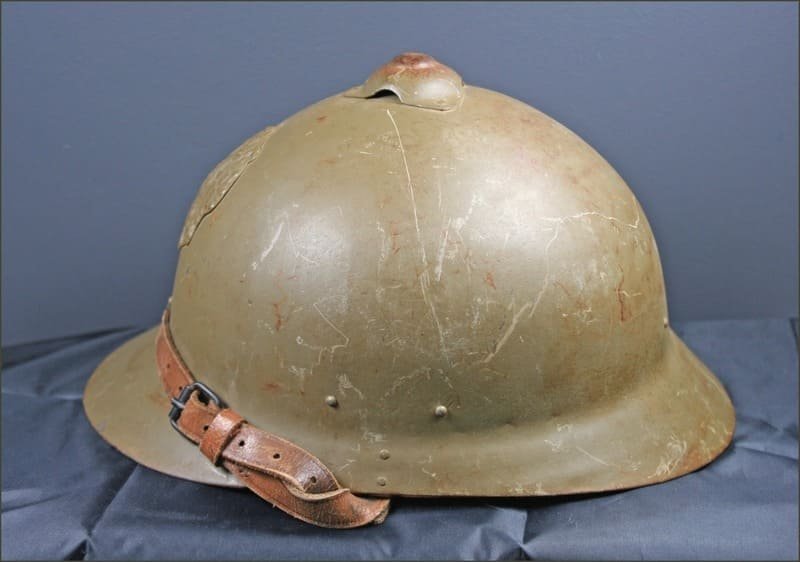
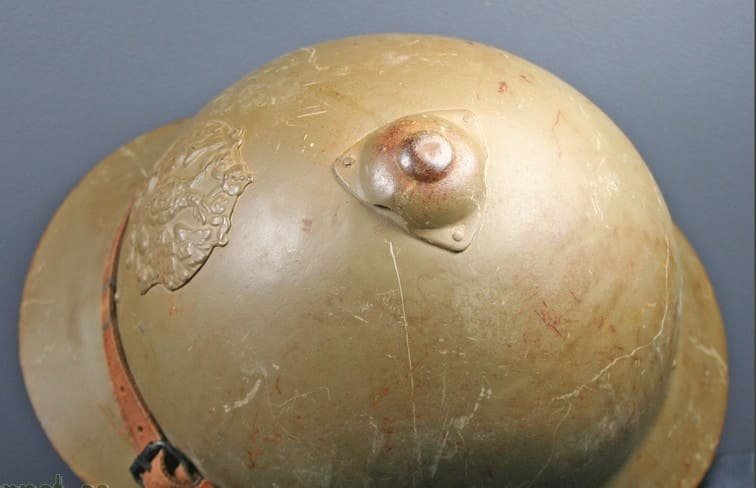
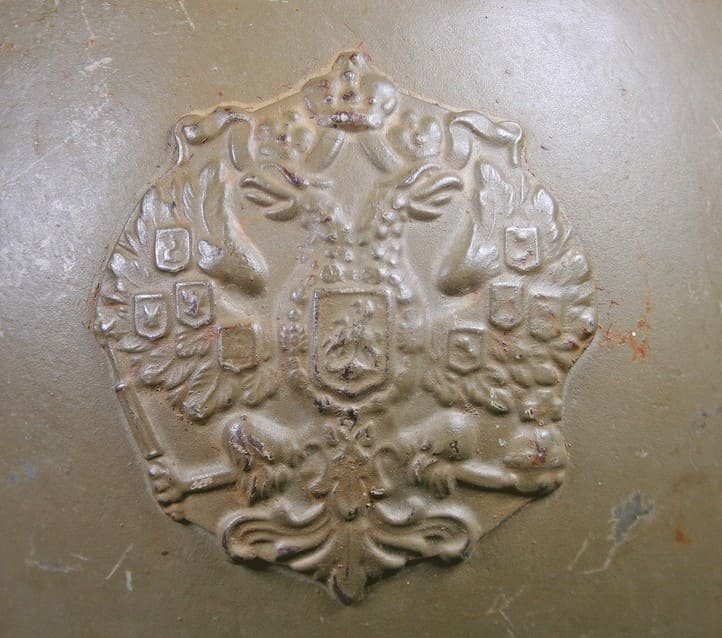
The steel helmet is painted in the “Russian” color (pea green), with a steel cockade and an aluminum crest.. It is very rarely found with the Russian imperial eagle in original paint.
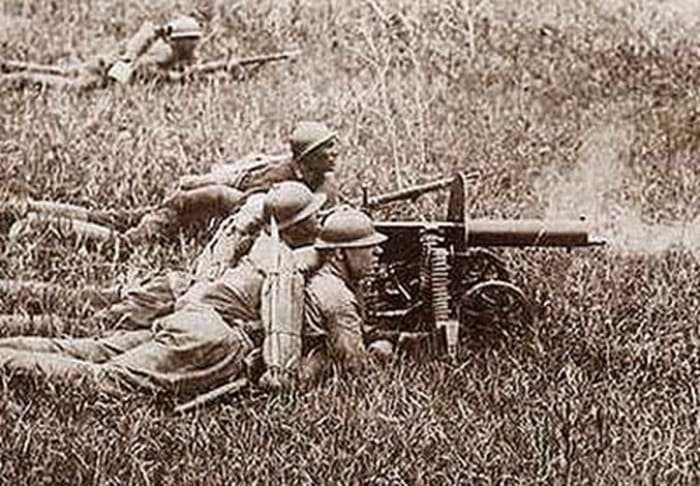
Soviet helmet M28
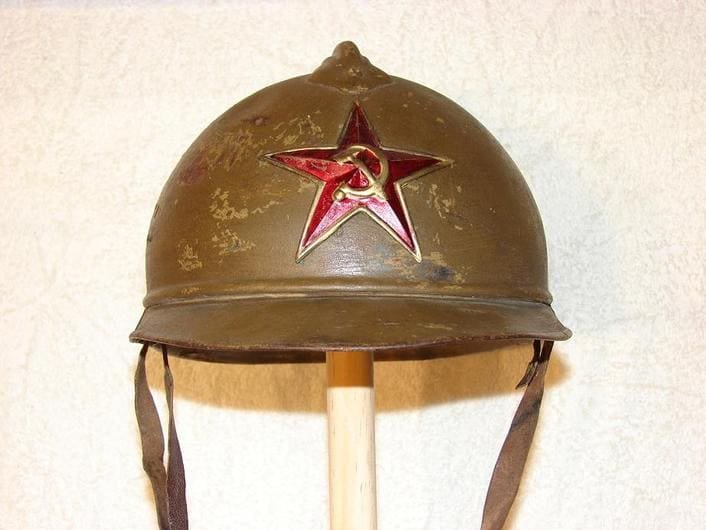
The Soviet M28 helmet was based on the French M15 Adrian, which had been widely used during World War I. In the late 1920s, these helmets were refurbished, repainted, and fitted with a new Soviet emblem, which led to their new designation as M28.
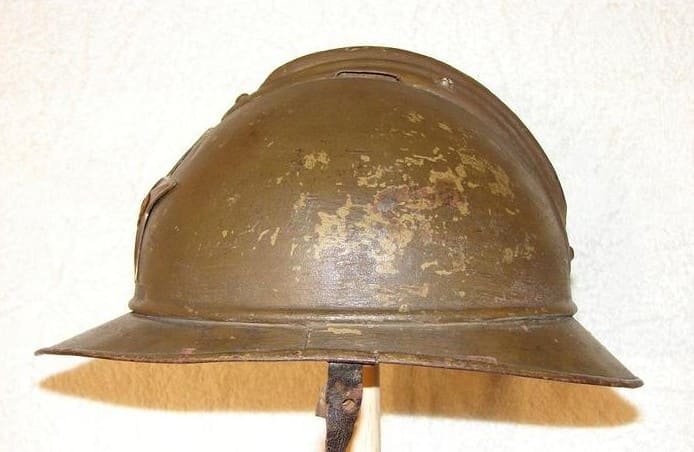
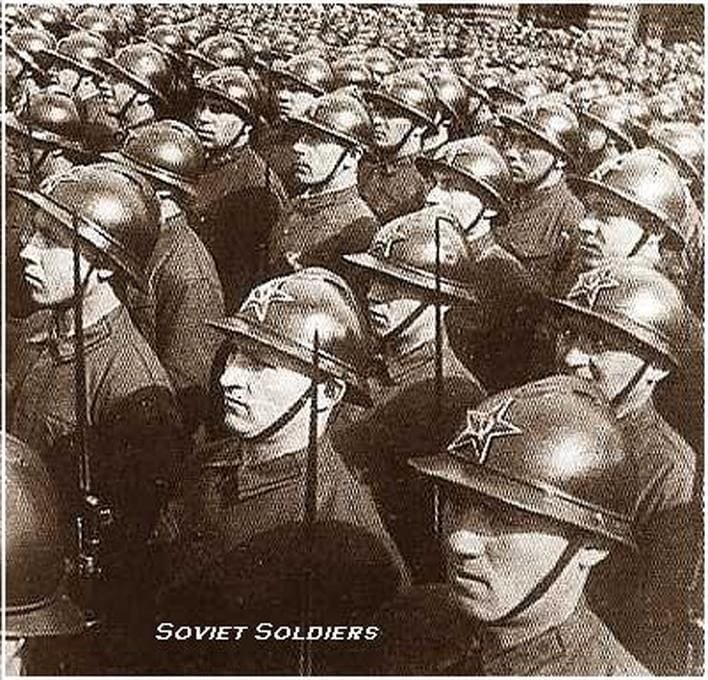
A distinctive feature of this helmet was the large star badge, stamped from thin brass. Because of this detail, collectors often refer to this model as the “Big Star” helmet. The M28 remained in service with Soviet forces until around 1936.
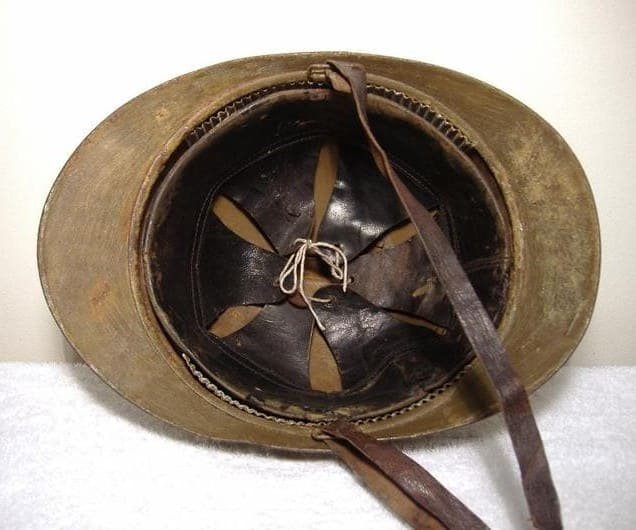
The last Adrian helmets inherited from the Russian Empire were still used by the Red Army. Having learned from the bitter experience of the empire, and also following the current trends of military “fashion,” the Soviet state began developing and producing its own steel helmet.
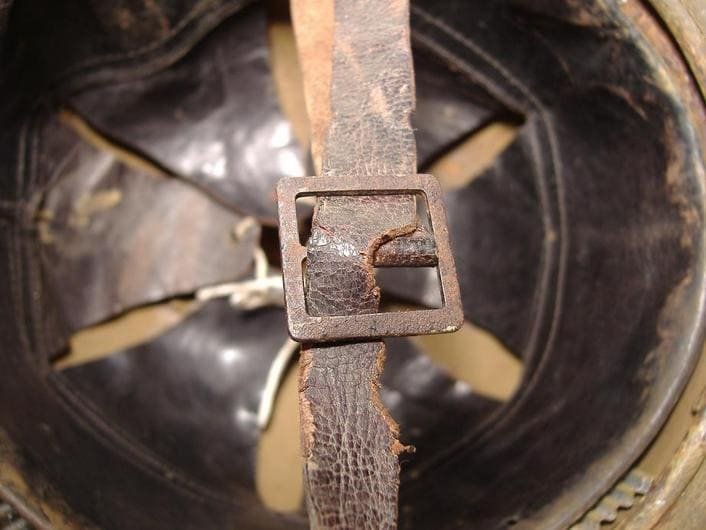
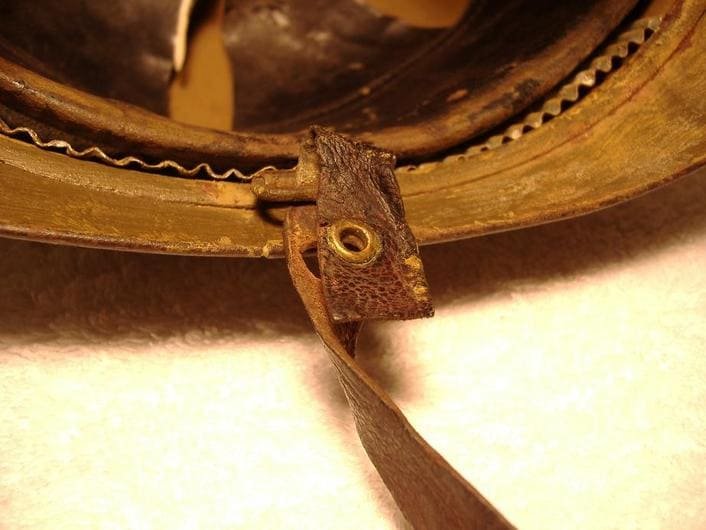
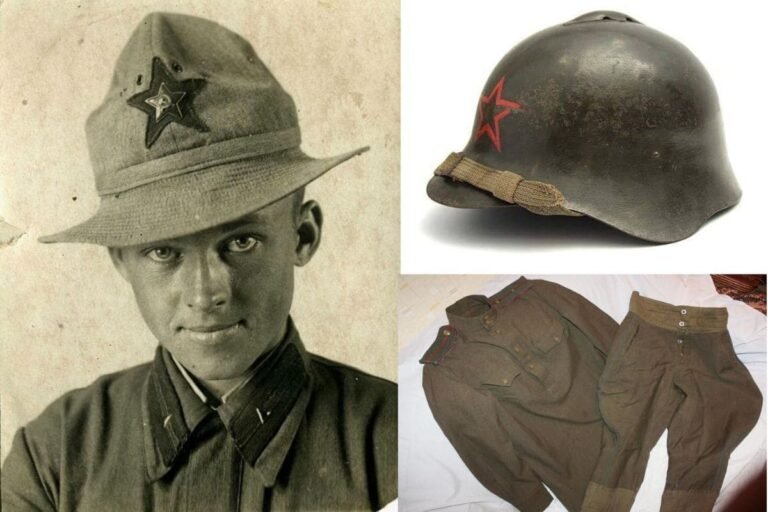
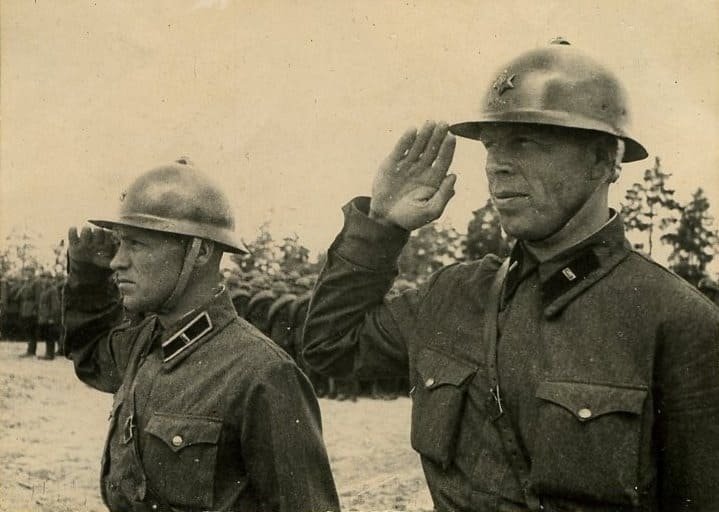
If you look at archival footage or old photographs from the first years after the emergence of Soviet Russia, you can see that the main headgear of a Red Army soldier was the budenovka hat. A small number of metal helmets remained in military warehouses, inherited by the Soviet republic from the Tsarist authorities, but most often they appeared at various military inspections and parades.
Soviet helmet M29
The first Soviet steel helmet was created in 1929. In appearance, it resembled the well-known M17 Sohlberg, which had been produced in the Russian Empire. An experimental batch of helmets was produced under the designation M29. Due to the fact that the production process was very labor-intensive and expensive, this model never entered mass production.
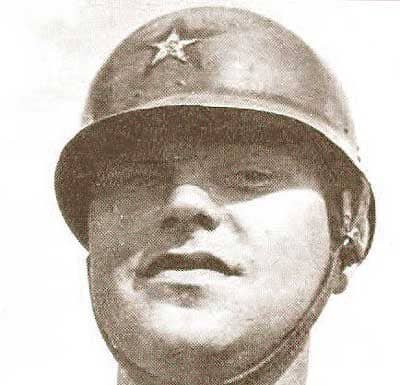
The Soviet M29 was experimental, and therefore did not see wide use in the army. Then another purely experimental helmet was created, the M30. Like the M29, it never entered mass production. Finally, in 1934, the SSh-36 steel helmet was developed (the name was officially assigned in 1936). The helmet successfully passed the first stage of trials and was put into mass production as early as 1935 at the Lysva Metallurgical Plant.
Soviet helmet SSh-36
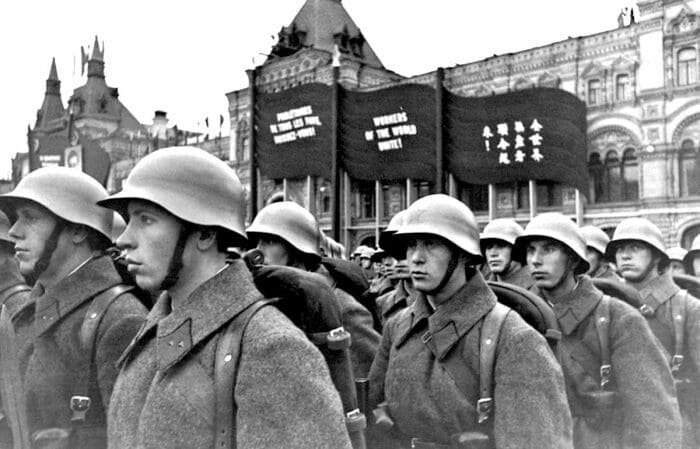
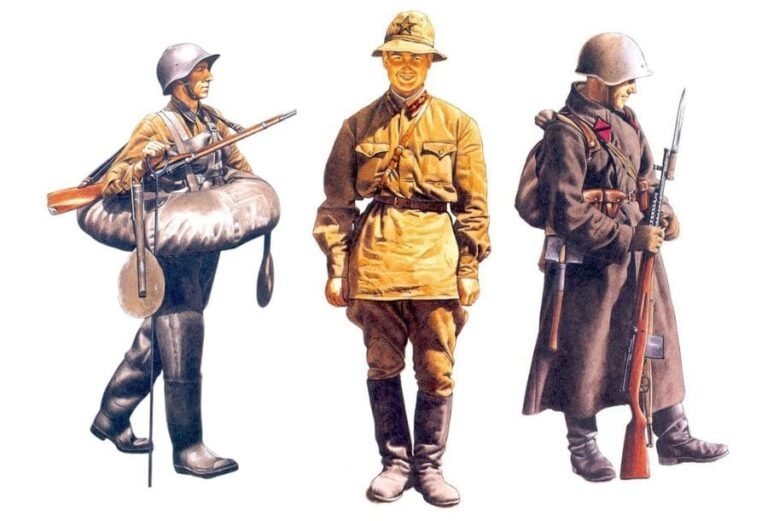
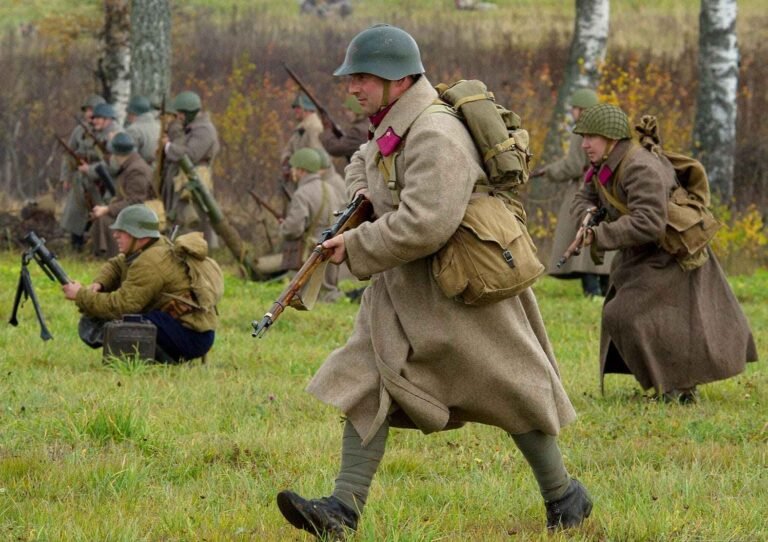
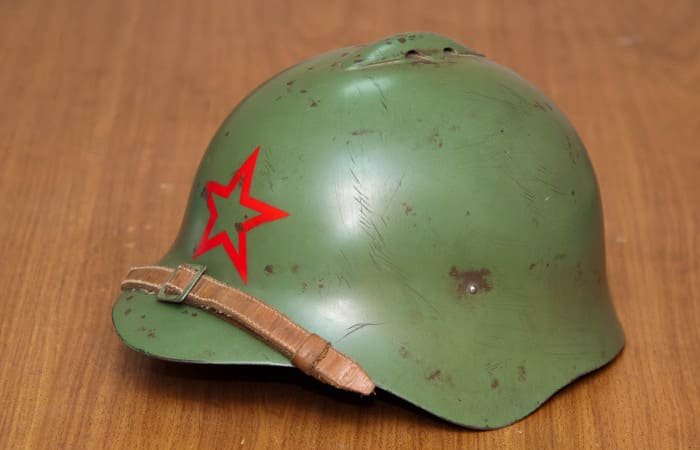
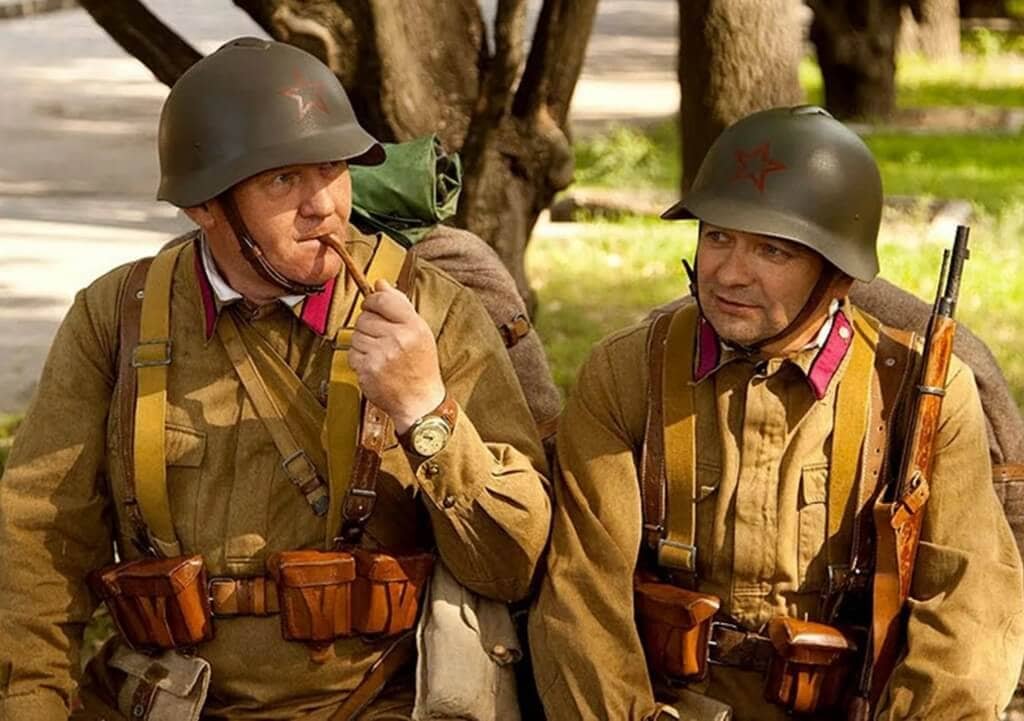
The new helmet had a rather interesting shape. When seeing it for the first time, a person unfamiliar with it might even think that it is not a Soviet helmet, but a German one. In fact, the design was influenced by German helmets from World War I. It had a strong visor and extended sides that protected the soldier’s ears. It is also said that Marshal Budyonny himself insisted on strengthening these elements, because, in his opinion as an experienced cavalryman, the helmet had to reliably protect against a saber strike.
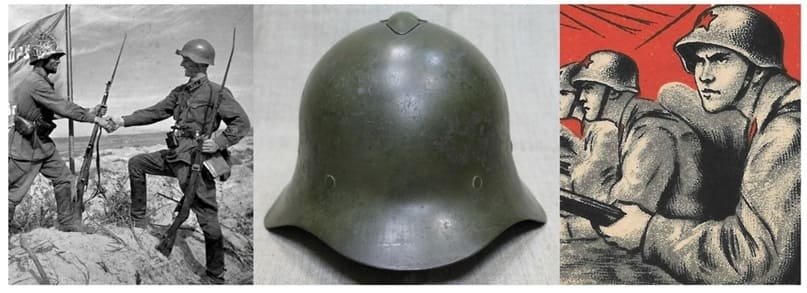
Another characteristic feature of the SSh-36 was a small crest that covered the ventilation hole. A red star was applied to the front of the helmet using a stencil, and later a hammer and sickle were added inside the star. However, in photographs, the star is often barely visible because it was covered with green paint. The reason is that the red star on a green background could reveal a soldier’s position in combat, so helmets were later repainted.
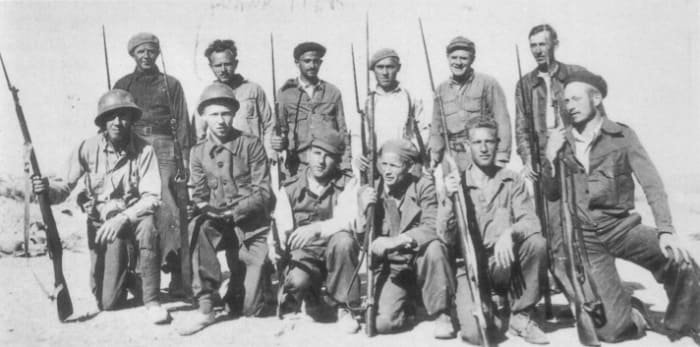
In 1936, the Spanish Civil War broke out between supporters of the republic (a coalition of communists, socialists, anarchists, liberals, and part of the Spanish nationalists) and supporters of a fascist dictatorship. The Spanish fascists were supported by Germany, Italy, and the Russian White emigration. The Spanish republicans were supported by France, Mexico, the Soviet Union, and the Comintern.
It was in this conflict that the SSh-36 helmet received its baptism of fire. These helmets were used by both republican forces and fighters of the International Brigades, mostly volunteers with left-wing views.
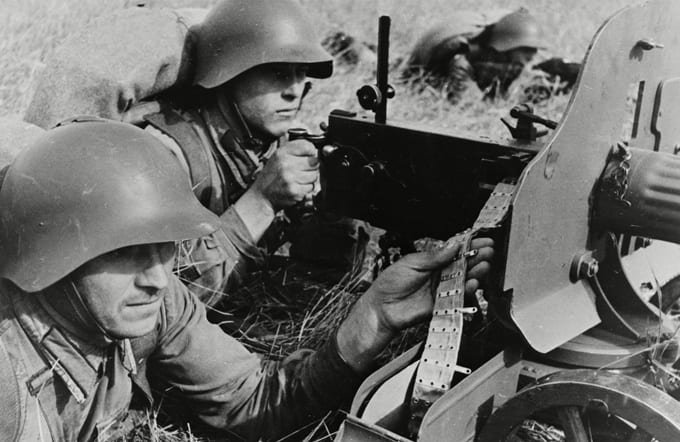
The SSh-36 helmet saw truly widespread use on Red Army soldiers in 1939 during the local battles in Mongolia at the Khalkhin Gol River. There, the forces of the Soviet Union and the Mongolian People’s Republic clashed with the Japanese Empire and its puppet state of Manchukuo.
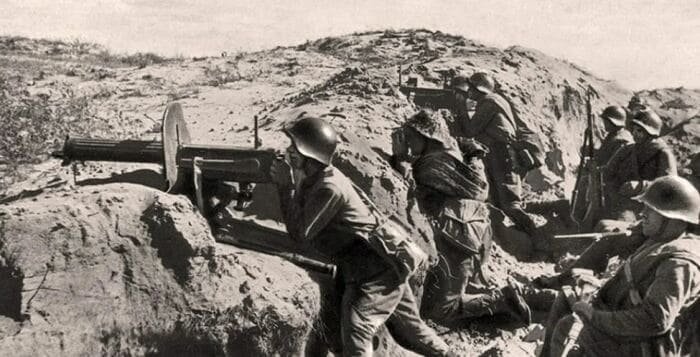
Based on the results of the conflicts in Spain and Mongolia, a detailed evaluation of the SSh-36 helmet was made. During its use, a wide range of shortcomings was identified, mainly related to ergonomics, especially its unsuccessful shape. As a result, in 1939, the development of a new steel helmet began, which was initially designated as SSh-39. However, most people know this helmet by its later designation, SSh-40. It was in this helmet that the Soviet soldier would go from Brest to Moscow, and from Moscow to Berlin.
Looking for original Soviet low RKKA boots? You can get them here → [Soviet low boots]
The swan song of the SSh-36 was the Soviet-Finnish War of 1939–1940. In the conditions of the Winter War, the initial stage of which became a shock for the Red Army, it was discovered that the fabric liner system of the helmet, worn in cold weather over a standard thin wool cap, did not allow additional insulation of the head. Although this problem was later fixed, Soviet designers were already preparing a replacement. In 1939, a new helmet appeared, which can be considered the “classic” helmet of the Soviet soldier.
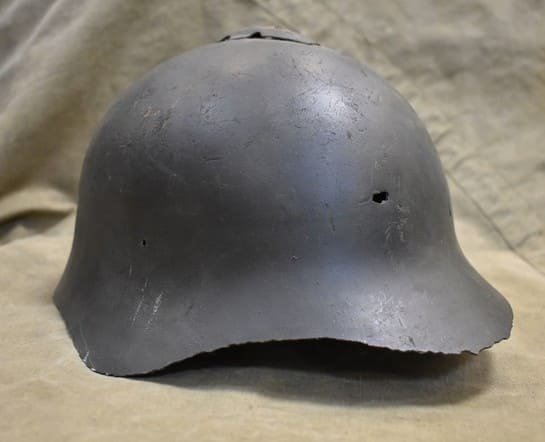
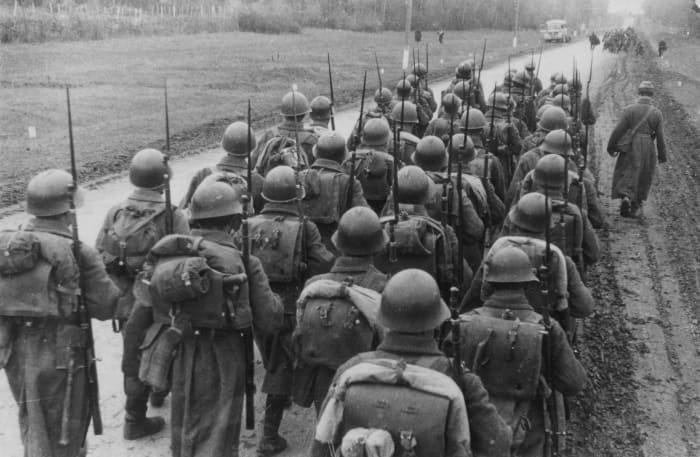
At the same time, the 1936 model steel helmet still saw a lot of combat. The SSh-36 continued to be used on the front lines in 1941–1943 alongside newer helmet models.
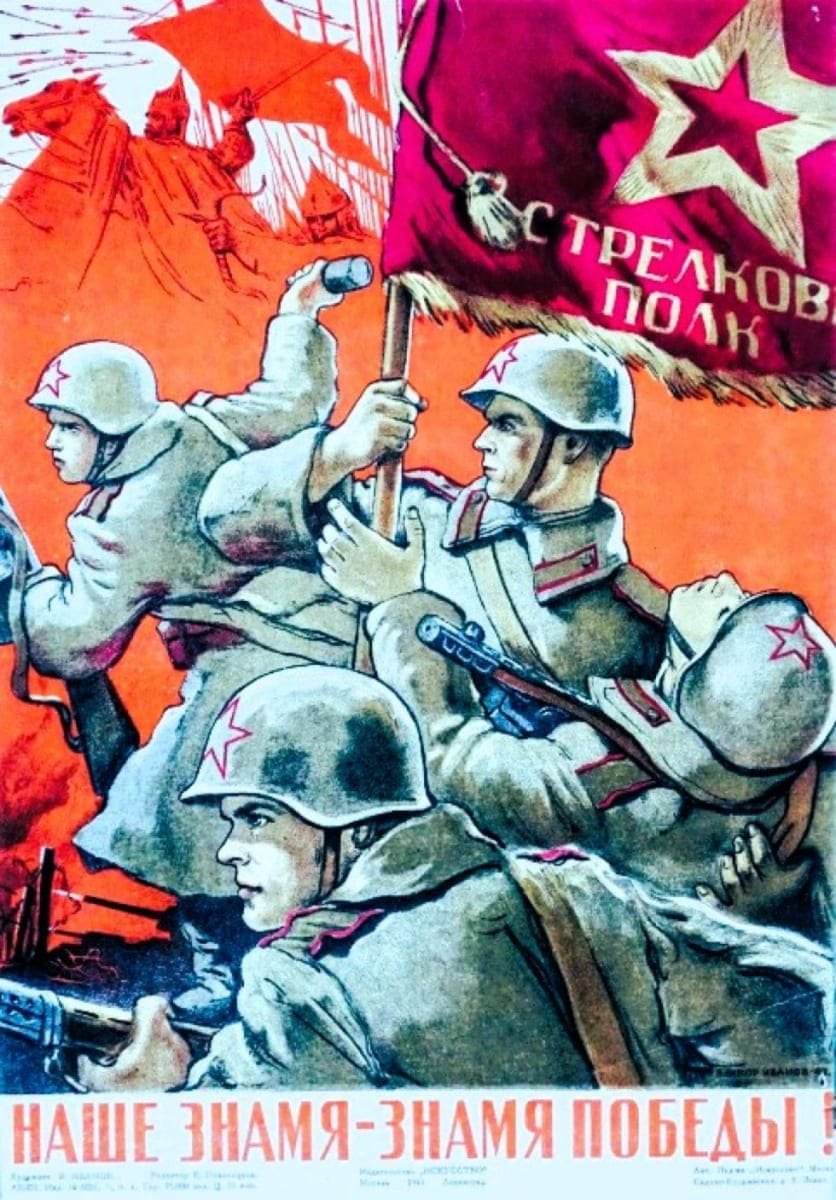
There were many posters created in the first year of the war, showing a brave Red Army soldier wearing a helmet with wide edges and a red star on the front. In the 1960s, a new helmet was developed and adopted in the Soviet Union. As for the “old” SSh-36, it continued to be used by Soviet firefighters in the 1940s and 1950s.
The SSh-36 Helmet Scandal in the Soviet Union (1937)
As for the scandal around the SSh-36 helmet, it took place during the years of the “Great Terror.” In 1937, a certain political officer named Filatov filed a complaint claiming that the Red Army steel helmet contained a Trotskyist symbol – an empty five-pointed star without the hammer and sickle. In this way, this “highly socially responsible” citizen accused the helmet of spreading hostile ideology.
The military administration of the East Siberian district provided an official response to this complaint. Army representatives stated that the outline of the red star was used for practical reasons, not ideological ones. The star was needed for identification of friendly forces, while a fully painted symbol could make the soldier more visible in combat.
After that, the Directorate sent a letter to the high command with proposals on how to resolve the “Trotskyist issue.” Several options were considered: removing the star entirely, repainting it in a different protective shade, or creating a new version of the “empty” star with the hammer and sickle added. Ultimately, the leadership decided that the third option was the most appropriate.
Check Soviet WW2 uniforms guides:
Soviet Red Army Uniform and Equipment in World War II (1939-1945)
From the Russian Civil War to World War II: Soviet Military Uniform History (1918–1945)
How Women Were Dressed During the War | 1941–1945
Soviet Military Uniform History – From the Red Army (RKKA) to the Soviet Army
Looking original Soviet boots and accessories? Please visit here: Soviet Boots Store