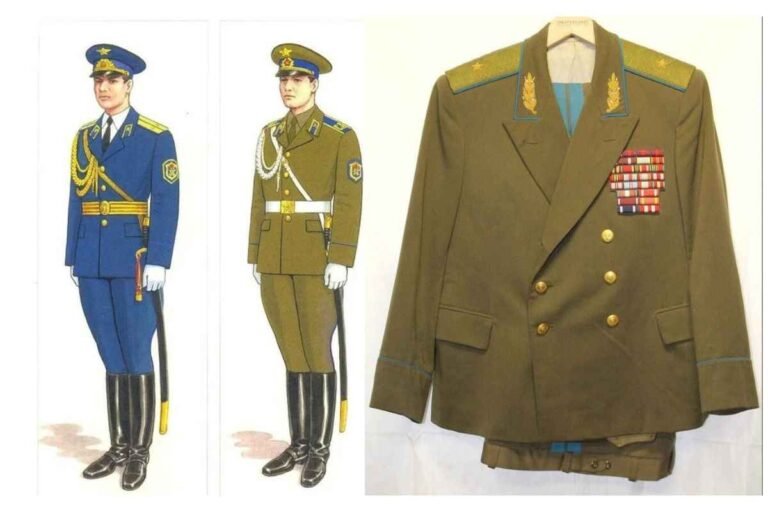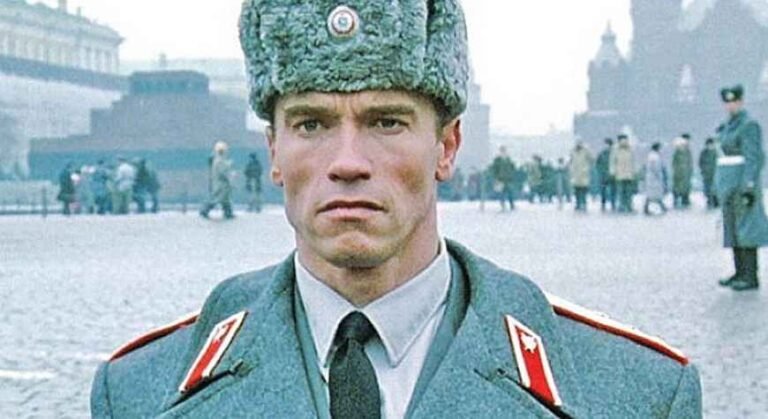
Cold War Soviet Army Uniform – Part 3
You can read Part 1 and Part 2 to understand the full debate about field uniforms, boots, greatcoats and everyday service conditions before moving deeper into Part 3.
In this final part, we move deeper into the debate around the Cold War Soviet Army Uniform. Veterans openly disagree: some defend it as practical and proven in war, others call it outdated and uncomfortable.
These contrasting voices reveal not just details of clothing, but the mindset and philosophy of an entire era.
More interesting articles:
Cold War Soviet Army Uniform: Why It Was Uncomfortable for Daily Service – Part 1
Cold War Soviet Army Uniform: Real Voices of Soviet Soldiers – Field Experience Part 2
Soviet Spetsnaz Uniform in Afghanistan (1979–1989)
How the Soviet Army Uniform Changed from 1955 to 1991
Field Uniform and Equipment of the Soviet Army (1968–1991) – Part 1
More comments: was the Soviet uniform good for war or just outdated?
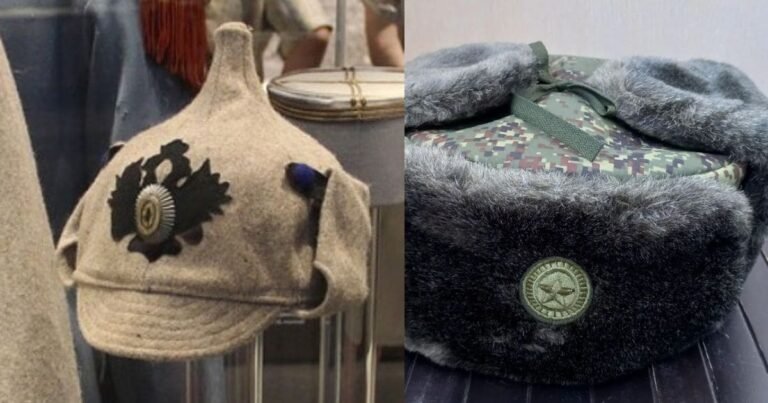
In these comments people again split into two camps. Some say the Soviet uniform was made for real war and trenches, not for looking good at a disco. Others say that by the late 1980s and early 1990s the soldier looked like a Red Army man from the 1930s, and the uniform was old, ugly and uncomfortable.
Camp 1: “It was made for war. It worked.”
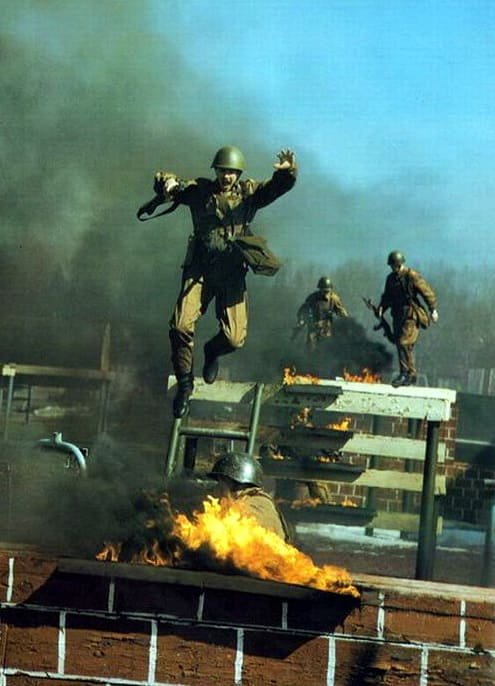
The uniform in the Soviet Army was normal. In basic training, we sewed the undershirt and long underwear to the cotton uniform so that at reveille we would not be late for formation and get extra duty. 1970-1972.
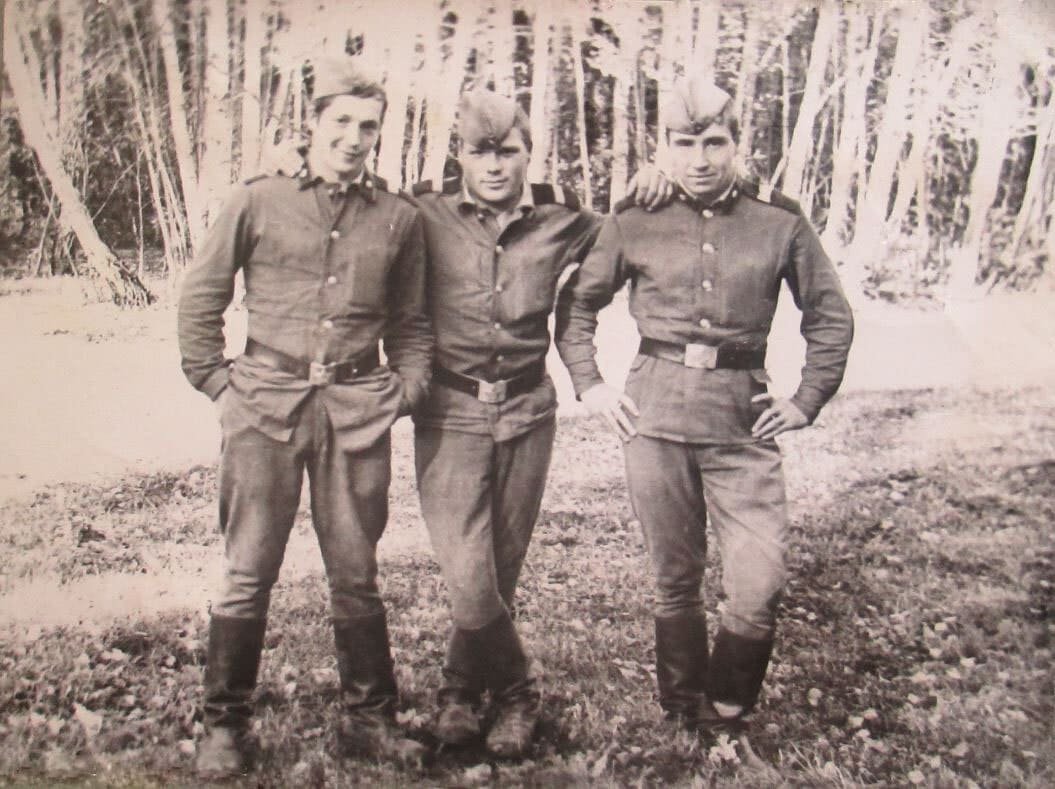
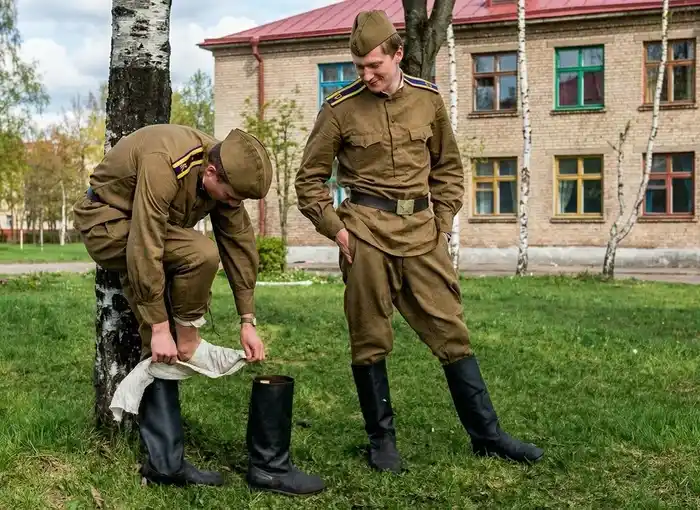
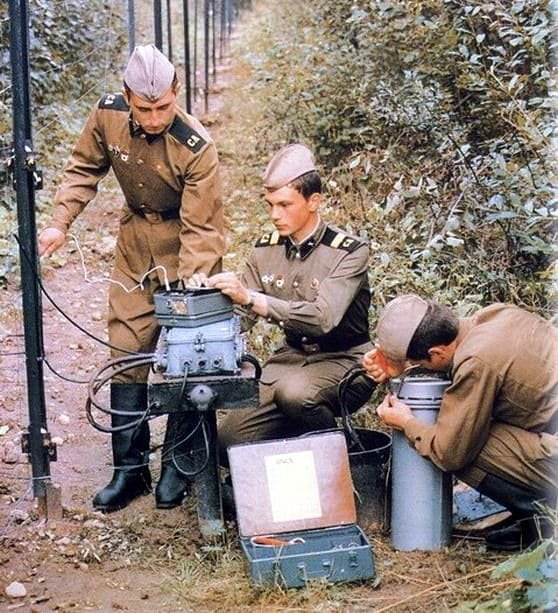
Some people write very clearly: kirza boots, foot wraps, old-style long underwear, and the greatcoat were a soldier’s salvation. Everything was practical if you think about real war.
They say socks are useless in war. During the first long march you will destroy both the socks and your feet.
Army underwear was strong and easy to wash in the laundry. Civilian knit underwear, they say, would turn into a rag after one wash.
The soldier’s sweater was called a “vshivnik.” The name itself suggests lice. Even supporters of the uniform admit one weak point: the pilotka cap. Many think it should have been replaced with something better.
Some even say:
Foot wraps are more practical than boots in war.
Foot wraps are better than any socks in war.
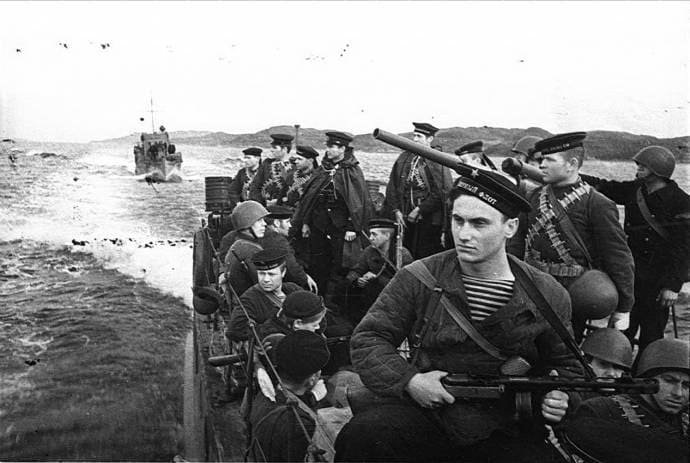
There is no better outer garment than a greatcoat in war.
They say real wars proved this.
Why boots and foot wraps were canceled and why people were angry
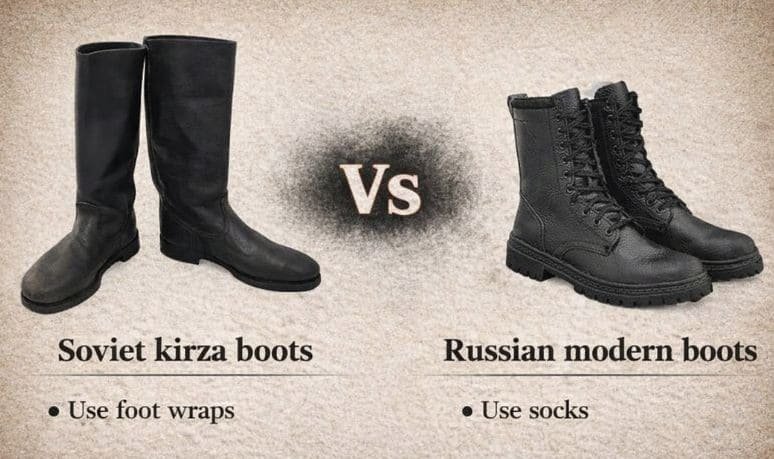
Looking for classic Soviet kirza boots? You can find them here: Soviet Kirza Boots.
One commenter asks: why were boots canceled? And answers: because the Ministry of Defense said foot wraps were “outdated.” He calls it madness.
In some units surprise inspections were held to find soldiers wearing socks. Senior soldiers could wear socks inside the unit. Young soldiers wore socks during outside work.
But another soldier says the opposite: he liked boots but hated foot wraps. He explains why wraps sometimes failed:
Boots must fit perfectly. Over time they stretch by two sizes, and wraps do not stay tight.
Wraps must be large and whole. But they were often given old torn cloth that became worse after chlorine washing.
Camp 2: “Outdated, ugly, ideology over common sense”
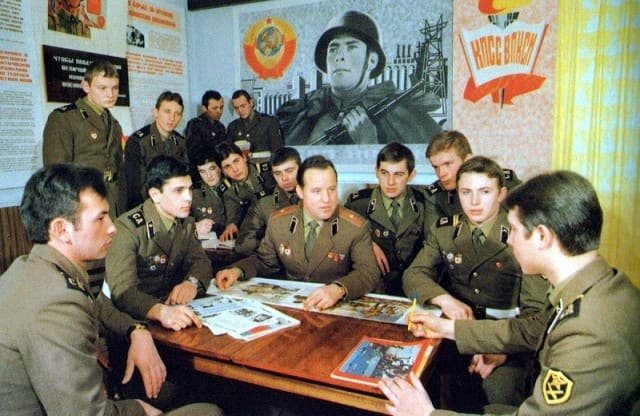
One strong comment says: by the late 1980s and early 1990s the Soviet soldier looked like a Red Army soldier from the 1930s. Maybe even worse. The uniform was outdated, ugly and uncomfortable. The only advantage was low cost.
He says the state spent huge money on weapons but could not or did not want to provide good uniforms. It feels like generals did not understand what a modern uniform should be. They were afraid the Soviet soldier would look like a NATO soldier. Ideology won over common sense.
He laughs at the pride in foot wraps and kirza boots, which Russia still used in the 21st century and called a genius invention.
Real life details: when uniform really caused problems
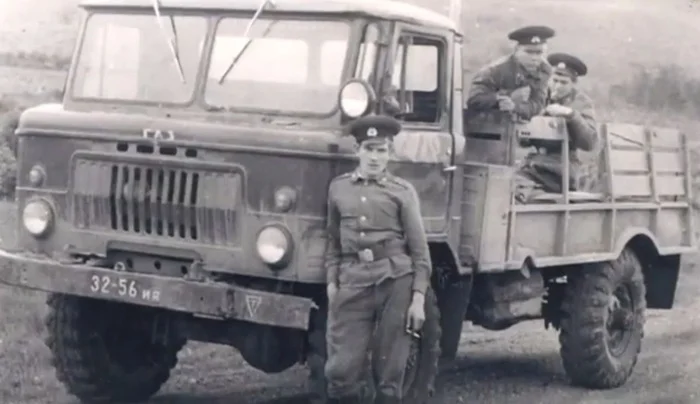
One officer says the biggest problem was getting into a GAZ-66 truck in parade uniform. You had to lift your leg very high. The riding breeches could tear along the inner seam up to the top. This happened to him twice.
About the greatcoat: it was tailored to fit the body. Officers had waists and shoulders. But in winter parade uniform with equipment he felt very stiff. It was hard to turn his head. He had to turn his whole body.
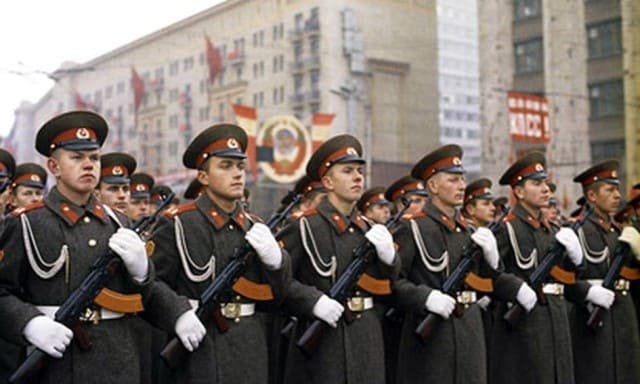
He also complains about officer boots: they forced toes into an uncomfortable position. Outside formations he wore civilian shoes or Czech military low shoes.
But he adds: daily uniform was quite comfortable and fabrics were good quality.
Turkestan Military District 1980-1982: “Summer uniform was great”
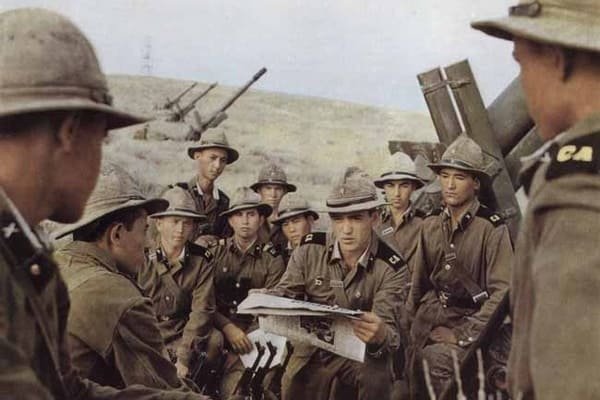
A soldier from Turkestan district says he does not understand complaints.
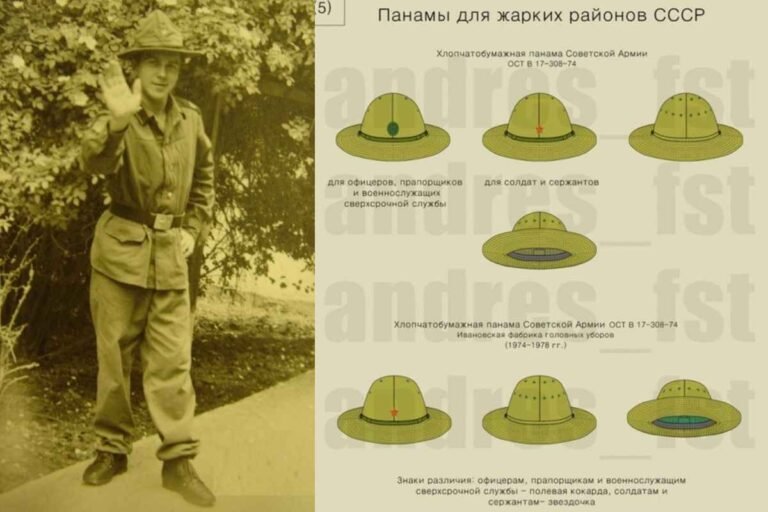
Summer cotton uniform was excellent. The collar button did not choke. Pants had cuffs. Leather shoes and leather belt. Panama hat for the sun. After one year everything faded white from the sun.
But he criticizes seasonal changes. In November it was still 30-35°C but they switched to winter uniform. In March it was hot but they still wore winter hats. He calls it Ministry madness.
He also mentions that sometimes underwear returned from laundry slightly wet and sometimes had lice in seams. “But that is another story.”
1992 and collapse: layers, greatcoat and survival
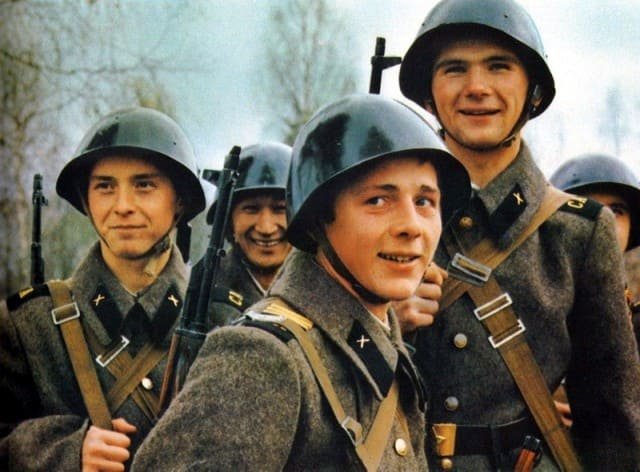
Another soldier joined in autumn. During basic training they did not wash for 12 days. They received wool uniform plus warm and summer underwear. Wearing all layers together was terrible. Then came the greatcoat. He remembers wanting to press his back to a heater during guard duty.
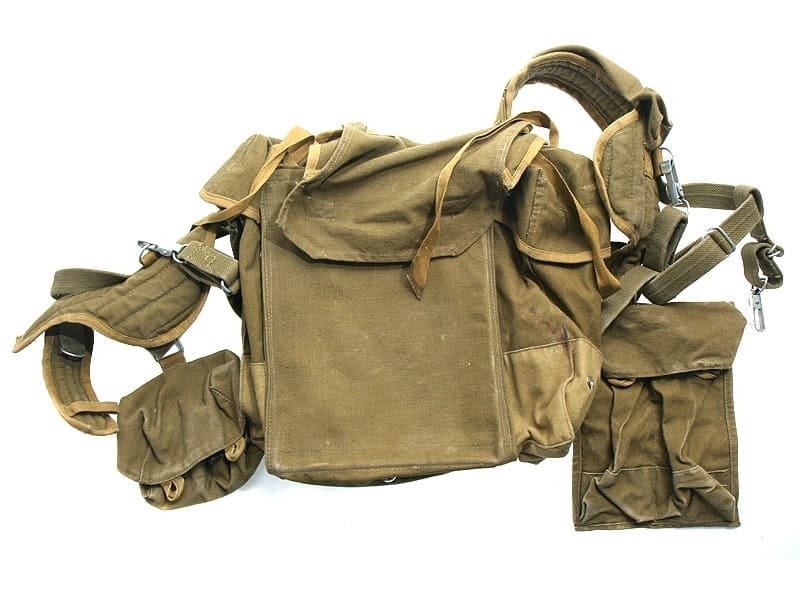
He joined in 1992, during chaotic times. Later in troops he carried RD-54 pack. Nobody punished them for wearing sweaters. Everyone adjusted things for himself.
Load-bearing belts and field gear
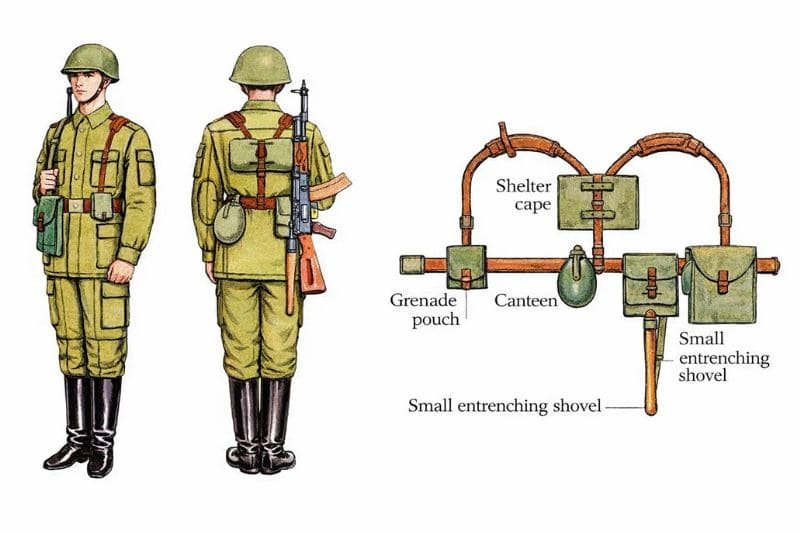
Someone writes that load-bearing harness existed to stop shovel from hitting your back and bayonet from hitting your leg. It also kept magazine pouches from blocking RPG sight.
Another says motor rifle troops had it, but internal troops did not. They only saw it in military magazines.
Another adds: the harness was supposed to exist, but in reality it often did not, just like rain capes.
Served in both Soviet and Russian Army
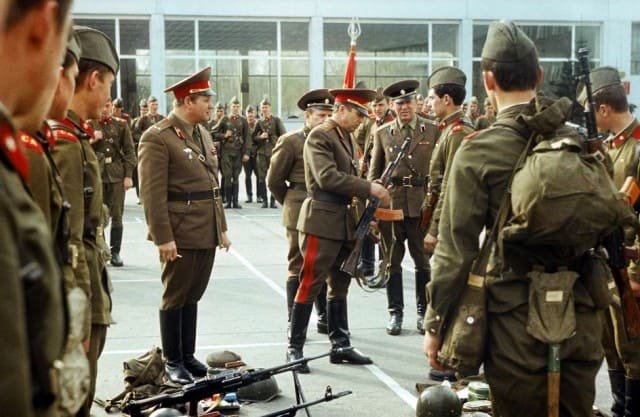
One man served in both. He remembers Soviet Army with nostalgia but cannot call late 1980s uniform fully comfortable.
They tailored and ironed it. But officer field uniform before Afghan uniform was not comfortable at all.
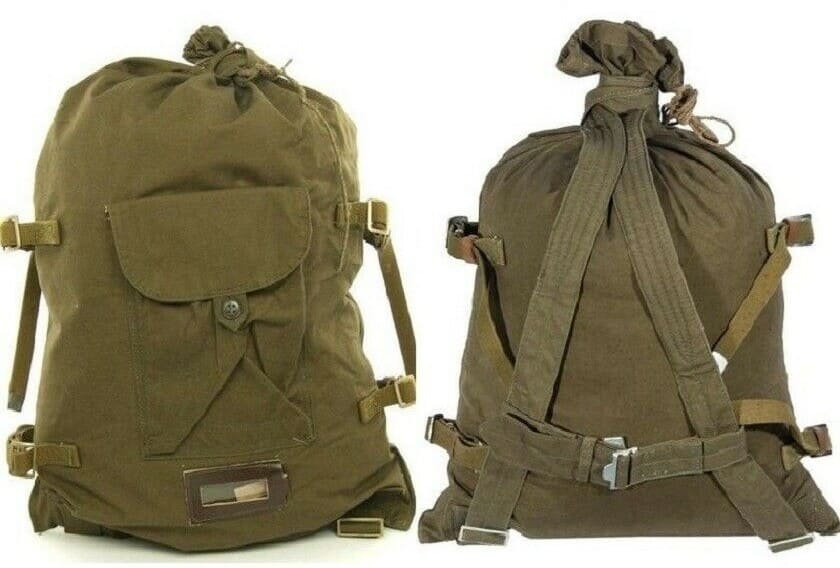
Equipment was generally fine, but the classic army duffel bag ‘veshchmeshok’ was outdated. Modern VKBO uniform has problems too but is more functional. He tested it himself.
He calls the guard sheepskin coat the warmest and most comforting item.
Tulup, long underwear and Far East winters
Another says:
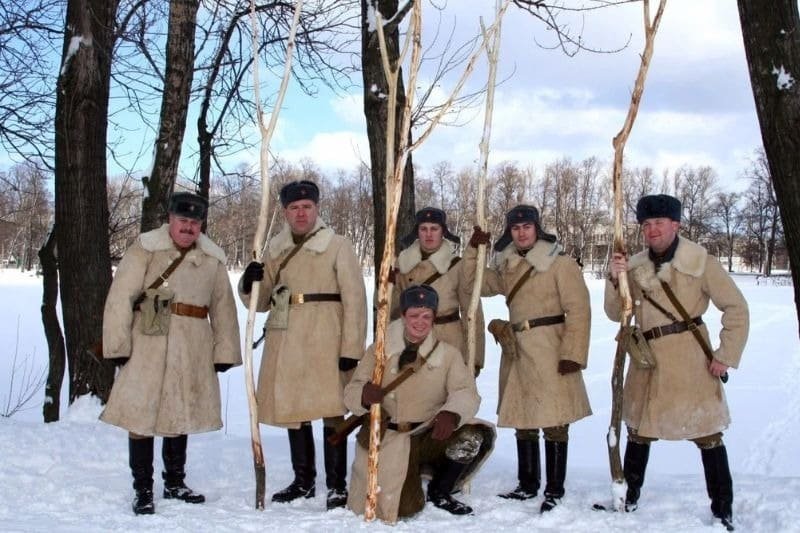
The longest long underwear he received ended below the knee.
The guard sheepskin coat warmed better than the greatcoat.
Postwar wool uniform with wide breeches worked well in cold Far East winters.
Another surprising detail: some officers wore navy trousers and coats in winter because they were warmer than official officer clothing.
Chemical suit and army philosophy
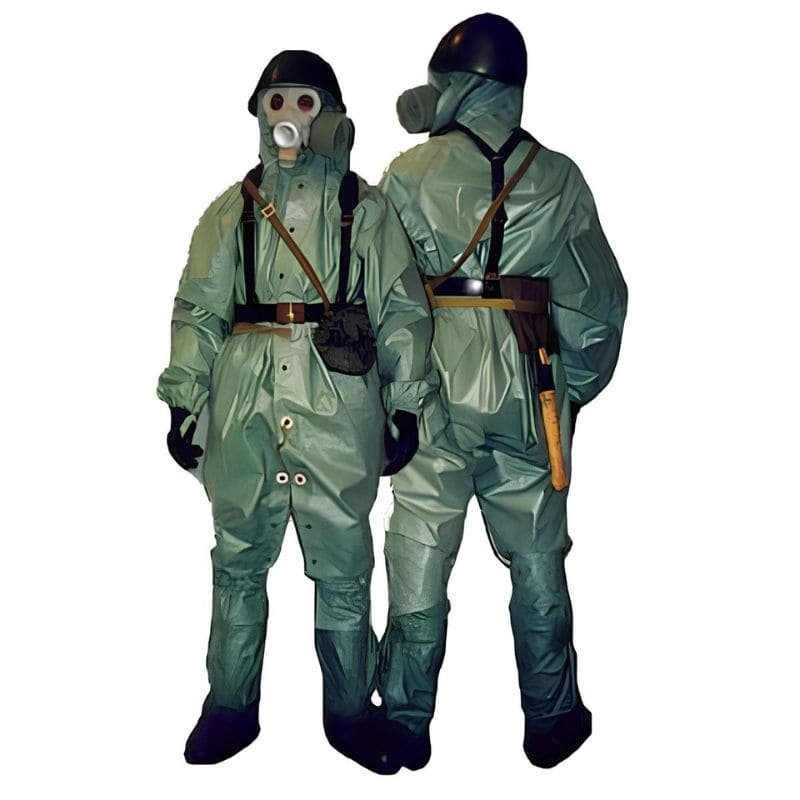
One writes about chemical protection suit attached with thin threads and asks who designed it.
Another shares a sentence from an officer:
“You think I need you to serve? No. I need you to suffer.”
And he says: “Then I understood everything.”
Conclusion
In the end, the Cold War Soviet Army Uniform was more than just fabric, boots, or a greatcoat. It reflected the priorities of its time – mass mobilization, durability, cost, and the expectation of a large-scale war.
For some veterans, it remains a symbol of discipline and endurance. For others, it represents unnecessary hardship and outdated thinking. Both perspectives are real. Both come from lived experience.
The uniform may be gone, but the debate about it continues – just like the memories of those who wore it.
More interesting articles:
Cold War Soviet Army Uniform: Why It Was Uncomfortable for Daily Service – Part 1
Cold War Soviet Army Uniform: Real Voices of Soviet Soldiers – Field Experience Part 2
Soviet Spetsnaz Uniform in Afghanistan (1979–1989)
How the Soviet Army Uniform Changed from 1955 to 1991
Field Uniform and Equipment of the Soviet Army (1968–1991) – Part 1
Looking original Soviet boots and accessories? Please visit here: Soviet Boots Store