How Cold War Soviet Army Uniform Was Used in Real Army Service
If you want to read the next parts, you can find them below.
After I finished school in 1980, there was really no question about my future. My relatives were military. Everyone had served in the ranks of the undefeated and legendary Soviet Army.
So at 17, I put on the uniform with cadet shoulder boards of the Higher Military School of the USSR Ministry of Internal Affairs, tightened the belt around my waist, pulled on my leather yuft boots, and for the next 12.5 years the military uniform became almost like a second skin to me.
In this article, I want to both say thank you and also share a number of complaints about the Soviet military uniform of the 1980s–1990s.
More interesting articles:
Cold War Soviet Army Uniform: Real Voices of Soviet Soldiers – Field Experience (Part 2)
Soviet Spetsnaz Uniform in Afghanistan (1979–1989)
How the Soviet Army Uniform Changed from 1955 to 1991
Field Uniform and Equipment of the Soviet Army (1968–1991) – Part 1
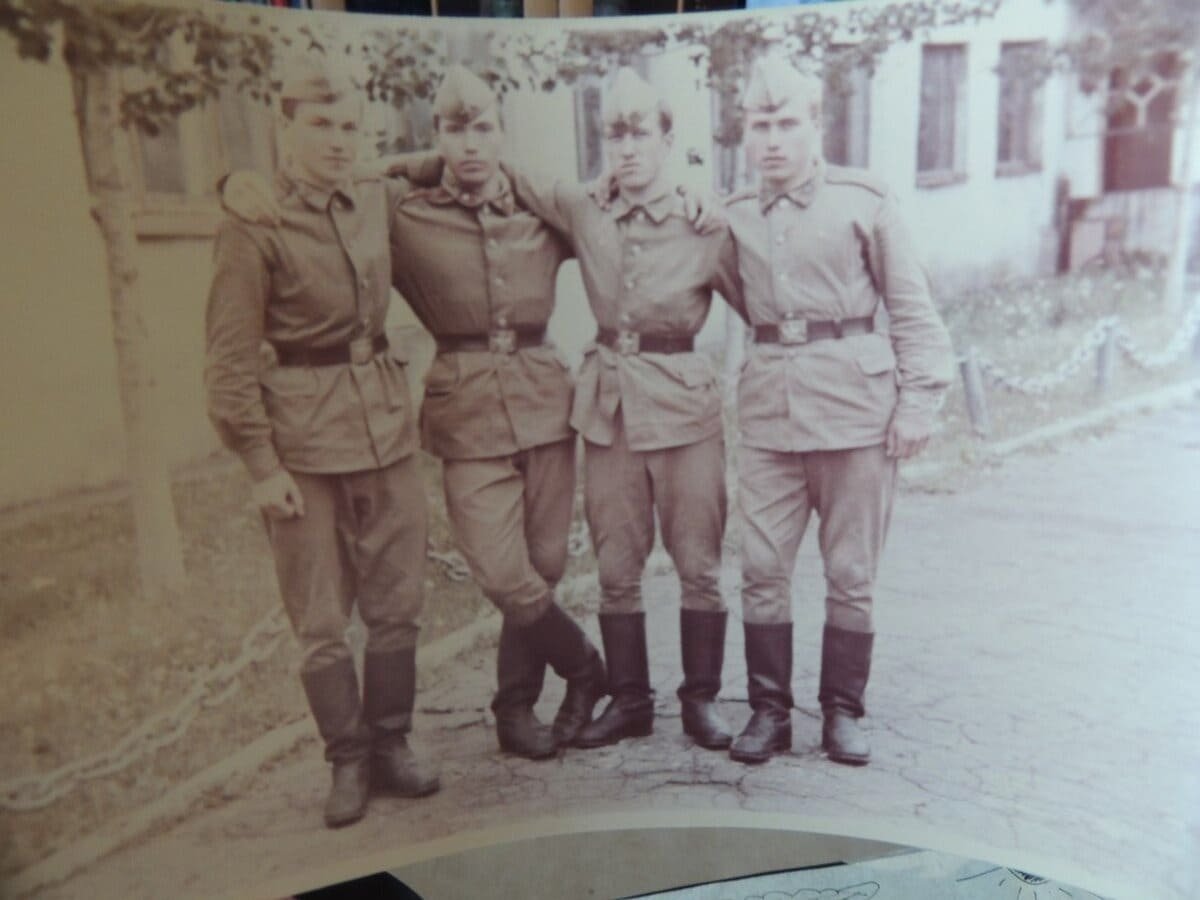
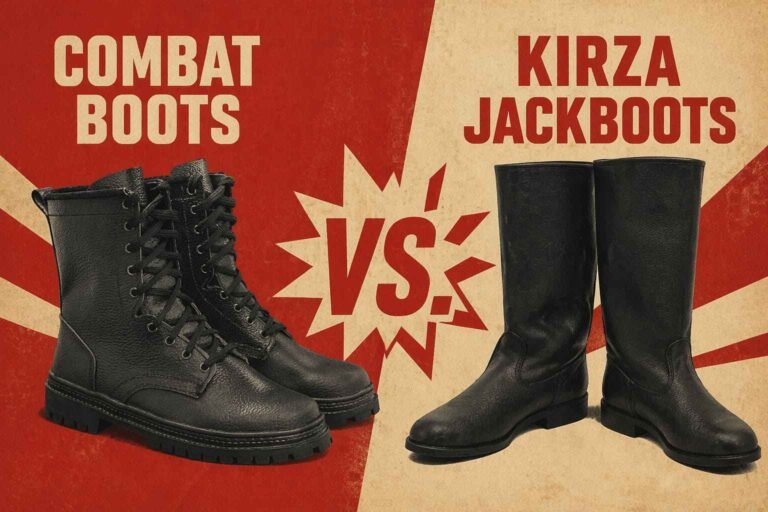
Looking for classic Soviet kirza boots? You can find them here: Soviet Kirza Boots.
Commanders, according to regulations and various orders, enforced very strict rules about how the uniform had to be worn.
The uniform had to leave not even the slightest hint of looking “non-military.”
According to the Internal Service Regulations, conscript soldiers – and cadets were considered exactly that – were strictly forbidden from wearing civilian clothes while on leave or during their free time outside the base.
I remember having a very serious conversation with our battalion commander in my first year after he accidentally ran into me in the city wearing civilian clothes while I was on leave.
Even a cadet’s underwear had to be strictly regulation – huge oversized briefs and a standard undershirt, and in winter, a long under-shirt and long johns that looked like something straight out of World War I.
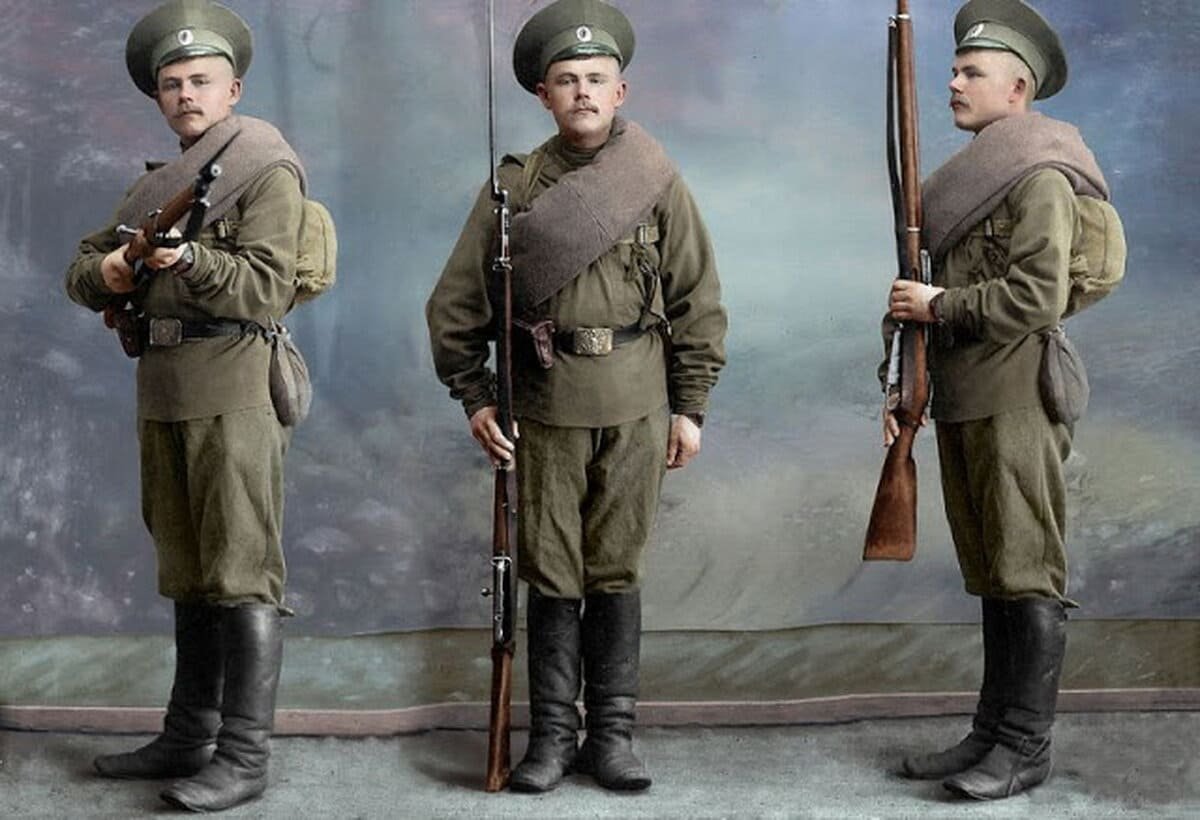
It was forbidden to use anything like sweaters to keep yourself warm.
Boots, even in winter, had to be worn only with foot wraps. Warm socks were not allowed.
So there were times when, just to stay warm, we had to use newspapers inside our clothes.
By the fourth year the rules became a bit less strict, but during the first and second years it was normal practice at morning inspections, or at specially assigned times, for officers to check under a cadet’s uniform to make sure there were no non-regulation underwear or T-shirts.
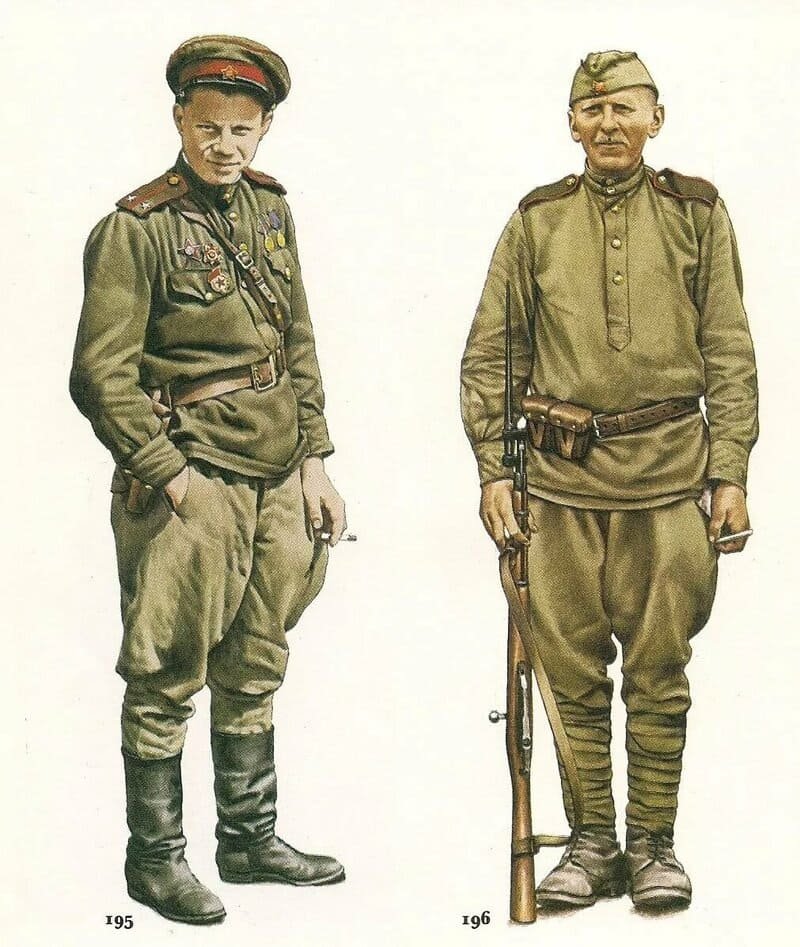
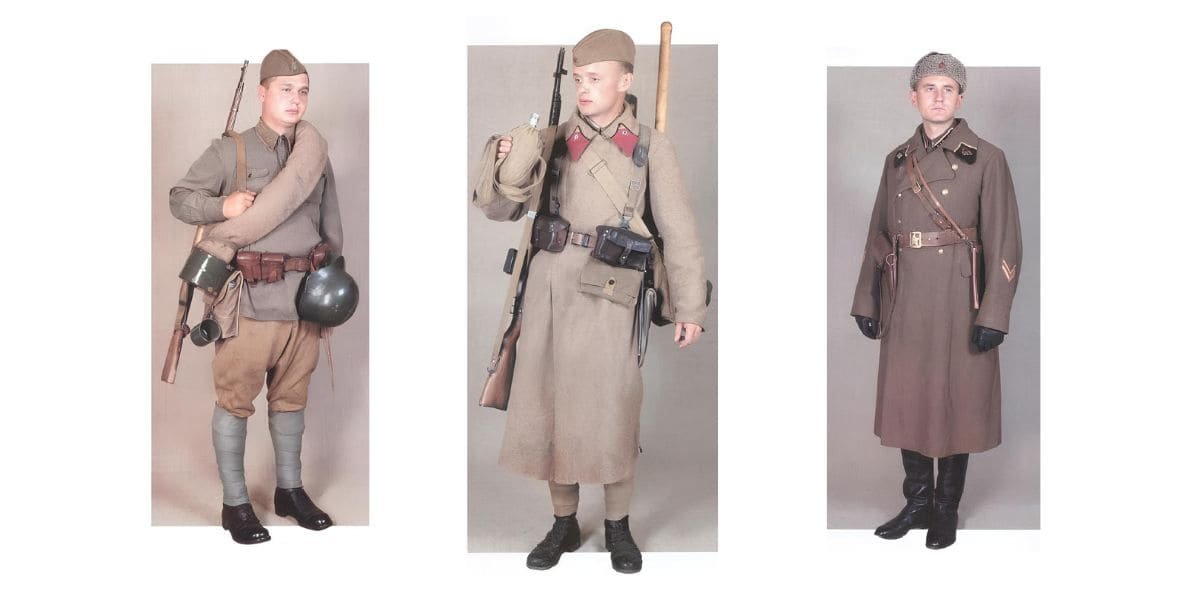
A cadet was issued a cotton uniform for everyday wear, and a wool-blend one for winter. There was also a dress uniform. In terms of design and comfort, it was the worst of them all.
In general, it should be said that military uniforms were made from quality materials. In that sense, the Soviet Union did take care of its defenders. But the cuts and designs were far from elegant. And in fact, the uniform barely changed throughout the entire twentieth century.
There was even a Russian saying: “The Motherland issued it, so let the Motherland laugh at it.
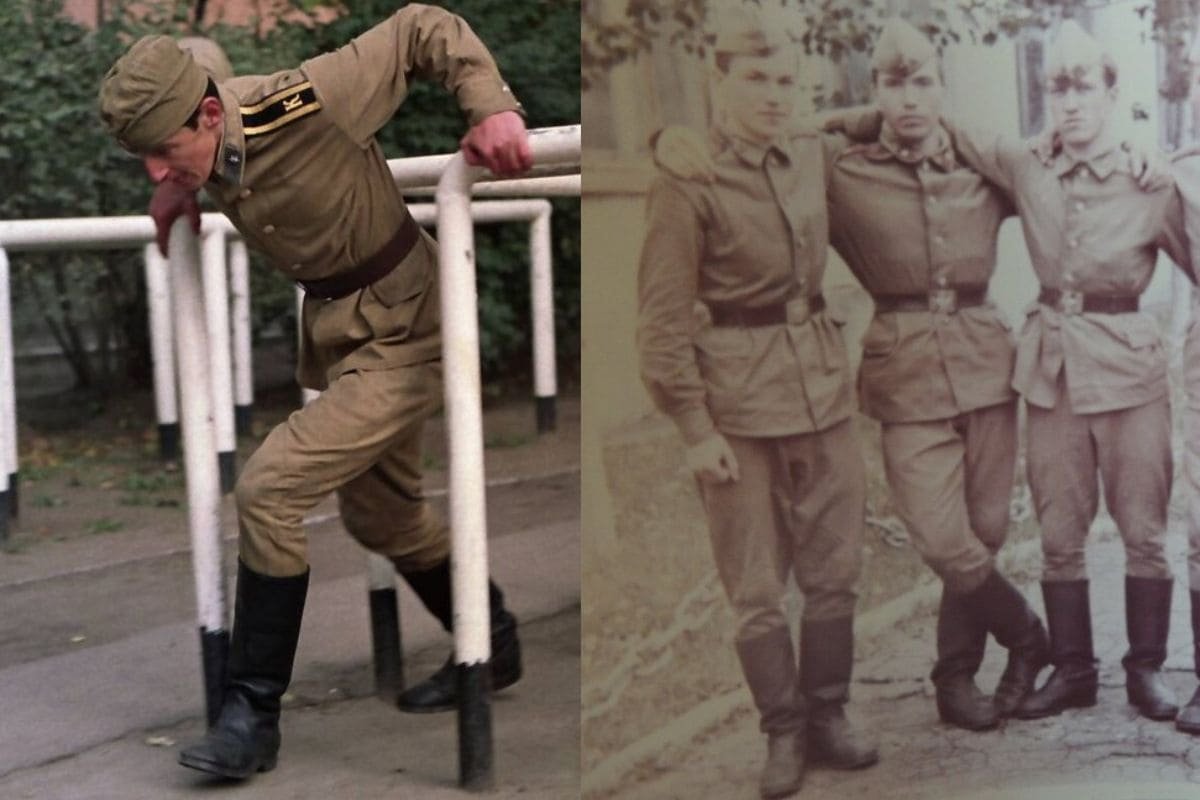
The Pilotka cap really was uncomfortable. When we were running obstacle courses, we used to turn it sideways and pull it down over our ears so we wouldn’t lose it.
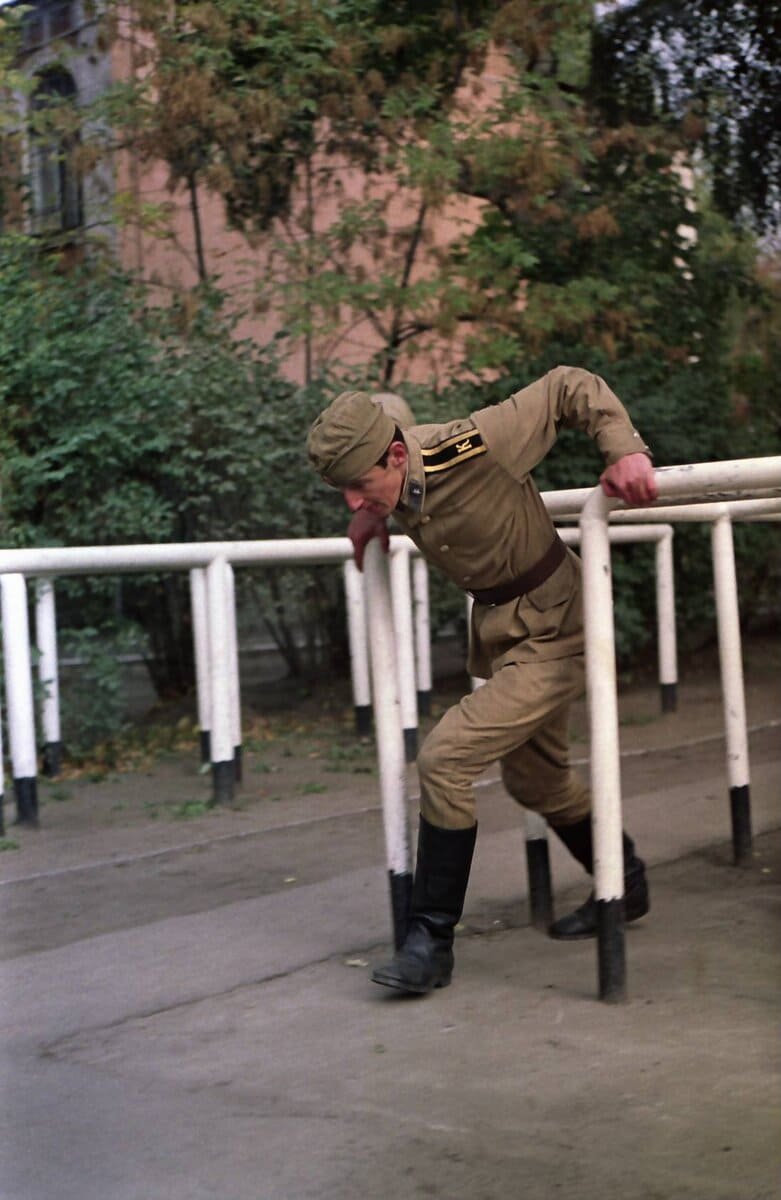
Pilotka in a way, it looked elegant. But in the field, it was extremely impractical. It didn’t stay on your head well, and in cold weather your ears would freeze.
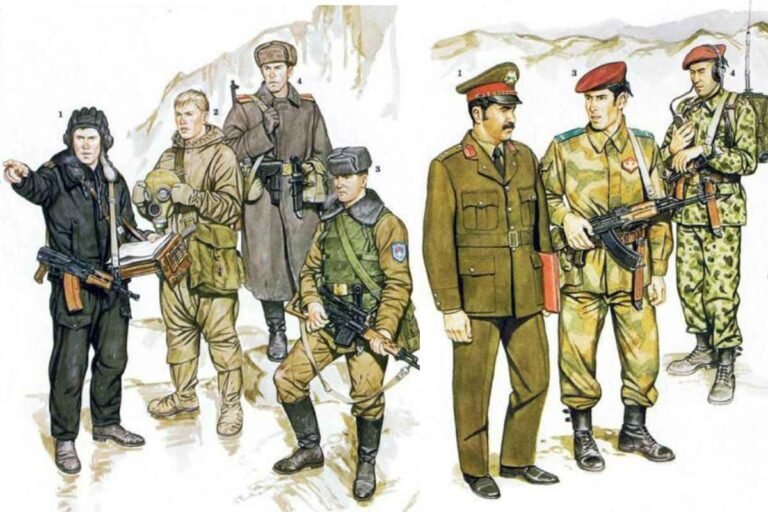
The officer’s greatcoat was especially uncomfortable in winter. The stiff shoulder boards and the cut of the coat restricted movement so much that it was hard to move freely. There was even a joke: in a Soviet greatcoat, even if you wanted to surrender, you couldn’t – you simply wouldn’t be able to raise your hands.
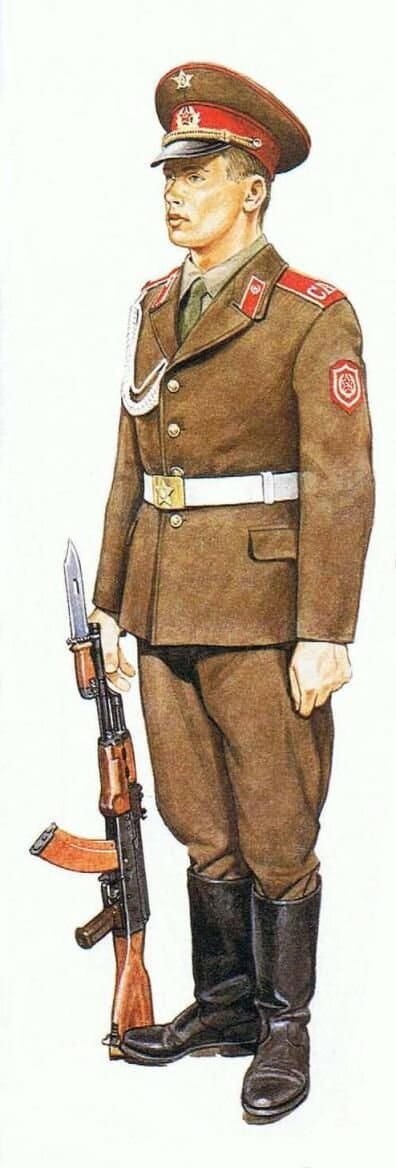
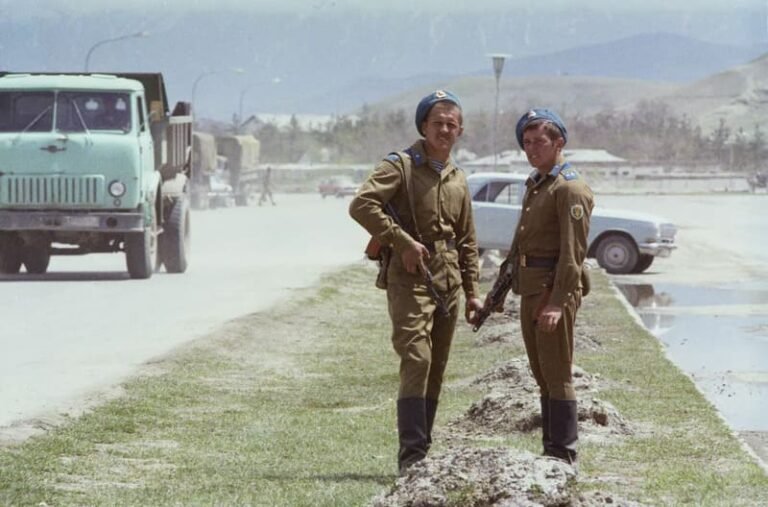
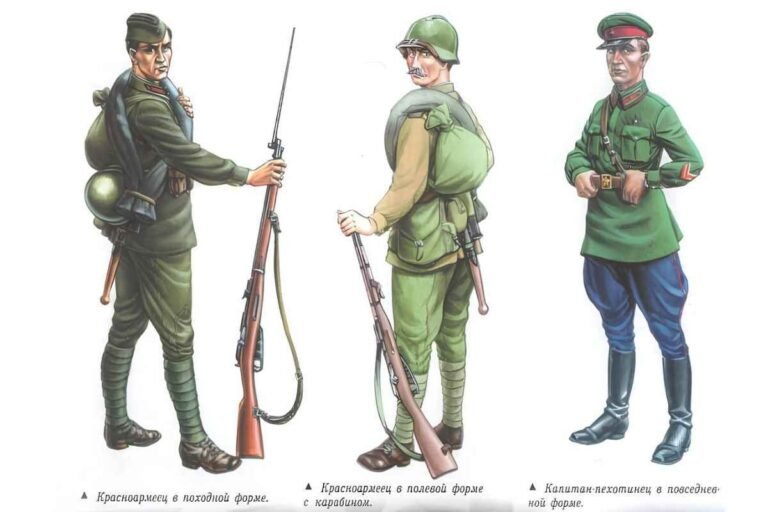
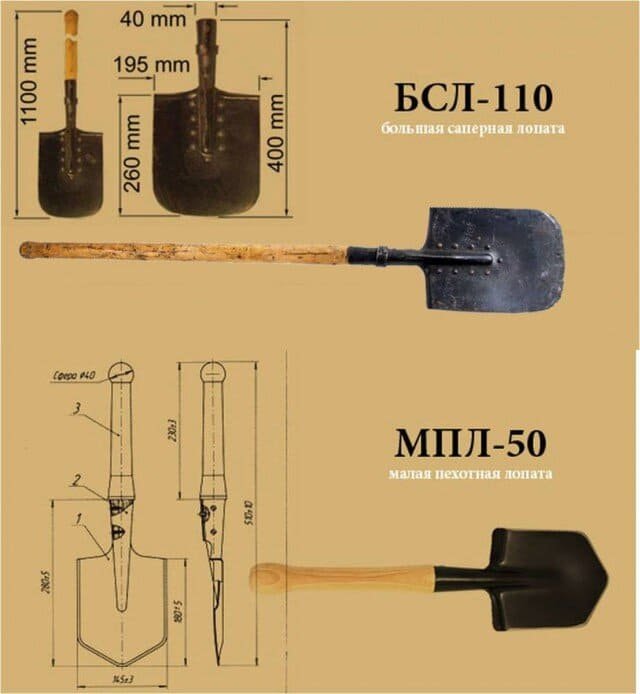
Anyone who served remembers this: the tunic, tightened with a belt that carried a small Infantry shovel, ammo pouches, and a bayonet, was constantly being pulled out from underneath it. It was uncomfortable all the time. The hook above the very top button had to stay fastened, even in the heat. The trousers were narrow, the yuft boots heavy and pointed, and the shirt had no shoulder straps designed for it. So in hot weather, you just had to sweat it out. Taking off the jacket was not allowed.
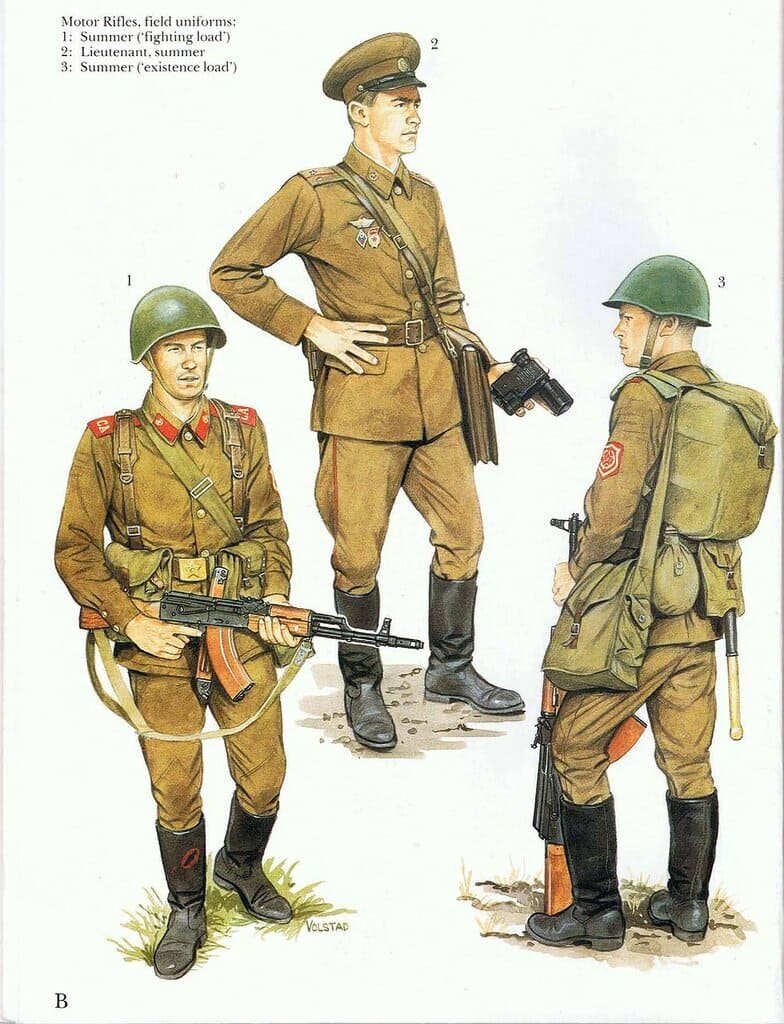
The greatcoat. The fabric was strong and durable, but its only real advantage was that you could use it as a blanket during poorly organized rest breaks.
Not long ago, I found out that in the armies of other countries, there was no difference in the fabric used for military uniforms. In that sense, a soldier and an officer were considered equal.
In Soviet times, however, it seems that to emphasize the importance of rank, different fabrics were used. For senior officers, the material was more expensive than for junior officers, not to mention regular conscript soldiers.
Why?
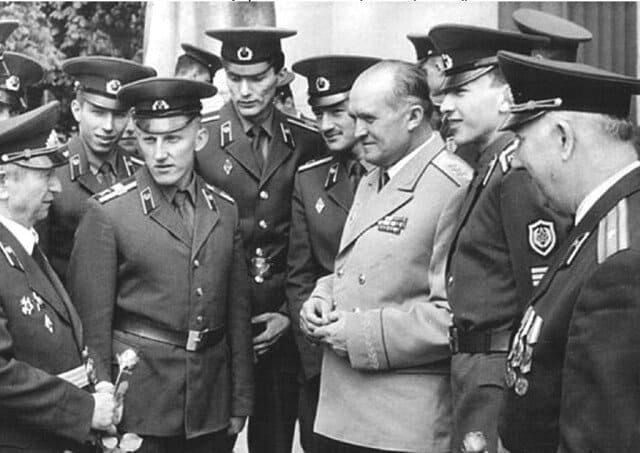
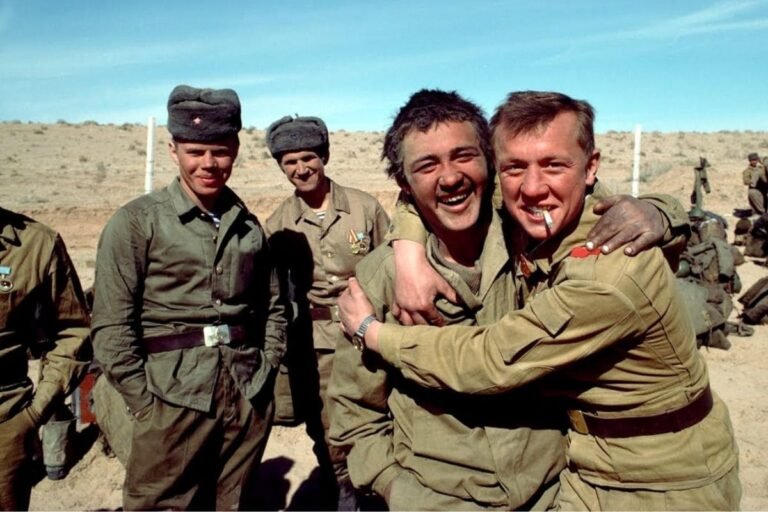
You should try fighting in this gear against a modern army. The war in Afghanistan immediately showed that this kind of peacetime equipment was completely unsuitable. This uniform was good only for parade formations and inspections.