Soviet WW2 uniforms 1941-1943 – Red Army, Navy, and Aviation
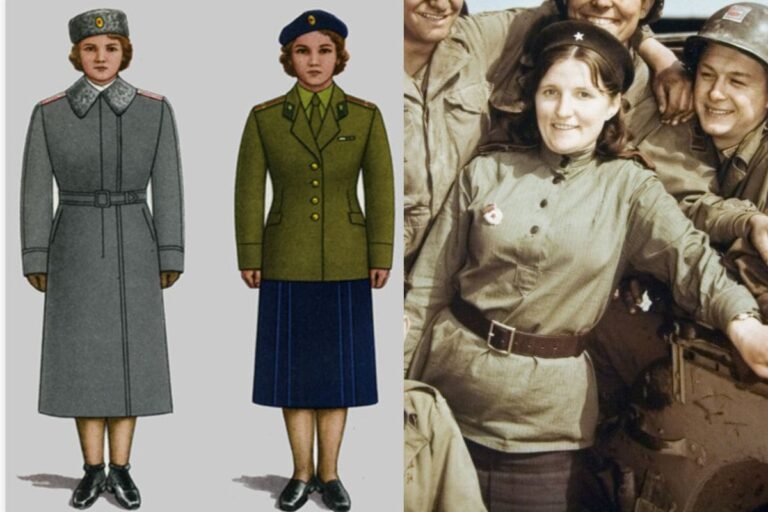
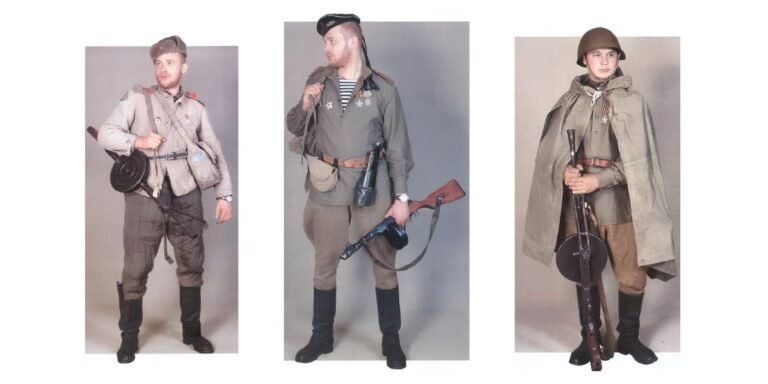
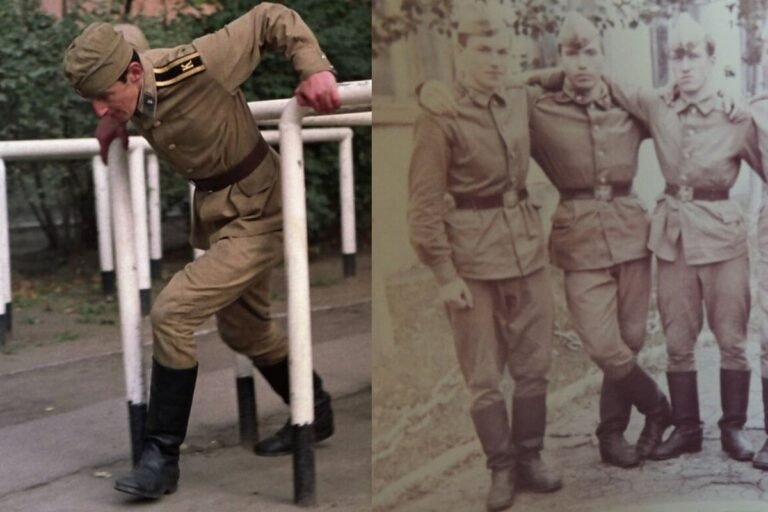
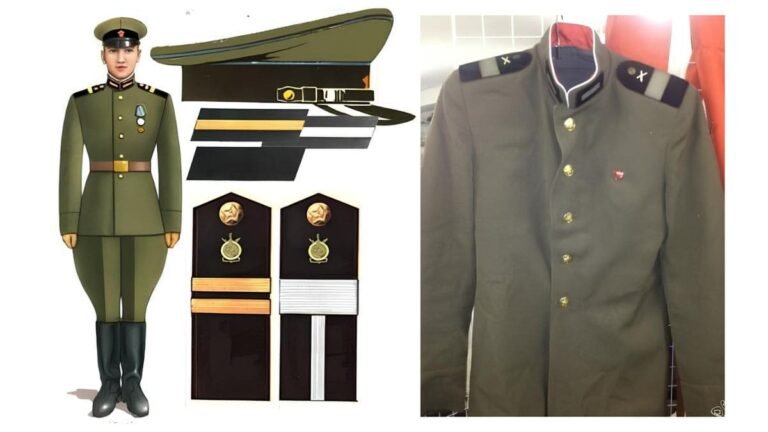
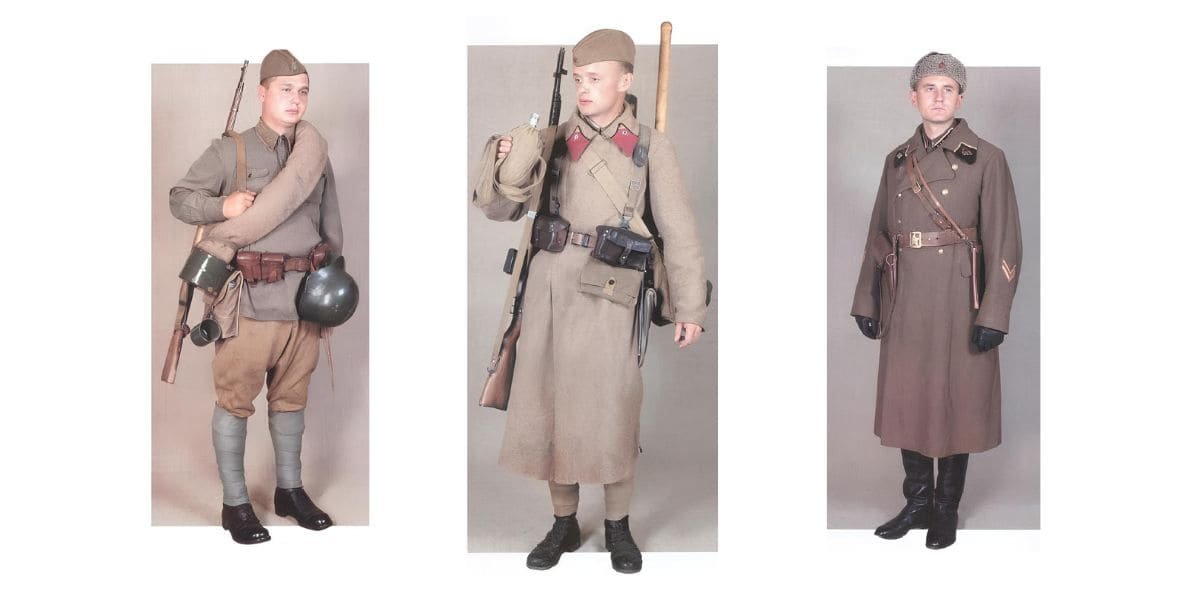
Soviet WW2 uniforms 1941-1943 reflect the realities of frontline warfare, mass production, and rapid adaptation across the Red Army, Navy, and Aviation.
Below is a visual catalog of key looks from this period, useful for history fans, collectors, and reenacting.
If you’re interested in other uniforms, check here:
Soviet WW2 Uniforms (1943-1945)
Soviet RKKA (1936-1941) Uniform
Quick navigation
Overview of Soviet WW2 uniforms 1941-1943
WWII-era Soviet uniforms combine practical field clothing with branch-specific details. In this gallery you’ll see Red Army ground forces, armored troops, cavalry, Soviet Navy ranks, and a naval aviation pilot, plus specialized clothing for winter and mountain operations.
If you want earlier uniforms for context, start here: Russian Civil War uniforms (1918–1922)
Main features of Soviet WW2 uniforms
- Early-war Red Army field uniforms focused on simplicity, durability, and fast production
- Rank and branch were often shown through insignia details rather than luxury tailoring
- Armored troops and vehicle crews used work-friendly clothing built for confined spaces
- Winter uniforms were essential for combat effectiveness in extreme cold
- Soviet Navy uniforms kept a more formal look with clear rank structure
- Naval aviation required specialized flight equipment for wind, cold, and long missions
Soviet WW2 uniforms 1941-1943 gallery
Junior Sergeant, Infantry, 1941
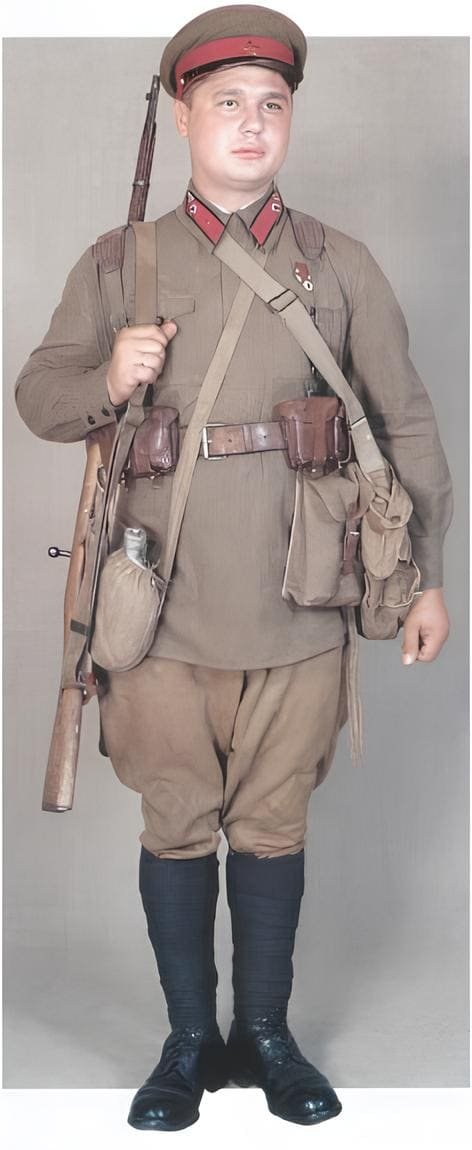
Typical Red Army infantry NCO uniform from the first year of the war. Shows standard equipment layout and rank placement used in 1941.
Looking Soviet Low Combat Boots? You can order here: (Soviet Combat Boots)
Junior Sergeant, Infantry, rear view, 1941
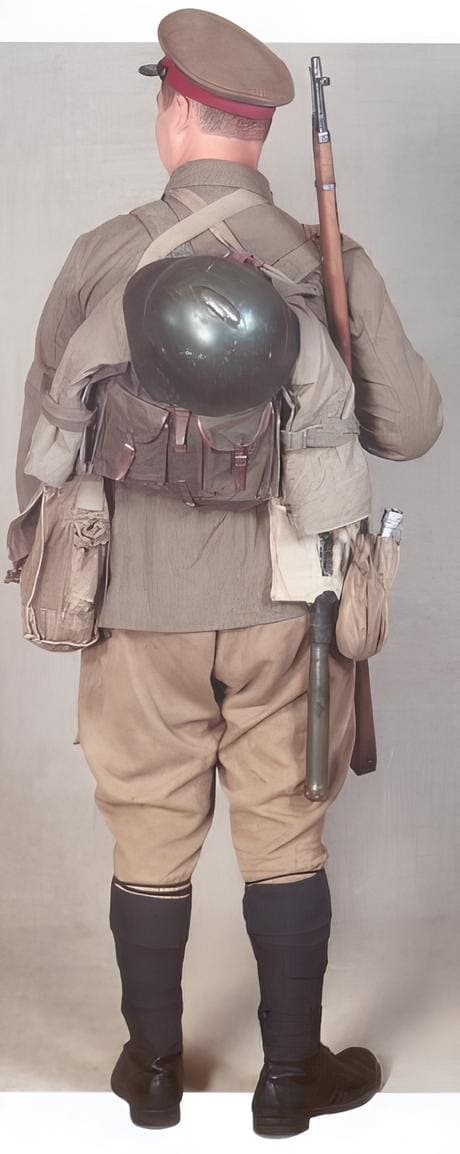
This image highlights how Red Army infantry equipment was carried during early WWII. Especially useful for reenactors and collectors focusing on correct loadouts.
Junior Lieutenant, Air Force, 1941
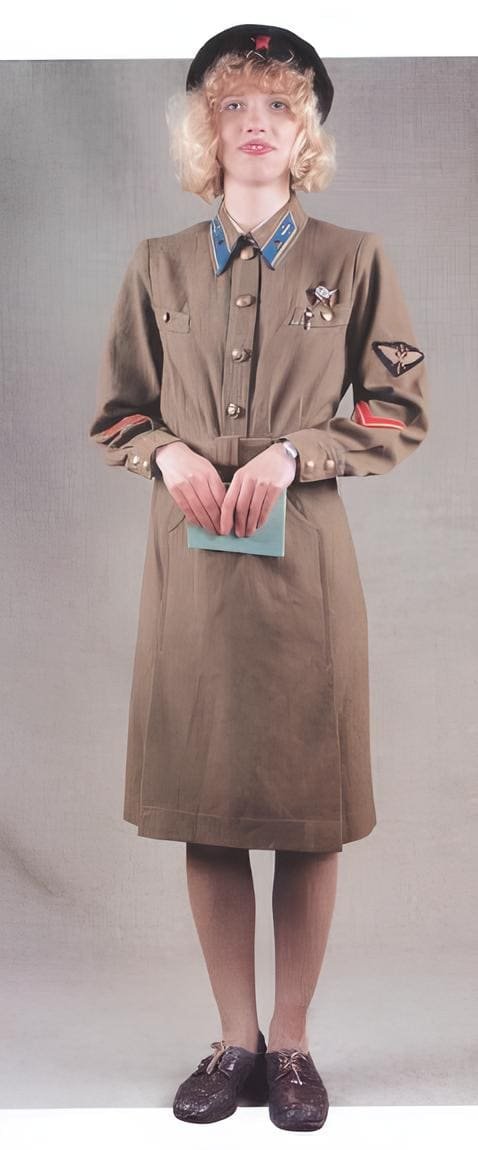
A reference image of a Soviet Air Force junior officer at the beginning of World War II. Useful for identifying rank insignia and aviation uniform details from 1941.
Corps Commissar in everyday uniform, Infantry, 1941-1942
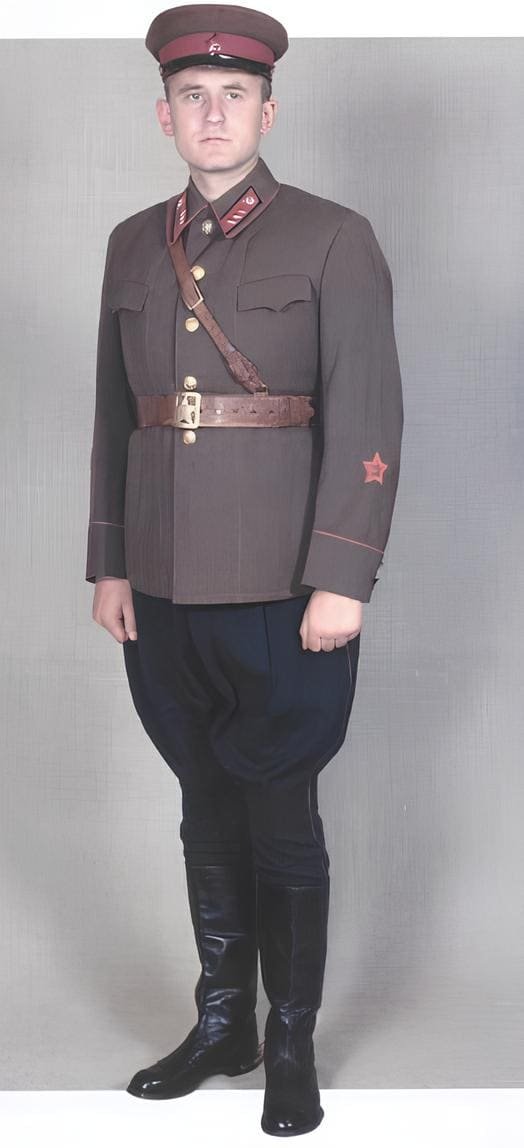
A clear visual reference of a high-ranking Soviet political officer during WWII. Shows distinctive commissar insignia and everyday service clothing.
Corps Commissar, Infantry, 1941-1942
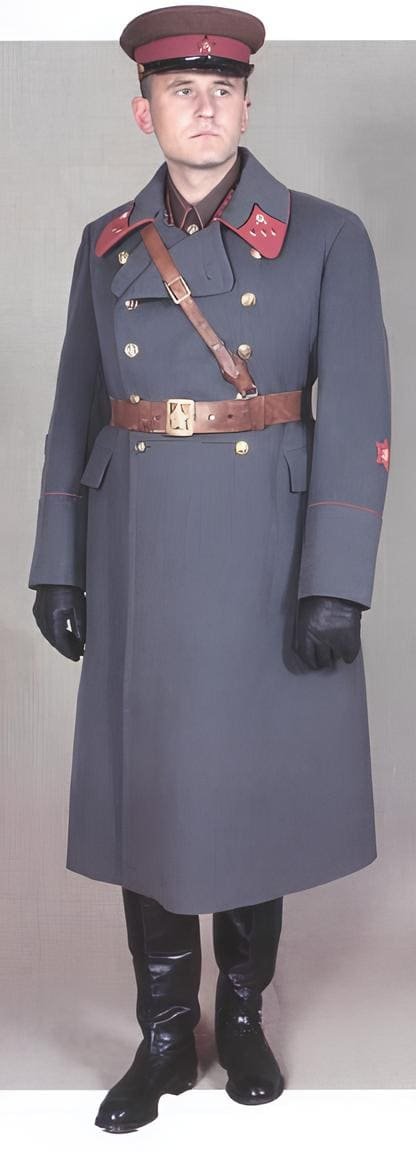
This image represents the role of political leadership within the Red Army. Useful for studying rank structure and uniform differences between officers and commissars.
Battalion Commissar in parade uniform, Infantry, 1941
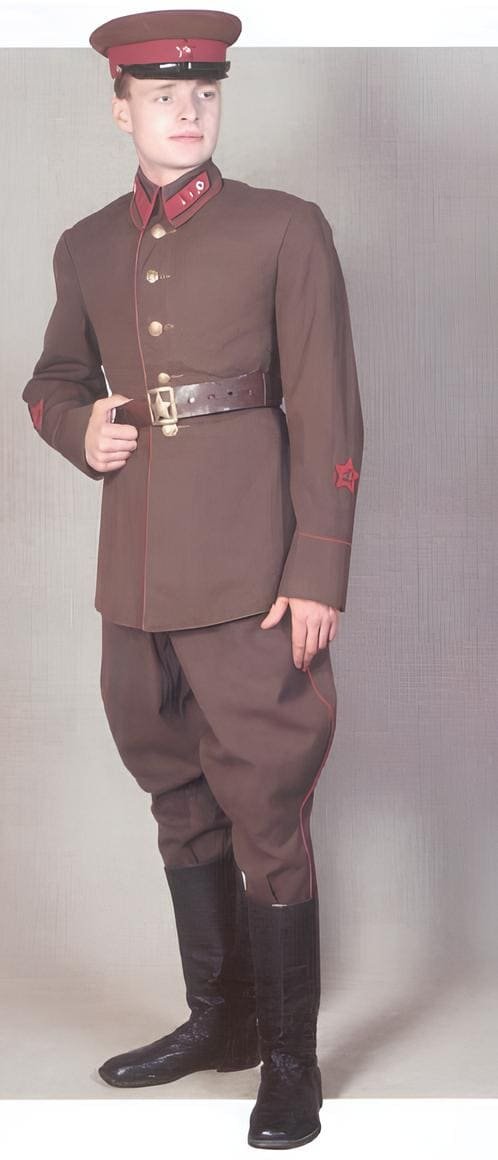
A ceremonial version of the Soviet commissar uniform from the early war period. Highlights formal cut, insignia, and belt configuration.
Cadet of a military aviation school in parade uniform, 1941
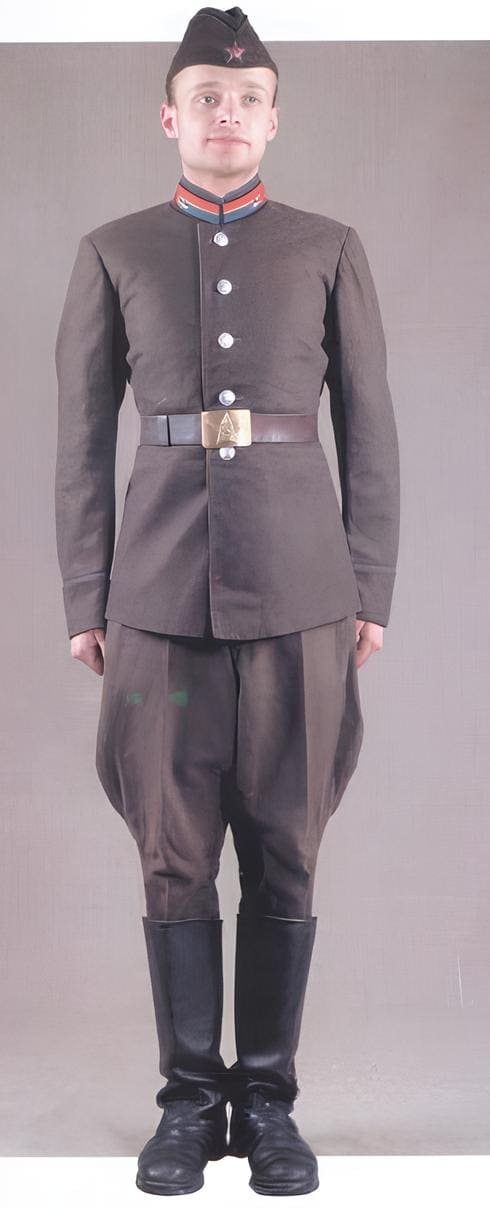
This uniform reflects the appearance of Soviet aviation cadets at the start of WWII. Ideal for understanding early training and dress standards.
Looking Soviet Pilotka Hat? You can order here: (Soviet Pilotka Hat)
Red Army soldier in parade uniform, Infantry, 1941
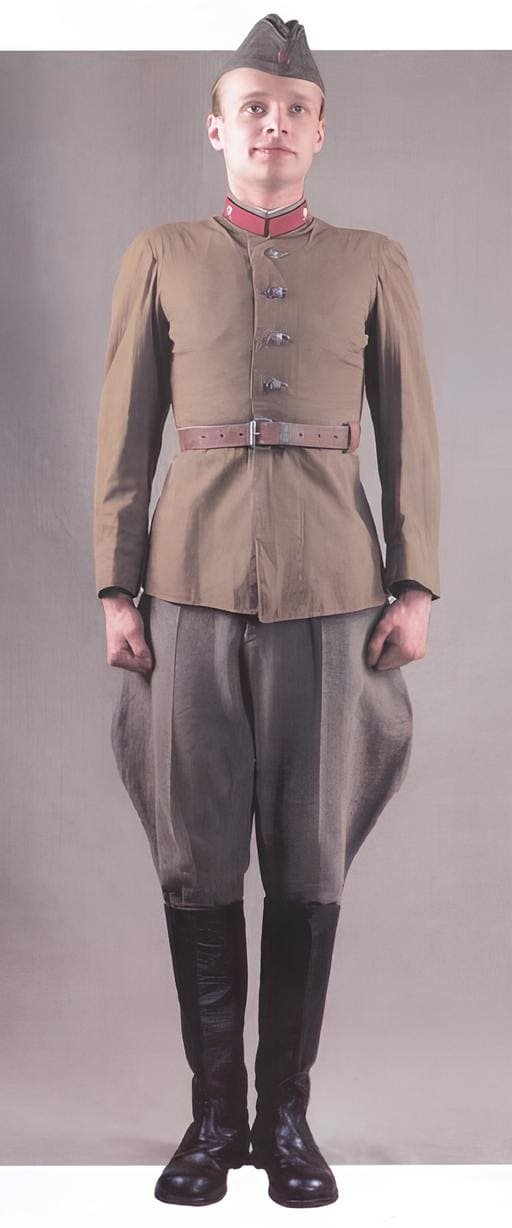
A clean reference image of a regular Soviet infantryman in formal dress. Useful for collectors and reenactors focusing on early-war appearance.
Lieutenant Colonel in winter everyday uniform, Artillery, 1941-1943
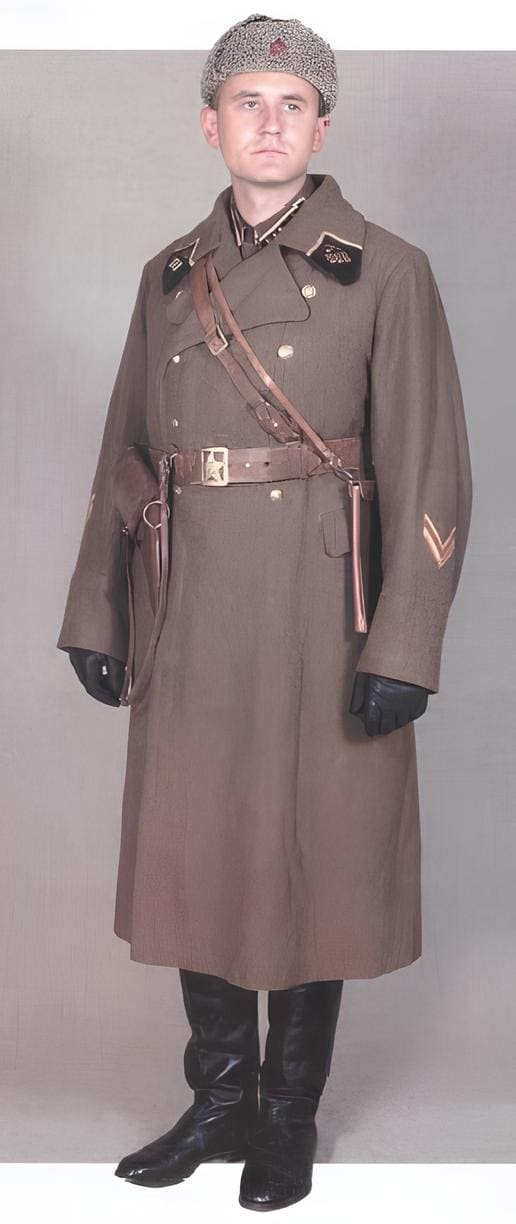
This image shows a senior artillery officer dressed for winter conditions on the Eastern Front. Highlights practical adaptations of Soviet uniforms during wartime.
Lieutenant, infantry, 1941
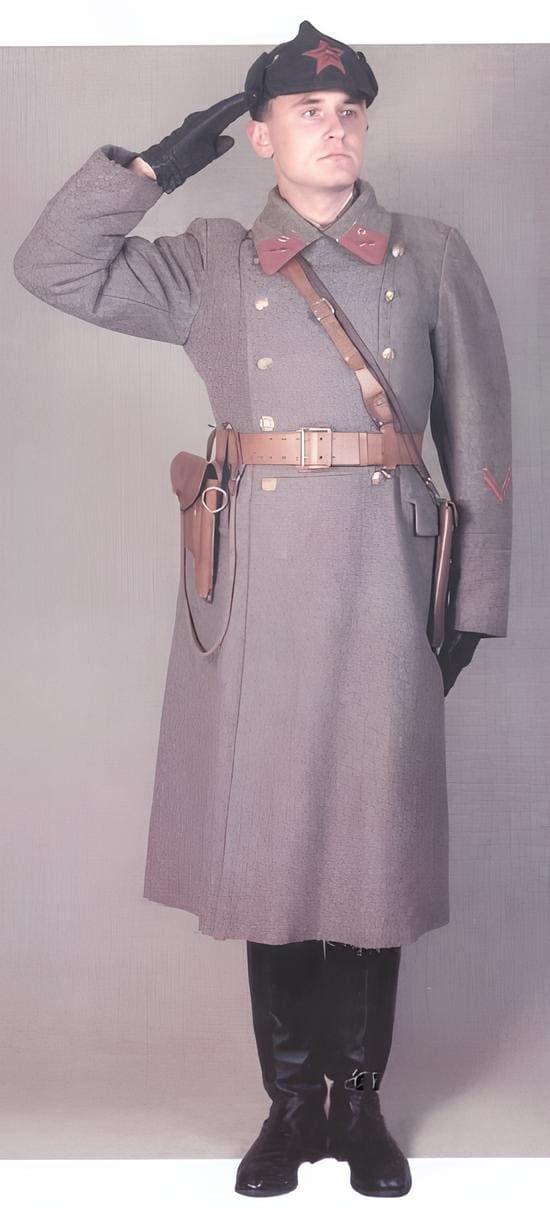
A Red Army infantry lieutenant in early-war field uniform. Typical appearance of Soviet officers during the first year of WWII.
Lieutenant in field uniform of wartime, ground forces, 1941-1943
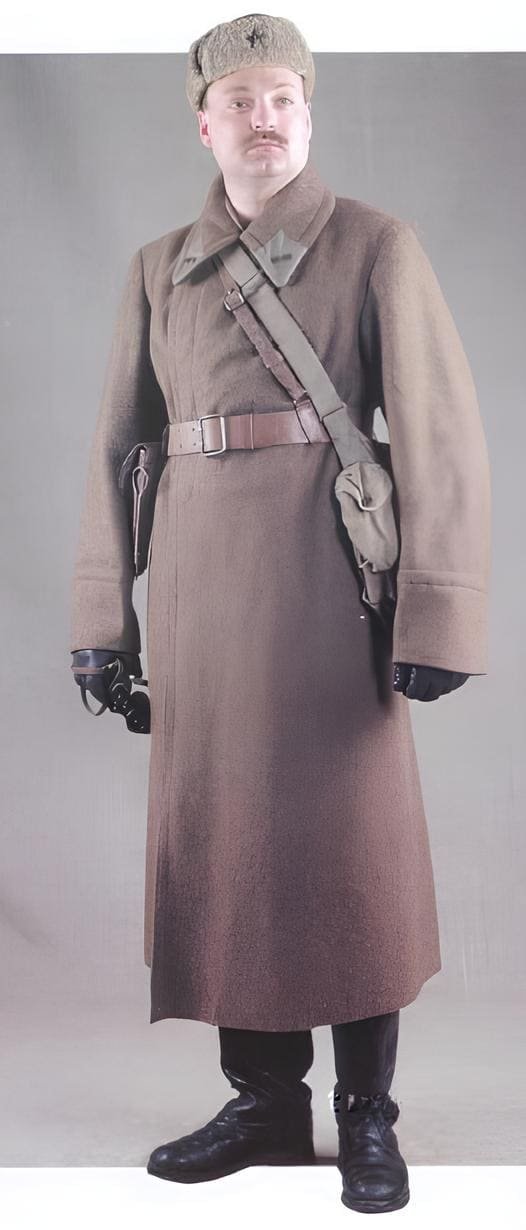
A Soviet ground forces lieutenant in practical marching uniform. Standard officer equipment used throughout the middle years of the war.
Looking Soviet Ushanka? You can order here: (Soviet Ushanka)
Major, Air Force, 1941-1943
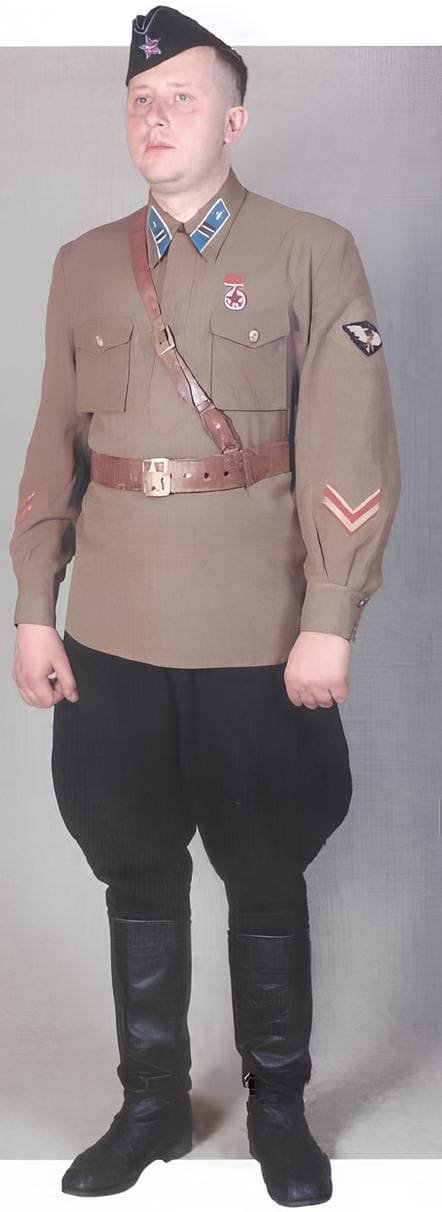
A Soviet Air Force major in standard service uniform. Represents officer attire of aviation units during WWII.
Red Army soldier in winter uniform, engineer troops, 1941-1943
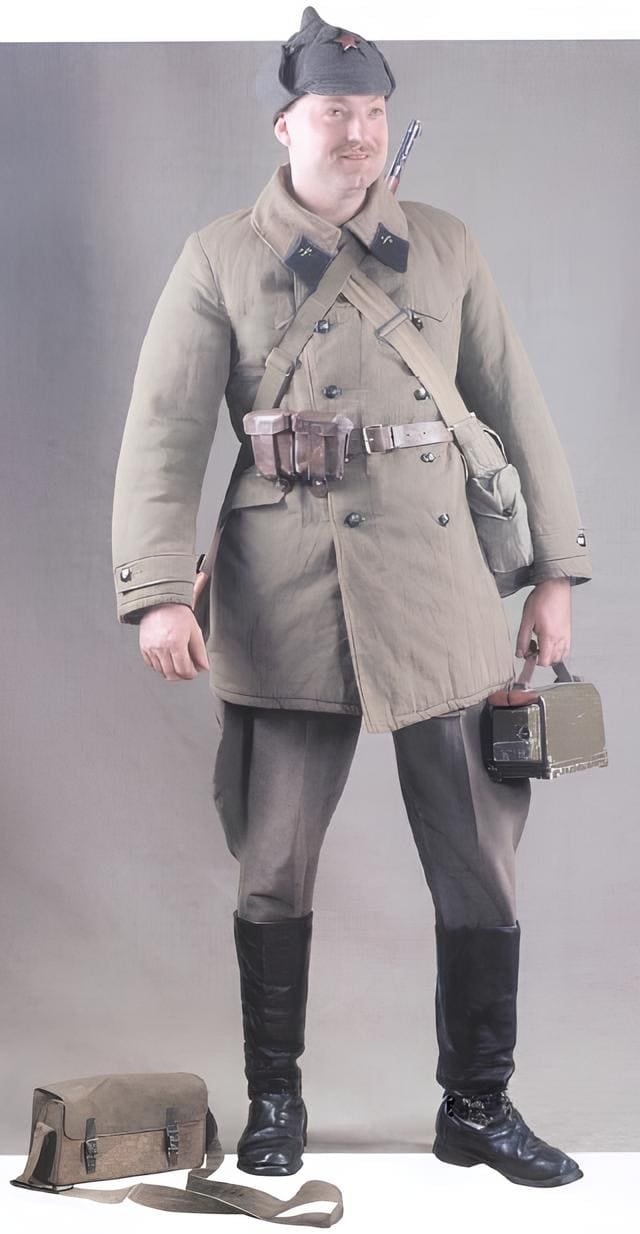
A Soviet engineer soldier dressed for winter operations. Typical cold-weather equipment used on the Eastern Front.
Junior lieutenant in field uniform, armored vehicle troops, 1941-1943
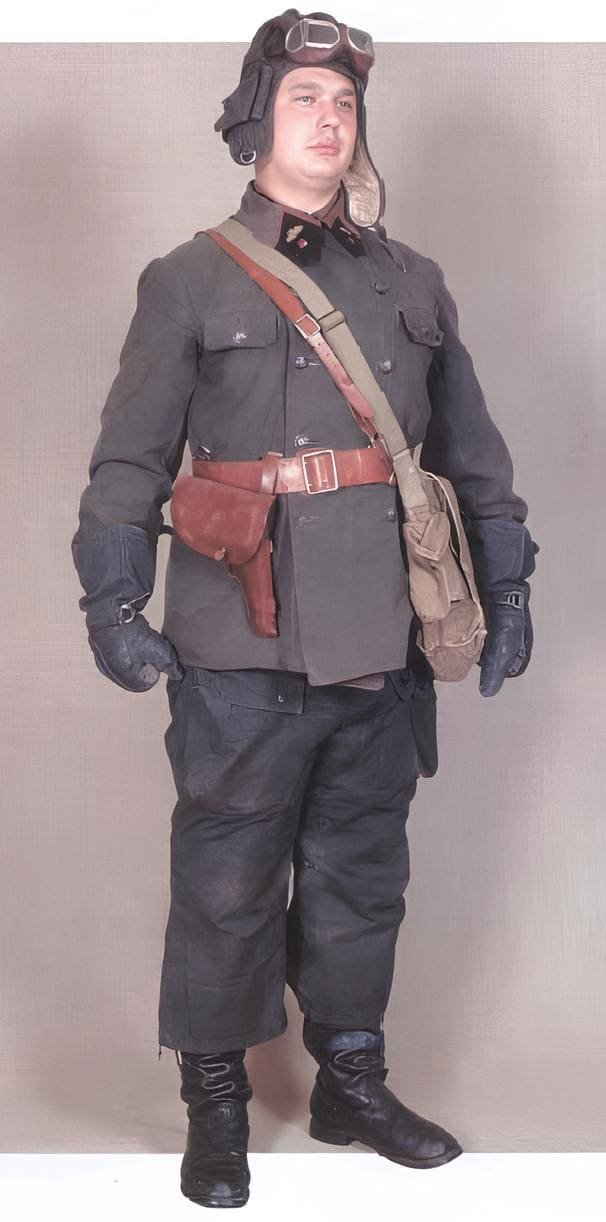
A junior officer of Soviet armored forces in wartime uniform. Represents early tank and mechanized unit command staff.
Sniper in summer camouflage, 1941-1945
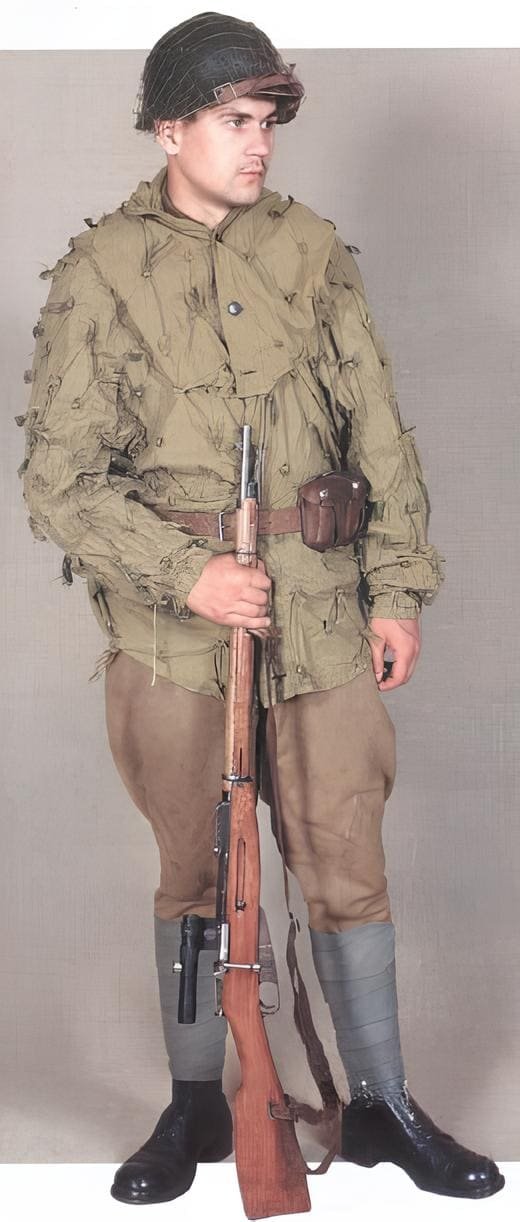
A Soviet sniper wearing early camouflage gear. Designed to blend into forest and field environments.
Recon scout in summer camouflage, 1941-1942

A Soviet reconnaissance soldier prepared for stealth missions. Light camouflage helped conceal movement behind enemy lines.
Sniper in autumn camouflage, 1941-1945
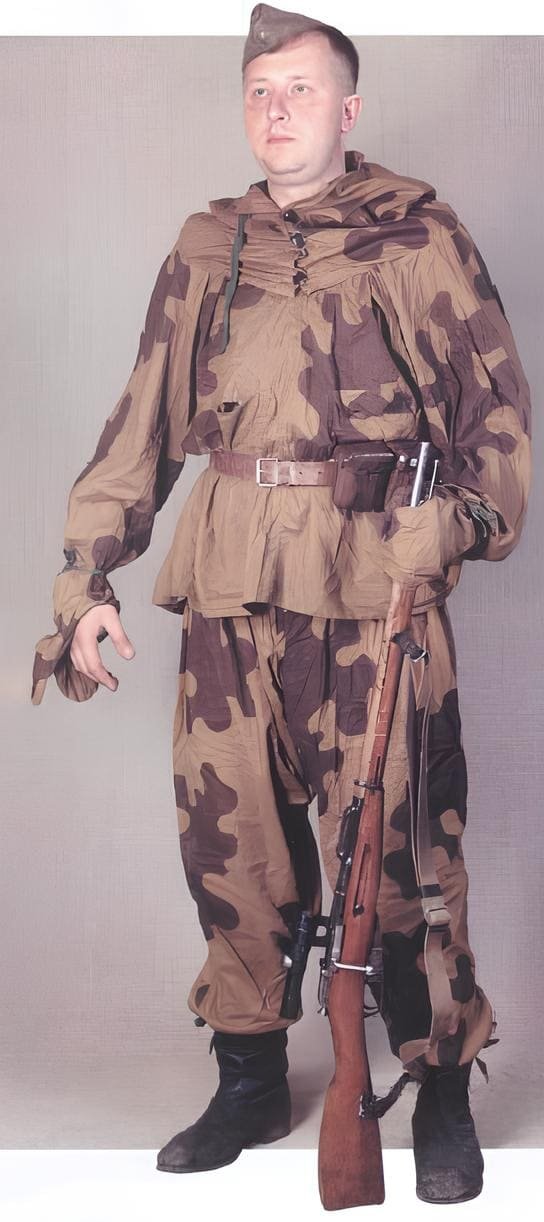
A Red Army sniper adapted to autumn battlefield conditions. Camouflage matched foliage and terrain colors of the season.
Fighter-observer of the MPVO self-defense group, 1941-1944
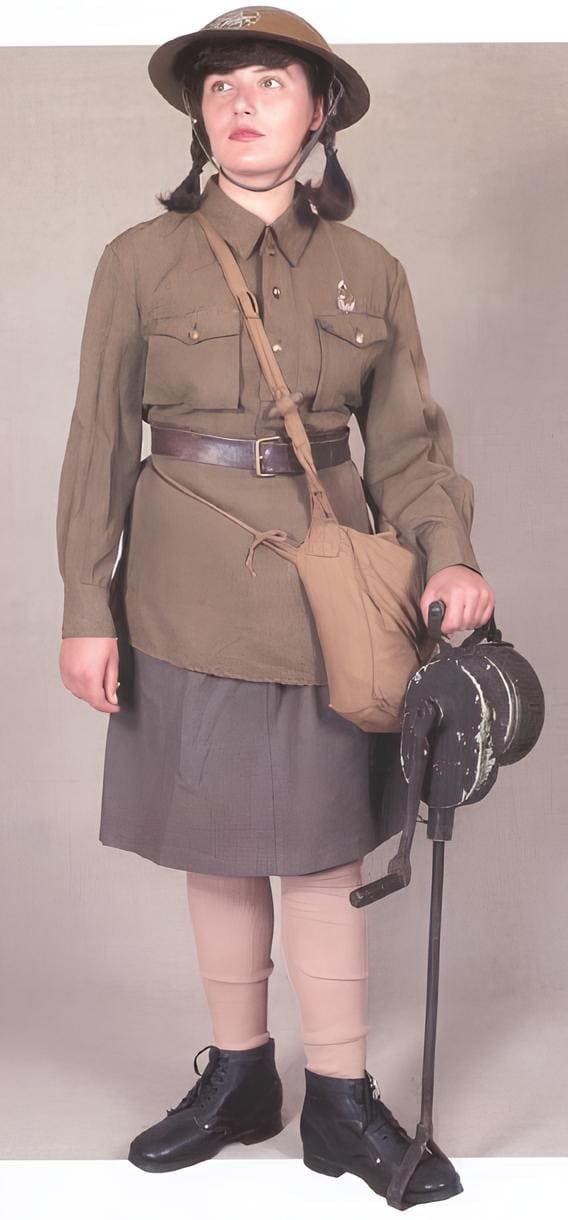
A Soviet civil defense observer responsible for air raid monitoring. These units protected cities and industrial areas during wartime.
Corporal in field uniform, infantry, 1941
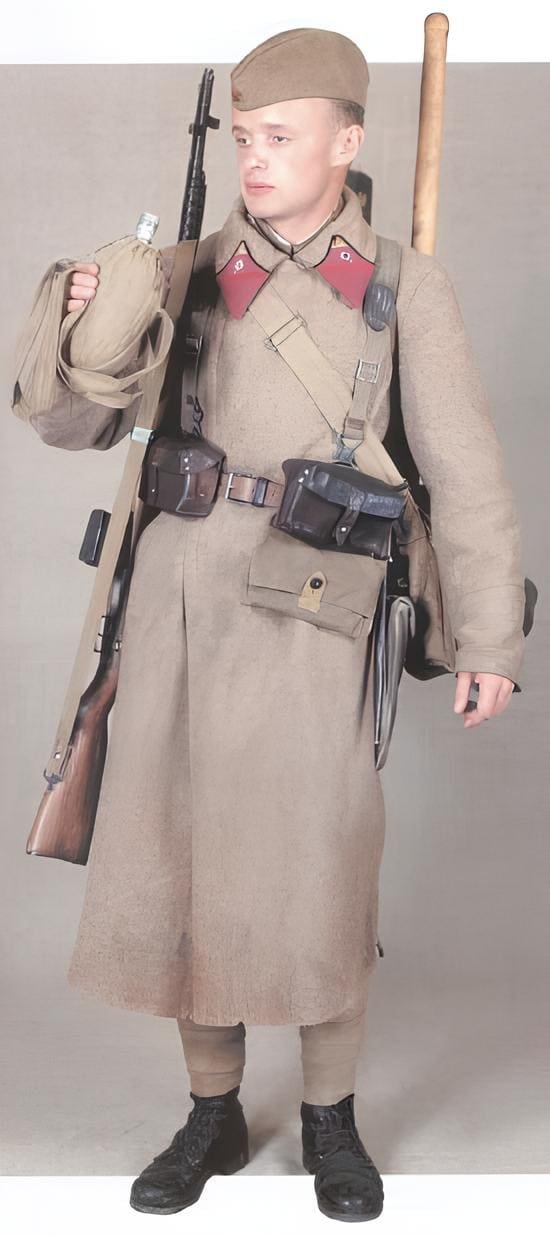
This image shows a Red Army infantry corporal in a standard 1941 field uniform. The equipment reflects early WWII Soviet military practice before large-scale standardization.
Corporal in field uniform, infantry, rear view, 1941
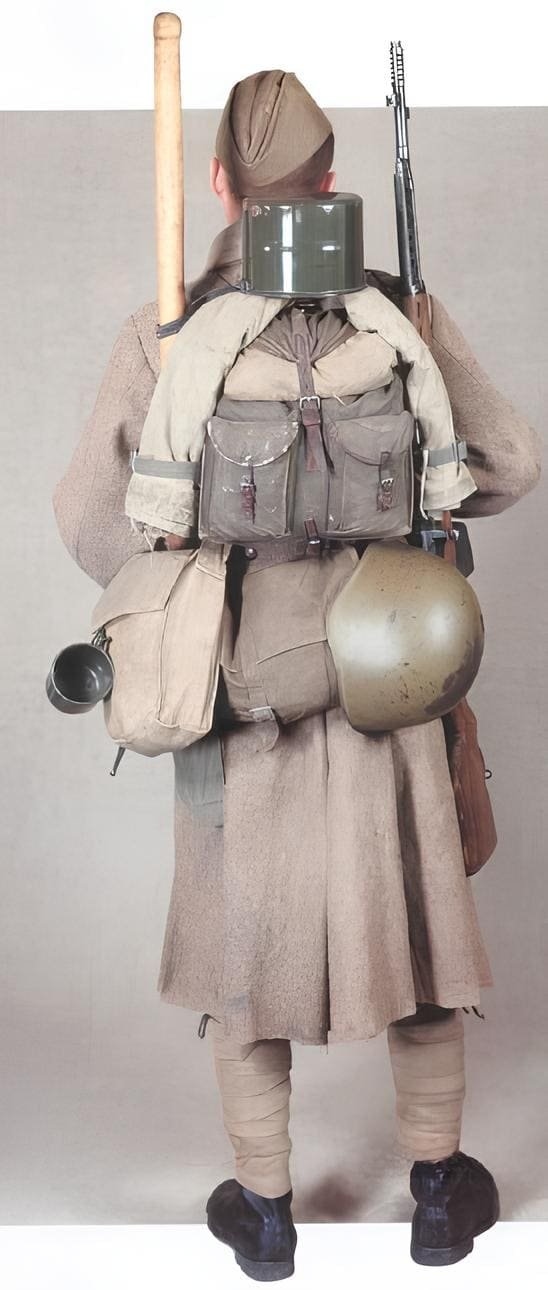
The rear view highlights how Soviet soldiers carried their full combat load in 1941. This setup was typical during the first year of the Great Patriotic War.
Red Army soldier, ground forces, 1941-1943
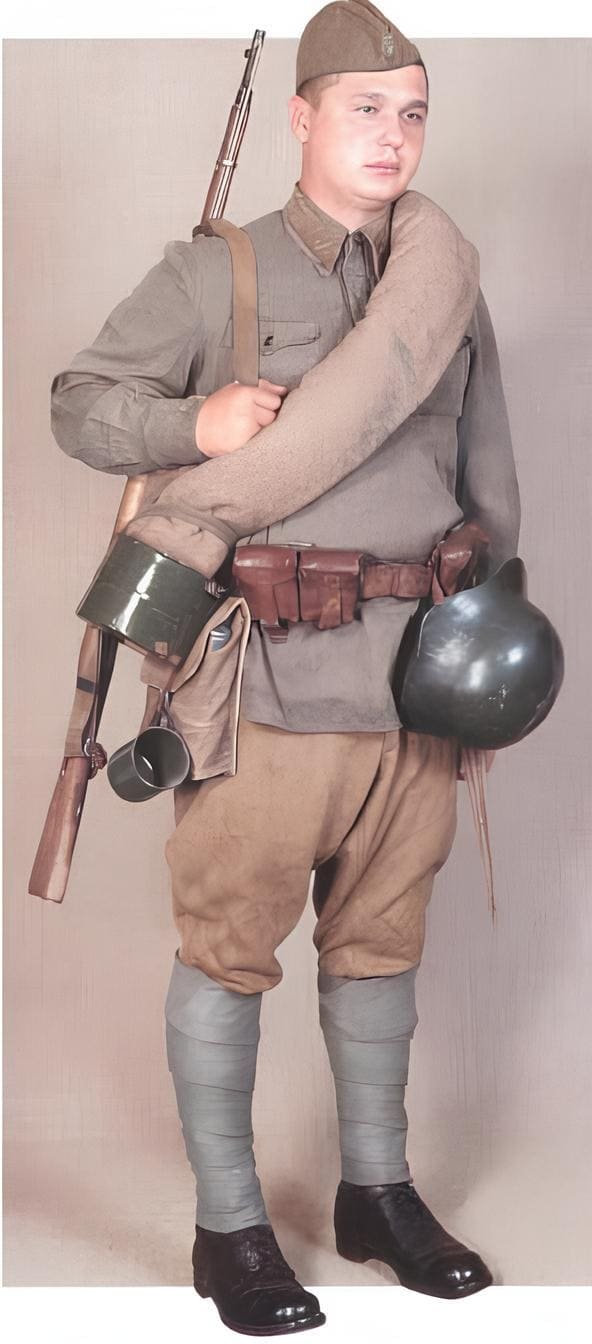
This image shows a typical Red Army infantryman of the ground forces during the early stages of World War II. The uniform reflects the practical and utilitarian approach of Soviet field equipment in 1941–1943.
Junior lieutenant in field uniform, ground forces, 1941-1943
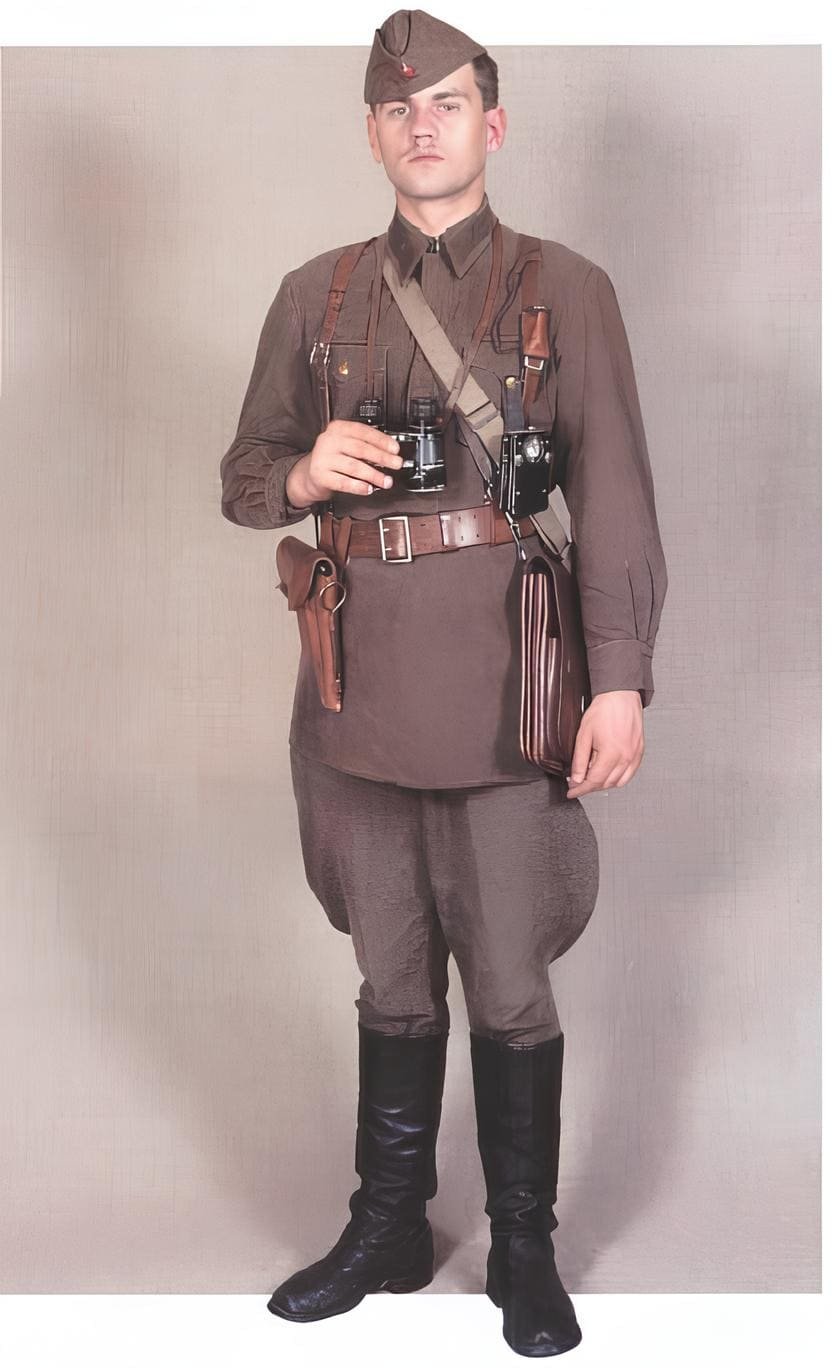
The junior lieutenant represents the early wartime officer class of the Red Army ground forces. His field uniform reflects both command responsibility and frontline conditions.
Engineer captain of the 2nd rank, Navy, 1941-1943
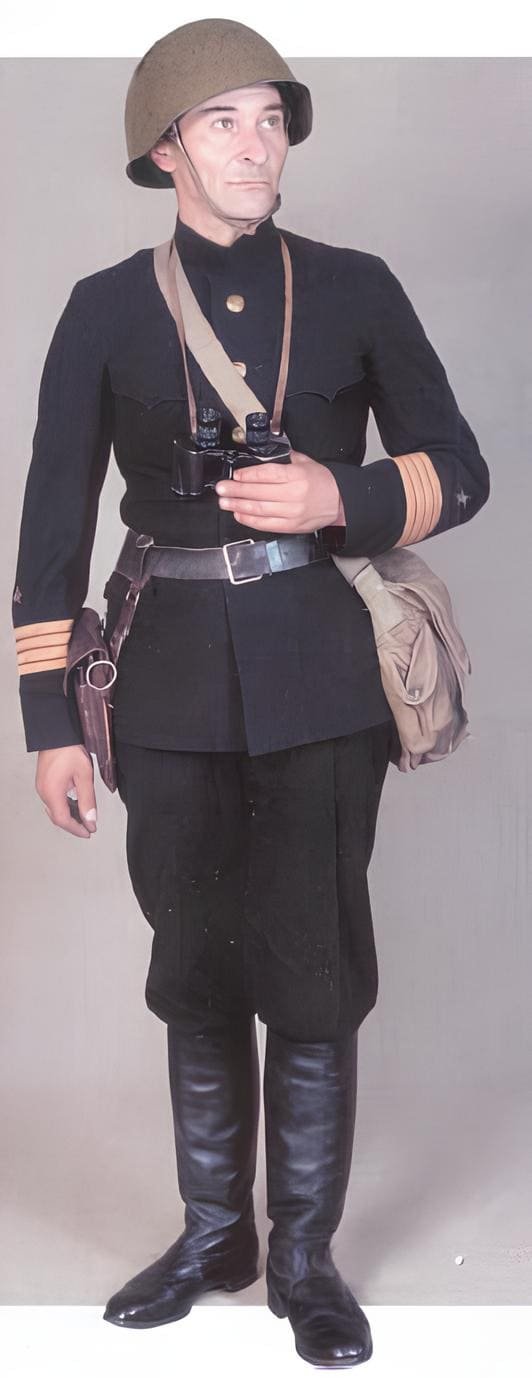
This image depicts a technical officer responsible for ship systems and engineering operations. Naval uniforms emphasized rank clarity and professional status even during wartime.
Red Army soldier, armored troops, 1941-1942
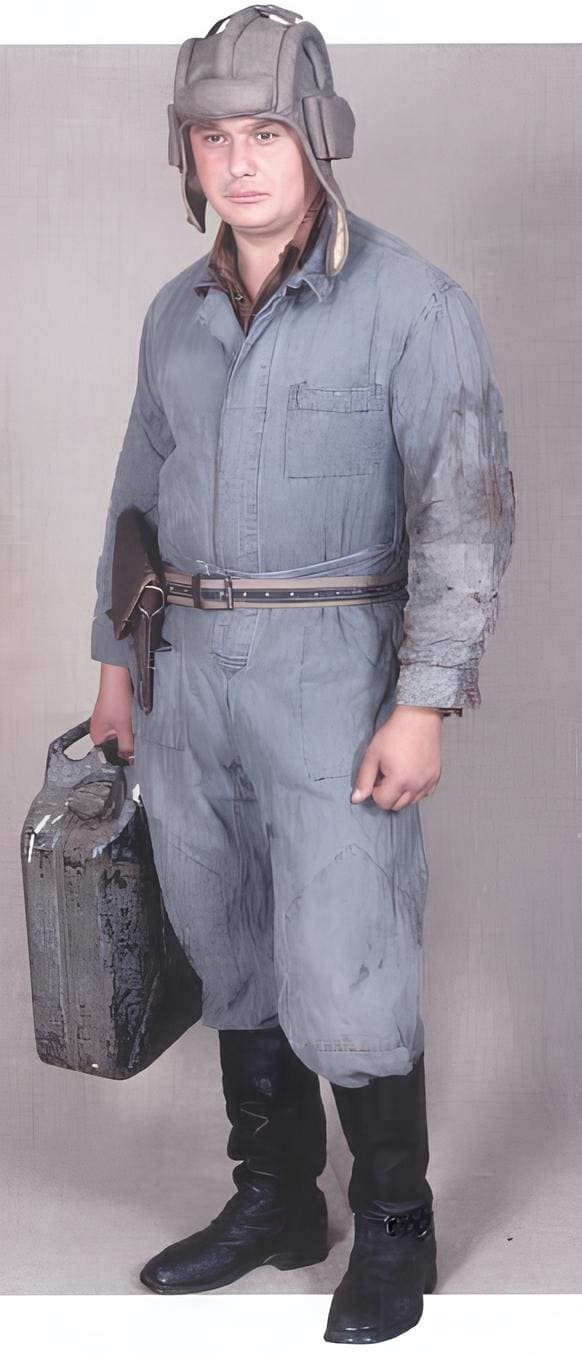
Armored troops required durable clothing suitable for confined and mechanical environments. This uniform reflects the early wartime needs of Soviet tank and vehicle crews.
Red Army soldier, ground forces, 1941-1943
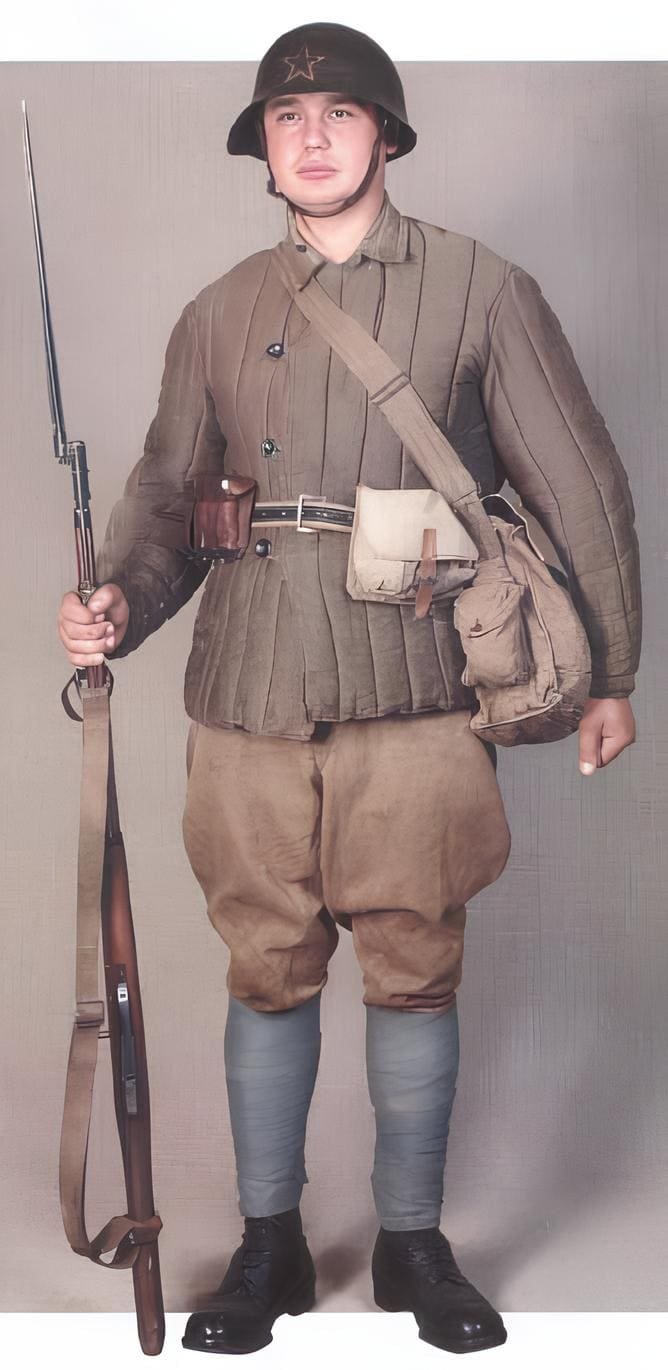
Infantry soldiers formed the backbone of the Red Army throughout the war. Their uniforms were designed for mass production and battlefield durability.
Red Army soldier, cavalry, 1941-1942
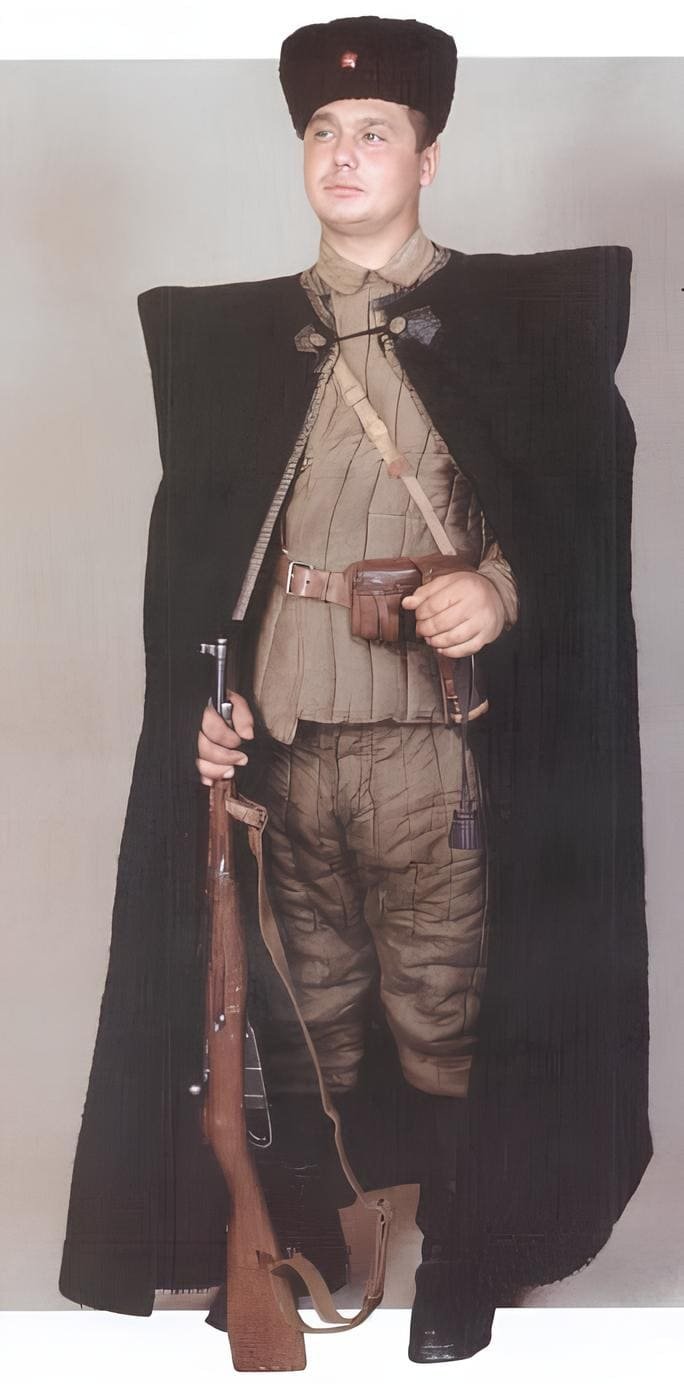
Cavalry soldiers played an important role during the early stages of the war. Their uniforms combined traditional mounted elements with wartime practicality.
Tank commander in winter uniform, 1942-1944
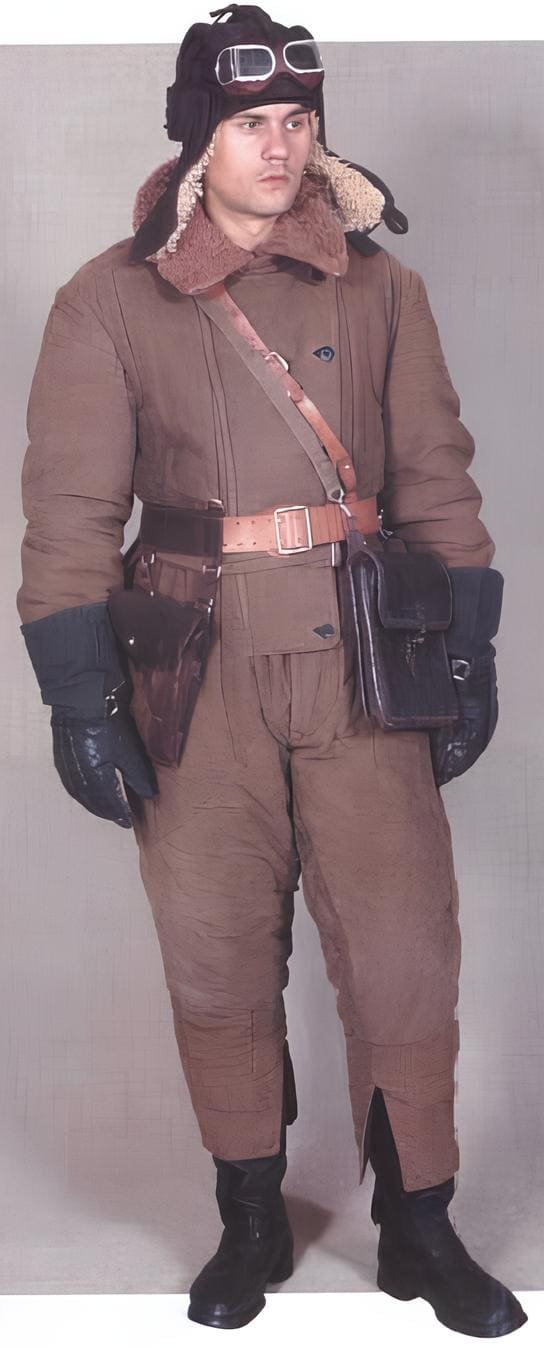
Armored crews required specialized winter gear to operate effectively in freezing temperatures. This uniform highlights the layered protection used by Soviet tank commanders.
Captain of the 3rd rank, Navy, 1942-1943
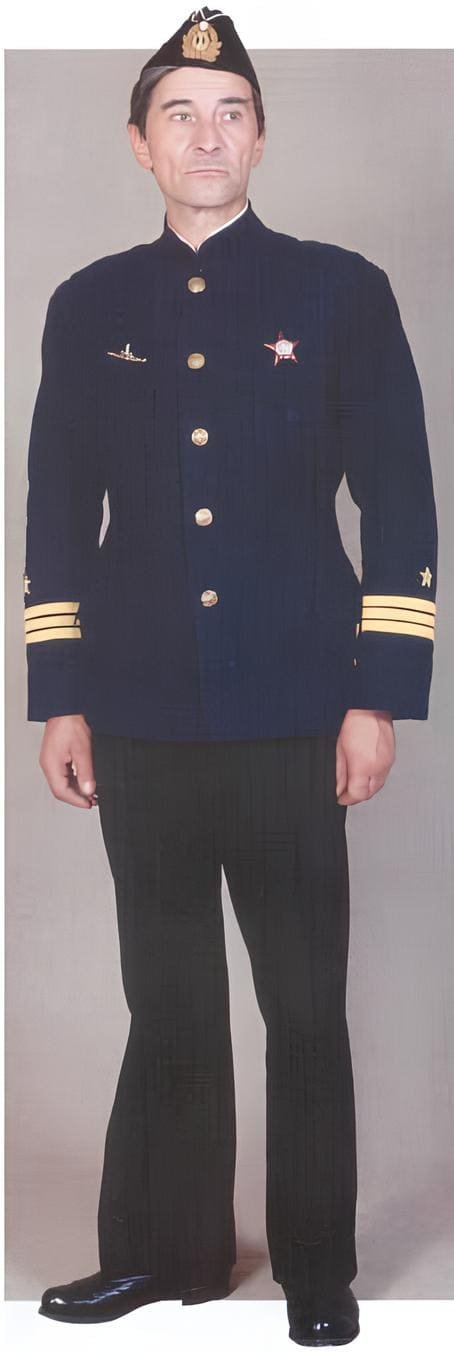
Naval officers preserved strict rank structure and discipline throughout the war. This uniform reflects the professionalism of the Soviet Navy command staff.
Naval aviation pilot, 1941-1945
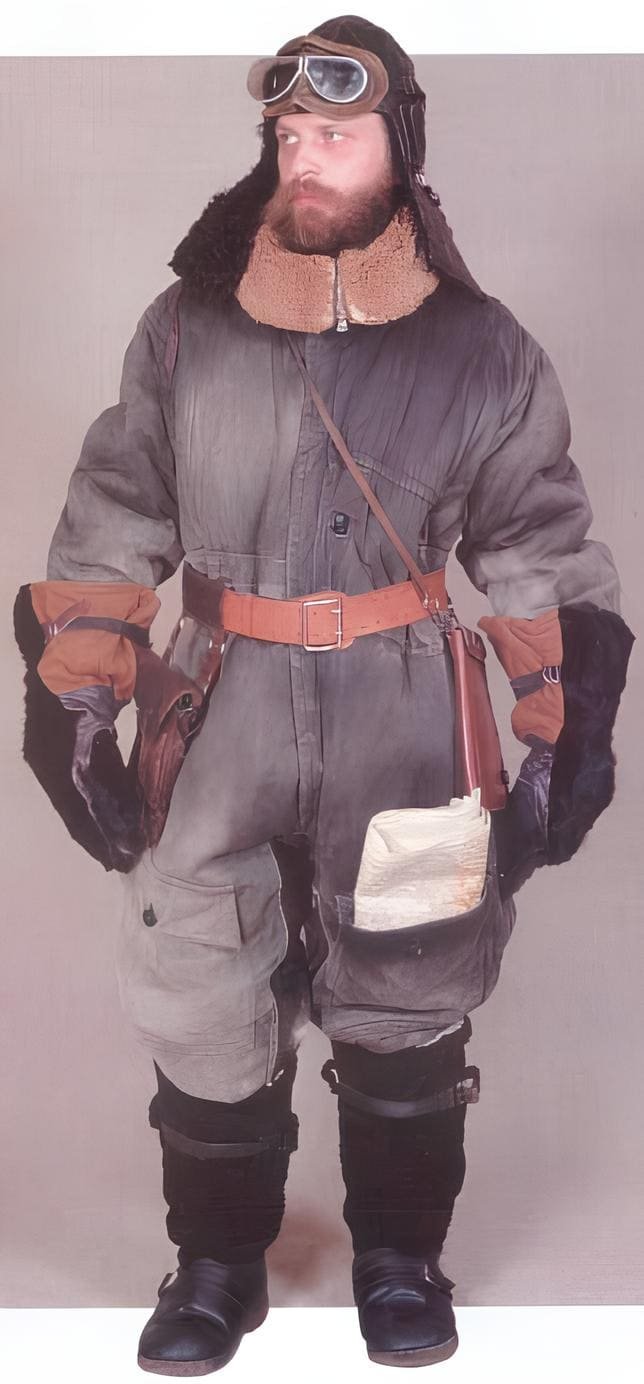
Naval aviation pilots required specialized clothing to withstand cold and wind exposure. Their gear reflects the technical demands of wartime aerial combat.
Automatic rifleman, mountain rifle troops, 1942-1943

Mountain rifle units operated in some of the most challenging environments of the war. Their uniforms prioritized mobility, warmth, and endurance.
If you’re interested in earlier uniforms, check here:
Soviet WW2 Uniforms (1943-1945)
Soviet RKKA (1936–1941) Uniform
Soviet Army Uniforms 1923–1936
Russian Civil War Uniforms 1918–1922
Looking original Soviet boots and accessories? Please visit here: Soviet Boots Store