Soviet Army uniforms (1936–1941)
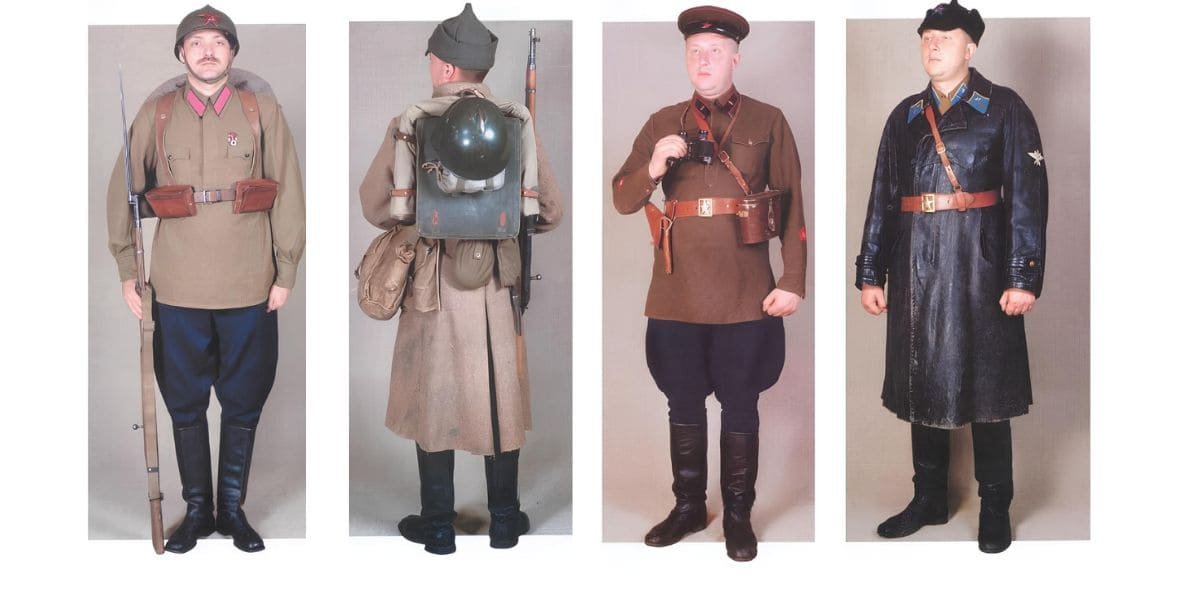
Soviet Army uniforms 1936–1941 represent the final pre-war stage of the Red Army and RKKA uniform system. This period shows how Soviet military clothing moved from interwar experiments to a more practical and combat-ready look just before World War II.
Below is a visual guide to Red Army uniforms from 1936 to 1941, useful for history enthusiasts, collectors, and reenacting.
If you’re interested in 1923-36 uniforms, check here: Soviet RKKA (1923-1936) Uniform
If you’re interested in 1923-36 uniforms, check here: Soviet WW2 Uniforms 1941–1943
Quick navigation
Soviet Army uniforms 1936–1941: ranks and field clothing
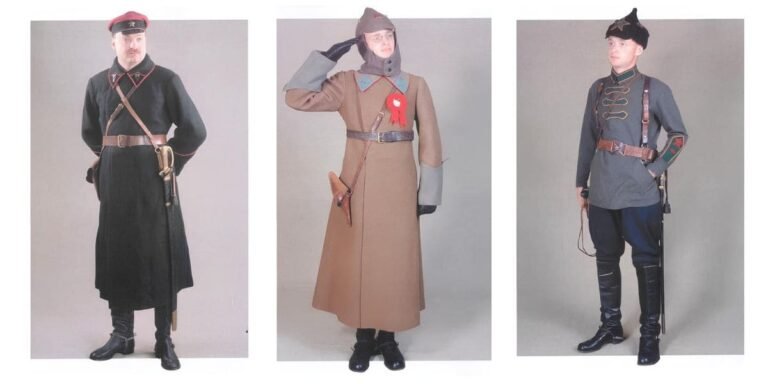
The years 1936–1941 were a turning point for the Soviet Army. Uniforms became more standardized, ranks and insignia returned, and clothing was adapted for real combat conditions. You’ll see infantry, cavalry, armored troops, and service uniforms that later shaped the Red Army’s appearance during the early years of WWII.
If you’re interested in earlier uniforms, check here:
Soviet Army Uniforms 1923–1936
Main features of Soviet Army uniforms 1936–1941
- Clear standardization of RKKA uniforms
- Return of ranks, insignia, and officer distinctions
- Separate uniforms for infantry, cavalry, armored troops, and specialists
- Designs focused on durability and upcoming wartime needs
Uniform gallery
Marshal of the Soviet Union in daily uniform, 1936–1940.
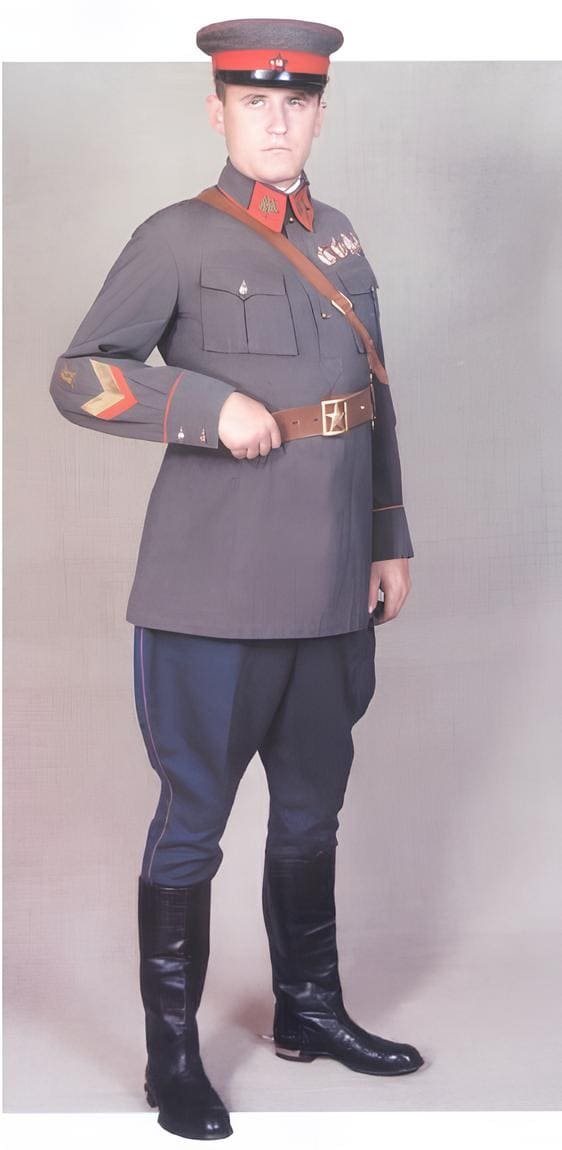
This uniform was worn by the highest-ranking commanders of the Red Army in everyday service. Marshals were responsible for strategic planning, inspections, and overall control of military forces.
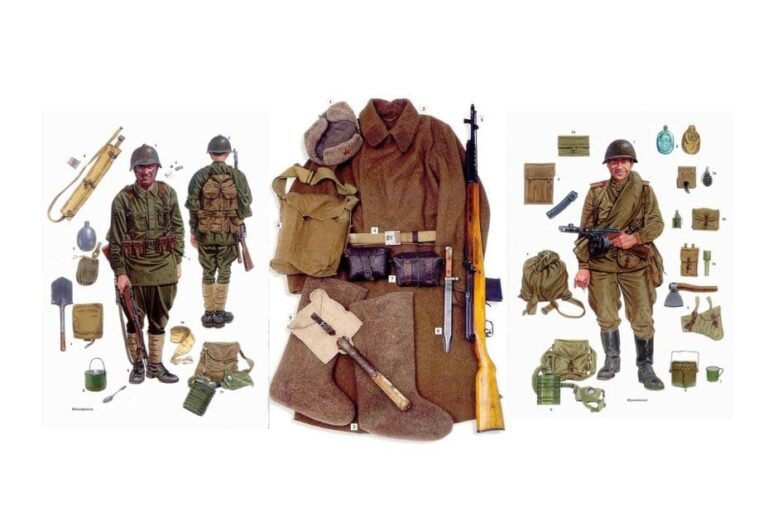
Red Army soldier, infantry, 1936.
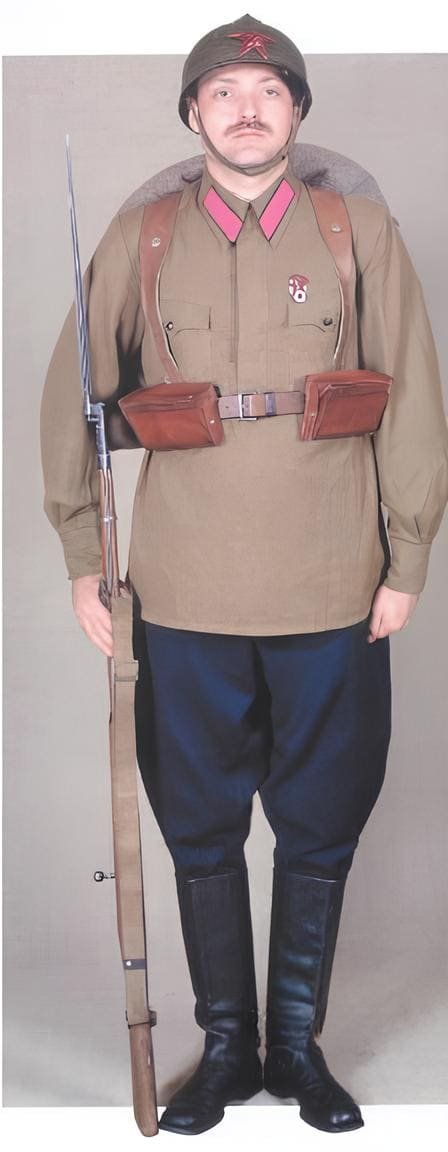
Adrian helmet already been introduced in 1915 but were still in use later on. It is however difficult to see when they weren’t used anymore. Most photos are staged and could often only show the newest stuff. That makes it hard to tell until when you see what equipment
Senior political officer, artillery troops, 1936–1940.
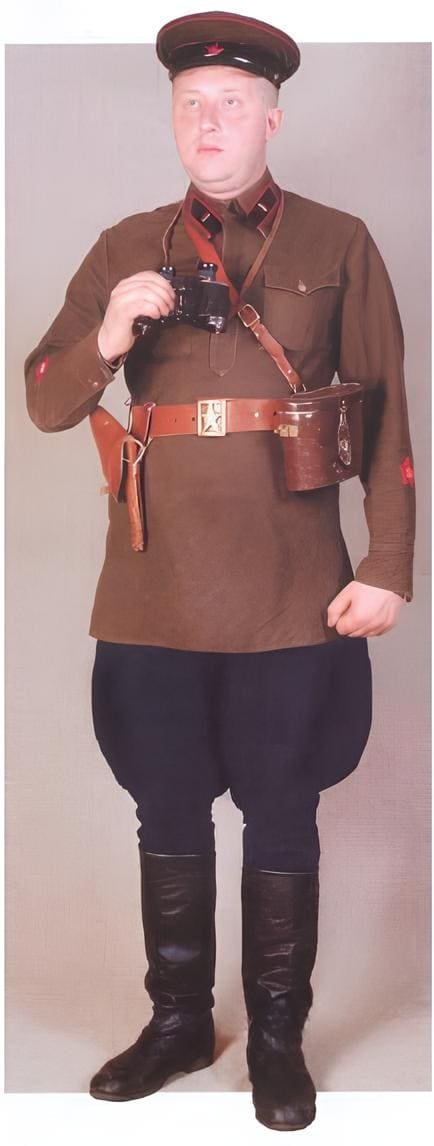
Political officers worked alongside commanders to maintain discipline and loyalty to the Soviet state. In artillery units, they played an important role in training and internal control.
Military engineer of the 2nd rank, technical troops, 1936–1943.
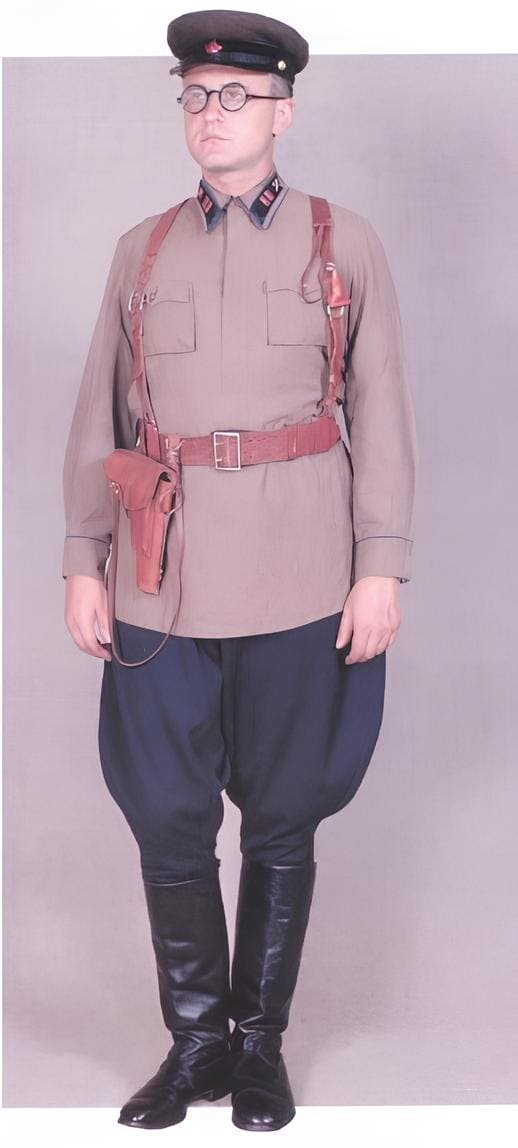
Military engineers played a crucial role in building fortifications, bridges, and military infrastructure. Their work was essential for both defensive and offensive operations.
Quartermaster of the 2nd rank in daily uniform, 1936–1942.
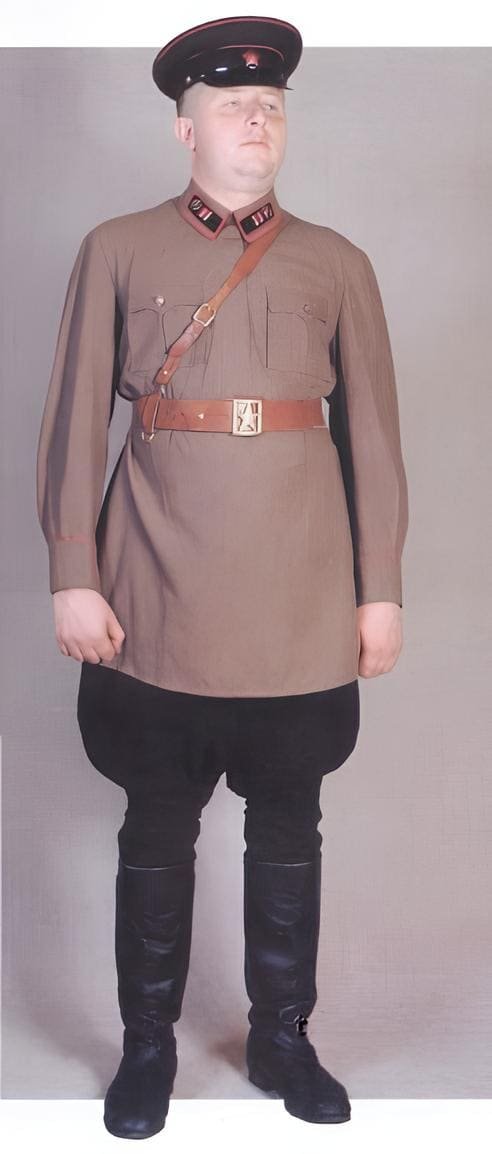
Quartermasters managed logistics and supplies for Red Army units. Their role ensured soldiers received food, clothing, and equipment on time.
Captain, artillery motor transport units, 1936–1940.
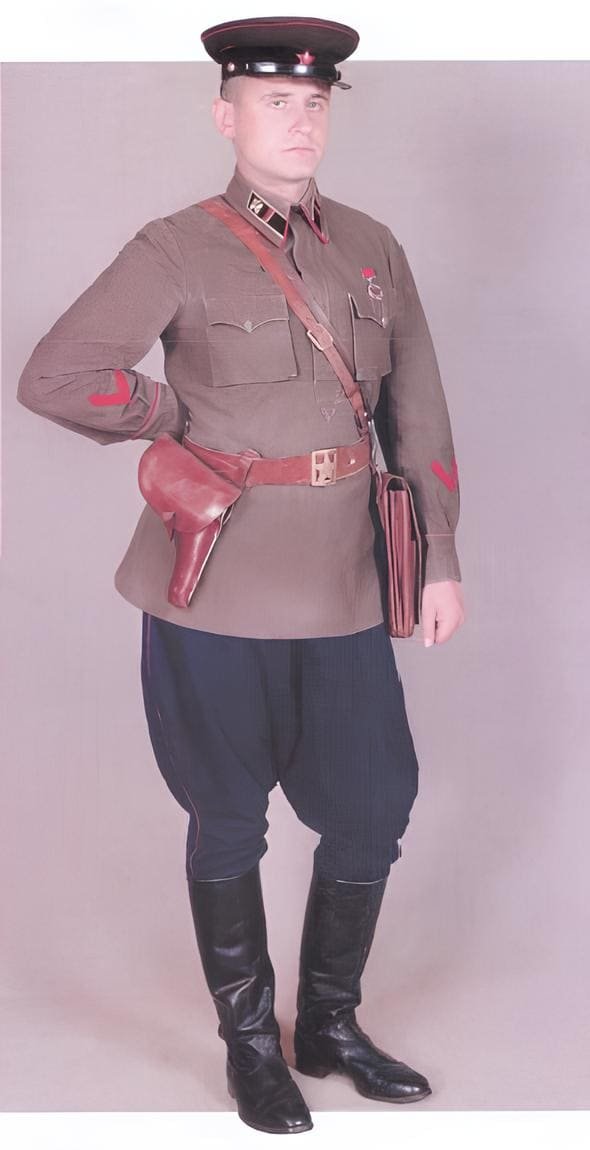
Motor transport units ensured the mobility of artillery formations. Officers coordinated vehicle operations and supply routes during exercises and combat.
Looking for original Soviet boots? You can get them here → [Soviet boots store]
Senior lieutenant in daily uniform, Air Force, 1936–1940.
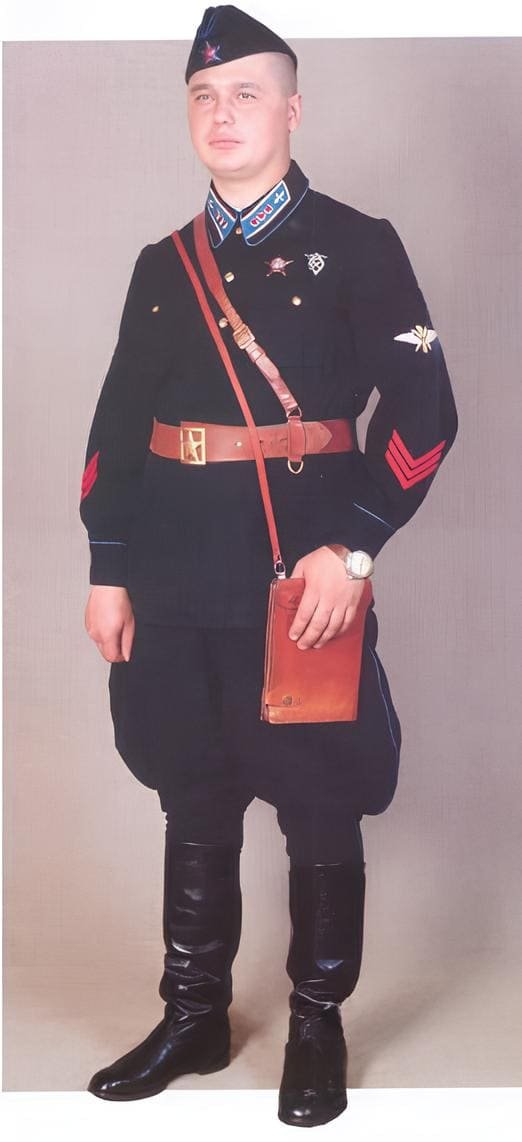
Air Force officers combined technical knowledge with command duties. They played a key role in the development of Soviet aviation before World War II.
Lieutenant in field uniform, armored troops, 1938–1941.
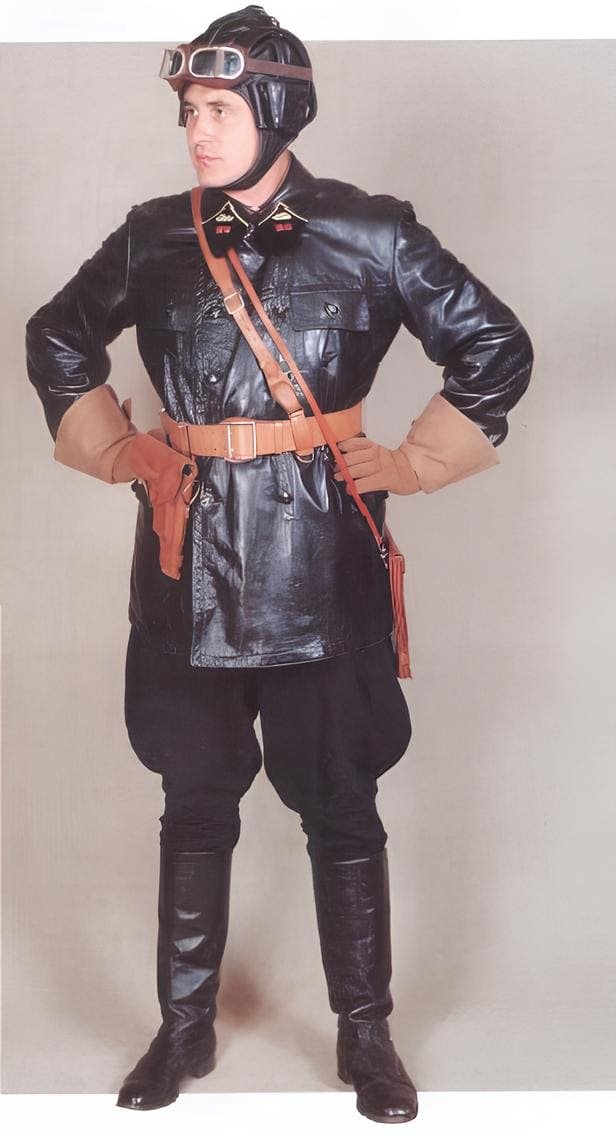
Armored troop officers were trained to lead tank units in mobile combat. They combined tactical command with technical knowledge of vehicles.
100+ Soviet WW2 Tanks & Military Vehicles
Explore 100+ Soviet tanks and military vehicles with photos and specifications.
Captain, Air Force, 1936–1940.
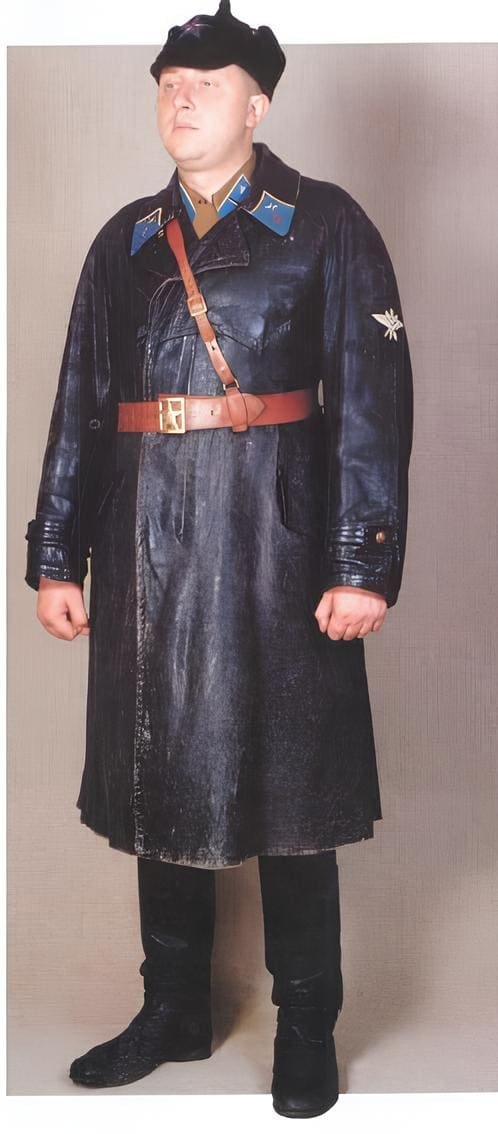
Air Force captains supervised flight crews and training programs. Their role was essential in organizing combat-ready aviation units.
Lieutenant in flight uniform, Air Force, 1936–1943.
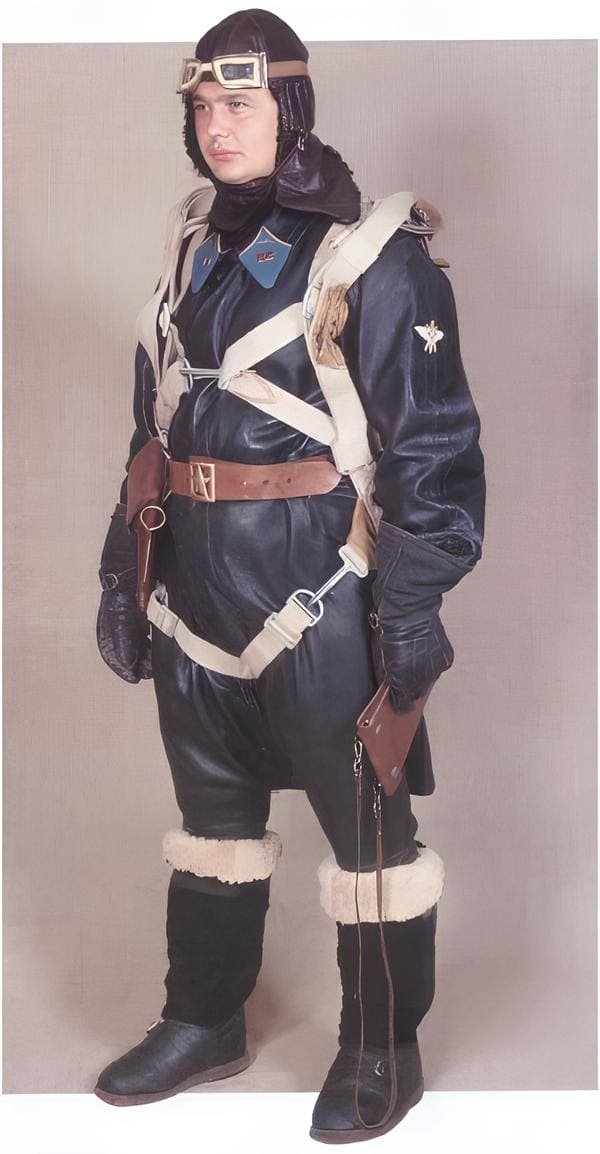
Flight uniforms protected pilots from cold and wind at high altitudes. They were an essential part of early Soviet aviation equipment.
Squad commander, motor transport units, 1938–40.
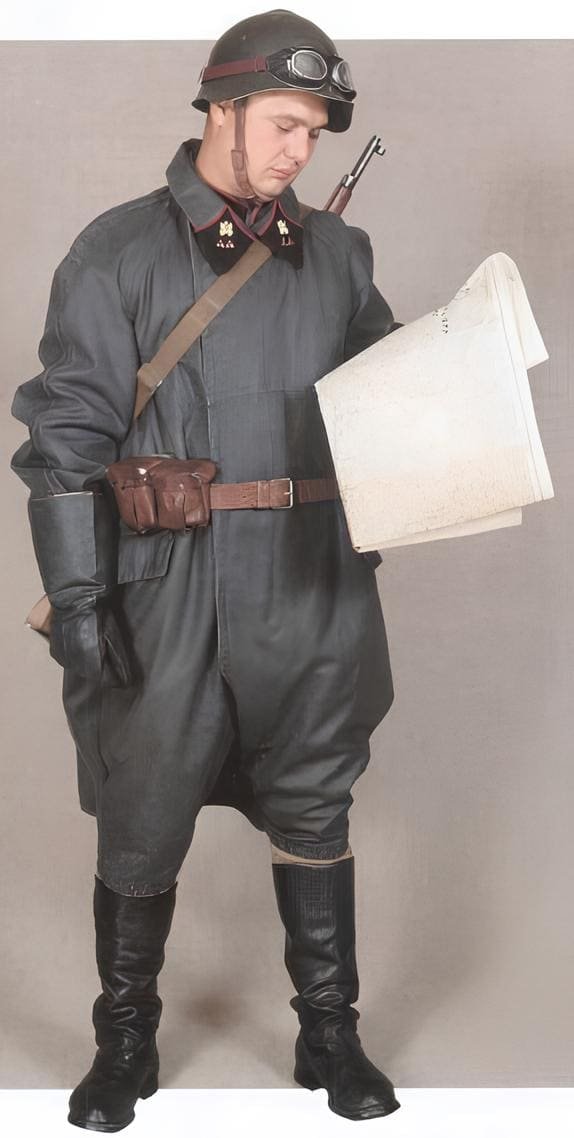
This is a Red Army squad commander from motor transport units in 1938–1940. A clear reference photo for pre-WWII Soviet uniform details.
Protective anti-chemical clothing, 1936–45.
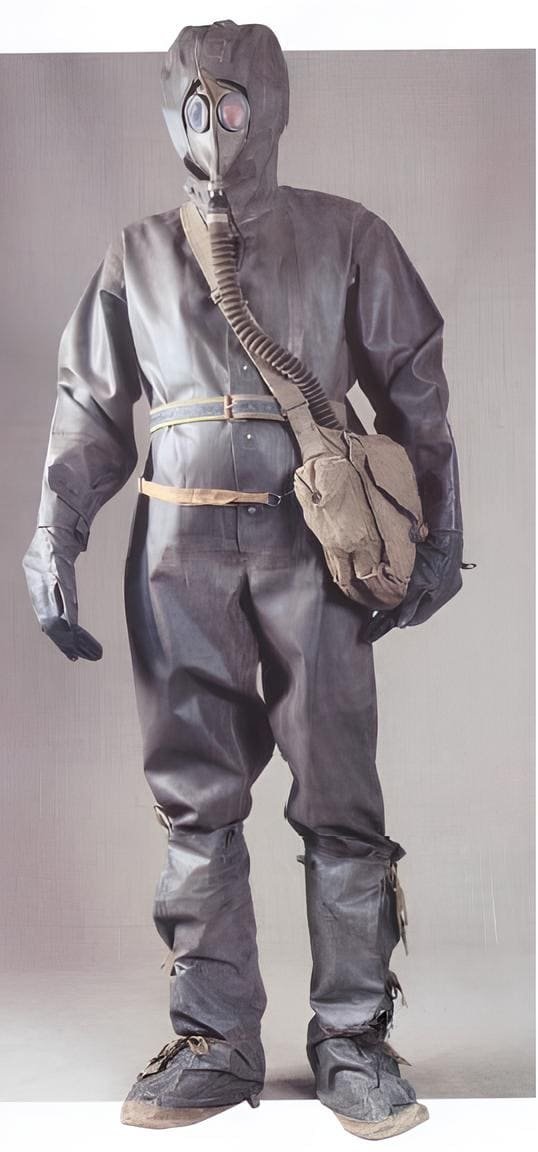
A Red Army chemical protection suit used from 1936 to 1945. Good image to show how Soviet anti-chemical gear looked in service.
Looking for Soviet Gask Mask? You can get them here → [Soviet Gas Mask]
Kombrig in everyday uniform of the General Staff Academy, 1936–40.
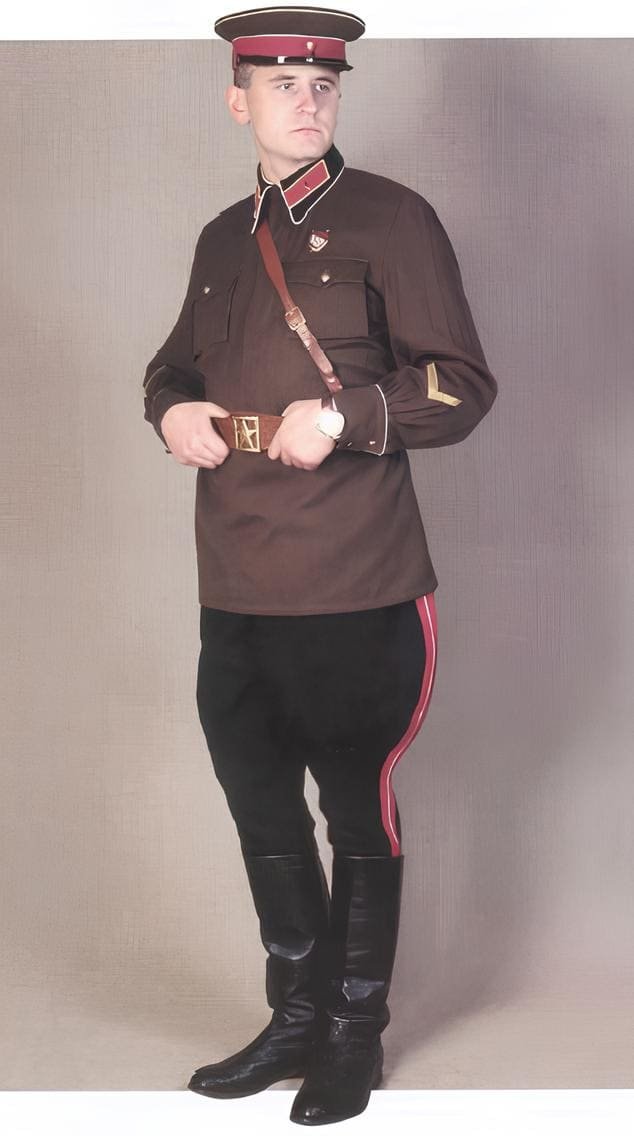
This shows a Kombrig rank officer in an everyday academy uniform from 1936–1940. Useful for identifying pre-war Soviet rank and clothing details.
Senior lieutenant of State Security in everyday uniform, NKVD, 1936–37.
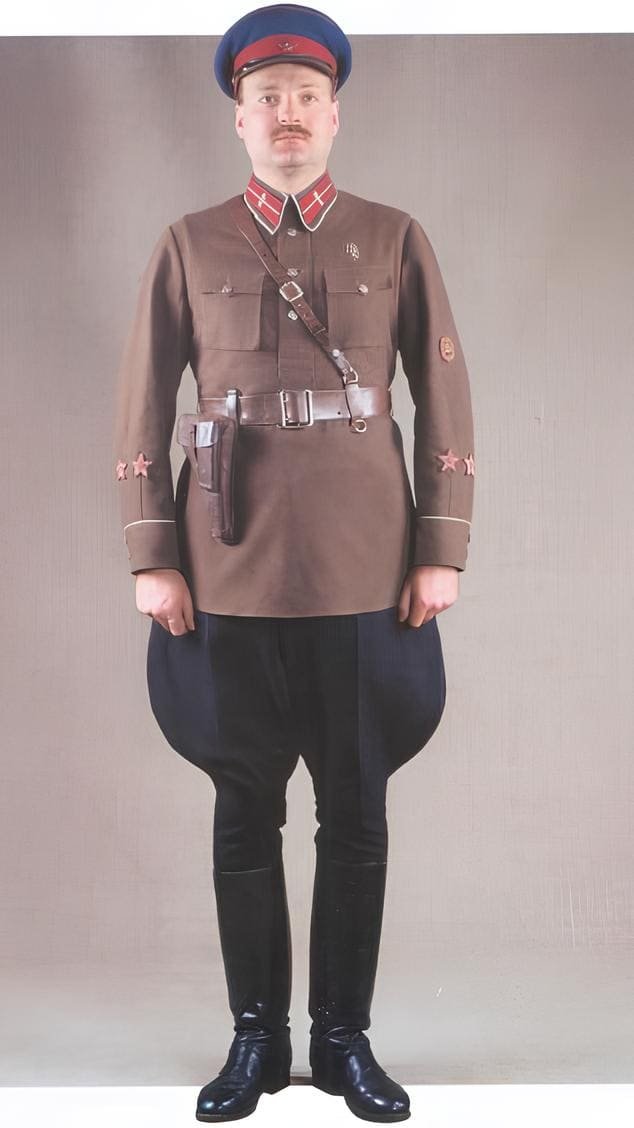
This is an NKVD State Security senior lieutenant in an everyday uniform from 1936–1937. A clear reference for Soviet pre-war internal service uniforms.
Senior Lieutenant of State Security in everyday long uniform, NKVD, 1936–1937.
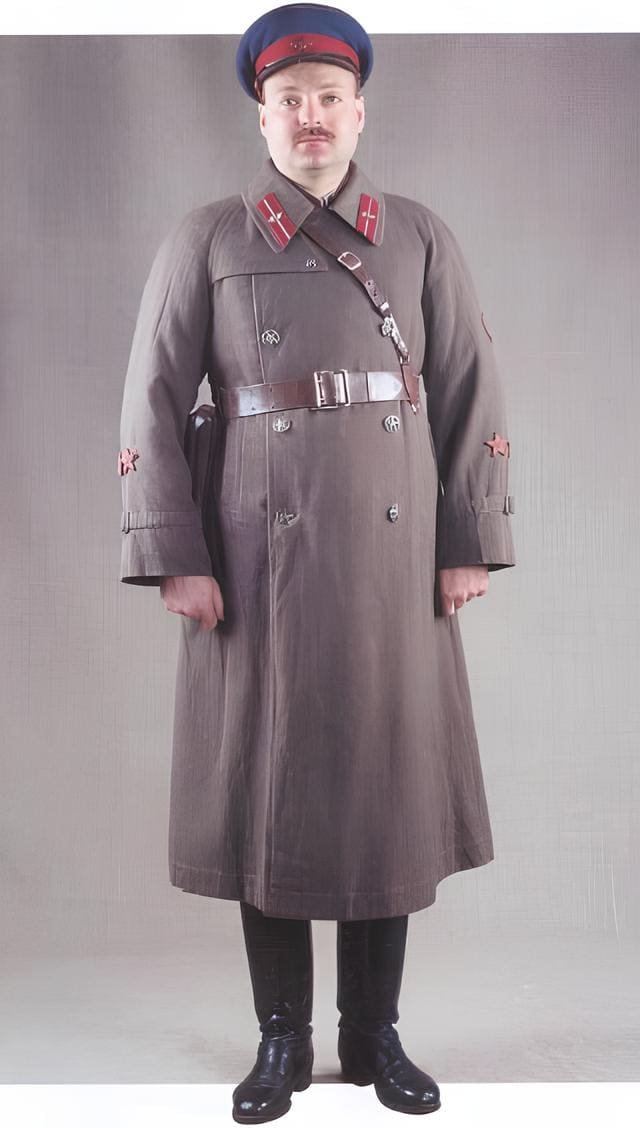
This NKVD officer served in internal security and intelligence duties across the Soviet Union. His everyday uniform was designed for daily service, inspections, and administrative work rather than frontline combat.
Senior Lieutenant of State Security in winter uniform, NKVD, 1936–1937.
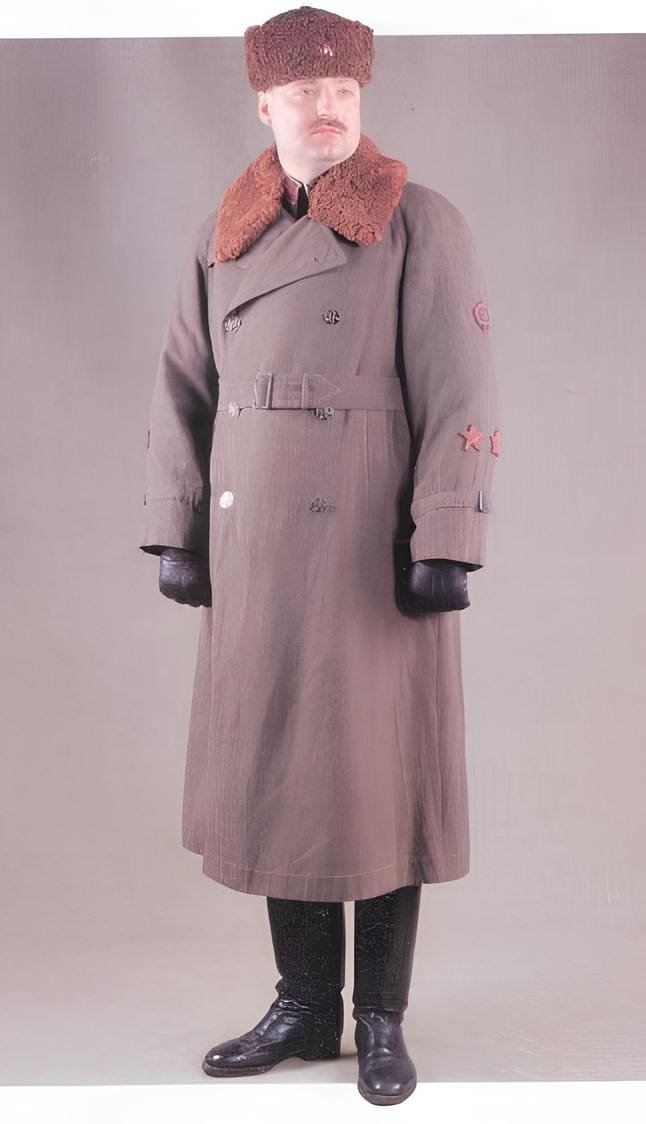
This officer performed security and counterintelligence tasks during the late 1930s. The winter uniform provided protection during long outdoor duties, checkpoints, and cold-weather operations.
State Security sergeant, NKVD, 1937–43.
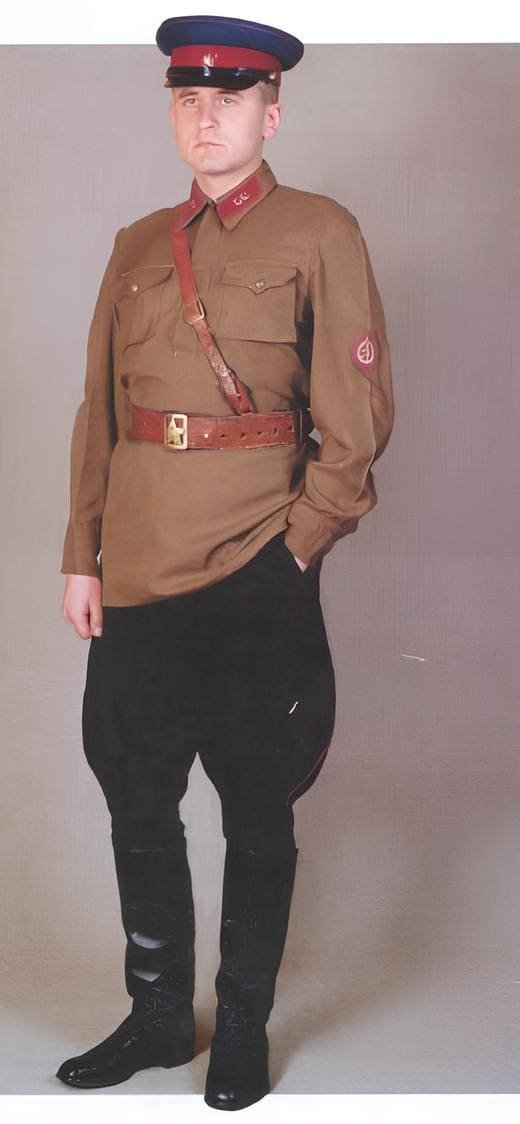
This photo shows an NKVD State Security sergeant uniform from 1937–1943. It’s a helpful visual reference for Soviet NKVD ranks and style.
Major, internal troops, NKVD, 1937–43.
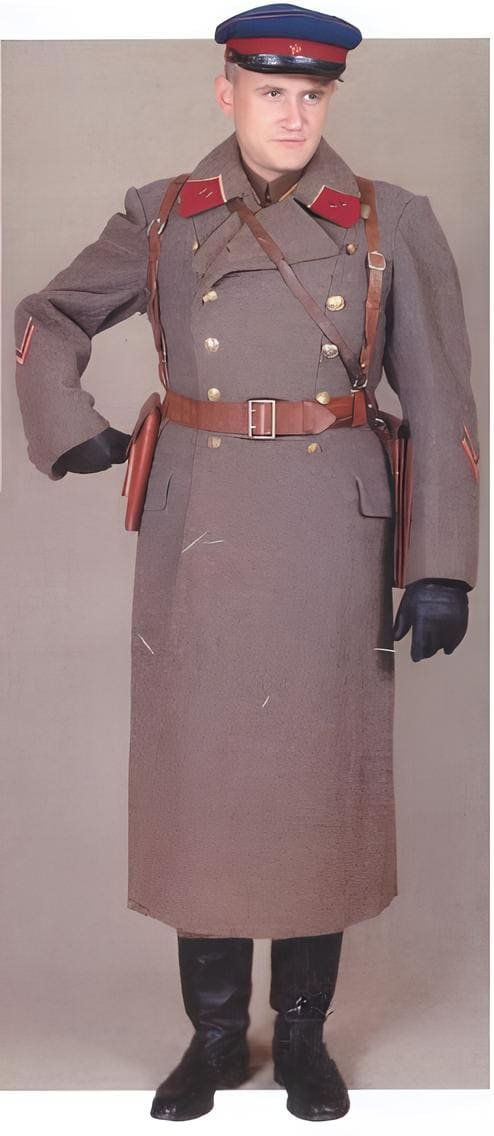
A major of the NKVD internal troops in a 1937–1943 uniform. Good reference for Soviet internal forces uniforms during the WWII era.
Junior political instructor in summer marching uniform with panama, infantry, 1939.
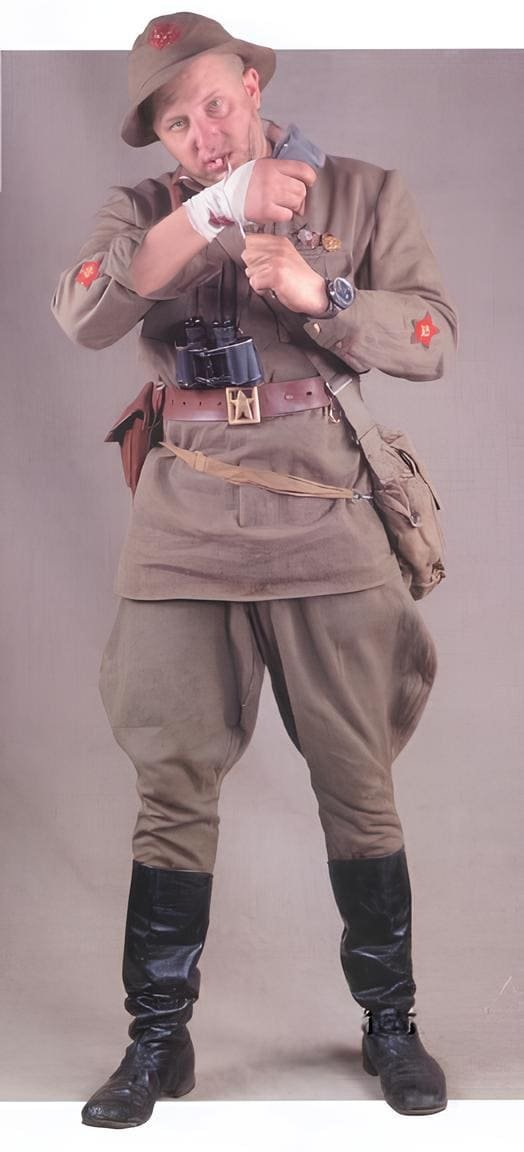
This is a junior political instructor in a 1939 summer field uniform. A clean reference for pre-WWII Soviet infantry style and gear.
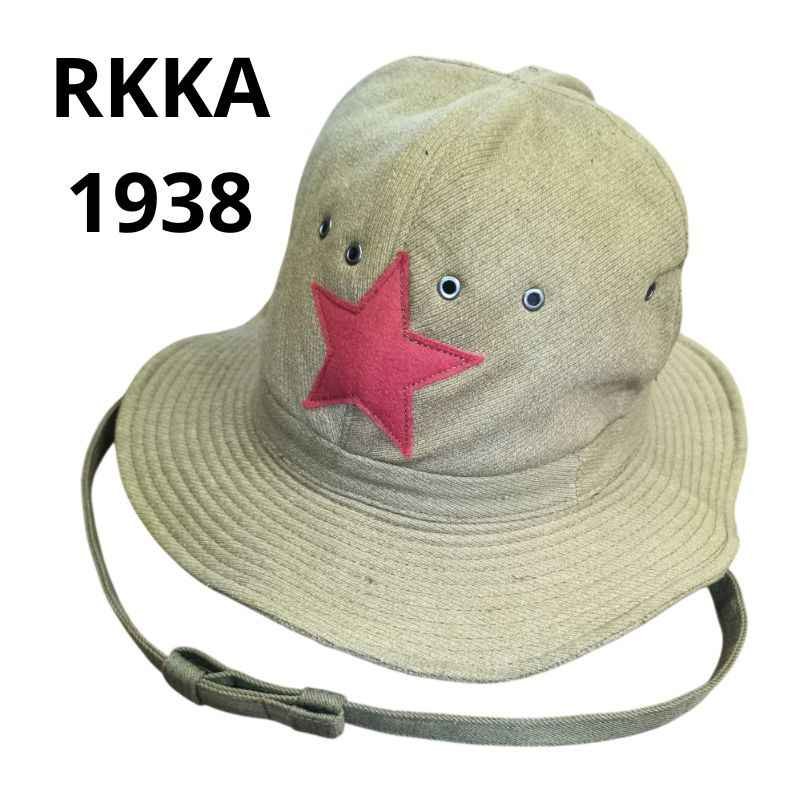
Soviet RKKA M1938 Panama Hat
Looking for an authentic Soviet summer hat? This high-quality RKKA M1938 Panama Hat is made to the original 1938 Soviet GOST standard. It features the classic khaki canvas, large red star, ventilation eyelets and adjustable chin strap, making it perfect for WWII reenactment, collectors and military history enthusiasts.
Red Army soldier, border troops, NKVD, 1937–41.
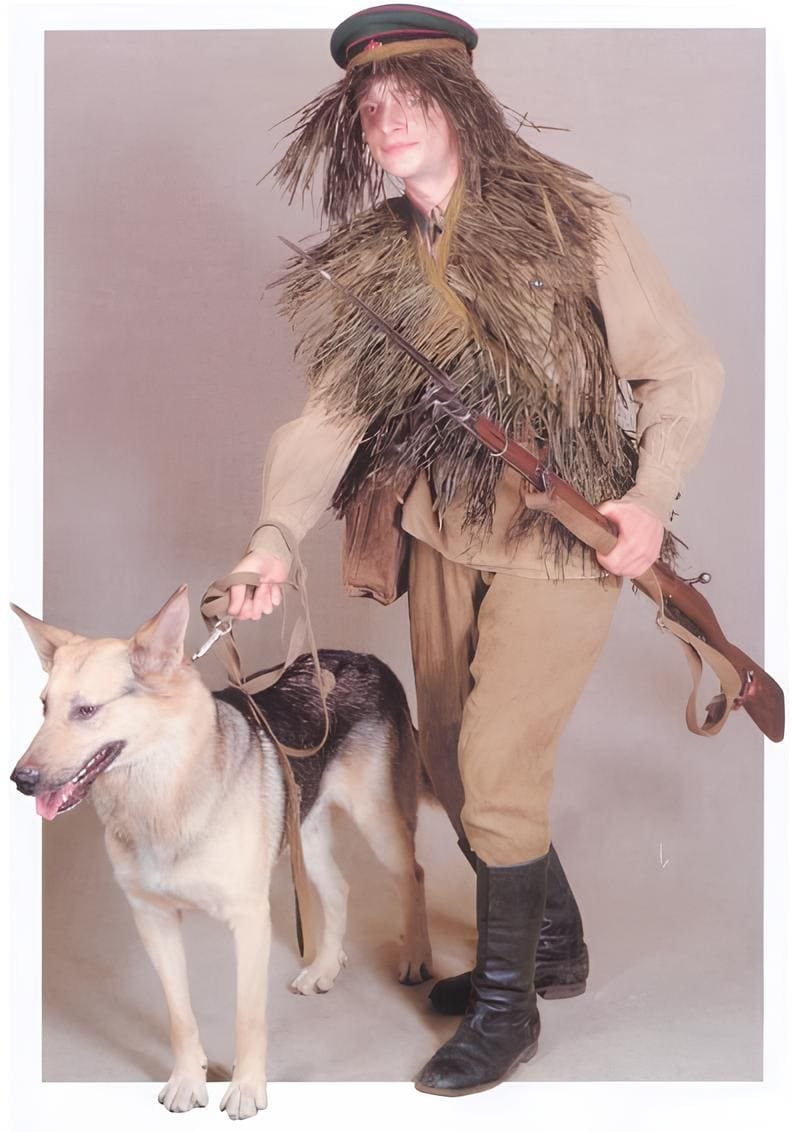
This image shows an NKVD border guard soldier with a service dog from 1937–1941. Great reference for Soviet border troops uniforms before WWII.
Rifleman in winter camouflage, 1939–1940.
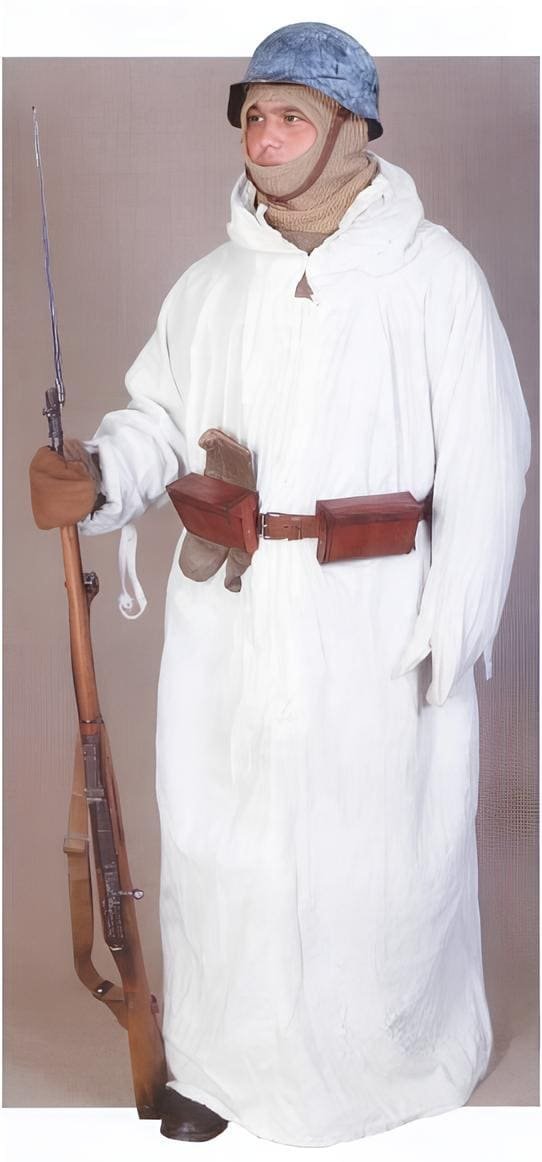
This winter camouflage was used by Red Army riflemen during cold-weather operations.
It helped soldiers stay hidden in snow-covered terrain during combat.
Rifleman in winter field uniform, 1936–1941.
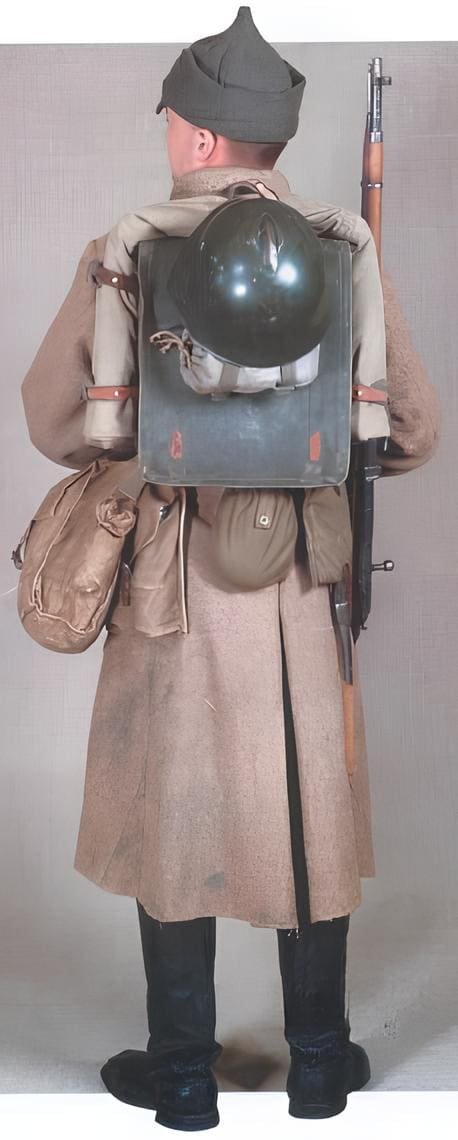
This uniform was worn by Red Army infantry soldiers on long winter marches.
It was practical, warm, and designed for everyday frontline use.
Red Army soldier in parade uniform of Kuban Cossack cavalry units, 1936–1941.
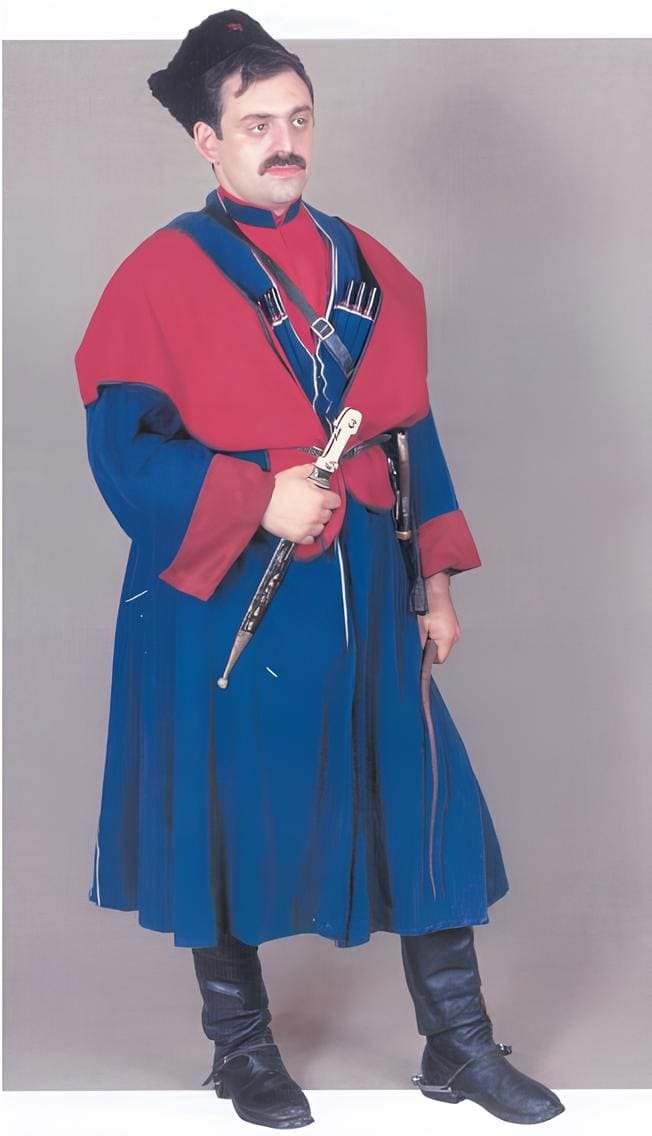
Kuban Cossack units served as cavalry in the Red Army.
Their parade uniforms preserved traditional Cossack elements and style.
Red Army soldier in parade uniform of Don Cossack cavalry units, 1936–1941.
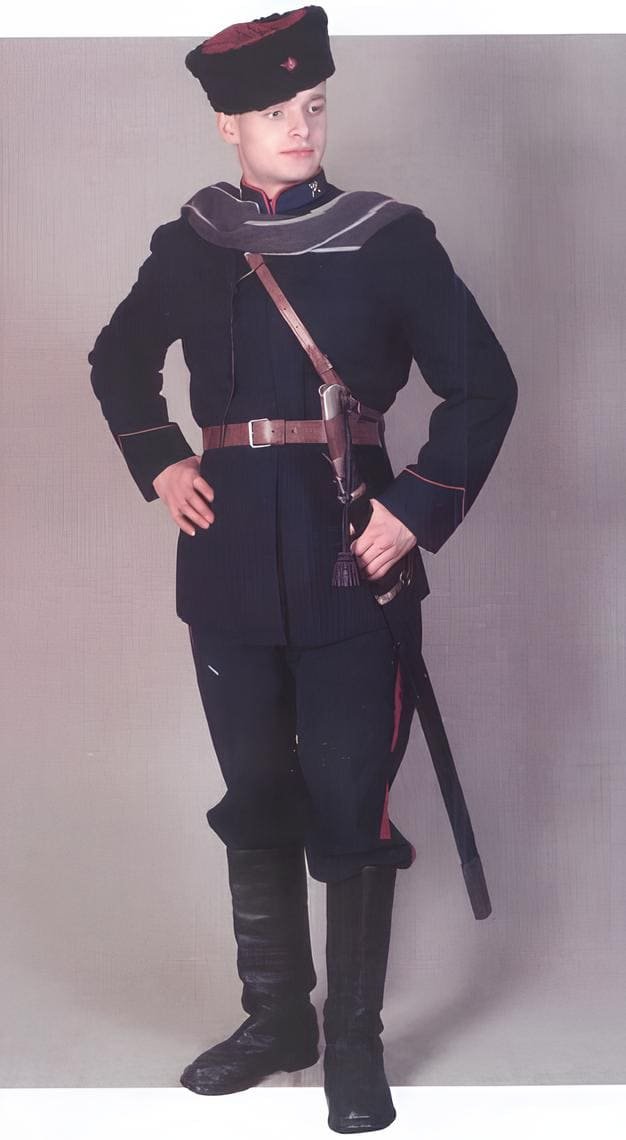
Don Cossack cavalry units played an important role in the Red Army.
Their parade uniforms emphasized rank, tradition, and military pride.
Major in parade uniform of Terek Cossack cavalry units, 1936–1941.
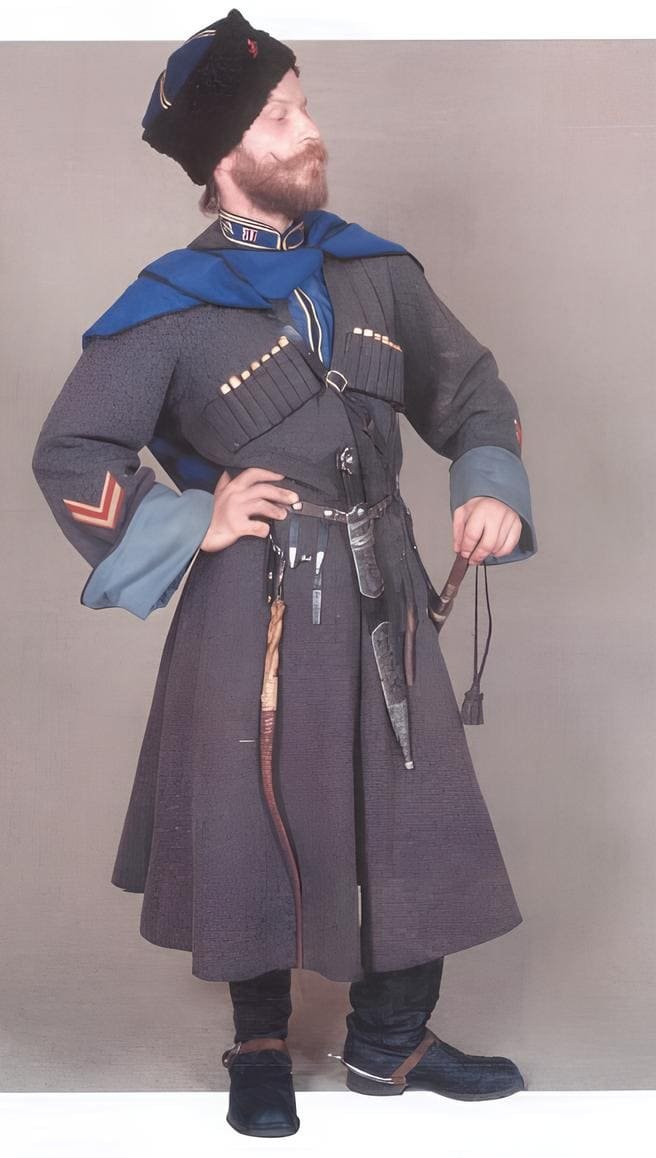
Terek Cossack cavalry officers served as experienced commanders in the Red Army.
Their parade uniforms highlighted rank and long-standing Cossack traditions.
Junior lieutenant in parade uniform of mountain cavalry units, 1936–1941.
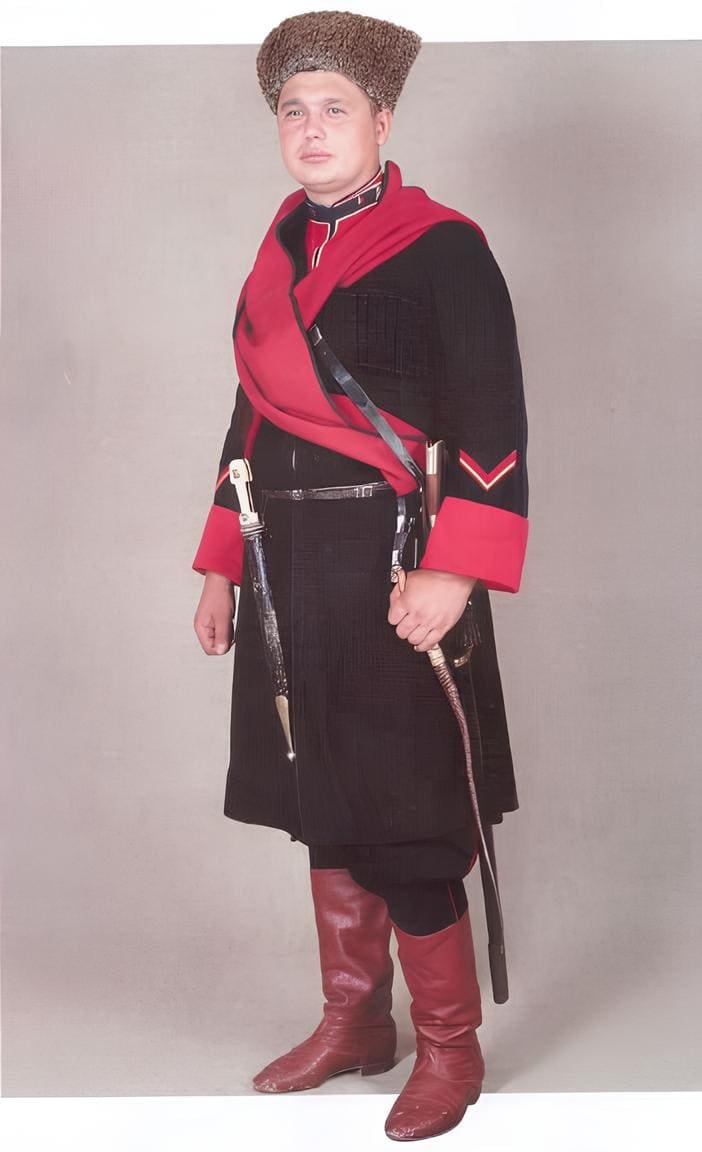
Mountain cavalry units operated in difficult terrain and remote regions.
Their officers wore distinctive parade uniforms reflecting local traditions.
Marshal of the Soviet Union in everyday uniform, 1940–1943.
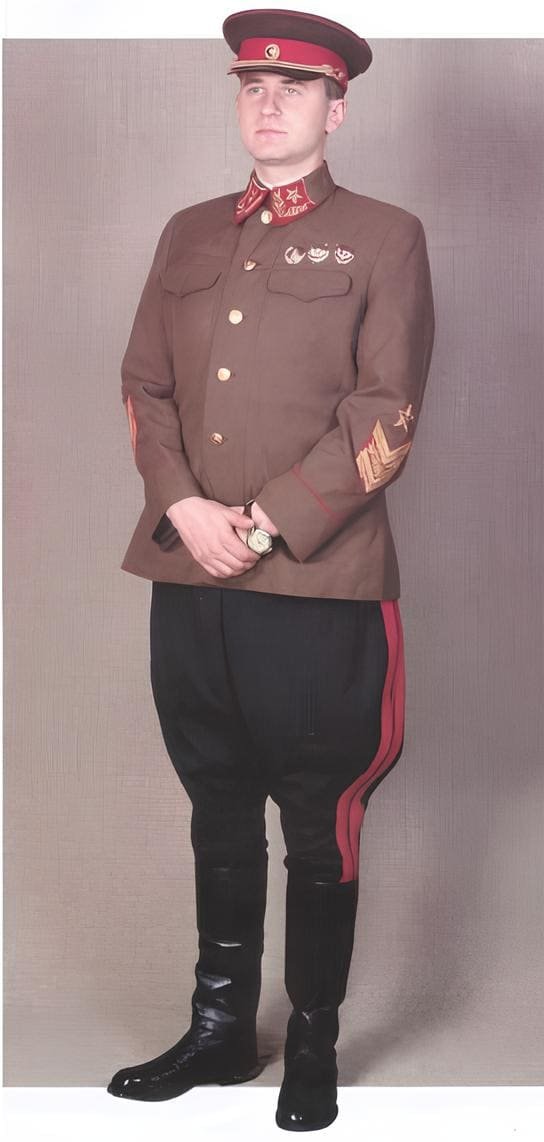
Marshals of the Soviet Union were the highest-ranking commanders.
Their everyday uniforms were strict, practical, and authoritative.
Major general in parade uniform, 1936–1941.
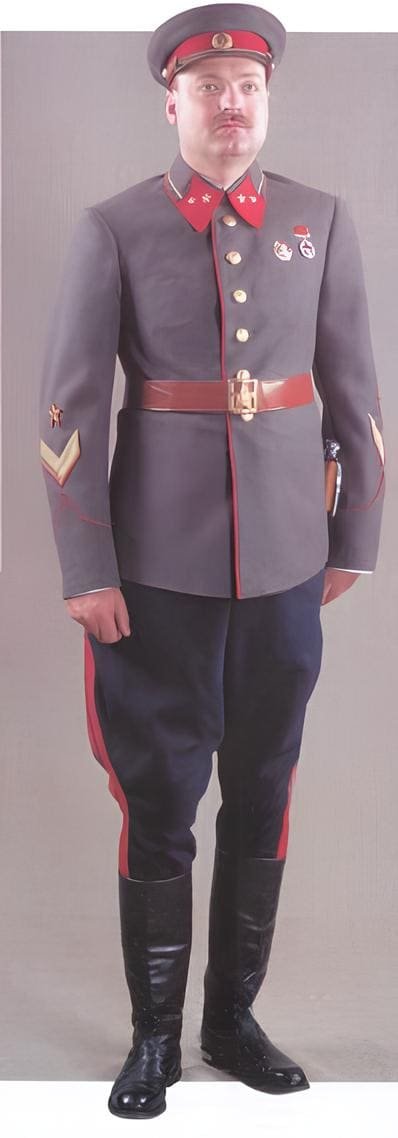
Major generals commanded divisions and large military formations.
Parade uniforms emphasized authority and rank within the Red Army.
Major general of tank troops in everyday uniform, 1940–1943.
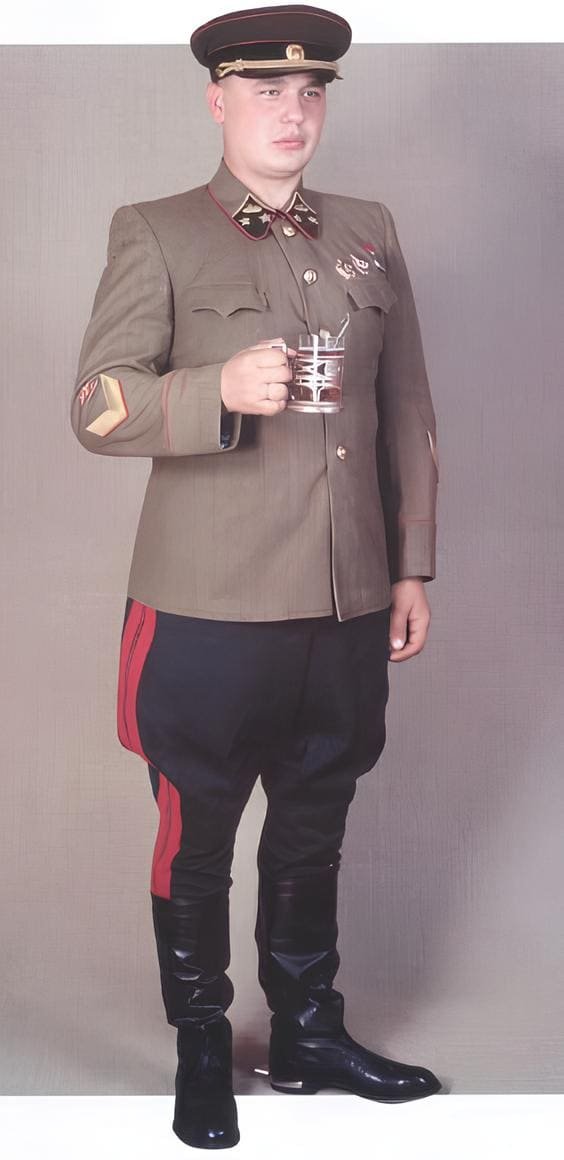
Tank troops generals were responsible for armored operations.
Their uniforms were practical and suitable for frontline command work.
Major general in field uniform, 1940–1943.
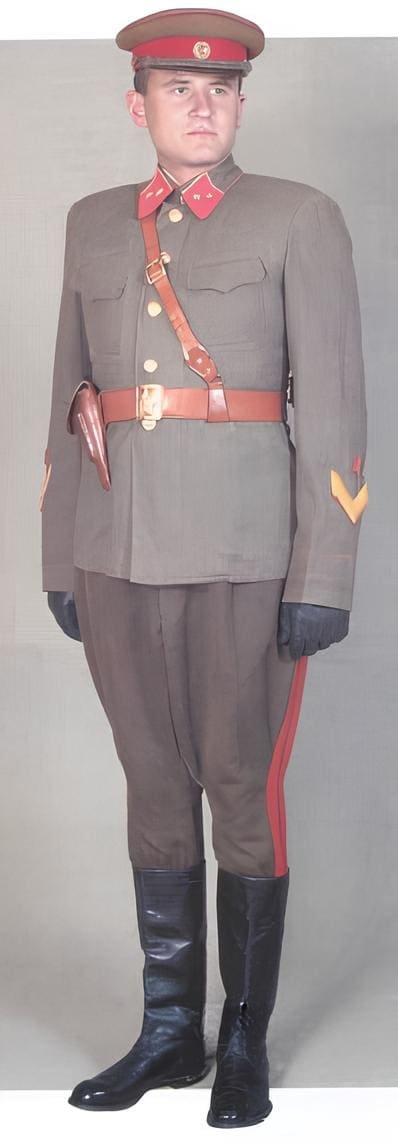
Field uniforms were worn by generals close to active operations.
They allowed commanders to work directly with frontline units.
Lieutenant General in summer uniform, 1940
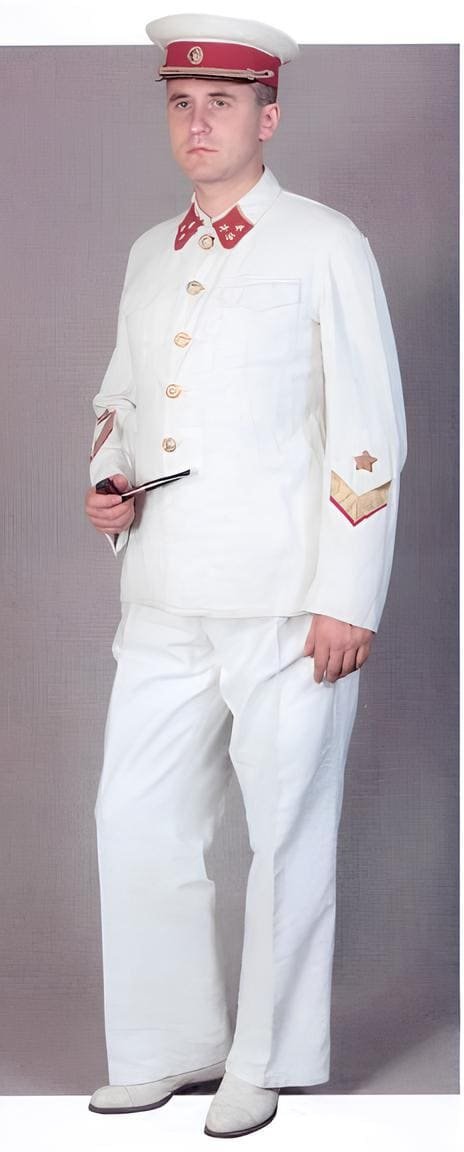
This uniform was worn by high-ranking commanders during peacetime and official duties. It shows how senior officers of the Red Army looked on the eve of World War II.
Major General of Aviation in summer uniform, 1940–1941
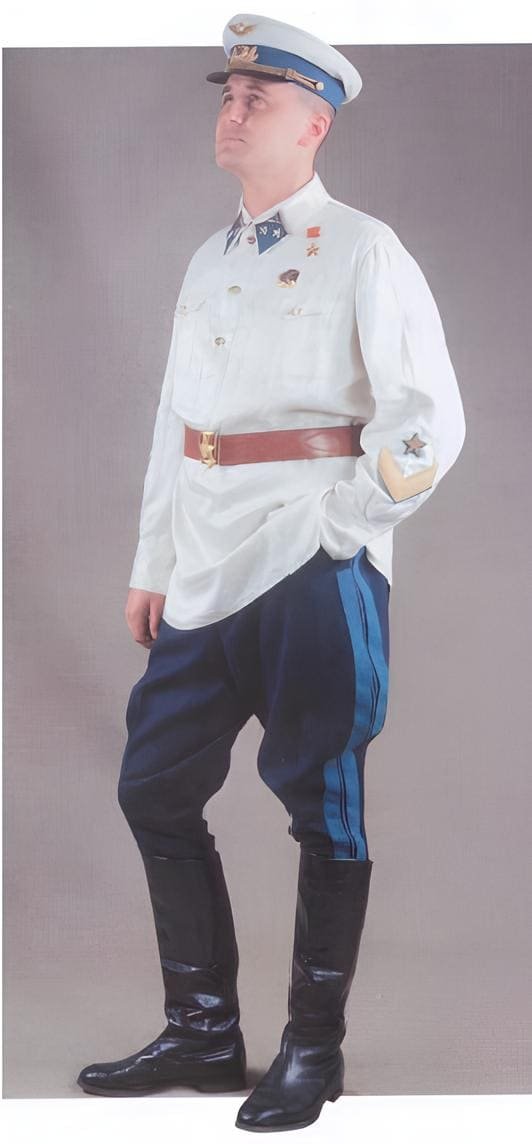
Such uniforms were worn by aviation commanders during inspections and daily service. It reflects the clean and practical style of the Soviet Air Force at the start of the war.
Lieutenant in summer everyday uniform, infantry, 1940–1943
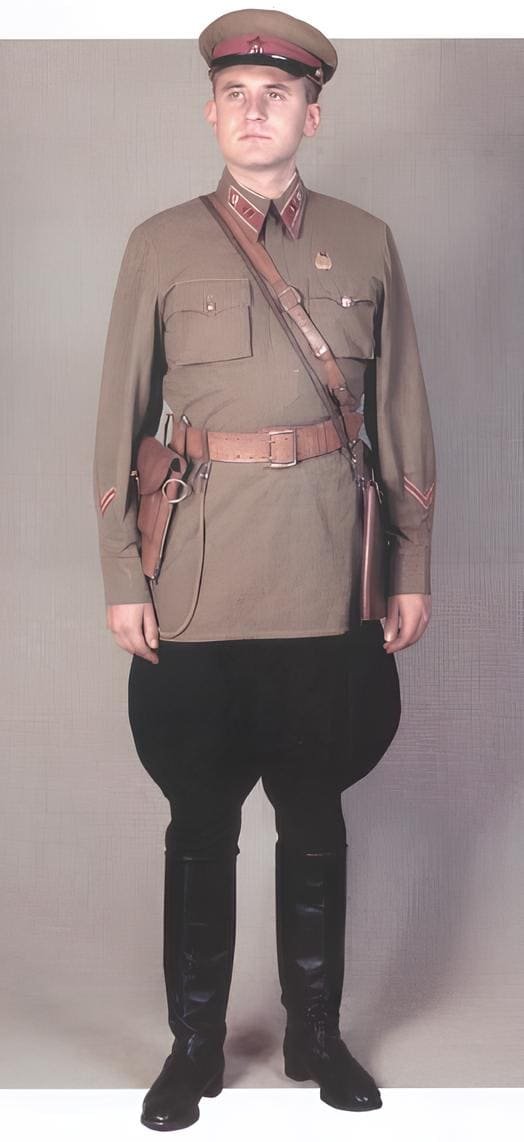
This was a typical uniform for infantry officers during daily service. It was practical, simple, and designed for constant use in wartime conditions.
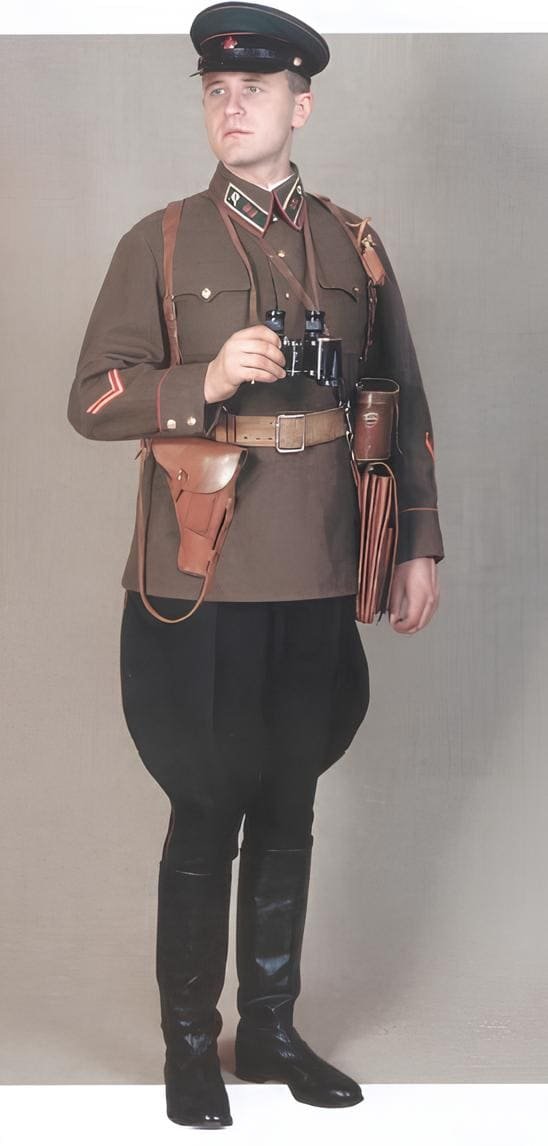
Lieutenant in field uniform, NKVD Border Troops, 1940–1943
Lieutenant Colonel in everyday uniform, artillery, 1940–1943
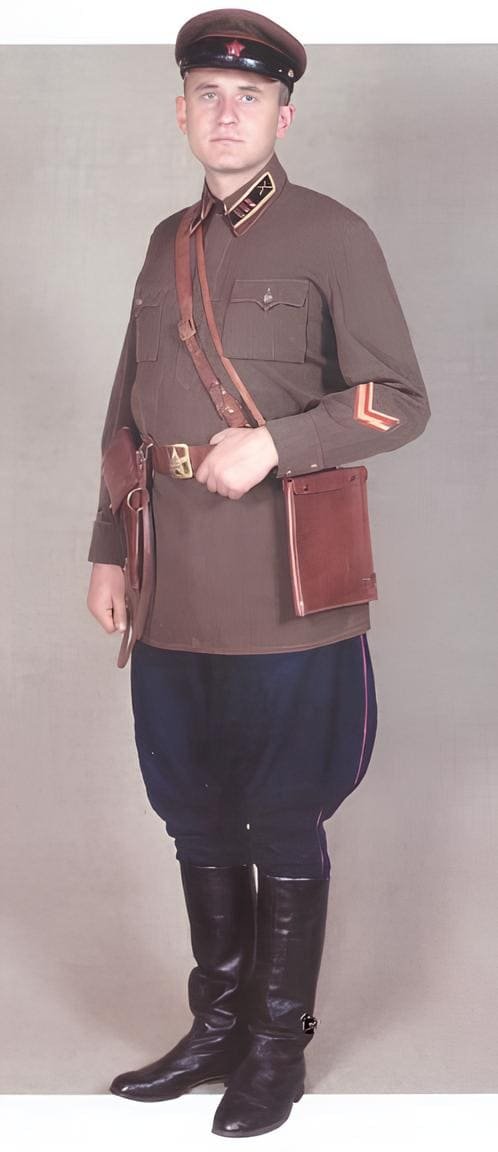
Artillery officers used this uniform during planning and daily duties. It combines a formal look with practical elements for service work.
Senior battalion commissar, 1940–1941.
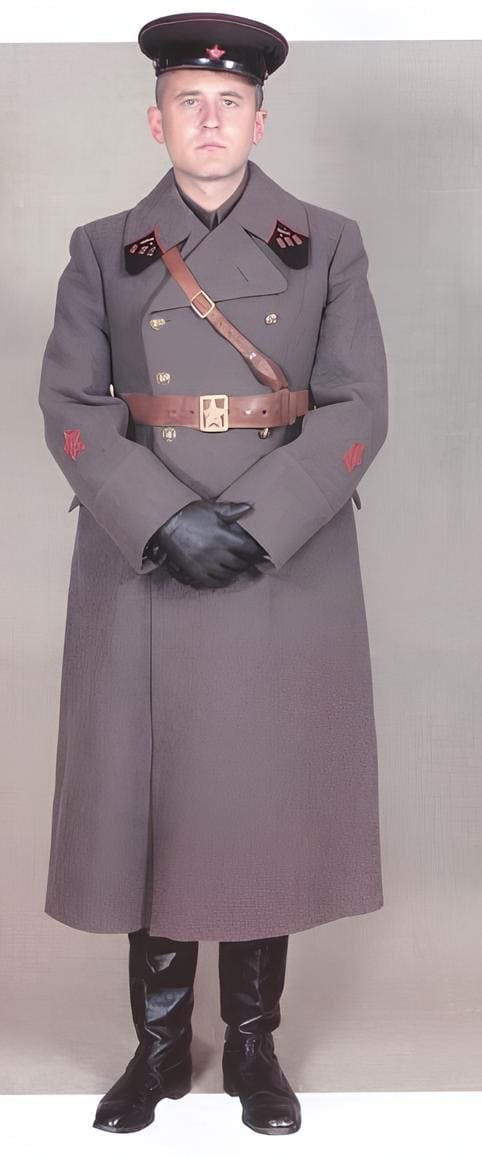
Battalion commissars were responsible for political control, discipline, and morale within Red Army units. They worked closely with commanders and played a key role in maintaining loyalty to the Soviet state.
Captain in daily uniform, armored vehicle troops, 1940–1941.
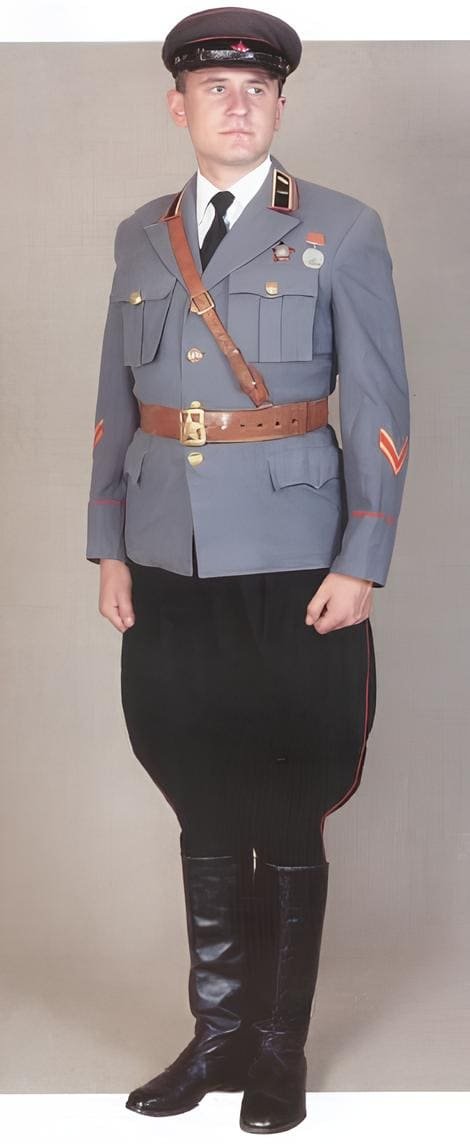
Officers of the armored troops commanded tank and mechanized units of the Red Army. Their uniform combined practicality with clear rank identification for daily service.
Captain in daily uniform, Air Force, 1940–1941.
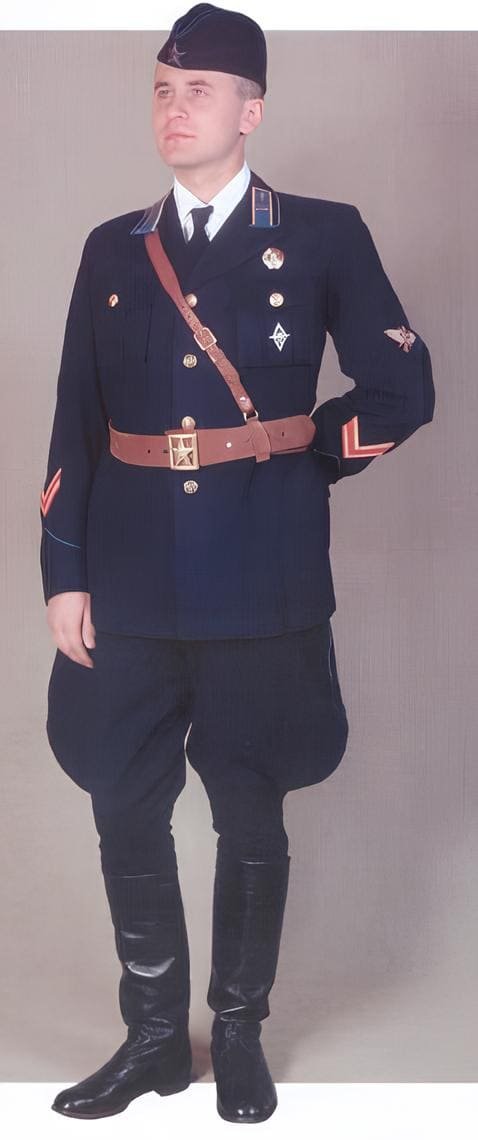
Air Force captains served as pilots or unit commanders within Soviet aviation units. Their daily uniform was designed for routine duties and base service rather than combat flights.
Lieutenant in daily uniform, Air Force, 1940–1941.
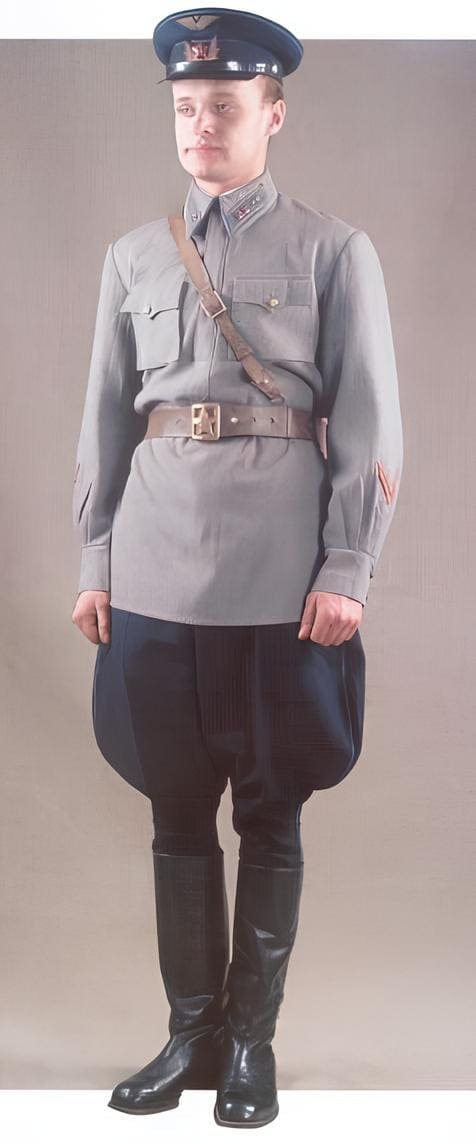
Lieutenants were junior officers responsible for flight crews or technical units. They represented the backbone of operational command within Soviet aviation forces.
Captain in summer uniform, Air Force, 1940–1941.
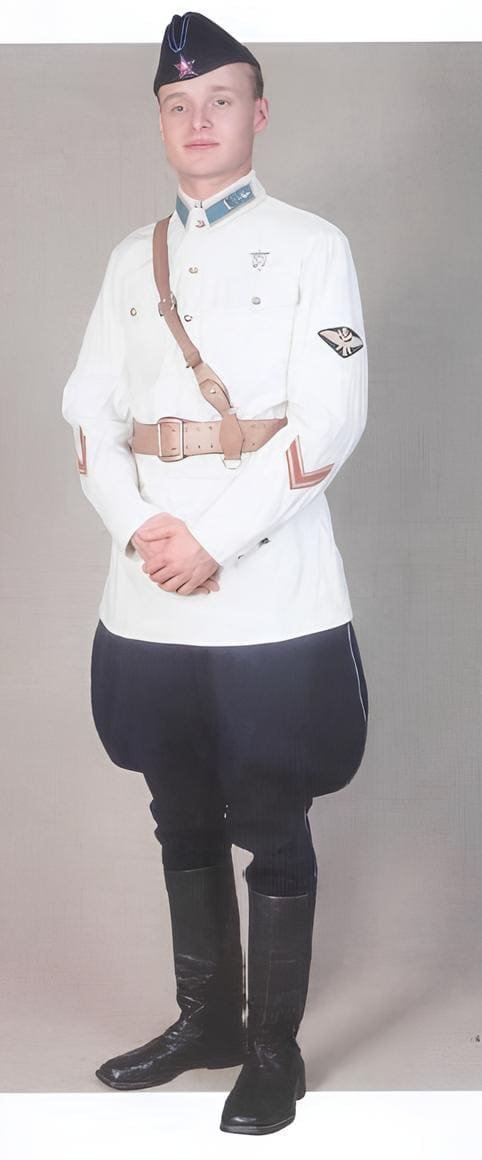
Summer uniforms were lighter and more comfortable for officers serving in air bases and rear areas. They maintained a formal military appearance while adapting to warm climates.
Red Army soldier, cavalry, 1940–1941.
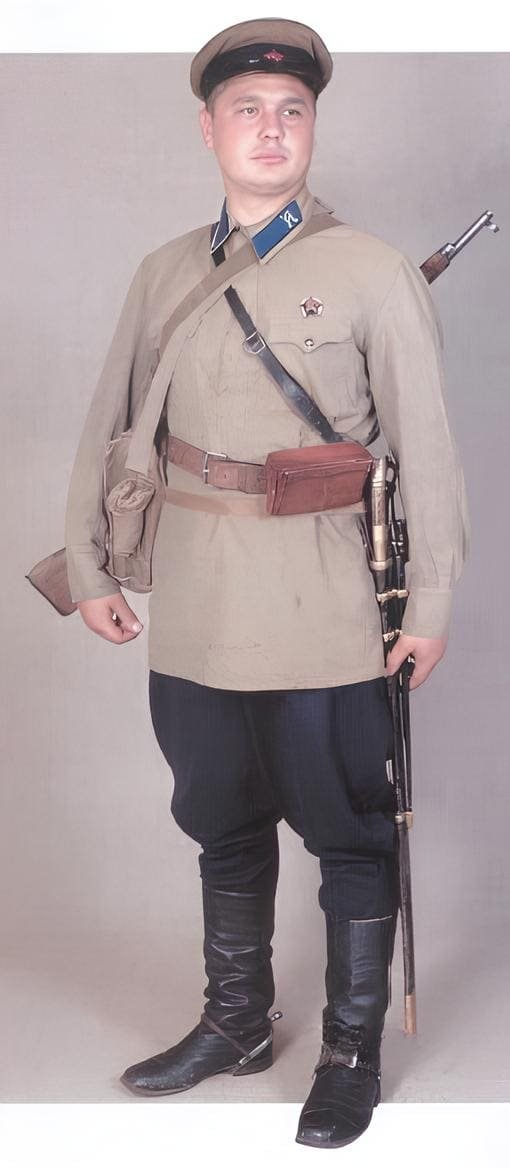
Cavalry units were still actively used by the Red Army in the early stages of World War II. These soldiers combined traditional mounted tactics with modern infantry weapons.
Major, cavalry, 1940–1943.
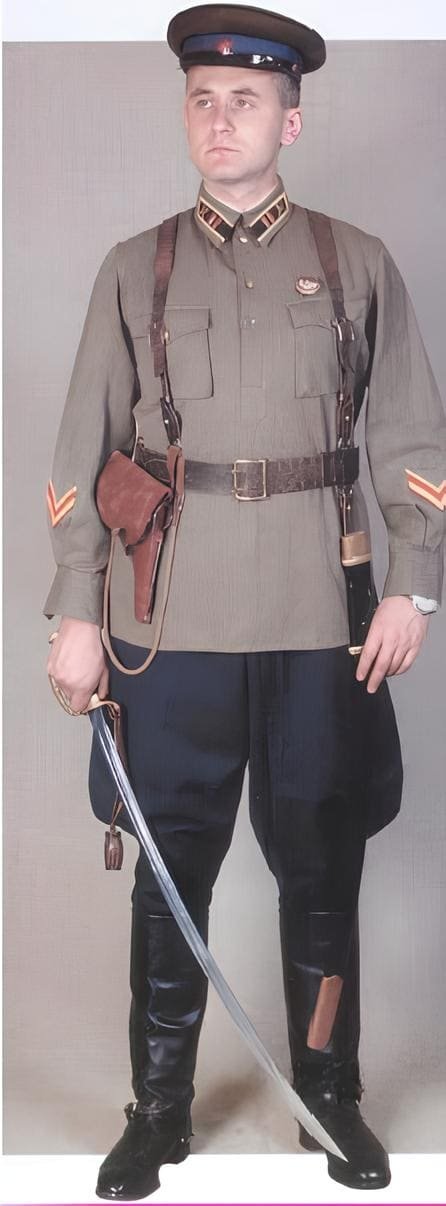
Cavalry majors commanded mounted units and were responsible for tactical leadership in combat and maneuver operations. Despite increasing mechanization, cavalry remained actively used by the Red Army during this period.
If you’re interested in earlier uniforms, check here:
Soviet Army Uniforms 1923–1936
Russian Civil War Uniforms 1918-1922
Looking original Soviet boots and accessories? Please visit here: Soviet Boots Store