Margelovki (M69), Derevyashki (M88) and Lightweight Boots
Hey Comrades.
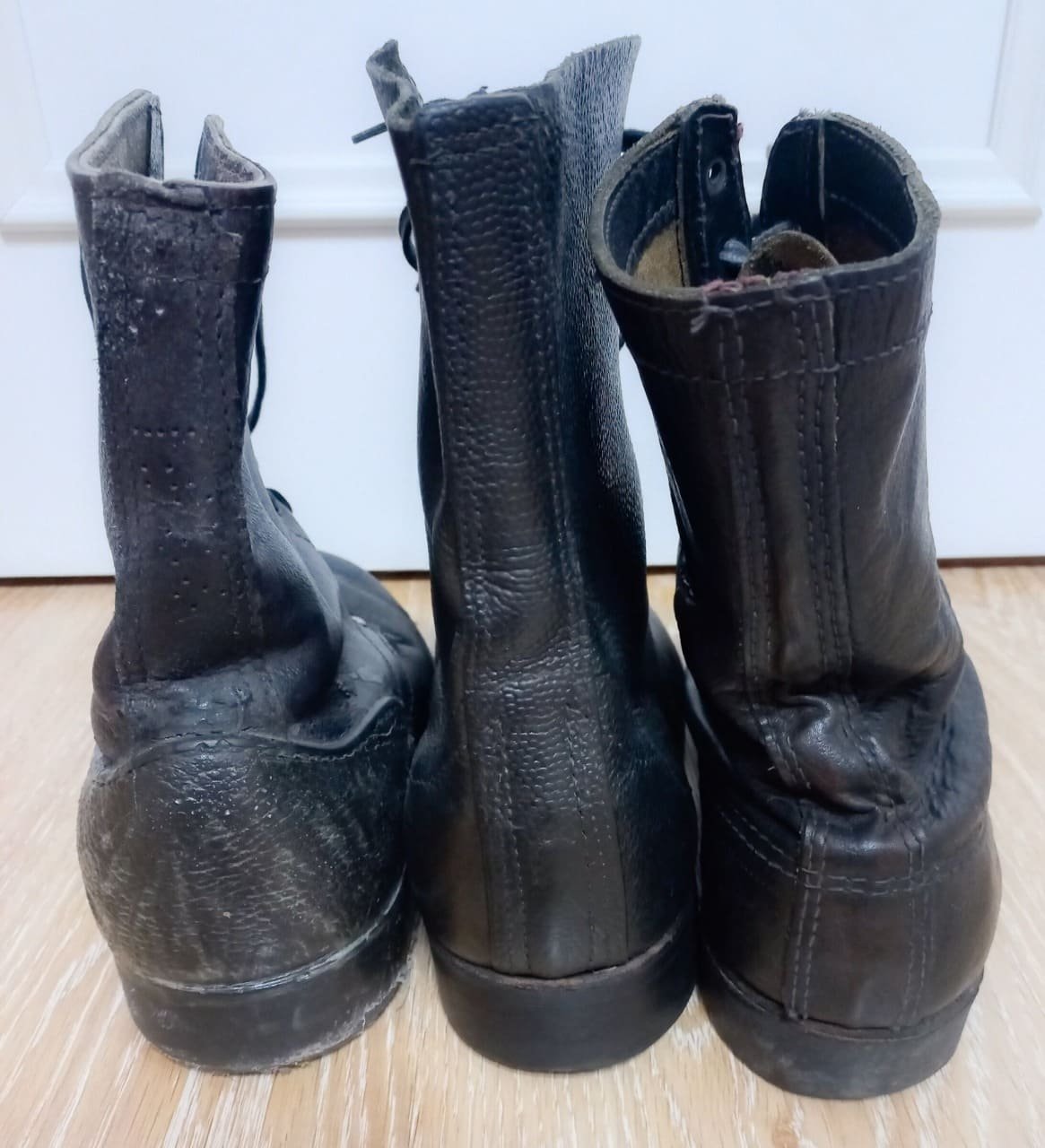
In this article Soviet combat boots Afghan War, we will compare three boot models from the Afghan War period.
There will be a little history, a quality comparison, we will find out which sole is better, and at the end we will check the weight of each pair.
Read till the end, it will be interesting.
More articles about Afghan period:
Guide of the Soviet Afghanka Uniform (M88)
Soviet Spetsnaz Uniform in Afghanistan (1979–1989)
How the Soviet Army Uniform Changed from 1955 to 1991
Field Uniform and Equipment of the Soviet Army (1968–1991) – Part 1
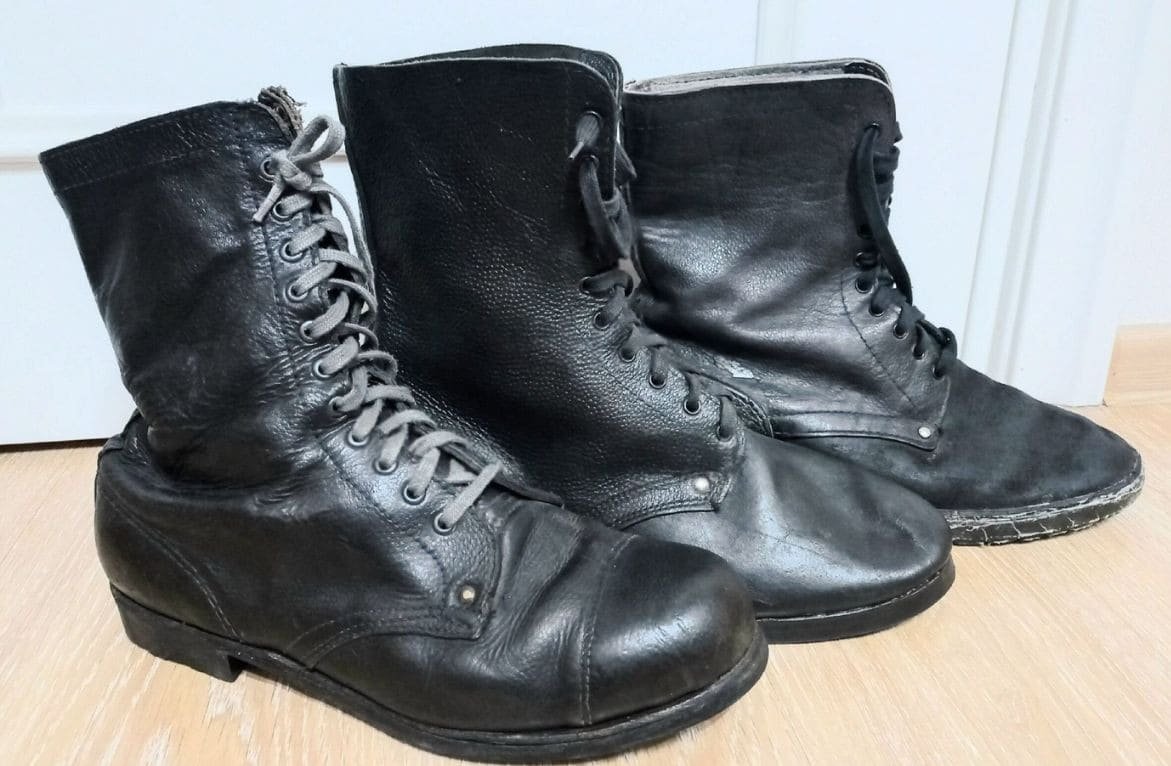
Today I want to talk about three main types of boots that were used by Soviet soldiers during the Afghan war. Basically, these are the three key combat boots that were produced in the Soviet Union for the army. Each of them became iconic in its own era.
Margelovki Boots (M69)
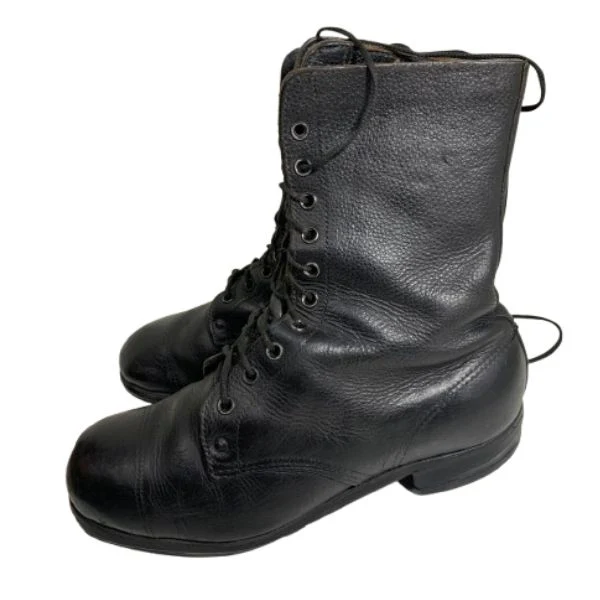
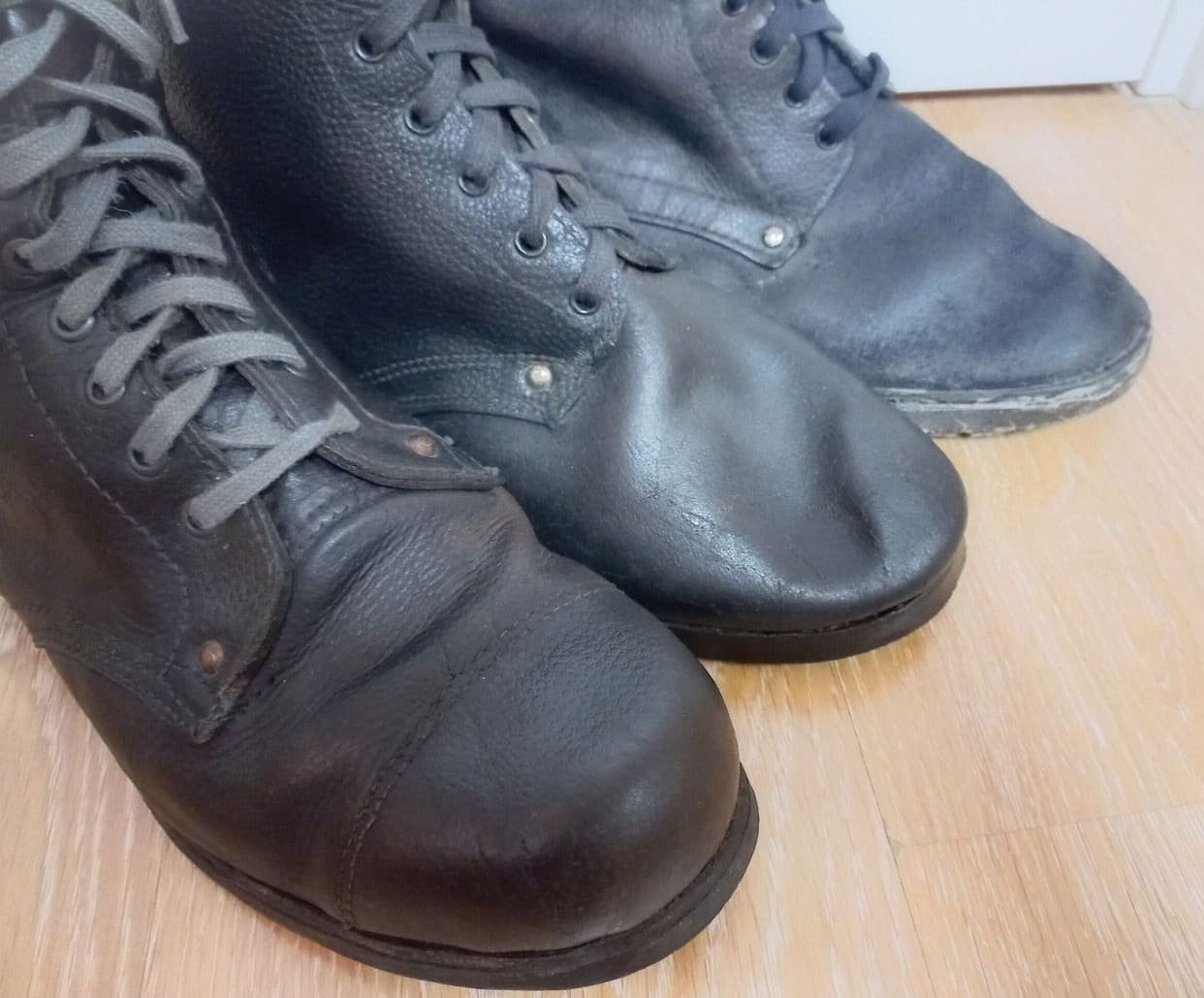
The first type, and the longest-living boots in Soviet military footwear history, are the so-called Margelovki boots.
First, in the Soviet Union they were made in limited numbers and were mostly used by special units and airborne troops.
Second, very similar boots can be seen in drawings of planned airborne uniforms from 1965 to 1967, during another uniform reform.
Most likely, this is why they later got the name Margelovki. At the time they were actually in use, they didn’t really have an official name.
Why are they called Margelovki?
Telnyashka: History of the Russian Navy and VDV Striped Shirt
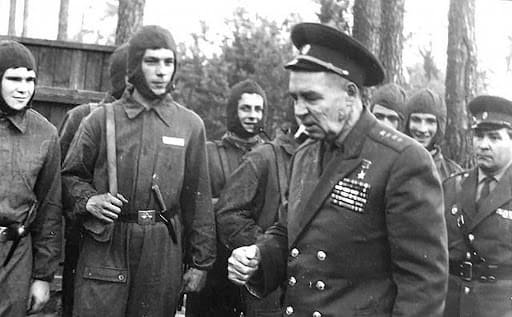
The name Margelovki is informal and is linked to Vasily Margelov, the legendary commander of the Soviet Airborne Forces. It was during Margelov’s time that the airborne troops started moving away from traditional kirza boots and began experimenting with more comfortable footwear. Paratroopers needed boots that worked better for jumps, long marches, running, and combat tasks. Because of that, leather combat boots of this type first appeared on a larger scale specifically in the Airborne Forces, and over time these early boots became closely associated with Margelov’s era and were later nicknamed Margelovki.
Outside the USSR, these boots are better known as Botas Rusos, which literally means “Russian boots”. In the 1960s they were issued to the Soviet limited contingent in Cuba, and also to the Cuban army. They were produced in the Soviet Union and shipped to Cuba until production ended, after which the Cubans copied the design themselves.
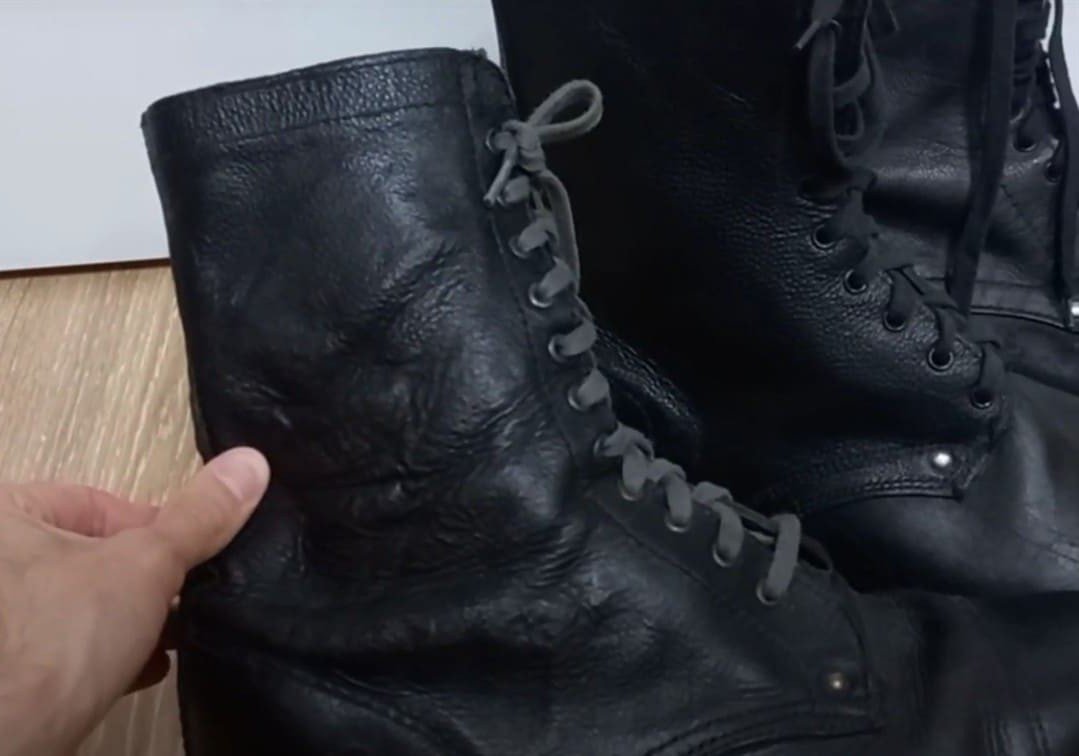 By design, these boots are basically a Soviet interpretation of American combat boots. They appeared in the early 1960s, roughly between 1961 and 1963, and were originally designed for uniforms intended for hot climate regions.
During the Afghan war, Margelovki boots were actively used in the early stage of the conflict together with the M69 uniform. That’s why it’s absolutely fair to call them M69 combat boots.
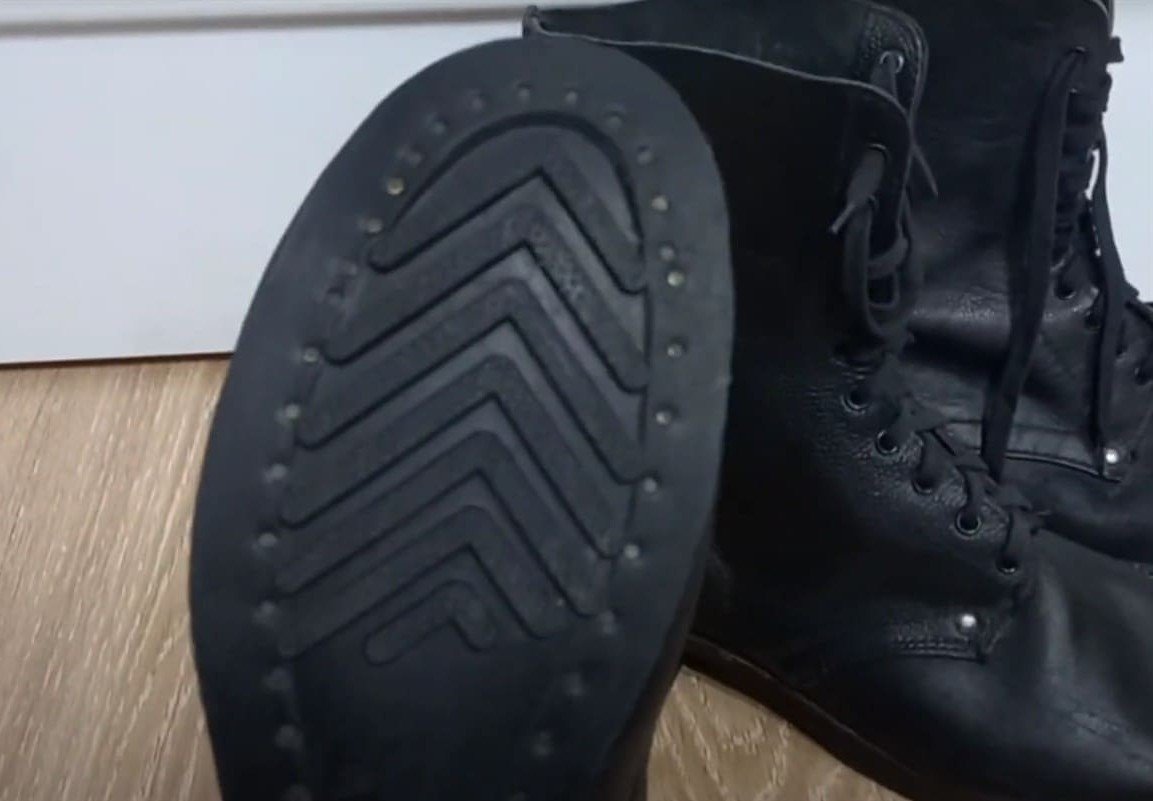
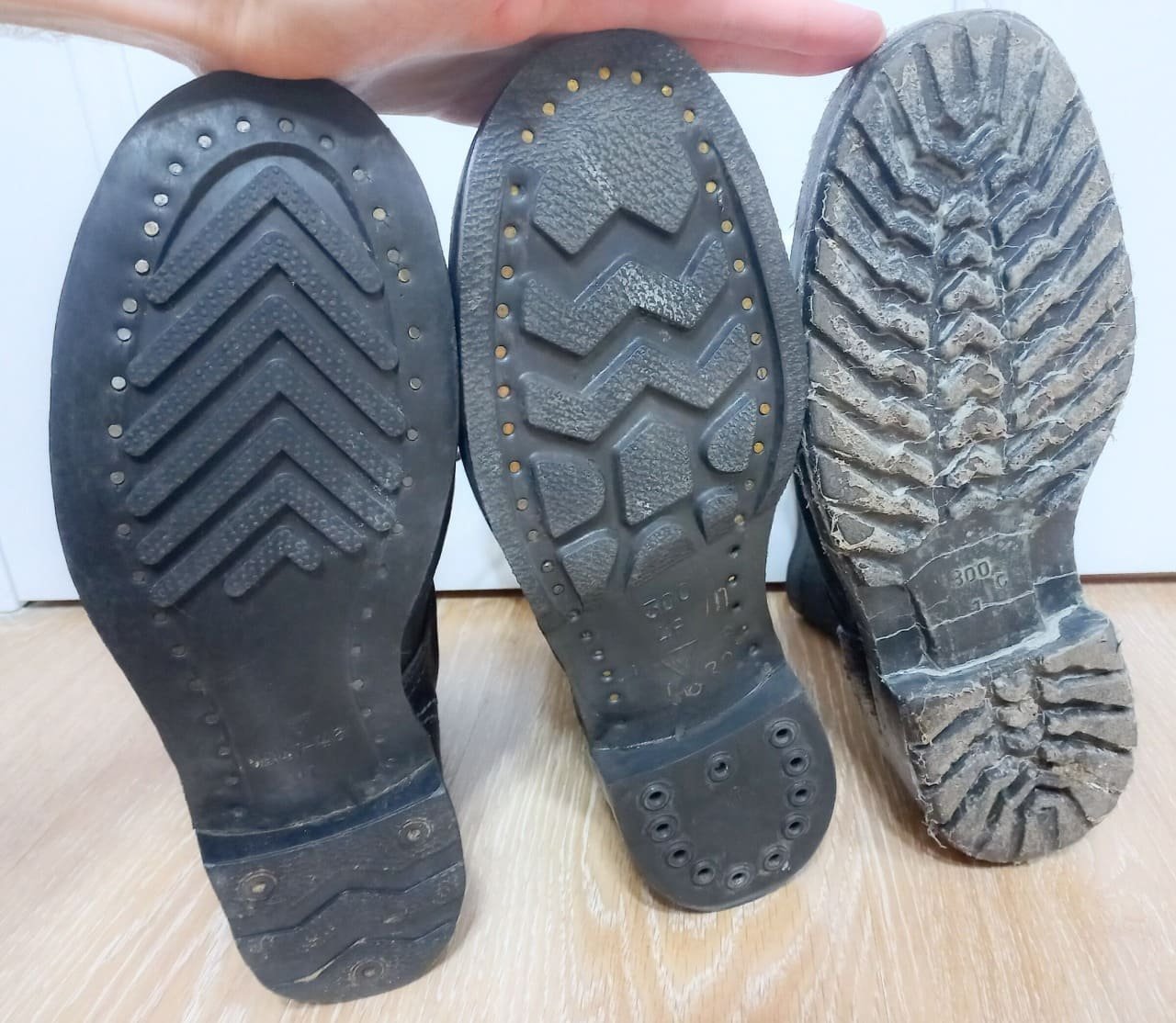
What makes M69 boots easy to recognize is the sole pattern, known as herringbone ‘Yelka’, ‘Stalinka’ or ‘Stalin soles’ Brass nails were used across the entire sole. Another very noticeable detail is the stitched seam on the toe.
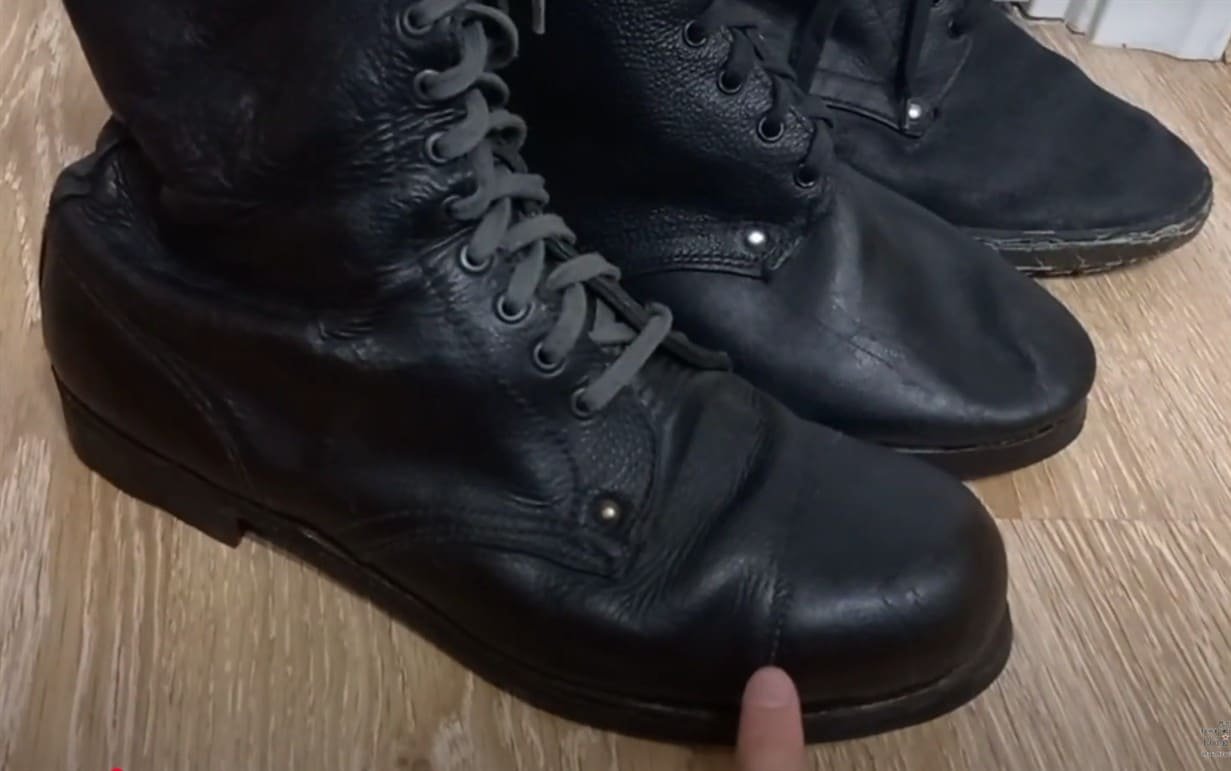
The whole boot is made from solid leather and built to survive tough conditions.
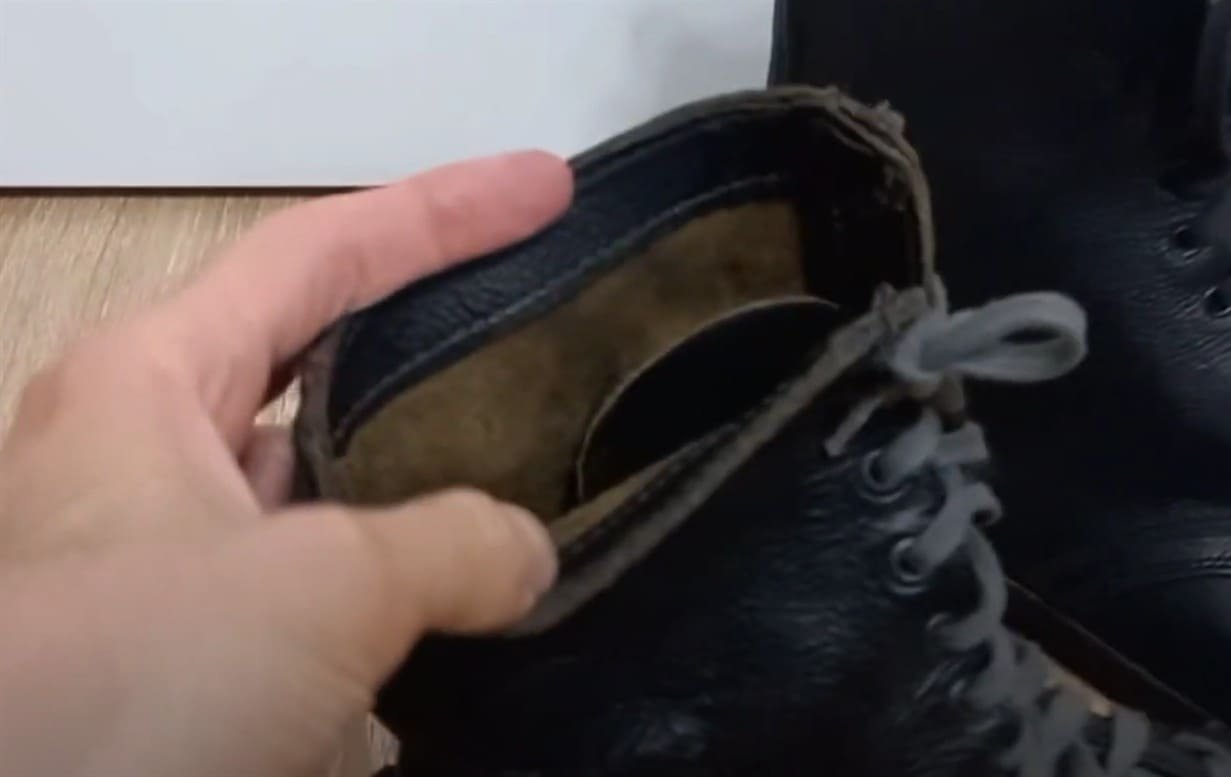
Because good leather was expensive, these boots were never truly mass-issued. Still, they became the starting point for everything that came later in Soviet combat footwear.
Derevyashki Boots (M88)
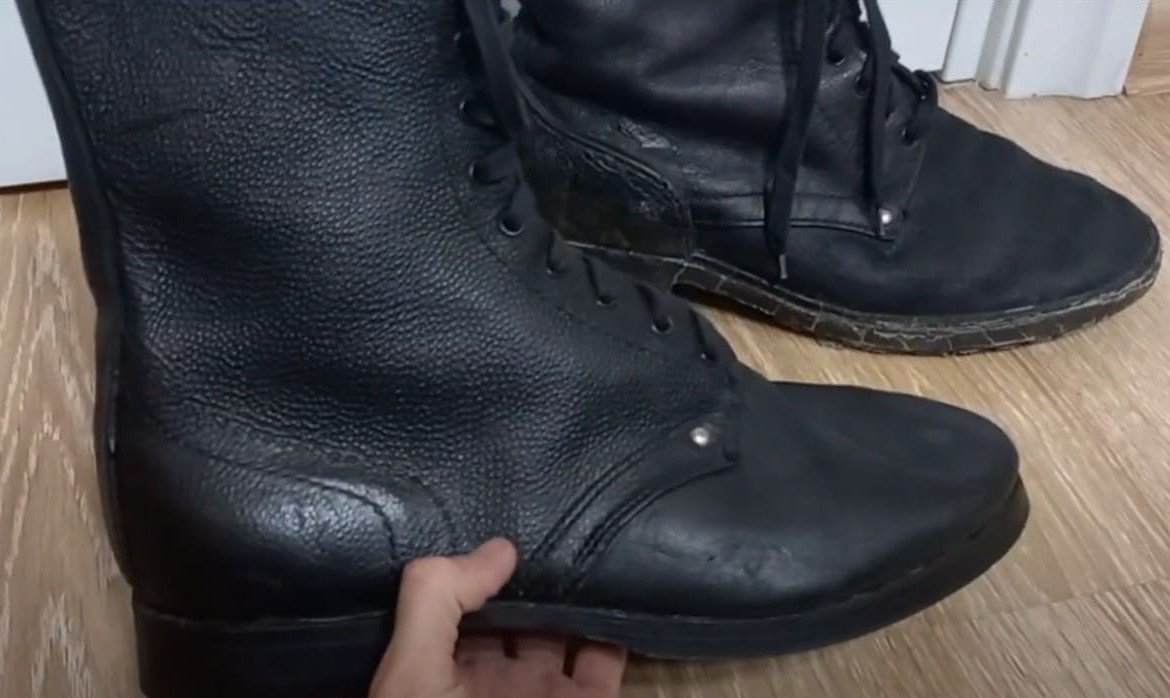
The next step came in 1981 with boots that soldiers nicknamed Derevyashki (Woody). They were produced until the early 1990s and became the most common boots of the Afghan war era.
Why were they called Derevyashki?
From the word “wood”, meaning hard. When brand new, these boots were really stiff and needed a long break-in period. At first they could feel uncomfortable, but once broken in, the leather softened and the boots became much more comfortable. That’s exactly why, after some time, Derevyashki were appreciated for their comfort and reliability.
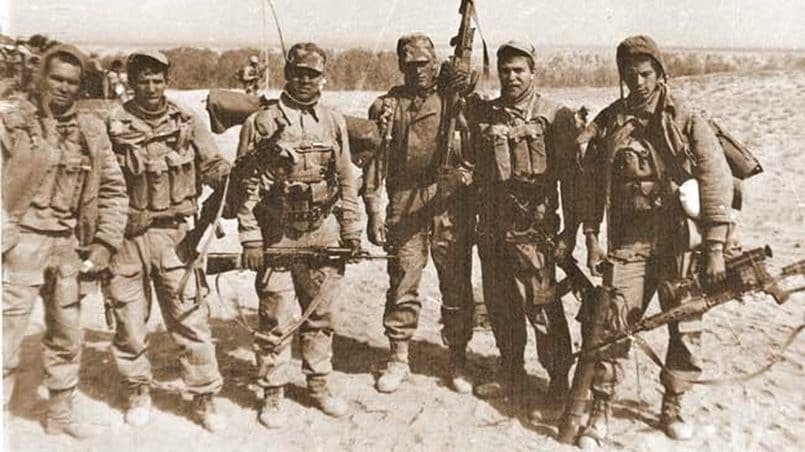
These boots were actively used in Afghanistan together with the new M88 uniform, so they are often called M88 combat boots. This model became the most legendary footwear of the 1980s and a true symbol of the Afghan war.
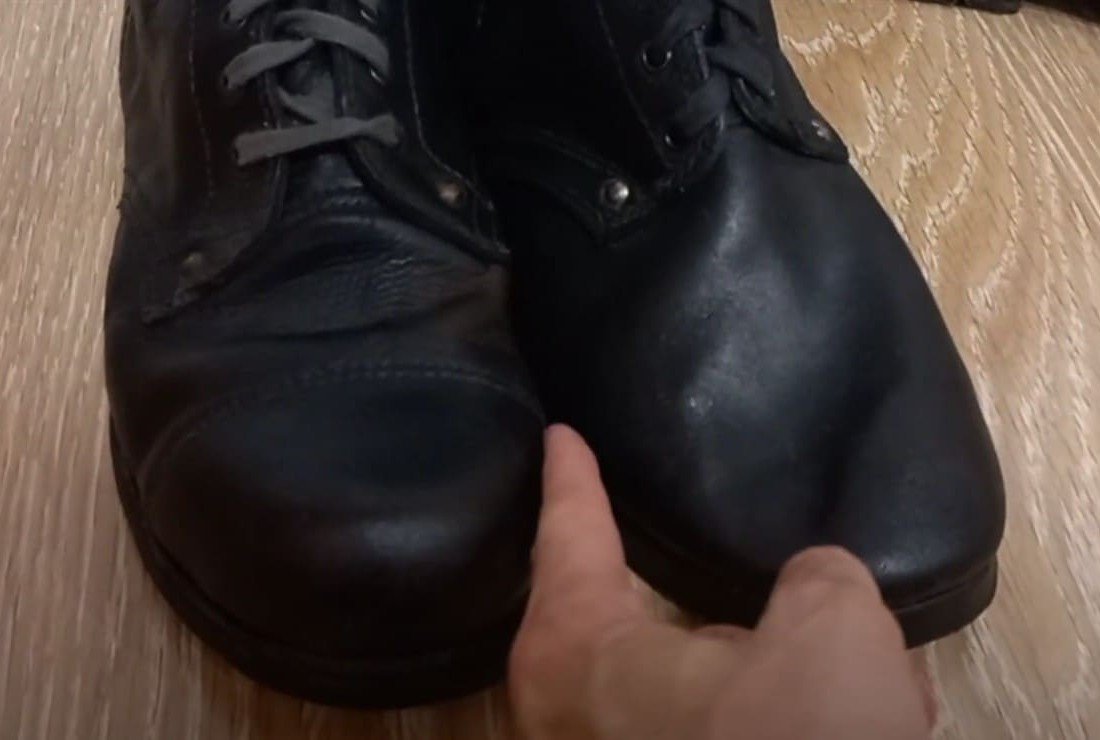
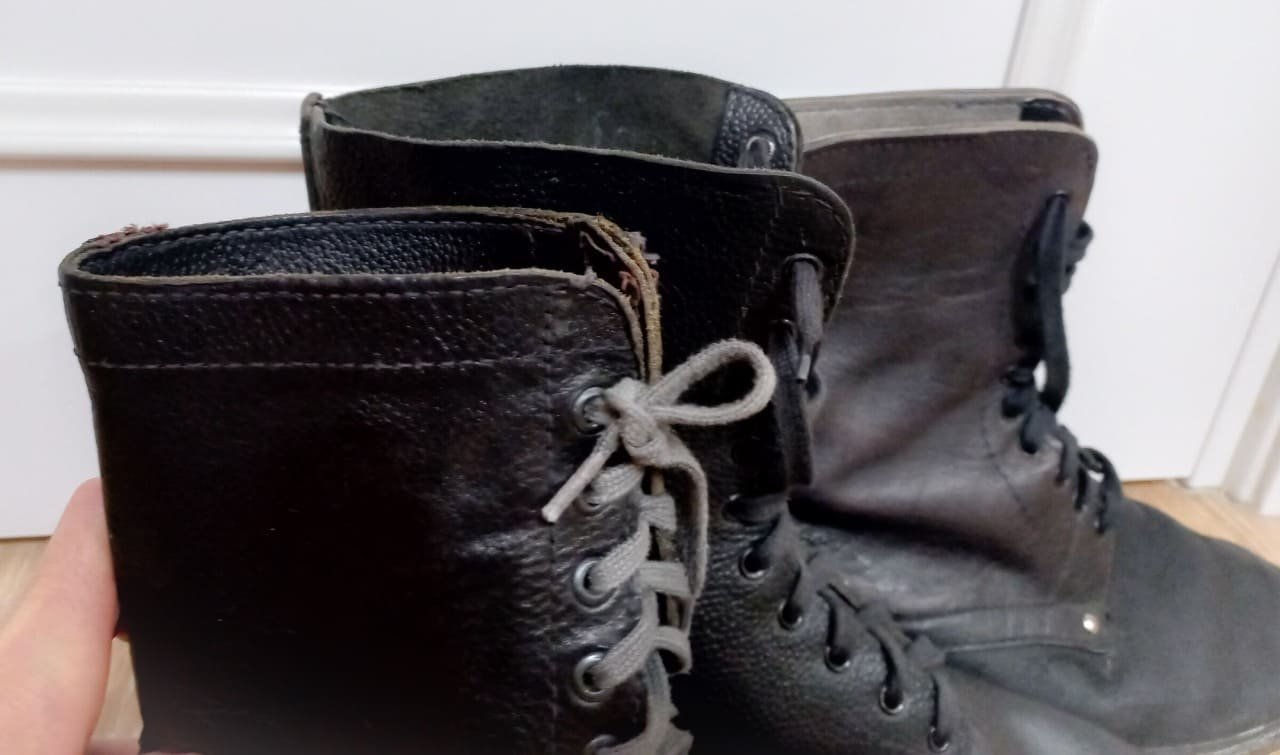
They have a simpler and more utilitarian upper, without heavy reinforced stitching. The toe was usually made from rough-out leather, which gives it a sharper, more boot-like shape.
On the M88 Derevyashki boots, a new Tractor sole was introduced. Both steel and brass nails were used. This sole replaced the earlier Stalinka sole. The old sole did not provide good grip, especially on rocks, dirt, and uneven ground. The Tractor sole was made with a deep and aggressive tread, which gave much better traction and stability.
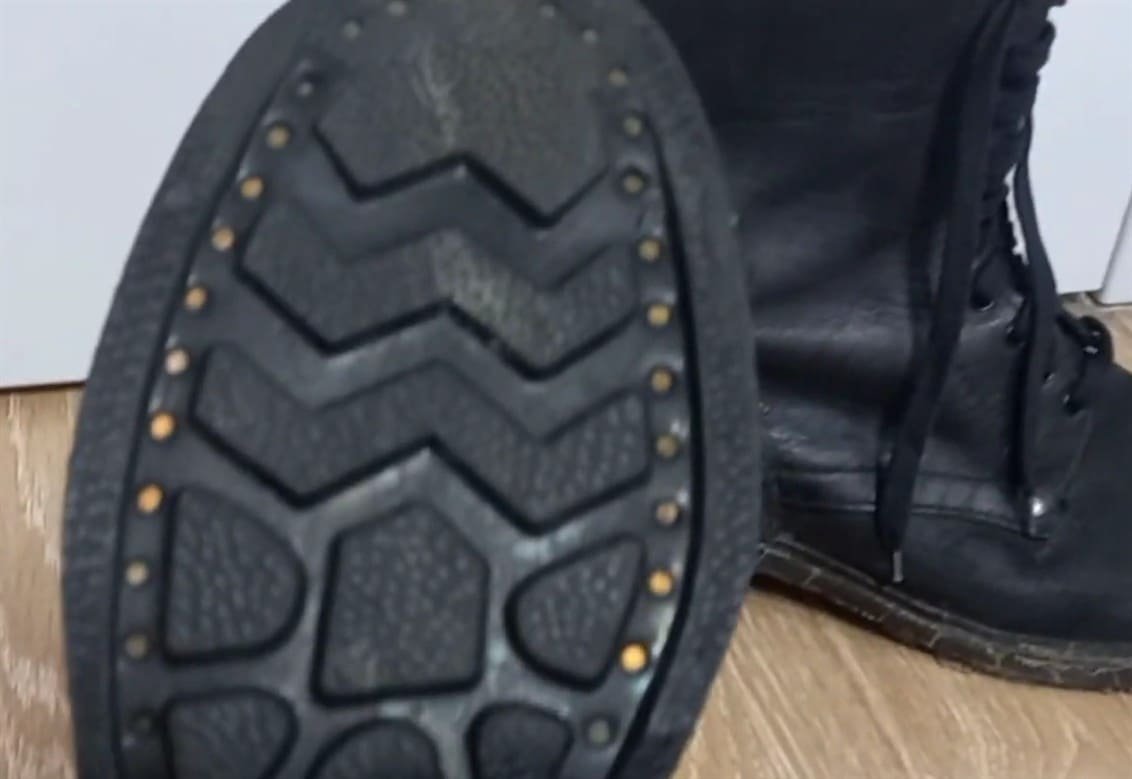
Because of this, the Tractor sole quickly proved itself in real conditions and became a true trademark of Soviet military footwear. It was not used only on combat boots. The same sole design was widely used on kirza boots, yuft leather boots, low combat shoes, and other types of army footwear. Over time, the Tractor sole became one of the most recognizable elements of Soviet boots.
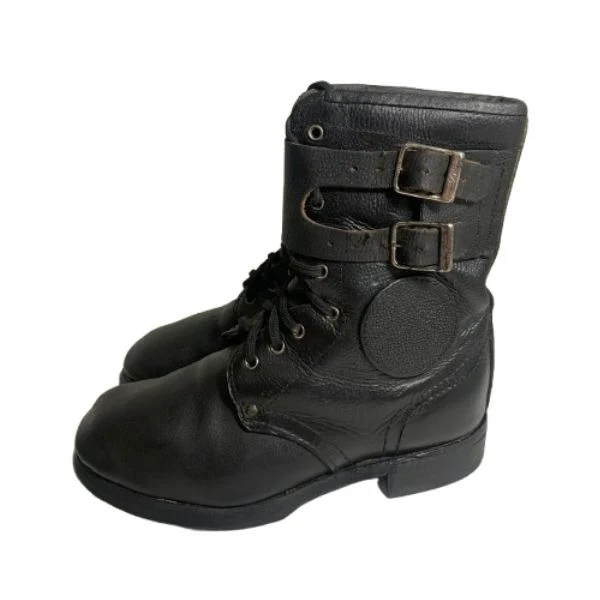
There was also an M88 version of derevyashki boots with two straps. These boots were used by the Airborne Forces (VDV). The straps helped to fix the boots tightly on the leg during parachute jumps and sharp movements. With straps, these boots look quite stylish. They were produced in very small numbers, so today they are rare and very hard to find.
Check Soviet Afghan VDV combat boots with belts here: 42 size 45,46 sizes
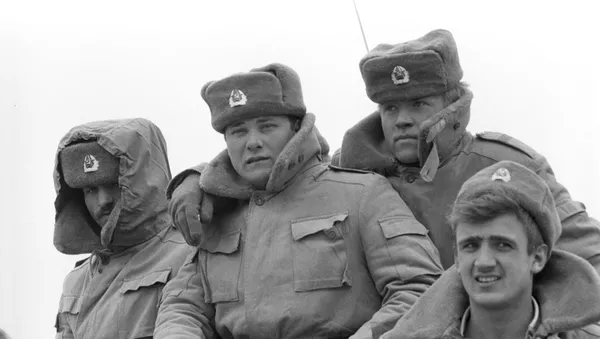
Afghanistan was not always hot.
During winter, especially at night or high in the mountains, it could get really cold. Temperatures often dropped below zero, and strong wind made it feel even colder.
Because of this, Soviet soldiers used warm gear. They wore insulated Afghan jackets, ushanka hats, belts, and winter versions of M88 combat boots with fur lining inside.
Check winter version Afghan combat boots here: 47 size
Derevyashki became the most widespread boots in airborne units, internal troops, and many other formations, and later became genuinely loved by reenactors and collectors.
Looking Soviet Afghan combat boots? You can get them here all sizes→[Soviet M88 combat Boots]
Lightweight Combat Boots
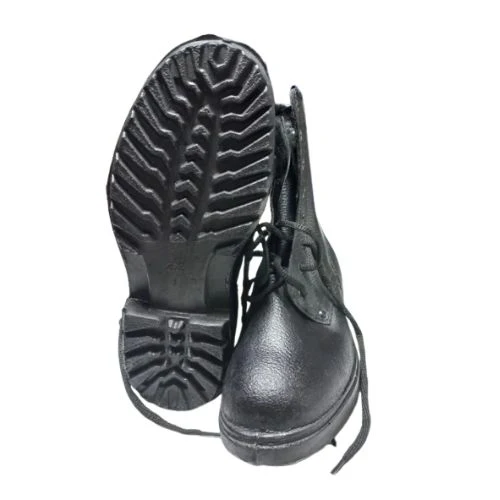
The last type is the lightweight combat boots, which appeared around 1985 to 1986, already during the Afghan war. By that time it was clear that combat boots were more practical than kirza boots, but they were still heavy and hot, especially in the mountains.
While the Americans reduced weight by changing the upper part of the boot, the Soviets decided to make the sole lighter.
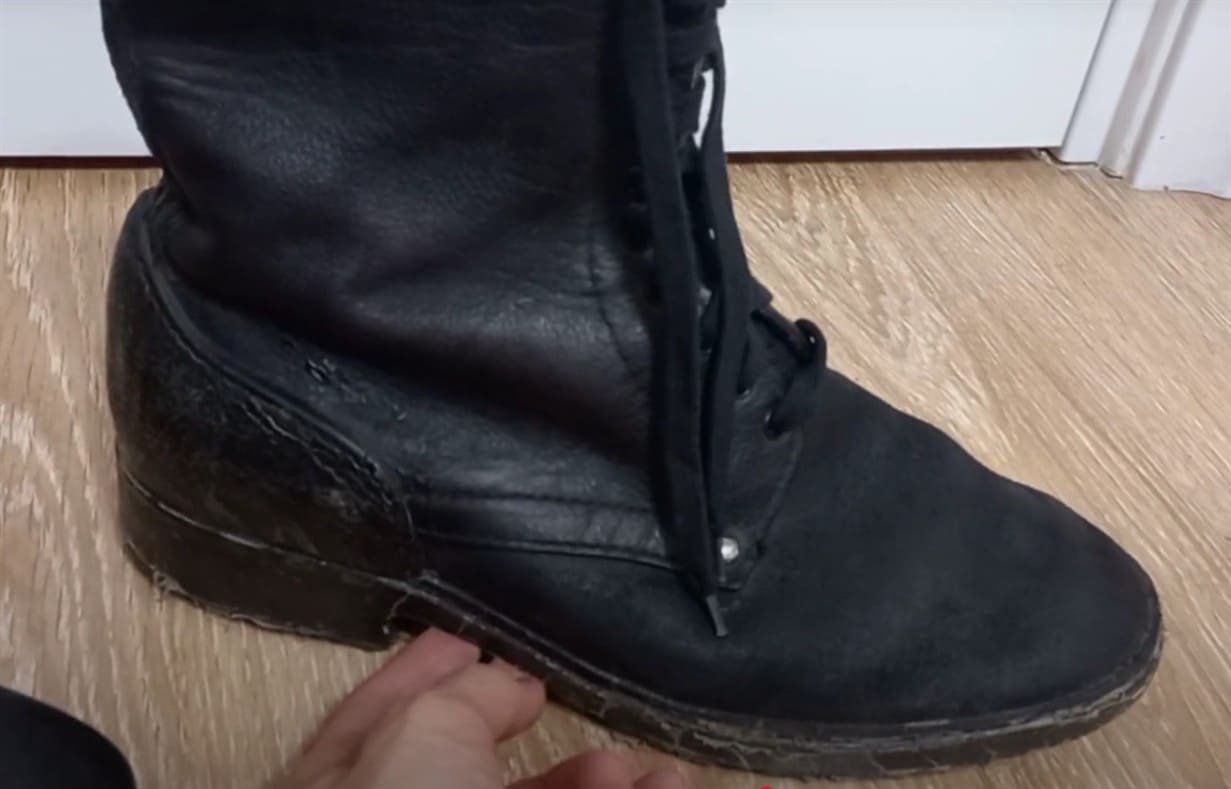
The main thing about this model is the polyurethane sole. It’s very light and very soft. These boots are genuinely comfortable for running and moving in the mountains, and in terms of comfort they clearly outperform earlier models.
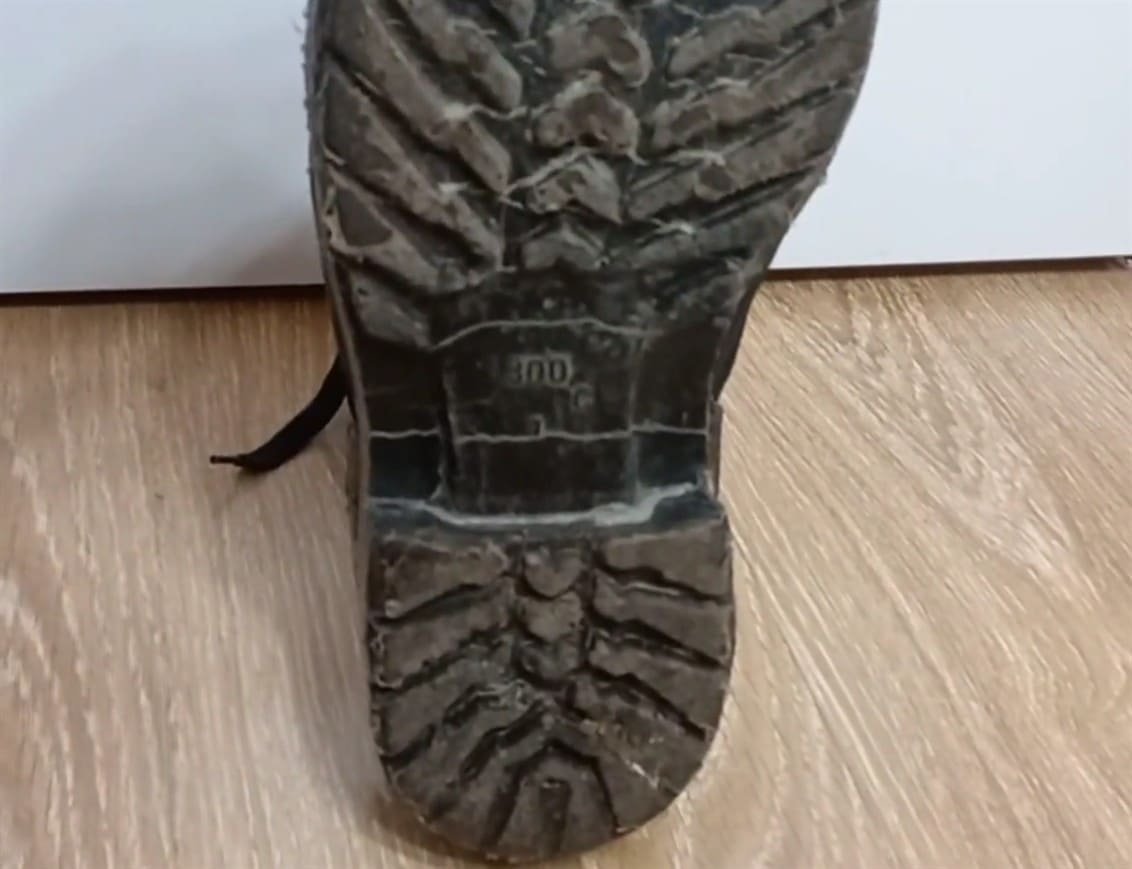
But there was a downside. The materials of that time were far from modern. Polyurethane would dry out in heat, and over time the sole could crack and crumble. Because of that, these boots were less durable.
Even so, lightweight boots were popular thanks to their low weight and comfort. They were actively used by airborne troops, special forces, and marine infantry.
Check Soviet Afghan combat boots ‘Lightweight’ here: ( Soviet Afghan lightweight combat boots )
Weight Comparison
Now let’s compare the weight of all three models.
For clarity, all boots are size 46.
M69 Margelovki boots weigh 934 grams.
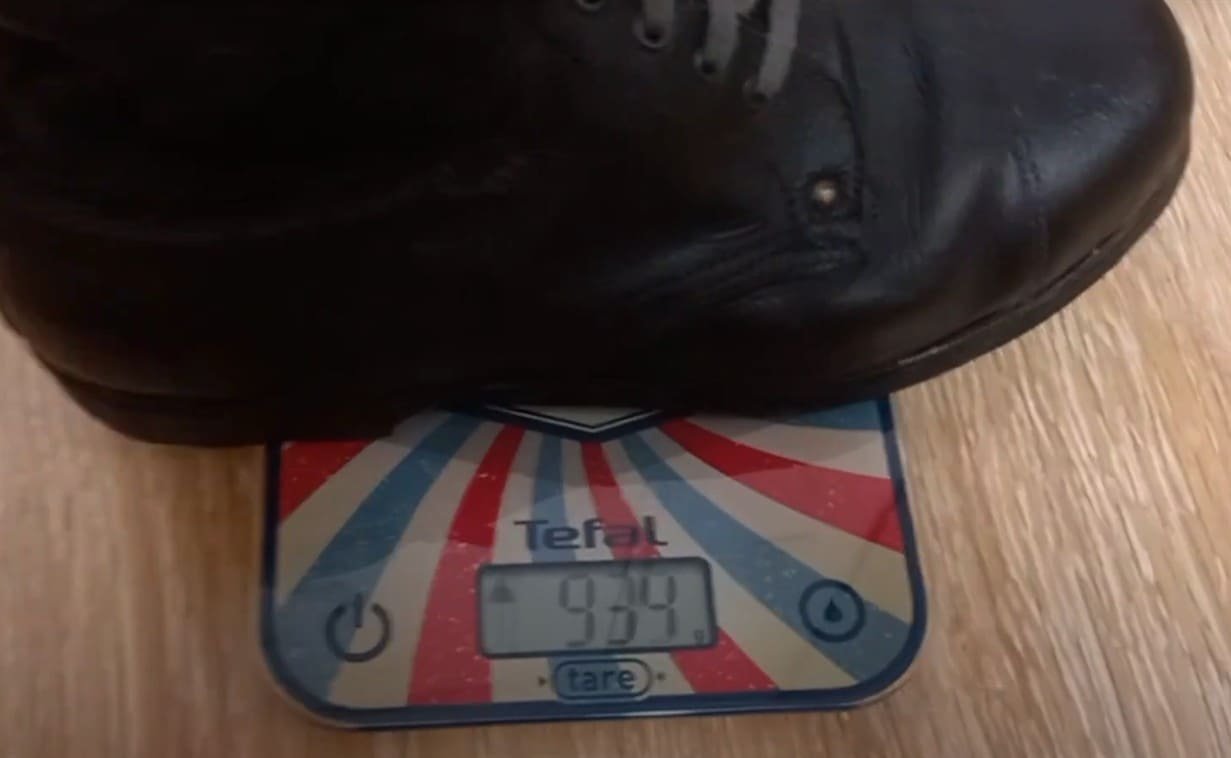
M88 Derevyashki boots weigh 1024 grams and are clearly heavier.
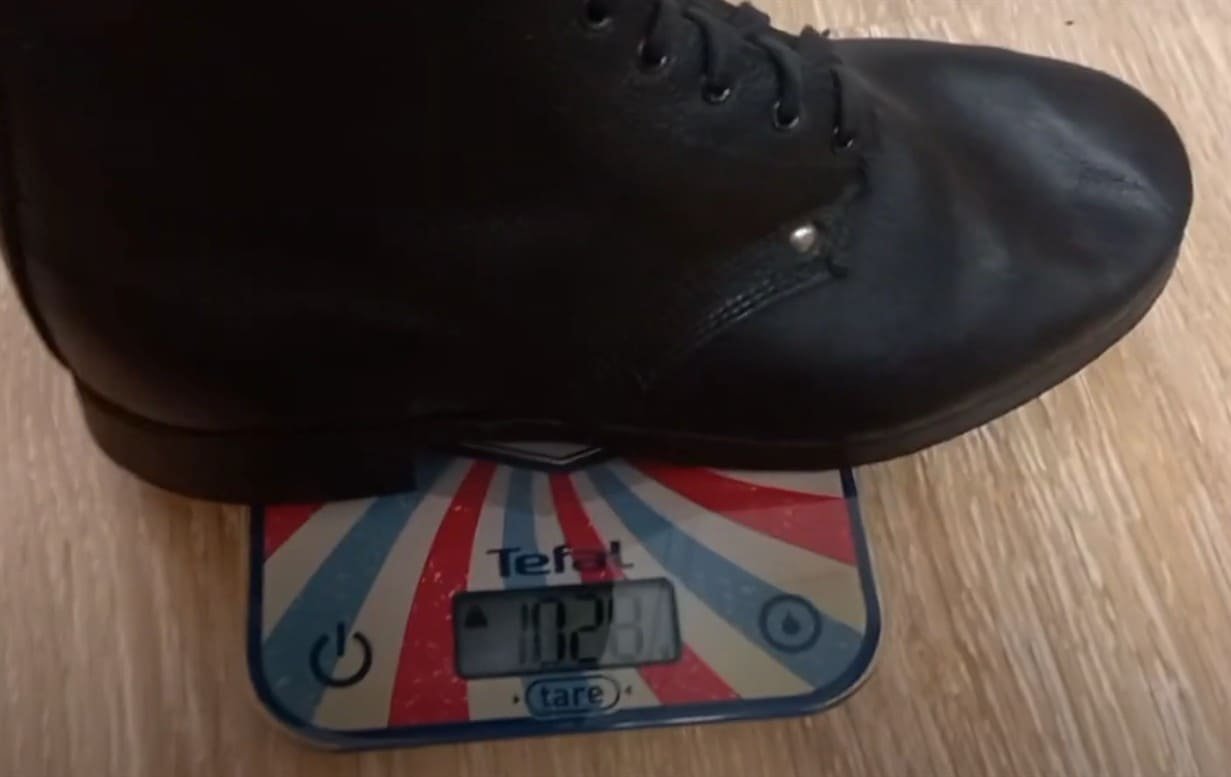
Lightweight boots weigh 703 grams.
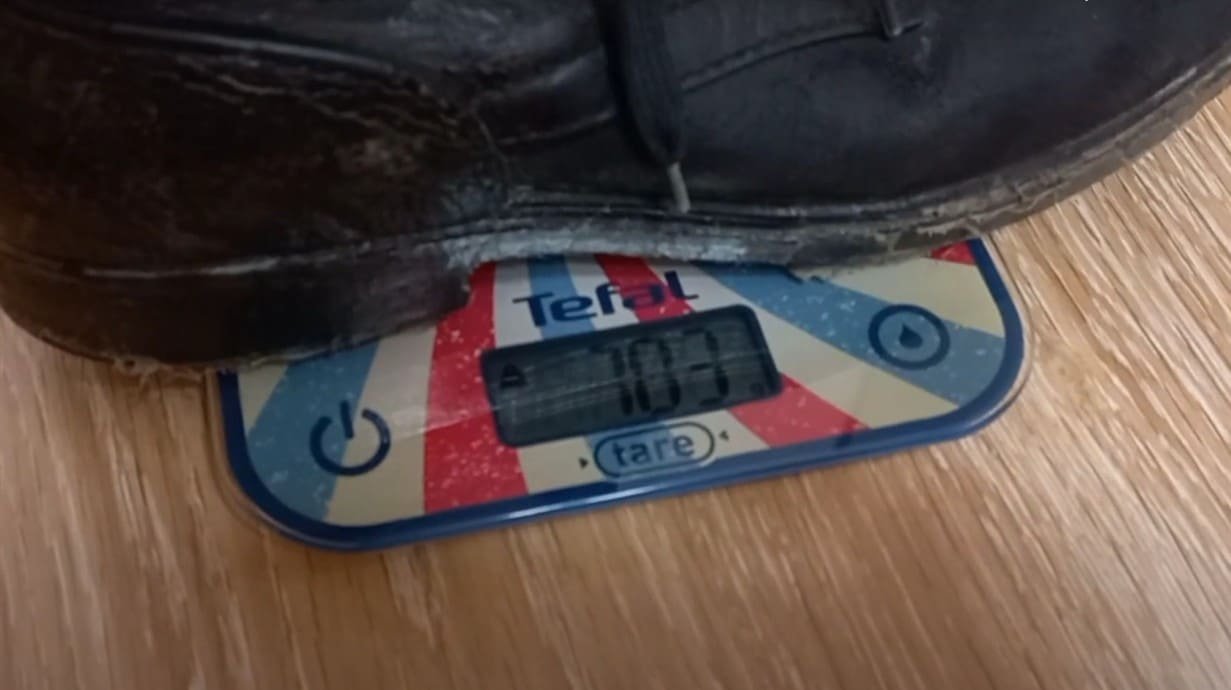
The lightweight boots turned out to be the lightest option, and that’s exactly what they were created for.
Thank you for your attention!
Which boots did you like the most?
Have you had boots like these before, or which ones would you like to buy?
Write your thoughts in the comments.
See you in the next article!
Soviet Boots Commander
More articles about Afghan period:
Soviet Spetsnaz Uniform in Afghanistan (1979–1989)
How the Soviet Army Uniform Changed from 1955 to 1991
Field Uniform and Equipment of the Soviet Army (1968–1991) – Part 1
Looking original Soviet boots and accessories? Please visit here: Soviet Boots Store